



Batiraxcept
Based on 2 publication(s) in Google Scholar
Batiraxcept (AVB-500; AVB-S6-500) is a selective, soluble AXL receptor and GAS6 inhibitor that targets the GAS6-AXL signaling axis. Batiraxcept is orally inactive and does not cross the blood-brain barrier. Batiraxcept competitively binds to GAS6 ((KD <1 nM), preventing its interaction with the AXL receptor tyrosine kinase, thereby inhibiting downstream PI3K/AKT and MAPK signaling pathways, reducing tumor cell glycolysis, angiogenesis, and metastatic potential. Batiraxcept has demonstrated antitumor activity in preclinical models of endometrial, cholangiocarcinoma, and ovarian cancer by inhibiting tumor growth, invasion, and metastasis.
For research use only. We do not sell to patients.
- Purity : 99.91%
- CAS No.: 2268717-61-7
- Molecular Weight:93.85 kDa
-
Storage:
Please store the product under the recommended conditions in the Certificate of Analysis.


To place orders, for customer services and technical support, please contact: MedChemExpress USA
Tel: 609-228-6898 E-mail: [email protected] [email protected]


-
 Biological Activity
-
Chemical Information
- Protocols
- Purity & Documentation
- References
-
 Help & FAQs


-

HY-P99161
TilvestamabHumanized Anti-AXL Antibody -

HY-P99720
LuspaterceptSmad2/3 Inhibitor -
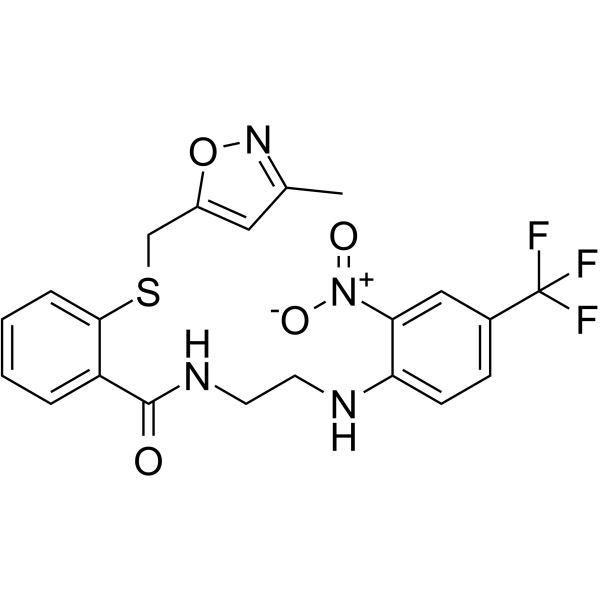
HY-119039
RU-301TAM Inhibitor -
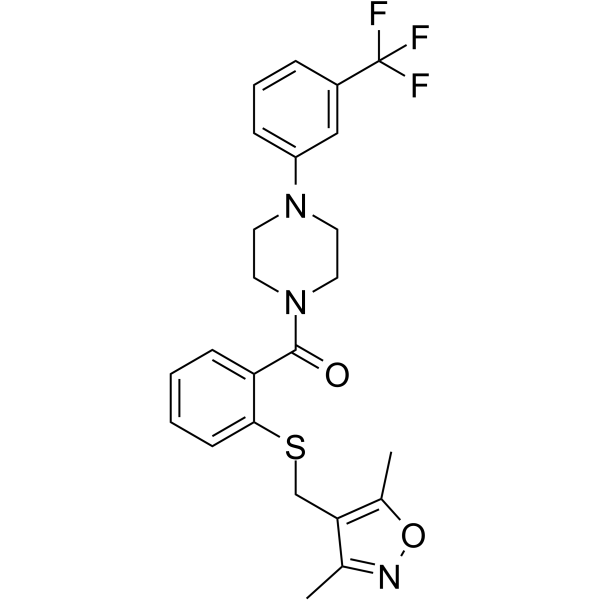
HY-124066
RU-302Pan-TAM Inhibitor -

HY-P99724
ManfidokimabAnti-IL-4Rα Monoclonal Antibody -

HY-P99806
PritumumabAnticancer Antibody -
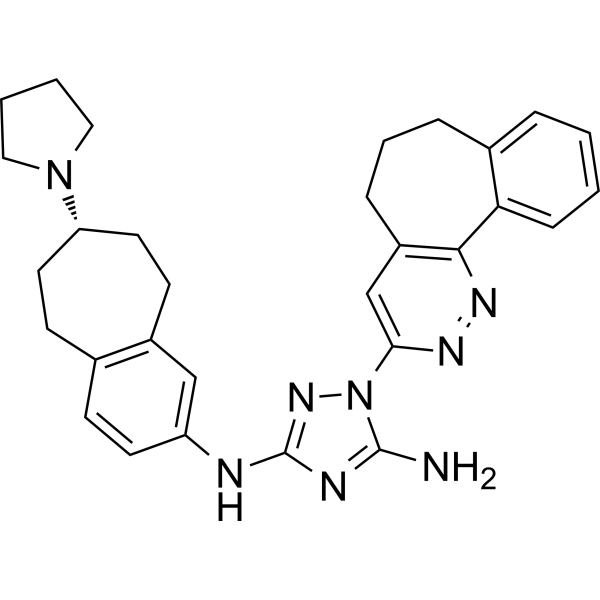
HY-15150
BemcentinibAXL Inhibitor -
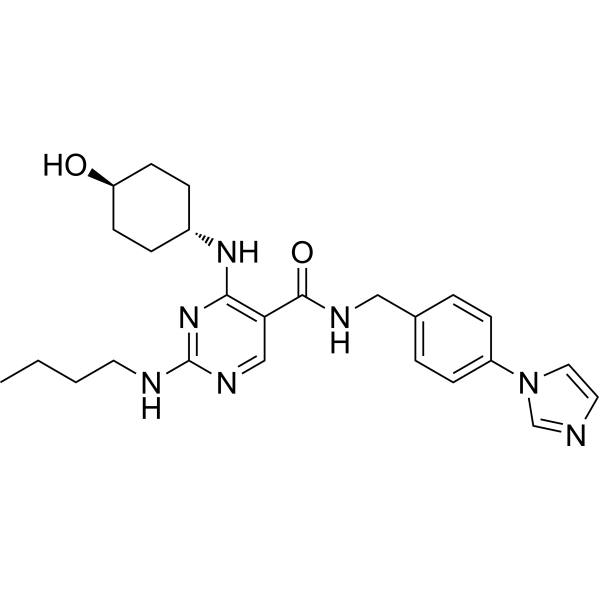
HY-15798
UNC2881Mer Kinase Inhibitor -
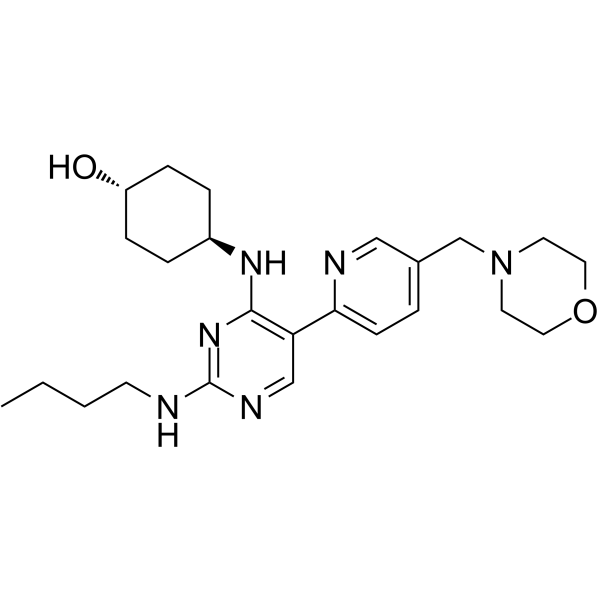
HY-15797
UNC2250Mer Inhibitor -
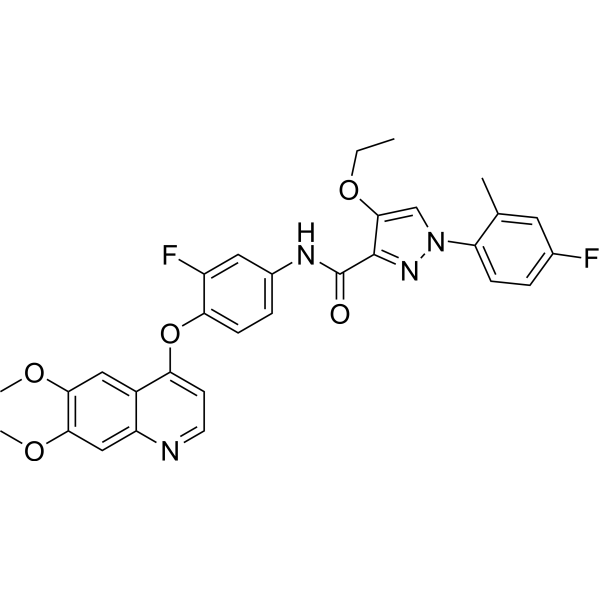
HY-12494
LDC1267AXL/TAM/FLT3 Inhibitor -
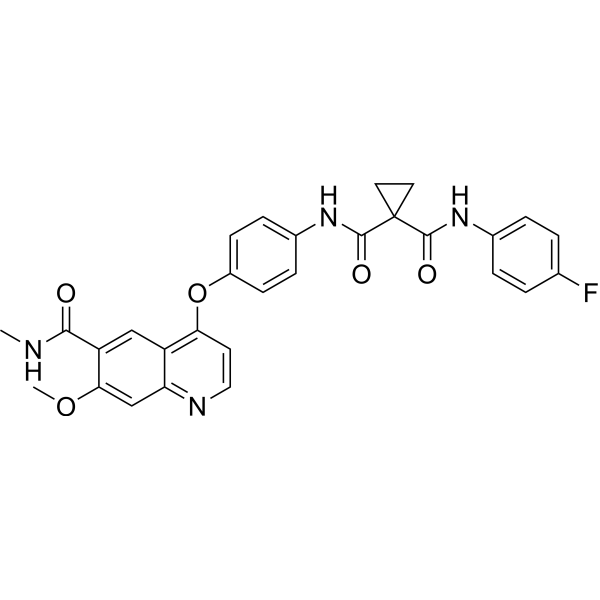
HY-138696
ZanzalintinibAxl/Mer/C-Met Inhibitor -
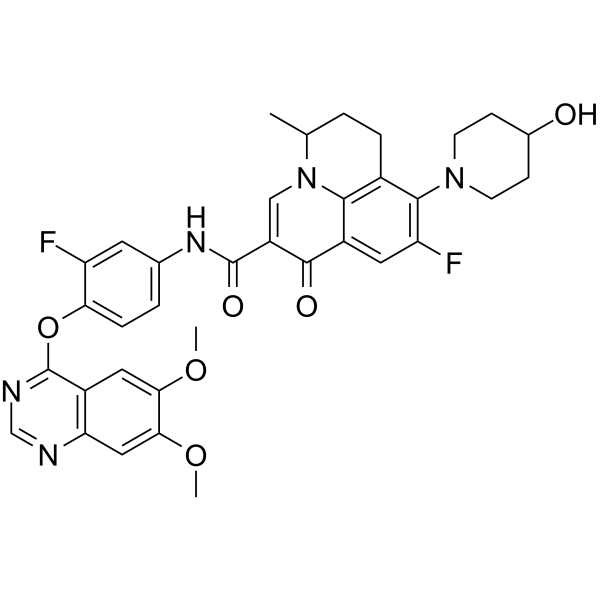
HY-150041
TL4830031Axl Inhibitor
Publications Citing Use of MedChemExpress (MCE) Batiraxcept
More

Biological Activity
Description
IC50 & Target
|
Axl |
In Vitro
Batiraxcept (2 μM; 24 h) inhibits the viability of chemoresistant endometrial cancer cells (ARK1, PUC198) and synergizes with 12.5 nM Paclitaxel (HY-B0015) to reduce glycolytic metabolites and pAKT signaling[1].
Batiraxcept (100 μg/mL; 24 h) reduces the invasion and migration ability of cholangiocarcinoma cells (SNU1196, HUCCT1) in Matrigel invasion and scratch assays[2].
MedChemExpress (MCE) has not independently confirmed the accuracy of these methods. They are for reference only.
-
Cell Line:ARK1, PUC198 (human endometrial cancer)
-
Concentration:2 μM
-
Incubation Time:24 h
-
Result:Showed a 40-60% reduction in viability compared to control, with synergistic effect when combined with Paclitaxel.
In Vivo
Batiraxcept (50 mg/kg, 100 mg/kg; intraperitoneal injection; once every 2 days; 25 days) significantly reduces the dissemination of bile duct tumor cells in the peritoneal cavity in a mouse endometrial cancer (SNU1196 cell) xenograft model, and does not affect the body weight of immunodeficient mice[2].
MedChemExpress (MCE) has not independently confirmed the accuracy of these methods. They are for reference only.
-
Animal Model:BALB/c nude mice (female, 6-8 weeks old, 18-22 g), ARK1 cell-derived endometrial cancer xenograft model[1]
-
Dosage:30 mg/kg
-
Administration:Intraperitoneal injection (i.p.), twice weekly for 4 weeks, starting 1 week after tumor cell inoculation
-
Result:-Tumor Growth:
Tumor volume was measured by caliper every 3 days. At the end of the treatment, the average tumor volume in the Batiraxcept group was 60% smaller than that in the control group.
-Metastasis:
Lung metastasis was evaluated by counting the number of metastatic nodules after sacrifice. The number of metastatic nodules in the Batiraxcept group was reduced by 80% compared to the control group.
- Human pluripotent stem cell endothelial-cell differentiation
- Vascular/Branching Fractal Analysis
- Endothelial Tube Formation Assay
- Patient-Derived Xenograft (PDX)
- Patient-Derived Orthotopic Xenograft (PDOX)
- Cell invasion
- Subcutaneous Cell-Line-Derived Xenograft
- Endothelial Cell Migration/Angiogenic Sprouting Assay
- Orthotopic Cell-Line Xenograft
Clinical Trial
| NCT Number | Sponsor | Condition | Start Date |
Phase

|
|---|---|---|---|---|
| NCT01329991 | Plexxikon| | 2011-05 | PHASE1 |
Conjugated
Unconjugated
Reconsititution
The product can be reconstituted/diluted with sterile PBS or saline.
Format
-
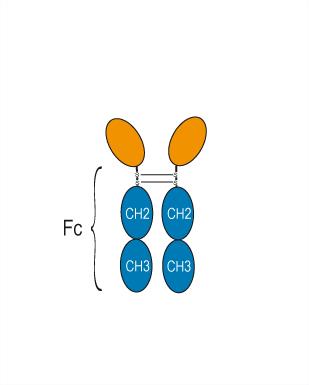
[AXL (AXL receptor tyrosine kinase, ARK, JTK11, Tyro7, UFO)]2-IGHG1 Fc (Fragment constant)
Application
ELISA, FACS, Functional assay


Chemical Information
-
CAS No. 2268717-61-7
-
Appearance Liquid
-
Molecular Weight 93.85 kDa
-
Color Colorless to light yellow
-
SMILES
[Batiraxcept]
-
Synonyms
AVB-500; AVB-S6-500
-
Shipping
Shipping with dry ice.
-
Formulation
Please refer to the lot-specific COA for specific buffer information.
-
Storage
Please store the product under the recommended conditions in the Certificate of Analysis.


Publications (2)
-
Journal Impact Factor
-
Most Recent
-
Adv Sci (Weinh)
TGM2 Aggravates Acute Pancreatitis by Impairing Macrophage Efferocytosis Through Inhibition of the STAT6-GAS6 Axis. [Abstract]2026 Apr;13(24):e20739. PMID: 41703992 -
Gynecol Oncol
AXL inhibition improves the therapeutic efficacy of trastuzumab in high-risk endometrial cancer. [Abstract]2025 Nov 20:204:52-62. PMID: 41270342


Purity & Documentation
-
Data Sheet (263 KB)
-
SDS (252 KB)
- English - EN (252 KB)
- Français - FR (252 KB)
- Deutsch - DE (252 KB)
- Norwegian - NO (252 KB)
- Español - ES (252 KB)
- Swedish - SV (252 KB)
- Italian - IT (252 KB)
- Korean - KR (252 KB)
- Portuguese - PT (252 KB)
-
Inhibitory Antibodies User Guide (603 KB)
References
[1]. Bruce SF, et al. GAS6-AXL Inhibition by AVB-500 Overcomes Resistance to Paclitaxel in Endometrial Cancer by Decreasing Tumor Cell Glycolysis. Mol Cancer Ther. 2022 Aug 2;21(8):1348-1359. [Content Brief]
[2]. Kim J, et al. Targeting AXL Using the AVB-500 Soluble Receptor and through Genetic Knockdown Inhibits Bile Duct Cancer Growth and Metastasis. Cancers (Basel). 2023 Mar 21;15(6):1882. [Content Brief]
[3]. Toboni MD, et al. Inhibition of AXL and VEGF-A Has Improved Therapeutic Efficacy in Uterine Serous Cancer. Cancers (Basel). 2021 Nov 23;13(23):5877. [Content Brief]

Calculators
Concentration (start) × Volume (start) = Concentration (final) × Volume (final)


Batiraxcept Related Classifications
HY-P99463 Related Classifications
 Powered by Bioz