262 Results for "

TLR-4

" in MedChemExpress (MCE) Product Catalog:
Products (262)

262 Results for "TLR-4" in MCE Product Catalog:

2
2 Cited Publications
Cat. No.: HY-N1990
CAS No.: 94987-08-3
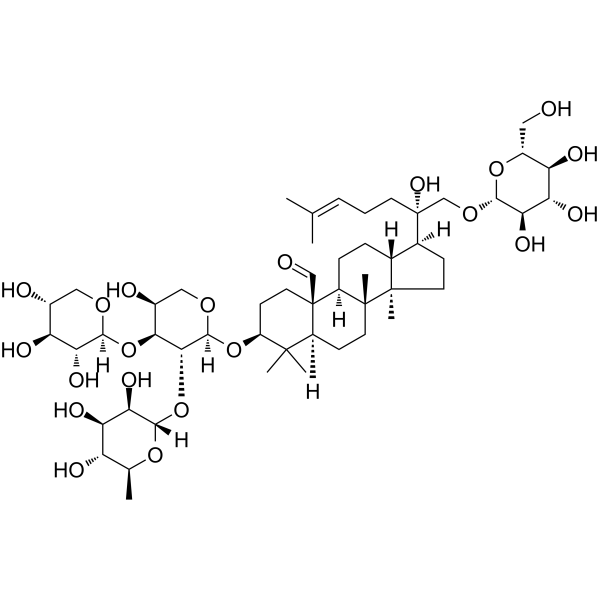
Gypenoside XLIX is a multifunctional bioactive compound that can be isolated from Gynostemma pentaphyllum, with a Ka value of 1.58 μM for its binding to SIRT1. Gypenoside XLIX acts as a PPAR-α agonist. It inhibits the activation of TLR4-mediated NF-κB signaling pathway by activating the Sirt1/Nrf2 signaling pathway, reduces ROS accumulation, and alleviates hepatic inflammatory injury in mice with sepsis-induced liver disease. Gypenoside XLIX targets SIRT1 to block YAP-NLRP3 activation and improve sepsis-induced cardiomyopathy. Gypenoside XLIX inhibits apoptosis (Apoptosis), pyroptosis (Pyroptosis), autophagy (Autophagy), lipid peroxidation, pro-inflammatory cytokines and anti-inflammatory cytokines. Gypenoside XLIX alleviates sepsis-induced splenic injury by inhibiting inflammation and oxidative stress, and mitigates sepsis-associated encephalopathy by targeting PPAR-α. Gypenoside XLIX prevents acute kidney injury by inhibiting IGFBP7/IGF1R-mediated programmed cell death and inflammation. Gypenoside XLIX inhibits the expression and activity of vascular cell adhesion molecule-1 in cytokine-induced human endothelial cells. Gypenoside XLIX is applicable to research related to acute liver injury, lung injury, cardiomyopathy, acute splenic injury, sepsis-associated encephalopathy, acute kidney injury, atherosclerosis and chronic inflammation [4] .
loading...
    loading...
1
1 Cited Publications
Cat. No.: HY-N7088
CAS No.: 512-69-6
Synonyms: Melitose
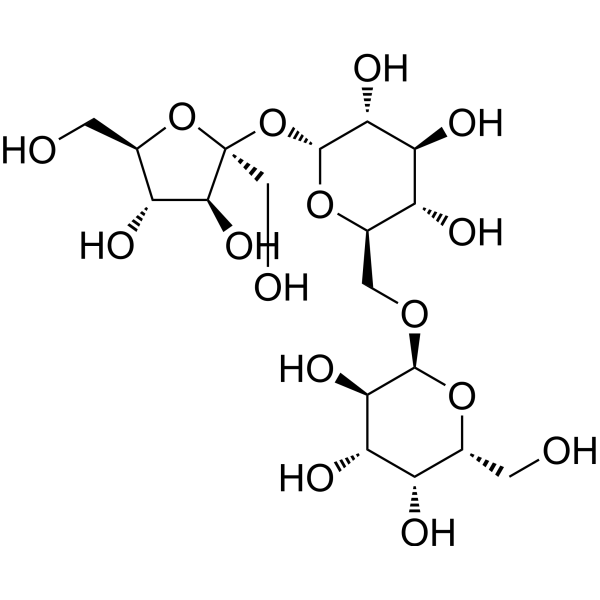
Raffinose (Melitose) regulates intestinal flora, inhibits TLR4-MyD88-NF-κB signaling pathway, and activates Nrf2 signaling pathway. Raffinose exhibits anti-inflammatory, antioxidant, and immunomodulatory activities. Raffinose is orally active .
loading...
    loading...
1
1 Cited Publications
Cat. No.: HY-128598
CAS No.: 2249801-12-3
Purity:  99.62%
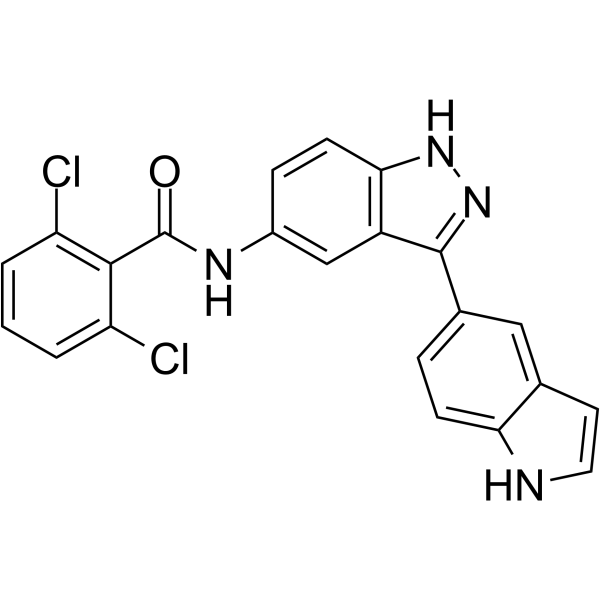
MD2-TLR4-IN-1 is a myeloid differentiation protein 2/toll-like receptor 4 (MD2-TLR4) complex antagonist. MD2-TLR4-IN-1 inhibits Lipopolysaccharides (HY-D1056) (LPS)-induced expression of TNF-α and IL-6 in macrophages with IC50 values of 0.89 μM and 0.53 μM, respectively. MD2-TLR4-IN-1 can be used for the study of acute lung injury (ALI) .
loading...
    loading...
1
1 Cited Publications
Cat. No.: HY-B0012
CAS No.: 40391-99-9
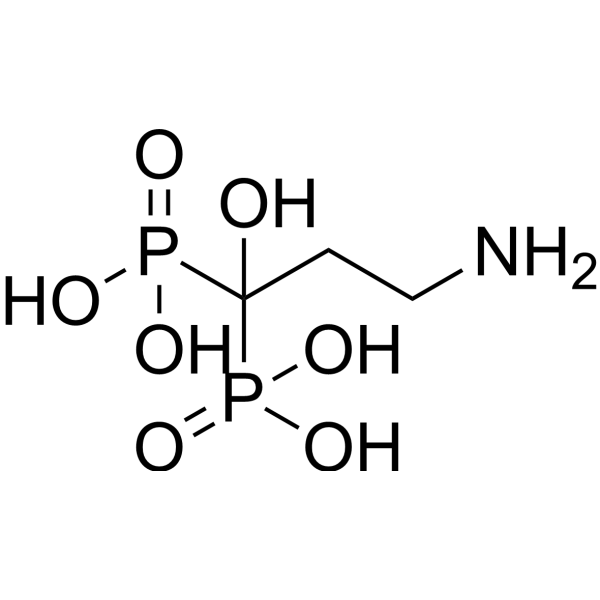
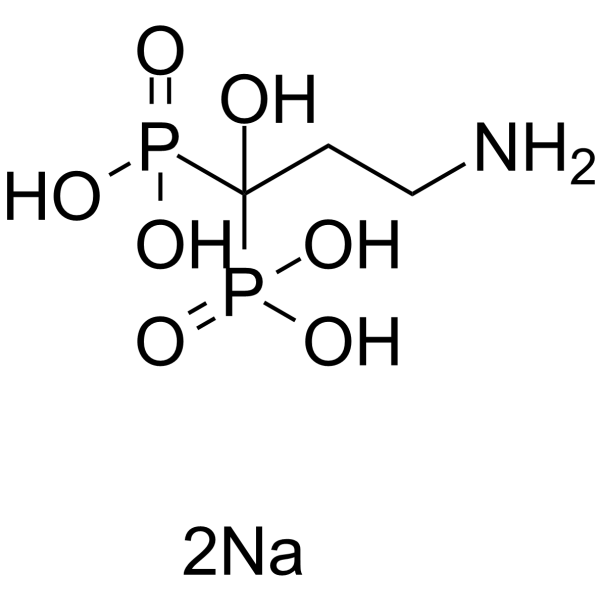
Pamidronic acid, the second-generation nitrogen-containing bisphosphonate, is an inhibitor of bone loss. Pamidronic acid significantly inhibits subchondral bone loss in early osteoarthritis by upregulating the expression of OPG in cartilage and subchondral bone, and inhibiting the expression of RANKL and MMP-9 in both tissues, as well as TLR-4 in cartilage, thereby alleviating cartilage degeneration. Additionally, Pamidronic acid can inhibit the signaling of Wnt and β-catenin, and is applicable for research on osteoporosis and osteosarcoma [4].
loading...
    loading...
1
1 Cited Publications
Cat. No.: HY-135042
CAS No.: 1202208-36-3
Purity:  98.87%
Research Areas:  

Neurological Disease

CAY10614 is a potent TLR4 antagonist. CAY10614 inhibits the lipid A-induced activation of TLR4, with an IC50 of 1.675 μM. CAY10614 can improve survival of mice in lethal endotoxin shock model .
loading...
    loading...
1
1 Cited Publications
Cat. No.: HY-D1056H
Synonyms: LPS, from Serratia marcescens
Lipopolysaccharides, from S. marcescens (Serratia marcescens) are lipopolysaccharide endotoxins and TLR-4 activators derived from Serratia marcescens, classified as S-type LPS, which can activate pathogen-associated molecular patterns (PAMP) of the immune system and induce cellular secretion of migrasomes. Lipopolysaccharides, from S. marcescens exhibit a typical three-part structure: O-antigen (O-antigen), core oligosaccharide (core oligosaccharide), and lipid A (Lipid A). Lipopolysaccharides, from S. marcescens induce NF-κB activation in mouse cells via Toll-like receptor (TLR4)/MD-2. The lipopolysaccharides of S. marcescens can induce apoptosis in host immune cells, thereby suppressing the host's innate immunity .
It is recommended to prepare a solution with concentration ≥2 mg/mL. Vortex thoroughly for more than 10 minutes. Due to the adsorption characteristics of LPS, silanized container or low adsorption centrifuge tubes should be used for aliquoting and storage, and mix thoroughly before use.
loading...
    loading...
1
1 Cited Publications
Cat. No.: HY-P10208A
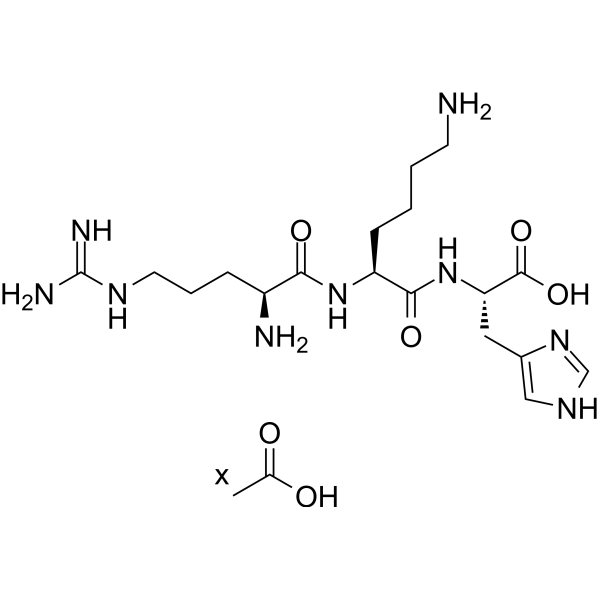
RKH acetate exerts protective effects against sepsis-induced death and organ damage. RKH acetate can directly bind to Toll-like receptor 4 (TLR4) and block TLR4 signal transduction in immune cells .
loading...
    loading...
1
1 Cited Publications
Cat. No.: HY-P73586Y
Purity:  ≥ 85%, as determined by reducing SDS-PAGE.
Synonyms: TLR4; CD284; Toll Like Receptor 4; Toll Like Receptor 4 Protein; Toll-Like Receptor 4; Homolog Of Drosophila Toll; HToll; CD284 Antigen; TLR-4; TOLL; ARMD10
Species:  
Human
Source:  
Sf9 insect cells
loading...
    loading...
1
1 Cited Publications
Cat. No.: HY-B0012A
CAS No.: 57248-88-1
Synonyms: CGP 23339A
Pamidronate disodium (CGP 23339A), the second-generation nitrogen-containing bisphosphonate, is an inhibitor of bone loss. Pamidronate disodium significantly inhibits subchondral bone loss in early osteoarthritis by upregulating the expression of osteoprotegerin in cartilage and subchondral bone, and inhibiting the expression of RANKL and MMP-9 in both tissues, as well as TLR-4 in cartilage, thereby alleviating cartilage degeneration. Additionally, Pamidronate disodium can inhibit the signaling of Wnt and β-catenin, and is applicable for research on osteoporosis and osteosarcoma [4].
loading...
    loading...
1
1 Cited Publications
Cat. No.: HY-B0730
CAS No.: 109552-15-0
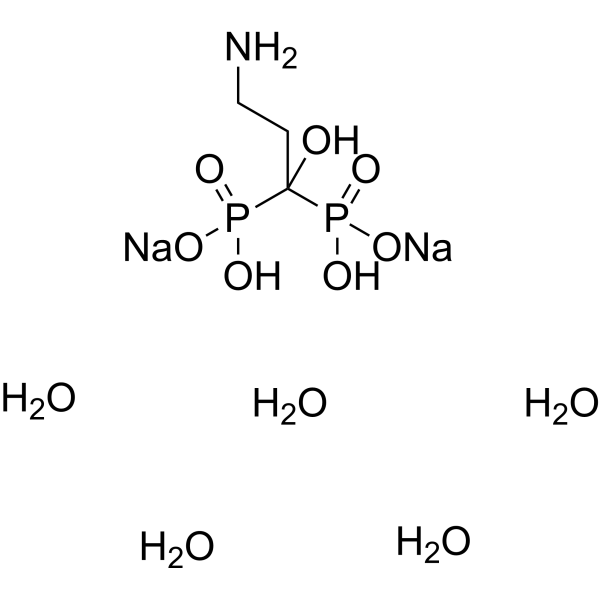
Pamidronate disodium pentahydrate, the second-generation nitrogen-containing bisphosphonate, is an inhibitor of bone loss. Pamidronate disodium pentahydrate significantly inhibits subchondral bone loss in early osteoarthritis by upregulating the expression of osteoprotegerin in cartilage and subchondral bone, and inhibiting the expression of RANKL and MMP-9 in both tissues, as well as TLR-4 in cartilage, thereby alleviating cartilage degeneration. Additionally, Pamidronate disodium pentahydrate can inhibit the signaling of Wnt and β-catenin, and is applicable for research on osteoporosis and osteosarcoma [4].
loading...
    loading...
1
1 Cited Publications
Cat. No.: HY-N2345
CAS No.: 23567-23-9
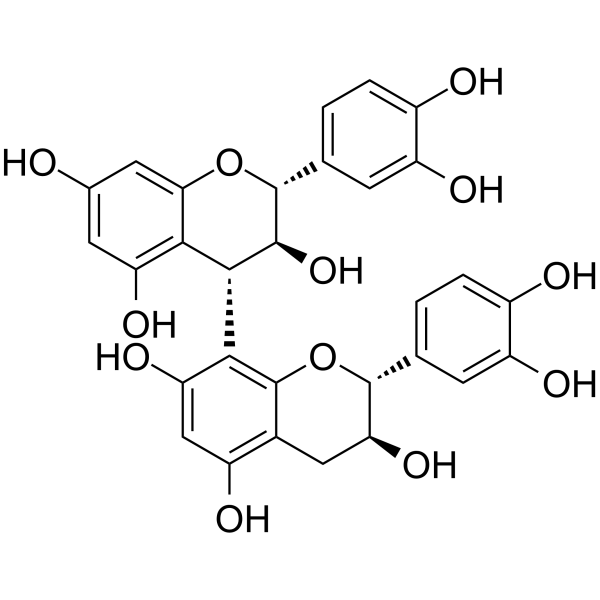
Procyanidin B3 is a natural product with antioxidant activity and oral bioavailability, possessing good blood-brain barrier penetration. Procyanidin B3 is a selective inhibitor of histone acetyltransferase (HAT). By inhibiting p300 HAT-mediated acetylation of the androgen receptor (androgen receptor). Procyanidin B3 alleviates intervertebral disc degeneration (IVDD) by inhibiting the formation of the TLR4/MD-2 complex. Procyanidin B3 can be used in research on prostate cancer and arthritis [4] .
loading...
    loading...
1
1 Cited Publications
Cat. No.: HY-126154
CAS No.: 343307-76-6
Purity:  97.13%
Research Areas:  

Inflammation/Immunology

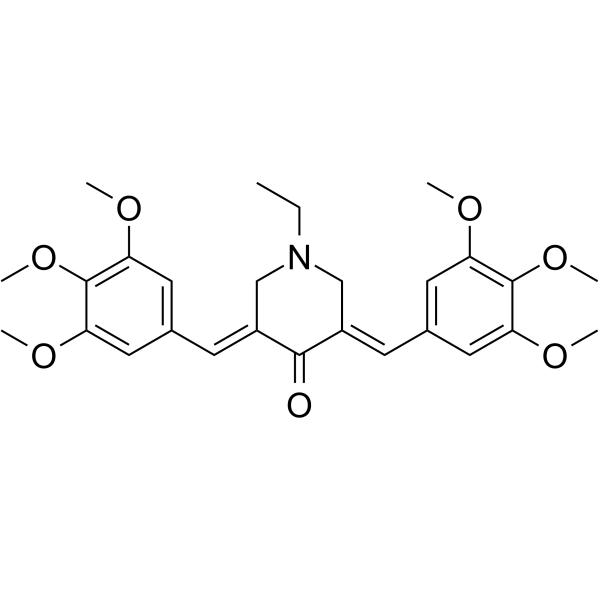
L48H37 is an analog of Curcumin (HY-N0005) with improved chemical stability. L48H37 is a potent and specific myeloid differentiation protein 2 (MD2) inhibitor and inhibits the interaction and signaling transduction of LPS-TLR4/MD2. L48H37 is used for the research of sepsis or lung injury treatment .
loading...
    loading...
1
1 Cited Publications
Cat. No.: HY-126562
CAS No.: 5950-12-9
Purity:  99.31%
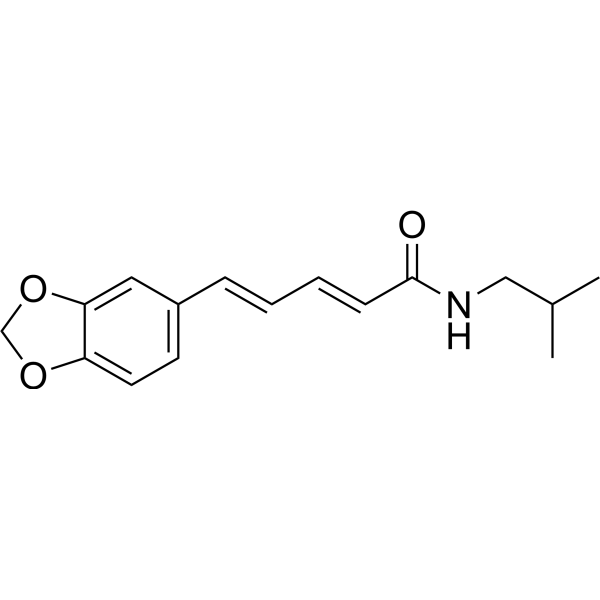
Piperlonguminine is a cytochrome P450 (CYP450) inhibitor. Piperlonguminine also inhibits the growth of epimastigotes and intracellular amastigotes of Trypanosoma cruzi, with IC50 values of 53.8 and 33.9 μM, respectively . Piperlonguminine regulates HMGB1/TLR4-NF-κB/MAPK-related inflammatory responses, endothelial protein C receptor (EPCR) shedding, melanogenesis, glycolipid metabolism, ischemic brain injury and tumor growth. Piperlonguminine can be used in research on hyperlipidemia, sepsis, Chagas disease, ischemic stroke, sarcoma and severe acute pancreatitis-associated lung injury [4] .
loading...
    loading...
1
1 Cited Publications
Cat. No.: HY-N6612
CAS No.: 6556-12-3
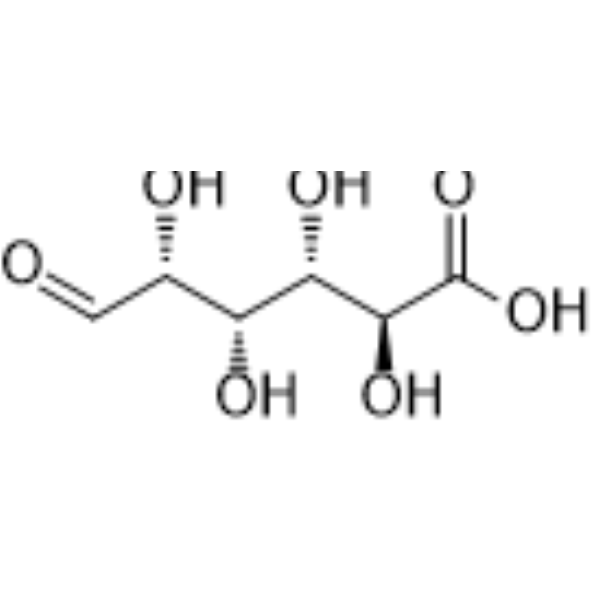
D-Glucuronic acid is a major component of many anti-inflammatory proteoglycans, which can promote embryonic development and inhibit cell aggregation. After being metabolized into ethyl glucuronide (HY-113093), D-Glucuronic acid activates Toll-like receptor 4 (TLR4), causing pain. D-Glucuronic acid and its derivative glucurono-lactone can serve as liver detoxifiers, and its derivatives also possess anti-tumor activity [4] .
loading...
    loading...
1
1 Cited Publications
Cat. No.: HY-N6612A
CAS No.: 207300-70-7
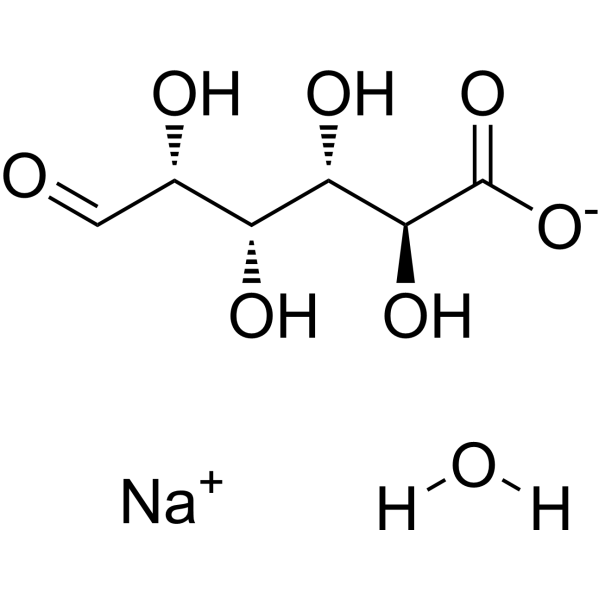
D-Glucuronic acid sodium salt monohydrate is a major component of many anti-inflammatory proteoglycans, which can promote embryonic development and inhibit cell aggregation. After being metabolized into ethyl glucuronide (HY-113093), D-Glucuronic acid sodium salt monohydrate activates Toll-like receptor 4 (TLR4), causing pain. D-Glucuronic acid sodium salt monohydrate and its derivative glucurono-lactone can serve as liver detoxifiers, and its derivatives also possess anti-tumor activity [4] .
loading...
    loading...
1
1 Cited Publications
Cat. No.: HY-N2830
CAS No.: 21499-24-1
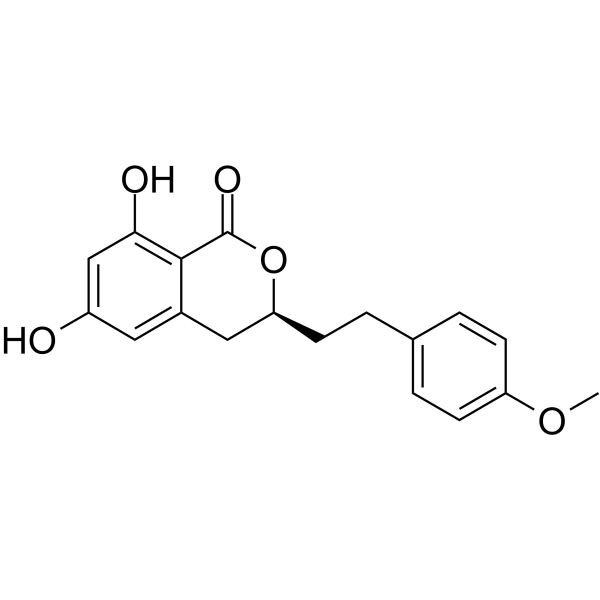
Agrimonolide is a phenethyl isocoumarin compound discovered from Agrimonia pilosa, exhibiting anti-inflammatory, antioxidant, and anticancer activities. Agrimonolide inhibits NF-κB, MAPK, and TLR4-mediated neuroinflammatory signaling, suppresses Notch and JAK2/STAT3 signaling to modulate Th17/Treg balance and maintain the intestinal barrier. Agrimonolide decreases HIF1A expression, inhibits glycolysis, and induces ferroptosis and cell cycle arrest via the mTOR pathway in tumor models, thereby suppressing cancer cell viability, proliferation, and metastasis. Agrimonolide exerts hepatoprotective and anti-fibrotic effects by regulating bile acid transporter expression and reducing hepatic bile acid accumulation. Agrimonolide is used for research on ulcerative colitis, ovarian cancer, non-small cell lung cancer, cholestatic liver injury, and neuroinflammation [4] .
loading...
    loading...
1
1 Cited Publications
Cat. No.: HY-N0320
CAS No.: 142998-47-8
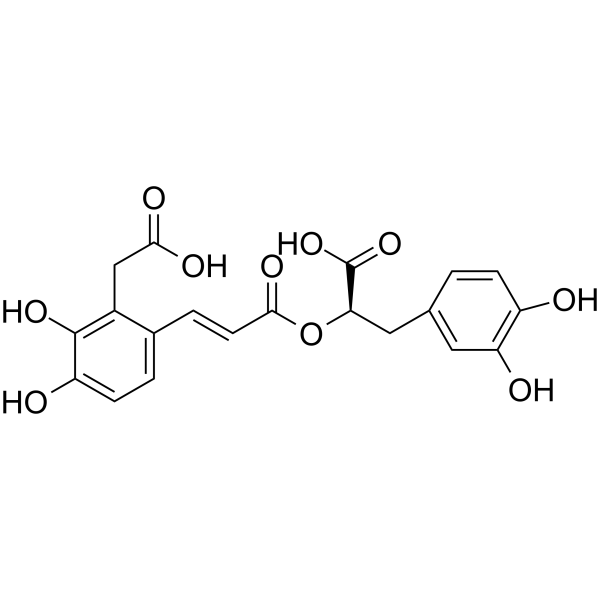
Salvianolic acid D is a depside. Salvianolic acid D can be isolated from Salvia miltiorrhiza (Danshen). Salvianolic acid D promotes the expression of Bcl-2, and inhibits the expressions of Bax, Cleaved caspase-3 and -9. Salvianolic acid D reduces the expression levels of TLR4, MyD88 and TRAF6 proteins both in vitro and in vivo, and significantly inhibits the nuclear translocation of NF-κB. Salvianolic acid D inhibits the cytoplasmic translocation of HMGB1. Salvianolic acid D suppresses inflammatory responses and alleviates cerebral ischemia-reperfusion injury. Salvianolic acid D serves as a potential antiplatelet active component .
loading...
    loading...
1
1 Cited Publications
Cat. No.: HY-N0726
CAS No.: 125536-25-6
Synonyms: Dracohodin perochlorate
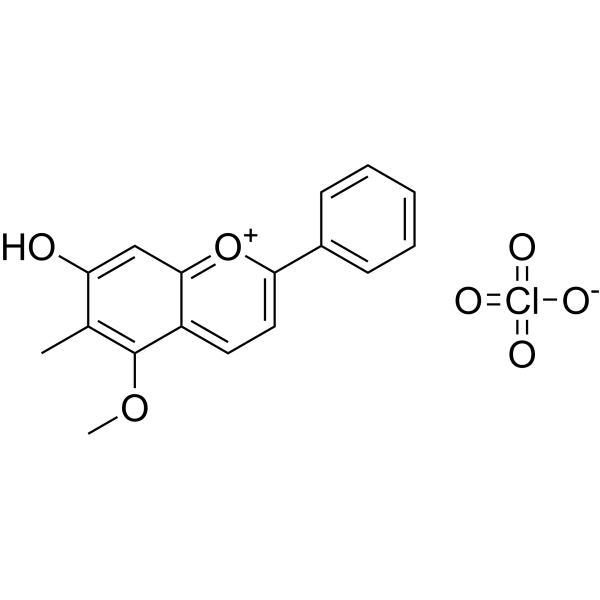
Dracorhodin perchlorate (Dracohodin perochlorate) is a natural product that can be obtained from the natural active molecule Dragon's blood. Dracorhodin perchlorate inhibits PI3K/Akt and NF-κB activation, upregulates p53 expression, activates caspase, produces ROS, and promotes Apoptosis. Dracorhodin perchlorate regulates the TLR4. Dracorhodin perchlorate promotes wound healing, improves diabetes. Dracorhodin perchlorate has anti-tumor activity against prostate cancer, breast cancer, cervical cancer and other cancers [4] .
loading...
    loading...
1
1 Cited Publications
Cat. No.: HY-D1056F
Synonyms: Biotin-LPS, from Escherichia coli (O111:B4)
Biotin-Lipopolysaccharide, from E.coli O111:B4 (Biotin-LPS, from Escherichia coli (O111:B4)) is a biotin-conjugated Lipopolysaccharide (LPS) (HY-D1056A1) that can be coupled with streptavidin protein. Biotin-Lipopolysaccharide, from E.coli O111:B4 can be used to identify Lipopolysaccharide ligands. Lipopolysaccharides, from E. coli O111:B4 (LPS, from Escherichia coli (O111:B4)) are endotoxins and TLR4 activators extracted from Escherichia coli (E. coli O111:B4) and are classified as S (smooth) type LPS. Lipopolysaccharides, from E. coli O111:B4 possess the typical three-part structure: O-antigen, R3-type core oligosaccharide, and lipid A. Lipopolysaccharides, from E. coli O111:B4 activate TLR-4 in immune cells and can cause significant gastric diseases. Lipopolysaccharides, from E. coli O111:B4 can also induce M1-type polarization in mouse macrophages [4] .
It is recommended to prepare a solution with concentration ≥2 mg/mL. Vortex thoroughly for more than 10 minutes. Due to the adsorption characteristics of LPS, silanized container or low adsorption centrifuge tubes should be used for aliquoting and storage, and mix thoroughly before use.
loading...
    loading...
1
1 Cited Publications
Cat. No.: HY-W251428
CAS No.: 383907-64-0
Synonyms: Egg PG
Phosphatidylglycerols (PG) is a selective inhibitor targeting the TLR4 accessory protein CD14/MD-2 complex, inhibiting LPS or virus (such as RSV)-mediated inflammatory signaling pathways through competitive binding. Phosphatidylglycerols directly bind to viral particles to block infection, inhibit COX-2 expression to reduce the release of inflammatory factors (IL-6, IL-8), and improve oxidative stress by regulating mitochondrial membrane phospholipid remodeling. Phosphatidylglycerols can be taken orally or by inhalation and can be used in the study of chronic inflammatory diseases (such as atherosclerosis) and respiratory viral infections (such as RSV) .
loading...
    loading...

