1. Search Result
Search Result
Pathways Recommended: Stem Cell/Wnt Cell Cycle/DNA Damage
Results for "

PC3 prostate cancer cells

" in MedChemExpress (MCE) Product Catalog:

93

Inhibitors & Agonists

1

Fluorescent Dyes

1

Biochemical Assay Reagents

3

Peptides

1

Inhibitory Antibodies

14

Natural
Products

1

Click Chemistry

Cat. No. Product Name Target Research Areas Chemical Structure
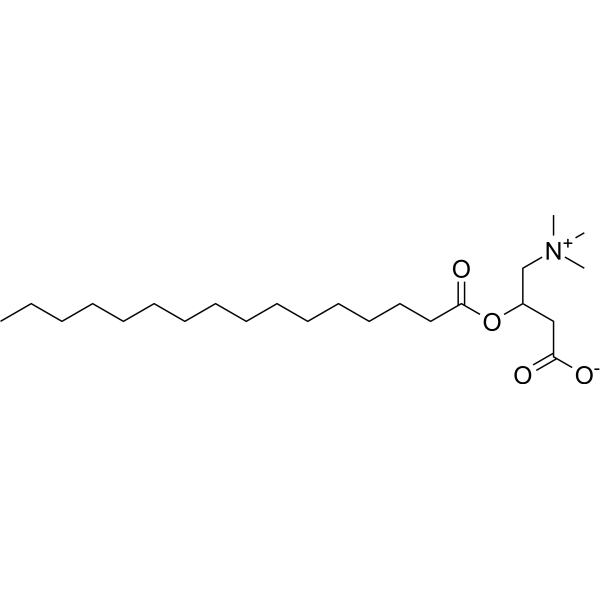
  • HY-12364
    C75
    Maximum Cited Publications
    45 Publications Verification

    Carnitine Palmitoyltransferase (CPT) Fatty Acid Synthase (FASN) Cancer
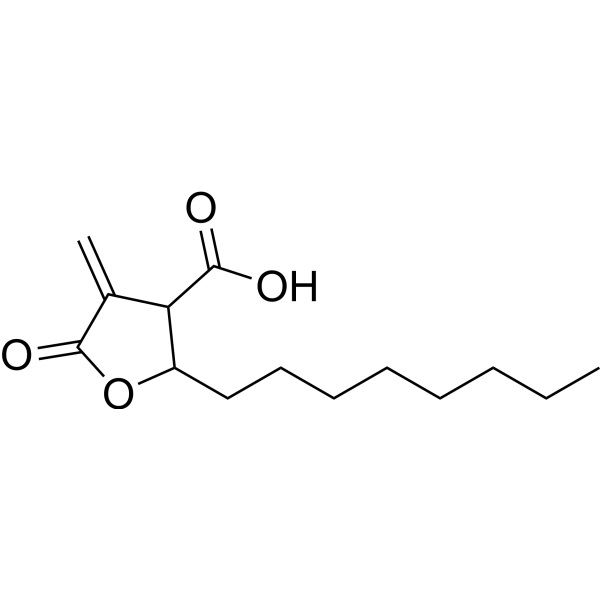
    C75 is a synthetic fatty-acid synthase (FASN) inhibitor; inhibits prostate cancer cells PC3 with an IC50 of 35 μM . C75 is a potent CPT1A activator .
    C75
  • HY-153910

    Others Cancer
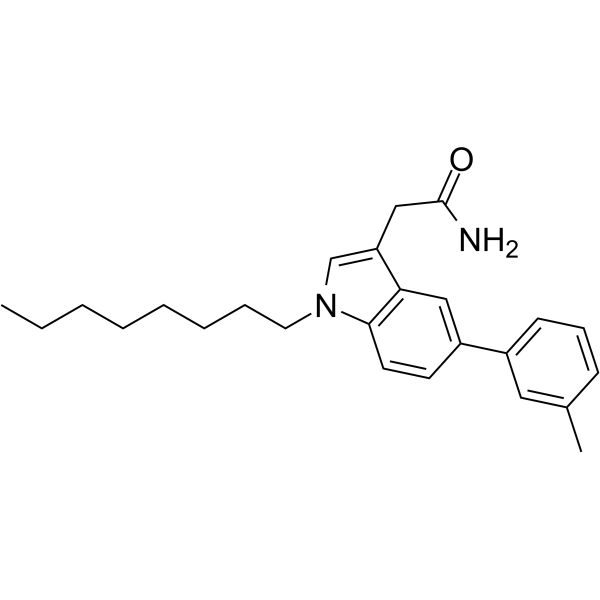
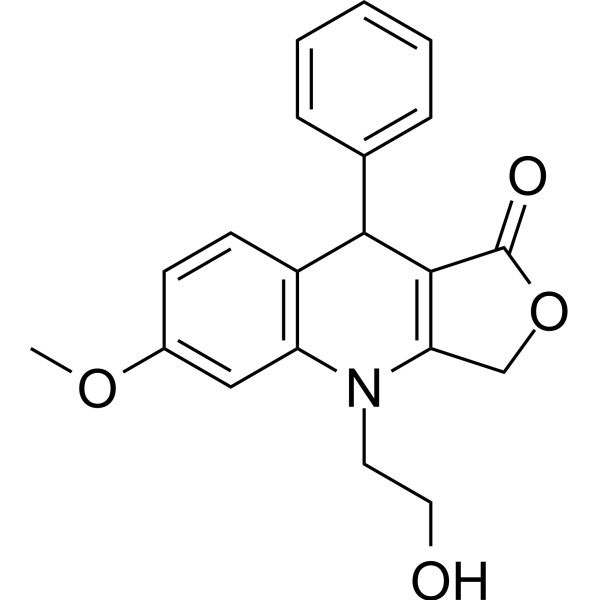
    AGPS-IN-1 (Compound 2i) is an effective AGPS binder. AGPS-IN-1 reduces ether lipids levels and cell migration rate. AGPS-IN-1 inhibits epithelial-mesenchymal transition (EMT) in prostate PC-3 and breast MDA-MB-231 cancer cells .
    AGPS-IN-1
  • HY-130709

    PROTACs CDK Cancer
    PROTAC CDK2/9 Degrader-1 (Compound F3) is a potent dual degrader for CDK2 (DC50=62 nM) and CDK9 (DC50=33 nM). PROTAC CDK2/9 Degrader-1 suppresses prostate cancer PC-3 cell proliferation (IC50=0.12 µM) by effectively blocking the cell cycle in S and G2/M phases. PROTAC CDK2/9 Degrader-1 is a PROTAC by tethering CDK inhibitor with Cereblon ligand .
    PROTAC CDK2/9 Degrader-1
  • HY-107582

    Ser/Thr Protease Calcium Channel PKC Cancer
    JW480 is a selective KIAA1363/AADACL1 inhibitor with oral activity, featuring IC50 values of 12 nM against human KIAA1363, 20 nM against mouse KIAA1363. JW480 blocks lipid deacetylase activity to restrain HAG metabolism and lowers retinyl ester hydrolase function in hepatic stellate cells. JW480 reduces MAGE lipid levels and inhibits migration, invasion, survival and tumor growth of prostate cancer cells. JW480 lowers PKCδ phosphorylation, facilitates HAGP accumulation, diminishes platelet aggregation, dense granule secretion and Ca 2+ flux, delays arterial thrombosis and prolongs tail bleeding time in rats. JW480 can be used for the study of prostate cancer and thrombosis .
    JW480
  • HY-124108

    ETYA

    COX Lipoxygenase Orthopoxvirus Potassium Channel DNA/RNA Synthesis Drug Derivative Infection Neurological Disease Inflammation/Immunology Cancer
    Eicosatetraynoic acid (ETYA) is a non-metabolizable analog of Arachidonic acid (HY-109590) and also an inhibitor of the lipoxygenase (LOX)/cyclooxygenase (COX) pathway (ID50 = 8 μM and 4 μM). Eicosatetraynoic acid acts as a suicide substrate to inhibit the production of inflammatory mediators such as leukotrienes and prostaglandins. Eicosatetraynoic acid acts directly on cell membranes and membrane proteins to exert a wide range of effects, including blocking potassium channels, increasing cell membrane fluidity, elevating intracellular calcium levels, inhibiting DNA synthesis in tumor cells, inducing differentiation of certain cells, and specifically inhibiting the assembly and replication of orthopoxviruses. Eicosatetraynoic acid alleviates acute lung injury induced by chemicals such as phosgene .
    Eicosatetraynoic acid
  • HY-16160
    Cysmethynil
    1 Publications Verification

    Autophagy ICMT Neurological Disease Cancer
    Cysmethynil is an Icmt inhibitor(IC50 = 2.4 μM). Cysmethynil inhibites RAS membrane binding and EGF signal transduction. Cysmethynil prevents the cells in the G1 phase and induces autophagy. Cysmethynil inhibits PC3 cells proliferation, has synergistic effect with Paclitaxel (HY-B0015) and Doxorubicin (HY-15142A). Cysmethynil has anti-tumor effects and can be used for solid tumor (such as prostate cancer et al.) research .
    Cysmethynil
  • HY-171616

    HSP β-catenin Cancer
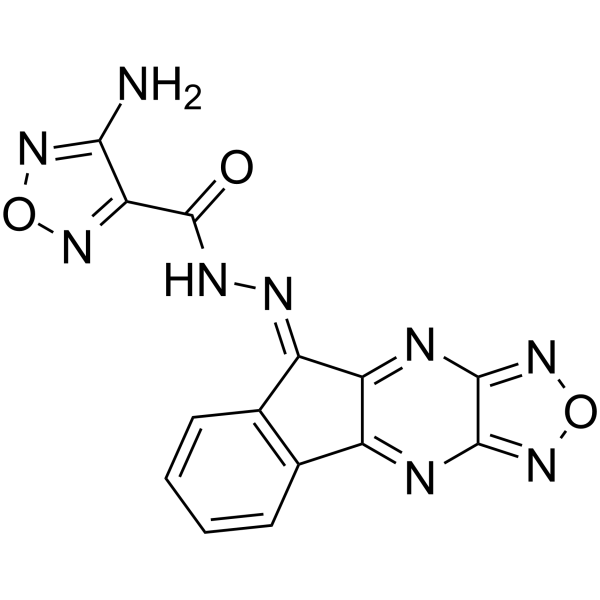
    DCEM1 binds to heat shock protein 60 (HSP60) and inhibits the interaction of HSP60 with ClpP, thereby blocking the mitochondrial unfolded protein response. DCEM1 inhibits β-catenin expression and ATP production in PC-3 and TKO cells. DCEM1 can be used in prostate cancer research .
    DCEM1
  • HY-138555

    PROTACs Epigenetic Reader Domain Cancer
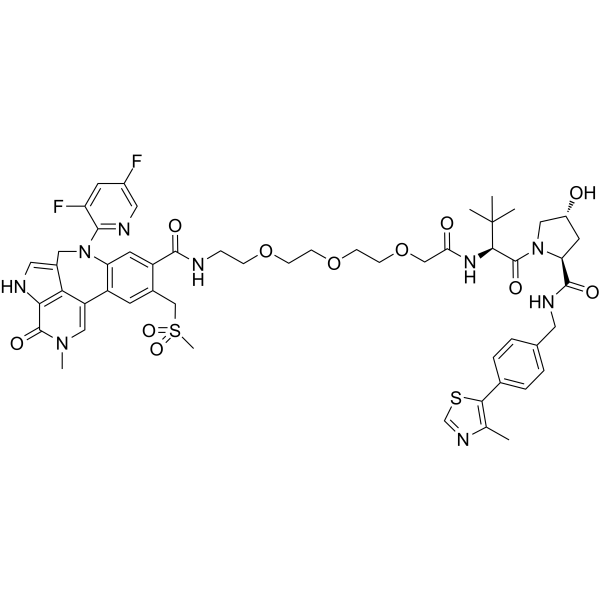
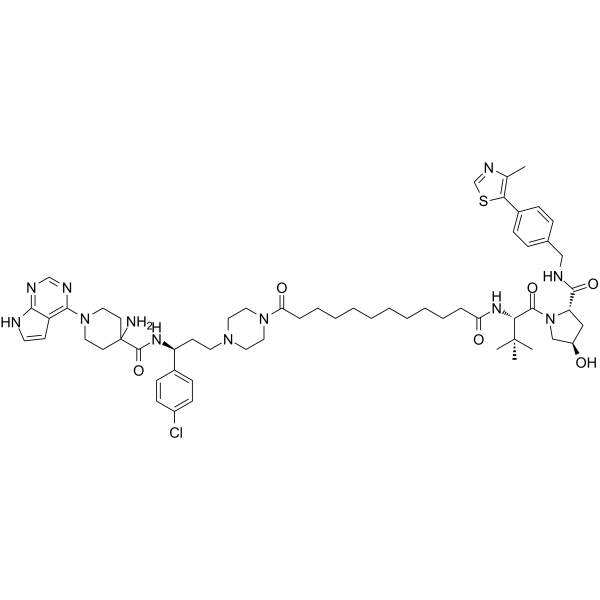
    PROTAC BRD4 Degrader-8 is a PROTAC connected by ligands for von Hippel-Lindau and BRD4, with IC50s of 1.1 nM and 1.4 nM for BRD4 BD1 and BD2, respectively. PROTAC BRD4 Degrader-8 is capable of potently degrading the BRD4 protein in PC3 prostate cancer cells .
    PROTAC BRD4 Degrader-8
  • HY-B1817

    Environmental Pollutants Apoptosis Biochemical Assay Reagents HSP Cardiovascular Disease Inflammation/Immunology Cancer
    Zinc acetate acts as an immune response modulator. Zinc acetate enhances the expression of HSP-70 mRNA. Zinc acetate restores the proliferation and cytokine production capacities of splenocytes. Zinc acetate reduces the Apoptosis level of splenocytes in endotoxemic mice. Zinc acetate increases plasma zinc levels and improves survival rates in mice with LPS-induced lethal endotoxemia. Zinc acetate induces rapid death of prostate cancer cell lines in vitro. Zinc acetate inhibits the growth of prostate cancer xenografts in SCID mice. Zinc acetate can be used in endotoxemia research .
    Zinc acetate
  • HY-B1817A

    Zinc(II) acetate, 99.99% trace metals basis

    CDK Heme Oxygenase (HO) Apoptosis Others
    Zinc (Zinc (II)) acetate, 99.99% trace metals basis is a heme oxygenase 1 (HO-1) activator and apoptosis inducer with cytotoxic and anticancer activities. Zinc acetate, 99.99% trace metals basis enhances HO-1 expression, alters the microRNA profile, and increases the level of caspase-cleaved cytokeratin 18. Zinc acetate, 99.99% trace metals basis also regulates the expression of Cdk2/cyclin E and interferes with cell cycle progression. Zinc acetate, 99.99% trace metals basis effectively inhibits cancer cell proliferation and induces their rapid death, with no significant cytotoxicity to non-tumor tissues. Zinc acetate, 99.99% trace metals basis has been widely used in studies related to hepatocellular carcinoma, prostate cancer, and other conditions .
    Zinc acetate, 99.99% trace metals basis
  • HY-102067

    Wnt Cancer
    3289-8625 is an inhibitor of the PDZ domain of Dishevelled (Dvl) protein (Kd=10.6 μM) and has an inhibitory effect on Wnt signaling. In addition, 3289-8625 can slow the growth of prostate cancer PC-3 cells (IC50=12.5 μM). 3289-8625 can be used in the study of embryonic development and cancer .
    3289-8625
  • HY-122678

    Survivin Apoptosis Cancer
    LQZ-7F, a survivin dimerization inhibitor, induces spontaneous apoptosis and synergizes with Docetaxel in prostate cancer cells. LQZ-7F dose-dependently inhibits survival of both PC-3 and C4-2 cells with IC50s of 2.99 and 2.47 µM, respectively .
    LQZ-7F
  • HY-12929

    SU093

    Pim Apoptosis Cancer
    NSC756093 (SU093) is a GBP1:PIM1 interaction inhibitor. NSC756093 binds to GBP1-PIM1 with a Kd of 38 nM. NSC756093 suppresses proliferation, reduces migration, induces G1 phase cell-cycle arrest, and increases apoptotic cell death in ovarian cancer cells. NSC756093 reduces cellular proteasomal activity, induces accumulation of ubiquitinated proteins, and restrains tumor progression and lung metastasis in murine ovarian cancer xenograft models. NSC756093 increases sensitivity of prostate cancer cells to Docetaxel (HY-B0011) and sensitizes GBP1-overexpressing ovarian cancer cells to Paclitaxel (HY-B0015). NSC756093 can be used for the research of prostate cancer and ovarian cancer .
    NSC756093
  • HY-N8210

    Drug Metabolite Autophagy Apoptosis Reactive Oxygen Species (ROS) Keap1-Nrf2 MMP Caspase PARP MDM-2/p53 Neurological Disease Inflammation/Immunology Cancer
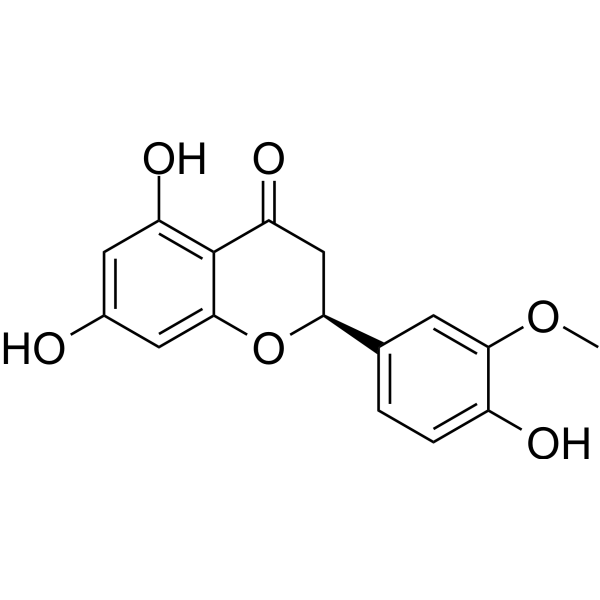
    Homoeriodictyol is an orally active, bitter-tasting flavanone that can penetrate the blood-brain barrier. Homoeriodictyol enhances synaptic-related protein expression through NCOA4-mediated ferritin autophagy. Homoeriodictyol improves memory impairment in mice by inhibiting the NLRP3 inflammasome. Homoeriodictyol protects human endothelial cells from oxidative damage by activating Nrf2 and inhibiting mitochondrial dysfunction. Homoeriodictyol enhances ROS activity and induces apoptosis, exhibiting anticancer effects. Homoeriodictyol inhibits the survival and migration of androgen-resistant prostate cancer cells in vitro. Homoeriodictyol exerts antinociceptive activity in mice in vivo .
    Homoeriodictyol
  • HY-P5990

    PSMA Cancer
    Prostate Specific Antigen Substrate is a highly specific fluorescent peptide substrate can be used for measuring prostate-specific antigen (PSA) enzymatic activity .
    Prostate Specific Antigen Substrate
  • HY-P1793

    Opioid Receptor Biochemical Assay Reagents Neurological Disease Inflammation/Immunology Cancer
    α-Casein (90-95) is a partial agonist of opioid receptors and a copper ion ligand, with opioid activity. α-Casein (90-95) inhibits the secretion of β-hexosaminidase by rat peritoneal mast cells (PMC) with IC50= 0.1 μM. α-Casein (90-95) inhibits the proliferation of prostate cancer cells LNCaP, DU145, and PC3 with IC50 of 0.94 nM, 137 nM, and 6.92 nM, respectively. α-Casein (90-95) activates Gi-like proteins through a membrane-assisted, receptor-independent pathway, or reversibly binds to opioid receptors, inducing intracellular calcium release and conformational changes, and exerts the activity of promoting mast cell secretion and inhibiting tumor cell proliferation. α-Casein (90-95) can be used in the study of the mechanisms of allergic diseases and prostate cancer .
    α-Casein (90-95)
  • HY-W412264

    Pim Cancer
    Pim-1/2 kinase inhibitor 1 is an orally active pim-1/2 kinase inhibitor. Pim-1/2 kinase inhibitor 1 blocks the ability of Pim kinases to phosphorylate peptides, and inhibits the pim protein kinase directed phosphorylation of 4E-BP1 and p27 Kip1. Pim-1/2 kinase inhibitor 1 can be used in study of cancer, especially prostate cancer .
    Pim-1/2 kinase inhibitor 1
  • HY-149894

    c-Myc Cadherin Cancer
    MC-1-F2 is a FOXC2 inhibitor. MC-1-F2 shows a binding affinity (Kd) of 26 μM for full-length FOXC2. MC-1-F2 reduces epithelial-mesenchymal transition (EMT) markers in breast cancer cells, suppresses cancer stem cell (CSC) properties and reduces invasiveness in castration-resistant prostate cancer (CRPC) cells. MC-1-F2 can be used for the study of CRPC and breast cancer .
    MC-1-F2
  • HY-147100

    PROTACs Adrenergic Receptor Cancer
    α1A-AR Degrader 9c (compound 9c) is a potent, selective and reversible α1A-AR (Adrenergic receptor) PROTAC degrader, with a DC50 of 2.86 μM. α1A-AR Degrader 9c induces α1A-AR degradation can be attributed to proteasomal degradation. α1A-AR Degrader 9c inhibits the proliferation of PC-3 cells, with an IC50 of 6.12 μM. α1A-AR Degrader 9c shows antitumor activity, and can be used for prostate cancer research .
    α1A-AR Degrader 9c
  • HY-N2415
    Podophyllotoxone
    1 Publications Verification

    Microtubule/Tubulin Cancer
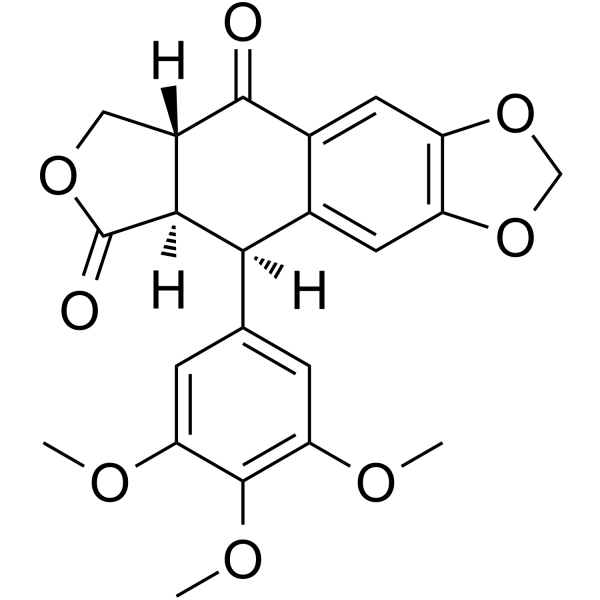
    Podophyllotoxone is isolated from the roots of Dysosma versipellis and has anti-cancer activities.Podophyllotoxone is able to inhibit the tubulin polymerization .
    Podophyllotoxone
  • HY-147696

    HSP AMPK Reactive Oxygen Species (ROS) Cancer
    SMTIN-T140 (compound 6a) is a potent TRAP1 (tumor-necrosis-factor-receptor associated protein 1) inhibitor, with an IC50 of 1.646 μM. SMTIN-T140 shows anticancer activity. SMTIN-T140 leads to mitochondrial dysfunction, increases mitochondrial ROS production and activates AMPK. SMTIN-T140 potently suppressed tumor growth without any noticeable in vivo toxicity in a mouse model xenografted with PC3 prostate cancer cells .
    SMTIN-T140
  • HY-121435

    RAR/RXR Akt Apoptosis Drug Derivative TNF Receptor Cancer
    K-8012 is a Sulindac (HY-B0008) analog and RXRα antagonist with an IC50 of 9.2 µM. K-8012 inhibits the activation of AKT. K-8012 induces Apoptosis, redirecting the TNFα signaling pathway from survival to death. K-8012 exerts anticancer activity against lung cancer, prostate cancer, and breast cancer. K-8012 can be used in research related to lung cancer, prostate cancer, breast cancer, and hepatocellular carcinoma .
    K-8012
  • HY-117987

    N-(Hydroxymethyl)thalidomide

    Nuclear Factor of activated T Cells (NFAT) NF-κB Reactive Oxygen Species (ROS) Cancer
    CPS-11 (N-(Hydroxymethyl)thalidomide) a Thalidomide (HY-14658) analogue, is a potent anti-cancer agent. CPS-11 inhibits NF-κB, activates NFAT, and repress cytokine expression through elevated ROS. CPS-11 exhibits a wider activity spectrum and higher potency against MM (multiple myeloma) cell lines .
    CPS-11
  • HY-135319

    Bacterial Antibiotic ERK JNK NF-κB ROR Apoptosis Caspase GSK-3 Akt PI3K Infection Metabolic Disease Inflammation/Immunology Cancer
    Strictinin is an orally active phenolic compound. Strictinin reduces xanthine oxidase activity, uric acid production, and the activation of ERK1/2, JNK, NF-κB, and NLRP3 inflammasome components in hepatocytes treated with Xanthine (HY-W017389). Strictinin decreases elevated serum uric acid levels and enhanced xanthine oxidase activity in mice treated with potassium oxonate. Strictinin acts as a ROR1 inhibitor and exhibits anticancer activity against highly aggressive non-androgen-dependent prostate cancer. Strictinin induces cancer cell apoptosis (apoptosis), arrests cell cycle, and inhibits cancer cell migration, invasion, and epithelial-mesenchymal transition. Strictinin modulates gut microbiota, inhibits bacterial growth and biofilm formation, accelerates small intestinal transit, and blocks viral entry and replication. Strictinin can be used in research related to hyperuricemia, androgen receptor-negative non-androgen-dependent prostate cancer, triple-negative breast cancer, bacterial infections, constipation, coronavirus infections, dental caries, and infections caused by influenza A, influenza B, and human parainfluenza virus type 1 .
    Strictinin
  • HY-103385

    NO-Aspirin

    Apoptosis Inflammation/Immunology Cancer
    NCX4040 (NO-Aspirin), a non-steroidal anti-inflammatory drug (NSAID), is a nitric oxide (NO) releasing form of Aspirin. NCX4040 induces apoptosis in PC3 metastatic prostate cancer cells. NCX4040 has anti-inflammatory and anti-cancer effects .
    NCX4040
  • HY-W748509

    Caspase Apoptosis Cancer
    Pipernonaline is a piperine derivative with antiprostate cancer activity. Pipernonaline inhibits the proliferation of androgen-dependent/independent LNCaP/PC-3 prostate cells. Pipernonaline activates caspase-3 and promotes procaspase-3/PARP cleavage. Pipernonaline also mediates reactive oxygen species (ROS) production, increased intracellular Ca(2+), and mitochondrial membrane depolarization .
    Pipernonaline
  • HY-N13772

    (+)-Dihydroisorhamnetin

    Apoptosis Cancer
    3'-O-Methyltaxifolin ((+)-Dihydroisorhamnetin) is a dihydroflavanol found in Pulicaria jaubertii. A mixture of these alcohol compounds including 3'-O-Methyltaxifolin found in Pulicaria jaubertii exhibits antitumor activity with IC50 values ​​of 19.1 μg, 20.0 μg, and 24.1 μg against prostate cancer (PC-3), breast cancer (MCF-7), and hepatocellular carcinoma (HepG-2) cell lines, respectively. Furthermore, 3'-O-Methyltaxifolin can induce cell apoptosis, making it a promising candidate for anticancer research. .
    3'-O-Methyltaxifolin
  • HY-N16066

    CHNQD-0803

    AMPK Apoptosis NF-κB TNF Receptor Inflammation/Immunology
    Candidusin A (CHNQD-0803) (Compound 4) is a AMPK activator with a KD of 47.28 nM. Candidusin A can be isolated from marine fungus Aspergillus candidus. Candidusin A has cytotoxic activity and induces apoptosis in human prostate cancer cells (22Rv1, PC-3 and LNCaP cells). Candidusin A reduces adipogenesis genes expression and fat deposition, negatively regulates the NF-κB-TNFα inflammatory axis to suppress inflammation, and ameliorates liver injury and fibrosis. Candidusin A can be used for non-alcoholic steatohepatitis (NASH) research .
    Candidusin A
  • HY-A0287

    Clomifene; (Z/E)-Enclomiphene; (Z/E)-Enclomifene

    Estrogen Receptor/ERR Metabolic Disease Cancer
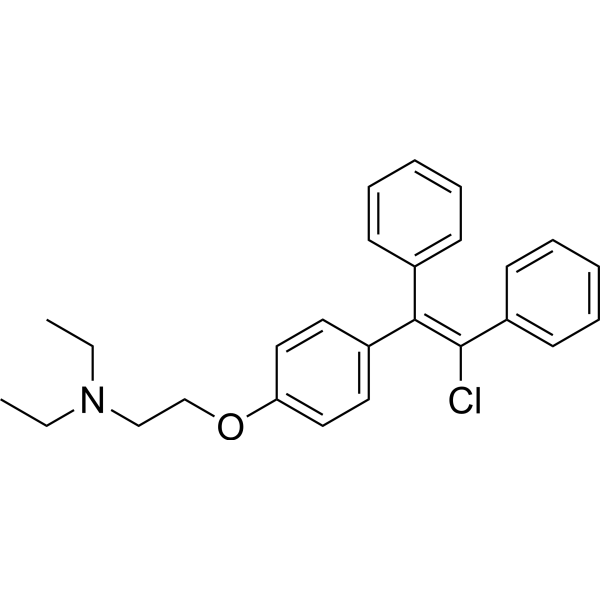
    Clomiphene (Clomifene; (Z/E)-Enclomiphene; (Z/E)-Enclomifene) is an orally active ovulation-inducing agent. Clomiphene binds to hypothalamic estrogen receptors to elevate FSH levels, and exhibits antiestrogenic or estrogenic properties. Clomiphene can induce erturbations during meiotic maturation and cytogenetic abnormalities in mouse oocytes. Clomiphene ameliorates memory impairment in PCOS models. Clomiphene mobilizes cytosolic calcium and reduces viability in prostate cancer cells. Clomiphene can be used for the research of polycystic ovary syndrome (PCOS) and prostate cancer .
    Clomiphene
  • HY-178045

    c-Myc Cancer
    MYC-IN-4 is a MYC inhibitor. MYC-IN-4 impairs MYC/MAX protein-protein interaction (IC50 = 3.06 μM). MYC-IN-4 inhibits MYC-aberrant PC-3 prostate cancer cells with an IC50 of 0.440 μM. MYC-IN-4 demonstrates potent antitumor efficacy in FVB mice bearing Myc-CaP prostate tumor allografts. MYC-IN-4 can be used for the study of prostate cancer .
    MYC-IN-4
  • HY-12364B

    Fatty Acid Synthase (FASN) Carnitine Palmitoyltransferase (CPT) Cancer
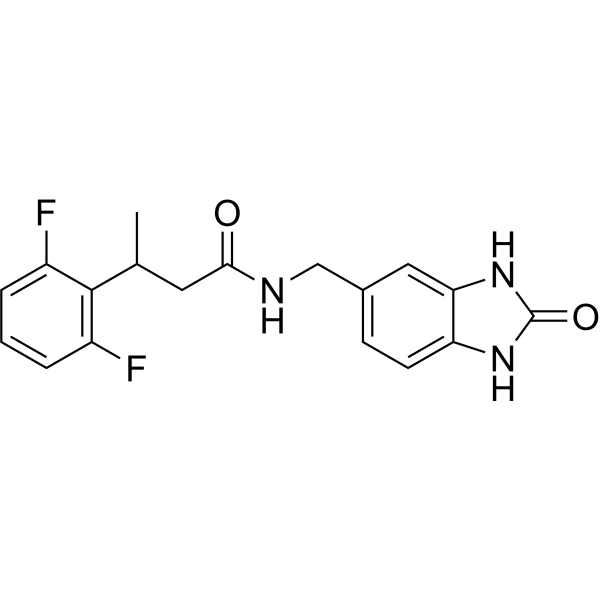
    ( )-C75 is a isoform of C75 (HY-12364), which is a synthetic fatty-acid synthase (FASN) inhibitor; inhibits prostate cancer cells PC3 with an IC50 of 35 μM . C75 is a potent CPT1A activator .
    (−)-C75
  • HY-107640

    MMP Cancer
    WAY-170523 is a potent and selective MMP-13 (matrix metalloproteinase-13) inhibitor, with an IC50 of 17 nM. WAY-170523 can directly attenuate ERK1/2 phosphorylation. WAY-170523 inhibits the invasion of PC-3 cells, can be used for prostate cancer research .
    WAY-170523
  • HY-175017

    Survivin Cancer
    Survivin-IN-2 is a survivin inhibitor. Survivin-IN-2 shows cytotoxicity in cells with IC50s of 0.53 μM (C4-2 cells) and 1.06 μM (PC-3 cells). Survivin-IN-2 effectively suppresses xenograft tumor growth without apparent toxicity and eliminates survivin in the tumors. Survivin-IN-2 can be used for the study of prostate cancer .
    Survivin-IN-2
  • HY-131438

    Topoisomerase Cancer
    GI-149893 is a selective topoisomerase I (TopoI) inhibitor. GI-149893 prevents DNA religation and induces irreversible DNA damage in tumor cells. GI-149893 is promising for research of cancers (e.g., colon carcinoma HT-29/SW-48, breast MX-1, prostate PC-3 xenografts) .
    GI-149893
  • HY-125010

    DNA/RNA Synthesis Apoptosis Cancer
    Dicycloplatin is a DNA damage inducer. Dicycloplatin induces DNA damage by activating biphosphorylated checkpoint kinase 2 (CHK2), breast cancer 1 (BRCA1) and triphosphorylated p53. Dicycloplatin can induce cell cycle arrest, inhibit proliferation and lead to apoptosis in prostate cancer PC3 cells and lung cancer NCI/H446 cells. Dicycloplatin can be used in cancer researchr .
    Dicycloplatin
  • HY-179398

    Keap1-Nrf2 Cancer
    Keap1-Nrf2-IN-29 (Compound 1a), a Curcumin (HY-N0005) analog, is a Keap1 protein inhibitor. Keap1-Nrf2-IN-29 exhibits significant inhibitory activity against A549, PC-3 and MCF-7 cells. Keap1-Nrf2-IN-29 can be used for the study of prostate cancer .
    Keap1-Nrf2-IN-29
  • HY-138635

    PROTACs Epigenetic Reader Domain Cancer
    PROTAC BRD4 Degrader-12 (compound 9c) is a PROTAC connected by ligands for von Hippel-Lindau and BRD4. PROTAC BRD4 Degrader-12 can be conjugated with STEAP1 and CLL1 antibodies to degrade the BRD4 protein in PC3 prostate cancer cells, with a DC50 of 0.39 nM and 0.24 nM, respectively .
    PROTAC BRD4 Degrader-12
  • HY-138633

    PROTACs Epigenetic Reader Domain Cancer
    PROTAC BRD4 Degrader-10 (compound 8b) is a PROTAC connected by ligands for von Hippel-Lindau and BRD4. PROTAC BRD4 Degrader-10 can be conjugated with STEAP1 and CLL1 antibodies to degrade the BRD4 protein in PC3 prostate cancer cells, with a DC50 of 1.3 nM and 18 nM, respectively .
    PROTAC BRD4 Degrader-10
  • HY-138637

    PROTACs Epigenetic Reader Domain Cancer
    PROTAC BRD4 Degrader-14 is a PROTAC connected by ligands for von Hippel-Lindau and BRD4, with IC50s of 1.8 nM and 1.7 nM for BRD4 BD1 and BD2, respectively. PROTAC BRD4 Degrader-14 is capable of potently degrading the BRD4 protein in PC3 prostate cancer cells .
    PROTAC BRD4 Degrader-14
  • HY-139294

    PROTACs Epigenetic Reader Domain Cancer
    PROTAC BRD4 Degrader-15 is a PROTAC connected by ligands for von Hippel-Lindau and BRD4, with IC50s of 7.2 nM and 8.1 nM for BRD4 BD1 and BD2, respectively. PROTAC BRD4 Degrader-15 is capable of potently degrading the BRD4 protein in PC3 prostate cancer cells .
    PROTAC BRD4 Degrader-15
  • HY-175826

    Deubiquitinase Ferroptosis Reactive Oxygen Species (ROS) Glutathione Peroxidase Cancer
    USP30-IN-20 is an orally active USP30 inhibitor (Kd = 1.61 μM, IC50 = 12.8 μM). USP30-IN-20 induces ferroptosis by promoting ubiquitination-mediated degradation of GPX4. USP30-IN-20 inhibits the proliferation, migration, invasion, and stemness of prostate cancer cells. USP30-IN-20 induces G0/G1 cell cycle arrest and ROS levels in prostate cancer cells. USP30-IN-20 exhibits significant anti-tumor efficacy in PC3 cell subcutaneous xenografts in mice. USP30-IN-20 can be used for the study of advanced prostate cancer .
    USP30-IN-20
  • HY-178133

    Pim Apoptosis Caspase Cancer
    Pim-1 kinase-IN-14 is a PIM-1 kinase inhibitor with an IC50 value of 94 nM. Pim-1 kinase-IN-14 shows broad-spectrum and high-efficiency anticancer activity against multiple human cancer cell lines, including liver cancer (HepG-2), colon cancer (Caco-2), myeloid leukemia (NFS-60), and prostate cancer (PC-3) cells. Pim-1 kinase-IN-14exerts its anticancer effects by inducing apoptosis and activating caspase 3/7. Pim-1 kinase-IN-14 can be used for the study of cancers associated with PIM-1 kinase overexpression .
    Pim-1 kinase-IN-14
  • HY-157404

    Pim Cancer
    Pim-1/2 kinase inhibitor 2 (compound 5b) is a competitive PIM-1 and PIM-2 kinase inhibitor with IC50s of 1.31 μM and 0.67 μM, respectively. Pim-1/2 kinase inhibitor 2 shows in-vitro low cytotoxicity against normal human lung fibroblast Wi-38 cell line and potent in-vitro anticancer activity against myeloid leukaemia (NFS-60), liver (HepG-2), prostate (PC-3), and colon (Caco-2) cancer cell lines .
    Pim-1/2 kinase inhibitor 2
  • HY-172562

    PROTACs Epigenetic Reader Domain Cancer
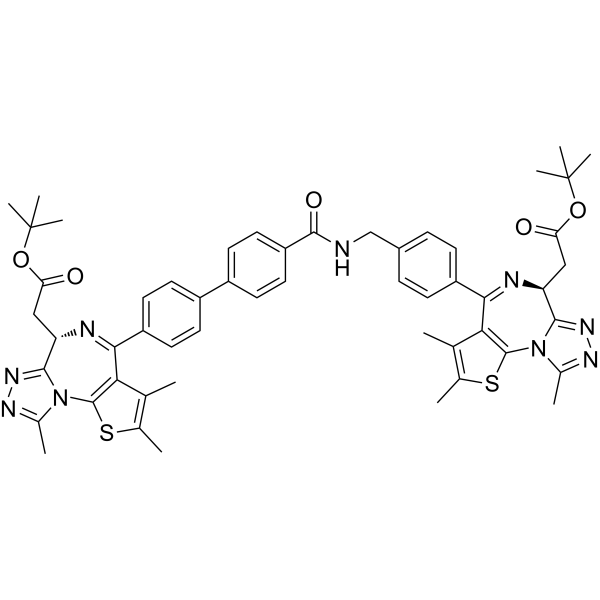
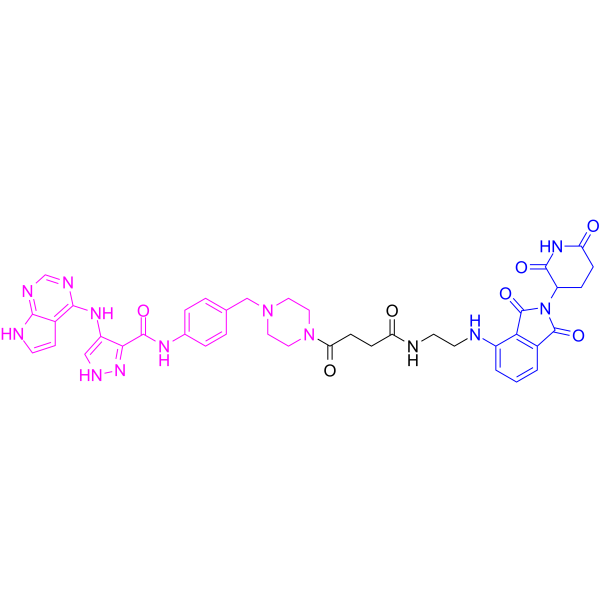
    BTR2004 is a selective BET family (BRD2/3/4) protein PROTAC degrader. BTR2004 forms a ternary complex with BRD proteins and KLHL20, inducing ubiquitination and proteasomal degradation through the UPS pathway. BTR2004 is promising for research of PC3 prostate cancer and MDA-MB-231 breast cancer cell lines. Pink: (+)-JQ1-OH (HY-161125); Blue: BTR2000 (HY-172563); Black: Linker (HY-W015236) .
    BTR2004
  • HY-P1793A

    Opioid Receptor Biochemical Assay Reagents Neurological Disease Inflammation/Immunology Cancer
    α-Casein (90-95) TFA is a partial agonist of opioid receptors and a copper ion ligand, with opioid activity. α-Casein (90-95) TFA inhibits the secretion of β-hexosaminidase by rat peritoneal mast cells (PMC) with IC50= 0.1 μM. α-Casein (90-95) TFA inhibits the proliferation of prostate cancer cells LNCaP, DU145, and PC3 with IC50 of 0.94 nM, 137 nM, and 6.92 nM, respectively. α-Casein (90-95) TFA activates Gi-like proteins through a membrane-assisted, receptor-independent pathway, or reversibly binds to opioid receptors, inducing intracellular calcium release and conformational changes, and exerts the activity of promoting mast cell secretion and inhibiting tumor cell proliferation. α-Casein (90-95) TFA can be used in the study of the mechanisms of allergic diseases and prostate cancer .
    α-Casein (90-95) TFA
  • HY-179050

    Androgen Receptor Reactive Oxygen Species (ROS) Cancer
    Androgen receptor-IN-7 is a potent androgen receptor (AR) inhibitor. Androgen receptor-IN-7 exhibits potent anticancer activity against PC-3 cells (IC50 =370.37 nM) and LNCaP cells via both AR-dependent and AR-independent pathways. Androgen receptor-IN-7 induces ROS production in PC-3 cells. Androgen receptor-IN-7 can be used for prostate cancer research .
    Androgen receptor-IN-7
  • HY-149976

    Pim Cancer
    Pim-1 kinase inhibitor 4 (Compound 10f) is a Pim-1 kinase inhibitor (IC50: 17.01 nM). Pim-1 kinase inhibitor 4 also has antioxidant activity and inhibits DPPH. Pim-1 kinase inhibitor 4 induces apoptosis in PC-3 cell, and inhibits PC-3 cell growth with an IC50 of 16 nM. Pim-1 kinase inhibitor 4 can be used for research of prostate cancer .
    Pim-1 kinase inhibitor 4
  • HY-175555

    Microtubule/Tubulin Apoptosis Cancer
    Tubulin-IN-54 is a tubulin inhibitor. Tubulin-IN-54 exhibits anti-proliferative activity against various cancer cells. Tubulin-IN-54 inhibits tubulin polymerization, disrupts microtubule networks, induces G2/M cell cycle arrest, and promotes cancer cell apoptosis. Tubulin-IN-54 demonstrates significant anti-tumor efficacy in mice bearing PC-3/TxR xenografts. Tubulin-IN-54 can be used for the study of taxane-resistant cancers (prostate cancer, melanoma) .
    Tubulin-IN-54
  • HY-147734

    Calcium Channel Cancer
    Calpain Inhibitor-2 (compound 5) is a peptide inhibitor of μ-calpain (Ki=9 nM). Calpain Inhibitor-2 exhibits antiproliferative activity against melanoma cell lines (A-375 and B-16F1) and PC-3 prostate cancer cells in vitro .
    Calpain Inhibitor-2
  • HY-155610

    VEGFR Cancer
    VEGFR-2-IN-32 (Comp 3a) is an inhibitor of VEGFR-2 with an IC50 of 8.93 nM. VEGFR-2-IN-32 has cytotoxic activity against PC-3 cells with an IC50 of 1.22 μM. VEGFR-2-IN-32 can be used for anti-prostate cancer research .
    VEGFR-2-IN-32

Inquiry Online

Your information is safe with us. * Required Fields.

Salutation


Country or Region *

Applicant Name *


Organization Name *

Department *


Email Address *


Product Name *

Cat. No.


Requested quantity *

Phone Number *


Remarks

Inquiry Online

Inquiry Information

Product Name:
Cat. No.:
Quantity:
MCE Japan Authorized Agent:

