148 Results for "

Skin Cancer

" in MedChemExpress (MCE) Product Catalog:
Products (148)

148 Results for "Skin Cancer" in MCE Product Catalog:

  • Targets Recommended:
97
97 Publications Verification
Cat. No.: HY-B0150
CAS No.: 98-92-0
Synonyms: Niacinamide; Nicotinic acid amide
Nicotinamide is a form of vitamin B3 or niacin. Nicotinamide Hydrochloride inhibits SIRT2 activity (IC50: 2 μM). Nicotinamide also inhibits SIRT1. Nicotinamide increases cellular NAD+, ATP, ROS levels. Nicotinamide inhibits tumor growth and improves survival. Nicotinamide also has anti-HBV activity .
loading...
    loading...
49
49 Cited Publications
Cat. No.: HY-B0568
CAS No.: 30652-11-0
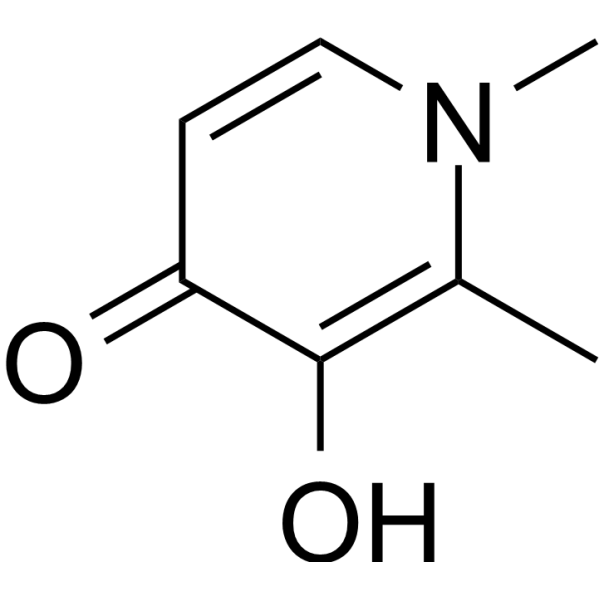
Deferiprone is a potent, orally active, brain-penetrant, cell-penetrant, skin-permeable, free iron chelating agent. Deferiprone inhibits the proliferation and migration, and stimulates apoptosis in tumor cell. Deferiprone can inhibit KDM. Deferiprone has antianemic, neuroprotective, anti-inflammatory, antioxidant, and antidotal activity. Deferiprone can be used in cancer, cardiovascular disease, infection, inflammation, and neurological disease study .
loading...
    loading...
20
20 Cited Publications
Cat. No.: HY-N0776
CAS No.: 480-19-3
Synonyms: 3'-Methylquercetin
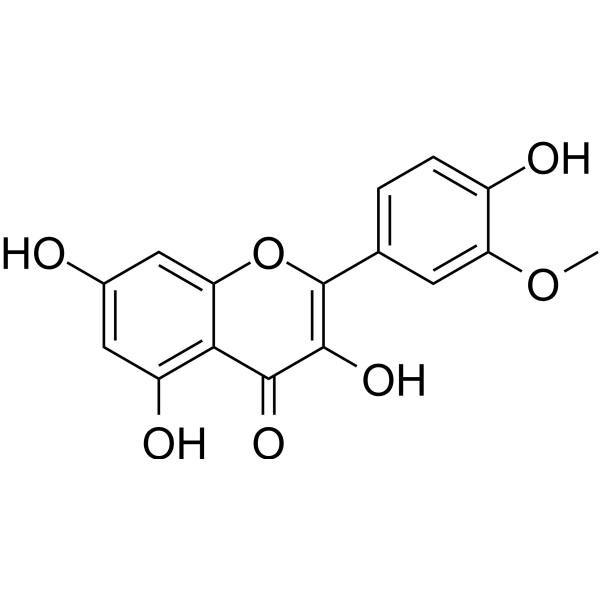
Isorhamnetin is a flavonoid compound extracted from the Chinese herb Hippophae rhamnoides L.. Isorhamnetin suppresses skin cancer through direct inhibition of MEK1 and PI3K.
loading...
    loading...
8
8 Cited Publications
Cat. No.: HY-13516
CAS No.: 56293-29-9
Purity:  ≥98.0%
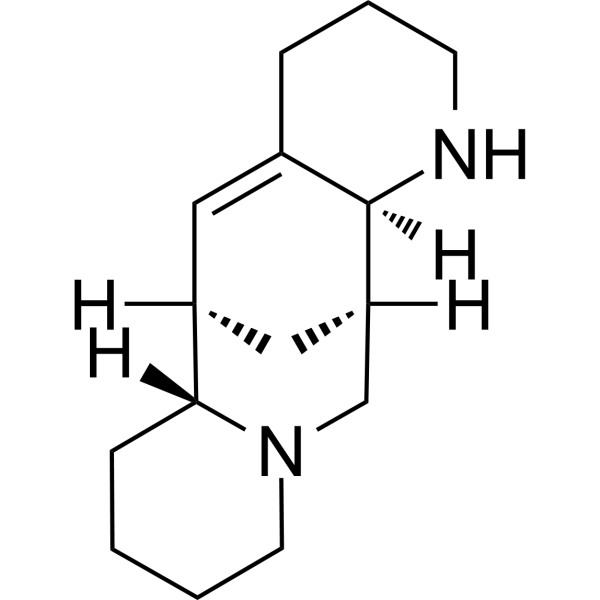
Aloperine is an alkaloid in sophora plants such as Sophora alopecuroides L, which has shown anti-cancer, anti-inflammatory and anti-virus properties . Aloperine is widely used to treat patients with allergic contact dermatitis eczema and other skin inflammation in China . Aloperine induces apoptosis and autophagy in HL-60 cells .
loading...
    loading...
6
6 Cited Publications
Cat. No.: HY-N0880
CAS No.: 1108-68-5
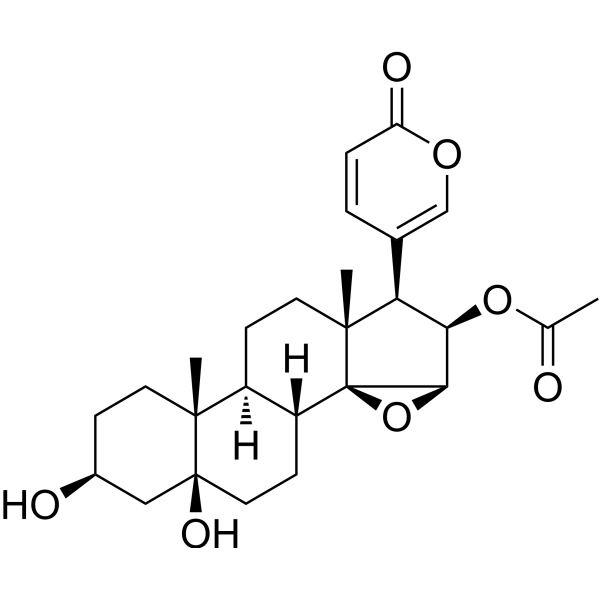
Cinobufotalin is a cardiotonic steroids or bufadienolides, is extracted from the skin secretions of the giant toads. Cinobufotalin has been used as a cardiotonic, diuretic and a hemostatic agent, Cinobufotalin is also a potential anti-lung cancer agent .
loading...
    loading...
6
6 Cited Publications
Cat. No.: HY-B1360
CAS No.: 72-80-0
Synonyms: Chloquinan
Research Areas:  

Infection Cancer

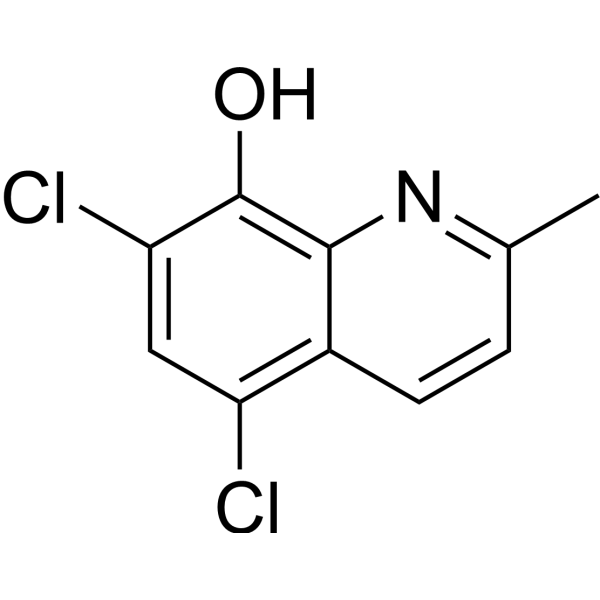
Chlorquinaldol (Chloquinan) is an antibacterial agent with the potential use in topical skin conditions and vaginal infections. Chlorquinaldol is a β-catenin/TCF4 inhibitor, showing anti-proliferation, anti-migration, and apoptosis-inducing activity in cancer cells .
loading...
    loading...
4
4 Cited Publications
Cat. No.: HY-W011303
CAS No.: 554-62-1
Synonyms: 4-Hydroxysphinganine
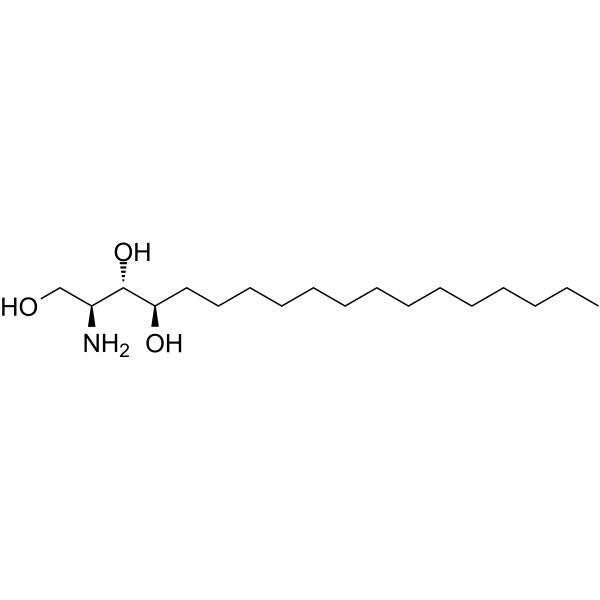
Phytosphingosine is a phospholipid with anti-inflammatory, antibacterial, and anti-cancer activities, which can induce apoptosis. Phytosphingosine is an immune regulator and can be used in the study of inflammatory skin diseases. Phytosphingosine is also an activator of GPR120 with an IC50 value of 33.4 μM and can be used in the study of type II diabetes .
loading...
    loading...
4
4 Cited Publications
Cat. No.: HY-14933
CAS No.: 524684-52-4
Purity:  98.05%
Synonyms: ERB-041
Research Areas:  

Cancer

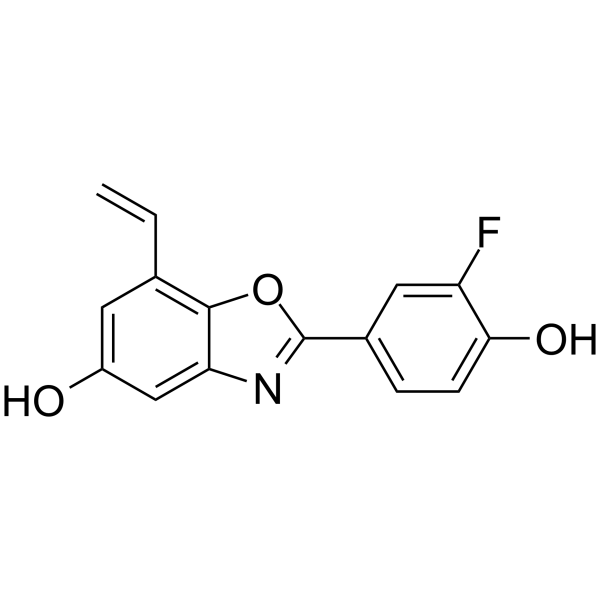
Prinaberel (ERB-041) is a potent and selective estrogen receptor (ER) β agonist with IC50s of 5.4, 3.1 and 3.7 nM for human, rat and mouse ERβ, respectively. Prinaberel displays >200-fold selectivity for ERβ over ERα. Prinaberel is a potent skin cancer chemopreventive agent that acts by dampening the WNT/β-catenin signaling pathway. Prinaberel induces ovarian cancer apoptosis .
loading...
    loading...
3
3 Cited Publications
Cat. No.: HY-119358
CAS No.: 6402-36-4
Purity:  99.85%
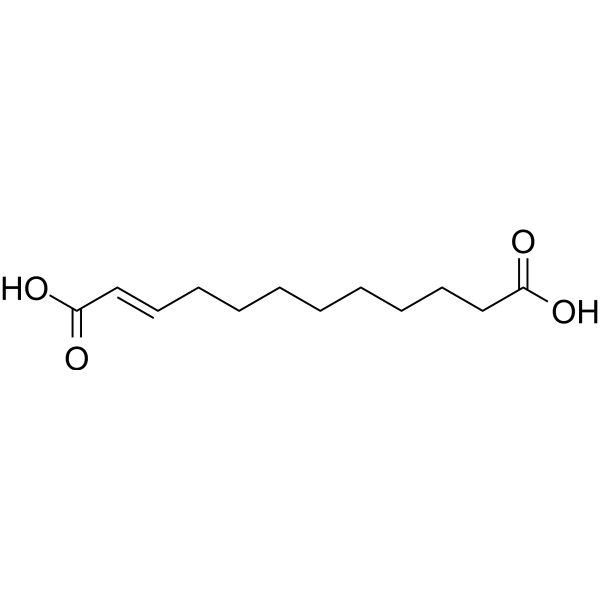
Traumatic Acid is a wound healing agent and a cytokinin (phytohormone). Traumatic Acid enhances the biosynthesis of collagen in cultured human skin fibroblasts. Traumatic Acid inhibits MCF-7 breast cancer cells viability and enhances apoptosis and oxidative stress. Traumatic Acid can be used in studies of cancer, circulatory disorders (including arterial hypertension), and skin diseases associated with oxidative stress and impaired collagen biosynthesis .
loading...
    loading...
3
3 Cited Publications
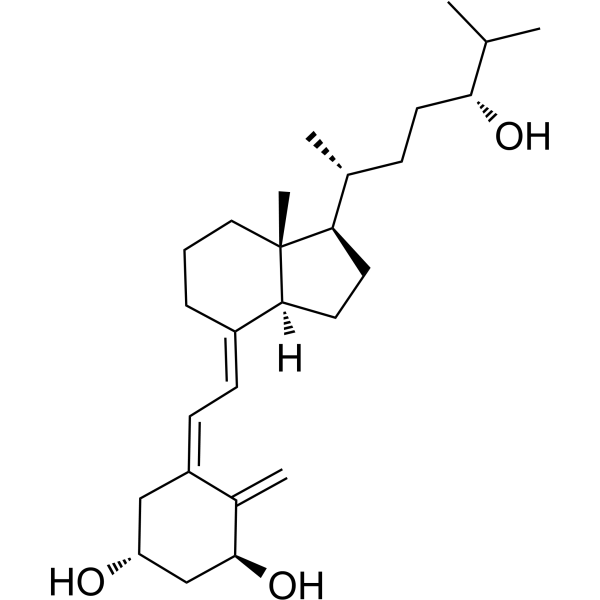
Cat. No.: HY-32337
CAS No.: 57333-96-7
Synonyms: 1,24(R)-Dihydroxyvitamin D3; 1.alpha.,24R-Dihydroxyvitamin D3
Tacalcitol (1,24(R)-Dihydroxyvitamin D3; 1.alpha.,24R-Dihydroxyvitamin D3) can promote normal bone growth by regulating calcium ions. Tacalcitol inhibits cancer cell proliferation and migration. Tacalcitol can be used in the research of inflammation, cancer, and skin diseases .
loading...
    loading...
3
3 Cited Publications
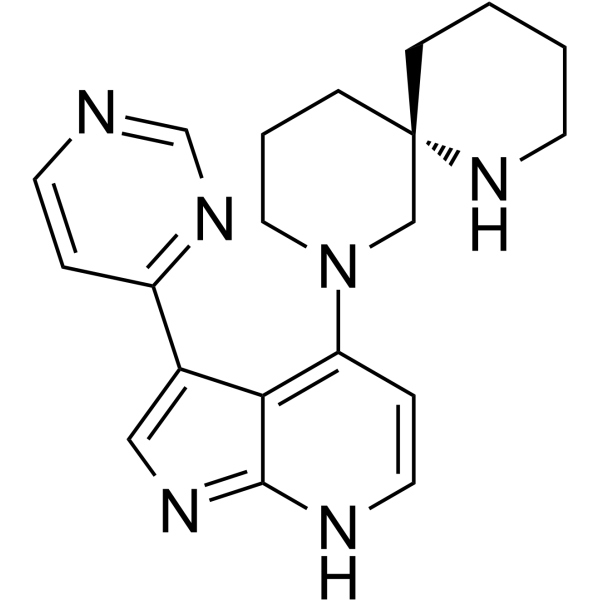
Cat. No.: HY-111424
CAS No.: 2226507-04-4
Purity:  98.18%
Target:  

Cdc42-binding kinase

Research Areas:  

Cancer

BDP9066 is a potent and selective myotonic dystrophy-related Cdc42-binding kinase MRCK inhibitor with an IC50 of 64 nM for MRCKβ in SCC12 cells, Ki values of 0.0136 nM and 0.0233 nM for MRCKα/β in house determinations, respectively. BDP9066 has therapeutic effect on skin cancer by reducing substrate phosphorylation.
loading...
    loading...
3
3 Cited Publications
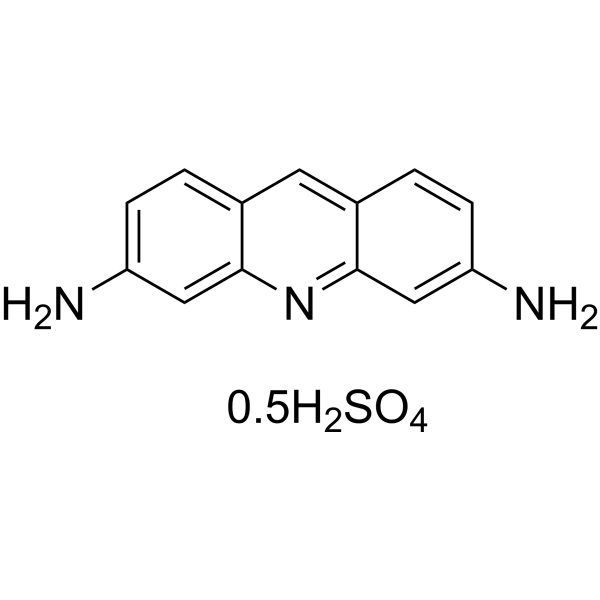
Cat. No.: HY-B0883
CAS No.: 1811-28-5
3,6-Diaminoacridine hemisulfate is a multifunctional acridine compound. 3,6-Diaminoacridine hemisulfate is an acridine dye and also a DNA inserter. 3,6-Diaminoacridine hemisulfate is a potent broad-spectrum antibacterial agent. Its mechanism is to insert into bacterial DNA, interfering with replication and transcription, leading to bacterial lysis. 3,6-Diaminoacridine hemisulfate is a Kir3.2 potassium channel blocker and can be used to study the neurological phenotype of Down syndrome. 3,6-Diaminoacridine hemisulfate can penetrate the stratum corneum of the skin and accumulate in the cell nucleus. Long-term exposure may induce skin cancer or other malignant tumors .
loading...
    loading...
3
3 Cited Publications
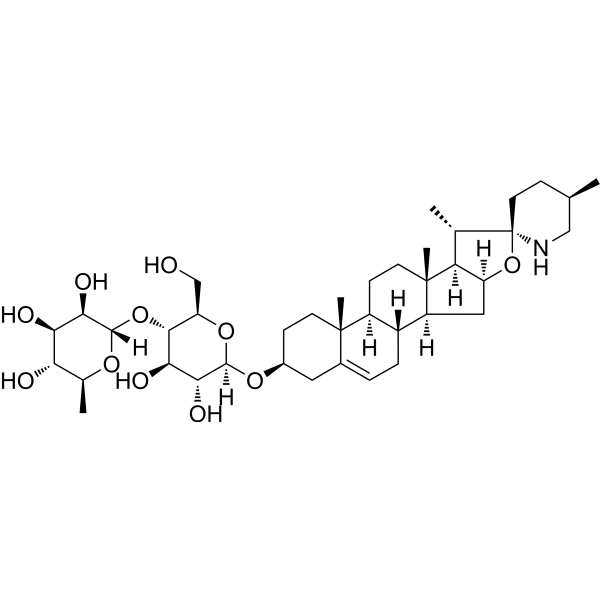
Cat. No.: HY-N2322
CAS No.: 32449-98-2
Khasianine is a steroidal glycoalkaloid . Khasianine alleviates psoriasis-like skin inflammation by inhibiting the TNF-α/NF-κB axis. Khasianine can downregulate the RhoA pathway and exhibits potential antimetastatic activity. Khasianine upregulates the expression of TNFR I and TNFR II without inducing apoptotic effects . Khasianine can be used in studies related to psoriasis, pancreatic ductal adenocarcinoma, and liver cancer .
loading...
    loading...
3
3 Cited Publications
Cat. No.: HY-32338
CAS No.: 93129-94-3
Synonyms: 1,24(R)-Dihydroxyvitamin D3 monohydrate
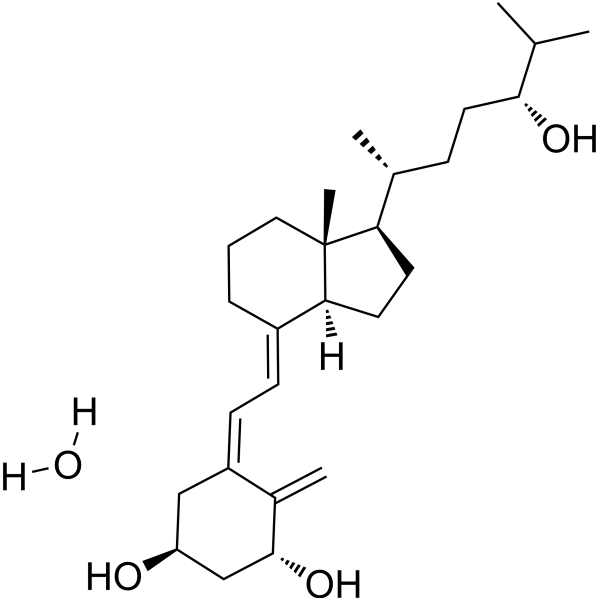
Tacalcitol monohydrate (1,24(R)-Dihydroxyvitamin D3; 1.alpha.,24R-Dihydroxyvitamin D3 monohydrate) can promote normal bone growth by regulating calcium ions. Tacalcitol monohydrate inhibits cancer cell proliferation and migration. Tacalcitol monohydrate can be used in the research of inflammation, cancer, and skin diseases .
loading...
    loading...
3
3 Cited Publications
Cat. No.: HY-N1401
CAS No.: 112246-15-8
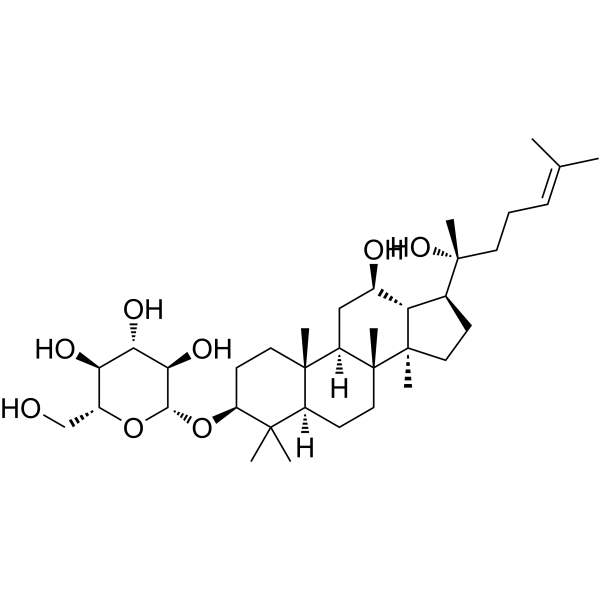
20(R)-Ginsenoside Rh2 is an orally active protopanaxadiol-type saponin with multiple biological activities. 20(R)-Ginsenoside Rh2 exerts a significant inhibitory effect on non-small cell lung cancer and liver cancer by inducing cell cycle arrest and promoting apoptosis. 20(R)-Ginsenoside Rh2 exerts anti-γ-herpesvirus effects by inhibiting viral DNA replication. 20(R)-Ginsenoside Rh2 inhibits inflammatory mediators by reducing the levels of NO, PGE2, and ROS; it can delay skin photoaging by reducing ROS and inhibiting MMP-9/2 activity. 20(R)-Ginsenoside Rh2 accelerates the recovery after muscle injury by activating the Akt1/PKB signaling pathway. 20(R)-Ginsenoside Rh2 can inhibit osteoclast formation and exert an anti-osteoporosis effect .
loading...
    loading...
2
2 Cited Publications
Cat. No.: HY-N8423
CAS No.: 638-95-9
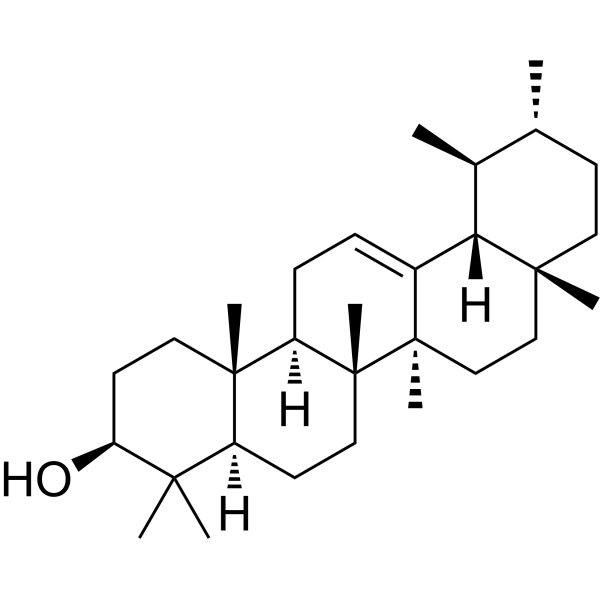
α-Amyrin is a pentacyclic triterpenoid compound with oral activity. α-Amyrin activates the ERK and GSK-3β signaling pathways. α-Amyrin can inhibit cancer cells proliferation and induce apoptosis. α-Amyrin shows anti-bacterial and anti-inflammation activity. α-Amyrin can reduce blood glucose level. α-Amyrin can be used for the researches of cancer, infection, inflammation, metabolic disease and neurological disease, such as breast cancer, Streptococcus oralis infection, skin inflammation and diabetes .
loading...
    loading...
2
2 Cited Publications
Cat. No.: HY-P0097
CAS No.: 158563-45-2
Synonyms: Melanostatine-5
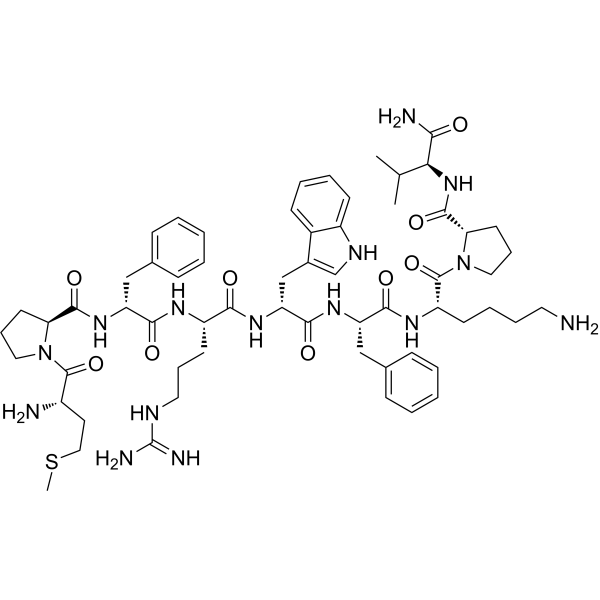
Nonapeptide-1 (Melanostatine-5), a peptide hormone, is a selective antagonist of MC1R (Ki: 40 nM). Nonapeptide-1 is a competitive α-MSH antagonist that potently inhibits intracellular cAMP and melanosome dispersion induced by α-MSH in melanocytes (IC50: 2.5 nM and 11 nM, respectively). Nonapeptide-1 inhibits melanin synthesis, and can be used in the research of skin pigmentation and regulation of steroid production in the adrenal gland, skin cancer .
loading...
    loading...
2
2 Cited Publications
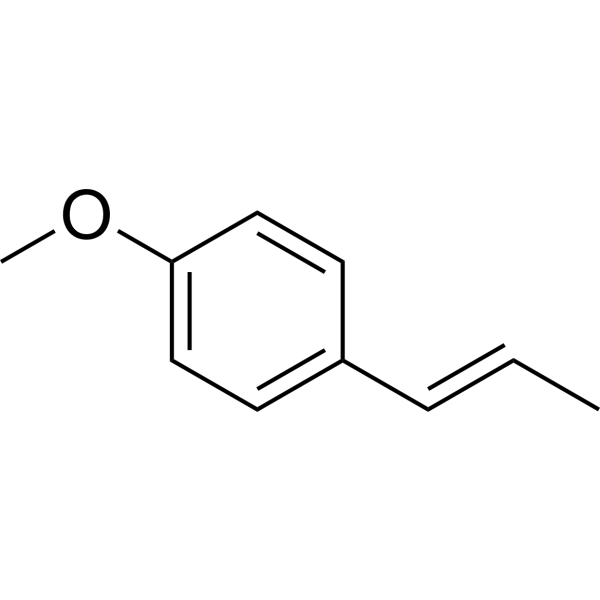
Cat. No.: HY-B0900
CAS No.: 104-46-1
Synonyms: Anise camphor; p-Propenylanisole; Isoestragole
Anethole is a type of orally active aromatic compound that is widely found in nature and used as a flavoring agent. Anethole possesses anticancer, anti-inflammatory, antioxidant, antibacterial, antifungal, anesthetic, estrogenic, central nervous system depressant, hypnotic, insecticidal, and gastroprotective effects. Anethole can be used in the study of oxidative stress-related skin diseases and prostate cancer .
loading...
    loading...
2
2 Cited Publications
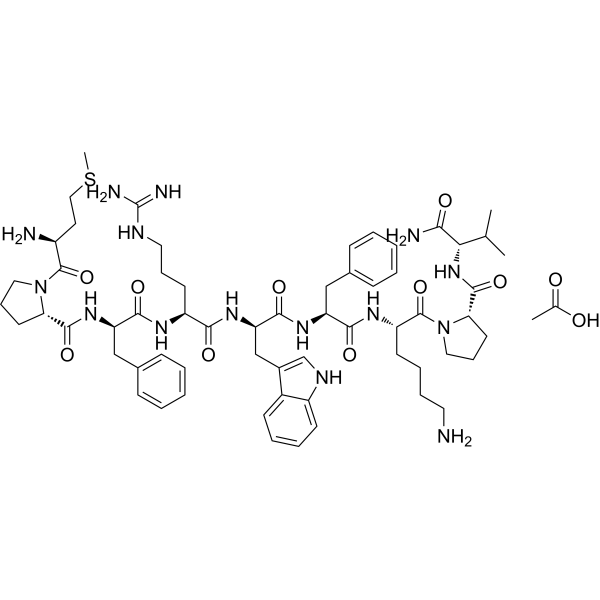
Cat. No.: HY-P0097A
Synonyms: Melanostatine-5 acetate salt
Nonapeptide-1 (Melanostatine-5) acetate salt, a peptide hormone, is a selective antagonist of MC1R (Ki: 40 nM). Nonapeptide-1 acetate salt is a competitive α-MSH antagonist that potently inhibits intracellular cAMP and melanosome dispersion induced by α-MSH in melanocytes (IC50: 2.5 nM and 11 nM, respectively). Nonapeptide-1 acetate salt inhibits melanin synthesis, and can be used in the research of skin pigmentation and regulation of steroid production in the adrenal gland, skin cancer .
loading...
    loading...
1
1 Cited Publications
Cat. No.: HY-N2466
CAS No.: 75921-69-6
Synonyms: MT-I; [Nle4,D-Phe7]-α-MSH
Target:  

Melanocortin Receptor

Research Areas:  

Neurological Disease Cancer

Melanotan I is a potent non-selective melanocortin receptor (MCR) agonist. Melanotan I is a synthetic analogue of α-melanocyte stimulating hormone (α-MSH) that stimulates melanogenesis. Melanotan I can induce skin tanning by mimicking the actions of a-MSH on the melanocortin type 1 receptors (MC1R) of melanocytes. Melanotan I can be used for the research of sun-induced skin cancer, melanoma, inflammation and male erectile dysfunction .
loading...
    loading...

