

394 Results for "

Testes

" in MedChemExpress (MCE) Product Catalog:
Products (394)

394 Results for "Testes" in MCE Product Catalog:

46
46 Publications Verification
Cat. No.: HY-108882C
CAS No.: 9003-98-9
Target:  

DNA/RNA Synthesis

Research Areas:  

Inflammation/Immunology

DNase I is an enzyme that degrades DNA. DNase I is mainly produced by digestive system organs, such as the pancreas and parotid gland. Three types of DNase I are known in mammals: pancreatic type, parotid type, and pancreatico-parotid type. DNase I plays a key role in the cleavage of extracellular DNA, and is critical for limiting inflammatory responses and maintaining homeostasis. DNase I is responsible for digesting extracellular nucleoproteins, which may be essential for preventing autoimmune reactions. Decreased DNase I activity may be associated with the occurrence and development of systemic lupus erythematosus (SLE). DNase I (filtered) is filtered through a 0.22 μM membrane and is not tested for pyrogenicity .
loading...
    loading...
19
19 Cited Publications
Cat. No.: HY-107910
CAS No.: 37326-33-3
Synonyms: Hyaluronate 4-glycanohydrolase, Bovine Testes; Hyaluronoglucosaminidase, Bovine Testes
Target:  

NF-κB

Research Areas:  

Inflammation/Immunology Cancer

Hyaluronidase, Bovine testes (Hyaluronate 4-glycanohydrolase; Hyaluronoglucosaminidase) is an endoglycosidase that depolymerizes Hyaluronic acid (HA) (HY-B0633A) by cleavage of glycosidic bonds. Hyaluronidase degrades HA and activates membrane receptors that trigger pathways converging in NF-κB activation. Hyaluronidase is employed in the research of granulomatous foreign body reactions, soft-tissue necrosis caused by vascular compromise and uncomplicated nodules, overcorrection, inflamed nodules or tissue ischemia associated with HA filler injection .
loading...
    loading...
19
19 Cited Publications
Cat. No.: HY-108903A
CAS No.: 37326-33-3
Purity:  95.00%
Research Areas:  

Endocrinology

Hyaluronidase, Ovine testes is an endoglycosidase. Hyaluronidase, Ovine testes specifically degrades Hyaluronic acid (HY-B0633A) and Chondroitin sulfate (HY-B2162) by hydrolyzing β-glycosidic bonds in acidic mucopolysaccharides. Hyaluronidase, Ovine testes disperses follicular cells during fertilization by breaking down the hyaluronic acid-rich cumulus. Hyaluronidase, Ovine testes can be used in the study of fertility-related diseases .
loading...
    loading...
13
13 Cited Publications
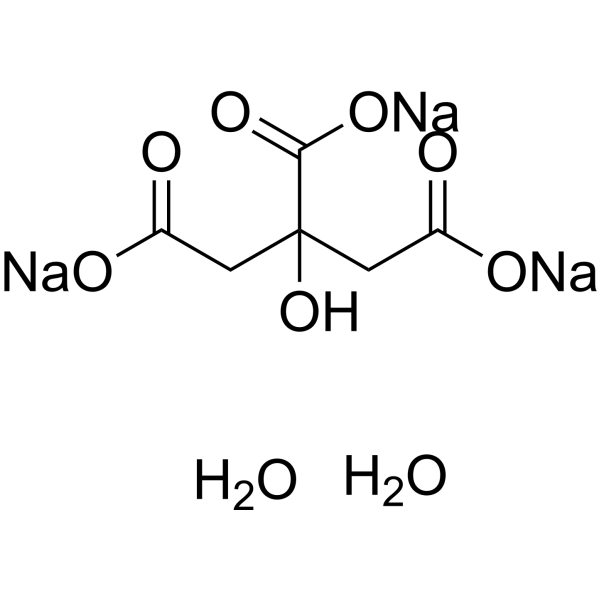
Cat. No.: HY-B1610E
CAS No.: 6132-04-3
Synonyms: Trisodium citrate dihydrate, meets USP testing specifications
Sodium citrate (Trisodium citrate) dihydrate, meets USP testing specifications is an orally active natural product that can be found in citrus fruits. Sodium citrate dihydrate can inhibit the proliferation of tumor cells and induce apoptosis. Sodium citrate dihydrate has antibacterial, anti-tumor and antioxidant activities. Sodium citrate dihydrate can be prepared as a cosolvent or buffer .
loading...
    loading...
11
11 Cited Publications
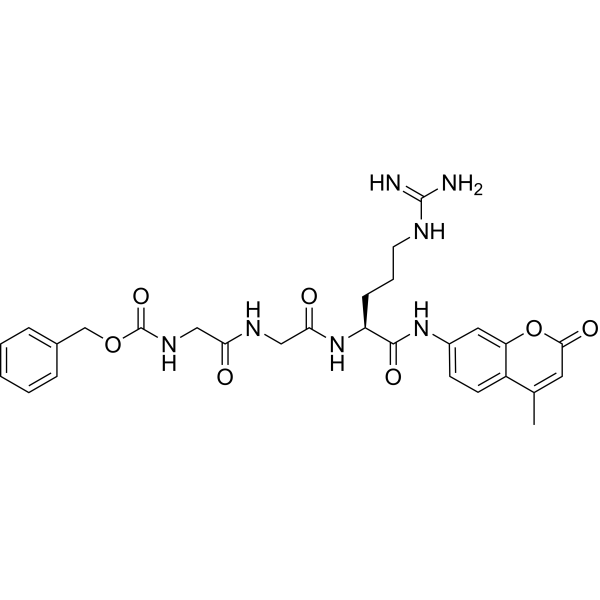
Cat. No.: HY-P0019
CAS No.: 66216-78-2
Research Areas:  

Cardiovascular Disease

Z-Gly-Gly-Arg-AMC is a thrombin-specific fluorogenic substrate for testing of thrombin generation in PRP and platelet-poor plasma (PPP) (Ex/Em = 390/480 nm) .
loading...
    loading...
11
11 Cited Publications
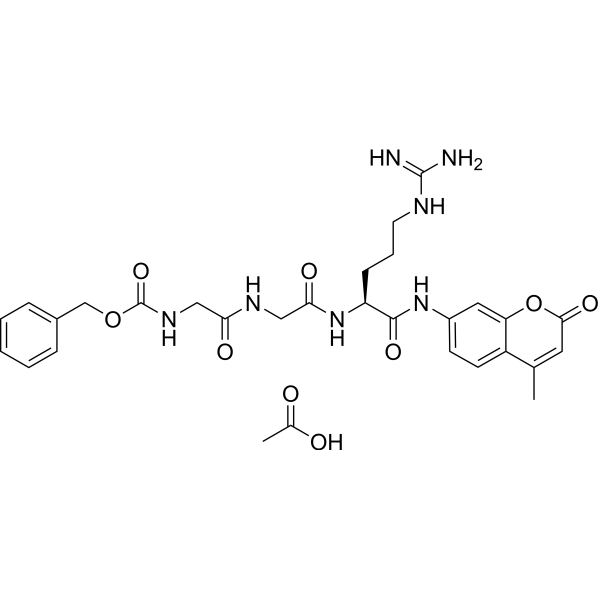
Cat. No.: HY-P0019A
CAS No.: 2070009-61-7
Research Areas:  

Others

Z-Gly-Gly-Arg-AMC acetate is a thrombin-specific fluorogenic substrate for testing of thrombin generation in PRP and platelet-poor plasma (PPP) (Ex/Em = 390/480 nm) .
loading...
    loading...
9
9 Cited Publications
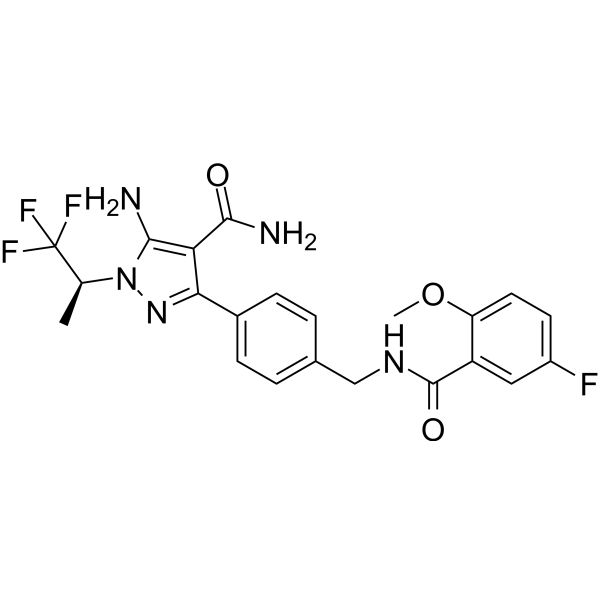
Cat. No.: HY-131328
CAS No.: 2101700-15-4
Purity:  99.88%
Synonyms: LOXO-305
Target:  

Btk

Research Areas:  

Cancer

Pirtobrutinib (LOXO-305), a highly selective and non-covalent next generation BTK inhibitor, inhibits diverse BTK C481 substitution mutations. Pirtobrutinib causes regression of BTK-dependent lymphoma tumors in mouse xenograft models. Pirtobrutinib is also more than 300-fold selective for BTK versus 370 other kinases tested and shows no significant inhibition of non-kinase off-targets at 1 μM .
loading...
    loading...
8
8 Cited Publications
Cat. No.: HY-12449
CAS No.: 1421438-81-4
Purity:  99.01%
Synonyms: LY3039478
Target:  

Notch γ-secretase

Research Areas:  

Cancer

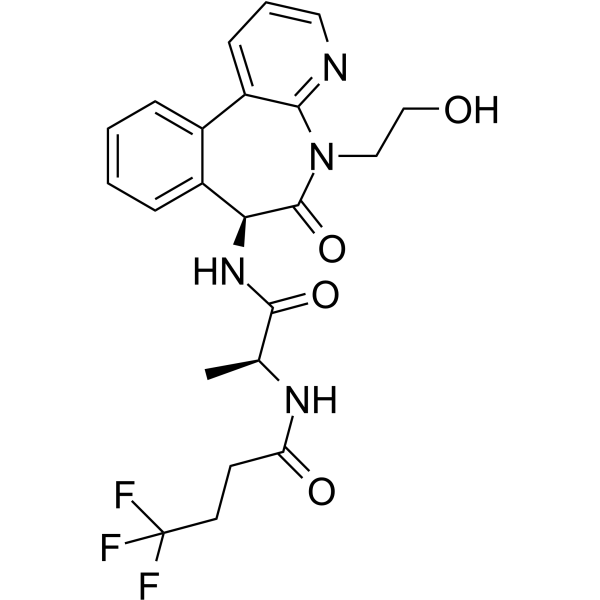
Crenigacestat (LY3039478) is an orally active Notch and γ-secretase inhibitor, with an IC50 of 1 nM in most of the tumor cell lines tested .
loading...
    loading...
7
7 Cited Publications
Cat. No.: HY-N6771
CAS No.: 18172-33-3
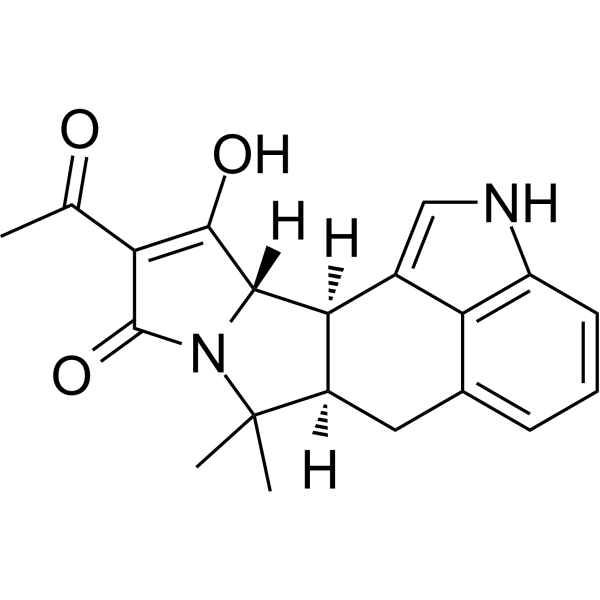
Cyclopiazonic acid is an endoplasmic reticulum calcium ATPase (ECAs) inhibitor and human respiratory syncytial virus (RSV) inhibitor (EC50 value of 4.13 μ M), which can reduce the antagonistic effect of 5-HT receptors in rat thoracic aorta, induce p53 dependent cell apoptosis and reproductive toxicity in mouse testes, and inhibit the biological activation of aflatoxin B [1][4][5].
loading...
    loading...
6
6 Cited Publications
Cat. No.: HY-15511
CAS No.: 10537-47-0
Purity:  99.87%
Synonyms: Tyrphostin 9; Malonoben
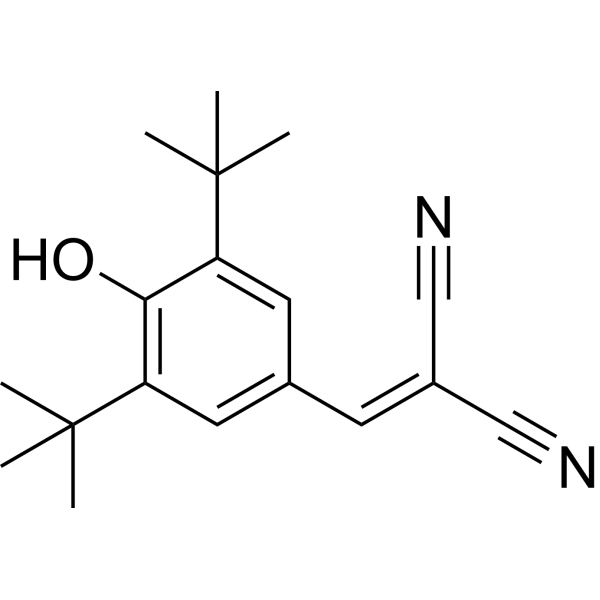
Tyrphostin A9, a PDGFR inhibitor, is a potent inducer of mitochondrial fission. Tyrphostin A9 emerged as the most potent and selective of 51 tyrosine kinase inhibitors tested against the TNF-induced respiratory burst. Tyrphostin A9 has anti-influenza virus activities.
loading...
    loading...
6
6 Cited Publications
Cat. No.: HY-19369
CAS No.: 292632-98-5
Synonyms: L-685,458
Target:  

γ-secretase Apoptosis

Research Areas:  

Neurological Disease Cancer

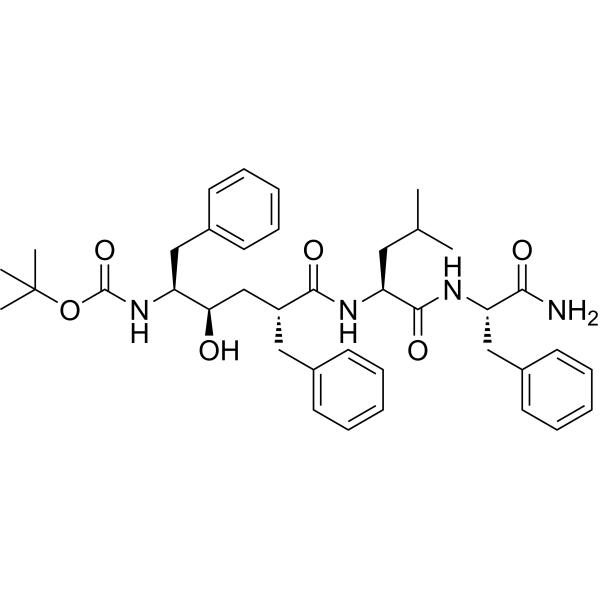
L-685458 is a potent transition state analog (TSA) γ-secretase inhibitor (GSI). L-685458 inhibits amyloid β-protein precursor γ-secretase activity with IC50 of 17 nM, shows greater than 50-100-fold selectivity over other aspartyl proteases tested. L685458 inhibits γ-secretase-mediated cleavage of APP-C99 and Notch-100 with IC50s of 301.3 nM and 351.3 nM, respectively. L-685458 can be used for the research of alzheimer’s disease (AD) and cancers .
loading...
    loading...
5
5 Cited Publications
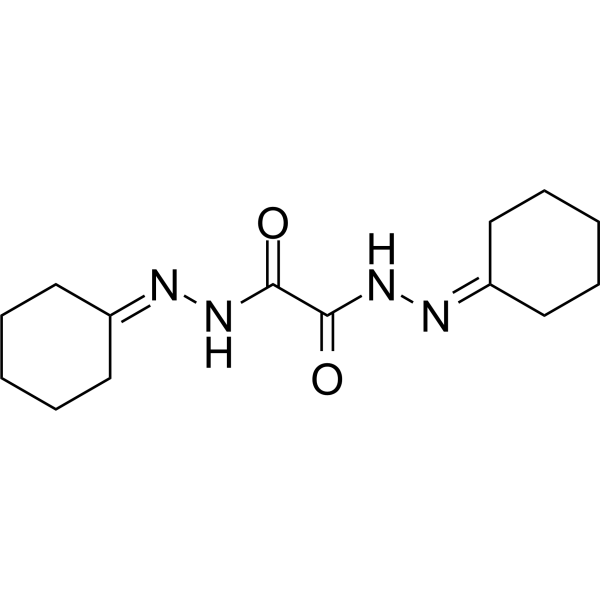
Cat. No.: HY-W115718
CAS No.: 370-81-0
Research Areas:  

Neurological Disease

Cuprizone is a copper chelating agent that forms a deep blue copper ketone complex with copper (II). The copper ketone reaction can be used in colorimetric tests for the presence of trace copper. Cuprizone can be used to induce some schizophrenia-like behavior in mice. Cuprizone acts on copper enzymes, including SOD1, cytochrome oxidase, and DβH, thereby causing oxidative stress and increasing DA levels in certain brain regions such as the medial prefrontal cortex (PFC) .
loading...
    loading...
4
4 Cited Publications
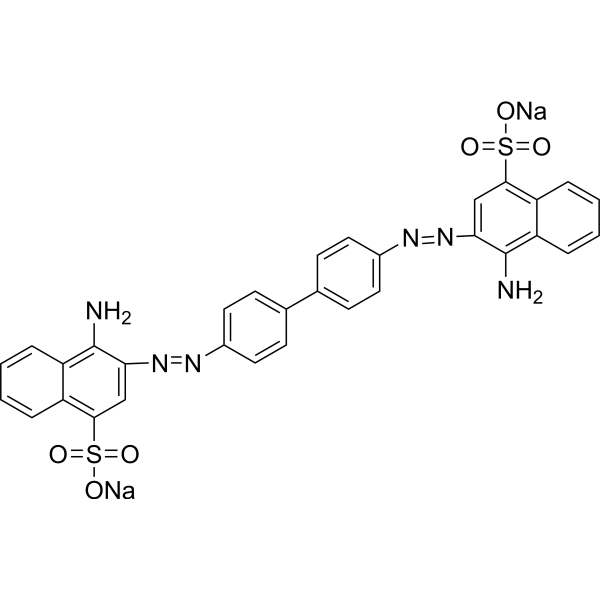
Cat. No.: HY-D0236
CAS No.: 573-58-0
Congo Red is an azo dye. Congo Red (CR) binding been used as a diagnostic test for the presence of amyloid in tissue sections.
loading...
    loading...
4
4 Cited Publications
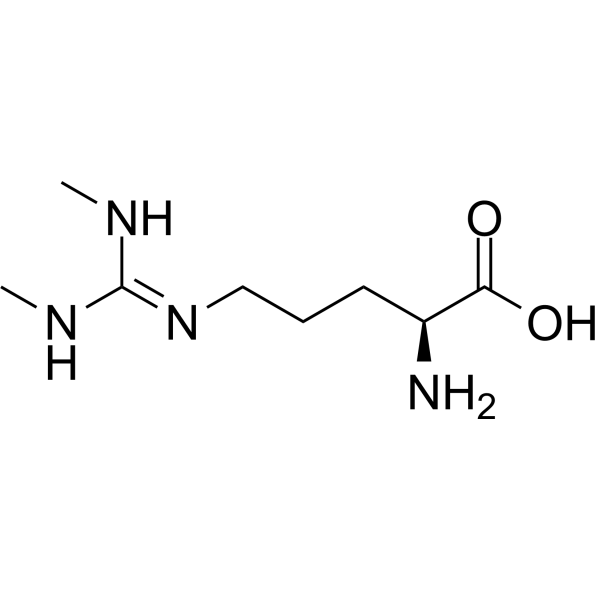
Cat. No.: HY-101410
CAS No.: 30344-00-4
Purity:  ≥98.0%
Synonyms: Symmetric dimethylarginine; NG,NG'-Dimethyl-L-arginine
SDMA (Symmetric dimethylarginine) is an endogenous inhibitor of nitric oxide (NO) synthase activity. SDMA, a novel kidney biomarker, permits earlier diagnosis of kidney disease than traditional creatinine testing.
loading...
    loading...
4
4 Cited Publications
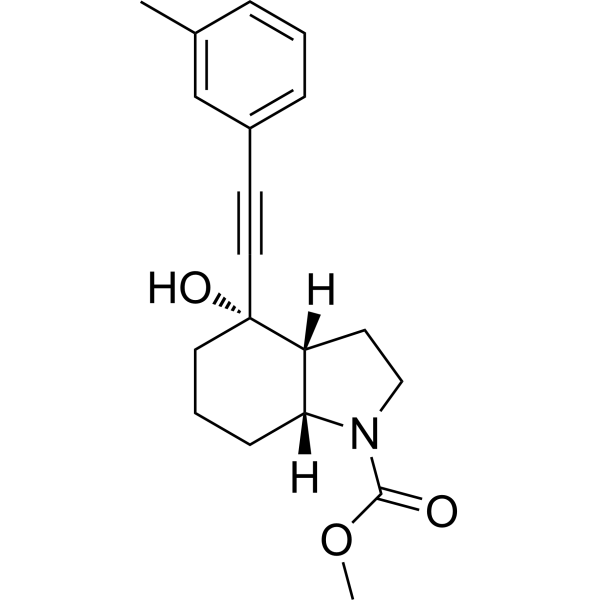
Cat. No.: HY-15257
CAS No.: 543906-09-8
Purity:  99.88%
Synonyms: AFQ056
Target:  

mGluR

Research Areas:  

Neurological Disease

Mavoglurant (AFQ056) is a potent, selective, non-competitive and orally active mGluR5 antagonist, with an IC50 of 30 nM. Mavoglurant shows a >300 fold selectivity for the mGluR5 over all targets (238) tested. Mavoglurant can be used for the research of Fragile X syndrome (FXS), and L-dopa induced dyskinesias in Parkinson's disease . Mavoglurant is a click chemistry reagent, it contains an Alkyne group and can undergo copper-catalyzed azide-alkyne cycloaddition (CuAAc) with molecules containing Azide groups.
loading...
    loading...
3
3 Cited Publications
Cat. No.: HY-W011094
CAS No.: 1477-57-2
Research Areas:  

Endocrinology

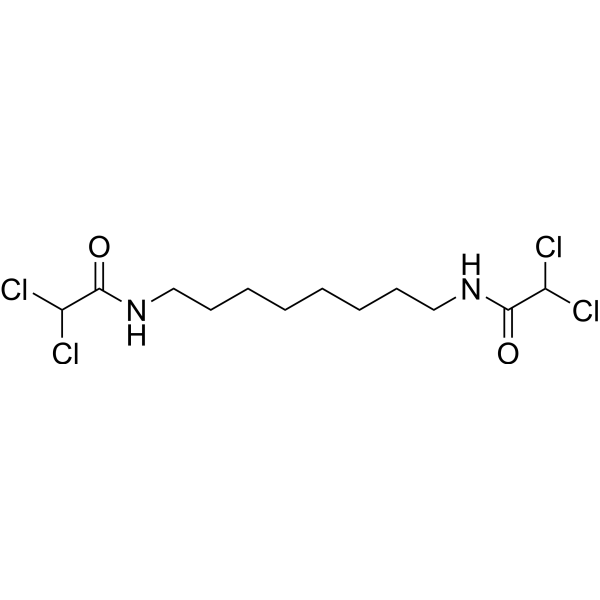
Win 18446 is an orally active testes-specific enzyme ALDH1a2 inhibitor, with an IC50 of 0.3 μM. Win 18446 reversibly inhibits spermatogenesis in many species and inhibits Retinoic acid (HY-14649) biosynthesis from Retinol (HY-B1342) within the testes .
loading...
    loading...
3
3 Cited Publications
Cat. No.: HY-130751
CAS No.: 127512-29-2
Purity:  ≥98.0%
Target:  

Liposome

Research Areas:  

Inflammation/Immunology

DODAP is a cationic lipid utilized as the lipid component in liposomes (pKa = 5.59 in TNS binding tests). DODAP is employed for encapsulating siRNA and delivering immunostimulated chemotherapeutic agents both in vitro and in vivo. DODAP holds great promise for research in vaccines and inflammation .
loading...
    loading...
3
3 Cited Publications
Cat. No.: HY-13643
CAS No.: 1596-84-5
Purity:  99.79%
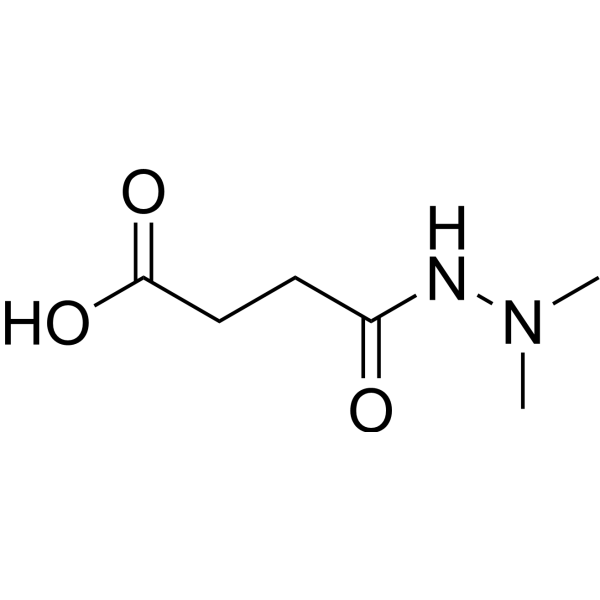
Daminozide, a plant growth regulator, is a selective inhibitor of the human KDM2/7 histone demethylases, with IC50s of 0.55, 1.5 and 2.1 μM for PHF8, KDM2A, and KIAA1718, respectively. Daminozide has >100-fold selectivity for KDM2/7 subfamily versus other demethylase subfamily members tested .
loading...
    loading...
3
3 Cited Publications
Cat. No.: HY-D0970
CAS No.: 72-57-1
Synonyms: Direct Blue 14; Trypan Blue
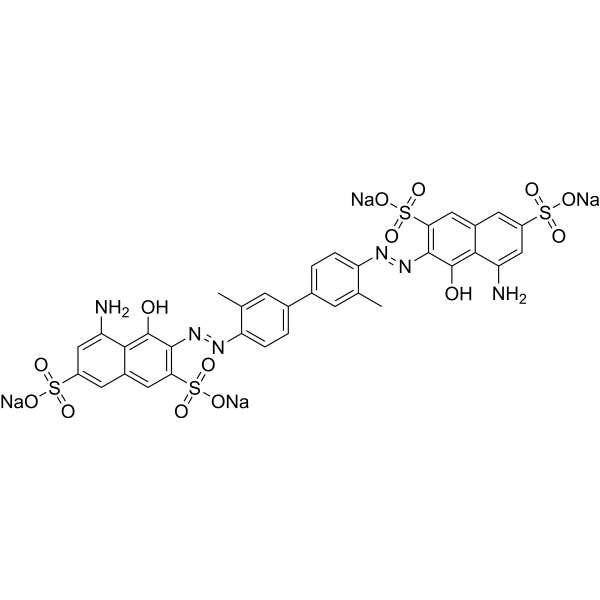
Diphenyl Blue (Trypan Blue) is a cell active dye, the most commonly used dye for the identification of dead cells, of en used to test cell membrane integrity and cell viability. Diphenyl Blue staining is one of the methods for tissue and cell culture. When cells are deactivated or have incomplete cell membranes, Diphenyl Blue can stain them Blue. Normal living cells with intact cell membranes reject Diphenyl blue and do not stain them blue. However, macrophages are capable of phagocytosis of Diphenyl Blue, so it can be used as a living stain for macrophages .
loading...
    loading...
3
3 Cited Publications
Cat. No.: HY-W034953
CAS No.: 52698-84-7
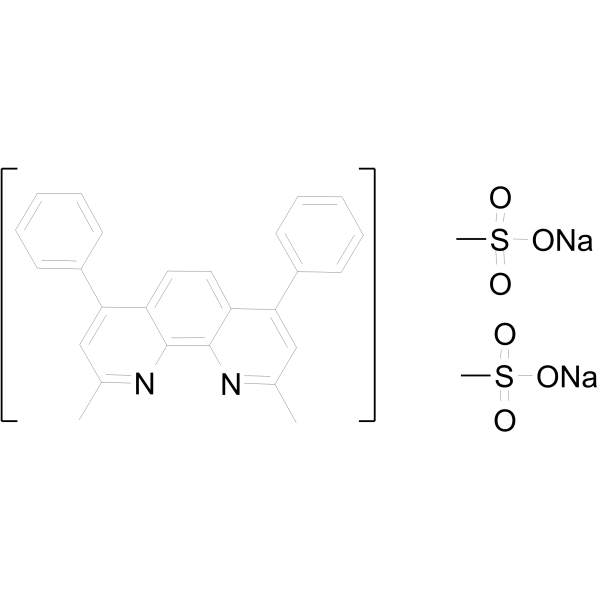
Bathocuproine disulfonate disodium (BCS) is an organic compound used as a highly sensitive colorimetric reagent for copper ions in biochemical and analytical applications. It has a bright yellow color and absorbs light at specific wavelengths, so it can be used to detect and quantify trace copper. In biochemical applications, BCS is commonly used to study the role of copper ions in various biological processes. Copper is an essential nutrient for many organisms, but it can also be toxic in high concentrations, so accurate measurement of copper levels is important to understand its impact on living systems. In terms of analysis, BCS is often used in environmental monitoring and water quality testing to detect copper pollution. It can detect copper even at very low concentrations, making it an invaluable tool for identifying potential sources of pollution and assessing the impact of industrial activities on aquatic ecosystems.
loading...
    loading...

