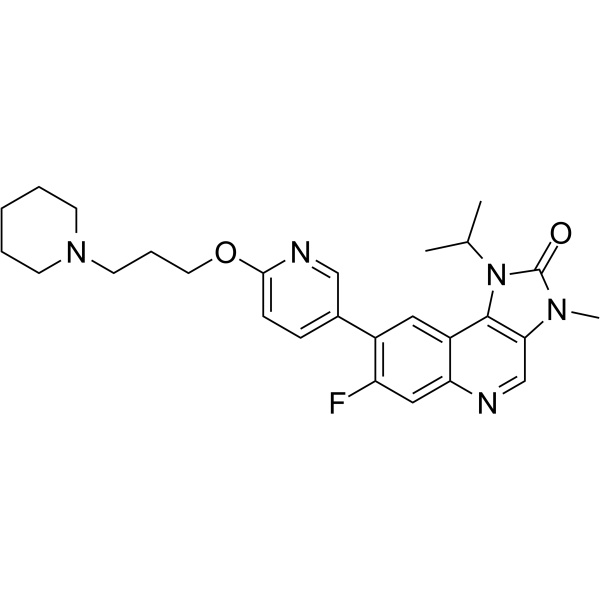
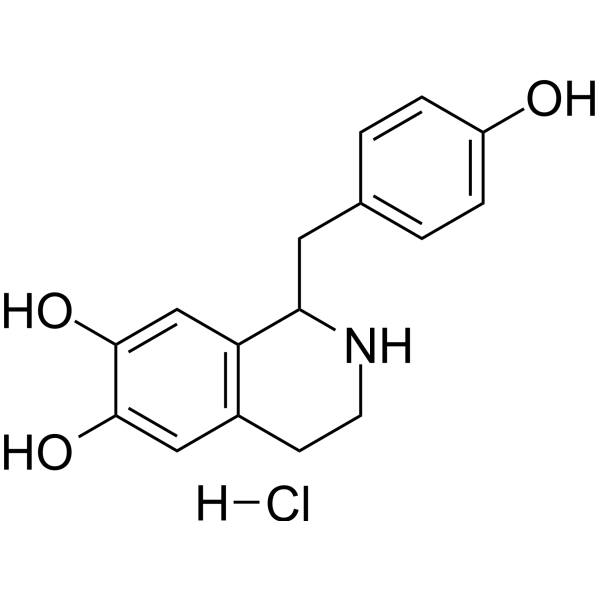
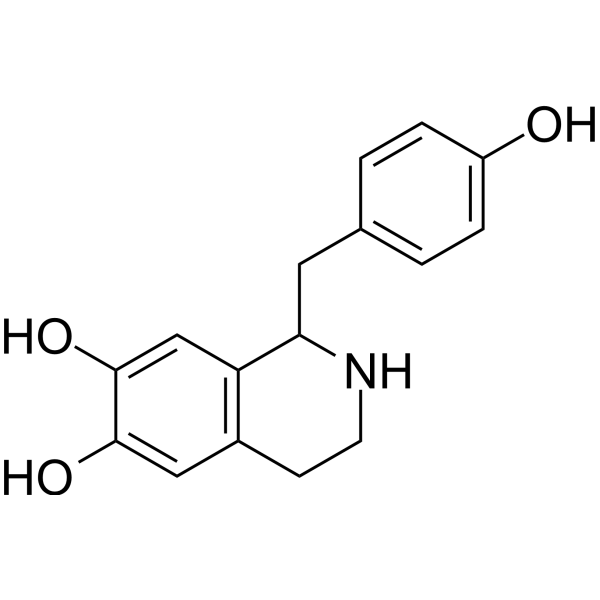
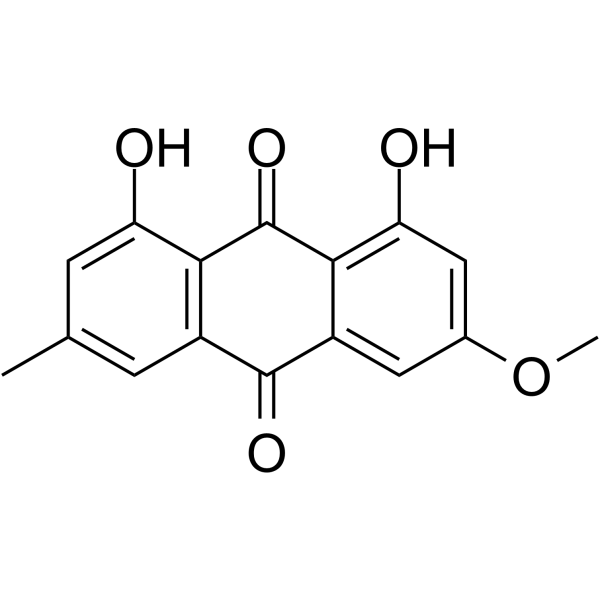
1. Search Result
Search Result
Pathways Recommended: Stem Cell/Wnt Cell Cycle/DNA Damage
Results for "

brain cancer cells

" in MedChemExpress (MCE) Product Catalog:

174

Inhibitors & Agonists

2

Bibliotecas de Screening

3

Fluorescent Dyes

1

Biochemical Assay Reagents

8

Peptides

5

Inhibitory Antibodies

35

Natural
Products

8

Isotope-Labeled Compounds

2

Click Chemistry

2

Oligonucleotides

Cat. No. Nombre del producto Target Áreas de investigación Chemical Structure
  • HY-17363
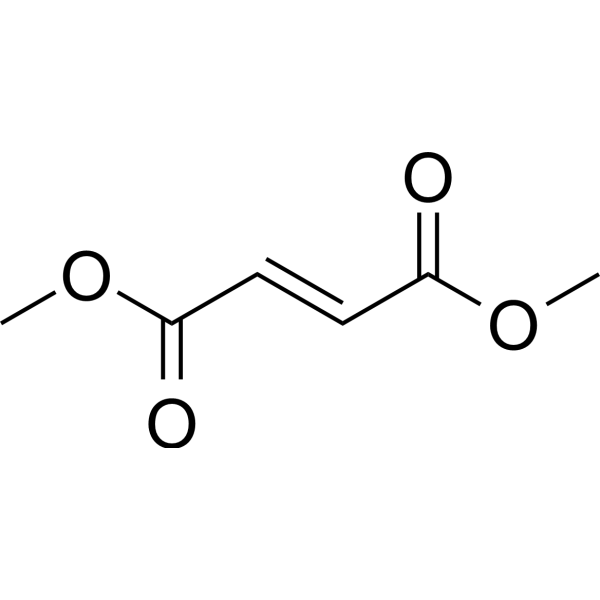
    Dimethyl fumarate
    Maximum Cited Publications
    56 Publications Verification

    Keap1-Nrf2 Reactive Oxygen Species (ROS) HIV Autophagy Endogenous Metabolite Infection Neurological Disease Inflammation/Immunology Cancer
    Dimethyl fumarate (DMF) is an orally active and brain-penetrant Nrf2 activator and induces upregulation of antioxidant gene expression. Dimethyl fumarate induces necroptosis in colon cancer cells through GSH depletion/ROS increase/MAPKs activation pathway, and also induces cell autophagy. Dimethyl fumarate can be used for multiple sclerosis research .
    Dimethyl fumarate
  • HY-B0568
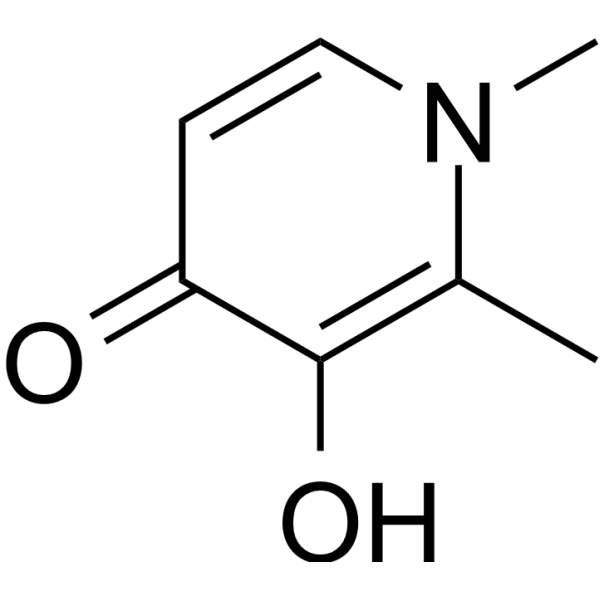
    Deferiprone
    45+ Cited Publications

    Ferroptosis HCV Apoptosis COX Histone Demethylase Cardiovascular Disease Infection Neurological Disease Metabolic Disease Inflammation/Immunology Cancer
    Deferiprone is a potent, orally active, brain-penetrant, cell-penetrant, skin-permeable, free iron chelating agent. Deferiprone inhibits the proliferation and migration, and stimulates apoptosis in tumor cell. Deferiprone can inhibit KDM. Deferiprone has antianemic, neuroprotective, anti-inflammatory, antioxidant, and antidotal activity. Deferiprone can be used in cancer, cardiovascular disease, infection, inflammation, and neurological disease study .
    Deferiprone
  • HY-B1334A
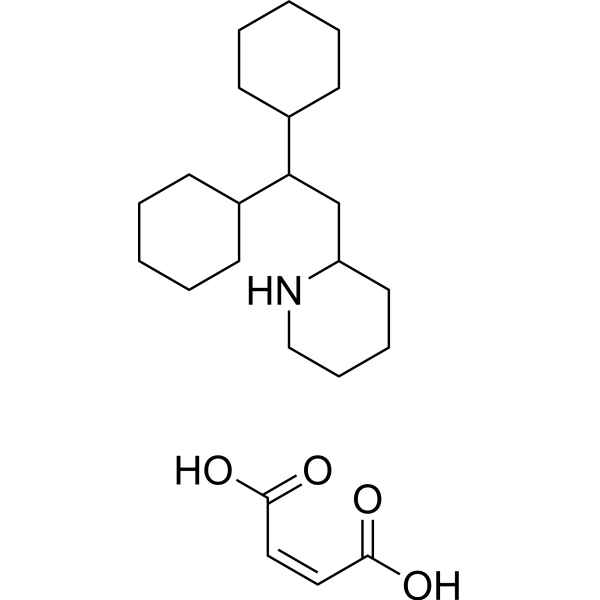
    Perhexiline maleate
    5+ Cited Publications

    Carnitine Palmitoyltransferase (CPT) Mitochondrial Metabolism Apoptosis Cardiovascular Disease Cancer
    Perhexiline maleate is an orally active CPT1 and CPT2 inhibitor that reduces fatty acid metabolism. Perhexiline maleate induces mitochondrial dysfunction and apoptosis in hepatic cells. Perhexiline maleate can cross the blood brain barrier (BBB) and shows anti-tumor activity. Perhexiline maleate can be used in the research of cancers, and cardiovascular disease like angina .
    Perhexiline maleate
  • HY-112870
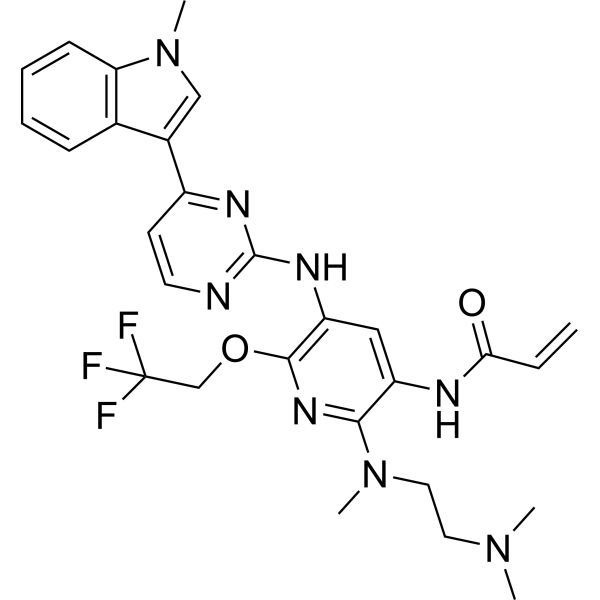
    Firmonertinib
    5+ Cited Publications

    Alflutinib; Furmonertinib; AST2818

    EGFR Cancer
    Firmonertinib (Alflutinib; Furmonertinib) is an orally active, mutant-selective, and highly brain penetrant EGFR inhibitor. Firmonertinib inhibits EGFR active mutations as well as the T790M acquired resistant mutation. Firmonertinib has the potential for the research of cancer diseases, especially advanced non-small cell lung cancer (NSCLC) with EGFR ex20ins mutation .
    Firmonertinib
  • HY-17423
    Abacavir
    5 Publications Verification

    HIV Reverse Transcriptase Telomerase Apoptosis Infection Cancer
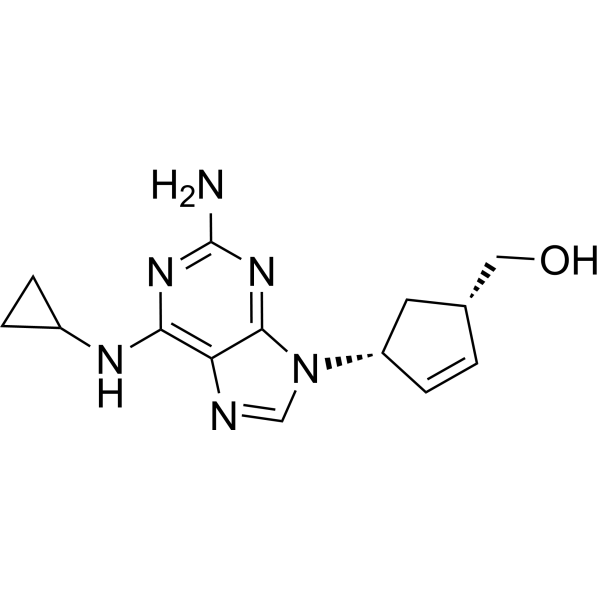
    Abacavir is an orally active and competitive nucleoside reverse transcriptase inhibitor. Abacavir can inhibits the replication of HIV. Abacavir shows anticancer activity in prostate cancer cell lines. Abacavir can trespass the blood-brain-barrier and suppresses telomerase activity .
    Abacavir
  • HY-173629

    Ras Apoptosis Cancer
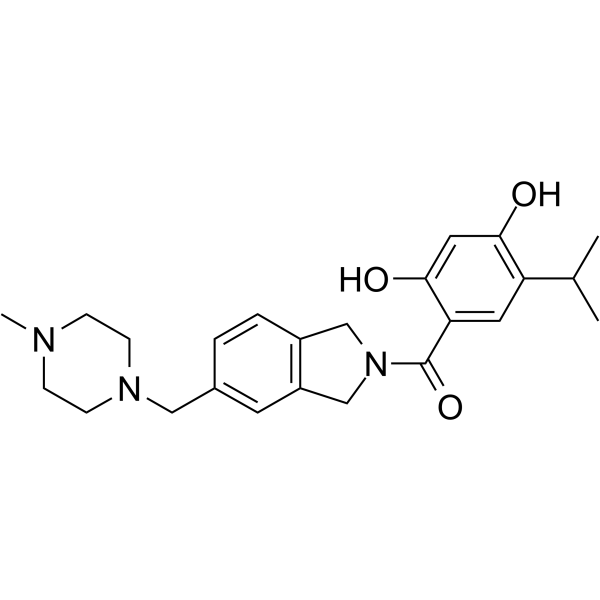
    RMC-5127 is a small molecule inhibitor that binds to GTP-targeted KRAS G12V, with oral bioavailability and blood-brain barrier permeability. RMC-5127 inhibits the activities of the RAS and MAPK pathways, suppresses the proliferation of KRAS G12V-mutant cancer cells and induces their apoptosis. RMC-5127 can be used for the research of KRAS G12V-mutant non-small cell lung cancer, pancreatic ductal adenocarcinoma, colorectal cancer and intracranial KRAS G12V tumors .
    RMC-5127
  • HY-147081
    AS 1411
    2 Publications Verification

    AGRO-100

    Histone Methyltransferase Bcl-2 Family Cancer
    AS 1411 (AGRO-100) is an oligonucleotide aptamer targeting nucleoproteins. AS 1411 inhibits tumor cell proliferation by affecting the activity of nucleoprotein-containing complexes and can be used as a carrier to precisely deliver nanoparticles, oligonucleotides and small molecules to cancer cells. AS 1411 reduces PRMT5 expression to inhibit tumor growth in DU145 prostate cancer cells. AS 1411 works by blocking the binding of nucleoproteins to bcl-2 mRNA in MCF-7 breast cancer cells. AS 1411-coupled Jin nanospheres can inhibit breast cancer cell proliferation in vitro and in mouse models, has the ability to cross the blood-brain barrier with low tissue toxicity .
    AS 1411
  • HY-W674241

    Endogenous Metabolite Apoptosis Bcl-2 Family Reactive Oxygen Species (ROS) Neurological Disease Cancer
    4-Ethylphenyl sulfate is an orally active and brain-penetrant gut microbial metabolite. 4-Ethylphenyl sulfate downregulates Bcl2 expression, upregulates Bax expression, and induces cancer cell apoptosis via the endogenous apoptotic pathway. 4-Ethylphenyl sulfate induces G2/M cell cycle arrest and reactive oxygen species (ROS) production. 4-Ethylphenyl sulfate impairs oligodendrocyte maturation, reduces oligodendrocyte-neuron interactions, decreases axonal myelination levels, and shifts the oligodendrocyte population toward immature precursor cells. 4-Ethylphenyl sulfate alters brain region-specific neural activity and functional connectivity in mice, and correlates with anxiety-like behaviors in mice .
    4-Ethylphenyl sulfate
  • HY-112870A
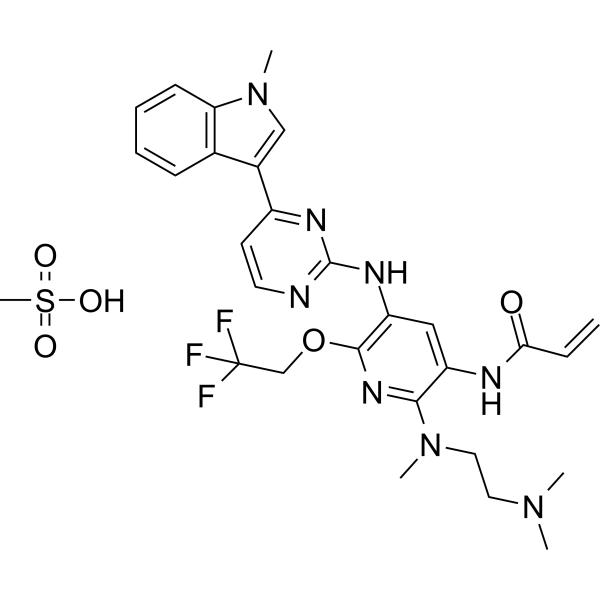
    Firmonertinib mesylate
    5+ Cited Publications

    Alflutinib mesylate; Furmonertinib mesylate; AST2818 mesylate

    EGFR Inflammation/Immunology Cancer
    Firmonertinib (Alflutinib; Furmonertinib) mesylate is is an orally active, mutant-selective, and blood-brain barrier penetrant EGFR inhibitor. Firmonertinib mesylate inhibits EGFR active mutations as well as the T790M acquired resistant mutation. Firmonertinib mesylate has the potential for the research of cancer diseases, especially advanced non-small cell lung cancer (NSCLC) with EGFR ex20ins mutation .
    Firmonertinib mesylate
  • HY-17423A
    Abacavir sulfate
    5 Publications Verification

    Abacavir Hemisulfate; ABC sulfate

    Reverse Transcriptase HIV Telomerase Apoptosis Infection Cancer
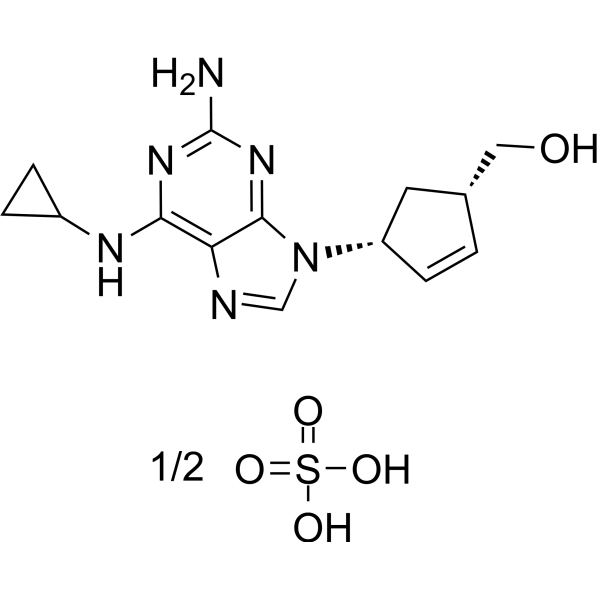
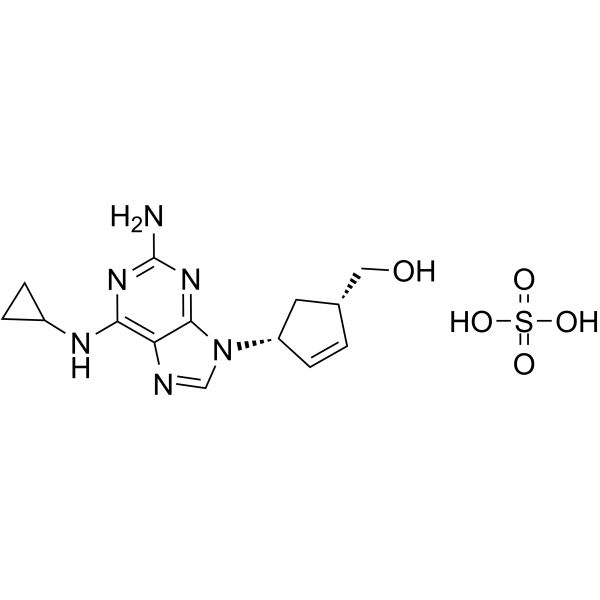
    Abacavir sulfate (Abacavir Hemisulfate) is a competitive, orally active nucleoside reverse transcriptase inhibitor. Abacavir sulfate can inhibits the replication of HIV. Abacavir sulfate shows anticancer activity in prostate cancer cell lines. Abacavir sulfate can trespass the blood-brain-barrier and suppresses telomerase activity .
    Abacavir sulfate
  • HY-B1334
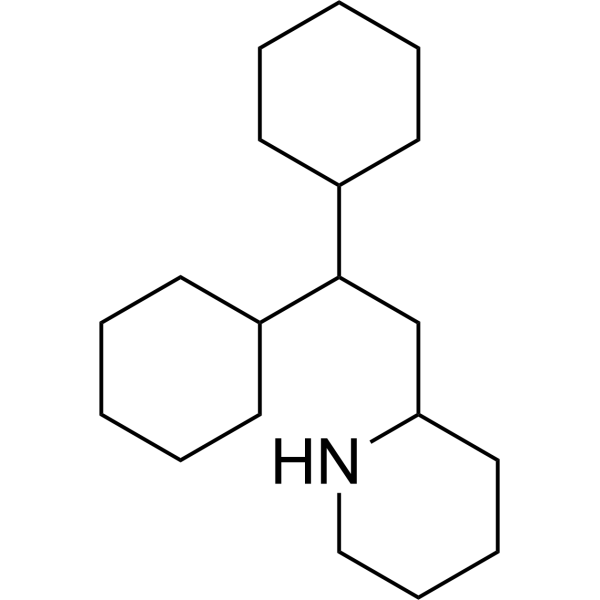
    Perhexiline
    5+ Cited Publications

    Carnitine Palmitoyltransferase (CPT) Mitochondrial Metabolism Apoptosis Cardiovascular Disease Cancer
    Perhexiline is an orally active CPT1 and CPT2 inhibitor that reduces fatty acid metabolism. Perhexiline induces mitochondrial dysfunction and apoptosis in hepatic cells. Perhexiline can cross the blood brain barrier (BBB) and shows anti-tumor activity. Perhexiline can be used in the research of cancers, and cardiovascular disease like angina .
    Perhexiline
  • HY-W010042
    L-Glucose
    1 Publications Verification

    L-(-)-Glucose

    Fluorescent Dye Metabolic Disease Cancer
    L-Glucose (L-(-)-Glucose) is a stereoisomer of D-Glucose (HY-B0389), which does not readily enter the brain. L-Glucose can promote food intake. L-glucose is combined with a fluorescence detector to produce a fluorescent probe that can be used to visualize and characterize cancer cells. L-Glucose also can be used in the research to enhance memory in mice .
    L-Glucose
  • HY-B0364A
    Dyclonine hydrochloride
    1 Publications Verification

    Dyclocaine hydrochloride

    Bacterial Fungal Aldehyde Dehydrogenase (ALDH) Infection Cancer
    Dyclonine (Dyclocaine) hydrochloride is an orally effective ALDH covalent inhibitor (crosses blood-brain barrier), with an IC50 of 35 μM for ALDH2 and 76 μM for ALDH3A1. Dyclonine hydrochloride has sensitizing activities for targeted cancer cells and antibacterial. Dyclonine hydrochloride is also a local agent that can suppress or relieve pain. that blocks the transmission of various nerve impulses or stimuli and inhibits the sensation of touch and pain .
    Dyclonine hydrochloride
  • HY-W018326

    DNA/RNA Synthesis Cancer
    Temozolomide acid is a carboxylic acid derivative of Temozolomide (HY-17364) with anticancer activity. Temozolomide is a DNA alkylating agent, methylating the guanine and adenine bases of DNA, causing breaks in DNA double strand, cell cycle arrest, and eventually cell death. Temozolomide acid is promising for research of glioblastoma and brain cancer .
    Temozolomide acid
  • HY-17037
    Pirenzepine dihydrochloride
    5 Publications Verification

    LS 519; Pirenzepin dihydrochloride; Gastrozepin dihydrochloride

    mAChR Metabolic Disease Cancer
    Pirenzepine (LS 519) dihydrochloride is a selective M1 mAChR (muscarinic acetylcholine receptor) antagonist, with poor penetration of the blood-brain barrier. Pirenzepine dihydrochloride reduces gastric acid secretion and reduces muscle spasm, can be used in peptic ulcers research. Pirenzepine dihydrochloride shows anti-proliferative activity to cancer cells .
    Pirenzepine dihydrochloride
  • HY-N1988
    Cucurbitacin IIa
    1 Publications Verification

    Hemslecin A

    Survivin Apoptosis EGFR Caspase p38 MAPK Autophagy MEK Raf ERK STAT CaMK Inflammation/Immunology Cancer
    Cucurbitacin IIa (Hemslecin A) is an orally active, blood-brain barrier-permeable EGFR inhibitor with an IC50 of 1.455 nM against human EGFR. Cucurbitacin IIa induces caspase-3-dependent apoptosis, downregulates survivin expression, enhances autophagy levels, disrupts the actin cytoskeleton via actin aggregation, arrests the cell cycle at the G2/M phase, and exerts anti-inflammatory activity by inhibiting the EGFR-MAPK signaling pathway. Cucurbitacin IIa can be used in the research of inflammation-related diseases, depression, and cancers such as non-small cell lung cancer .
    Cucurbitacin IIa
  • HY-111954

    Erinacine A

    Apoptosis JNK NF-κB Histone Acetyltransferase NO Synthase Bcl-2 Family p38 MAPK Caspase Neurological Disease Inflammation/Immunology Cancer
    (+)-Erinacin A (Erinacine A) is a cyanoditerpenoid isolated from Hericium erinaceus with anticancer, anti-inflammatory and neuroprotective activities. (+)-Erinacin A can induce cancer cell death by activating extrinsic and intrinsic apoptosis pathways. (+)-Erinacin A can also inhibit the expression of NO synthase (iNOS) and the production of nitrotyrosine to exert inflammatory and neuroprotective effects, thereby reducing ischemic brain damage .
    (+)-Erinacin A
  • HY-17037A
    Pirenzepine
    5 Publications Verification

    LS 519 free base; Pirenzepin; Gastrozepin

    mAChR Metabolic Disease Cancer
    Pirenzepine (LS 519 free base) is a selective M1 mAChR (muscarinic acetylcholine receptor) antagonist, with poor penetration of the blood-brain barrier. Pirenzepine reduces gastric acid secretion and reduces muscle spasm, can be used in peptic ulcers research. Pirenzepine shows anti-proliferative activity to cancer cells .
    Pirenzepine
  • HY-10996A
    KHS101 hydrochloride
    1 Publications Verification

    Autophagy HSP Apoptosis Aurora Kinase Microtubule/Tubulin Polo-like Kinase (PLK) Neurological Disease Cancer
    KHS101 is a blood-brain barrier-penetrant anticancer agent that primarily functions by inhibiting HSPD1 (IC50 = 14.4 μM) and TACC3 across different cellular backgrounds. KHS101 promotes the aggregation of HSPD1 with client proteins, destabilizes TACC3, and reduces the levels of TACC3, Aurora A and PLK1. KHS101 induces autophagy, apoptosis, cell cycle exit and neuronal differentiation; it suppresses cancer cell growth, motility, EMT and stemness; it also impairs mitochondrial bioenergetics and glycolysis in glioblastoma cells. KHS101 can be used in research related to glioblastoma multiforme and breast cancer .
    KHS101 hydrochloride
  • HY-144070

    Estrogen Receptor/ERR Cancer
    ErSO-DFP is an anticipatory unfolded protein response (a-UPR) activator. ErSO-DFP has enhanced selectivity for estrogen receptor alpha-positive (ERα+) cancer cells with a wider selectivity window than ErSO (HY-132247). ErSO-DFP displays antitumor activity against MCF-7 in mice. ErSO-DFP can cross the blood brain barrier .
    ErSO-DFP
  • HY-13464

    Brigatinib analog

    Anaplastic lymphoma kinase (ALK) EGFR Cancer
    ALK-IN-1 is an orally active, blood-brain barrier-permeable ALK and EGFR inhibitor. ALK-IN-1 binds to and inhibits ALK kinase, ALK fusion proteins, and wild-type and mutant EGFR variants, thereby disrupting their corresponding signaling pathways. ALK-IN-1 can suppress the growth and proliferation of tumor cells and exhibits potential inhibitory activity against mutant EGFR. ALK-IN-1 can be used in the research of non-small-cell lung cancer .
    ALK-IN-1
  • HY-156418

    DNA/RNA Synthesis Ferroptosis Apoptosis Reactive Oxygen Species (ROS) Cancer
    KY386 is a DHX33 helicase inhibitor with an IC50 of 0.019 μM. KY386 inhibits the cell viability of various cancer cells. KY386 induces ferroptosis in cancer cells, and induces apoptosis in some cancer cell lines. KY386 increases the intracellular levels of ROS, LPO and Fe 2+, and decreases the level of GSH in cancer cells . KY386 inhibits the growth of gastric cancer and colon cancer xenografts in nude mice. KY386 is applicable to the related research on liver cancer, lung cancer, pancreatic cancer, colorectal cancer, gastric cancer, breast cancer, leukemia, renal cancer, prostate cancer, esophageal cancer, cervical cancer, brain cancer (glioblastoma) and melanoma .
    KY386
  • HY-P5362

    Radionuclide-Drug Conjugates (RDCs) Somatostatin Receptor Neurological Disease Cancer
    NODAGA-LM3 is a ligand that can cross the blood-brain barrier and targets somatostatin receptor SSTR2 with high affinity (IC50 = 1.3 nM). NODAGA-LM3 does not trigger the internalization of SSTR2 and can inhibit agonist-induced internalization processes. NODAGA-LM3 shows low uptake in normal tissues such as the liver and spleen, but high uptake in the lungs and blood pool. 68Ga-labeled NODAGA-LM3 can serve as a PET imaging agent for well-differentiated neuroendocrine tumors, and is applied in studies related to small cell lung cancer and well-differentiated neuroendocrine tumors .
    NODAGA-LM3
  • HY-132846

    TAS0953/HM06

    RET Apoptosis Cancer
    Vepafestinib (TAS0953/HM06) is a next-generation brain-penetrant, selective and orally active RET inhibitor with an IC50 value of 0.33 nM. Vepafestinib inhibits the phosphorylation of RET and its downstream signaling pathways, thus blocking the growth and signal transduction of tumor cells and inducing cell cycle arrest and apoptosis. Vepafestinib can be used in the research of various RET-driven cancers, such as non-small cell lung cancer, thyroid cancer and other disease areas .
    Vepafestinib
  • HY-45661

    NUV-422

    CDK Neurological Disease Cancer
    Inixaciclib (NUV-422) is a blood-brain barrier-penetrant inhibitor of CDK2, CDK4 and CDK6. Inixaciclib inhibits cancer cell growth. Inixaciclib induces anti-tumor activity in xenograft models of glioblastoma, CDK4/CDK6 inhibitor-resistant HR + HER2 - metastatic breast cancer, and anti-androgen-resistant prostate cancer. Inixaciclib can be used for the research of relapsed or metastatic castration-resistant prostate cancer .
    Inixaciclib
  • HY-117286

    TEN-010

    Epigenetic Reader Domain Apoptosis Neurological Disease Cancer
    (S)-JQ-35 (TEN-010) is an orally active, blood-brain barrier-permeable bromodomain inhibitor that selectively targets the bromodomain and extra-terminal domain (BET) protein family (BRD4, BRD3, BRD2 and BRDT). (S)-JQ-35 blocks the activation of Myc gene expression by BRD4, thereby inhibiting cancer cell proliferation and promoting cancer cell apoptosis. (S)-JQ-35 can be used in research related to NUT midline carcinoma and neuroblastoma .
    (S)-JQ-35
  • HY-136731

    DNA/RNA Synthesis Cancer
    APE1-IN-1 is a potent and blood-brain barrier (BBB) penetrant apurinic/apyrimidinic (AP) endonuclease 1 (APE1) inhibitor with an IC50 value of 2 μM. APE1-IN-1 can potentiate the cytotoxicity of the alkylating agents Methylmethane sulfonate and Temozolomide (HY-17364) to cancer cells .
    APE1-IN-1
  • HY-139300

    HMPL-813

    EGFR Cancer
    Epitinib (HMPL-813) is a selective, orally active, blood-brain barrier-permeable EGFR tyrosine kinase inhibitor. Epitinib is applicable to research on EGFR T790M-positive non-small cell lung cancer with brain metastasis and advanced solid tumors .
    Epitinib
  • HY-153863

    PROTACs MEK Raf Cancer
    MS934 is a novel improved VHL-recruiting MEK 1/2 PROTAC degrader. MS934 also degrades CRAF. MS934 can be used for the research of variety of human cancers, such as melanoma, nonsmall cell lung cancer (NSCLC), colorectal cancer, primary brain tumors, and hepatocellular carcinoma (Pink: Target protein ligand (HY-168288); Black: linker (HY-168289); Blue: E3 ligase ligand (HY-112078)) .
    MS934
  • HY-161117

    RSV Cancer
    AD-8007 is an acetyl CoA synthase 2 (ACSS2) inhibitor that can cross the blood-brain barrier. AD-8007 can significantly reduce lipid storage and cell colony formation in vitro models, and increase tumor cell death. AD-8007 has anti-cancer activity and can be used in the research of breast cancer .
    AD-8007
  • HY-101478

    mGluR Apoptosis Neurological Disease Cancer
    Fenobam is a selective and orally active mGluR5 antagonist (IC50=84 nM) that can penetrate the blood-brain barrier. Fenobam shows the Kd values of 54 nM and 31 nM on rat and human recombinant mGlu5 receptors, respectively. Fenobam has anxiolytic activity, inhibits self-administration behavior in mice, and induces apoptosis in cancer cells. Fenobam can be used for research on neurological diseases, cancer and drug addiction .
    Fenobam
  • HY-147081A
    AS 1411 sodium
    2 Publications Verification

    AGRO-100 sodium

    Histone Methyltransferase Bcl-2 Family Cancer
    AS 1411 (AGRO-100) sodium is an oligonucleotide aptamer targeting nucleoproteins. AS 1411 sodium inhibits tumor cell proliferation by affecting the activity of nucleoprotein-containing complexes and can be used as a carrier to precisely deliver nanoparticles, oligonucleotides and small molecules to cancer cells. AS 1411 sodium reduces PRMT5 expression to inhibit tumor growth in DU145 prostate cancer cells. S 1411 sodium works by blocking the binding of nucleoproteins to bcl-2 mRNA in MCF-7 breast cancer cells. S 1411 sodium-coupled Jin nanospheres can inhibit breast cancer cell proliferation in vitro and in mouse models, has the ability to cross the blood-brain barrier with low tissue toxicity
    AS 1411 sodium
  • HY-176557

    Deubiquitinase Ferroptosis Reactive Oxygen Species (ROS) Glutathione Peroxidase Autophagy Cancer
    NCI677397 is a USP24 inhibitor. NCI677397 increases lipid ROS, activates cholesterol and fatty acid biosynthesis, degrades ABC transporters, GPX4 and DHFR through the autophagy pathway, decreases the level of P-gp and ultimately leads to ferroptosis in drug-resistant cancer cells. NCI677397 can be used for the study of lung caner and brain cancer .
    NCI677397
  • HY-17363S1

    Autophagy HIV Keap1-Nrf2 Endogenous Metabolite Reactive Oxygen Species (ROS) Cancer
    Dimethyl fumarate-d2 is the deuterium labeled Dimethyl fumarate . Dimethyl fumarate (DMF) is an orally active and brain-penetrant Nrf2 activator and induces upregulation of antioxidant gene expression. Dimethyl fumarate induces necroptosis in colon cancer cells through GSH depletion/ROS increase/MAPKs activation pathway, and also induces cell autophagy. Dimethyl fumarate can be used for multiple sclerosis research .
    Dimethyl fumarate-d2
  • HY-B0568R

    Reference Standards Ferroptosis HCV Apoptosis COX Infection Cardiovascular Disease Neurological Disease Inflammation/Immunology Endocrinology Cancer
    Deferiprone (Standard) is the analytical standard of Deferiprone. This product is intended for research and analytical applications. Deferiprone is a potent, orally active, brain-penetrant, cell-penetrant, skin-permeable, free iron chelating agent. Deferiprone inhibits the proliferation and migration, and stimulates apoptosis in tumor cell. Deferiprone has antianemic, neuroprotective, anti-inflammatory, antioxidant, and antidotal activity. Deferiprone can be used in cancer, cardiovascular disease, infection, inflammation, and neurological disease study .
    Deferiprone (Standard)
  • HY-P5345

    Apoptosis Antibiotic Caspase Mitochondrial Metabolism Cardiovascular Disease Infection Neurological Disease Metabolic Disease
    KLA peptide is a naturally occurring Antibiotic peptide that is nontoxic outside of cells but is toxic when it enters into the interior of targeted cells. KLA peptide can induce cell Apoptosis by disrupting mitochondrial membranes and activating Caspase. MG1-KLA, formed by the coupling of KLA peptide with MG1, can selectively induce apoptosis in pro-inflammatory microglia. KLA peptide can be used for the research of liver fibrosis. KLA peptide can be used for the research of neonatal hypoxic-ischemic encephalopathy.
    KLA peptide
  • HY-P10862

    Exosomes Virus Protease Infection Cancer
    AH-D peptide is a brain-penetrant antiviral agent disrupting highly curved lipid membranes. AH-D peptide exhibits broad-spectrum antiviral activity against ZIKV, Dengue virus, Chikungunya virus, yellow fever virus and Japanese encephalitis virus, with
    IC50
    values of 11.9, 12.5, 35.7, 206 and 136 nM, respectively. AH-D peptide reduces the viral load in the brain, suppresses inflammation, protects neurons, and does not damage the blood brain barrier. AH-D peptide restores antitumor immunity by decreasing circulating PD-L1 + exosomes, reducing intratumoral immunosuppressive cells (regulatory T cells, myeloid-derived suppressor cells), and enhancing T cell function. AH-D peptide inhibits membrane-enveloped viruses and cancer cell metastasis in vivo. AH-D peptide exhibits no immunogenicity and has negligible effects on normal tissues. AH-D peptide can be used for research in Zika virus and other mosquito-borne viruses, cancer immunotherapy and metastasis .
    AH-D peptide
  • HY-173066

    PROTACs Indoleamine 2,3-Dioxygenase (IDO) Cancer
    NU227326 is a blood-brain barrier penetrant IDO1 PROTAC degrader, with a DC50 of 4.5 nM in HiBiT degradation assays. NU227326 degrades IDO1 in U87 and GBM43 cells, with DC50 values of 7.1 nM and 11.8 nM, respectively (WB assays). NU227326 is applicable to research related to glioblastoma, prostate cancer, triple-negative breast cancer, pancreatic cancer, and ovarian cancer .
    NU227326
  • HY-P10427

    CXCR Dengue Virus Neurological Disease Inflammation/Immunology Cancer
    DV1 is a CXCR4 inhibitor with anti-proteolytic properties that specifically blocks the binding of SDF-1α to its receptor. DV1 inhibits the migration of breast cancer cells and enables the targeted delivery of avidin-PLGA nanoparticles to CXCR4-expressing cancer cells. DV1 not only effectively suppresses the progression of metastatic breast cancer in mouse models, but also preferentially accumulates in brain tumor tissues rather than normal brain tissues, showing potential for inhibiting intracranial tumor metastasis. As a humoral immune stimulant, DV1 induces the production of specific IgG, neutralizing antibodies and cellular immune responses, thereby providing the host with protection against lethal challenges. DV1 has been applied to studies on CXCR4-expressing cancers, glioblastoma, dengue fever and other related diseases .
    DV1
  • HY-W674241A

    Endogenous Metabolite Apoptosis Bcl-2 Family Reactive Oxygen Species (ROS) Neurological Disease Cancer
    4-Ethylphenyl sulfate sodium is an orally active and brain-penetrant gut microbial metabolite. 4-Ethylphenyl sulfate sodium downregulates Bcl2 expression, upregulates Bax expression, and induces cancer cell apoptosis via the endogenous apoptotic pathway. 4-Ethylphenyl sulfate sodium induces G2/M cell cycle arrest and reactive oxygen species (ROS) production. 4-Ethylphenyl sulfate sodium impairs oligodendrocyte maturation, reduces oligodendrocyte-neuron interactions, decreases axonal myelination levels, and shifts the oligodendrocyte population toward immature precursor cells. 4-Ethylphenyl sulfate sodium alters brain region-specific neural activity and functional connectivity in mice, and correlates with anxiety-like behaviors in mice .
    4-Ethylphenyl sulfate sodium
  • HY-125374

    XRP9881

    Apoptosis Cancer
    Larotaxel (XRP9881) is a taxane analogue with preclinical activity against taxane-resistant breast cancer. Larotaxel (XRP9881) exerts its cytotoxic effect by promoting tubulin assembly and stabilizing microtubules, ultimately leading to cell death by apoptosis. It presents the ability to cross the blood brain barrier and has a much lower affinity for P-glycoprotein 1 than Docetaxel .
    Larotaxel
  • HY-178164

    Apoptosis Akt mTOR STAT NF-κB Cancer
    HBS-101 is a selectively, orally active, brain-penetrant, Midkine (MDK) inhibitor (KD = 38.4 nM). HBS-101 significantly reduces cell viability, clonogenic survival, and invasiveness and increases apoptosis. HBS-101 involves suppression of the Akt/mTOR, STAT3, and NF-κB pathways. HBS-101 can be used for the study of Triple-negative breast cancer (TNBC) .
    HBS-101
  • HY-167876

    PI3K Cancer
    PQR514 is a potent PI3K inhibitor with anticancer activity. PQR514 is able to inhibit cancer cell proliferation. PQR514 showed significant antitumor activity in the OVCAR-3 xenograft model, with the required concentration being approximately one-eighth that of PQR309. PQR514 has good pharmacokinetic properties and minimal brain penetration, making it an optimized candidate compound for inhibiting systemic tumors .
    PQR514
  • HY-W587738

    Apoptosis Cancer
    Viridiflorol is an active natural molecule with anti-cancer effect. Viridiflorol induces anti-neoplastic effects on breast (MCF-7, IC50 = 10 µM), lung (A549, IC50 = 30 µM), and brain (Daoy, IC50 = 0.1 µM) cancer cells through apoptosis. Viridiflorol can be used for breast, lung, and brain cancer research .
    Viridiflorol
  • HY-16055

    AR-67; DB 67

    Topoisomerase Drug Derivative MDM-2/p53 Cancer
    Silatecan (AR-67) is a blood-brain barrier-permeable derivative of Camptothecin (HY-16560), DNA topoisomerase I inhibitor, an anticancer agent, and a radiosensitizer. Silatecan potently radiosensitizes wild-type p53 gliomas. Silatecan can be used in research related to glioma, leukemia, non-small cell lung cancer, colon cancer, ovarian cancer, renal cancer, prostate cancer, breast cancer, cervical cancer, gastric cancer, nasopharyngeal cancer, and uterine cancer .
    Silatecan
  • HY-115925

    SHP2 Phosphatase Cancer
    SHP2-IN-9 is a specific SHP2 inhibitor (IC50 =1.174 μM) with enhanced blood–brain barrier penetration. SHP2-IN-9 shows 85-fold more selective for SHP2 than SHP1. SHP2-IN-9 inhibits SHP2-mediated cell signal transduction and cancer cell proliferation, and inhibits the growth of cervix cancer tumors and glioblastoma growth in vivo .
    SHP2-IN-9
  • HY-P10427A

    CXCR Dengue Virus Infection
    DV1 TFA is a CXCR4 inhibitor with anti-proteolytic properties that specifically blocks the binding of SDF-1α to its receptor. DV1 TFA inhibits the migration of breast cancer cells and enables the targeted delivery of avidin-PLGA nanoparticles to CXCR4-expressing cancer cells. DV1 TFA not only effectively suppresses the progression of metastatic breast cancer in mouse models, but also preferentially accumulates in brain tumor tissues rather than normal brain tissues, showing potential for inhibiting intracranial tumor metastasis. As a humoral immune stimulant, DV1 TFA induces the production of specific IgG, neutralizing antibodies and cellular immune responses, thereby providing the host with protection against lethal challenges. DV1 TFA has been applied to studies on CXCR4-expressing cancers, glioblastoma, dengue fever and other related diseases .
    DV1 TFA
  • HY-N6908

    Bacterial p38 MAPK Apoptosis PARP Bcl-2 Family Caspase Interleukin Related COX PERK JNK NF-κB NO Synthase SOD Infection Neurological Disease Inflammation/Immunology Cancer
    Continentalic acid is a diterpenoid organic acid. Continentalic acid exhibits multiple activities including anti-inflammatory, antioxidant, neuroprotective, antibacterial and antitumor effects. Continentalic acid alleviates oxidative stress, reduces pro-inflammatory cytokine production, inhibits MAPK phosphorylation and neutrophil infiltration, and induces growth inhibition and apoptosis of cancer cells. Continentalic acid can be used in research related to traumatic brain injury, cancer, inflammation and infections .
    Continentalic acid
  • HY-P991571

    GC-1118A

    EGFR PERK Akt Cancer
    GC1118 (GC-1118A) is a fully human anti-EGFR monoclonal antibody with binding affinity of 0.16 nM (KD) to EGFR. GC1118 displays potent inhibitory effects on high- and low-affinity EGFR ligand-induced signaling. GC1118 shows potent anti proliferative activity in KRAS wild-type and KRAS mutant cells. GC1118 can reach the tumor by crossing both BBB (blood-brain barrier) and BTB (brain-tumor barrier) and shows superior anti-tumor effects in various mice xenograft models. GC1118 can be used for the researches of cancer, such as colorectal cancer .
    GC1118
  • HY-17363R

    Reference Standards Keap1-Nrf2 Reactive Oxygen Species (ROS) HIV Autophagy Endogenous Metabolite Infection Neurological Disease Inflammation/Immunology Cancer
    Dimethyl fumarate (Standard) is the analytical standard of Dimethyl fumarate. This product is intended for research and analytical applications. Dimethyl fumarate (DMF) is an orally active and brain-penetrant Nrf2 activator and induces upregulation of antioxidant gene expression. Dimethyl fumarate induces necroptosis in colon cancer cells through GSH depletion/ROS increase/MAPKs activation pathway, and also induces cell autophagy. Dimethyl fumarate can be used for multiple sclerosis research .
    Dimethyl fumarate (Standard)

Consulta en línea

Your information is safe with us. * Required Fields.

Saludo


Country or Region *

Nombre del solicitante *


Nombre de la Organizaciòn *

Department *


Direcciòn del E-mail *


Nombre del producto *

Cat. No.


Requested quantity *

Número de teléfono *


Observaciones

Consulta en línea

Inquiry Information

Nombre del producto:
Cat. No.:
Cantidad:
MCE Japan Authorized Agent:

