75 Results for "

flavanone

" in MedChemExpress (MCE) Product Catalog:
Products (75)

75 Results for "flavanone" in MCE Product Catalog:

36
36 Publications Verification
Cat. No.: HY-15337
CAS No.: 520-26-3
Purity:  97.15%
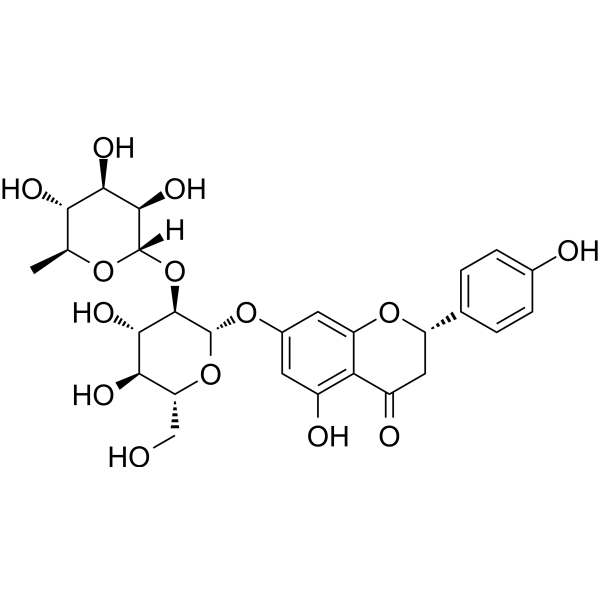
Synonyms: Hesperetin 7-rutinoside
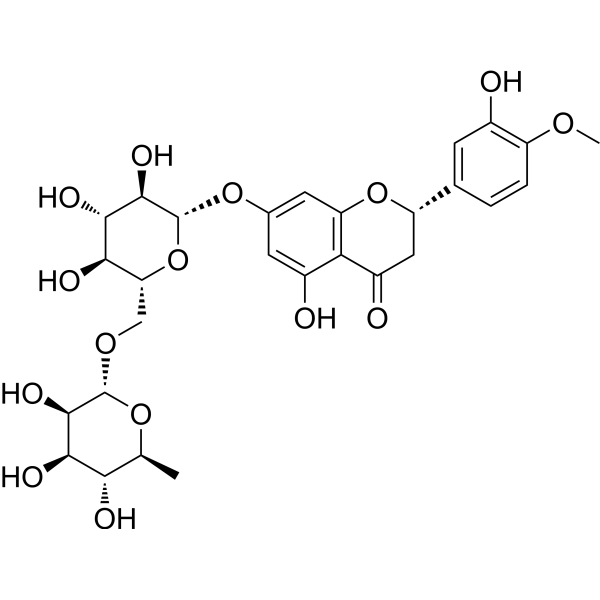
Hesperidin (Hesperetin 7-rutinoside), a flavanone glycoside, is isolated from citrus fruits. Hesperidin has numerous biological properties, such as decreasing inflammatory mediators and exerting significant antioxidant effects. Hesperidin also exhibits antitumor and antiallergic activities .
loading...
    loading...
30
30 Cited Publications
Cat. No.: HY-N0168
CAS No.: 520-33-2
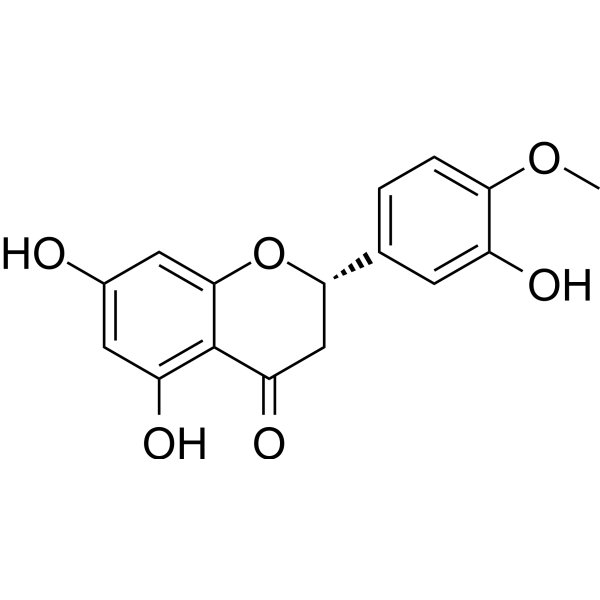
Hesperetin is a natural flavanone that can be found in citrus, and acts as a potent and orally active broad-spectrum inhibitor against human UGT activity. Hesperetin induces apoptosis via p38 MAPK activation. Hesperetin displays a range of bioactivities including antioxidant, anti-inflammatory, and anti-cancer. Hesperetin is found to induce cell-cycle arrest at G2/M phase. Hesperetin can reduce Bcl-2 and enhance BaxM. Hesperetin induces apoptosis through inhibiting NF-κB receptor .
loading...
    loading...
27
27 Cited Publications
Cat. No.: HY-N0153
CAS No.: 10236-47-2
Synonyms: Naringoside
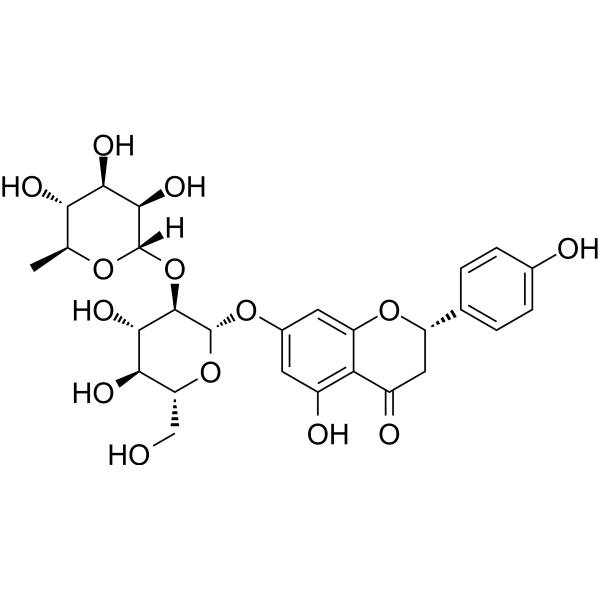
Naringin is a major flavanone glycoside obtained from tomatoes, grapefruits, and many other citrus fruits. Naringin exhibits biological properties such as antioxidant, anti-inflammatory, and antiapoptotic activities. Naringin also inhibits proliferation and invasion and induces apoptosis in human osteosarcoma cells by inhibiting zinc finger E-box binding homeobox 1 (Zeb1) .
loading...
    loading...
25
25 Cited Publications
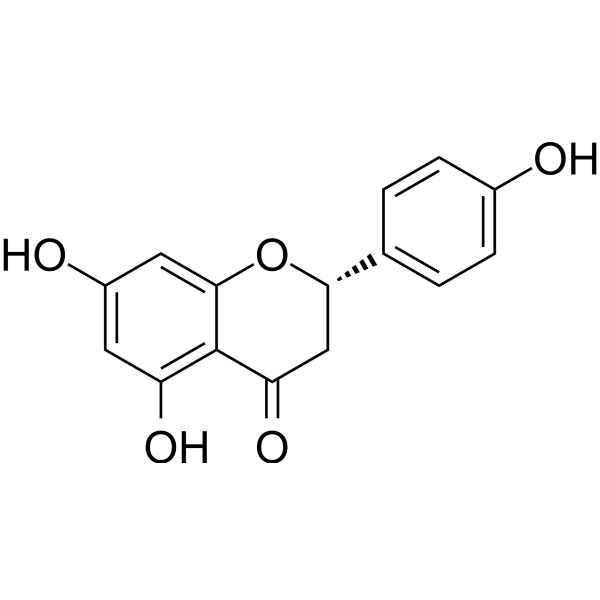
Cat. No.: HY-N0100
CAS No.: 480-41-1
Naringenin is the predominant flavanone in Citrus reticulata Blanco; displays strong anti-inflammatory and antioxidant activities. Naringenin has anti-dengue virus (DENV) activity.
loading...
    loading...
15
15 Cited Publications
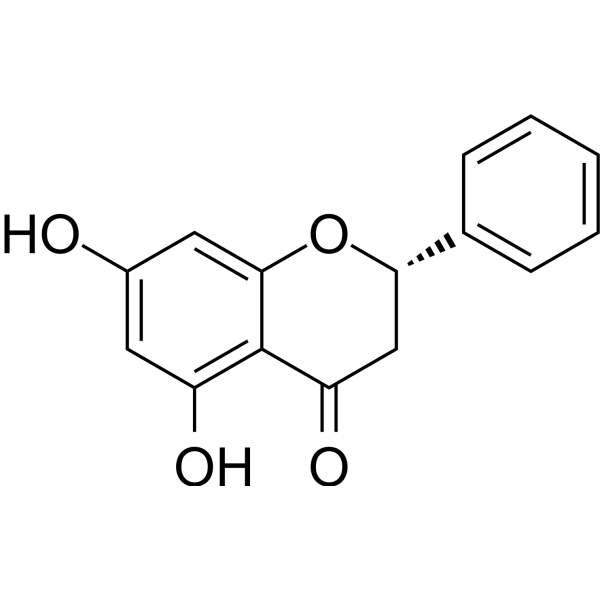
Cat. No.: HY-N0575
CAS No.: 480-39-7
Synonyms: (+)-Pinocoembrin; Dihydrochrysin; Galangin flavanone
Pinocembrin ((+)-Pinocoembrin) is a flavonoid found in propolis, acts as a competitive inhibitor of histidine decarboxylase, and is an effective anti-allergic agent, with antioxidant, antimicrobial and anti-inflammatory properties .
loading...
    loading...
14
14 Cited Publications
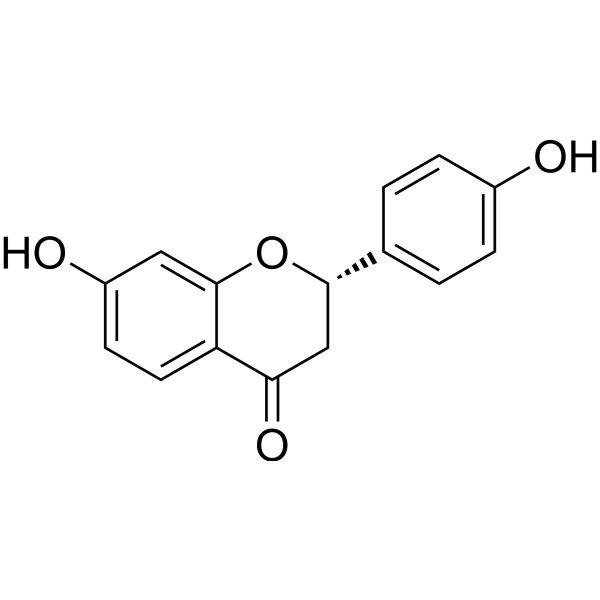
Cat. No.: HY-N0377
CAS No.: 578-86-9
Synonyms: 4',7-Dihydroxyflavanone
Liquiritigenin, a flavanone isolated from Glycyrrhiza uralensis, is a highly selective estrogen receptor β (ERβ) agonist with an EC50 of 36.5 nM for activation of the ERE tk-Luc.
loading...
    loading...
7
7 Cited Publications
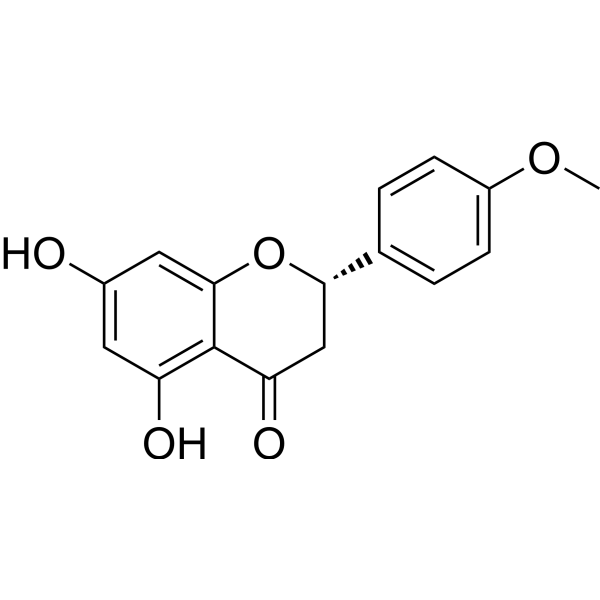
Cat. No.: HY-N2131
CAS No.: 480-43-3
Isosakuranetin is a flavanone flavonoid which can be found in the fruit of Citrus bergamia. Isosakuranetin is a TRPM3 blocker .
loading...
    loading...
5
5 Cited Publications
Cat. No.: HY-N0119
CAS No.: 18916-17-1
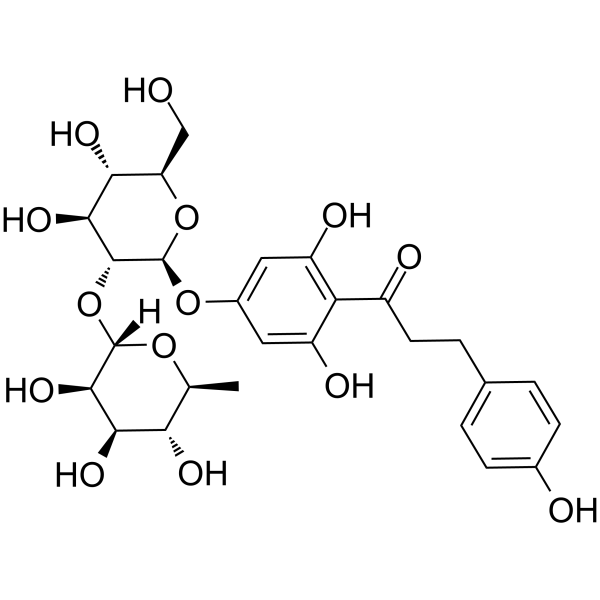
Synonyms: Naringin DC
Naringin Dihydrochalcone is an artificial sweetener derived from naringin. Naringin is a major flavanone glycoside obtained from tomatoes, grapefruits, and many other citrus fruits. Naringin exhibits biological properties such as antioxidant, anti-inflammatory, and antiapoptotic activities. Naringin suppresses NF-κB signaling pathway.
loading...
    loading...
2
2 Cited Publications
Cat. No.: HY-N6963
CAS No.: 81202-36-0
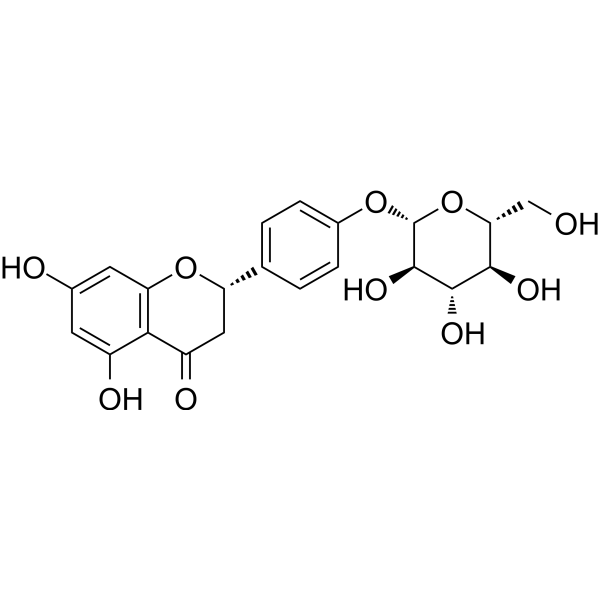
Choerospondin is a flavanone isolated from the bark of Choerospondias axillaris .
loading...
    loading...
1
1 Cited Publications
Cat. No.: HY-N7128
CAS No.: 487-26-3
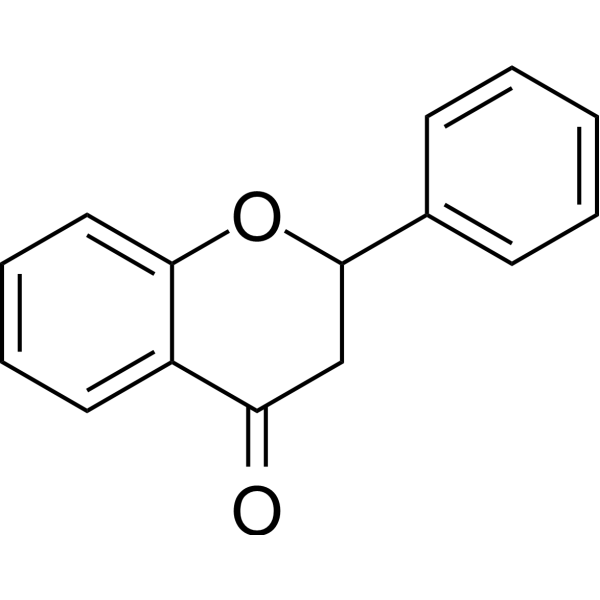
Flavanone is a naturally occurring flavone. Flavanone has inhibitory activity for human estrogen synthetase (aromatase). Flavanone is the inhibitor for ERK/p38/NF-κB signaling pathway. Flavanone exhibits oral activity and antitumor efficacy .
loading...
    loading...
1
1 Cited Publications
Cat. No.: HY-N1854
CAS No.: 52117-69-8
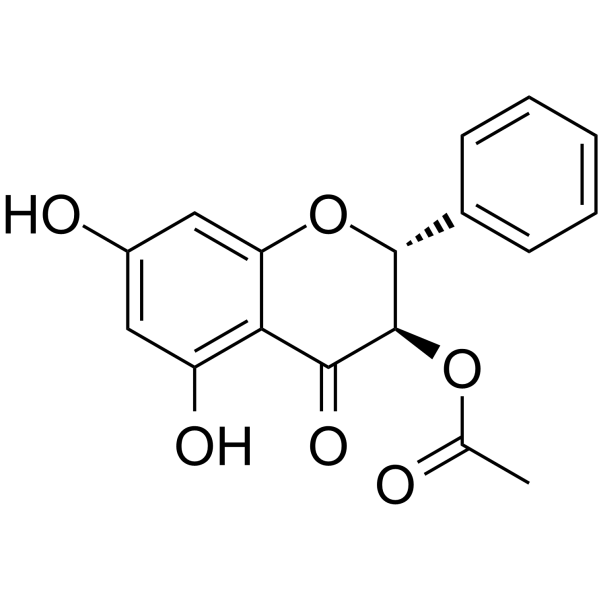
Pinobanksin 3-acetate is a flavanone and flavonoid ester with antioxidant activity. Pinobanksin 3-acetate is naturally present in Sonoran propolis, honey, medicinal plants, and forestry coproducts of Pinus caribaea. Pinobanksin 3-acetate exerts anti-colorectal cancer activity by modulating proliferation, apoptosis, cell cycle, and Wnt signaling pathways. Pinobanksin 3-acetate can be used for the research of colon cancer .
loading...
    loading...
1
1 Cited Publications
Cat. No.: HY-N2123
CAS No.: 5088-75-5
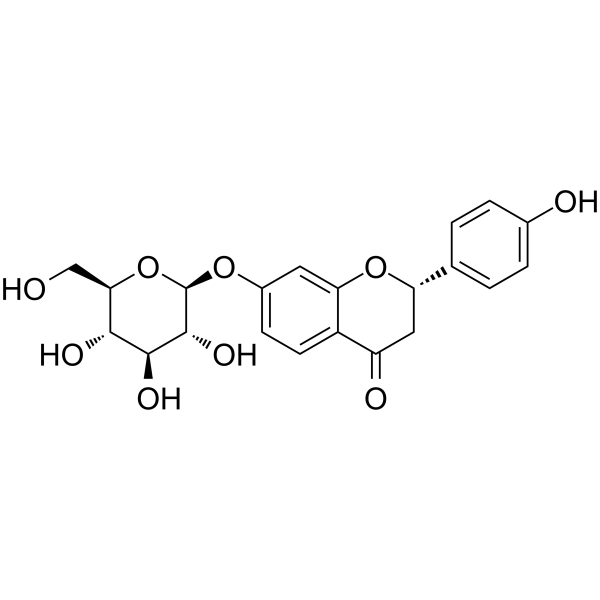
Neoliquiritin is a flavonoid and flavanone-derived cytotoxic agent with anticancer activity and neuroprotective effects. Neoliquiritin exhibits excellent tumor specificity, exerting a more pronounced killing effect on cancer cells compared with normal oral cells. Neoliquiritin also exerts neuroprotective effects by inhibiting ATP depletion and the elevation of caspase 3/7 activity. Widely present in the roots of Glycyrrhiza uralensis, Glycyrrhiza inflata and Glycyrrhiza glabra, Neoliquiritin can be applied to studies on human oral squamous cell carcinoma, leukemia, Parkinson's disease and other conditions .
loading...
    loading...
1
1 Cited Publications
Cat. No.: HY-N0575R
CAS No.: 480-39-7
Synonyms: (+)-Pinocoembrin (Standard); Dihydrochrysin (Standard); Galangin flavanone (Standard)
Pinocembrin (Standard) is the analytical standard of Pinocembrin. This product is intended for research and analytical applications. Pinocembrin ((+)-Pinocoembrin) is a flavonoid found in propolis, acts as a competitive inhibitor of histidine decarboxylase, and is an effective anti-allergic agent, with antioxidant, antimicrobial and anti-inflammatory properties .
loading...
    loading...
Cat. No.: HY-N1470
CAS No.: 78708-33-5
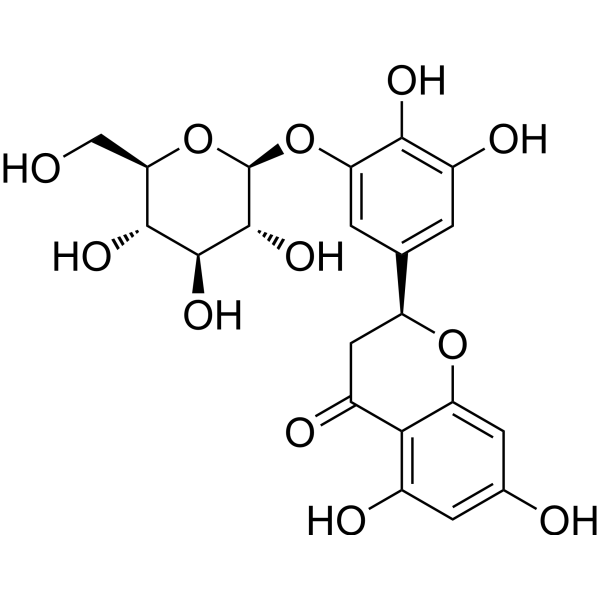
Plantagoside is a flavanone glucoside found in Plantago asiatica seeds, acting as a specific non-competitive α-mannosidase inhibitor with IC50 values of 5 μM and a Ki of 2.7 μM (jack bean). Plantagoside suppresses antibody response and Concanavalin A (HY-P2149)-induced lymphocyte proliferation in mouse spleen cells. Plantagoside inhibits the Maillard reaction, advanced glycation end product formation, and glycation-dependent protein-protein cross-link formation. Plantagoside can be used for the research of diabetes .
loading...
    loading...
Cat. No.: HY-N8210
CAS No.: 446-71-9
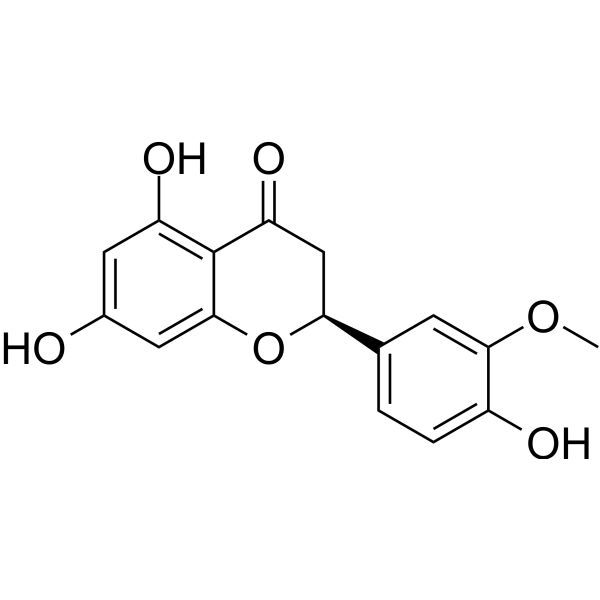
Homoeriodictyol is an orally active, bitter-tasting flavanone that can penetrate the blood-brain barrier. Homoeriodictyol enhances synaptic-related protein expression through NCOA4-mediated ferritin autophagy. Homoeriodictyol improves memory impairment in mice by inhibiting the NLRP3 inflammasome. Homoeriodictyol protects human endothelial cells from oxidative damage by activating Nrf2 and inhibiting mitochondrial dysfunction. Homoeriodictyol enhances ROS activity and induces apoptosis, exhibiting anticancer effects. Homoeriodictyol inhibits the survival and migration of androgen-resistant prostate cancer cells in vitro. Homoeriodictyol exerts antinociceptive activity in mice in vivo .
loading...
    loading...
Cat. No.: HY-N2624
CAS No.: 199796-12-8
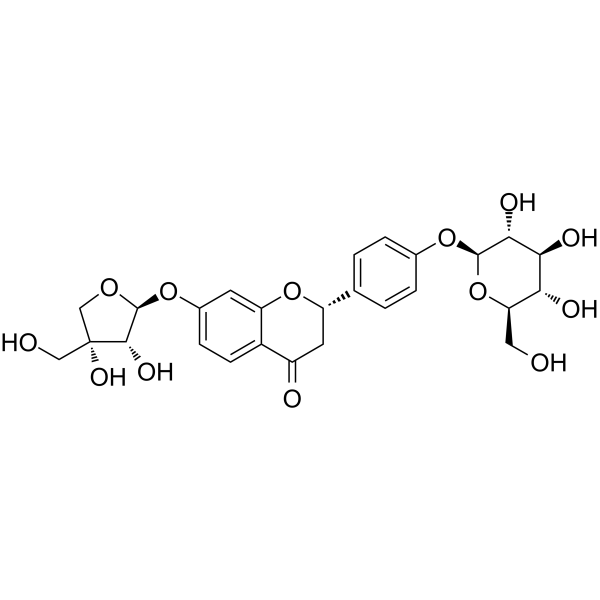
Liguiritigenin-7-O-D-apiosyl-4'-O-D-glucoside is a flavanone glycoside isolated from Glycyrrhizia inflate .
loading...
    loading...
Cat. No.: HY-N16129
CAS No.: 73676-38-7
Synonyms: Nymphaeol A; Propolin C
Diplacone is an orally active geranyl flavanone. It is isolated from the fruits of Paulownia tomentosa. Diplacone reduces COX-2 levels and increases the pro-MMP2/MMP2 ratio. It induces ferroptosis-mediated cell death. Diplacone enhances mitochondrial Ca 2+ influx and ROS production. It possesses anti-inflammatory and free radical-scavenging activities. Diplacone can be used in research related to ulcerative colitis and non-small cell lung cancer .
loading...
    loading...
Cat. No.: HY-15337R
CAS No.: 520-26-3
Synonyms: Hesperetin 7-rutinoside (Standard)
Hesperidin (Standard) is the analytical standard of Hesperidin. This product is intended for research and analytical applications. Hesperidin (Hesperetin 7-rutinoside), a flavanone glycoside, is isolated from citrus fruits. Hesperidin has numerous biological properties, such as decreasing inflammatory mediators and exerting significant antioxidant effects. Hesperidin also exhibits antitumor and antiallergic activities .
loading...
    loading...
Cat. No.: HY-N10620
CAS No.: 1162664-58-5
Melitidin is a flavanone glycoside, that can be isolated from Citrus grandis 'Tomentosa'. Melitidin shows a good antitussive effect on cough induced by citric acid in Guinea pig .
loading...
    loading...
Cat. No.: HY-N0153R
CAS No.: 10236-47-2
Synonyms: Naringoside (Standard)
Naringin is a major flavanone glycoside obtained from tomatoes, grapefruits, and many other citrus fruits. Naringin exhibits biological properties such as antioxidant, anti-inflammatory, and antiapoptotic activities. Naringin also inhibits proliferation and invasion and induces apoptosis in human osteosarcoma cells by inhibiting zinc finger E-box binding homeobox 1 (Zeb1) .
loading...
    loading...

