380 Results for "

mitochondrial cell activity

" in MedChemExpress (MCE) Product Catalog:
Products (380)

380 Results for "mitochondrial cell activity" in MCE Product Catalog:

907
907 Publications Verification
Cat. No.: HY-15763
CAS No.: 571203-78-6
Purity:  99.62%
Research Areas:  

Cancer

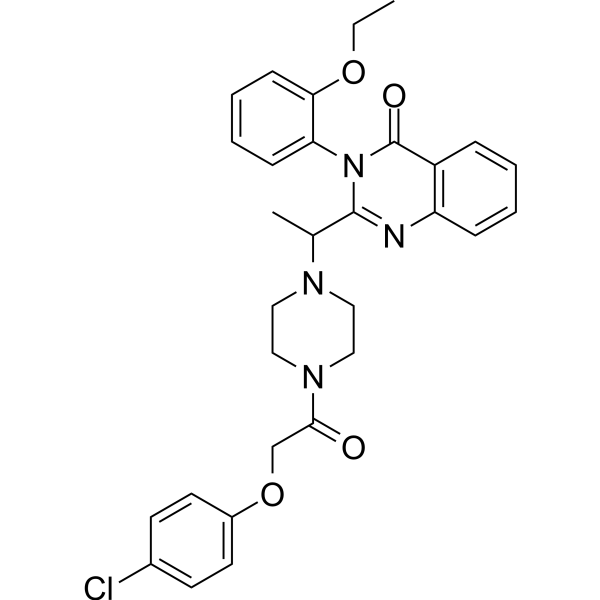
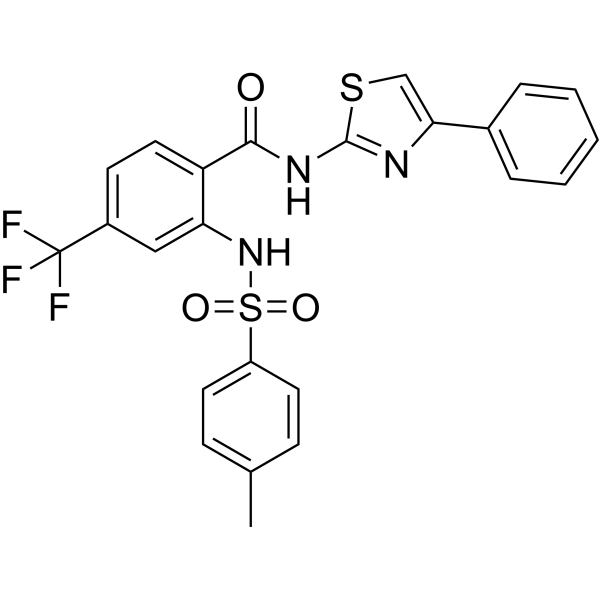
Erastin is a ferroptosis inducer. Erastin exhibits the mechanism of ferroptosis induction related to ROS and iron-dependent signaling. Erastin inhibits voltage-dependent anion channels (VDAC2/VDAC3) and accelerates oxidation, leading to the accumulation of endogenous reactive oxygen species. Erastin also disrupts mitochondrial permeability transition pore (mPTP) with anti-tumor activity. Furthermore, Erastin can block the uptake of cystine mediated by SLC7A11 and also spares UMRC6-EV and -C91A cells from disulfidptosis under glucose starvation .
loading...
    loading...
197
197 Cited Publications
Cat. No.: HY-W008923
CAS No.: 17086-28-1
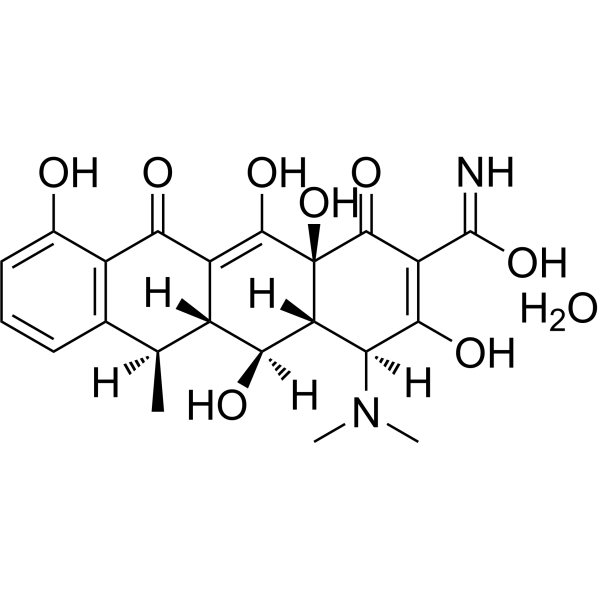
Doxycycline monohydrate is an orally active highly lipophilic, tissue-permeable MMP inhibitor with broad-spectrum antibacterial activity. Doxycycline monohydrate is also a semi-synthetic antibiotic with chelating properties, which blocks bacterial protein synthesis and inhibits extracellular matrix degradation through interactions with zinc and calcium atoms. Doxycycline monohydrate also inhibits mitochondrial biogenesis, translation, and the expression of respiratory chain proteins. Doxycycline monohydrate induces apoptosis, inhibits autophagy and EMT, downregulates stem cell markers, and activates the PI3K-AKT pathway, thereby effectively inhibiting the viability and proliferation of cancer cells such as breast cancer cells. Doxycycline monohydrate also promotes the survival and self-renewal of embryonic stem cells and neural stem cells, and reduces the frequency of medium changes in culture. Doxycycline monohydrate has been applied in studies related to breast cancer, prostate cancer, bladder cancer, and other cancers .
loading...
    loading...
35
35 Cited Publications
Cat. No.: HY-N0148A
CAS No.: 207671-50-9
Synonyms: Rutoside hydrate; Quercetin 3-O-rutinoside hydrate
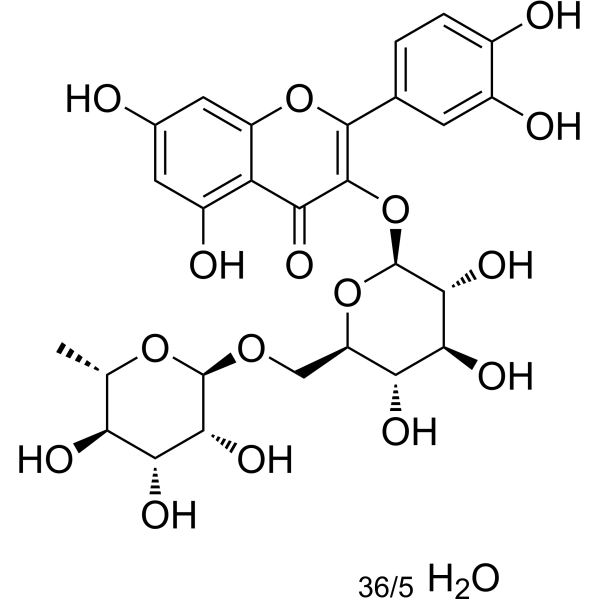
Rutin (Rutoside) hydrate is a flavonoid found in many plants and shows a wide range of biological activities including anti-inflammatory, antidiabetic, antioxidant, neuroprotective, nephroprotective, hepatoprotective and reducing Aβ oligomer activities. Rutin hydrate can cross the blood brain barrier. Rutin hydrate attenuates vancomycin-induced renal tubular cell apoptosis via suppression of apoptosis, mitochondrial dysfunction, and oxidative stress .
loading...
    loading...
35
35 Cited Publications
Cat. No.: HY-N0148
CAS No.: 153-18-4
Synonyms: Rutoside; Quercetin 3-O-rutinoside
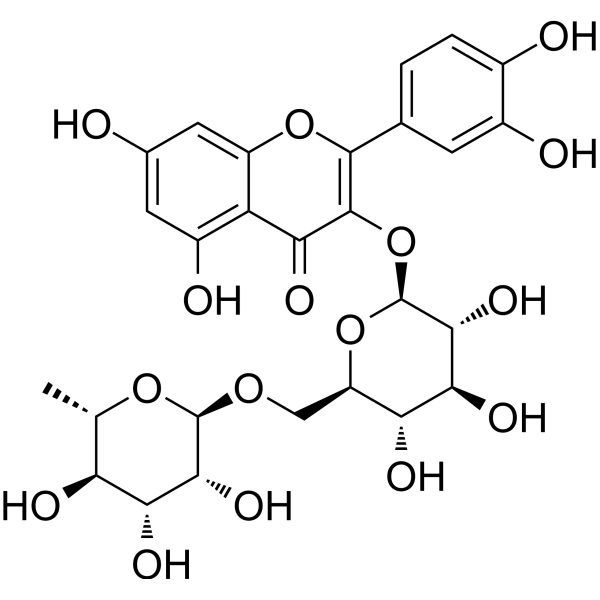
Rutin (Rutoside) is a flavonoid found in many plants and shows a wide range of biological activities including anti-inflammatory, antidiabetic, antioxidant, neuroprotective, nephroprotective, hepatoprotective and reducing Aβ oligomer activities. Rutin is also a CBR1 inhibitor, which can cross the blood brain barrier. Rutin attenuates vancomycin-induced renal tubular cell apoptosis via suppression of apoptosis, mitochondrial dysfunction, and oxidative stress .
loading...
    loading...
25
25 Cited Publications
Cat. No.: HY-100900
CAS No.: 1991986-30-1
Purity:  99.96%
Target:  

Deubiquitinase

Research Areas:  

Cancer

ML364 is a selective ubiquitin specific peptidase 2 (USP2) inhibitor (IC50=1.1 μM) with anti-proliferative activity, which direct binds to USP2 (Kd=5.2 μM), induces an increase in cellular cyclin D1 degradation and causes cell cycle arrest. ML364 increases the levels of mitochondrial ROS and decreases in the intracellular content of ATP .
loading...
    loading...
25
25 Cited Publications
Cat. No.: HY-N0171
CAS No.: 83-46-5
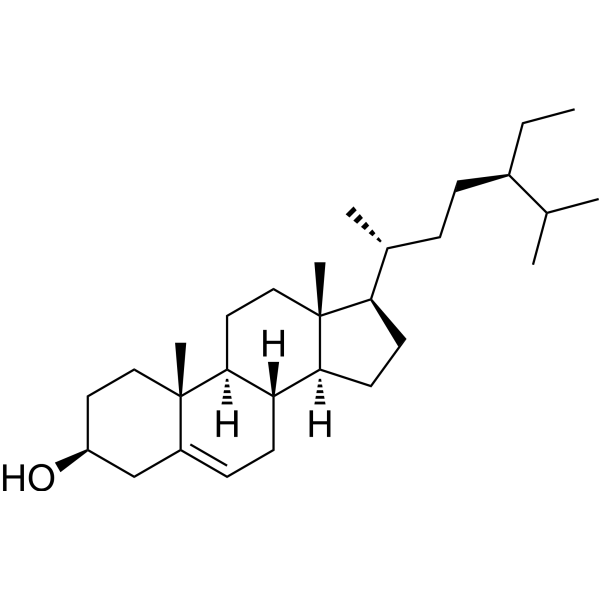
Beta-Sitosterol (purity≥80%) is orally active. Beta-Sitosterol exhibits multiple activities, including anti-inflammatory, anticancer, antioxidant, antimicrobial, antidiabetic, antioxidant enzyme, and analgesic. Beta-Sitosterol inhibits inflammation and impaired adipogenesis in bovine mammary epithelial cells by reducing levels of ROS, TNF-α, IL-1β, and NF-κB p65 and restoring the activity of the HIF-1α/mTOR signaling pathway. Beta-Sitosterol induces apoptosis in cancer cells through ROS-mediated mitochondrial dysregulation and p53 activation. Beta-Sitosterol exerts its anticancer effects in cancer cells by activating caspase-3, caspase-8, and caspase-9, mediating PARP inactivation, MMP loss, altered Bcl-2-Bax ratio, and cytochrome c release. Beta-Sitosterol modulates macrophage polarization and reduces rheumatoid inflammation in mice. Beta-Sitosterol inhibits tumor growth in multiple mouse cancer models. Beta-Sitosterol can be used in the research of arthritis, lung cancer, breast cancer and other cancers, diabetes, etc .
loading...
    loading...
25
25 Cited Publications
Cat. No.: HY-N0171A
CAS No.: 83-46-5
Synonyms: β-Sitosterol (purity>98%); 22,23-Dihydrostigmasterol (purity>98%)
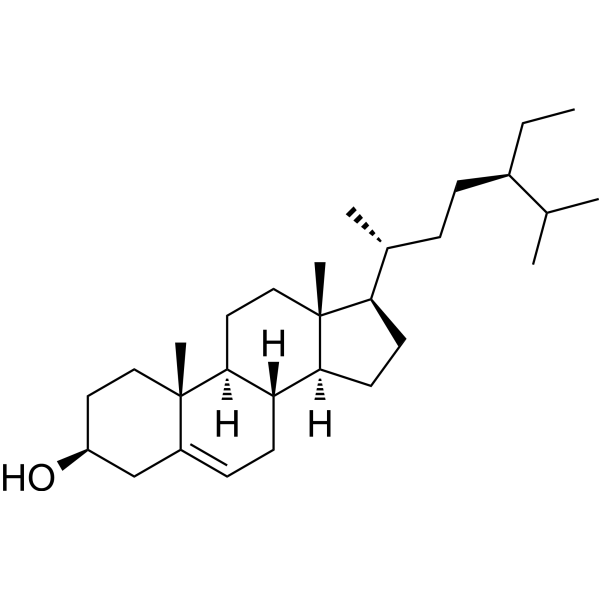
Beta-Sitosterol (purity>98%) is orally active. Beta-Sitosterol exhibits multiple activities, including anti-inflammatory, anticancer, antioxidant, antimicrobial, antidiabetic, antioxidant enzyme, and analgesic. Beta-Sitosterol inhibits inflammation and impaired adipogenesis in bovine mammary epithelial cells by reducing levels of ROS, TNF-α, IL-1β, and NF-κB p65 and restoring the activity of the HIF-1α/mTOR signaling pathway. Beta-Sitosterol induces apoptosis in cancer cells through ROS-mediated mitochondrial dysregulation and p53 activation. Beta-Sitosterol exerts its anticancer effects in cancer cells by activating caspase-3, caspase-8, and caspase-9, mediating PARP inactivation, MMP loss, altered Bcl-2-Bax ratio, and cytochrome c release. Beta-Sitosterol modulates macrophage polarization and reduces rheumatoid inflammation in mice. Beta-Sitosterol inhibits tumor growth in multiple mouse cancer models. Beta-Sitosterol can be used in the research of arthritis, lung cancer, breast cancer and other cancers, diabetes, etc .
loading...
    loading...
18
18 Cited Publications
Cat. No.: HY-15096
CAS No.: 147366-41-4
Purity:  ≥98.0%
Synonyms: FJ-776
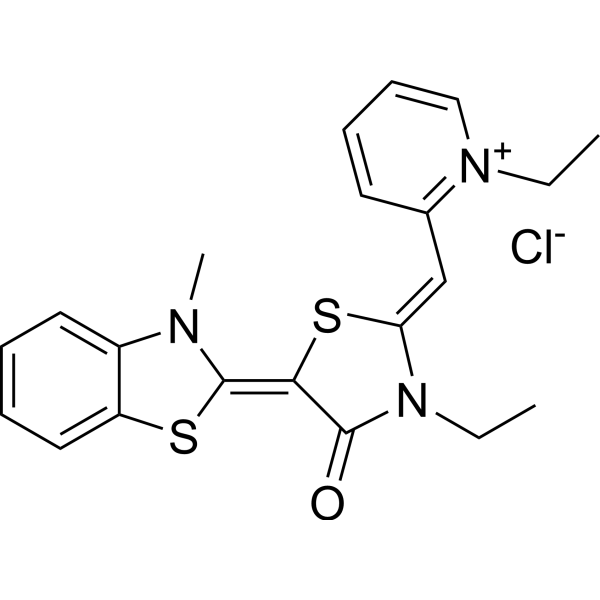
MKT-077 (FJ-776), a highly water-soluble mitochondrial dye, has significant antitumor activity . MKT-077 exhibits low cytotoxicity, and inhibits broad-spectrum human cancer cell lines (colon cancer, breast cancer, pancreatic cancer). MKT-077 inhibits the growth of tumor in nude mice enograft tumor model. Ex/Em=488/543 nm .
loading...
    loading...
14
14 Cited Publications
Cat. No.: HY-D0714
CAS No.: 298-96-4
Synonyms: 2,3,5-Triphenyltetrazolium chloride; TPTZ; TTC
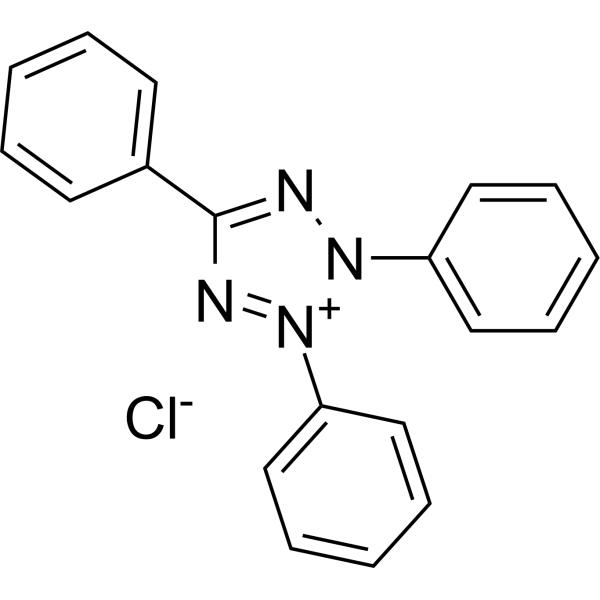
Tetrazolium Red (2,3,5-Triphenyltetrazolium chloride; TTC) is a not brain-penetrant, colorless, water-soluble dye that is reduced by mitochondrial enzymes to a deep red, water-insoluble compound (formazan) mainly in the mitochondria of living cells. Tetrazolium Red is used to observe the activity of dehydrogenase, and it turns colorless to red when exposed to hydrogen. Tetrazolium Red distinguishes between surviving and infarcted brain tissue after stroke. Tetrazolium Red has been used to stain heart tissue to measure the extent of acute lesions and also used to stain brain tissue to detect the size of the infarcted area. The absorption wavelength of Tetrazolium Red is 570 nm .
loading...
    loading...
11
11 Cited Publications
Cat. No.: HY-N0124
CAS No.: 19057-60-4
Synonyms: Collettiside III; CCRIS 4123
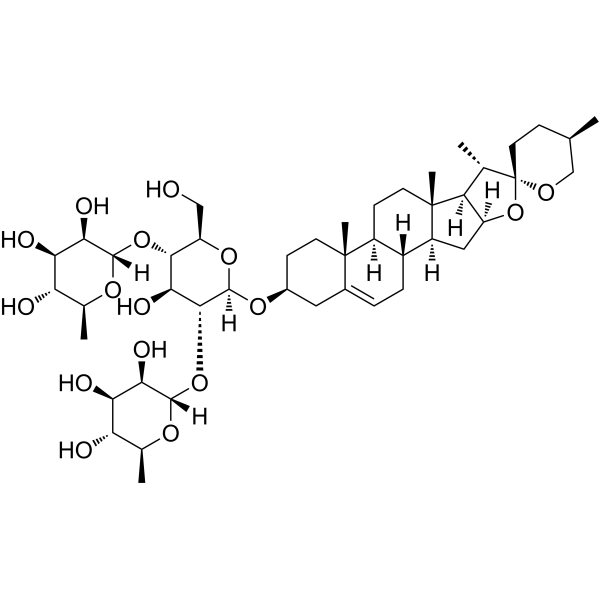
Dioscin (CCRIS 4123; Collettiside III) is a natural plant-derived steroidal saponin that has good anti-cancer activity against a variety of cancer cells. Dioscin causes DNA damage and induces apoptosis in HeLa and SiHa cells. Dioscin regulates ROS-mediated DNA damage and mitochondrial signaling pathways, exerting anticancer activity .
loading...
    loading...
8
8 Cited Publications
Cat. No.: HY-B1334
CAS No.: 6621-47-2
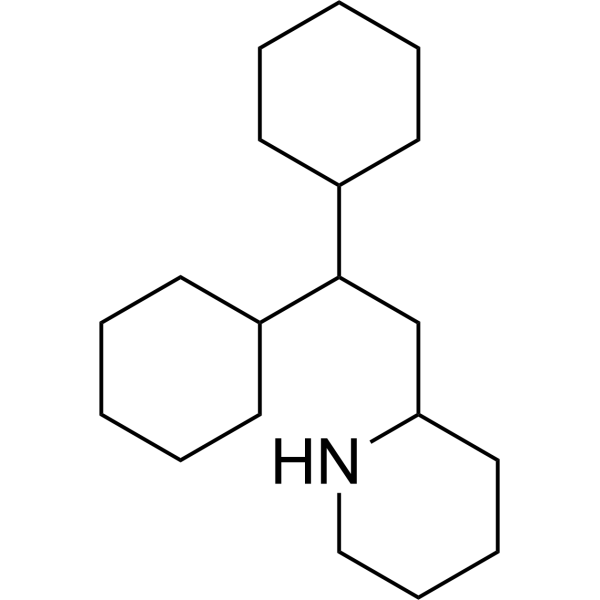
Perhexiline is an orally active CPT1 and CPT2 inhibitor that reduces fatty acid metabolism. Perhexiline induces mitochondrial dysfunction and apoptosis in hepatic cells. Perhexiline can cross the blood brain barrier (BBB) and shows anti-tumor activity. Perhexiline can be used in the research of cancers, and cardiovascular disease like angina .
loading...
    loading...
8
8 Cited Publications
Cat. No.: HY-B1334A
CAS No.: 6724-53-4
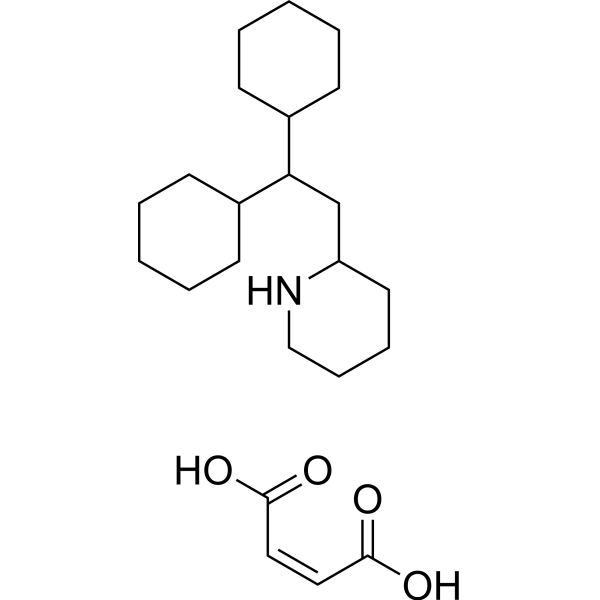
Perhexiline maleate is an orally active CPT1 and CPT2 inhibitor that reduces fatty acid metabolism. Perhexiline maleate induces mitochondrial dysfunction and apoptosis in hepatic cells. Perhexiline maleate can cross the blood brain barrier (BBB) and shows anti-tumor activity. Perhexiline maleate can be used in the research of cancers, and cardiovascular disease like angina .
loading...
    loading...
8
8 Cited Publications
Cat. No.: HY-N0256
CAS No.: 465-99-6
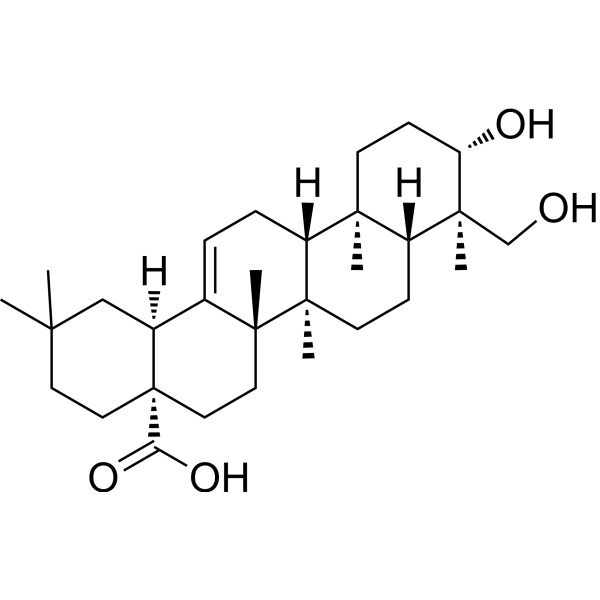
Hederagenin is a triterpenoid saponin with orally active and antitumor activity. Hederagenin can inhibit the expression of iNOS, COX-2, and NF-κB in cells induced by LPS stimulation. Hederagenin also increases ROS production in cancer cells, disrupts mitochondrial membrane potential, and induces apoptosis. Hederagenin also sensitizes cancer cells to Cisplatin (HY-17394) and Paclitaxel (HY-B0015), enhancing induced apoptosis. Hederagenin can also bind to SKP2, with KD = 67.9 μM. Hederagenin also has preventive potential against alcoholic liver injury .
loading...
    loading...
7
7 Cited Publications
Cat. No.: HY-18705
CAS No.: 932986-18-0
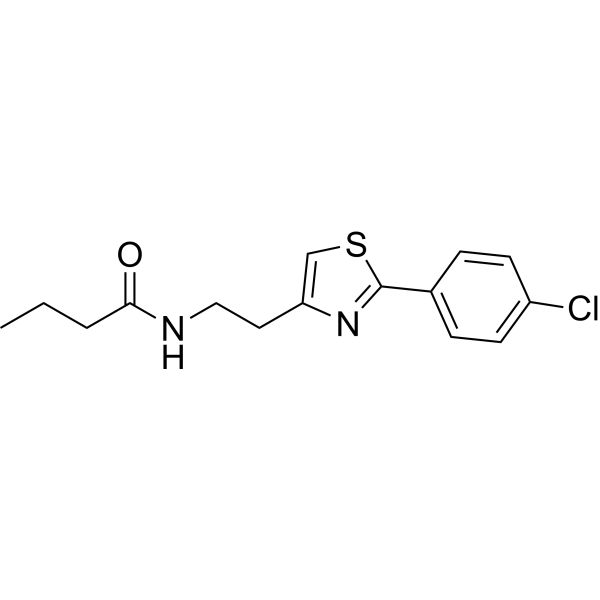
Azoramide is a potent, orally active small-molecule modulator of the unfolded protein response (UPR). Azoramide improves ER protein folding and elevates ER chaperone capacity, which together protects cells against ER stress. Azoramide alleviates PLA2G6 mutant-induced ER stress through modulating unfolded protein response, and enhances the CERB signaling to rescue mitochondrial function, thereby preventing apoptosis of DA neurons. Azoramide has antidiabetic activity .
loading...
    loading...
6
6 Cited Publications
Cat. No.: HY-N0430A
CAS No.: 1198398-71-8
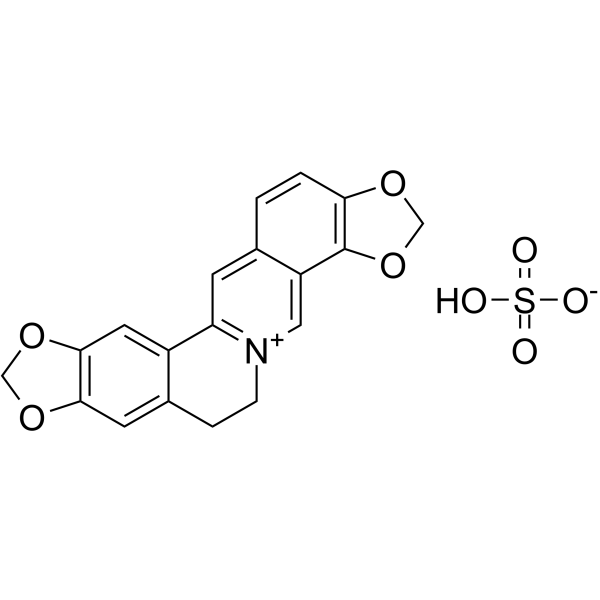
Coptisine Sulfate is an orally active and brain-penetrant alkaloid found in Coptis chinensis. Coptisine Sulfate is a reversible, uncompetitive IDO inhibitor with a Ki of 5.8 μM and an IC50 of 6.3 μM. Coptisine Sulfate suppresses neuroinflammation, reduces Aβ plaque burden and shows neuroprotective activity. Coptisine Sulfate shows anti-inflammation activity by blocking NF-κB, MAPK, and PI3K/Akt activation. Coptisine Sulfate inhibits cancer cells proliferation, induces DNA damage, G2/M phase cell cycle arrest, apoptosis, ROS production and mitochondrial dysfunction. Coptisine Sulfate inhibits Rho/ROCK pathway activation, reduces arrhythmia, limits cardiac injury marker release, reduces infarct size, and preserves cardiac function in rat myocardial ischemia/reperfusion models. Coptisine Sulfate downregulates HMGCR and upregulates LDLR and CYP7A1 to modulate cholesterol metabolism, reduces abnormal serum lipid levels, and promotes fecal bile acid excretion. Coptisine Sulfate be used for the research of cancer, hypercholesterolemia, Alzheimer’s disease, inflammatory disorders and cardiovascular disease .
loading...
    loading...
5
5 Cited Publications
Cat. No.: HY-108547
CAS No.: 1715-30-6
Purity:  99.68%
Target:  

Fungal Apoptosis

Research Areas:  

Infection Cancer

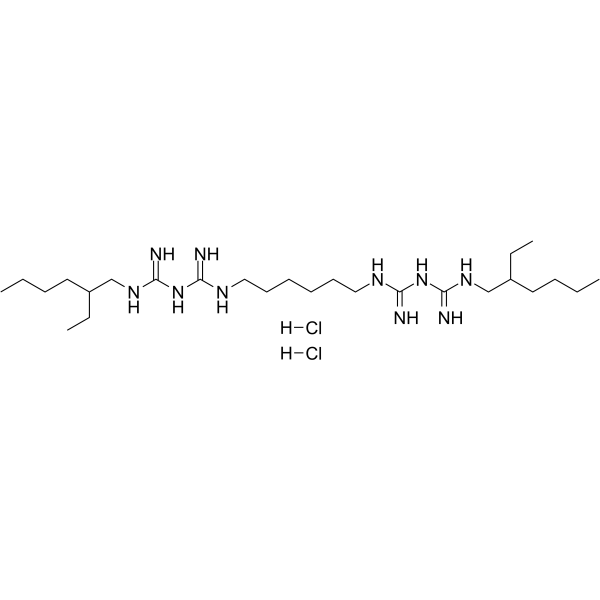
Alexidine dihydrochloride is an anticancer agent that targets a mitochondrial tyrosine phosphatase, PTPMT1, in mammalian cells and causes mitochondrial apoptosis. Alexidine dihydrochloride has antifungal and antibiofilm activity against a diverse range of fungal pathogens .
loading...
    loading...
5
5 Cited Publications
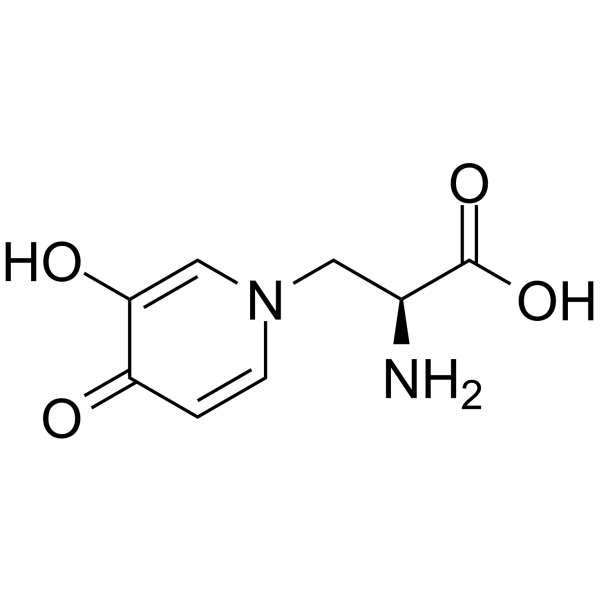
Cat. No.: HY-N0928
CAS No.: 500-44-7
Mimosine, a tyrosine analog , can act as an antioxidant by its potent iron-binding activity . Mimosine is a known chelator of Fe(III) . Mimosine induces apoptosis through metal ion chelation, mitochondrial activation and ROS production in human leukemic cells . Anti-cancer, antiinflammation.
loading...
    loading...
5
5 Cited Publications
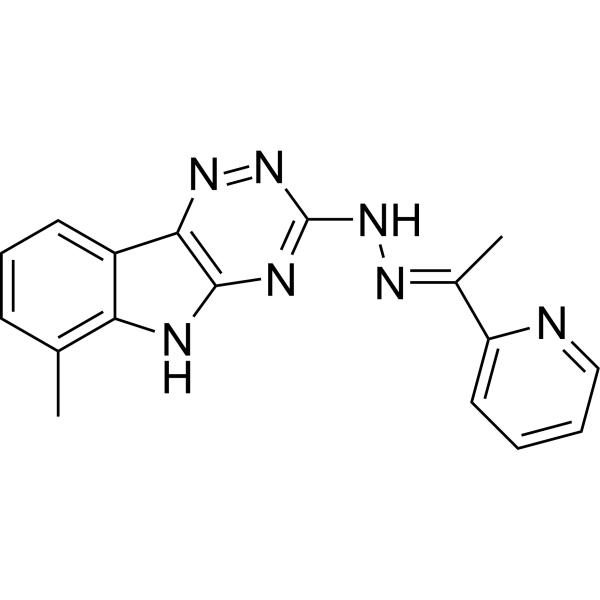
Cat. No.: HY-12406
CAS No.: 327031-55-0
Purity:  98.67%
VLX600 is an iron-chelating inhibitor of oxidative phosphorylation (OXPHOS). VLX600 causes mitochondrial dysfunction and induces a strong shift to glycolysis. VLX600 displays selective cytotoxic activity against malignant cell and induces autophagy. Anticancer activity .
loading...
    loading...
4
4 Cited Publications
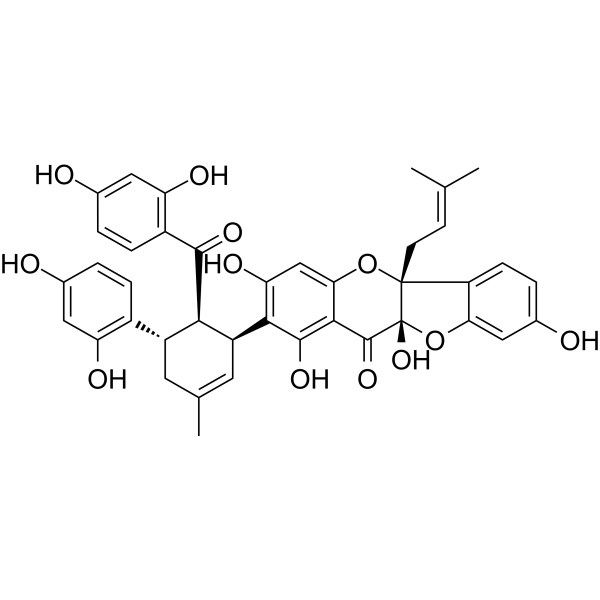
Cat. No.: HY-N0617
CAS No.: 80651-76-9
Sanggenon C, a flavonoid, exerts protective effects against cardiac hypertrophy and fibrosis via suppression of the calcineurin/NFAT2 pathway. Sanggenon C inhibits mitochondrial fission to induce apoptosis by blocking the ERK signaling pathway. Sanggenon C inhibits inducible nitric oxide synthase expression in RAW264.7 cells, and TNF-α-stimulated cell adhesion and VCAM-1 expression, by suppressing NF-κB activity. Sanggenon C possesses antioxidant, anti-inflammatory and antitumor activities .
loading...
    loading...
4
4 Cited Publications
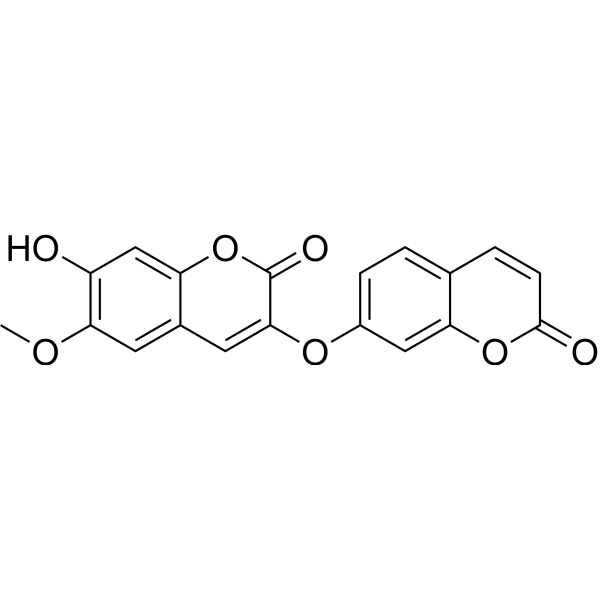
Cat. No.: HY-N0699
CAS No.: 2034-69-7
Synonyms: Dephnoretin; Thymelol
Daphnoretin (Dephnoretin; Thymelol) is a protein kinase C (PKC) activator that inhibits the expression of hepatitis B virus (HBV) surface antigen (HBsAg) and exhibits antiviral activity. Daphnoretin exerts its antitumor effects by inhibiting the activation of the PI3K/AKT signaling pathway and triggers the mitochondrial apoptosis pathway. Daphnoretin alleviates chondrocyte apoptosis and inflammatory responses by inhibiting endoplasmic reticulum stress and activation of the NLRP3 inflammasome. Daphnoretin regulates the differentiation and maturation of dendritic cells, inhibits their immunostimulatory function by downregulating the phosphorylation level of JNK, and thus exerts a protective effect in skin graft rejection .
loading...
    loading...

