57 Results for "

mitochondrial membrane potential disruption

" in MedChemExpress (MCE) Product Catalog:
Products (57)

57 Results for "mitochondrial membrane potential disruption" in MCE Product Catalog:

8
8 Publications Verification
Cat. No.: HY-N0256
CAS No.: 465-99-6
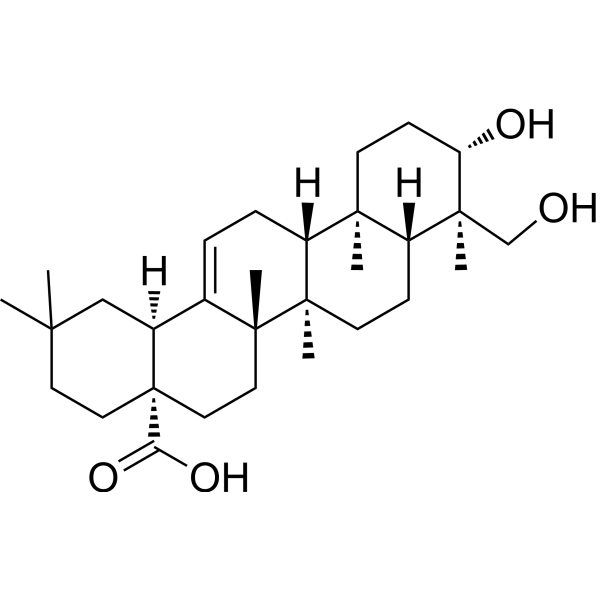
Hederagenin is a triterpenoid saponin with orally active and antitumor activity. Hederagenin can inhibit the expression of iNOS, COX-2, and NF-κB in cells induced by LPS stimulation. Hederagenin also increases ROS production in cancer cells, disrupts mitochondrial membrane potential, and induces apoptosis. Hederagenin also sensitizes cancer cells to Cisplatin (HY-17394) and Paclitaxel (HY-B0015), enhancing induced apoptosis. Hederagenin can also bind to SKP2, with KD = 67.9 μM. Hederagenin also has preventive potential against alcoholic liver injury .
loading...
    loading...
6
6 Cited Publications
Cat. No.: HY-N9933
CAS No.: 25696-60-0
Synonyms: TβMCA
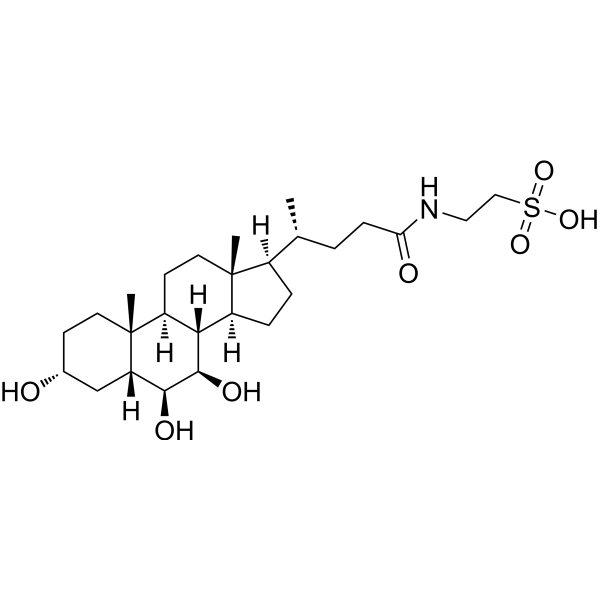
Tauro-β-muricholic acid (TβMCA) is an orally active trihydroxylated bile acid and a competitive, reversible FXR antagonist (IC50=40 μM). Tauro-β-muricholic acid inhibits bile acid-induced hepatocyte apoptosis by maintaining mitochondrial membrane potential, while simultaneously inhibiting intestinal FXR signaling, affecting bile acid synthesis, hepatic lipid metabolism, and insulin sensitivity. Accumulation of tauro-β-muricholic acid disrupts metabolic homeostasis, promoting cancer stem cell proliferation and tumor progression. The mechanisms of tauro-β-muricholic acid involve two aspects: first, inhibiting the translocation of the pro-apoptotic protein Bax to mitochondria and maintaining mitochondrial membrane potential (MMP); and second, blocking the FXR signaling pathway to regulate bile acid metabolism, reduce serum ceramide production, and downregulate the hepatic SREBP1C/CIDEA pathway. Tauro-β-muricholic acid possesses anti-hepatocyte apoptosis, bile acid homeostasis regulation, and liver fat accumulation reduction properties, and also functions as a biomarker, making it useful in the study of diseases such as bile acid metabolism disorders, non-alcoholic fatty liver disease, colorectal cancer, and liver fibrosis .
loading...
    loading...
3
3 Cited Publications
Cat. No.: HY-N12257
CAS No.: 27220-57-1
Antimycin A2 is a selective inhibitor of the cytochrome b-c1 complex in the mitochondrial electron transport chain. Antimycin A2 disrupts mitochondrial membrane potential and produces reactive oxygen species (ROS) by inhibiting electron transfer between cytochrome b and c. Antimycin A2 has bactericidal and piscicidal activity, as well as tumor cell growth inhibitory effects, and can induce S-phase cell cycle arrest and apoptosis in HeLa cells. Antimycin A2 is suitable for research of cervical cancer and fisheries management. Antimycin A2 can be naturally isolated from the fermentation products of Streptomyces sp. strains .
loading...
    loading...
Cat. No.: HY-137371
CAS No.: 148409-20-5
Purity:  97.31%
Research Areas:  

Infection Cancer

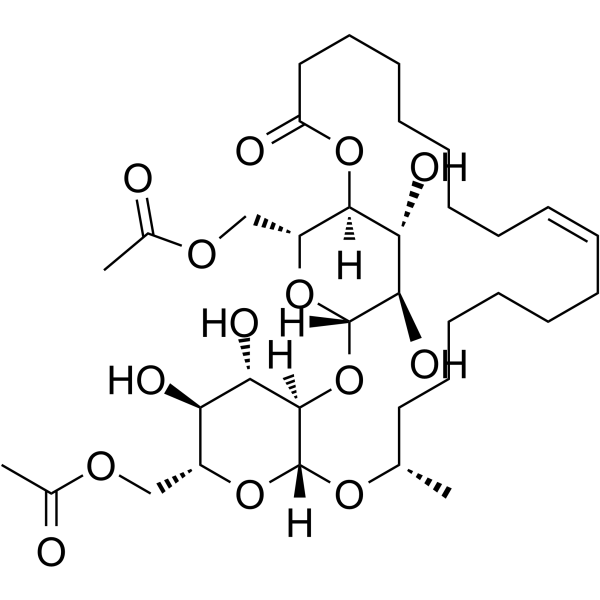
Lactonic sophorolipid is an apoptosis inducer and antimicrobial surfactant with antitumor activity. Lactonic sophorolipid regulates Bax/Bcl-gene expression through caspase-3/9 and induces apoptosis in tumor cells. Lactonic sophorolipid can disrupt cell membrane permeability and exert antibacterial effects (MIC for oral pathogens is 100-400 μg/mL). Lactonic sophorolipid promotes mitochondrial membrane potential depolarization, activates the intrinsic apoptotic pathway, and can synergize with antibiotics to enhance the antibacterial effect. Lactonic sophorolipid can be used in liver cancer research and the development of oral hygiene antibacterial agents[1][2][3].
loading...
    loading...
Cat. No.: HY-W015551
CAS No.: 3913-81-3
Synonyms: (E)-Dec-2-enal
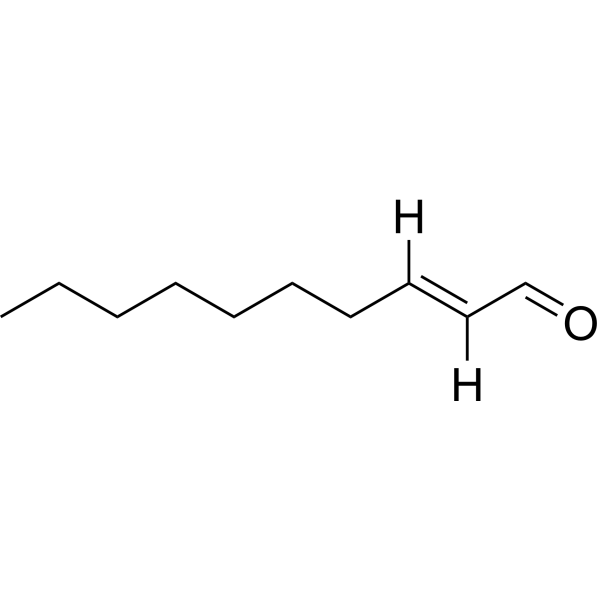
trans-2-Decenal ((E)-Dec-2-enal) acts as a urease inhibitor and antibacterial agent against Helicobacter pylori, with an IC50 of 9.484 μg/mL against Helicobacter pylori urease. trans-2-Decenal reduces the urease activity of Helicobacter pylori, and possesses antibacterial, bactericidal, anti-biofilm and anti-migratory activities. It alters the morphology of Helicobacter pylori, induces bacterial rupture, inhibits biofilm formation, reduces the number of mature biofilms and impairs the migratory capacity of Helicobacter pylori. trans-2-Decenal disrupts the cell wall integrity of Phytophthora capsici, damages membrane integrity and permeability, triggers intracellular reactive oxygen species (ROS) accumulation, decreases glutathione levels and disrupts the mitochondrial membrane potential of Phytophthora capsici. trans-2-Decenal is applicable to studies related to Helicobacter pylori and plant diseases induced by and Phytophthora capsici .
loading...
    loading...
Cat. No.: HY-W275295
CAS No.: 307-55-1
Synonyms: PFDoA
Perfluorododecanoic acid (PFDoA) is an orally active, blood-brain barrier-permeable perfluorinated compound. Perfluorododecanoic acid increases Caspase 3 activity, disrupts mitochondrial membrane potential, and elevates ROS levels. Perfluorododecanoic acid induces cognitive deficits. Perfluorododecanoic acid exhibits hepatotoxicity .
loading...
    loading...
Cat. No.: HY-126222A
CAS No.: 1634624-74-0
Research Areas:  

Cancer

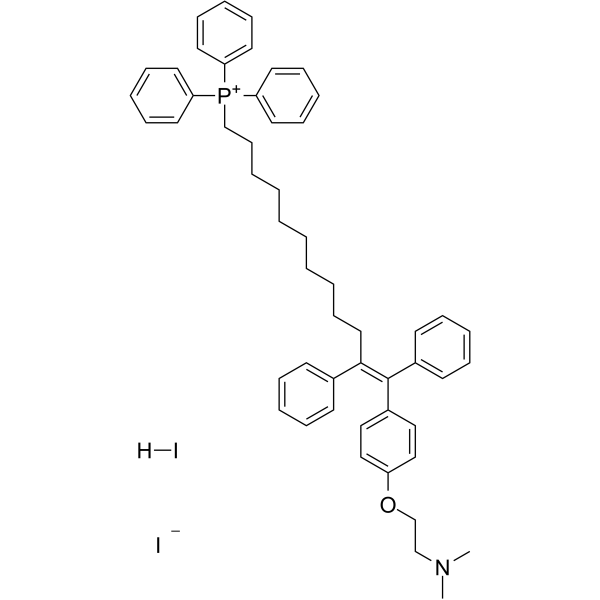
MitoTam iodide, hydriodide is a Tamoxifen derivative , an electron transport chain (ETC) inhibitor, spreduces mitochondrial membrane potential in senescent cells and affects mitochondrial morphology . MitoTam iodide, hydriodide is an effective anticancer agent, suppresses respiratory complexes (CI-respiration) and disrupts respiratory supercomplexes (SCs) formation in breast cancer cells . MitoTam iodide, hydriodide causes apoptosis .
loading...
    loading...
Cat. No.: HY-W002199
CAS No.: 647-42-7
Synonyms: 6:2 FTOH; 1H,1H,2H,2H-Perfluoro-1-octanol; 2-(Perfluorohexyl)ethanol
6:2 Fluorotelomer alcohol (6:2 FTOH) is an orally active, blood-brain barrier-permeable modulator of cyclin D1 and ETS1. 6:2 Fluorotelomer alcohol downregulates cyclin D1 expression, upregulates ETS1 via the TNF-α/ERK 1/2 pathway, impairs mitochondrial membrane potential and respiratory function, increases reactive oxygen species levels, disrupts calcium homeostasis and activates endoplasmic reticulum stress markers, and induces cell proliferation inhibition and endothelial-mesenchymal transition. Furthermore, 6:2 Fluorotelomer alcohol induces morphological abnormalities in zebrafish embryos and liver developmental damage, while disrupting the brain immune microenvironment in mice, causing systemic toxicity and delayed pup maturation in CD-1 mice. 6:2 Fluorotelomer alcohol also induces cortical neuron apoptosis, glial cell activation, synaptic abnormalities, colonic barrier damage, intestinal dysbiosis and autism spectrum disorder-like symptoms in mice. 6:2 Fluorotelomer alcohol shows no mutagenic, clastogenic, primary skin/eye irritation or skin sensitizing effects, exhibits no selective reproductive toxicity in CD-1 mice, and is classified as GHS Category 4 for acute oral toxicity. 6:2 Fluorotelomer alcohol can be used in studies of neurodevelopmental disorders and autism spectrum disorders .
loading...
    loading...
Cat. No.: HY-N125722
CAS No.: 33538-71-5
Synonyms: Aabomycin A1
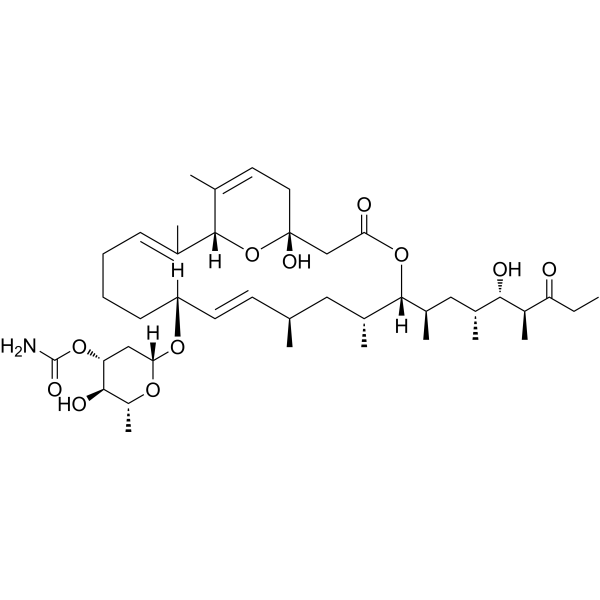
Venturicidin A (Aabomycin A1) is a natural product derived from Streptomyces, possessing antifungal, anti-Trypanosoma brucei, anti-Leishmania donovani, and ATP synthase inhibitory activities. Venturicidin A acts as an antibiotic adjuvant, promoting the uptake of aminoglycoside antibiotics and enhancing bactericidal efficacy. Venturicidin A inhibits ATP synthesis by blocking proton translocation through the FO subunit. In bloodstream-form Trypanosoma brucei, Venturicidin A causes collapse of the mitochondrial membrane potential; in fungi, it disrupts cell membrane integrity, induces leakage of cytoplasmic contents, elevates ROS levels, and downregulates the expression of fungal pathogenicity-related genes. Venturicidin A exhibits antifungal activity against Botrytis cinerea. Venturicidin A is used in research on bacterial infections, trypanosome/leishmania infections, and gray mold disease .
loading...
    loading...
Cat. No.: HY-N0566
CAS No.: 85999-40-2
Synonyms: Anemosapogenin
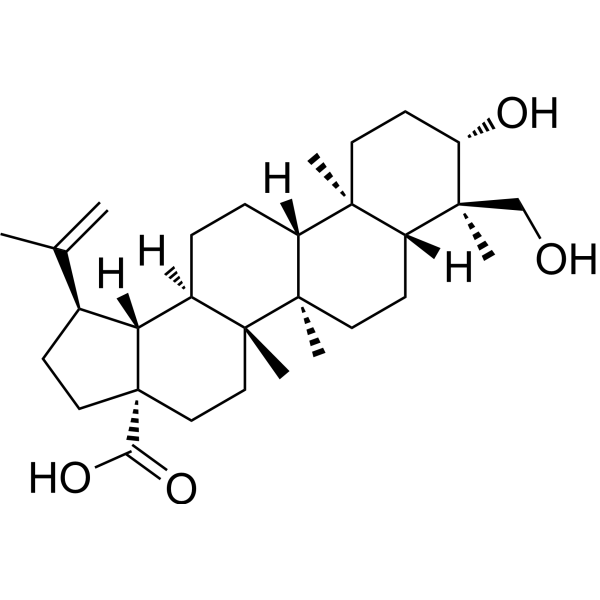
23-Hydroxybetulinic acid (Anemosapogenin) is an orally active triterpenoid with broad-spectrum anticancer activity. 23-Hydroxybetulinic acid reduces the levels of Bcl-2 and survivin, elevates the level of Bax, promotes the cleavage/activation of caspase-3 and caspase-9, and induces apoptosis via the endogenous mitochondrial pathway involving cytochrome C release and mitochondrial membrane potential disruption. 23-Hydroxybetulinic acid arrests the cell cycle at S and G1 phases, inhibits cancer cell proliferation, blocks the MAPK signaling pathway, regulates MMP2, and induces autophagic apoptosis by upregulating beclin-1. 23-Hydroxybetulinic acid inhibits the activity and efflux function of P-gp, increases the intracellular accumulation of chemotherapeutic drugs, and synergistically enhances cytotoxicity with Doxorubicin (HY-15142). 23-Hydroxybetulinic acid inhibits the phosphorylation and nuclear translocation of STAT6, blocks M2 macrophage polarization, and reduces M2 macrophage-mediated apoptosis resistance of colon cancer cells. 23-Hydroxybetulinic acid can be used in related studies on chronic myeloid leukemia, hepatocellular carcinoma, sarcoma 180, multidrug-resistant breast cancer, leukemia, Doxorubicin-induced cardiotoxicity, and colorectal cancer .
loading...
    loading...
Cat. No.: HY-155063
CAS No.: 3031102-94-7
Purity:  96.03%
Research Areas:  

Cancer

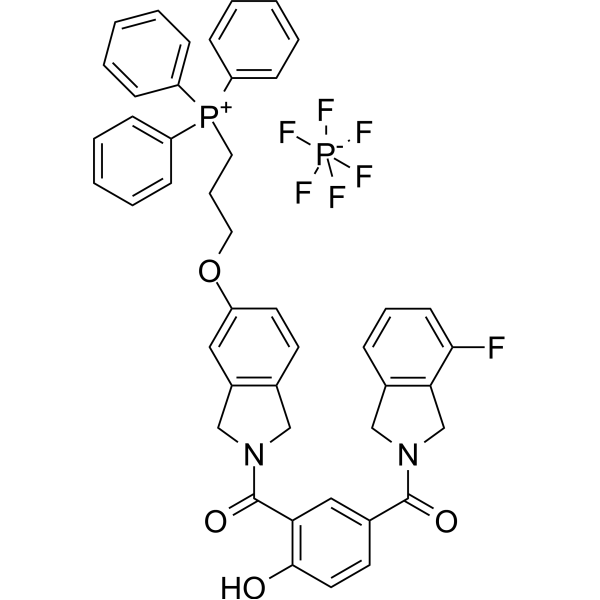
TRAP1-IN-1 (compound 35) is a potent and selective inhibitor of TRAP1,a mitochondrial isoform of Hsp90. TRAP1-IN-1 has >250-fold TRAP1 selectivity over Grp94,and disrupts TRAP1 tetramer stability,induces TRAP1 client protein degradation. TRAP1-IN-1 also inhibits mitochondrial complex I of oxidative phosphorylation OXPHOS,disrupts the mitochondrial membrane potential,and enhances glycolysis metabolism .
loading...
    loading...
Cat. No.: HY-19882
CAS No.: 941285-15-0
Research Areas:  

Infection

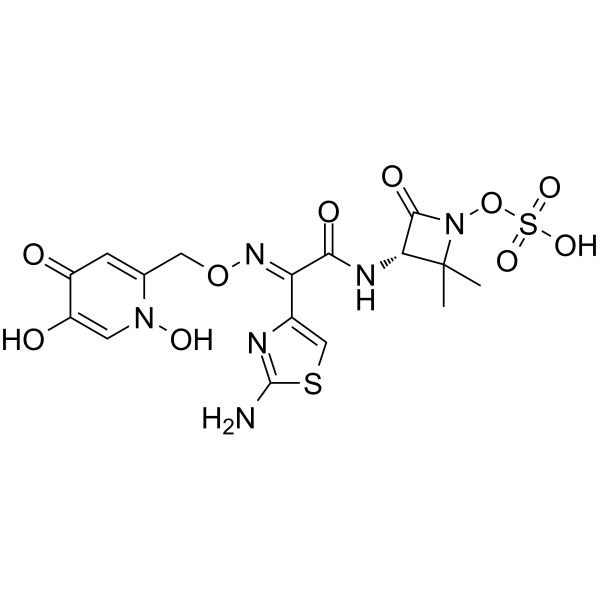
BAL-30072 is a siderophore-bearing monocyclic β-lactam antibiotic with antibacterial activity. BAL-30072 inhibits penicillin-binding proteins 1a, 1b, and 3, thereby disrupting bacterial cell wall synthesis. BAL-30072 inhibits mitochondrial electron transport chain complex II and complex III, while also inhibiting glycolysis and mitochondrial fatty acid β-oxidation. BAL-30072 induces mitochondrial ROS production, cellular ATP depletion, reduces mitochondrial membrane potential, and triggers hepatocyte apoptosis via caspase-3/7 activation. BAL-30072 is a substrate of the hepatic uptake transporters OAT1 and OAT3. BAL-30072 can be used in research related to bacterial infections .
loading...
    loading...
Cat. No.: HY-N3963
CAS No.: 82425-45-4
Synonyms: (+)-Gomisin M2
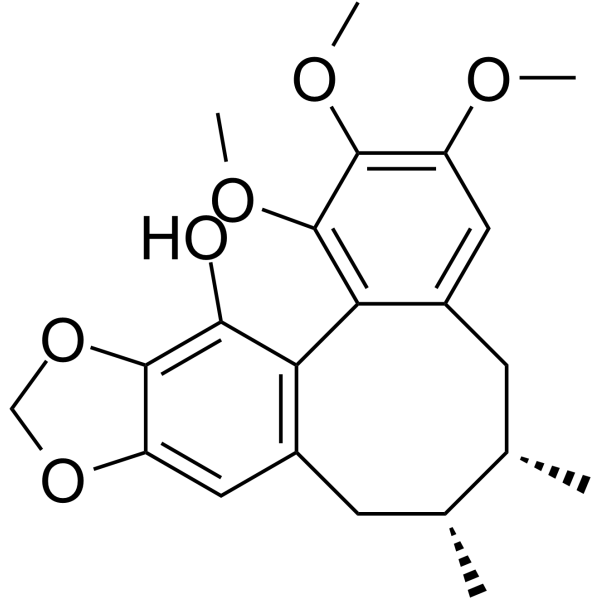
Gomisin M2 ((+)-Gomisin M2) is a lignan isolated from the fruits of Schisandra chinensis with oral availability. Gomisin M2 inhibits STAT1 phosphorylation as well as NF-κB p65 phosphorylation and nuclear translocation. Gomisin M2 reduces inflammatory cell infiltration, cytokine and chemokine expression, and serum IgE and IgG2a levels. Gomisin M2 inhibits MAPK phosphorylation, IκBα degradation, and NF-κB nuclear translocation in keratinocytes. Gomisin M2 induces apoptosis, mitochondrial membrane potential disruption, and cytochrome c release, and inhibits DNA synthesis and mammosphere formation through downregulation of Wnt/β-catenin. Gomisin M2 can be used for research on atopic dermatitis, psoriasis, breast cancer, liver injury, and multidrug-resistant mammary adenocarcinoma .
loading...
    loading...
Cat. No.: HY-N5008
CAS No.: 146100-02-9
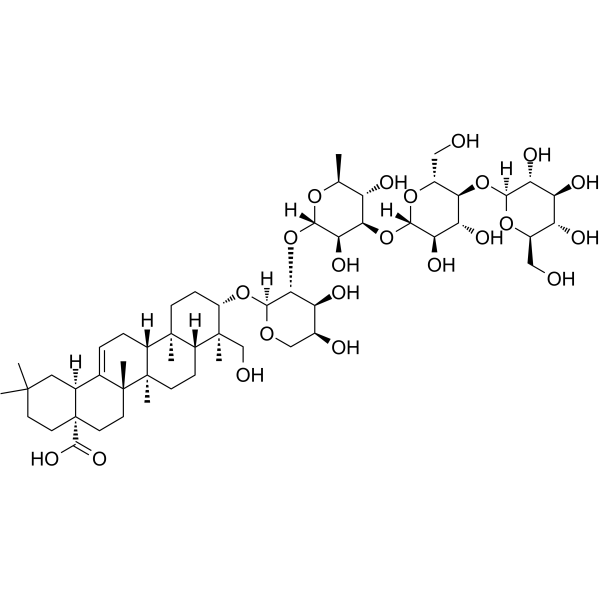
Macranthoside B is an apoptosis inducer with in vitro and in vivo anticancer activity. Macranthoside B induces autophagy and ferroptosis in cancer cells. Macranthoside B induces intracellular ROS accumulation, activates AMPK, inhibits mTOR and P70S6 kinase phosphorylation, and modulates Bcl-2/Bax expression. Macranthoside B activates caspase-3, caspase-9, and the intrinsic caspase cascade, induces PARP cleavage/degradation, and inhibits NRF2 signaling. Macranthoside B disrupts iron homeostasis via NCOA4-dependent ferritinophagy, up-regulates Lip-ROS, reduces mitochondrial membrane potential, and activates the JNK pathway. Macranthoside B can be used for the research of ovarian cancer, hepatoma, gastric carcinoma, breast carcinoma, colon carcinoma, glioma, melanoma, adenocarcinoma of the esophagogastric junction, and cervical cancer .
loading...
    loading...
Cat. No.: HY-126222
CAS No.: 1634624-73-9
Research Areas:  

Cancer

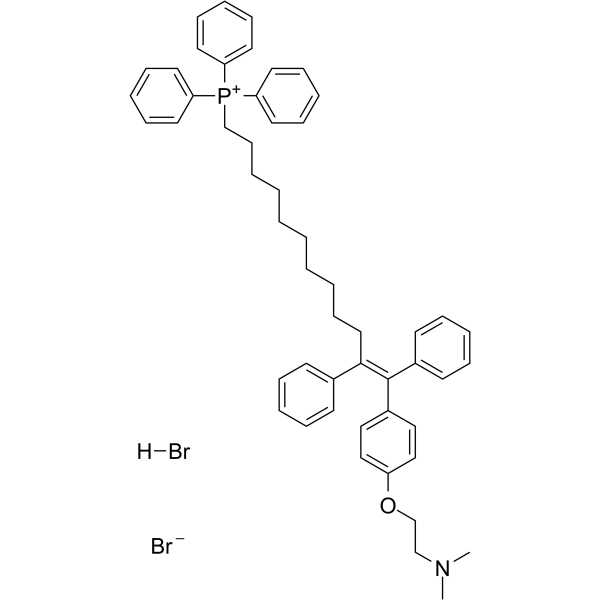
MitoTam bromide, hydrobromide, a Tamoxifen derivative , is an electron transport chain (ETC) inhibitor. MitoTam bromide, hydrobromide reduces mitochondrial membrane potential in senescent cells and affects mitochondrial morphology . MitoTam bromide, hydrobromide is an effective anticancer agent, suppresses respiratory complexes (CI-respiration) and disrupts respiratory supercomplexes (SCs) formation in breast cancer cells .
loading...
    loading...
Cat. No.: HY-W023144
CAS No.: 13674-84-5
Synonyms: Tris(1-chloropropan-2-yl) phosphate
Tris (1-chloro-2-propyl) phosphate (Tris (1-chloropropan-2-yl) phosphate) is a chlorinated organophosphate flame retardant. Tris (1-chloro-2-propyl) phosphate induces DNA damage, elevates intracellular ROS levels, and triggers oxidative stress. Tris (1-chloro-2-propyl) phosphate disrupts mitochondrial membrane potential, leading to mitochondrial dysfunction. Tris (1-chloro-2-propyl) phosphate can trigger cell Apoptosis. Tris (1-chloro-2-propyl) phosphate reduces the survival rate of umbilical vein endothelial cells at relatively high concentrations .
loading...
    loading...
Cat. No.: HY-118075
CAS No.: 606-06-4
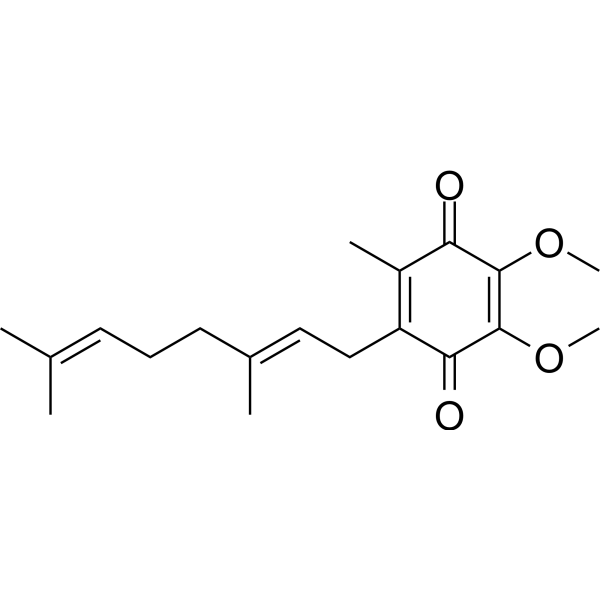
Coenzyme Q2 is a benzoquinone electron carrier in the mitochondrial electron transport chain and a p53-dependent apoptosis inducer. Coenzyme Q2 induces p53 phosphorylation at Ser15, promoting p53 accumulation and functional activation. Coenzyme Q2 induces ROS generation, caspase-3 activation, DNA fragmentation, phosphatidylserine externalization, mitochondrial permeability transition pore opening, and oxidative phosphorylation uncoupling. Coenzyme Q2 inhibits Complex I, Complex III, and Complex IV activities, disrupting electron transport and membrane potential generation. Coenzyme Q2 induces excessive mitochondrial proton leak in forebrain mitochondria. Coenzyme Q2 causes loss of righting reflex in mice, accompanied by slow-wave delta EEG activity and reversible loss of wakefulness. Coenzyme Q2 inhibits lipid peroxidation and scavenges superoxide radicals. Coenzyme Q2 is used in research on leukemia, myocardial ischemia-reperfusion injury, and mitochondrial encephalomyopathy .
loading...
    loading...
Cat. No.: HY-131688
CAS No.: 19117-92-1
Purity:  99.88%
Target:  

PARP Caspase

Research Areas:  

Inflammation/Immunology

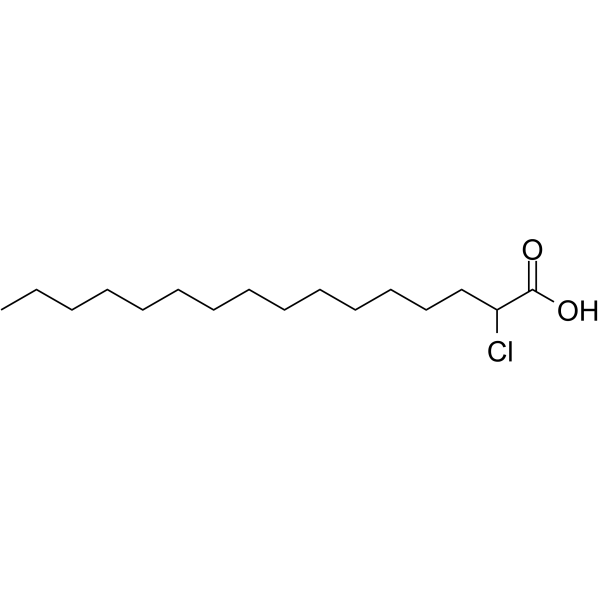
2-Chlorohexadecanoic acid, an inflammatory lipid mediator, interferes with protein palmitoylation,induces ER-stress markers, reduced the ER ATP content, and activates transcription and secretion of IL-6 as well as IL-8.2-Chlorohexadecanoic acid disrupts the mitochondrial membrane potential and induces procaspase-3 and PARP cleavage.2-Chlorohexadecanoic acid can across blood-brain barrier (BBB) and compromises ER- and mitochondrial functions in the human brain endothelial cell line hCMEC/D3 .
loading...
    loading...
Cat. No.: HY-161659
CAS No.: 3049296-75-2
Apoptosis inducer 19 (Compound 7g) is an Apoptosis inducer. Apoptosis inducer 19 elevates expression of pro-apoptotic proteins (Bax and caspase-3) and downregulates anti-apoptotic protein (Bcl-2). Apoptosis inducer 19 upregulates cellular reactive oxygen species (ROS) levels and disrupts mitochondrial membrane potential (MMP). Apoptosis inducer 19 can be used for triple-negative breast cancer (TNBC) research .
loading...
    loading...
Cat. No.: HY-76573
CAS No.: 1216897-16-3
Target:  

Apoptosis

Research Areas:  

Cardiovascular Disease Cancer

ML-10 is a small molecule apoptosis probe. Due to the presence of fluorine atoms, ML-10 can be radiolabeled with 18F isotopes and can be used for apoptosis positron emission tomography imaging studies. ML-10 is selectively taken up and accumulated in apoptotic cells, while being excluded from live or necrotic cells. In addition, the uptake of ML-10 is associated with apoptotic features such as caspase activation, Annexin-V binding, and disruption of mitochondrial membrane potential .
loading...
    loading...

