
1. Search Result
Search Result
Results for "

physiological activity

" in MedChemExpress (MCE) Product Catalog:

142

Inhibitors & Agonists

9

Screening Libraries

4

Fluorescent Dyes

11

Biochemical Assay Reagents

20

Peptides

1

Inhibitory Antibodies

27

Natural
Products

16

Isotope-Labeled Compounds

1

Click Chemistry

7

Oligonucleotides

Cat. No. Product Name Target Research Areas Chemical Structure
  • HY-B0228
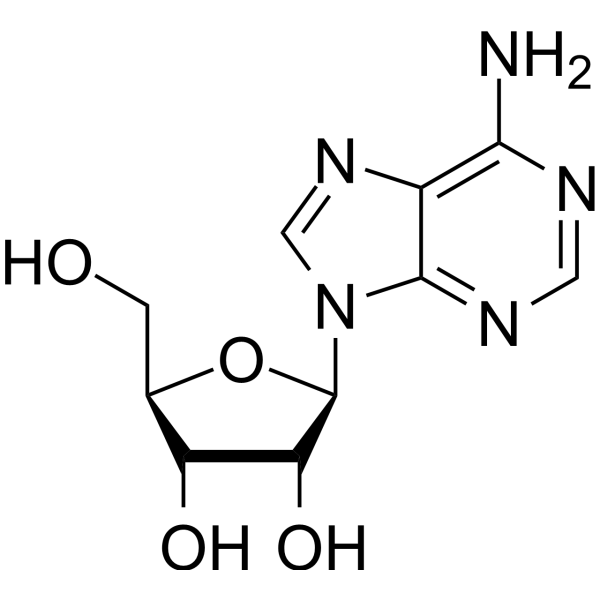
    Adenosine
    15+ Cited Publications

    Adenine riboside; D-Adenosine

    Environmental Pollutants Autophagy Nucleoside Antimetabolite/Analog Endogenous Metabolite Apoptosis Metabolic Disease Cancer
    Adenosine (Adenine riboside), a ubiquitous and BBB-permeable endogenous autacoid, acts through the enrollment of four G protein-coupled receptors: A1, A2A, A2B, and A3. Adenosine affects almost all aspects of cellular physiology, including neuronal activity, vascular function, platelet aggregation, and blood cell regulation .
    Adenosine
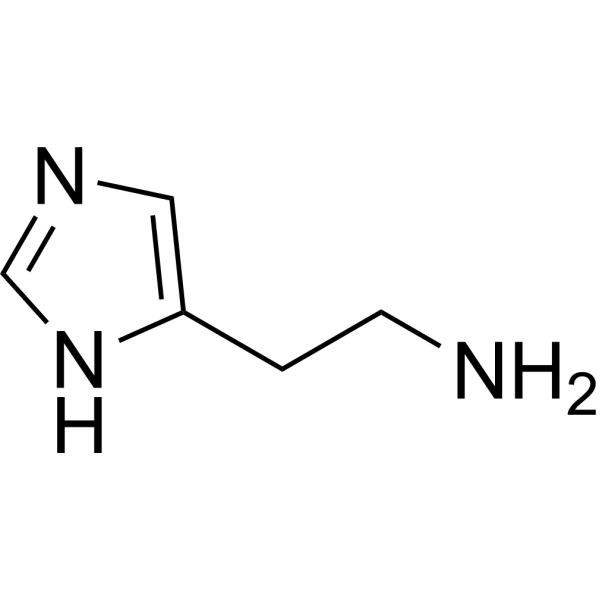
  • HY-B1204
    Histamine
    Maximum Cited Publications
    20 Publications Verification

    Ergamine

    Histamine Receptor p38 MAPK Akt Reactive Oxygen Species (ROS) Apoptosis Endogenous Metabolite Neurological Disease Inflammation/Immunology Endocrinology Cancer
    Histamine is the agonist for histamine receptor and a vasodilator. Histamine is an organic nitrogen compound that participates in local immune responses, regulates intestinal physiological functions, and acts as a neurotransmitter. Histamine affects p38 MAPK/Akt signaling pathway, exhibits antitumor, antioxidant and anti-inflammatory activities. Histamine can be used in the research of acute myeloid leukemia, malignant melanoma, and renal cell carcinoma .
    Histamine
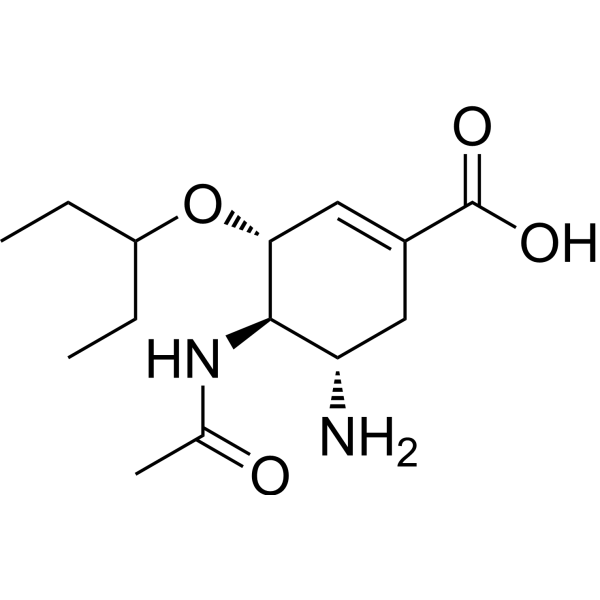
  • HY-13318
    Oseltamivir acid
    Maximum Cited Publications
    75 Publications Verification

    GS 4071; Ro 64-0802; Oseltamivir carboxylate

    Influenza Virus Drug Metabolite Infection Neurological Disease
    Oseltamivir acid (GS 4071), the active metabolite of Oseltamivir phosphate, is an orally bioavailable, potent and selective inhibitor of influenza virus neuraminidase (IC50=2 nM) with activity against both influenza A and B viruses. Oseltamivir acid has an extremely weak ability to penetrate the BBB under normal physiological conditions, but its blood-brain barrier penetration is significantly enhanced under inflammatory conditions .
    Oseltamivir acid
  • HY-N5134
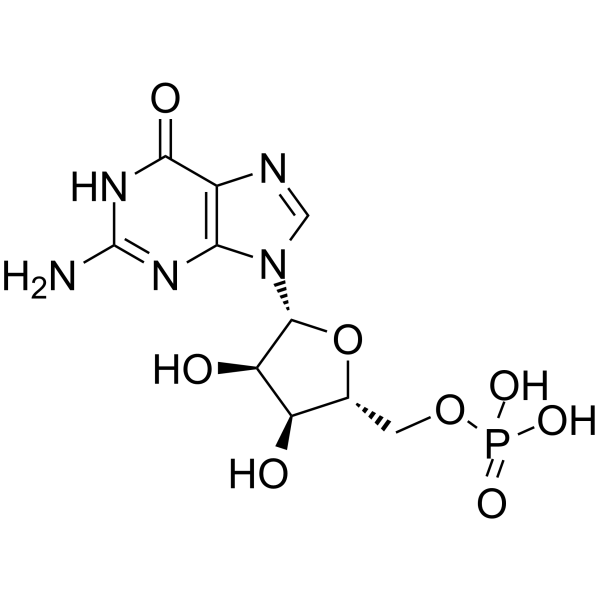
    5'-Guanylic acid
    2 Publications Verification

    5'-GMP; 5'-guanosine monophosphate

    Endogenous Metabolite iGluR Neurological Disease Metabolic Disease
    5'-Guanylic acid is a purine nucleotide that participates in physiological processes such as energy metabolism, signal transduction, and gene expression regulation. 5'-Guanylic acid regulates the expression of genes related to fatty acid metabolism. 5'-Guanylic acid is the weak agonist for ionotropic glutamate receptors (iGluR), reduces the activity of the glutamatergic system and exhibits neuroprotective effect. 5'-Guanylic acid also causes neuronal cell death at high concentrations .
    5'-Guanylic acid
  • HY-129046
    RNase A, Bovine pancreas
    5 Publications Verification

    Ribonuclease A; EC 4.6.1.18; RNase A

    Endonuclease DNA/RNA Synthesis Others
    RNase A (Bovine pancreatic RNase) is a widely used Endonuclease in DNA purification by specifically hydrolyzing cytosine or uracil residues of RNA. RNase A degrades the RNA in the RNA/DNA duplex. RNase A catalyses the breakdown of 3',5'-phosphodiester linkages of single stranded RNA. RNase A family members in organisms are tightly involved in various physiological and pathological processes including cell growth and development, proliferation, differentiation and migration. Dysregulation of RNase A activity or expression level is closely related to pancreatic, ovarian, bladder and thyroid cancer. RNase A has tumor cell-killing ability .
    RNase A, Bovine pancreas
  • HY-N0787
    Cryptochlorogenic acid
    4 Publications Verification

    4-Caffeoylquinic acid; 4-O-Caffeoylquinic acid

    Endogenous Metabolite NF-κB Keap1-Nrf2 mTOR HIF/HIF Prolyl-Hydroxylase Inflammation/Immunology
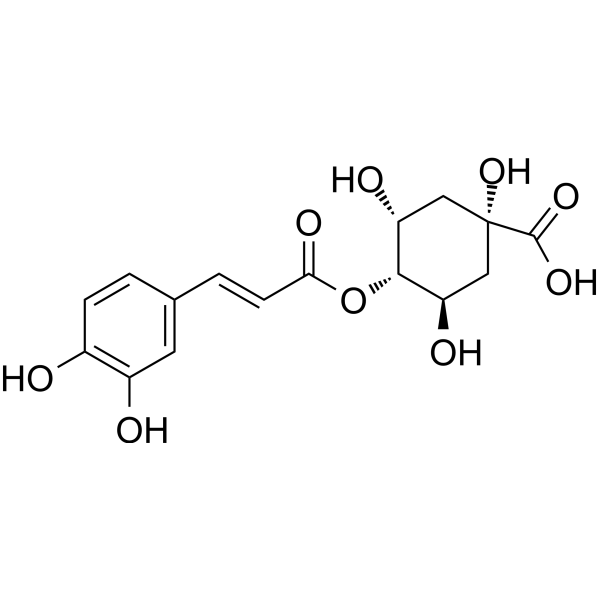
    Cryptochlorogenic acid (4-Caffeoylquinic acid) is a naturally occurring phenolic acid compound with oral effectiveness, anti-inflammatory, antioxidant and anti-cardiac hypertrophy effects. Alleviating LPS (HY-D1056) and ISO (HY-B0468) by regulating proinflammatory factor expression, inhibiting NF-κB activity, promoting Nrf2 nuclear transfer, and regulating PI3Kα/Akt/ mTOR / HIF-1α signaling pathway Induced physiological stress response .
    Cryptochlorogenic acid
  • HY-137875

    N-Benzoyl-Gly-His-Leu hydrate

    Angiotensin-converting Enzyme (ACE) Amino Acid Derivatives Cardiovascular Disease
    Hippuryl-His-Leu-OH (N-Benzoyl-Gly-His-Leu) hydrate is a specific substrate for angiotensin-converting enzyme ACE I and is a molecular tool used for ACE activity detection in in vitro experiments. Hippuryl-His-Leu-OH hydrate is hydrolyzed by ACE through competitive binding. Under ACE catalysis, Hippuryl-His-Leu-OH hydrate undergoes hydrolysis to produce hippuric acid (HA). The amount of HA produced can be used to quantitatively assess ACE activity or screen for ACE inhibitors. The His-Leu released from Hippuryl-His-Leu-OH hydrate can also react with o-phthalaldehyde or Fluorescamine (HY-D0715) for fluorescence detection. Hippuryl-His-Leu-OH hydrate can be applied to the in vitro screening of ACE inhibitors for hypertension and cardiovascular diseases, and is also used in the study of changes in ACE activity during physiological and pathological processes such as renal compensatory hypertrophy .
    Hippuryl-His-Leu-OH hydrate
  • HY-D0904

    S-Acetylthiocholine iodide; ATCh iodide

    Biochemical Assay Reagents Others
    Acetylthiocholine iodide can be used as a substrate for certain enzymes, such as cholinesterase, etc., and can be used to determine the activity level of these enzymes. In addition, the compound is used in some medical research, for example in the fields of neuroscience and organ physiology.
    Acetylthiocholine iodide
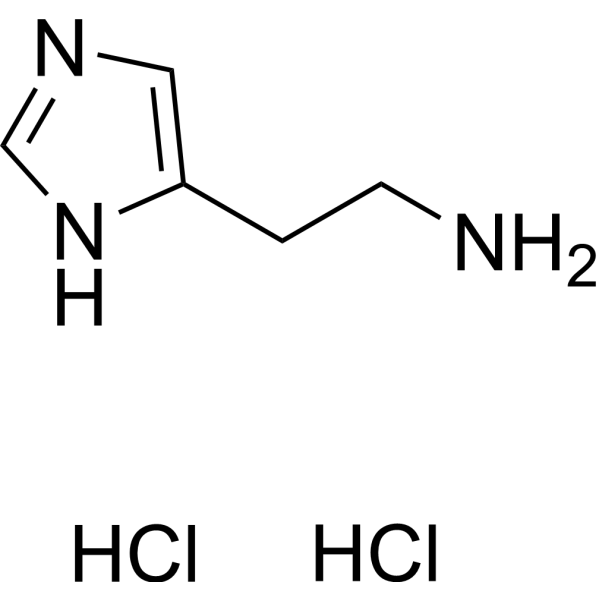
  • HY-B0722
    Histamine dihydrochloride
    Maximum Cited Publications
    20 Publications Verification

    Histamine Receptor p38 MAPK Akt Reactive Oxygen Species (ROS) Apoptosis Endogenous Metabolite Neurological Disease Inflammation/Immunology Endocrinology Cancer
    Histamine dihydrochloride is the agonist for histamine receptor and a vasodilator. Histamine dihydrochloride is an organic nitrogen compound that participates in local immune responses, regulates intestinal physiological functions, and acts as a neurotransmitter. Histamine dihydrochloride affects p38 MAPK/Akt signaling pathway, exhibits antitumor, antioxidant and anti-inflammatory activities. Histamine dihydrochloride can be used in the research of acute myeloid leukemia, malignant melanoma, and renal cell carcinoma .
    Histamine dihydrochloride
  • HY-126010
    Dooku1
    15+ Cited Publications

    Piezo Channel Others
    Dooku1 is a reversibly Yoda1 antagonist with IC50 value of 1.3 μM and 1.5 μM for 2 μM Yoda1-induced Ca 2+ entry HEK 293 cells and HUVECs, respectively. Dooku1 can disrupt Yoda1-induced Piezo1 channel activity and inhibit Yoda1-induced relaxation of aorta. Dooku1 can be used for vascular physiology and disease research .
    Dooku1
  • HY-A0129
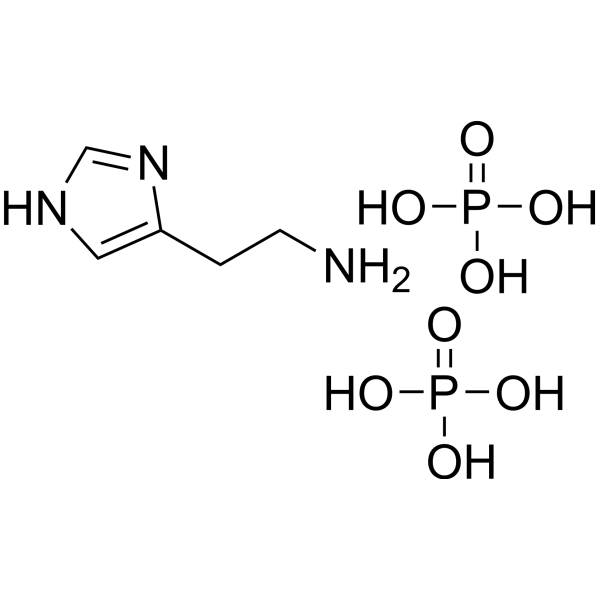
    Histamine phosphate
    Maximum Cited Publications
    20 Publications Verification

    Histamine diphosphate

    Histamine Receptor p38 MAPK Akt Reactive Oxygen Species (ROS) Apoptosis Endogenous Metabolite Neurological Disease Inflammation/Immunology Endocrinology Cancer
    Histamine phosphate is the agonist for histamine receptor and a vasodilator. Histamine phosphate is an organic nitrogen compound that participates in local immune responses, regulates intestinal physiological functions, and acts as a neurotransmitter. Histamine phosphate affects p38 MAPK/Akt signaling pathway, exhibits antitumor, antioxidant and anti-inflammatory activities. Histamine phosphate can be used in the research of acute myeloid leukemia, malignant melanoma, and renal cell carcinoma .
    Histamine phosphate
  • HY-133125
    ERAP1-IN-1
    5 Publications Verification

    Aminopeptidase Inflammation/Immunology
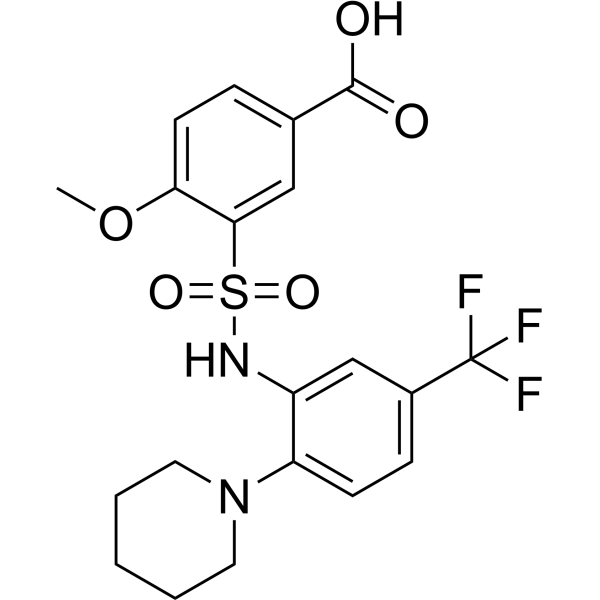
    ERAP1-IN-1 is an endoplasmic reticulum aminopeptidase 1 (ERAP1) inhibitor. ERAP1-IN-1 competitively inhibits ERAP1 activity towards a nonamer peptide representative of physiological substrates .
    ERAP1-IN-1
  • HY-N6614

    VD/VDR Others
    L-Galactose is a key intermediate in the de novo synthesis of vitamin C (L-ascorbic acid) in plants. It is converted into L-ascorbic acid by participating in the VTC2 cycle and enzymatic steps, exerting antioxidant activities, maintaining cell structure, and participating in the carbon flow distribution of photosynthesis. L-Galactose can be used to study the analysis of the synthesis pathway of vitamin C in plant physiology .
    L-Galactose
  • HY-W010970
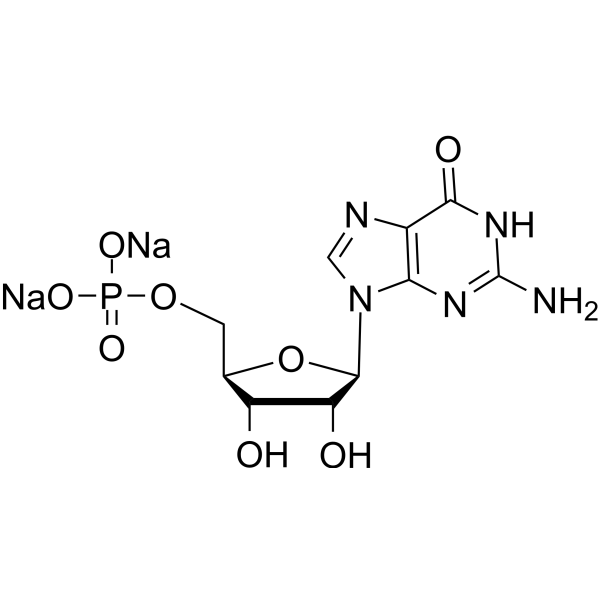
    5'-Guanylic acid disodium salt
    2 Publications Verification

    5'-GMP disodium salt; 5'-guanosine monophosphate disodium salt

    Endogenous Metabolite iGluR Neurological Disease Metabolic Disease
    5'-Guanylic acid disodium salt is the disodium salt form of 5'-Guanylic acid (HY-N5134). 5'-Guanylic acid disodium salt is a purine nucleotide that participates in physiological processes such as energy metabolism, signal transduction, and gene expression regulation. 5'-Guanylic acid disodium salt regulates the expression of genes related to fatty acid metabolism. 5'-Guanylic acid disodium salt is the weak agonist for ionotropic glutamate receptors (iGluR), reduces the activity of the glutamatergic system and exhibits neuroprotective effect. 5'-Guanylic acid disodium salt also causes neuronal cell death at high concentrations .
    5'-Guanylic acid disodium salt
  • HY-D2919

    Fluorescent Dye Infection
    DMN-Tre is a conjugate of a solvatochromic fluorescent dye and trehalose. DMN-Tre takes advantage of the substrate promiscuity of the endogenous antigen 85 protein complex in mycobacteria to be metabolically integrated into the hydrophobic mycobacterial membrane. Once entering this hydrophobic environment, the linked DMN dye fluorescence is "turned on", enabling specific labeling . DMN-Tre can be used to reflect bacterial metabolic activity and support physiological studies of Mycobacterium tuberculosis .
    DMN-Tre
  • HY-B0228S1

    Adenine riboside-13C5; D-Adenosine-13C5

    Apoptosis Nucleoside Antimetabolite/Analog Autophagy Endogenous Metabolite Cancer
    Adenosine- 13C5 is the 13C labeled Adenosine . Adenosine (Adenine riboside), a ubiquitous endogenous autacoid, acts through the enrollment of four G protein-coupled receptors: A1, A2A, A2B, and A3. Adenosine affects almost all aspects of cellular physiology, including neuronal activity, vascular function, platelet aggregation, and blood cell regulation .
    Adenosine-13C5
  • HY-N8469

    COX Inflammation/Immunology
    cis-5-Dodecenoic acid is an inhibitor of COX-I and COX-II with anti-inflammatory activity. cis-5-Dodecenoic acid reduces prostaglandin synthesis by inhibiting COX enzyme activity and is involved in the fatty acid -β oxidative metabolic pathway. The metabolic rate of cis-5-Dodecenoic acid is significantly lower than that of saturated fatty acids. cis-5-Dodecenoic acid can be used in the research of anti-inflammation, fatty acid metabolism mechanisms and related physiological and pathological processes .
    cis-5-Dodecenoic acid
  • HY-P10368

    Dynamin Reactive Oxygen Species (ROS) Infection Cardiovascular Disease Neurological Disease Inflammation/Immunology
    P110 heptapeptide is a peptide inhibitor of the Drp1-Fis1 interaction. P110 heptapeptide has anti-inflammatory, immunomodulatory, mitochondrial protective, and neuroprotective activities. Without blocking the physiological functions of Drp1, P110 heptapeptide reduces pathological functions in many models of neurodegeneration, ischemia, and sepsis. P110 heptapeptide can be used for research on neurological and inflammatory diseases .
    P110 heptapeptide
  • HY-B0228S11

    Adenine riboside-15N5; D-Adenosine-15N5

    Isotope-Labeled Compounds Cancer
    Adenosine- 15N5 (Adenine riboside- 15N5; D-Adenosine- 15N5) is the 15N labled Adenosine (HY-B0228). Adenosine (Adenine riboside), a ubiquitous endogenous autacoid, acts through the enrollment of four G protein-coupled receptors: A1, A2A, A2B, and A3. Adenosine affects almost all aspects of cellular physiology, including neuronal activity, vascular function, platelet aggregation, and blood cell regulation .
    Adenosine-15N5
  • HY-129046I

    DNA/RNA Synthesis Endonuclease Endocrinology Cancer
    RNase A (Bovine pancreatic RNase) is a widely used Endonuclease in DNA purification by specifically hydrolyzing cytosine or uracil residues of RNA. RNase A degrades the RNA in the RNA/DNA duplex. RNase A catalyses the breakdown of 3',5'-phosphodiester linkages of single stranded RNA. RNase A family members in organisms are tightly involved in various physiological and pathological processes including cell growth and development, proliferation, differentiation and migration. Dysregulation of RNase A activity or expression level is closely related to pancreatic, ovarian, bladder and thyroid cancer. RNase A has tumor cell-killing ability. RNase A, Recombinant (animal free) is recombinant RNase A with no animal-derived components .
    RNase A, Recombinant (animal free)
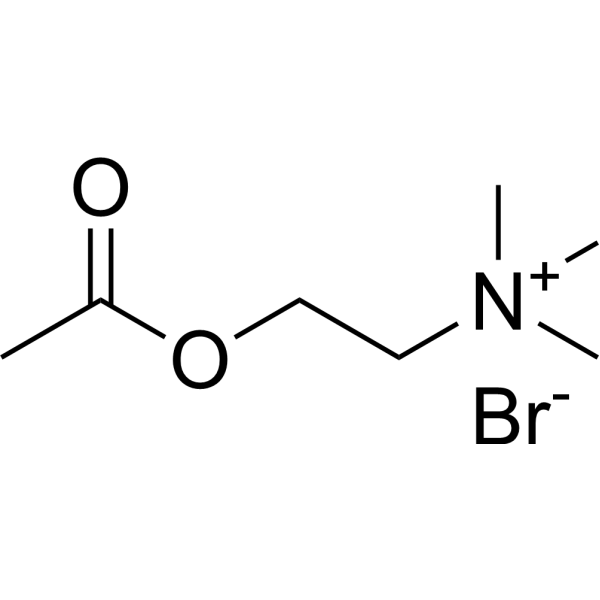
  • HY-B0282A
    Acetylcholine bromide
    20+ Cited Publications

    ACh bromide

    Biochemical Assay Reagents Others Cancer
    Acetylcholine bromide is an organic choline salt compound commonly used in neurophysiology and pharmacology experiments. It plays an important role in the nervous system, acting as a neurotransmitter that transmits signals and regulates many important physiological functions. Due to its special biological activity, Acetylcholine bromide is widely used in the study of neurotransmitters, nerve damage and muscle movement.
    Acetylcholine bromide
  • HY-B0228R

    Adenine riboside (Standard); D-Adenosine (Standard)

    Reference Standards Nucleoside Antimetabolite/Analog Autophagy Apoptosis Endogenous Metabolite Metabolic Disease Cancer
    Adenosine (Standard) is the analytical standard of Adenosine. This product is intended for research and analytical applications. Adenosine (Adenine riboside), a ubiquitous endogenous autacoid, acts through the enrollment of four G protein-coupled receptors: A1, A2A, A2B, and A3. Adenosine affects almost all aspects of cellular physiology, including neuronal activity, vascular function, platelet aggregation, and blood cell regulation .
    Adenosine (Standard)
  • HY-B0228S13

    Adenine riboside-13C10; D-Adenosine-13C10

    Isotope-Labeled Compounds Nucleoside Antimetabolite/Analog Endogenous Metabolite Autophagy Apoptosis Metabolic Disease Cancer
    Adenosine- 13C10 (Adenine riboside- 13C10; D-Adenosine- 13C10) is 13C-labeled Adenosine (HY-B0228). Adenosine (Adenine riboside), a ubiquitous endogenous autacoid, acts through the enrollment of four G protein-coupled receptors: A1, A2A, A2B, and A3. Adenosine affects almost all aspects of cellular physiology, including neuronal activity, vascular function, platelet aggregation, and blood cell regulation.
    Adenosine-13C10
  • HY-B0228S9

    Isotope-Labeled Compounds Apoptosis Nucleoside Antimetabolite/Analog Autophagy Endogenous Metabolite Metabolic Disease Cancer
    Adenosine- 13C10, 15N5 is the 13C and 15N labeled Adenosine (HY-B0228) . Adenosine (Adenine riboside), a ubiquitous endogenous autacoid, acts through the enrollment of four G protein-coupled receptors: A1, A2A, A2B, and A3. Adenosine affects almost all aspects of cellular physiology, including neuronal activity, vascular function, platelet aggregation, and blood cell regulation .
    Adenosine-13C10,15N5
  • HY-129046D

    Ribonuclease A, Recombinant

    Endonuclease DNA/RNA Synthesis Endocrinology Cancer
    RNase A (Bovine pancreatic RNase) is a widely used Endonuclease in DNA purification by specifically hydrolyzing cytosine or uracil residues of RNA. RNase A degrades the RNA in the RNA/DNA duplex. RNase A catalyses the breakdown of 3',5'-phosphodiester linkages of single stranded RNA. RNase A family members in organisms are tightly involved in various physiological and pathological processes including cell growth and development, proliferation, differentiation and migration. Dysregulation of RNase A activity or expression level is closely related to pancreatic, ovarian, bladder and thyroid cancer. RNase A has tumor cell-killing ability. RNase A, Recombinant (Ribonuclease A, Recombinant) is a recombinant form of RNase A .
    RNase A, Recombinant
  • HY-B1402B
    Hydrocortisone hemisuccinate sodium
    1 Publications Verification

    Hydrocortisone 21-hemisuccinate sodium

    Glucocorticoid Receptor Cardiovascular Disease Metabolic Disease
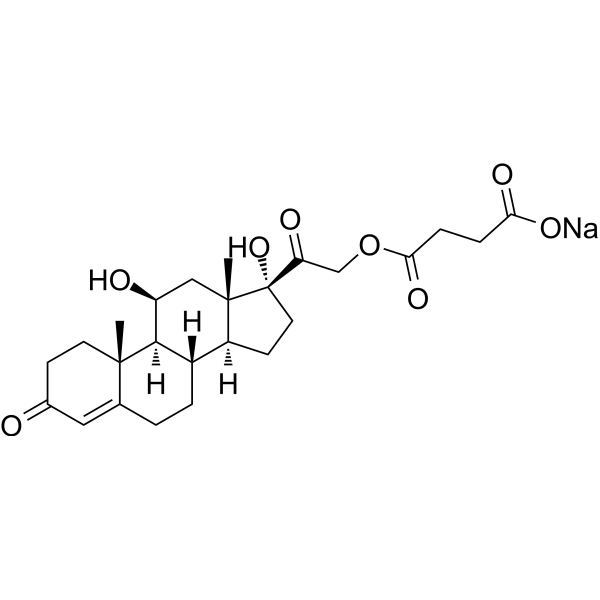
    Hydrocortisone hemisuccinate sodium is an orally active physiological glucocorticoid. Hydrocortisone hemisuccinate sodium inhibits proinflammatory cytokine activity, with IC50s of 6.7 and 21.4 μM for IL-6 and IL-3, respectively. Hydrocortisone hemisuccinate sodium can be used for the research of ulcerative colitis (UC) .
    Hydrocortisone hemisuccinate sodium
  • HY-N5134R

    5'-GMP (Standard); 5'-guanosine monophosphate (Standard)

    Reference Standards Endogenous Metabolite
    5'-Guanylic acid is a purine nucleotide that participates in physiological processes such as energy metabolism, signal transduction, and gene expression regulation. 5'-Guanylic acid regulates the expression of genes related to fatty acid metabolism. 5'-Guanylic acid is the weak agonist for ionotropic glutamate receptors (iGluR), reduces the activity of the glutamatergic system and exhibits neuroprotective effect. 5'-Guanylic acid also causes neuronal cell death at high concentrations .
    5'-Guanylic acid (Standard)
  • HY-Y0047

    Picolamine; 3-Pyridinemethanamine; Pyridin-3-ylmethanamine

    Biochemical Assay Reagents Inflammation/Immunology
    3-Picolylamine is a primary amine compound containing a pyridine ring structure. 3-Picolylamine inhibits histaminase (diamine oxidase) activity in pig kidneys. 3-Picolylamine significantly enhances the contractile response of isolated guinea pig ileum to Histamine (HY-B1204). 3-Picolylamine can be used to study histamine-related physiological mechanisms or allergic diseases (such as histamine-mediated inflammatory responses) .
    3-Picolylamine
  • HY-13318S

    GS 4071-d3; Ro 64-0802-d3; Oseltamivir carboxylate-d3

    Isotope-Labeled Compounds Influenza Virus Drug Metabolite Infection
    Oseltamivir acid-d3 is a deuterium labeled Oseltamivir acid (HY-13318). Oseltamivir acid, the active metabolite of Oseltamivir phosphate, is an orally bioavailable, potent and selective inhibitor of influenza virus neuraminidase (IC50=2 nM) with activity against both influenza A and B viruses. Oseltamivir acid has an extremely weak ability to penetrate the BBB under normal physiological conditions, but its blood-brain barrier penetration is significantly enhanced under inflammatory conditions .
    Oseltamivir acid-d3
  • HY-18663
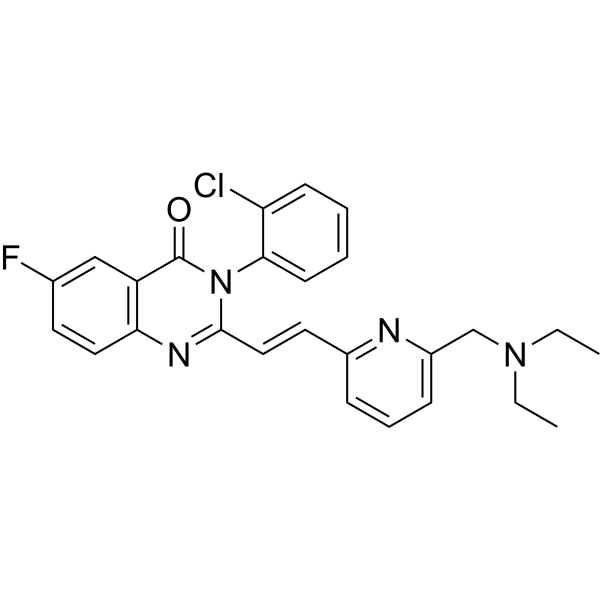
    CP-465022
    1 Publications Verification

    iGluR Neurological Disease
    CP-465022 is a potent, and selective noncompetitive AMPA receptor antagonist with anticonvulsant activity. CP-465022 is against Kainate-induced response with an IC50 of 25 nM in rat cortical neurons. CP-465022 provides a new tool to investigate the role of AMPA receptors in physiological and pathophysiological processes .
    CP-465022
  • HY-B0228S

    Adenine riboside-d1; D-Adenosine-d

    Isotope-Labeled Compounds Nucleoside Antimetabolite/Analog Autophagy Apoptosis Endogenous Metabolite Metabolic Disease Cancer
    Adenosine-d is the deuterium labeled Adenosine. Adenosine (Adenine riboside), a ubiquitous endogenous autacoid, acts through the enrollment of four G protein-coupled receptors: A1, A2A, A2B, and A3. Adenosine affects almost all aspects of cellular physiology, including neuronal activity, vascular function, platelet aggregation, and blood cell regulation .
    Adenosine-d1
  • HY-116753

    Amyloid-β Tau Protein Neurological Disease
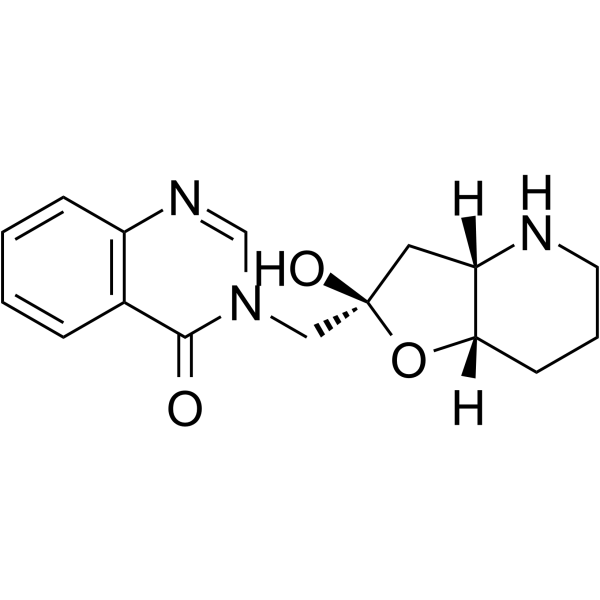
    (-)Clausenamide is an active alkaloid isolated from the leaves of Clausena lansium (Lour.) Skeels, and improves cognitive function in both normal physiological and pathological conditions. (-)Clausenamide inhibits β-amyloid (Aβ) toxicity, blocking neurofibrillary tangle formation by inhibiting the phosphorylation of tau protein. (-)Clausenamide exerts a significant neuroprotective activity against Aβ25-35. (-)Clausenamide can be used for researching Alzheimer's disease (AD) .
    (-)Clausenamide
  • HY-173178

    Estrogen Receptor/ERR Cancer
    LNS8801 is an orally active agonist of the G protein-coupled estrogen receptor (GPER). By activating GPER, LNS8801 mediates downstream signaling pathways, such as promoting the production of cyclic adenosine monophosphate (cAMP) and activating the cAMP response element-binding protein (CREB) signaling, thereby exerting anti-tumor activities including inhibiting tumor cell proliferation, inducing cell differentiation, and enhancing tumor immunogenicity. LNS8801 can be used in the research of various cancers (e.g., melanoma, pancreatic cancer, colorectal cancer, lung cancer, etc.) and relevant studies exploring the roles of GPER in normal physiological and pathological processes .
    LNS8801
  • HY-P10709A

    Biochemical Assay Reagents Cardiovascular Disease Cancer
    CREKA peptide acetate is a short peptide sequence, belonging to self-assembling peptides (SAPs), which can self-assemble into functional nanostructures, typically nanofibers, under physiological conditions. CREKA peptide acetate can be used to target tumor cells and tumor vasculature, exhibiting antitumor activity .
    CREKA peptide acetate
  • HY-D2188

    Deubiquitinase Cancer
    IMP-2373 is a low-toxicity activity-based probe targeting covalent pan-deubiquitinase (DUB), which modulates and monitors DUB activity via covalent binding to the catalytic cysteine and active site of DUB. IMP-2373 enables real-time tracking of dynamic intracellular DUB activity in physiologically relevant living cell systems, and quantitative analysis of activity changes induced by pharmacological inhibition or MYC dysregulation. IMP-2373 can be used for research on related diseases such as B-cell lymphoma .
    IMP-2373
  • HY-126193

    NO Synthase Apoptosis Autophagy Reactive Oxygen Species (ROS) Cancer
    JS-K is a NO donor that reacts with glutathione to generate NO at physiological pH. JS-K induces reactive oxygen species (ROS) to mediate apoptosis. JS-K induces autophagy. JS-K inhibits invasion. JS-K has a broad spectrum anti-proliferative activity in cancer cells. JS-K reduces tumor volume and causes necrosis of implanted tumors in mice .
    JS-K
  • HY-B1402R

    Hydrocortisone 21-hemisuccinate (Standard)

    Reference Standards Glucocorticoid Receptor Interleukin Related Metabolic Disease Inflammation/Immunology Endocrinology
    Hydrocortisone hemisuccinate (Standard) is the analytical standard of Hydrocortisone hemisuccinate. This product is intended for research and analytical applications. Hydrocortisone hemisuccinate (Hydrocortisone 21-hemisuccinate), a physiological glucocorticoid, is an orally active steroidal anti-in ammatory agent (SAID). Hydrocortisone hemisuccinate inhibits proinflammatory cytokine activity, with IC50s of 6.7 and 21.4 μM for IL-6 and IL-3, respectively. Hydrocortisone hemisuccinate can be used for the research of ulcerative colitis (UC).
    Hydrocortisone hemisuccinate (Standard)
  • HY-B1204R

    Ergamine (Standard)

    Reference Standards Histamine Receptor p38 MAPK Akt Reactive Oxygen Species (ROS) Apoptosis Endogenous Metabolite Neurological Disease Inflammation/Immunology Endocrinology Cancer
    Histamine (Standard) is the analytical standard of Histamine (HY-B1204). This product is intended for research and analytical applications. Histamine is the agonist for histamine receptor and a vasodilator. Histamine is an organic nitrogen compound that participates in local immune responses, regulates intestinal physiological functions, and acts as a neurotransmitter. Histamine affects p38 MAPK/Akt signaling pathway, exhibits antitumor, antioxidant and anti-inflammatory activities. Histamine can be used in the research of acute myeloid leukemia, malignant melanoma, and renal cell carcinoma .
    Histamine (Standard)
  • HY-B0722R

    Reference Standards Histamine Receptor p38 MAPK Akt Reactive Oxygen Species (ROS) Apoptosis Endogenous Metabolite Neurological Disease Inflammation/Immunology Endocrinology Cancer
    Histamine dihydrochloride (Standard) is the analytical standard of Histamine dihydrochloride (HY-B0722). This product is intended for research and analytical applications. Histamine dihydrochloride is the agonist for histamine receptor and a vasodilator. Histamine dihydrochloride is an organic nitrogen compound that participates in local immune responses, regulates intestinal physiological functions, and acts as a neurotransmitter. Histamine dihydrochloride affects p38 MAPK/Akt signaling pathway, exhibits antitumor, antioxidant and anti-inflammatory activities. Histamine dihydrochloride can be used in the research of acute myeloid leukemia, malignant melanoma, and renal cell carcinoma .
    Histamine dihydrochloride (Standard)
  • HY-B2035

    Herbicide Caspase Cytochrome P450 MDM-2/p53 Interleukin Related Reactive Oxygen Species (ROS) Apoptosis Others
    Pretilachlor is a chloroacetamide herbicide with biological activities including endocrine disruption, oxidative stress induction, apoptosis induction, and immunotoxicity. Pretilachlor exerts its effects by interfering with hormone metabolism, inducing oxidative stress, activating apoptotic pathways, and inhibiting immune functions. Pretilachlor upregulates the transcription of P53, Mdm2, and Bbc3, and increases the activities of Caspase3 and Caspase9; it upregulates the transcription of genes in the HPG/HPT axis and the activity of aromatase; it induces oxidative stress, elevates ROS levels, and upregulates CAT, SOD, and GPX. Pretilachlor downregulates the transcription of CXCL-C1C, IL-1β, and IL-8. Pretilachlor disrupts the normal physiological processes and embryonic development of fish, exhibiting significant toxicity. Pretilachlor can be used in studies related to weeding, environmental pollution, and behavioral toxicity in fish .
    Pretilachlor
  • HY-129046E

    Ribonuclease A DNase & Protease Free, Recombinant

    Endonuclease DNA/RNA Synthesis Endocrinology Cancer
    RNase A (Bovine pancreatic RNase) is a widely used Endonuclease in DNA purification by specifically hydrolyzing cytosine or uracil residues of RNA. RNase A degrades the RNA in the RNA/DNA duplex. RNase A catalyses the breakdown of 3',5'-phosphodiester linkages of single stranded RNA. RNase A family members in organisms are tightly involved in various physiological and pathological processes including cell growth and development, proliferation, differentiation and migration. Dysregulation of RNase A activity or expression level is closely related to pancreatic, ovarian, bladder and thyroid cancer. RNase A has tumor cell-killing ability. RNase A (DNase & Protease Free), Recombinant is recombinant RNase A, which does not contain DNase and protease .
    RNase A DNase & Protease Free, Recombinant
  • HY-P4389

    GLP Receptor Metabolic Disease
    (Asp28)-Glucagon (1-29) (human, rat, porcine) is an optimized structure of glucagon, the 28th position is replaced by aspartic acid (Asp) which significantly increases the aqueous solubility of glucagon in a physiological pH buffer, has the same activity as glucagon .
    (Asp28)-Glucagon (1-29) (human, rat, porcine)
  • HY-P1245

    Neuropeptide NPFF (human)

    CRFR Others
    Neuropeptide SF human augments paraventricular corticotrophin-releasing hormone (CRH) release and increases adrenocorticotropic hormone (ACTH) and corticosterone levels in the plasma. Neuropeptide SF human play a physiologic role in the regulation of such circadian functions as the activity of motor centers and the HPA axis, through the release of CRH .
    Neuropeptide SF (human)
  • HY-173556

    GPR84 Inflammation/Immunology
    GPR84 agonist-2 is a selective GPR84 agonist with no activity at free fatty acid receptors. GPR84 agonist-2 enhances GPR84-mediated signaling above basal levels and potentiates agonist-induced GPR84 activation. GPR84 agonist‑2 can be used for research on GPR84-related physiological mechanisms .
    GPR84 agonist-2
  • HY-B0228S12

    Adenine riboside-d13; D-Adenosine-d13

    Isotope-Labeled Compounds Nucleoside Antimetabolite/Analog Endogenous Metabolite Autophagy Apoptosis Metabolic Disease Cancer
    Adenosine-d13 (Adenine riboside-d13; D-Adenosine-d13) is deuterium labeled Adenosine (HY-B0228). Adenosine (Adenine riboside), a ubiquitous endogenous autacoid, acts through the enrollment of four G protein-coupled receptors: A1, A2A, A2B, and A3. Adenosine affects almost all aspects of cellular physiology, including neuronal activity, vascular function, platelet aggregation, and blood cell regulation.
    Adenosine-d13
  • HY-111522

    Sirtuin c-Myc Cancer
    RK-9123016 is a potent inhibitor of SIRT2. RK-9123016 inhibits the enzymatic activity of SIRT2 with an IC50 value of 0.18 µM but not other human sirtuin members including SIRT1 and SIRT3 at 100 µM. RK-9123016 increases the acetylation level of eukaryotic translation initiation factor 5A (eIF5A), a physiological substrate of SIRT2, and reduces cell viability of human breast cancer cells accompanied with a decrease in c-Myc expression .
    RK-9123016
  • HY-B1204S1

    Ergamine-d4

    Isotope-Labeled Compounds Histamine Receptor p38 MAPK Akt Reactive Oxygen Species (ROS) Apoptosis Endogenous Metabolite Neurological Disease Inflammation/Immunology Endocrinology Cancer
    Histamine-d4 (Ergamine-d4) is deuterium labeled Histamine (HY-B1204). Histamine is the agonist for histamine receptor and a vasodilator. Histamine is an organic nitrogen compound that participates in local immune responses, regulates intestinal physiological functions, and acts as a neurotransmitter. Histamine affects p38 MAPK/Akt signaling pathway, exhibits antitumor, antioxidant and anti-inflammatory activities. Histamine can be used in the research of acute myeloid leukemia, malignant melanoma, and renal cell carcinoma .
    Histamine-d4
  • HY-174367

    RUNX Apoptosis Cancer
    RUNX1/ETO-IN-1 is a RUNX1-ETO oncogenic fusion protein inhibitor that specifically targets the NHR2 oligomerization domain. RUNX1/ETO-IN-1 directly interacts with the NHR2 (KD,app = 39 μM). RUNX1/ETO-IN-1 exhibits anti-leukemic activity by inducing apoptosis and promoting differentiation in RUNX1/ETO-translocated AML cells. RUNX1/ETO-IN-1 remains essentially uncharged at physiological pH, demonstrating superior membrane permeability.
    RUNX1/ETO-IN-1
  • HY-N4298

    MMP Metabolic Disease Inflammation/Immunology
    Epitheaflagallin 3-O-gallate is a minor polyphenol in black tea. Epitheaflagallin 3-O-gallate exhibits versatile physiological functions in vivo and in vitro, including antioxidative activity, pancreatic lipase inhibition, Streptococcus sorbinusglycosyltransferase inhibition, and an inhibiting effect on the activity of matrix metalloprotease-1 and -3 and their synthesis by human gingival fibroblasts .
    Epitheaflagallin 3-O-gallate
  • HY-P4551

    N-Benzoyl-Gly-His-Leu

    Angiotensin-converting Enzyme (ACE) Amino Acid Derivatives Cardiovascular Disease
    Hippuryl-His-Leu-OH (N-Benzoyl-Gly-His-Leu) is a specific substrate for angiotensin-converting enzyme (ACE I) and a molecular tool used for ACE activity detection in in vitro experiments. Hippuryl-His-Leu-OH is hydrolyzed by ACE through competitive binding. Under ACE catalysis, Hippuryl-His-Leu-OH undergoes hydrolysis to produce hippuric acid (HA). The amount of HA produced can be used to quantitatively assess ACE activity or screen for ACE inhibitors. The released His-Leu can also react with o-phthalaldehyde or Fluorescamine (HY-D0715) for fluorescence detection. Hippuryl-His-Leu-OH can be applied to the in vitro screening of ACE inhibitors for hypertension and cardiovascular diseases, and is also used in the study of ACE activity changes in physiological and pathological processes such as renal compensatory hypertrophy .
    Hippuryl-His-Leu-OH

Inquiry Online

Your information is safe with us. * Required Fields.

Salutation


Country or Region *

Applicant Name *


Organization Name *

Department *


Email Address *


Product Name *

Cat. No.


Requested quantity *

Phone Number *


Remarks

Inquiry Online

Inquiry Information

Product Name:
Cat. No.:
Quantity:
MCE Japan Authorized Agent:

