



Apoptosis
Apoptosis
Apoptosis is a distinctive form of cell death exhibiting specific morphological and biochemical characteristics, including cell membrane blebbing, chromatin condensation, genomic DNA fragmentation, and exposure of specific phagocytosis signaling molecules on the cell surface. Cells undergoing apoptosis differ from those dying through necrosis. Necrotic cells are usually recognized by the immune system as a danger signal and, thus, resulting in inflammation; in contrast, apoptotic death is quiet and orderly.
There are two major pathways of apoptotic cell death induction: The intrinsic pathway, also called the Bcl-2-regulated or mitochondrial pathway, is activated by various developmental cues or cytotoxic insults, such as viral infection, DNA damage and growth-factor deprivation, and is strictly controlled by the BCL-2 family of proteins. The extrinsic or death-receptor pathway is triggered by ligation of death receptors (members of the tumor necrosis factor (TNF) receptor family, such as Fas or TNF receptor-1 (TNFR1)) that contain an intracellular death domain, which can recruit and activate caspase-8 through the adaptor protein Fas-associated death domain (FADD; also known as MORT1) at the cell surface. This recruitment causes subsequent activation of downstream (effector) caspases, such as caspase-3, -6 or -7, without any involvement of the BCL-2 family.
Studies suggest that alterations in cell survival contribute to the pathogenesis of a number of human diseases, including cancer, viral infections, autoimmune diseases, neurodegenerative disorders, and AIDS (acquired immunodeficiency syndrome). Treatments designed to specifically alter the apoptotic threshold may have the potential to change the natural progression of some of these diseases.
All Product Categories
-
Apoptosis Inhibitors
(904)
View all products
-
Apoptosis Agonists
(7)
View all products
-
Apoptosis Antagonists
(9)
View all products
-
Apoptosis Activators
(363)
View all products
-
Apoptosis Modulators
(60)
View all products
-
Apoptosis Inducers
(7944)
View all products
-
Apoptosis Degrader
(1)
View all products
-
Apoptosis Controls
(33)
View all products
-
Apoptosis Related Products (9888)
Related Products (9888)

-
Antibodies (120)
-
Danvatirsen sodium scrambled negative control
 0 ImagesCat. No.: HY-145729EDanvatirsen sodium scrambled negative control is the sequence scrambled negative control of Danvatirsen sodium.
-
MK-886 sodium salt
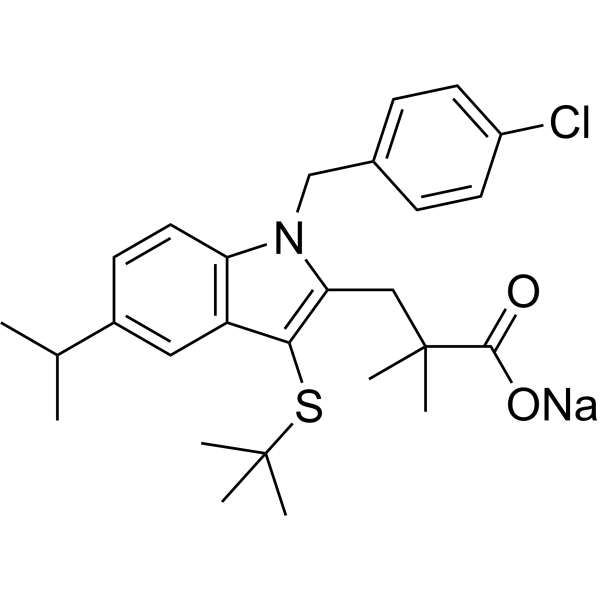 0 ImagesCat. No.: HY-14166ACAS No.: 118427-55-7Synonyms: L 663536 sodium saltMK-886 (L 663536) sodium salt is a potent, cell-permeable and orally active FLAP (IC50 of 30 nM) and leukotriene biosynthesis (IC50s of 3 nM and 1.1 μM in intact leukocytes and human whole blood, respectively) inhibitor. MK-886 sodium salt is also a non-competitive PPARα antagonist and can induce apoptosis.
-
Benidipine
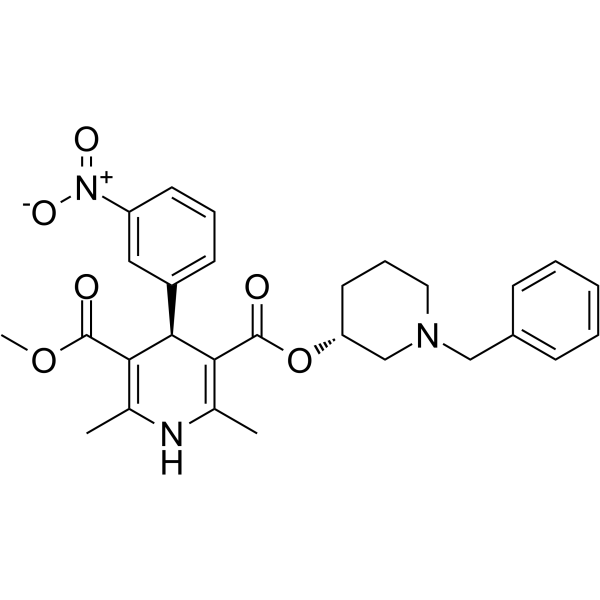 0 ImagesSynonyms: KW-3049 free baseBenidipine is a potent and orally active calcium channel antagonist. Benidipine shows anti-apoptosis effects in ischaemic/reperfused myocardial cells. Benidipine increases the activity of endothelial cell-type nitric oxide synthase and improves coronary circulation in hypertensive rats.
-
RMC-4745
 0 ImagesCat. No.: HY-150108CAS No.: 2250059-80-2RMC-4745 is a selective dual-site inhibitor of mTORC1, with a selectivity of 35 times for mTORC1 and mTORC2. RMC-4745 inhibits the proliferation of MCF-7 cells and upregulates Caspase-3/7 activity to induce cell apoptosis. RMC-4745 does not cause the upregulation of HER3 due to the inhibition of mTORC2. RMC-4745 can be used for the study of breast cancer.
-
Ivarmacitinib sulfate
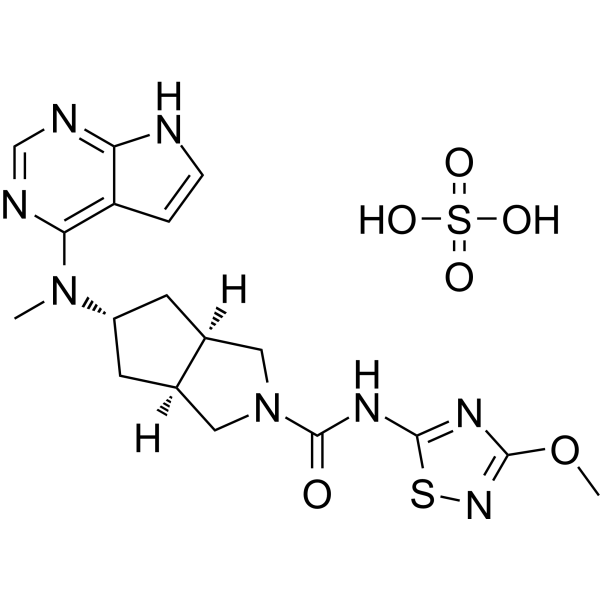 0 ImagesCat. No.: HY-112724ACAS No.: 1639419-51-4Synonyms: SHR0302 sulfateIvarmacitinib (SHR0302) sulfate is a potent and orally active all members of the JAK family inhibitor, particularly JAK1. The selectivity of Ivarmacitinib for JAK1 is >10-fold for JAK2, 77-fold for JAK3, 420-fold for Tyk2. Ivarmacitinib inhibits JAK1-STAT3 phosphorylation and induces the apoptosis of hepatic stellate cells. Ivarmacitinib has anti-proliferative and anti-inflammatory effects.
-
Niacin hydrochloride
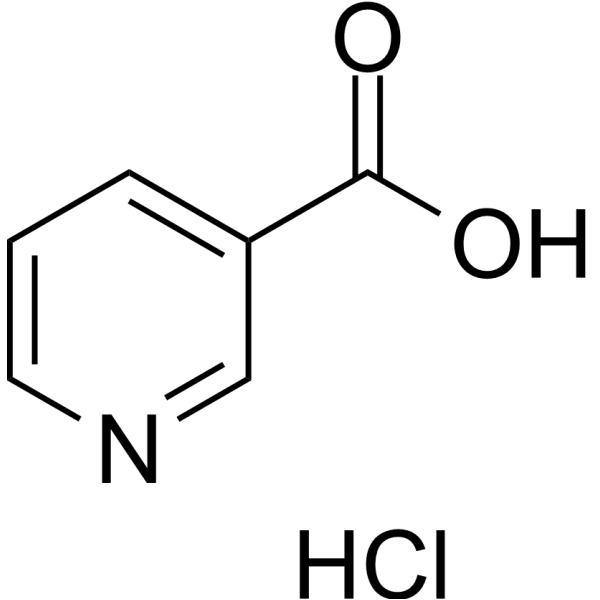 0 ImagesSynonyms: Nicotinic acid hydrochloride; Vitamin B3 hydrochlorideNiacin (Vitamin B3; Nicotinic acid) hydrochloride is an orally active B3 vitamin that is an essential nutrient for humans. Niacin hydrochloride plays a key role in energy metabolism, cell signaling cascades regulating gene expression and apoptosis. Niacin hydrochloride is also used in the study of cardiovascular diseases.
-
AT9283 lactic acid
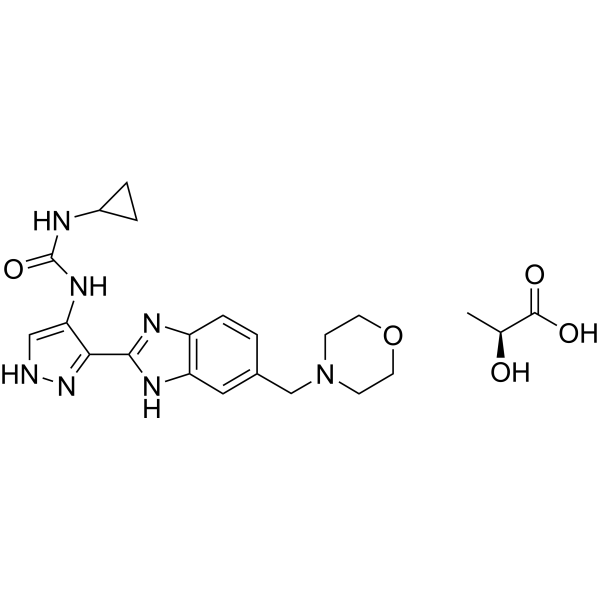 0 ImagesCat. No.: HY-10058CAS No.: 896466-76-5
-
BRD4 Inhibitor-18
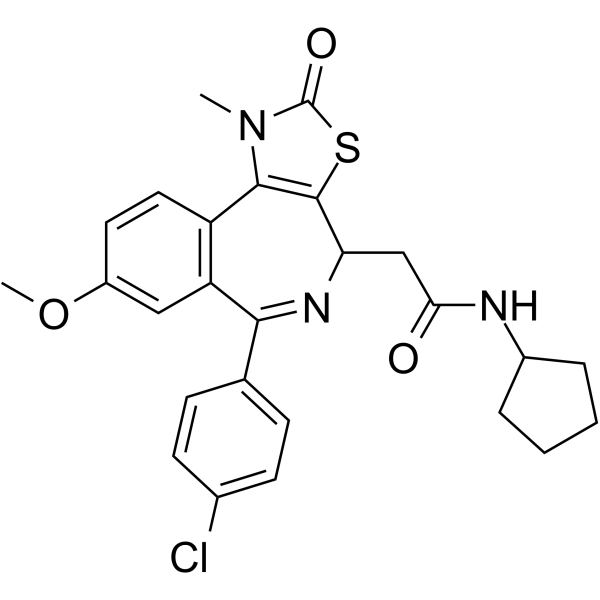 0 ImagesCat. No.: HY-146660CAS No.: 2451219-73-9BRD4 Inhibitor-18 is a highly potent BRD4 inhibitor with an IC50 value of 110 nM. BRD4 Inhibitor-18 has a hydrophobic acetylcyclopentanyl side chain. BRD4 Inhibitor-18 can significantly suppress the proliferation of MV-4-11 cells with high BRD4 level. BRD4 Inhibitor-18 has apoptosis-promoting and G0/G1 cycle-arresting activity.
-
Oblimersen
 0 ImagesCat. No.: HY-118874CAS No.: 190977-41-4
-
Abacavir hydrochloride
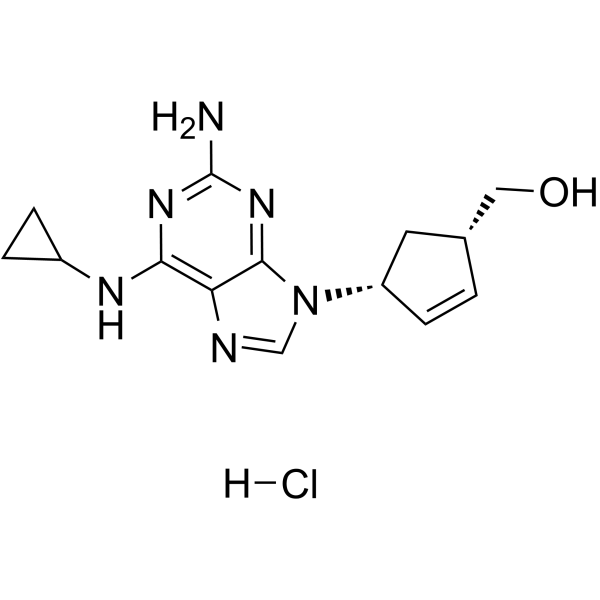 0 ImagesCat. No.: HY-17423ECAS No.: 136777-48-5Abacavir hydrochloride is a competitive, orally active nucleoside reverse transcriptase inhibitor. Abacavir hydrochloride can inhibits the replication of HIV. Abacavir hydrochloride shows anticancer activity in prostate cancer cell lines. Abacavir hydrochloride can trespass the blood-brain-barrier and suppresses telomerase activity.
-
Aspirin lithium
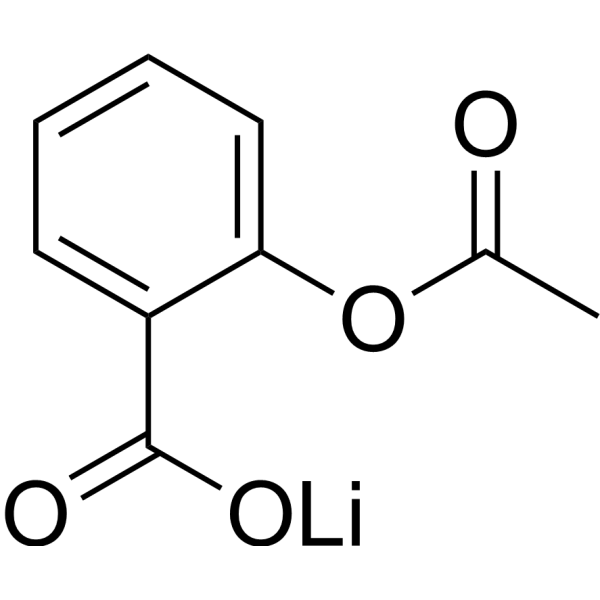 0 ImagesAspirin (Acetylsalicylic Acid) lithium is an orally active, potent and irreversible inhibitor of cyclooxygenase COX-1 and COX-2, with IC50 values of 5 and 210 μg/mL, respectively. Aspirin lithium induces apoptosis. Aspirin lithium inhibits the activation of NF-κB. Aspirin lithium also inhibits platelet prostaglandin synthetase, and can prevent coronary artery and cerebrovascular thrombosis.
-
Famitinib malate
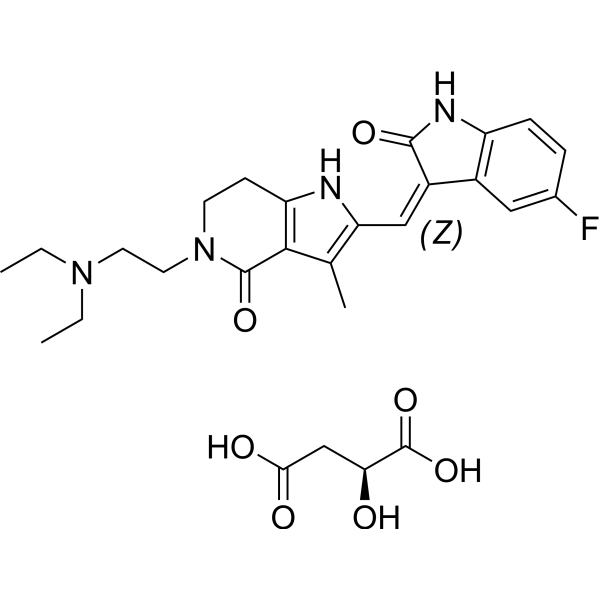 0 ImagesCat. No.: HY-108713ACAS No.: 1256377-67-9Synonyms: SHR1020 malateFamitinib (SHR1020) malate, an orally active multi-targeted kinase inhibitor, inhibits the activity of c-kit, VEGFR-2 and PDGFRβ with IC50 values of 2.3 nM, 4.7 nM and 6.6 nM, respectively. Famitinib malate induces cell apoptosis. Famitinib malate exerts powerful antitumor activity in human gastric cancer cells and xenografts, it can be used for the research of cancer.
-
Befotertinib mesylate
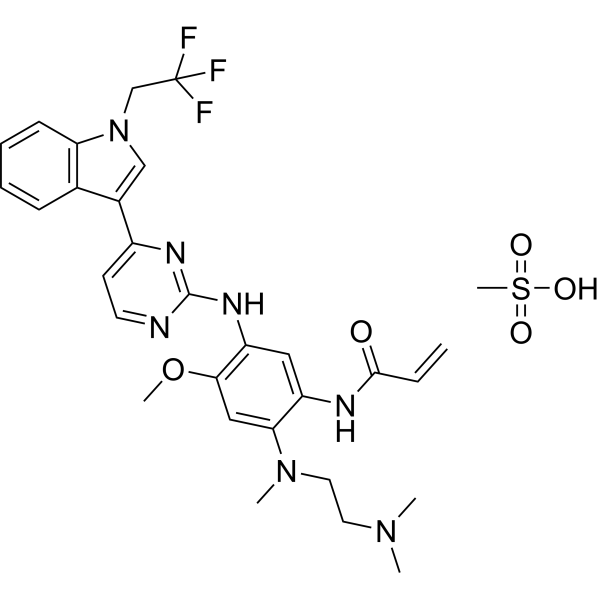 0 ImagesCat. No.: HY-137433ACAS No.: 2226167-02-6Synonyms: D-0316 mesylateBefotertinib (D-0316) mesylate is an orally active EGFR inhibitor and ABCB1 inhibitor. Befotertinib mesylate selectively targets EGFR mutations including EGFRT790M, EGFRL858R and delE746-A750, forms covalent bonds with EGFRC797, inhibits oncogenic signaling pathways, and exerts antiproliferative effects. Befotertinib mesylate inhibits ABCB1-mediated drug efflux, activates the ATPase activity of ABCB1, acts as a chemosensitizer and apoptosis enhancer, and restores the sensitivity of multidrug-resistant cancer cells. Befotertinib mesylate can be used in research related to multidrug-resistant cancers and non-small cell lung cancer.
-
DFCI-002-06
 0 ImagesCat. No.: HY-181050CAS No.: 3092208-36-8DFCI-002-06 is an orally active dual-target HCK/BTK PROTAC degrader with DC₅₀ values for HCK and BTK of 1.3 and 4.5 nM respectively. DFCI-002-06 retains higher anti-tumor activity than the HCK/BTK dual-target inhibitor (HY-15805), inducing apoptosis in cancer cells. DFCI-002-06 can be used for the study of MYD88 mutant B-cell malignancies.
-
Ketorolac hemicalcium
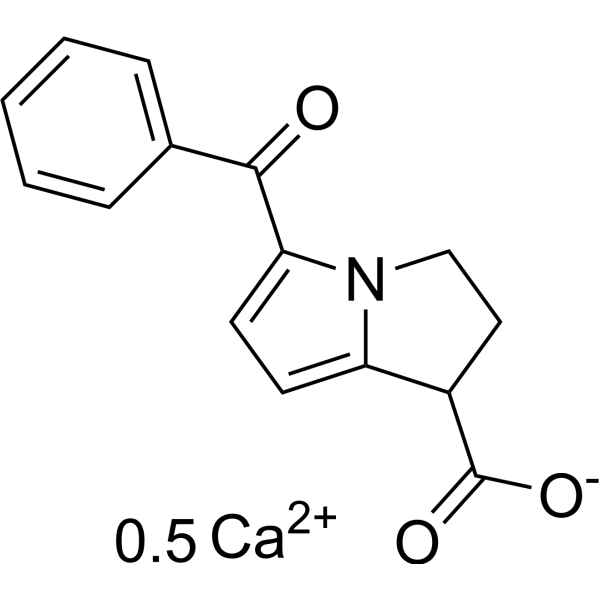 0 ImagesSynonyms: RS37619 hemicalciumKetorolac (RS37619) hemicalcium is a non-steroidal anti-inflammatory drug (NSAID), acting as a nonselective COX inhibitor, with IC50s of 20 nM for COX-1 and 120 nM for COX-2. Ketorolac tromethamine is used as 0.5% ophthalmic solution for the research of allergic conjunctivitis, cystoid macular edema, intraoperative miosis, and postoperative ocular inflammation and pain. Ketorola chemicalcium is also a DDX3 inhibitor that can be used for cancer research.
-
Azathioprine sodium
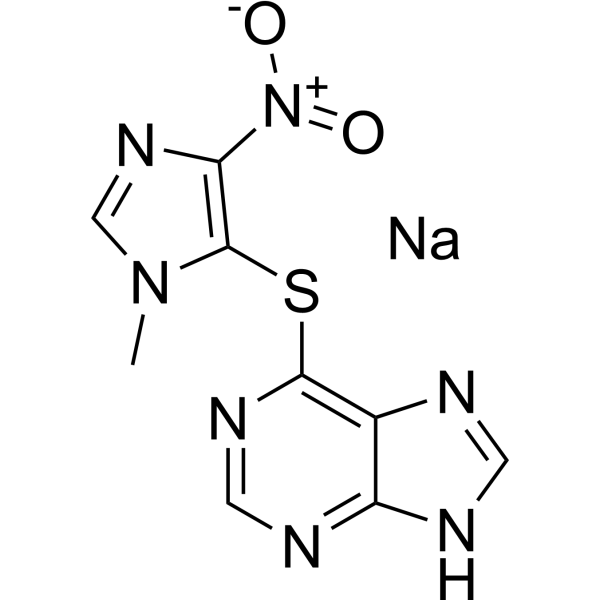 0 ImagesCat. No.: HY-B0256ACAS No.: 55774-33-9Synonyms: BW 57-322 sodiumAzathioprine (BW 57-322) sodium is an orally active immunosuppressive agent. Azathioprine can be converted in vivo to the active metabolite 6-mercaptopurine (6-MP). Azathioprine has myelosuppressive effects and induces apoptosis.
-
Aminoguanidine-13C, 15N4
 0 ImagesCat. No.: HY-B1041ASCAS No.: 478189-68-3Synonyms: Pimagedine-13C, 15N4; GER-11free base-13C, 15N4; Aminoguanidinium-13C, 15N4Aminoguanidine-13C,15N4 (Pimagedine-13C,15N4) is the 13C,15N4-labeled Aminoguanidine (HY-W020772). Aminoguanidine is an inhibitor of diamine oxidase (DAO) and nitric oxide synthase (NOS). Aminoguanidine can reduce the formation of advanced glycation end products (AGEs). Aminoguanidine has a dose-dependent inhibitory effect on Doxorubicin (HY-15142)-induced cell apoptosis. Aminoguanidine has antioxidant properties. Aminoguanidine can be used in the research of diabetic nephropathy.
-
Phytosphingosine (Standard)
 0 ImagesCat. No.: HY-W011303RCAS No.: 554-62-1Synonyms: 4-Hydroxysphinganine (Standard)Phytosphingosine (Standard) is the analytical standard of Phytosphingosine. This product is intended for research and analytical applications. Phytosphingosine is a phospholipid with anti-inflammatory, antibacterial, and anti-cancer activities, which can induce apoptosis. Phytosphingosine is an immune regulator and can be used in the study of inflammatory skin diseases. Phytosphingosine is also an activator of GPR120 with an IC50 value of 33.4 μM and can be used in the study of type II diabetes[1][2][3][4].
-
Metronidazole solution
 0 ImagesCat. No.: HY-FLB0318CAS No.: 443-48-1Metronidazole solution is mainly composed of Metronidazole (HY-B0318). Metronidazole is an orally active nitroimidazole antibiotic. Metronidazole can cross blood brain barrier. Metronidazole can be used for the research of anaerobic infections.
-
Mitoxantrone diacetate
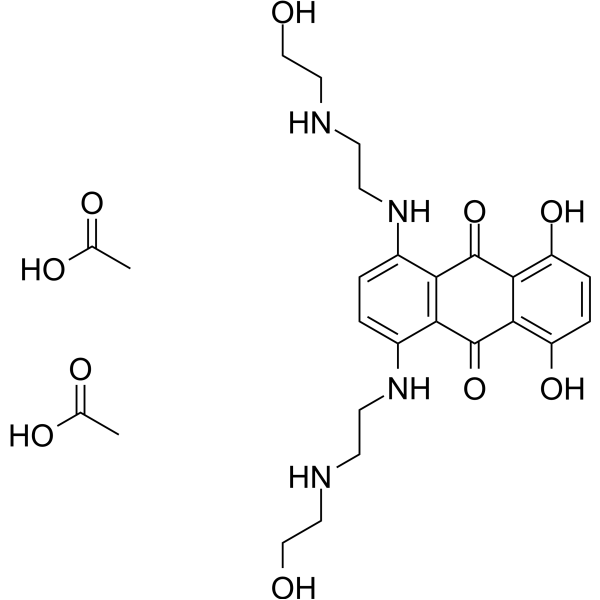 0 ImagesCat. No.: HY-13502BCAS No.: 70711-41-0Synonyms: Mitozantrone diacetate; NSC 301739 diacetateMitoxantrone diacetate is a potent topoisomerase II inhibitor. Mitoxantrone diacetate also inhibits protein kinase C (PKC) activity with an IC50 of 8.5 μM. Mitoxantrone diacetate induces apoptosis of B-CLL (B-chronic lymphocytic leukaemia) cells. Mitoxantrone diacetate shows antitumor activity. Mitoxantrone diacetate also has anti-orthopoxvirus activity with EC50s of 0.25 μM and and 0.8 μM for cowpox and monkeypox, respectively.




