



Apoptosis Inducer
-
Stigmast-5-en-3-ol
 0 Images
Stigmast-5-en-3-ol induces cancer cell apoptosis and inhibits proliferation by increasing the production of Bax, Caspase-9, p53, and PARP cleavage and reducing Bcl-xl expression. Stigmast-5-en-3-ol exhibits potent inhibitory activity against glucoamylase and α-amylase and possesses high antioxidant activity. Stigmast-5-en-3-ol can be used in the research of diseases such as leukemia, breast cancer, type 2 diabetes, and obesity.
-
Bacopaside I (Standard)
 0 ImagesCat. No.: HY-N4246RCAS No.: 382148-47-2
Bacopaside I (Standard) is the analytical standard of Bacopaside I. This product is intended for research and analytical applications. Bacopaside I is an orally active aquaporin AQP1 inhibitor and PKC modulator with neuroprotective and anticancer activities. Bacopaside I specifically blocks the water channel and cGMP-gated ion channel activities of AQP1 without affecting AQP4, thereby inhibiting the migration of colon cancer cells expressing AQP1. Bacopaside I activates the Akt pathway by interacting with PI3K, specifically inhibits MAO-A, effectively alleviates neuron necrosis and apoptosis induced by oxygen-glucose deprivation, reduces oxidative stress, and regulates the surface expression of neuroreceptors. When combined with Bacopaside II (HY-N6016), Bacopaside I significantly reduces the viability, proliferation and invasion ability of breast cancer cells, and binds to the pregnane X receptor (PXR). Bacopaside I is applicable to the research of colon cancer, breast cancer, vascular dementia, cerebral ischemia and other related diseases.
-
Tubulin polymerization-IN-24
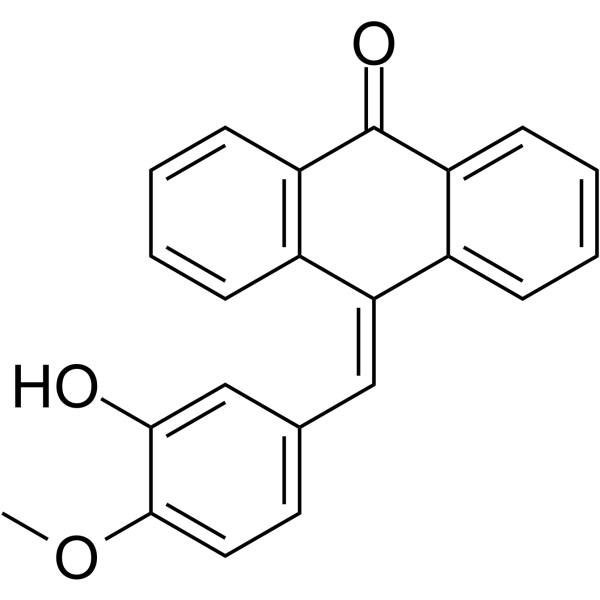 0 ImagesCat. No.: HY-101989CAS No.: 564468-51-5
Tubulin polymerization-IN-24 (compound HMBA) is a potent tubulin polymerization inhibitor. Tubulin polymerization-IN-24 inhibits MCF-7 cells proliferation. Tubulin polymerization-IN-24 induces apoptosis and cell cycle arrest at G2/M phase. Tubulin polymerization-IN-24 increase the GTP hydrolysis rate and inhibits microtubule assembly.
-
SI-2
 0 ImagesSynonyms: EPH 116
SI-2 (EPH 116) is an inhibitor for steroid receptor coactivator-3 (SRC-3), which reduces the transcriptional activity and protein concentration of SRC-3 in cells, exhibits cytotoxicity in cancer cell, inhibits migration of MDA-MB-468, induces apoptosis of MDA-MB-468. SI-2 inhibits the tumor growth in mouse models, without significant toxicity for heart and other major organs (20 mg/kg).
-
NF-κB-IN-16
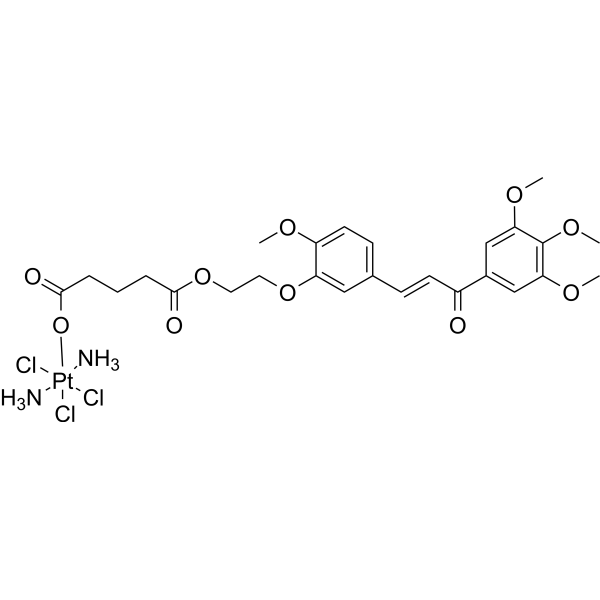 0 ImagesCat. No.: HY-158156
NF-κB-IN-16 (compound 9) is a complex (Pt(IV) complex) of NF-κB inhibitor and Cisplatin (HY-17394), which has high efficacy and low toxicity in anti-tumor activity. active. NF-κB-IN-16 can cause DNA damage, induce mitochondrial dysfunction, produce reactive oxygen species, and induce apoptosis through the mitochondrial pathway and endoplasmic reticulum stress. NF-κB-IN-16 potently inhibits the NF-κB/MAPK signaling pathway and disrupts PI3K/AKT signaling. NF-κB-IN-16 also exhibits excellent in vivo antitumor efficiency and low toxicity in A549 or A549/CDDP xenograft models.
-
Anticancer agent 164
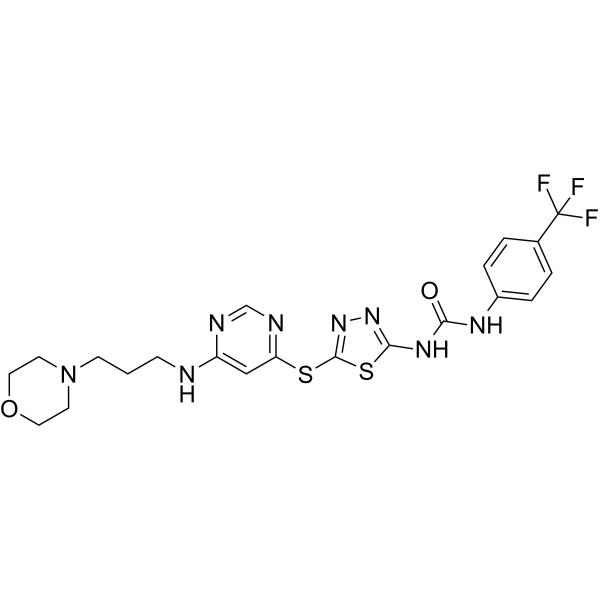 0 ImagesCat. No.: HY-128634CAS No.: 2235393-30-1
CML-IN-1 (compound 7) is a potent anticancer agent. CML-IN-1 displays very good induced-apoptosis effect for human chronic myeloid leukemia (CML) cell line K562. CML-IN-1 exerts its effect via a significantly reduced protein phosphorylation of PI3K/Akt signal pathway. CML-IN-1 (compound 4) also inhibits cell proliferation by suppressing the MEK/ERK signaling pathway in colorectal cancer.
-
Isovalerylcarnitine-d3 chloride
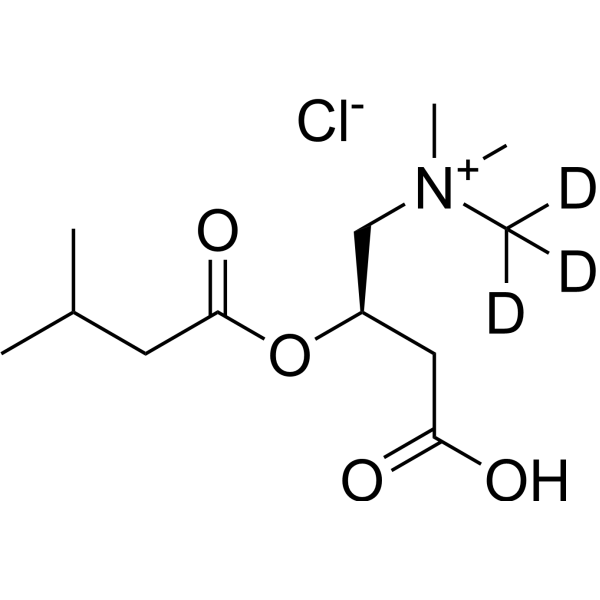 0 ImagesCat. No.: HY-113221AS
Isovalerylcarnitine-d3 chloride is the deuterium labeled Isovalerylcarnitine chloride (HY-145542). Isovalerylcarnitine chloride is a metabolite of leucine. Isovalerylcarnitine chloride can specifically activate calpain in human neutrophils. Isovalerylcarnitine chloride inhibits tumor cell proliferation and induces apoptosis. Elevated circulating levels of Isovalerylcarnitine chloride are negatively correlated with reduced lung cancer risk.
-
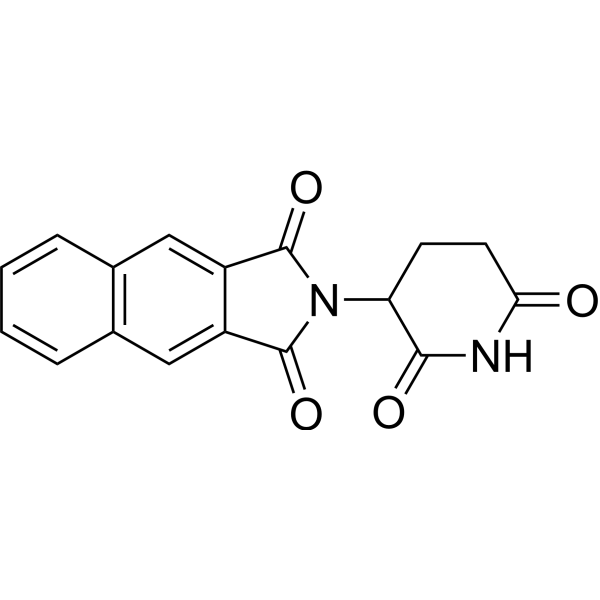
Thalidomide-benzo
 0 ImagesCat. No.: HY-139549CAS No.: 458151-34-3
Thalidomide-benzo hydrochloride is the Thalidomide-based cereblon ligand used in the recruitment of CRBN protein. Thalidomide-benzo can be connected to the ligand for protein by a linker to form PROTACs.
-
Tubulin-IN-66
 0 ImagesCat. No.: HY-182753CAS No.: 3110538-32-1
Tubulin-IN-66 is a tubulin (tubulin) and P-gp inhibitor with antiproliferative activity against cancer cells. Tubulin-IN-66 covalently binds to the Colchicine (HY-16569)-binding site at Cys239 of the β-tubulin subunit, inhibits tubulin polymerization and disrupts the microtubule network. Tubulin-IN-66 inhibits P-gp function to overcome multidrug resistance. Tubulin-IN-66 arrests the cell cycle at the G2/M phase and induces apoptosis (apoptosis). Tubulin-IN-66 inhibits colony formation and migration of cancer cells. Tubulin-IN-66 can be used in the research of tumors such as breast cancer.
-
OH14
 0 Images
OH14 is a cellular FLICE-like inhibitory protein (cFLIP) inhibitor and TNF-related apoptosis-inducing ligand (TRAIL) sensitizer. OH14 selectively binds to the DED1 pocket of cFLIP, disrupting its recruitment to the TRAIL-death inducing signalling complex without affecting procaspase-8 recruitment to FADD, allowing procaspase-8 activation. OH14 promotes TRAIL-mediated apoptosis and impairs cell viability in breast cancer systems when combined with TRAIL. OH14 can be used for the research of breast cancer.
-
Candidone
 0 ImagesCat. No.: HY-180324CAS No.: 77727-18-5
Candidone is a type of flavanone phenolic compound with anti-cancer and antibacterial activities. Candidone inhibits the proliferation of hepatoblastoma and cholangiocarcinoma cells and induces their apoptosis by up-regulating p21, Bax, and caspase 3/9, and down-regulating Bcl-2 and survivin. It reduces the metastatic ability of cancer cells by inhibiting the expression of phosphorylated p38 and matrix metalloproteinase MMP-9. Candidone has inhibitory effects on multidrug-resistant bacterial strains. Candidone binds to the base pairs of DNA in a groove-binding manner, thereby slightly altering the conformation of DNA.
-
Thapsigargin (Standard)
 0 ImagesCat. No.: HY-13433RCAS No.: 67526-95-8
Thapsigargin (Standard) is the analytical standard of Thapsigargin (HY-13433). This product is intended for research and analytical applications. Thapsigargin, an endoplasmic reticulum (ER) stress inducer, is an inhibitor of microsomal Ca2+-ATPase. Thapsigargin efficiently inhibits coronavirus (HCoV-229E, MERS-CoV, SARS-CoV-2) replication in different cell types.
-
HSP70-IN-6
 0 ImagesCat. No.: HY-163854CAS No.: 3048341-44-9
HSP70-IN-6 (JL-15) is an inhibitor of Hsp70-Bim protein-protein interaction, with an IC50 value of 0.07 μM against Hsp70-Bim PPI, an IC50 of 4.89 μM and a Kd of 0.123 μM for BimBH3-stimulated Hsp70 ATPase activity. HSP70-IN-6 selectively blocks the binding of Hsp70-Bim without affecting the Hsp70-Bag3 interaction, and inhibits BimBH3-stimulated Hsp70 ATPase activity but has no impact on basal ATPase activity. HSP70-IN-6 induces apoptosis (apoptosis) in chronic myeloid leukemia cells in an Hsp70-Bim-dependent manner. HSP70-IN-6 can be used in research related to chronic myeloid leukemia.
-
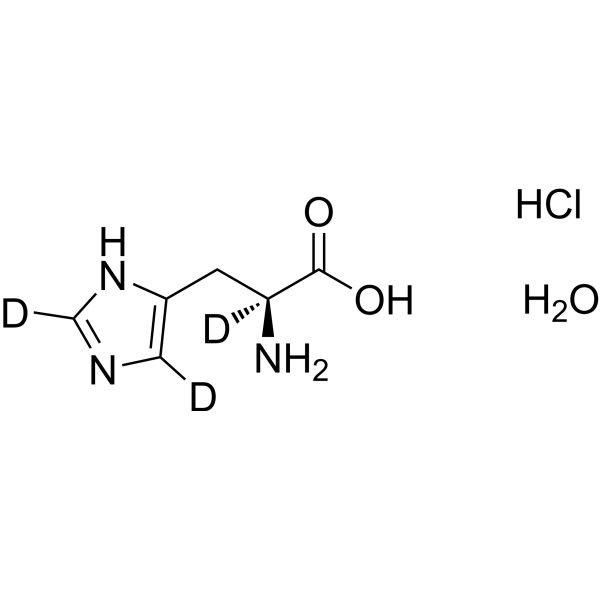
L-Histidine-d3 hydrochloride hydrate
 0 ImagesCat. No.: HY-W014423S7Synonyms: H-His-OH-d3 hydrochloride hydrate
L-Histidine-d3 hydrochloride hydrate is the deuterium labeled L-Histidine hydrochloride hydrate (HY-W014423). L-Histidine hydrochloride hydrate is an endogenous metabolite. L-Histidine hydrochloride hydrate scavenges hydroxyl radicals and singlet oxygen, regulate the absorption of zinc, copper and iron, exhibits anti-inflammatory and antioxidant activities. L-Histidine hydrochloride hydrate is blood brain barrier penetrable.
-
Tubulin polymerization-IN-86
 0 ImagesCat. No.: HY-180193CAS No.: 3105435-06-8
Tubulin polymerization-IN-86 (Compound B6) is an effective inhibitor of tubulin polymerization. Tubulin polymerization-IN-86 effectively inhibits microtubulin polymerization by binding to the colchicine binding sites on microtubulin, thereby disrupting the microtubule cytoskeleton within the cell. Tubulin polymerization-IN-86 exhibits potent anti-proliferative activity against a variety of cancer cell lines. Tubulin polymerization-IN-86 induces cell cycle arrest, apoptosis, inhibits cell migration, invasion, and long-term survival ability. Tubulin polymerization-IN-86 inhibits tumor growth in mice and can be used for the study of melanoma.
-
Ilicicolin A
 0 ImagesCat. No.: HY-122108CAS No.: 22581-06-2Synonyms: LL-Z 1272-alpha
Ilicicolin A is a potent anticancer agent. Ilicicolin A induces apoptosis. Ilicicolin A inhibits cell growth and colony formation. Ilicicolin A shows antitumor activity. Ilicicolin A has the potential for the research of prostate cancer.
-
Mcl-1-IN-22 hydrochloride
 0 ImagesCat. No.: HY-183601A
Mcl-1-IN-22 hydrochloride is a tetrahydro-β-carboline-based Mcl-1 inhibitor with a Ki of 0.015 μM. Mcl-1-IN-22 hydrochloride shows antitumor activity, induces apoptosis and produces synergistic antitumor effects in combination with Cisplatin (HY-17394) and Paclitaxel (HY-B0015). Mcl-1-IN-22 hydrochloride can be used for the research of cancer, such as ovarian cancer.
-
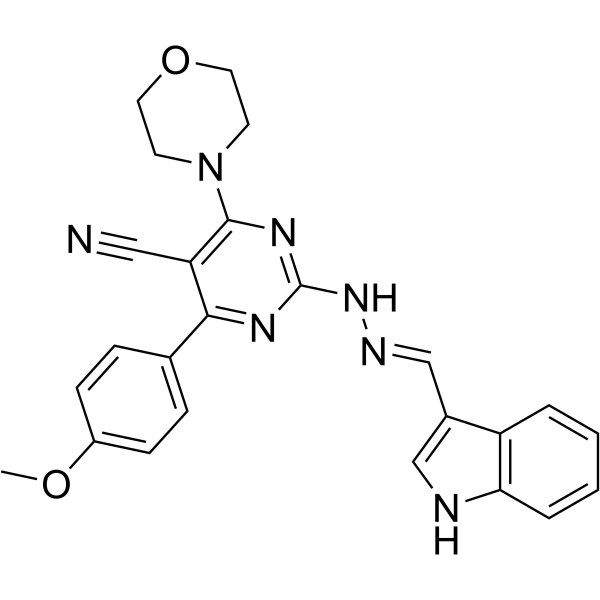
PI3K-IN-35
 0 ImagesCat. No.: HY-147900CAS No.: 2458163-99-8
-
iMPZ-8
 0 ImagesCat. No.: HY-181019
iMPZ-8 is a β-tubulin polymerization inhibitor that inhibits β-tubulin protein expression, disrupts microtubule structure, impairs microtubule organization. iMPZ-8 inhibits proliferation and reduces cellular migration and colonization in cancer cells. iMPZ-8 induces G2/M phase arrestand induces apoptosis via the BAX-Caspase-3 intrinsic apoptotic signaling pathway. iMPZ-8 can be used for the research of cancer, suah as breast cancer, neuroblastoma and colon cancer.



