



Integrin Inhibitor
-
E7820
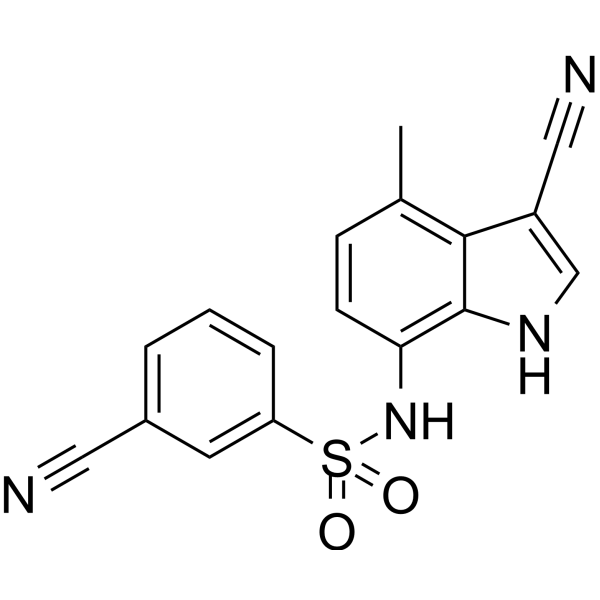 0 ImagesSynonyms: ER68203-00
E7820 (ER68203-00), an orally active aromatic sulfonamide derivative, is a molecular glue that induces the targeted degradation of splicing factor RBM39 by recruiting the E3 ubiquitin ligase CUL4-RBX1-DDB1-DCAF15 (CRL4DCAF15). E7820 is an angiogenesis inhibitor suppressing an expression of integrin alpha2 subunit on endothelium. E7820 inhibits rat aorta angiogenesis with an IC50 of 0.11 μg/ml. E7820 modulates α-1, α-2, α-3, and α-5 integrin mRNA expression. E7820 can be used for the study of acute myeloid leukemia (AML).
-
Anti-Mouse/Rat/Human Osteopontin/SPP1 Antibody (MPIIIB10)
 0 ImagesCat. No.: HY-P990117
Anti-Mouse/Rat/Human Osteopontin/SPP1 Antibody (MPIIIB10) is a mouse-derived Osteopontin/SPP1 IgG1 κ type antibody inhibitor. Anti-Mouse/Rat/Human Osteopontin/SPP1 Antibody (MPIIIB10) blocks Angiotensin II (HY-13948)-induced DNA synthesis and collagen gel contraction in cardiac fibroblasts. Anti-Mouse/Rat/Human Osteopontin/SPP1 Antibody (MPIIIB10) significantly inhibits tumor growth in CT26 or MC38 tumors mice models.
-
Cucurbitacin B
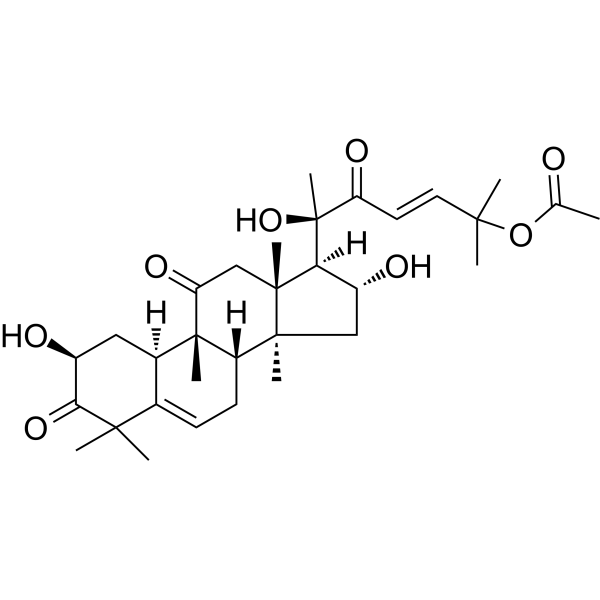 0 Images
Cucurbitacin B belongs to a class of highly oxidized tetracyclic triterpenoids and is oral active. Cucurbitacin B inhibits tumor cell growth, migration and invasion and cycle arrest, but induces cell apoptosis. Cucurbitacin B has potent anti-inflammatory, antioxidant, antiviral, hypoglycemic, hepatoprotective, neuroprotective activity.
-
Arg-Gly-Asp-Ser
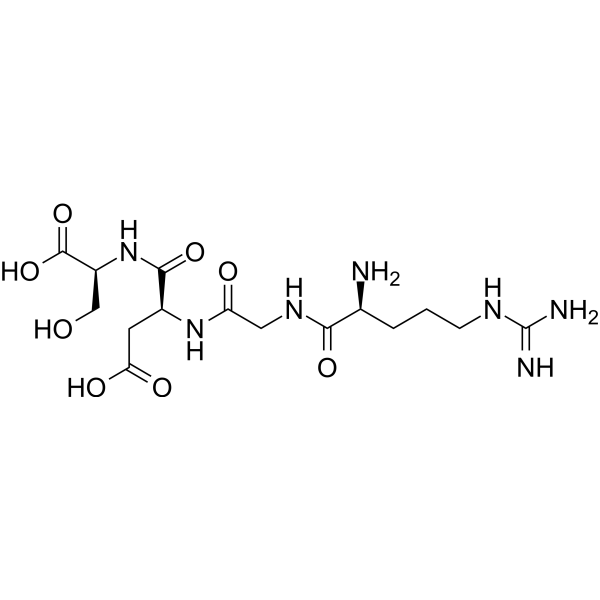 0 ImagesSynonyms: RGDS peptide; Fibronectin tetrapeptide
-
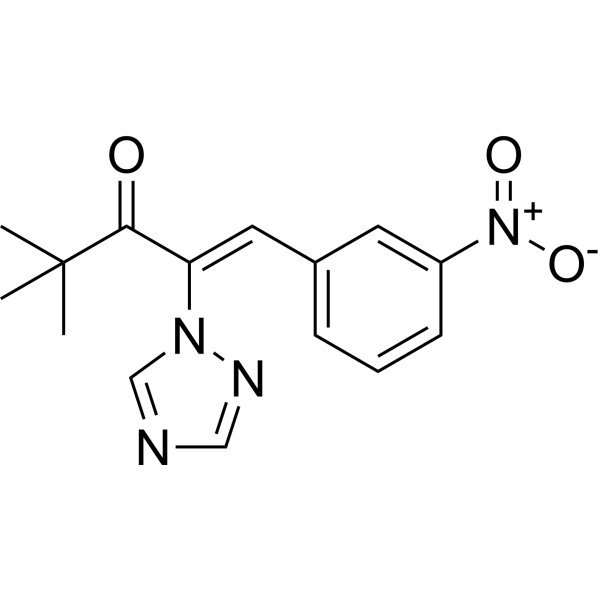
Nexinhib20
 0 Images
Nexinhib20 is an inhibitor that targets the interactions of Rab27a-JFC1 (IC50: 2.6 μM) and Rac-1-GTP. Nexinhib20 can inhibit neutrophil exocytosis, adhesion, and β2 integrin activation, and has anti-inflammatory activity. Nexinhib20 can be used in the research of diseases such as systemic inflammation and myocardial ischemia-reperfusion injury.
-
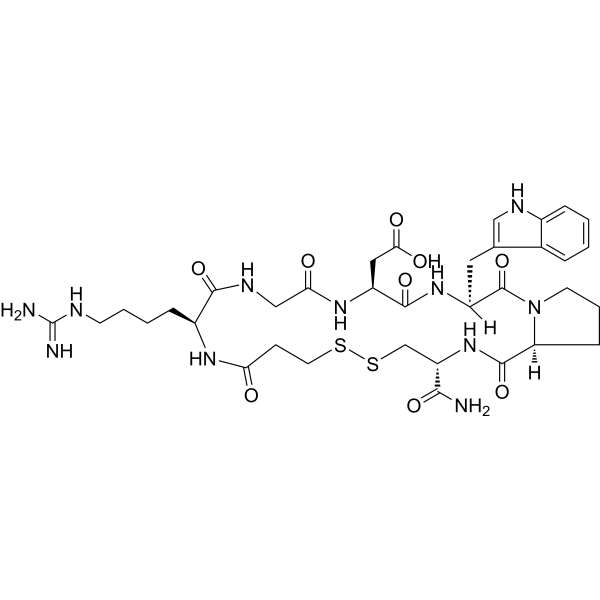
Eptifibatide
 0 Images
Eptifibatide is a cyclic heptapeptide, acts as a competitive antagonist for the activated platelet glycoprotein IIb/IIIa receptor, with anti-platelet activity.
-
Caplacizumab (His Tag)
 0 ImagesSynonyms: ALX-0681; ALX-0081
Caplacizumab (His Tag) is a humanized anti-von Willebrand factor (vWF) nanobody. Caplacizumab (His Tag) inhibits the binding of vWF with platelet glycoprotein (GP) Ibα. Caplacizumab (His Tag) inhibits the vWF-mediated platelet adhesion and prevents further microthrombi formation. Caplacizumab (His Tag) can be used for the research of thrombotic thrombocytopenic purpura (TTP).
-
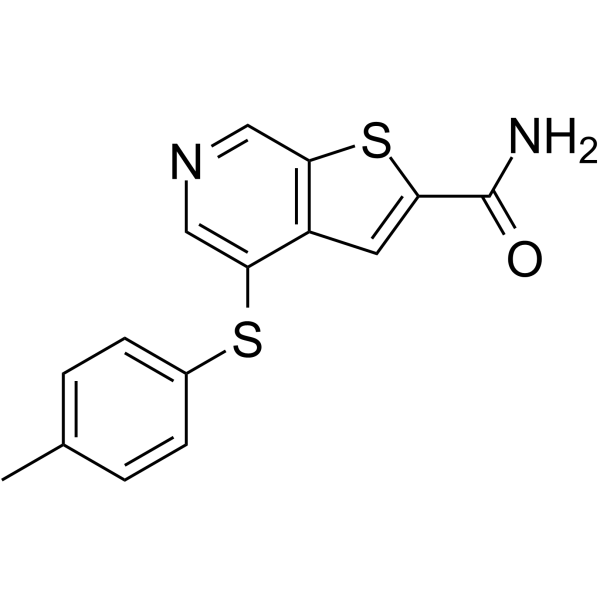
A-205804
 0 Images
A-205804 is an orally bioavailable, potent and selective lead inhibitor of E-selectin and ICAM-1 expression, with an IC50 of 20 nM and 25 nM for E-selectin and ICAM-1, respectively. A-205804 can be used in the research of chronic inflammatory diseases.
-
Natalizumab (Anti-CD49d)
 0 ImagesSynonyms: AN100226; BG00002
Natalizumab (Anti-CD49d) (AN100226; BG00002) Solution is a humanized monoclonal IgG4 antibody inhibitor that selectively targets α4 integrin (CD49d), blocking the interaction of integrins such as α4β1 (VLA-4) with vascular cell adhesion molecule VCAM-1, intercellular adhesion molecule ICAM-1, and fibronectin by competitively binding to the α4 subunit. Natalizumab solution inhibits the adhesion, retention, and transendothelial migration of immune cells (such as CD4+ T cells), reducing the infiltration of inflammatory cells into the central nervous system or lesion sites, thereby exerting anti-inflammatory and immunomodulatory activity. Natalizumab (Anti-CD49d) solution is used in the study of relapsing-remitting multiple sclerosis (RRMS) and is also applied in the research of autoimmune or inflammation-related diseases such as Crohn's disease, B-cell lymphoma, and non-infectious uveitis. Natalizumab (Anti-CD49d) can also prevent lymphocytes from entering the central nervous system, thus preventing acute demyelinating relapses.
-
Abciximab
 0 ImagesSynonyms: C7E3
Abciximab (C7E3), a chimeric mouse/human monoclonal antibody fragment, is a glycoprotein (GP) IIb/IIIa inhibitor. Abciximab inhibits platelet aggregation and leucocyte adhesion by binding to the glycoprotein IIb/IIIa, vitronectin and Mac-1 receptors.
-
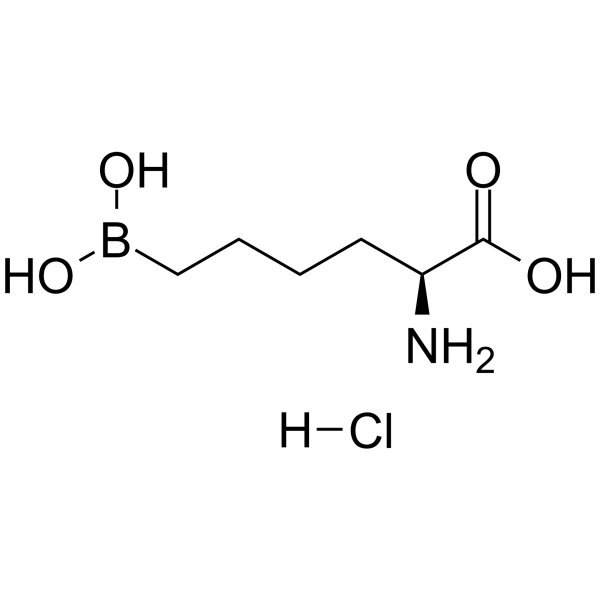
ABH hydrochloride
 0 Images
ABH (hydrochloride) is an orally active arginase inhibitor (Ki = 8.5 nM). ABH hydrochloride promotes NO production and reduces the expression of inflammatory response-related molecules (ICAM-1, VCAM-1, MCP-1). ABH hydrochloride improves erectile function, reduces lung damage, promotes wound healing, reduces arterial blood pressure, and improves vascular fibrosis.
-
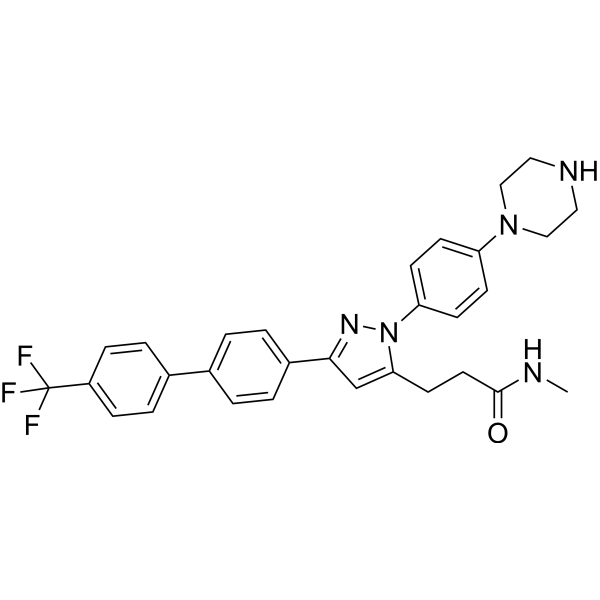
OSU-T315
 0 Images
OSU-T315 (ILK-IN-1) is a small Integrin-linked kinase (ILK) inhibitor with an IC50 of 0.6 μM, inhibiting PI3K/AKT signaling by dephosphorylation of AKT-Ser473 and other ILK targets (GSK-3β and myosin light chain). OSU-T315 abrogates AKT activation by impeding AKT localization in lipid rafts and triggers caspase-dependent apoptosis in an ILK-independent manner. OSU-T315 causes cell death through apoptosis and autophagy.
-
Sigvotatug vedotin
 0 ImagesSynonyms: SGN-B6A; PF-08046047
SGN-B6A is an ADC, which targets integrin beta-6 (ITGB6) through human IgG1 monoclonal antibody Sigvotatug (HY-P990764), and exhibits cytotoxicity against multiple integrin beta-6-positive cancer cell through mitotic inhibitor MMAE (HY-15162).
-
OS-2966
 0 ImagesCat. No.: HY-P990643Purity: 99.62%
OS-2966 is a humanized neutralizing monoclonal antibody (huIgG1κ) targeting human CD29 (β1 integrin/ITGB1). OS-2966 blocks integrin β1 signaling, inhibits tumor cell proliferation, invasion, migration and mesenchymal phenotype, and enhances the efficacy of oncolytic herpes simplex virus-1 (oHSV) and anti-angiogenic therapies. OS-2966 can be used in research related to triple-negative breast cancer, high-grade meningioma, glioblastoma and ovarian cancer.
-
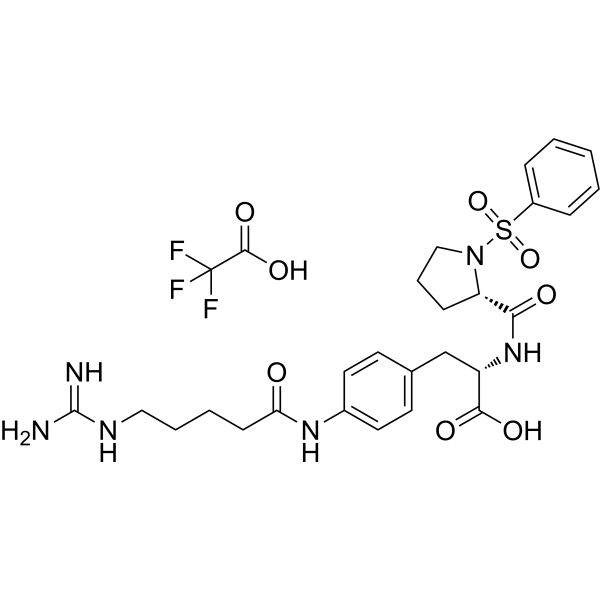
αvβ1 integrin-IN-1 TFA
 0 ImagesCat. No.: HY-100445APurity: 98.28%
-
Etaracizumab
 0 ImagesSynonyms: LM609; MEDI-522
Etaracizumab (LM 609) is an αvβ3 integrin IgG mAb. Etaracizumab is developed to target αvβ3+ cancer cells via NK cell-mediated cytotoxicity. Etaracizumab sterically hinders access of large ligands to the RGD-binding pocket, without obstructing it. Etaracizumab decreases p-Akt in vitro. Etaracizumab can decrease cancer proliferation and invasion. Etaracizumab induces tumor cell apoptosis, and inhibition ofαvβ3-mediated cell adhesion, endothelial cell migration and osteoclast-mediated bone resorption. Etaracizumab can be studied in anti-tumor research against cancers such as ovarian cancer, metastatic melanoma as well as advanced solid tumors. Recommend Isotype Control: Human IgG1 kappa, Isotype Control (HY-P99001).
-
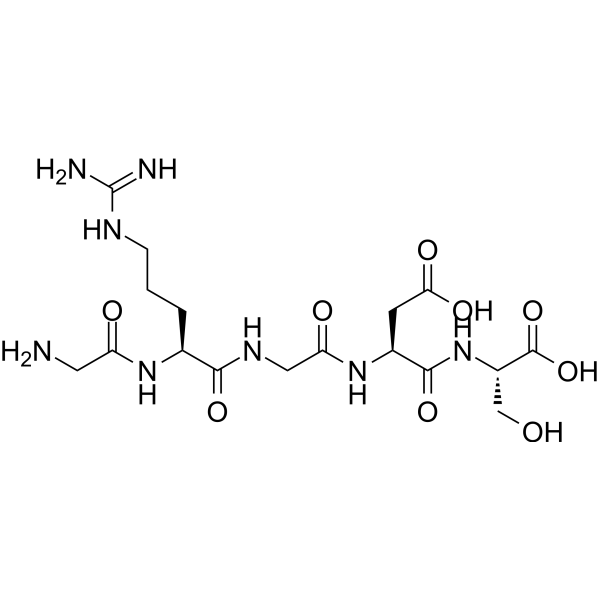
Gly-Arg-Gly-Asp-Ser
 0 ImagesSynonyms: GRGDS
Gly-Arg-Gly-Asp-Ser (GRGDS) is a pentapeptide that forms the cell-binding domain of a glycoprotein, osteopontin. Gly-Arg-Gly-Asp-Ser binds to integrin receptors αvβ3 and αvβ5 with estimated IC50 of ~5 and ~6.5 μM
-
Carotegrast
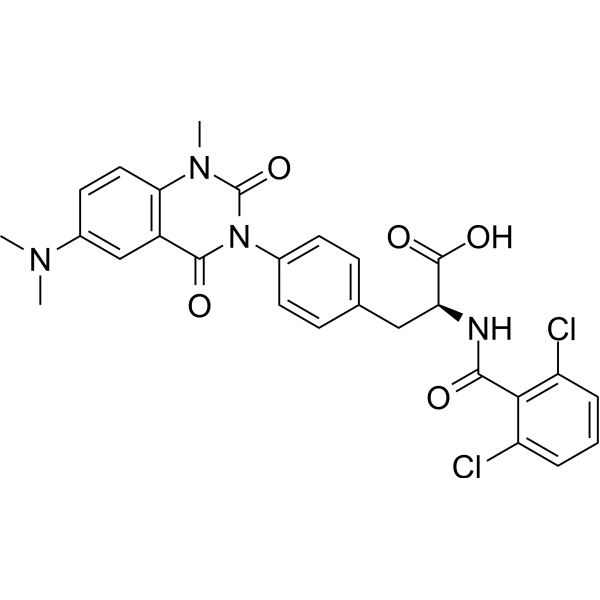 0 ImagesSynonyms: HCA2969



