



iNOS
iNOS is an inducible nitric oxide synthase that produces nitric oxide from L-arginine and acts as a key mediator of immune activation and inflammation[1]. Mechanistically, inflammatory cells such as macrophages produce nitric oxide mainly through iNOS during inflammatory processes, where nitric oxide functions as an innate immune effector molecule[2]. iNOS expression is regulated by inflammatory signaling pathways, including PKC, NF-κB, STAT3-NF-κB interaction, and PKCδ-IRF1 signaling, which connect cytokine or LPS stimulation to nitric oxide production[2][3][4]. In disease models, dysregulated iNOS has been linked to sepsis, cancer, neurodegeneration, pain, arthritis, inflammatory bowel disease, liver fibrosis, and neurological disease models[1][5][6][7]. Compared with nNOS and eNOS, iNOS differs by stimulus-responsive expression and high nitric oxide output, whereas nNOS mainly supports neuronal signaling and eNOS supports endothelial vascular regulation[8]. However, iNOS is not solely pathological, because traumatic brain injury models showed worse outcomes after iNOS inhibition or iNOS gene deletion[9]. For experimental applications, selective iNOS inhibitors remain useful tools for testing nitric oxide-dependent mechanisms, although no iNOS inhibitor is approved for human use[1].
References:
- [1]. Cinelli MA, et al. Inducible nitric oxide synthase: Regulation, structure, and inhibition. Med Res Rev. 2020 Jan;40(1):158-189. [Content Brief]
- [2]. Leppänen T, et al. Protein kinase C and its inhibitors in the regulation of inflammation: inducible nitric oxide synthase as an example. Basic Clin Pharmacol Toxicol. 2014 Jan;114(1):37-43. [Content Brief]
- [3]. Yu Z, et al. Signal transducers and activators of transcription 3 (STAT3) inhibits transcription of the inducible nitric oxide synthase gene by interacting with nuclear factor kappaB. Biochem J. 2002 Oct 1;367(Pt 1):97-105. [Content Brief]
- [4]. Leppänen T, et al. Down-regulation of protein kinase Cδ inhibits inducible nitric oxide synthase expression through IRF1. PLoS One. 2013;8(1):e52741. [Content Brief]
- [5]. Kolios G, et al. Nitric oxide in inflammatory bowel disease: a universal messenger in an unsolved puzzle. Immunology. 2004 Dec;113(4):427-37. [Content Brief]
- [6]. Cinar R, et al. Hybrid inhibitor of peripheral cannabinoid-1 receptors and inducible nitric oxide synthase mitigates liver fibrosis. JCI Insight. 2016;1(11):e87336. [Content Brief]
- [7]. Gage MC, et al. Inhibitors of Src Family Kinases, Inducible Nitric Oxide Synthase, and NADPH Oxidase as Potential CNS Drug Targets for Neurological Diseases. CNS Drugs. 2021 Jan;35(1):1-20. [Content Brief]
- [8]. Förstermann U, et al. Nitric oxide synthases: regulation and function. Eur Heart J. 2012 Apr;33(7):829-37, 837a-837d. [Content Brief]
- [9]. Sinz EH, et al. Inducible nitric oxide synthase is an endogenous neuroprotectant after traumatic brain injury in rats and mice. J Clin Invest. 1999 Sep;104(5):647-56. [Content Brief]
-
iNOS Related Products (206)
Related Products (206)

-
Isoastragaloside I
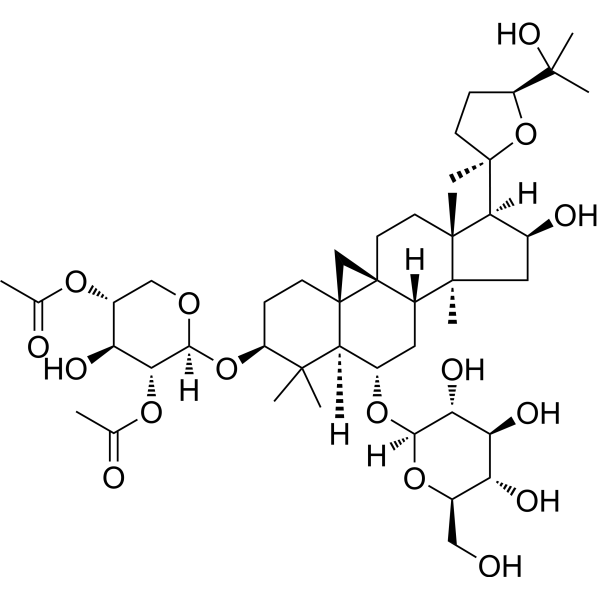 0 ImagesSynonyms: Isoastragaloside-IIsoastragaloside I is a natural compound found in Astragalus membranaceus, with oral activity and multiple biological activities such as anti-inflammatory and antioxidant properties. Isoastragaloside I inhibits Akt, NF-κB, MAPKs and PI3K, enhances the activity of hepatic FXR, regulates the TGF-β/Smads signaling pathway, and upregulates antioxidant molecules downstream of Nrf2. Isoastragaloside I inhibits the expression of NO, TNF-α, iNOS, COX-2, IL-1β and VCAM-1, and reduces intracellular ROS levels. Isoastragaloside I attenuates blood-brain barrier disruption, restores intestinal barrier function, increases β-cell mass, improves glucose homeostasis, and elevates circulating adiponectin levels. Isoastragaloside I can be used for the study of neuroinflammation-related neurodegenerative diseases, cholestatic liver disease, and diabetes.
-
Casuarinin
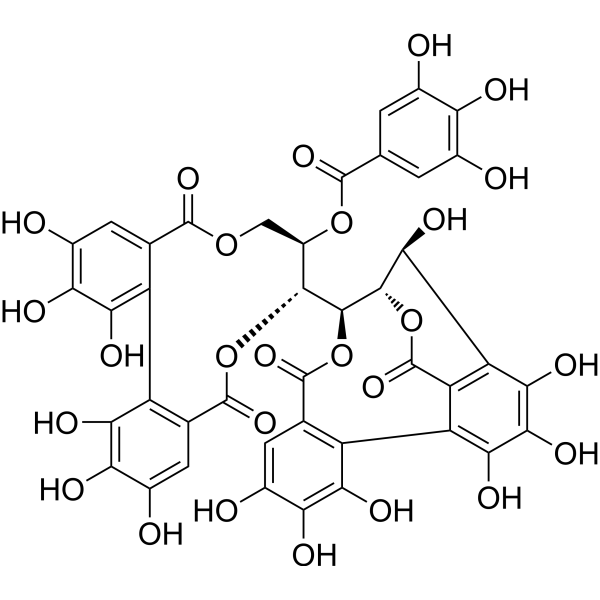 0 ImagesCat. No.: HY-N12717CAS No.: 79786-01-9Casuarinin is an orally active antiproliferative, anti-inflammatory, antifungal, virucidal and gastroprotective agent. Casuarinin upregulates the expression of p21/WAF1, Fas/APO‑1, mFasL, sFasL and HSP‑70, arrests cell cycle, induces apoptosis and inhibits cancer cell proliferation. Casuarinin inhibits TNF‑α-induced phosphorylation of MAPK and activation of NF‑κB, downregulates the expression of iNOS, NF‑κB, COX‑2 and ICAM‑1, and reduces the production of proinflammatory mediators. Casuarinin attenuates ethanol-induced activation of caspase‑3 and elevation of TNF‑α, inhibits the growth of Candida albicans, and inhibits HSV‑2. Casuarinin can be used in research related to mammary adenocarcinoma, inflammatory skin diseases, gastric ulcers, candidiasis and herpes simplex virus infections.
-
iNOs-IN-1
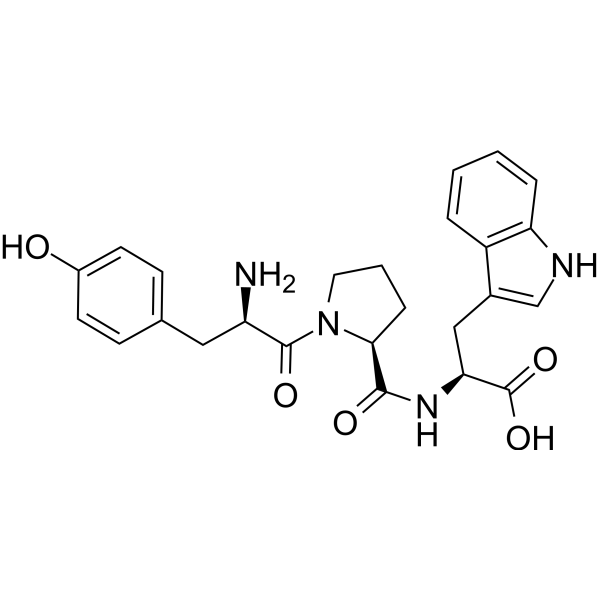 0 ImagesCat. No.: HY-145846Purity: 98.07%iNOs-IN-1 (YPW) is a potent inducible nitric oxide synthase (iNOS) inhibitor. iNOs-IN-1 can significantly inhibit the expression of IL-6 and iNOS, as well as reduce LPS-induced NO generation with dose-dependent manner in mouse macrophages. Anti-inflammatory effects.
-
Quinocetone
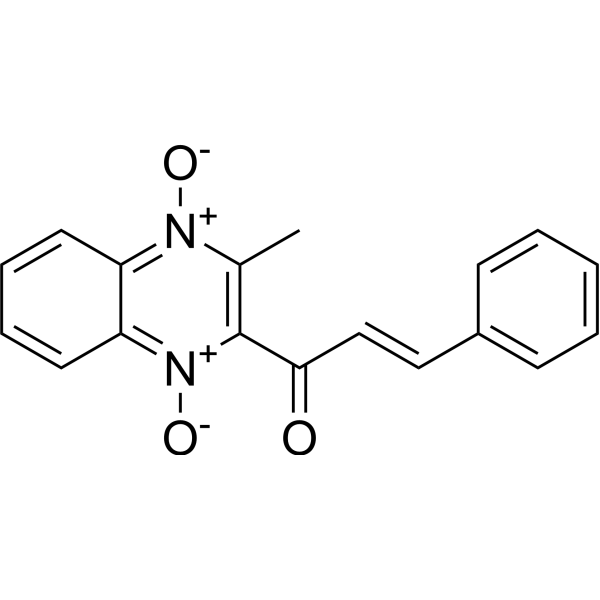 0 ImagesQuinocetone is an orally active animal feed additive used to increase the meat production of livestock and poultry. Quinocetone exhibits antibacterial activity against a variety of pathogenic microorganisms. Quinocetone exhibits tissue-specific (liver, lymphocyte) toxicity. Quinocetone induces autophagy in cells through the ATF6/DAPK1 pathway. Quinocetone activates the NF-κB and iNOS pathways, leading to cell apoptosis, hepatocyte vacuolar degeneration and fibrosis. Quinocetone can inhibit Nrf2/HO-1 and induce the generation of reactive oxygen species (ROS), leading to oxidative stress and DNA damage.
-
6-Thioinosine
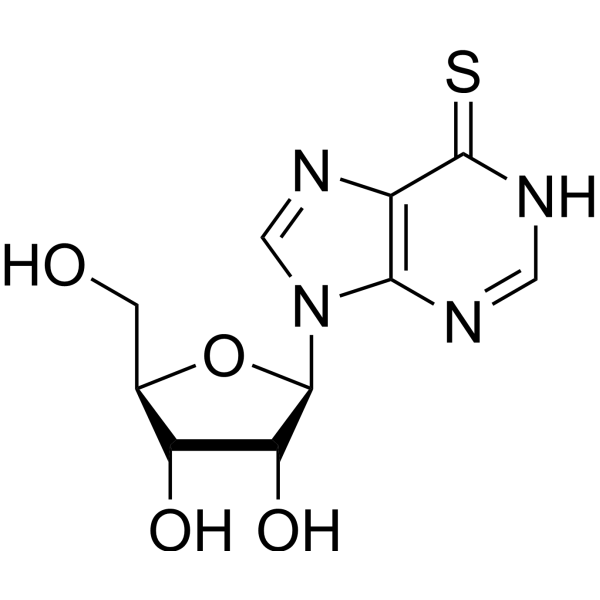 0 Images6-Thioinosine (6TI) is a purine antimetabolite and an anti-adipogenic agent. 6-Thioinosine reduces the mRNA levels of PPARγ and C/EBPα and downregulates the mRNA levels of PPARγ target genes (LPL, CD36, aP2, and LXRα). 6-Thioinosine exerts its anti-adipogenic effects by downregulating PPARγ through JNK-dependent iNOS upregulation. 6-Thioinosine can be used to study adipocyte dysfunction.
-
Stictic acid
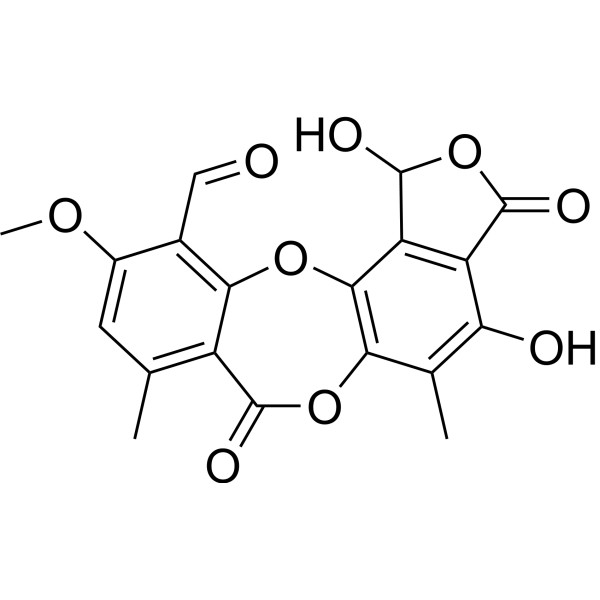 0 ImagesStictic acid is a Depsidone. Stictic acid is found in the edible lichens Lobaria pindarensis and Lobaria pulmonaria. Stictic acid inhibits LPS/Aβ42-induced mRNA expression of iNOS, IL-1β, TNF-α, and IL-6, and decreases LPS-induced COX-2 protein expression. Stictic acid inhibits Aβ42 fibril formation and aggregation. Stictic acid scavenges superoxide anions. Stictic acid exhibits anticancer activity against colon adenocarcinoma. Stictic acid is used in research on Alzheimer's disease and colon adenocarcinoma.
-
nNOS-IN-1
 0 ImagesnNOS-IN-1(Compound 14) is an inhibitor for nitric oxide synthases (NOS), that exhibits inhibitory activities against neuroal, inducible and endothelial NOS, with IC50s of 2.5, 5.7 and 13 μM, respectively.
-
ARN14494
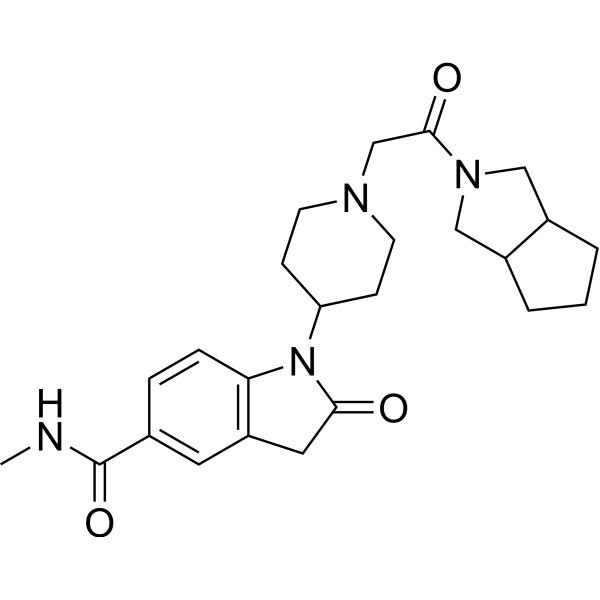 0 ImagesARN14494 is a potent and selective serine palmitoyltransferase (SPT) inhibitor, with an IC50 of 27.3 nM. ARN14494 affects the CNS in terms of anti-inflammation and neuroprotection. ARN14494 protects neurons from β-amyloid 1-42-induced neurotoxicity through a variety of mechanisms, including anti-oxidation, anti-apoptosis, and anti-inflammation. ARN14494 can be used for Alzheimer’s disease research.
-
2-Iminobiotin hydrobromide
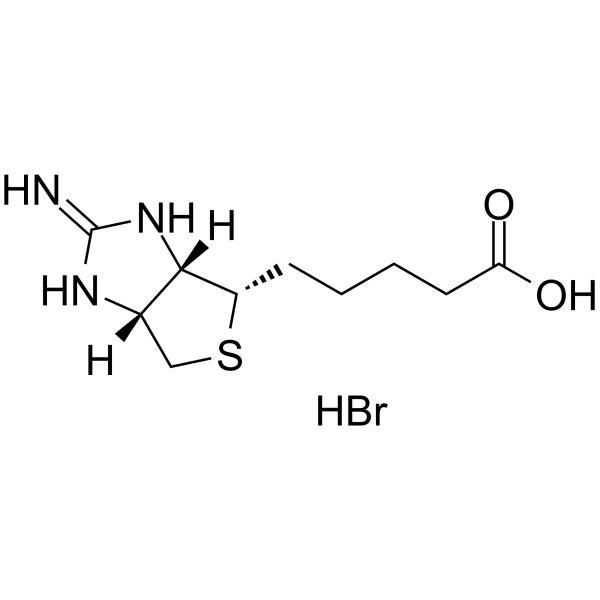 0 ImagesSynonyms: Guanidinobiotin hydrobromide2-Iminobiotin hydrobromide (Guanidinobiotin hydrobromide) is a biotin (vitamin H or B7) analog. 2-Iminobiotin hydrobromide is a reversible nitric oxide synthases inhibitor with Kis of 21.8 and 37.5 μM for murine iNOS and rat n-cNOS, respectively. 2-Iminobiotin hydrobromide superimposes on hypothermia protects human neuronal cells from hypoxia-induced cell damage.
-
Madecassic acid (Standard)
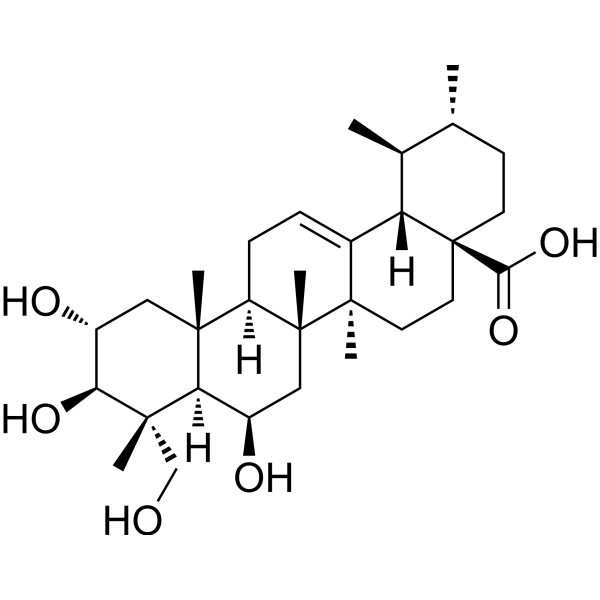 0 ImagesMadecassic acid (Standard) is the analytical standard of Madecassic acid. This product is intended for research and analytical applications. Madecassic acid is isolated from Centella asiatica (Umbelliferae). Madecassic acid has anti-inflammatory properties caused by iNOS, COX-2, TNF-alpha, IL-1beta, and IL-6 inhibition via the downregulation of NF-κB activation in RAW 264.7 macrophage cells.
-
Alisol F
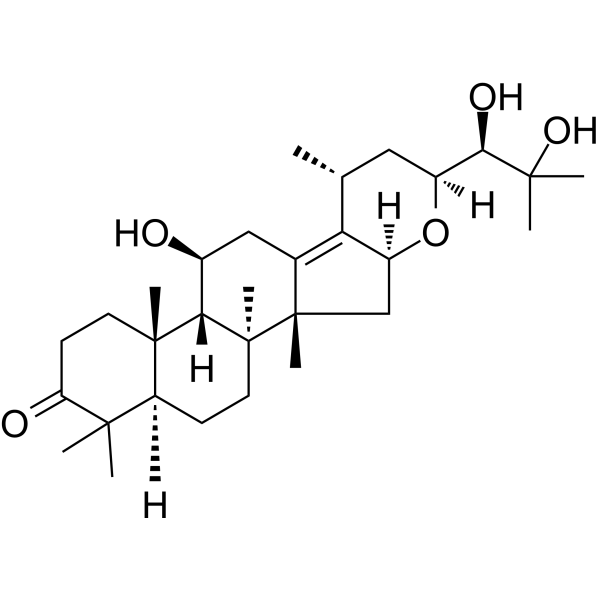 0 ImagesAlisol F is a protostane-type triterpenoid with anti-inflammatory and anti-hepatitis B virus activities. Alisol F inhibits LPS (HY-D1056)-induced phosphorylation of ERK, JNK, p38, STAT3 and NF-κB (p65), suppresses the production of NO, IL-6, TNF-α and IL-1β, and also downregulates the levels of iNOS and COX-2. Alisol F reduces the serum alanine aminotransferase and aspartate aminotransferase levels in mice with acute liver injury and ameliorates their liver pathological damage.
-
Leupeptin Ac-LL hydrochloride
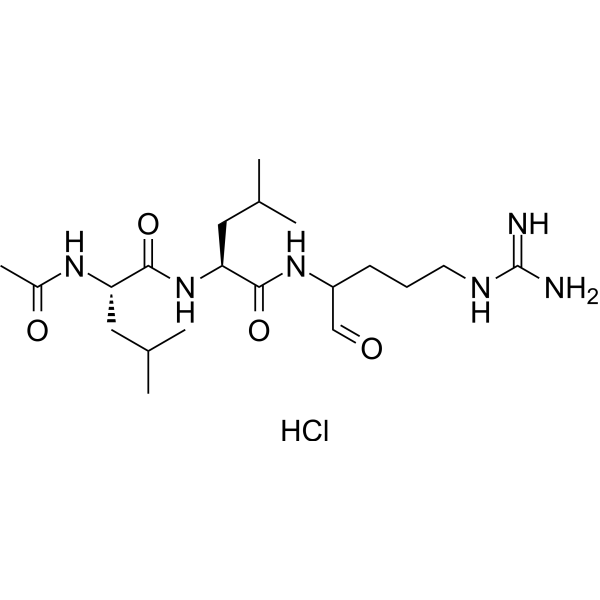 0 ImagesCat. No.: HY-18234CCAS No.: 24125-16-4Leupeptin Ac-LL hydrochloride is a broad-spectrum protease inhibitor. By inhibiting the activation of the PTEN/PI3K/Akt/NF-κB/ERK1/2/p38 signaling pathway, Leupeptin Ac-LL hydrochloride significantly reduces LPS-induced NO and ROS production, mitochondrial membrane potential hyperpolarization, phagocytic activity, pro-inflammatory cytokine release, and M1 polarization in mouse peritoneal macrophages, and reverses autophagic flux impairment. It also decreases Concanavalin A (HY-P2149)-induced proliferation index of mouse splenic lymphocytes and the Th1/IL-10 and Th2/IL-10 cytokine ratios, thereby modulating innate and adaptive immune responses. Leupeptin Ac-LL hydrochloride inhibits blood coagulation and tumorigenesis in mouse skin. Leupeptin Ac-LL hydrochloride can be used in research on chronic inflammatory diseases and skin tumorigenesis.
-
Brazilein
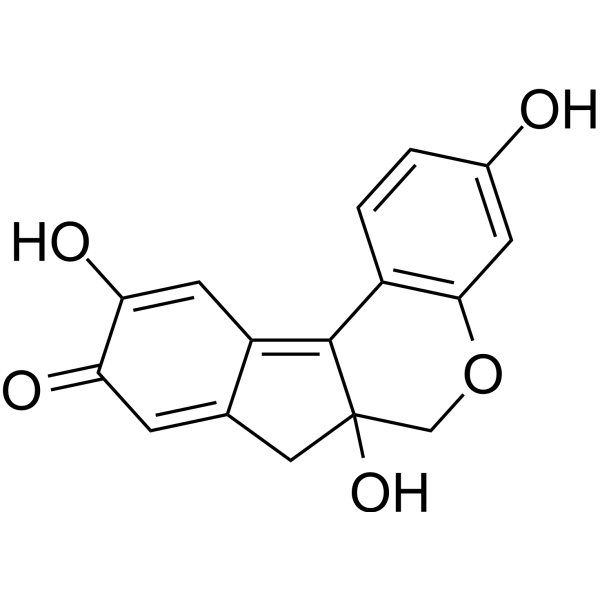 0 ImagesBrazilein is a compound with anti-inflammatory and neuroprotective activities, with an IC50 of 500 μM against guinea pig Na+,K+-ATPase. Brazilein reduces iNOS mRNA expression, thereby inhibiting nitric oxide production in immune cells. Brazilein suppresses inflammatory responses by reducing the mRNA expression of TNF-α and IL-6, but has no effect on IL-1β expression. Brazilein reduces the cerebral infarction volume and improves the neurological function scores of rats with cerebral ischemia-reperfusion injury. Brazilein induces apoptosis of splenic lymphocytes in mice. Brazilein inhibits humoral immune responses in mice, and causes thymus and spleen atrophy as well as body weight loss in mice. Brazilein also possesses antimalarial and antibacterial activities. Brazilein is also a red dye. Brazilein can be used in studies related to the infection, nervous system, cardiovascular system and inflammatory diseases.
-
Luteolin 5-O-glucoside
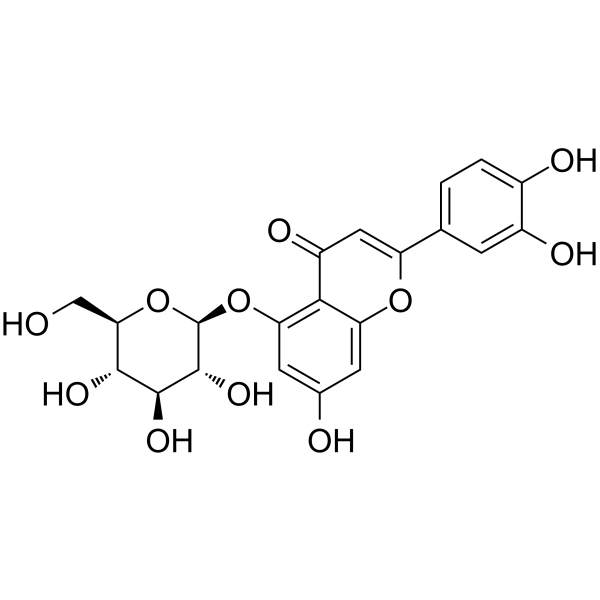 0 ImagesCat. No.: HY-N2008CAS No.: 20344-46-1Luteolin 5-O-glucoside, a major flavonoidfrom Cirsium maackii, possesses anti-inflammatory activity. Luteolin 5-O-glucoside inhibits LPS-induced NO production and t-BHP-induced ROS generation. Luteolin 5-O-glucoside suppresses the expression of iNOS and COX-2 in macrophages.
-
trans-Isoferulic acid
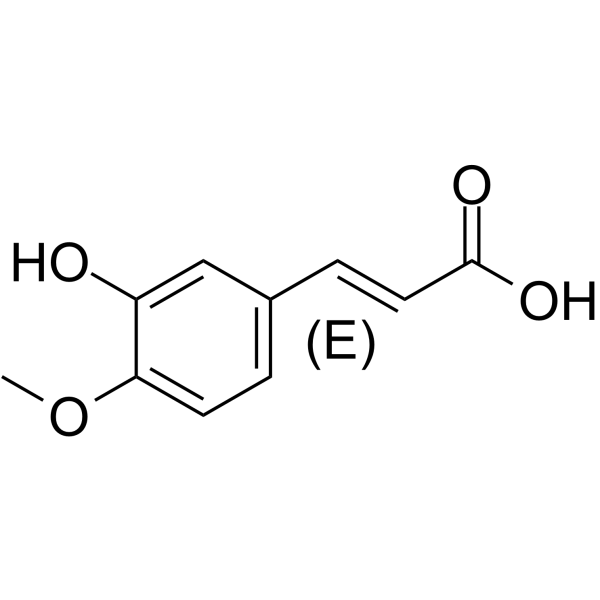 0 ImagesSynonyms: trans-3-Hydroxy-4-methoxycinnamic acidtrans-Isoferulic acid (trans-3-Hydroxy-4-methoxycinnamic acid) is an aromatic acid that exhibits anti-inflammatory activity. trans-Isoferulic acid dephosphorylates PI3K/Akt, suppresses LPS (HY-D1056)-induced NF-κB activation, enhances Nrf2 activity, downregulates iNOS and COX-2 expression, induces HO-1 expression, inhibits NO and PGE2 production, and scavenges hydroperoxyl radical. trans-Isoferulic acid can be used for research of inflammatiory diseases.
-
(9S,13R)-12-Oxo phytodienoic acid
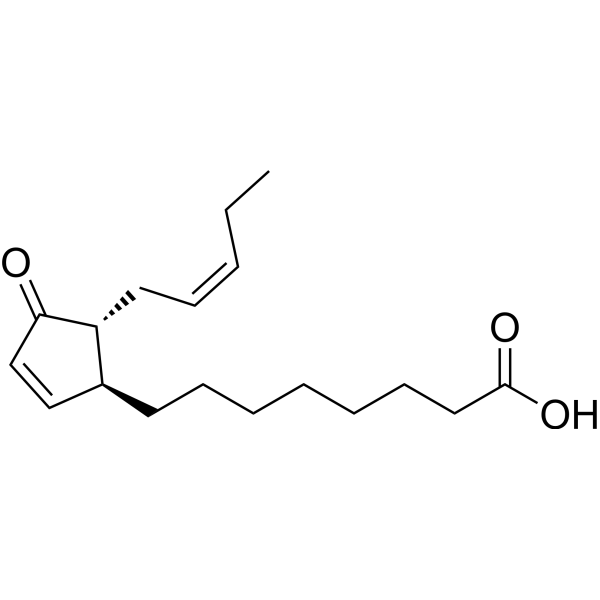 0 ImagesSynonyms: (9S,13R)-12-OPDA(9S,13R)-12-Oxo phytodienoic acid ((9S,13R)-12-OPDA) is a mPGES-1 inhibitor and Nrf2 activator. (9S,13R)-12-Oxo phytodienoic acid selectively inhibits mPGES-1 expression and reduces inducible PGE2 production without affecting COX-1 or COX-2. (9S,13R)-12-Oxo phytodienoic acid inhibits the phosphorylation of IKKβ, IκBα, and NF-κB (p65), blocks the nuclear translocation of p65, increases the nuclear translocation of Nrf2, and upregulates HO-1 expression. (9S,13R)-12-Oxo phytodienoic acid inhibits the differentiation of M0 macrophages toward the M1 phenotype and promotes differentiation toward the M2 phenotype. (9S,13R)-12-Oxo phytodienoic acid decreases the levels of NO, PGE2, IL-1β, IL-6, iNOS, and PGD2. (9S,13R)-12-Oxo phytodienoic acid can be used for inflammation research.
-
Hordenine hydrochloride
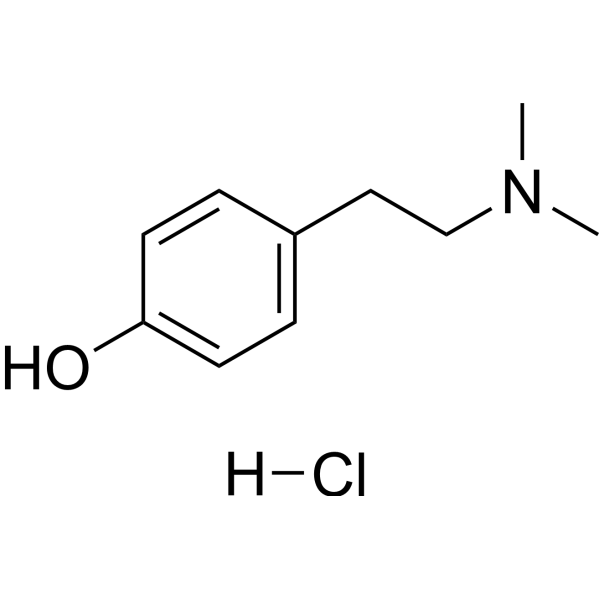 0 ImagesSynonyms: Ordenina hydrochloride; Peyocactine hydrochlorideHordenine hydrochloride (Ordenina hydrochloride; Peyocactine hydrochloride) is a multifunctional alkaloid with oral activity and blood-brain barrier penetration. Hordenine hydrochloride inhibits LPS-induced phosphorylation of p38, JNK, ERK1/2, p65, IκB, and AKT, prevents p65 nuclear translocation, and suppresses inflammatory cytokines and mediators. Hordenine hydrochloride promotes M2 macrophage polarization, restores blood-milk barrier integrity, alleviates oxidative stress by reducing ROS and MDA, and attenuates LPS-induced lung injury and pulmonary edema. Hordenine hydrochloride inhibits cAMP production, CREB phosphorylation, and MITF expression, thereby suppressing melanin synthesis in melanocytes and reconstructed epidermis. Hordenine hydrochloride activates the Wnt/β-catenin signaling pathway, promotes dermal papilla cell proliferation and hair shaft elongation, and accelerates hair regeneration. Hordenine hydrochloride activates DRD2, acts as a D3R partial agonist, α2A-AR full agonist, and 5-HT2A-R antagonist, and inhibits SERT and DAT. Hordenine hydrochloride inhibits α-synuclein accumulation and ameliorates motor deficits in Parkinson's disease models. Hordenine hydrochloride limits alcohol intake, reduces relapse drinking behavior, and modulates alcohol-induced conditioned place preference. Hordenine hydrochloride can be used for research on mastitis, skin pigmentation, acute lung injury, foodborne diseases, hair loss, Parkinson's disease, bacterial infections, and alcohol use disorder.
-
Shizukaol B
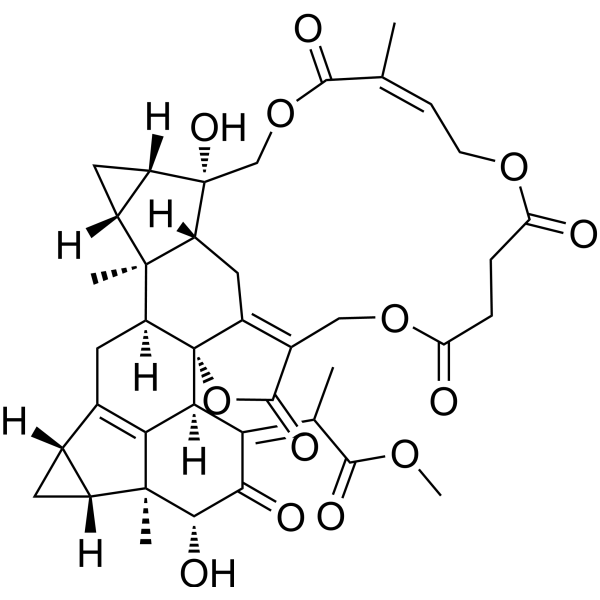 0 ImagesCat. No.: HY-N8371CAS No.: 142279-40-1Shizukaol B is a lindenane-type dimeric sesquiterpene, used to be isolated from the whole plant of Chloranthus henryi. Shizukaol B has anti-inflammatory effect against lipopolysaccharide (LPS)-induced activation of BV2 microglial cells. Shizukaol B inhibits iNOS and COX-2, and suppresses NO production, TNF-α, and IL-1β expression.



