



iNOS
iNOS is an inducible nitric oxide synthase that produces nitric oxide from L-arginine and acts as a key mediator of immune activation and inflammation[1]. Mechanistically, inflammatory cells such as macrophages produce nitric oxide mainly through iNOS during inflammatory processes, where nitric oxide functions as an innate immune effector molecule[2]. iNOS expression is regulated by inflammatory signaling pathways, including PKC, NF-κB, STAT3-NF-κB interaction, and PKCδ-IRF1 signaling, which connect cytokine or LPS stimulation to nitric oxide production[2][3][4]. In disease models, dysregulated iNOS has been linked to sepsis, cancer, neurodegeneration, pain, arthritis, inflammatory bowel disease, liver fibrosis, and neurological disease models[1][5][6][7]. Compared with nNOS and eNOS, iNOS differs by stimulus-responsive expression and high nitric oxide output, whereas nNOS mainly supports neuronal signaling and eNOS supports endothelial vascular regulation[8]. However, iNOS is not solely pathological, because traumatic brain injury models showed worse outcomes after iNOS inhibition or iNOS gene deletion[9]. For experimental applications, selective iNOS inhibitors remain useful tools for testing nitric oxide-dependent mechanisms, although no iNOS inhibitor is approved for human use[1].
References:
- [1]. Cinelli MA, et al. Inducible nitric oxide synthase: Regulation, structure, and inhibition. Med Res Rev. 2020 Jan;40(1):158-189. [Content Brief]
- [2]. Leppänen T, et al. Protein kinase C and its inhibitors in the regulation of inflammation: inducible nitric oxide synthase as an example. Basic Clin Pharmacol Toxicol. 2014 Jan;114(1):37-43. [Content Brief]
- [3]. Yu Z, et al. Signal transducers and activators of transcription 3 (STAT3) inhibits transcription of the inducible nitric oxide synthase gene by interacting with nuclear factor kappaB. Biochem J. 2002 Oct 1;367(Pt 1):97-105. [Content Brief]
- [4]. Leppänen T, et al. Down-regulation of protein kinase Cδ inhibits inducible nitric oxide synthase expression through IRF1. PLoS One. 2013;8(1):e52741. [Content Brief]
- [5]. Kolios G, et al. Nitric oxide in inflammatory bowel disease: a universal messenger in an unsolved puzzle. Immunology. 2004 Dec;113(4):427-37. [Content Brief]
- [6]. Cinar R, et al. Hybrid inhibitor of peripheral cannabinoid-1 receptors and inducible nitric oxide synthase mitigates liver fibrosis. JCI Insight. 2016;1(11):e87336. [Content Brief]
- [7]. Gage MC, et al. Inhibitors of Src Family Kinases, Inducible Nitric Oxide Synthase, and NADPH Oxidase as Potential CNS Drug Targets for Neurological Diseases. CNS Drugs. 2021 Jan;35(1):1-20. [Content Brief]
- [8]. Förstermann U, et al. Nitric oxide synthases: regulation and function. Eur Heart J. 2012 Apr;33(7):829-37, 837a-837d. [Content Brief]
- [9]. Sinz EH, et al. Inducible nitric oxide synthase is an endogenous neuroprotectant after traumatic brain injury in rats and mice. J Clin Invest. 1999 Sep;104(5):647-56. [Content Brief]
-
iNOS Related Products (206)
Related Products (206)

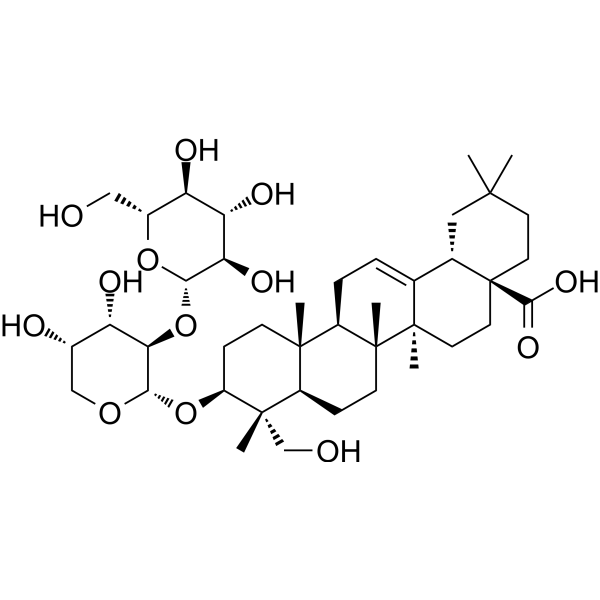
-
1,4-PBIT dihydrobromide
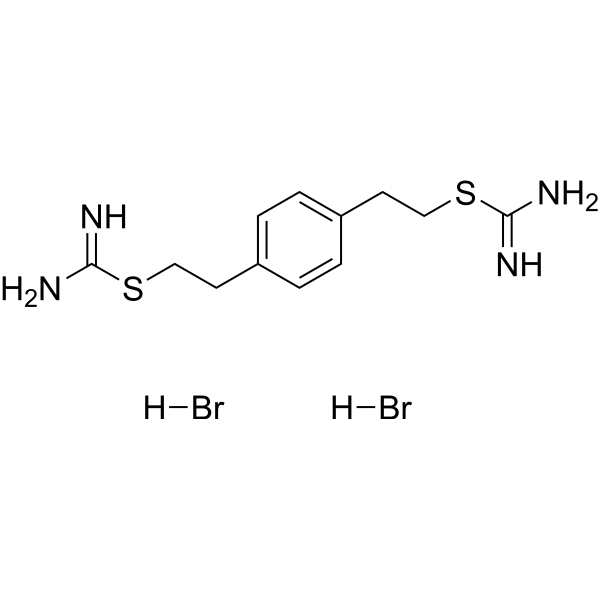 0 ImagesSynonyms: 1,4-PB-ITU dihydrobromide
-
Anemonin
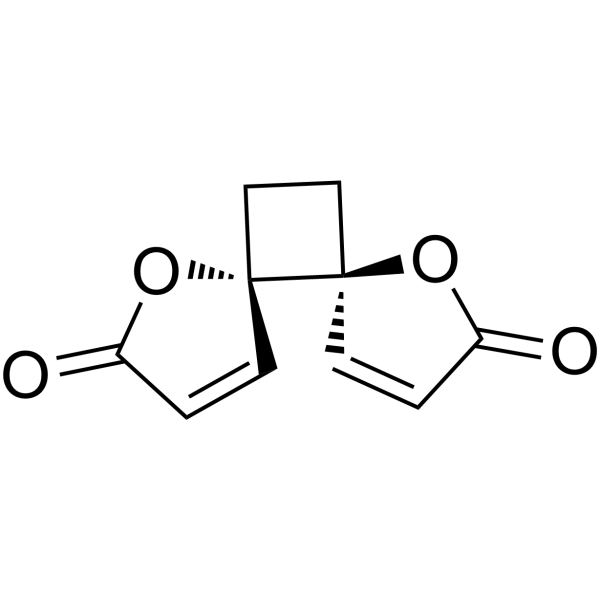 0 ImagesSynonyms: Pulsatilla camphor; Anemonine; trans-AnemoninAnemonin (Pulsatilla camphor; Anemonine; trans-Anemonin) is a naturally occurring bislactone small molecule derived from Ranunculaceae with blood-brain barrier permeability, possessing a variety of activities including anti-inflammatory, antioxidant, neuroprotective, melanogenesis-inhibiting, and antiparasitic effects. Anemonin inhibits iNOS to reduce NO release; it inhibits PKC-θ protein expression and downregulates the pro-inflammatory factors TNF-α, IL-1β, and IL-6; it enhances the activities of the antioxidant enzymes SOD, CAT, and GSH-Px, and reduces MDA and ROS levels. Anemonin modulates the Bcl-2 / Bax / caspase-3 pathway to inhibit apoptosis; it downregulates melanogenesis-related molecules including MITF, TYR, TRP1, and TRP2, thereby inhibiting melanin synthesis in human melanocytes. Anemonin inhibits Leishmania and Schistosoma mansoni. Anemonin is used in research related to diseases such as hyperpigmentation, cerebral ischemia/reperfusion injury, inflammation, sepsis-induced acute lung injury, acute ulcerative colitis, leishmaniasis, and schistosomiasis.
-
Benzanthrone
 0 ImagesBenzanthrone is an immunotoxic, pro-inflammatory Photosensitizer. Benzanthrone upregulates iNOS, COX-2 and inflammatory cytokines; activates ERK1/2, p38, JNK, AP-1 and NF-κB; inhibits Nrf2; and induces oxidative stress and DNA damage. Upon radiation exposure, Benzanthrone generates singlet oxygen and superoxide anion radicals, induces photohemolysis and lipid peroxidation, and alters the levels of skin xenobiotic enzymes. Benzanthrone exhibits differential genotoxicity in different cell lines. Benzanthrone possesses skin tumor-initiating and promoting activities. Benzanthrone can be used in skin tumor-related studies.
-
Banoxantrone
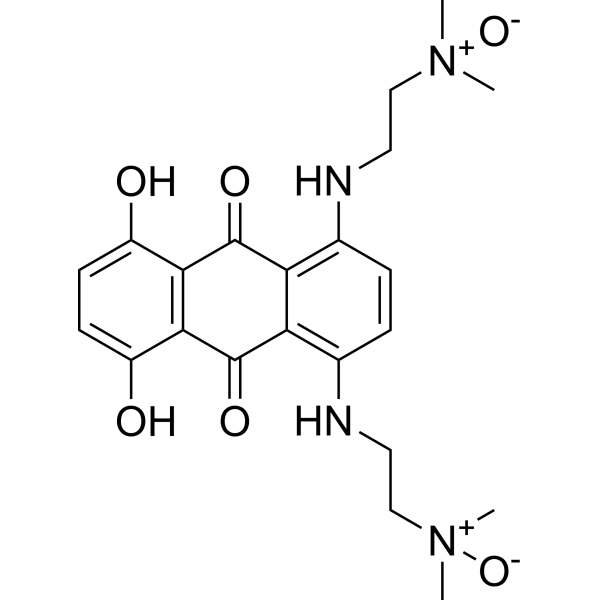 0 ImagesCat. No.: HY-13562CAS No.: 136470-65-0Synonyms: AQ4NBanoxantrone (AQ4N), as a prototype hypoxia selective cytotoxin, can be reduced to AQ4, a potent topoisomerase II inhibitor. Banoxantrone selectively kills hypoxic cells via an iNOS-dependent mechanism. Banoxantrone shows a potent cytotoxicity and hypoxia-selective effect enhanced by radiation.
-
Curvularin
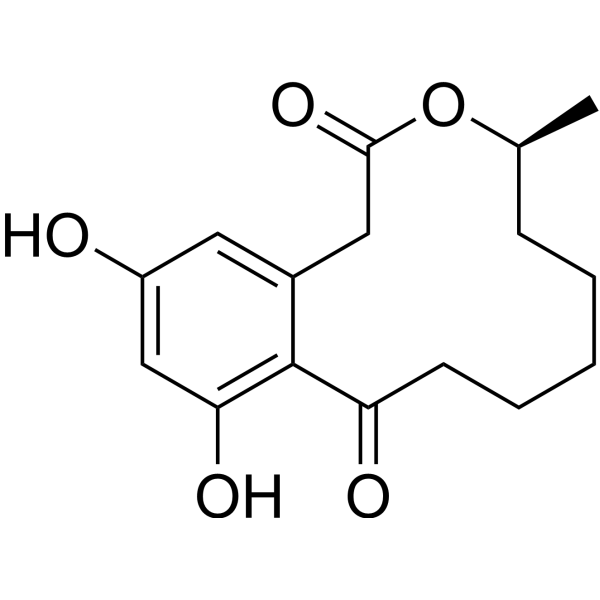 0 ImagesSynonyms: (S)-Curvularin
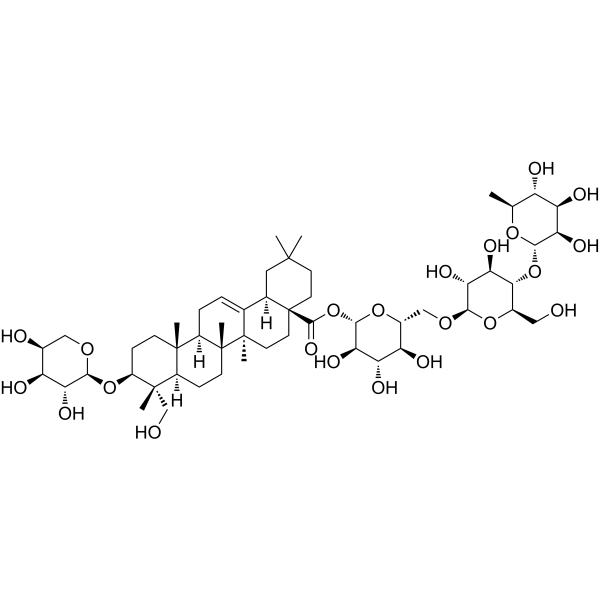
-
Aureusidin
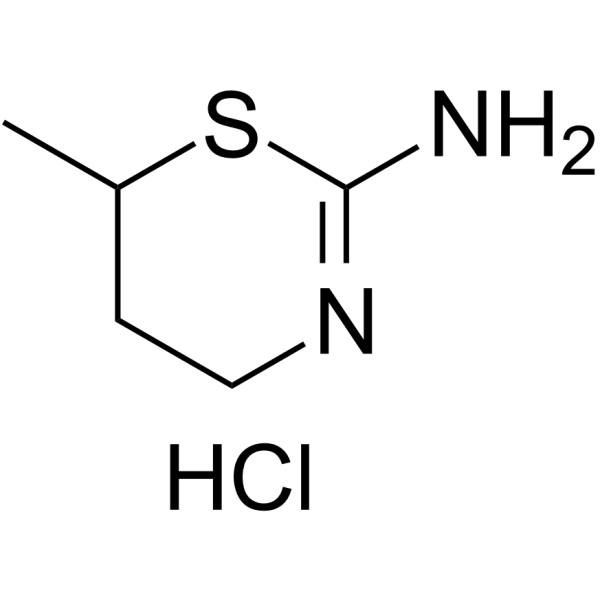
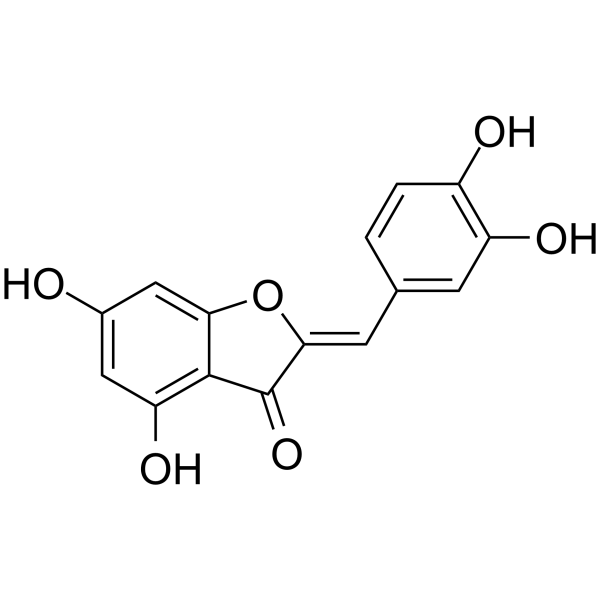 0 ImagesCat. No.: HY-N9834CAS No.: 38216-54-5Aureusidin is a flavonoid compound that is isolated and extracted from Antirrhinum majus and exhibits oral activity. Aureusidin possesses antioxidant, neuroprotective, and anti-inflammatory properties. Aureusidin directly targets and binds MD2 and Caspase-3 with high affinity, synergistically inhibits the TLR4/NF-κB inflammatory pathway and GSDME-mediated pyroptosis, and activates the Nrf2/HO-1 antioxidant axis via the ROS/MAPKs pathway. Aureusidin is a bovine liver arginase inhibitor with an IC50 of 57.1 µM. Aureusidin is used for research on inflammation-related diseases (osteoarthritis), acute liver injury, and endothelial dysfunction.
-
Anemarsaponin B
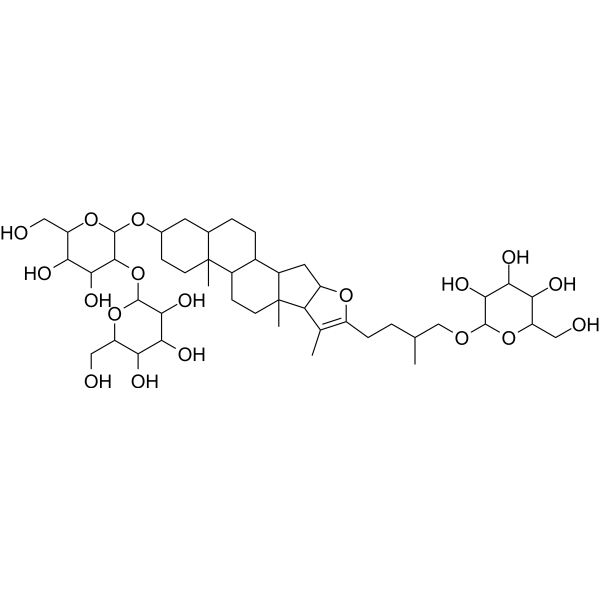 0 ImagesAnemarsaponin B is a steroidal saponin. Anemarsaponin B decreases the protein and mRNA levels of iNOS and COX-2. Anemarsaponin B reduces the expressions and productions of pro-inflammatory cytokines, including TNF-a and IL-6. Anemarsaponin B inhibits the nuclear translocation of the p65 subunit of NF-κB by blocking the phosphorylation of IκBα. Anemarsaponin B also inhibits the phosphorylation of MAP kinase kinases 3/6 (MKK3/6) and mixed lineage kinase 3 (MLK3). Anti-inflammatory effect .
-
Bacoside A
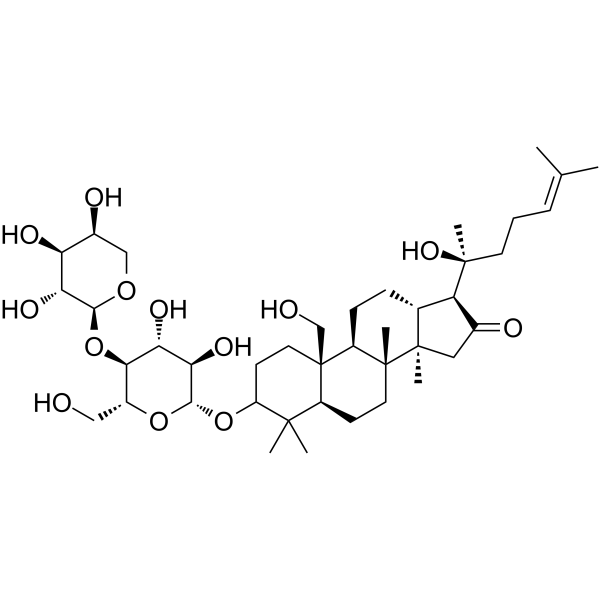 0 ImagesCat. No.: HY-N1989CAS No.: 11028-00-5Bacoside A is an orally active, blood-brain barrier-permeable triterpenoid saponin that modulates the activities of ATPases, AChE, CaMK2A and iNOS. Derived from Bacopa monniera. Bacoside A exerts significant antioxidant, anti-inflammatory and anti-apoptotic effects by maintaining ion balance, scavenging reactive oxygen species, stabilizing cell membranes, and regulating the expression of NF-κB and apoptosis-related proteins. Bacoside A counteracts morphine-induced reductions in Na+/K+-ATPase, Ca2+-ATPase and Mg2+-ATPase activities, increases mitochondrial membrane potential, and decreases intracellular reactive oxygen species levels. Bacoside A specifically binds to calcium/calmodulin-dependent protein kinase IIA to trigger endoplasmic reticulum calcium release. Bacoside A exhibits non-apoptotic cytotoxicity against glioblastoma cells while protecting normal nerve cells from stress-induced damage. Bacoside A is applicable to the research of Parkinson's disease and glioblastoma multiforme.
-
Guluronic acid
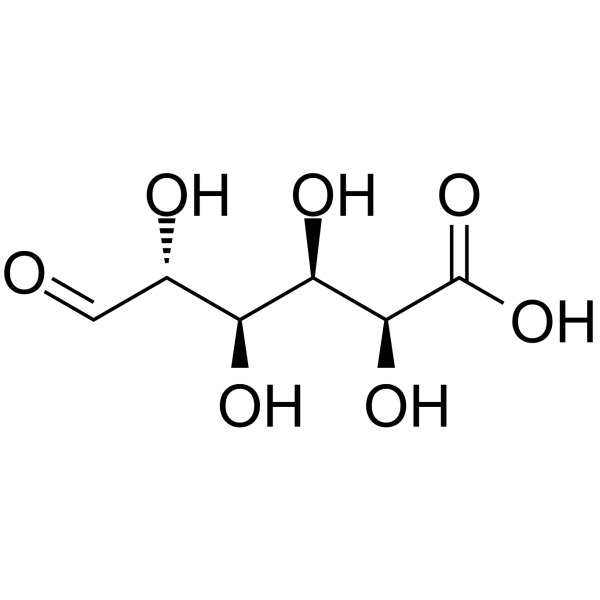 0 ImagesCat. No.: HY-N7700CAS No.: 15769-56-9Synonyms: G2013Guluronic acid (G2013) is an orally active oxidative stress regulator and anti-inflammatory agent that exerts pharmacological effects by down-regulating various pro-inflammatory and oxidative stress-related genes (such as TLR4, NF-κB, iNOS, etc.) and inhibiting the activities of COX-2, MMPs and VEGF. Low-dose Guluronic acid up-regulates the expression of immunoregulatory genes SHIP1 and SOCS1, thereby effectively inhibiting cancer-related inflammation, tumor angiogenesis, cell adhesion and metastasis, while reducing the accumulation of immunosuppressive cells. Guluronic acid significantly prolongs the survival time of tumor-bearing hosts within a concentration range without direct cytotoxicity, demonstrating favorable safety. Guluronic acid has involved in the research of multiple sclerosis, ankylosing spondylitis, breast cancer and other inflammatory diseases.
-
Methotrexate-d3 diammonium
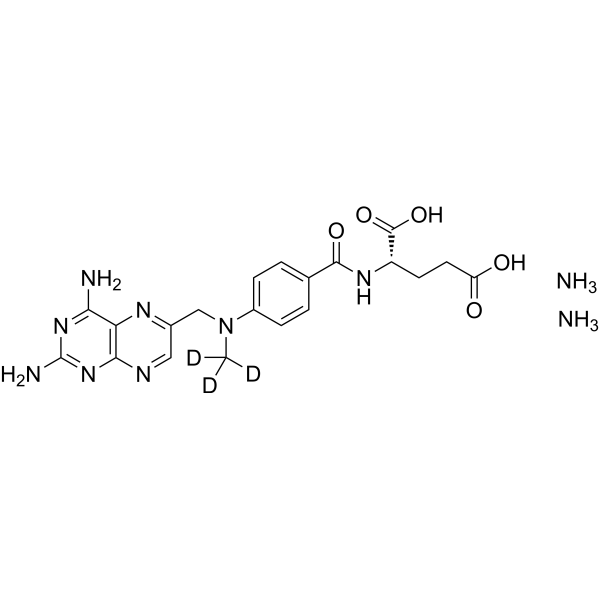 0 ImagesCat. No.: HY-14519S1Purity: 99.69%Methotrexate-d3 diammonium is the deuterated-labeled Methotrexate (HY-14519). Methotrexate (Amethopterin; CL14377; WR19039) is an orally active antifolate (Antifolate). Methotrexate inhibits dihydrofolate reductase (DHFR), blocks tetrahydrofolate production, suppresses purine/pyrimidine synthesis and transmethylation, and causes intracellular accumulation of AICAR. Methotrexate promotes extracellular adenosine release, regulates the cytokine network, and inhibits the alarmin function of HMGB1. Methotrexate induces apoptosis and cytotoxicity, upregulates the expression of iNOS and COX-2, suppresses hippocampal neurogenesis, and induces pulmonary fibrosis. Methotrexate is used in the research of various immune and inflammation-related diseases such as arthritis, psoriasis, systemic lupus erythematosus, as well as pulmonary fibrosis and breast cancer.
-
Leonuriside A
 0 ImagesLeonuriside A is a phenolic compound that can be isolated from Leonurus japonicus. Leonuriside A exhibits anti-inflammatory activity, which inhibits the iNOS-related inflammatory pathway in LPS (HY-D1056)-stimulated macrophages, thereby suppressing the production of nitric oxide (NO) with an IC50 of 15.6 μM. Leonuriside A can be used in studies of anti-inflammatory natural products and the molecular mechanisms of inflammation.
-
AE-ITU dihydrobromide
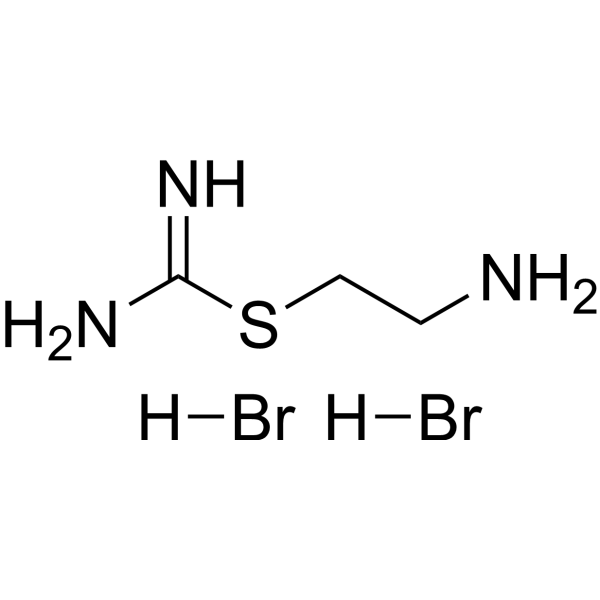 0 ImagesAE-ITU dihydrobromide is the dihydrobromide form of AE-ITU. AE-ITU dihydrobromide is a selective inhibitor for inducible NO synthase (iNOS), and attenuates the liver dysfunction caused by endotoxaemia in rats.
-
HGR4113
 0 ImagesCat. No.: HY-187690CAS No.: 2170918-46-2HGR4113 is an orally active anti-inflammatory/antioxidant agent with improved glucose metabolism. HGR4113 inhibits STAT3 phosphorylation, suppresses Th17 differentiation and IL-17 production, reduces oxidative phosphorylation activity, and promotes the differentiation of regulatory T cells among splenic CD4+ T cells. HGR4113 inhibits LPS (HY-D1056)-induced JNK phosphorylation, production of NO, PGE2 and pro-inflammatory cytokines, expression of iNOS and COX-2, as well as nuclear translocation of NF-κB in macrophages, while induces HO-1 expression by activating nuclear translocation of Nrf2. HGR4113 can be used in the research of inflammatory diseases such as type 2 diabetes and Sjögren's syndrome.
-
L-NIL dihydrochloride
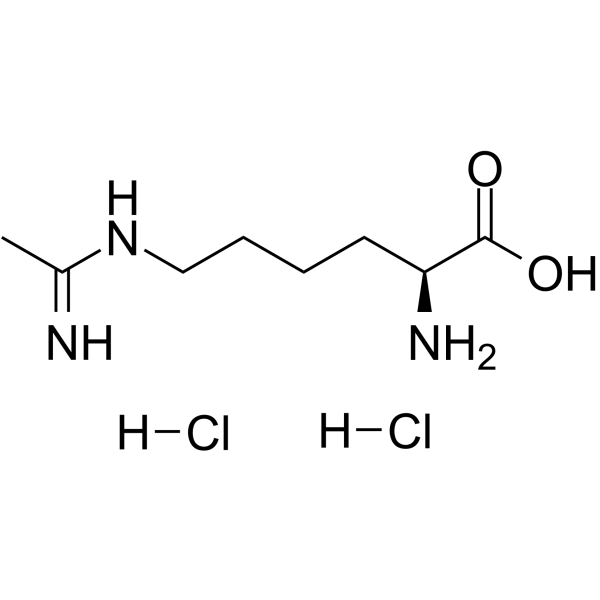 0 ImagesCat. No.: HY-12118CAS No.: 159190-45-1L-NIL dihydrochloride is an inducible NO synthase inhibitor, with an IC50 of 3.3 μM for miNOS.
-
Methotrexate monohydrate
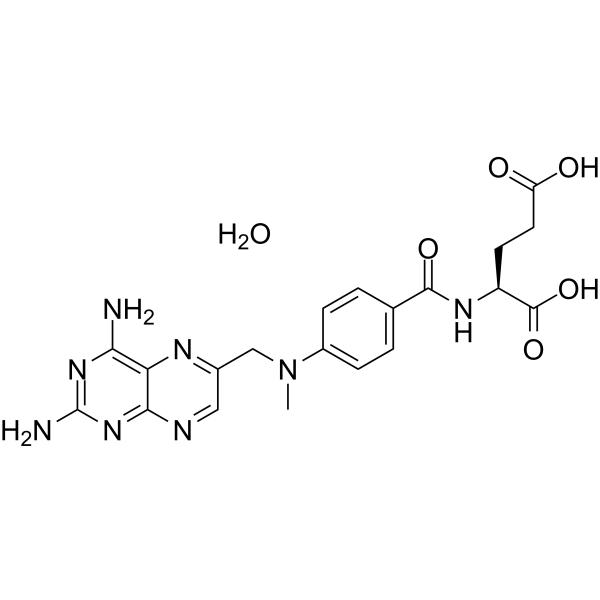 0 ImagesSynonyms: Amethopterin monohydrate; CL14377 monohydrate; WR19039 monohydrateMethotrexate monohydrate (Amethopterin monohydrate; CL14377 monohydrate; WR19039 monohydrate) is an orally active antifolate (Antifolate). Methotrexate monohydrate inhibits dihydrofolate reductase (DHFR), blocks tetrahydrofolate production, suppresses purine/pyrimidine synthesis and transmethylation, and causes intracellular accumulation of AICAR. Methotrexate monohydrate promotes extracellular adenosine release, regulates the cytokine network, and inhibits the alarmin function of HMGB1. Methotrexate monohydrate induces apoptosis and cytotoxicity, upregulates the expression of iNOS and COX-2, suppresses hippocampal neurogenesis, and induces pulmonary fibrosis. Methotrexate monohydrate is used in the research of various immune and inflammation-related diseases such as arthritis, psoriasis, systemic lupus erythematosus, as well as pulmonary fibrosis and breast cancer.
-
Leupeptin
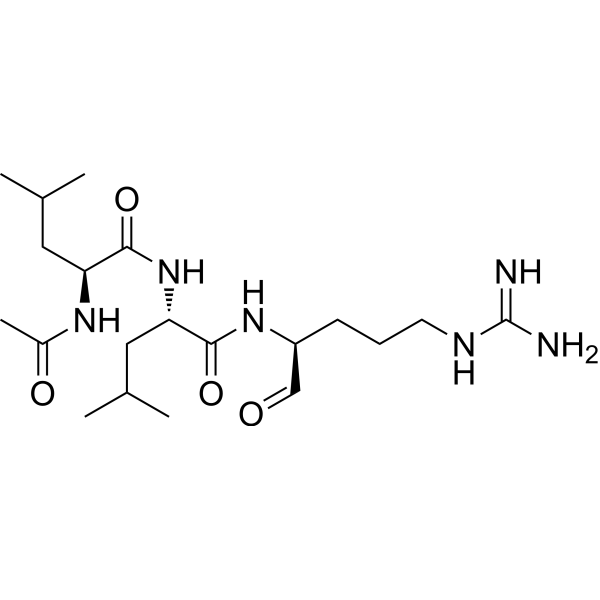 0 ImagesCat. No.: HY-18234CAS No.: 55123-66-5Leupeptin is a broad-spectrum protease inhibitor. By inhibiting the activation of the PTEN/PI3K/Akt/NF-κB/ERK1/2/p38 signaling pathway, Leupeptin significantly reduces LPS-induced NO and ROS production, mitochondrial membrane potential hyperpolarization, phagocytic activity, pro-inflammatory cytokine release, and M1 polarization in mouse peritoneal macrophages, and reverses autophagic flux impairment. It also decreases Concanavalin A (HY-P2149)-induced proliferation index of mouse splenic lymphocytes and the Th1/IL-10 and Th2/IL-10 cytokine ratios, thereby modulating innate and adaptive immune responses. Leupeptin inhibits blood coagulation and tumorigenesis in mouse skin. Leupeptin can be used in research on chronic inflammatory diseases and skin tumorigenesis.



