



ULK1 Inhibitor
- 1
- 2
-
MRT68921
 0 Images
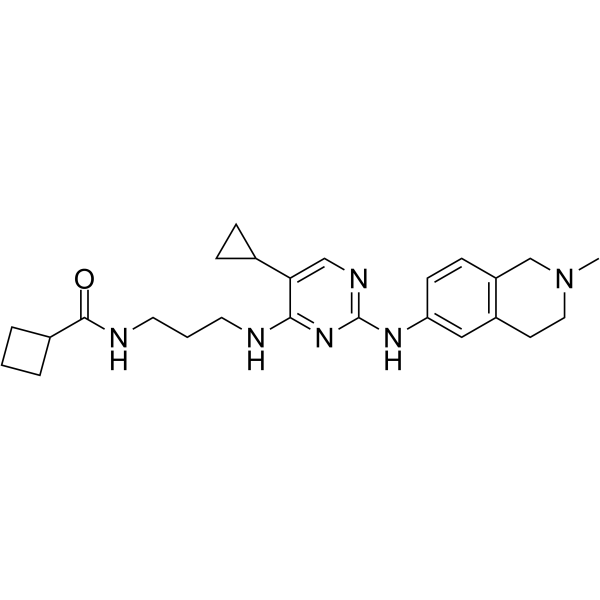
MRT68921 is a potent NUAK1/ULK1 dual inhibitor. MRT68921 inhibits ULK1 and ULK2 with IC50 values of 2.9 nM and 1.1 nM, respectively. MRT68921 can block cells autophagy and kill tumor cells by breaking the balance of oxidative stress signals. MRT68921 can inhibit cell proliferation and induce ROS production and apoptosis. MRT68921 can be used for the research of cancer, such as breast cancer.
-
DCC-3116
 0 Images
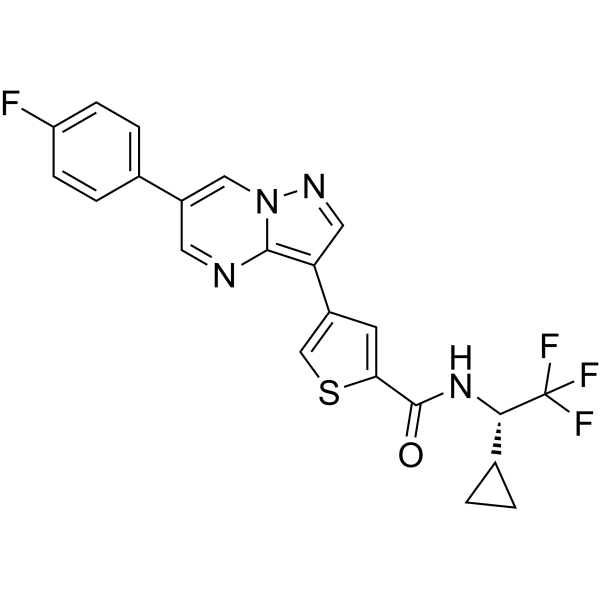
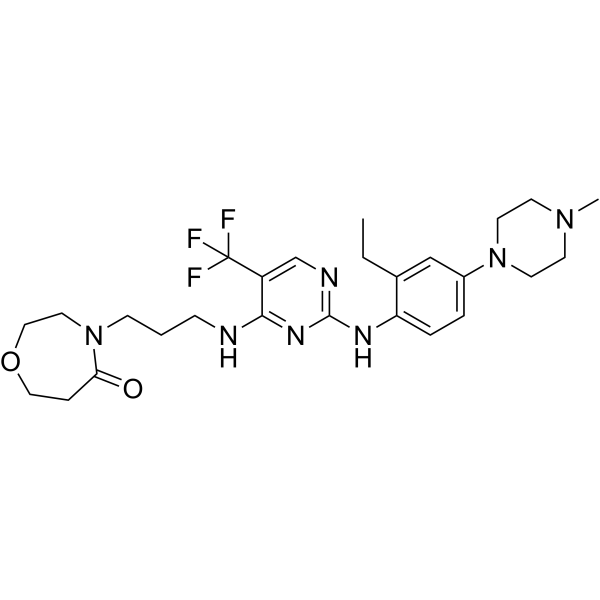
DCC-3116 is an orally active ULK1/2 inhibitor. DCC-3116 can inhibit autophagy in lung cancer cells by inhibiting KRASG12C signaling, thereby inhibiting the proliferation of lung cancer cells and exerting anti-cancer effects.
-
GW296115
 0 Images
GW296115 is a multi-target inhibitor with the following IC50 values against its targets: 8.4 nM for BRSK2, 21 nM for BRSK1, 1.8 μM for PDGFRβ, 5.5 nM for STK17B/DRAK2, 28 nM for DRAK1, 20 nM for PHKG1, and 89 nM for DCAMKL3. GW296115 downregulates the phosphorylation of S317 site on ULK1 and S351 site on P62, which are AMPK substrates driven by BRSK2. GW296115 does not alter the phosphorylation level of AMPK at T172, reduces nutrient deprivation-mediated Autophagy and autophagosome formation, and enhances Apoptosis. GW296115 exhibits anticancer activity against triple-negative breast cancer. GW296115 is applicable for breast cancer-related research.
-
MRT68921 dihydrochloride
 0 Images
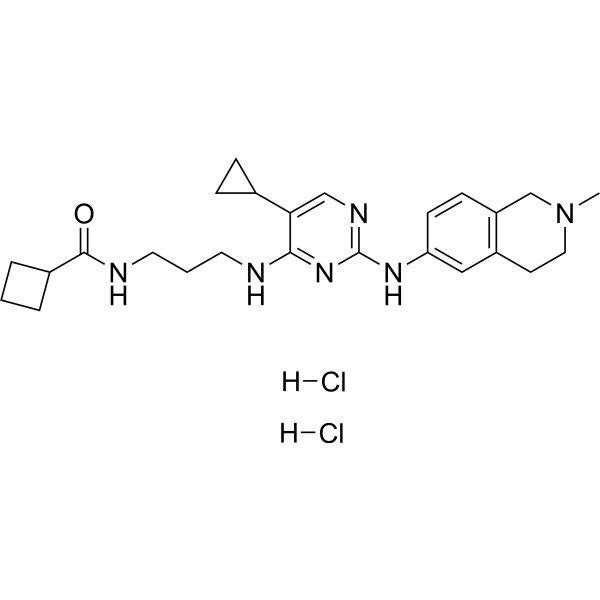
MRT68921 dihydrochloride is a potent NUAK1/ULK1 dual inhibitor. MRT68921 dihydrochloride inhibits ULK1 and ULK2 with IC50 values of 2.9 nM and 1.1 nM, respectively. MRT68921 dihydrochloride can block cells autophagy and kill tumor cells by breaking the balance of oxidative stress signals. MRT68921 dihydrochloride can inhibit cell proliferation and induce ROS production and apoptosis. MRT68921 dihydrochloride can be used for the research of cancer, such as breast cancer.
-
SBP-7455
 0 Images
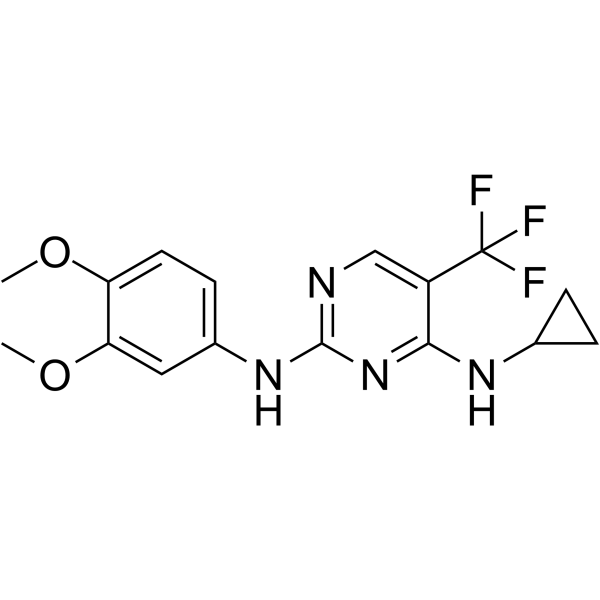
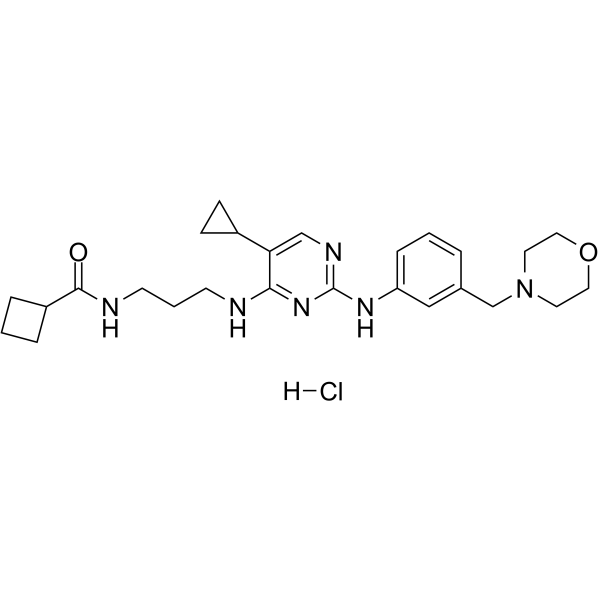
SBP-7455 is a potent, high affinity and orally active dual ULK1/ULK2 autophagy inhibitor with IC50s of 13 nM and 476 nM in the ADP-Glo assays, respectively. SBP-7455 potently inhibits ULK1/2 enzymatic activity and can be used for triple-negative breast cancer (TNBC) research.
-
SBP-1750
 0 Images
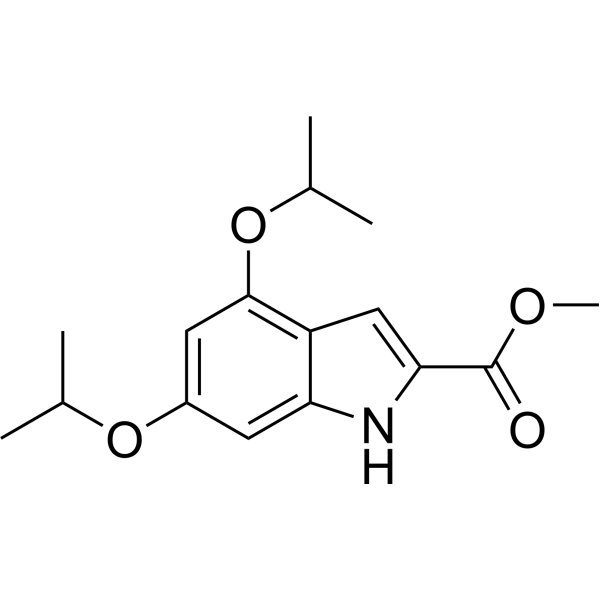
SBP-1750 is an orally active ULK inhibitor and an ATG13 degrader. SBP-1750 strongly inhibits ULK1/2 activity, with IC50 values of 8 and 50 nM, respectively. SBP-1750 induces ATG13 degradation, with an EC50 value of 114 nM. SBP-1750 can inhibit autophagy in cancer cells and induce cell death. SBP-1750 can be used in cancer research, such as for pancreatic cancer.
-
MR-2088
 0 Images
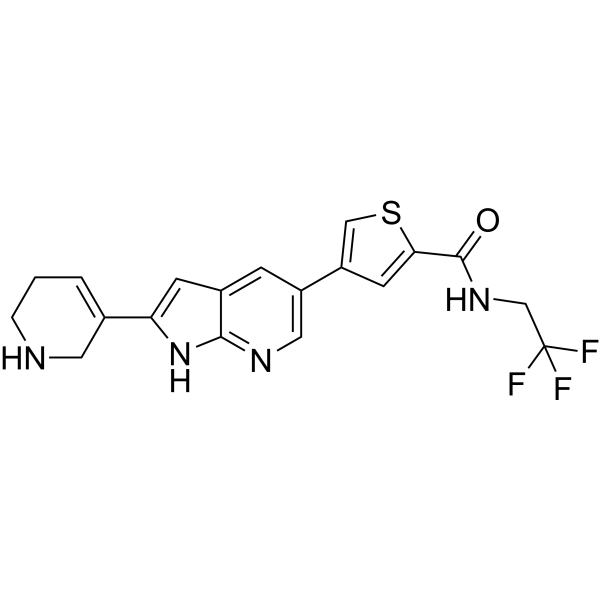
MR-2088 is a reversible, ATP-competitive, and selective ULK1/2 inhibitor with pEC50 values of 8.3 and 8.7 respectively. MR-2088 effectively inhibits autophagic flux and demonstrates a synergistic antiproliferative effect with Trametinib (HY-10999) (MEK inhibitor) in vitro. MR-2088 can be used for non-small lung cell cancer (NSCLC) research.
-
PARP7-IN-27
 0 ImagesCat. No.: HY-189217CAS No.: 3051563-45-9
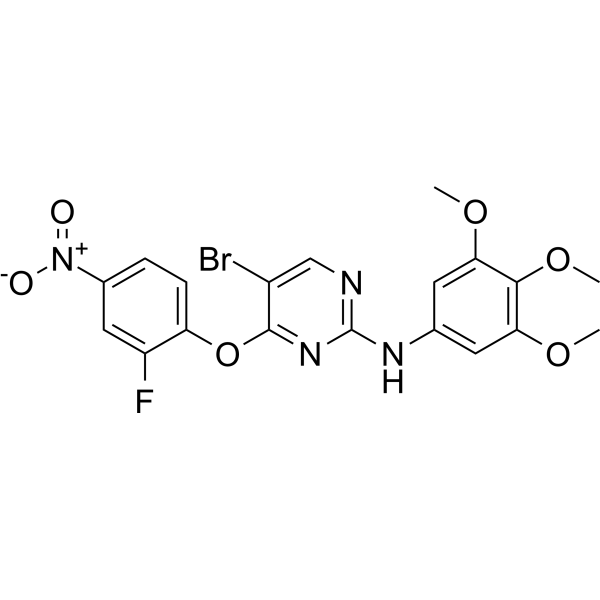
PARP7-IN-27 is a blood-brain barrier-permeable and selective PARP7 inhibitor with an IC50 of 22.8 nM. PARP7-IN-27 alleviates neuroinflammation and astrocyte activation, mitigates autophagy-related alterations, reduces the levels of ischemia-associated pro-inflammatory factors, and maintains the expression of synaptic markers. PARP7-IN-27 can be used in studies related to ischemic stroke.
-
VWK147
 0 ImagesCat. No.: HY-181062
VWK147 is a second-generation HSP90 C-terminal domain (CTD) inhibitor. VWK147 targets the CTD dimerization interface, prevents HSP90 CTD dimerization, disrupts co-chaperone PPID binding to HSP90 CTD, and inhibits HSP90 chaperone function dependent on dimerization. VWK147 reduces protein levels of HSP90 client proteins ULK1, RIPK1, and CDK4 without inducing a heat shock response. VWK147 induces cell death, including apoptosis, in Cisplatin (HY-17394)-sensitive and -resistant urothelial carcinoma cells. VWK147 induces LC3-II accumulation, inhibits autophagosome-lysosome fusion to block canonical autophagy, and induces non-canonical LC3 lipidation independent of ULK1 and PIK3C3 complexes. VWK147 can be used for the research of urothelial carcinoma.
-
DRAK2-IN-2
 0 ImagesCat. No.: HY-184326CAS No.: 3080324-43-9
DRAK2-IN-2 is a selective DRAK2 inhibitor with an IC50 value of 198.5 nM. DRAK2-IN-2 inhibits DRAK2-mediated phosphorylation of ULK1 at the Ser56 site. DRAK2-IN-2 enhances insulin secretion, increases mitochondrial membrane potential, alleviates Palmitic acid (HY-N0830)-induced mitochondrial membrane potential damage and Apoptosis, and improves glucose tolerance in vivo. DRAK2-IN-2 can be used for the research of type 2 diabetes.

-
MRT68921 hydrochloride
 0 ImagesCat. No.: HY-100006BCAS No.: 2070014-87-6
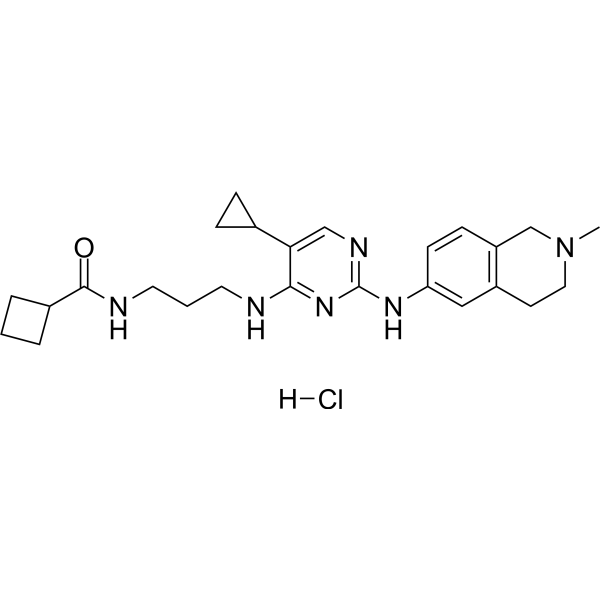
MRT68921 hydrochloride is a potent NUAK1/ULK1 dual inhibitor. MRT68921 hydrochloride inhibits ULK1 and ULK2 with IC50 values of 2.9 nM and 1.1 nM, respectively. MRT68921 hydrochloride can block cells autophagy and kill tumor cells by breaking the balance of oxidative stress signals. MRT68921 hydrochloride can inhibit cell proliferation and induce ROS production and apoptosis. MRT68921 hydrochloride can be used for the research of cancer, such as breast cancer.

-
ULK-100
 0 ImagesCat. No.: HY-125199CAS No.: 945377-65-1
ULK-100 is a potent ULK1/ULK2 inhibitor, with IC50 values of 1.6 nM and 2.6 nM against human ULK1 and ULK2, respectively. ULK-100 reduces ULK1-mediated phosphorylation of Beclin 1 at Ser15, inhibits autophagy by targeting the ULK1 pathway, and also suppresses autophagy in tumor cells. ULK-100 enhances the sensitivity of tumor cells to nutrient deprivation. ULK-100 can be used in research on autophagy initiation and cancer.
- 1
- 2



