



mTOR
Mammalian target of Rapamycin
mTOR (mammalian target of Rapamycin) is a protein that in humans is encoded by the mTOR gene. mTOR is a serine/threonine protein kinase that regulates cell growth, cell proliferation, cell motility, cell survival, protein synthesis, and transcription. mTOR belongs to the phosphatidylinositol 3-kinase-related kinase protein family. mTOR integrates the input from upstream pathways, including growth factors and amino acids. mTOR also senses cellular nutrient, oxygen, and energy levels. The mTOR pathway is dysregulated in human diseases, such as diabetes, obesity, depression, and certain cancers. Rapamycin inhibits mTOR by associating with its intracellular receptor FKBP12. The FKBP12-rapamycin complex binds directly to the FKBP12-Rapamycin Binding (FRB) domain of mTOR, inhibiting its activity.
mTOR Isoform Specific Products
All Product Categories
-
mTOR Inhibitors
(551)
View all products
-
mTOR Agonists
(8)
View all products
-
mTOR Antagonist
(1)
View all products
-
mTOR Activators
(78)
View all products
-
mTOR Modulators
(16)
View all products
-
mTOR p53 Inhibitor
(1)
View all products
-
mTOR Degraders
(2)
View all products
-
mTOR Control
(1)
View all products
-
mTOR Substrate
(1)
View all products
-
mTOR Ligands
(2)
View all products
-
mTOR Related Products (701)
Related Products (701)

-
Antibodies (14)
-
mTOR Signaling Pathway
-
mTOR Isoform Comparison
-
PI3K/mTOR Inhibitor-4
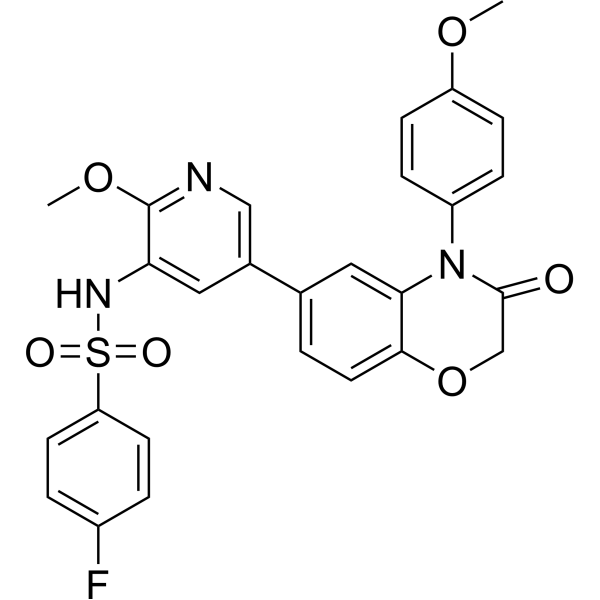 0 ImagesCat. No.: HY-128333CAS No.: 2361215-32-7
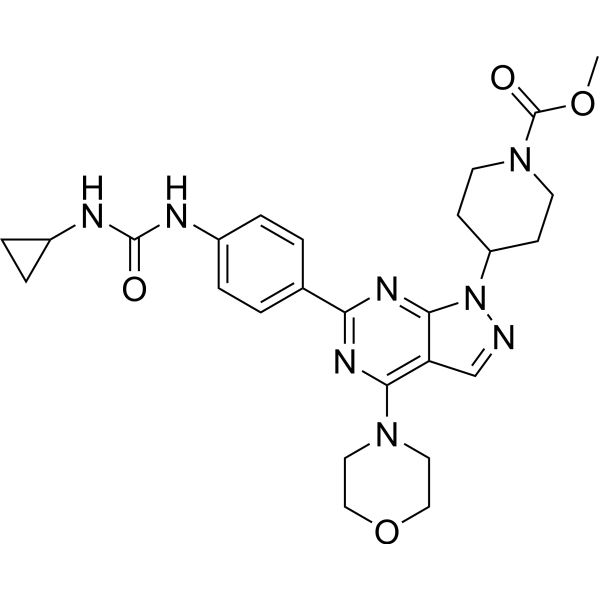
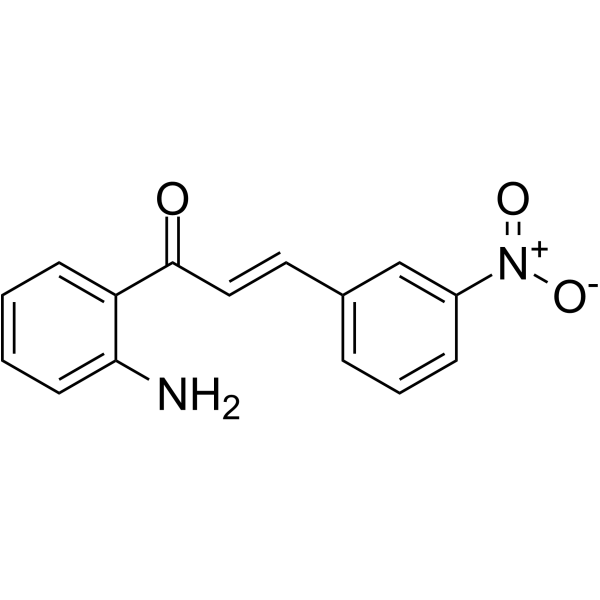
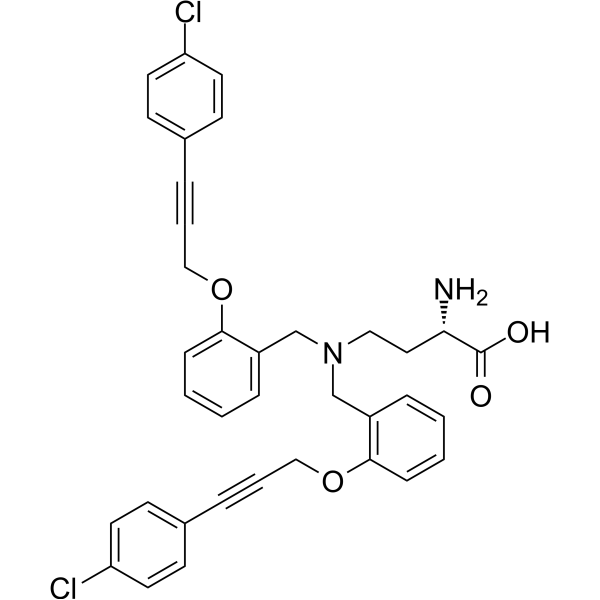
-
HBS-101
 0 ImagesCat. No.: HY-178164Purity: 99.59%HBS-101 is a selectively, orally active, brain-penetrant, Midkine (MDK) inhibitor (KD = 38.4 nM). HBS-101 significantly reduces cell viability, clonogenic survival, and invasiveness and increases apoptosis. HBS-101 involves suppression of the Akt/mTOR, STAT3, and NF-κB pathways. HBS-101 can be used for the study of Triple-negative breast cancer (TNBC).
-
Tulrampator
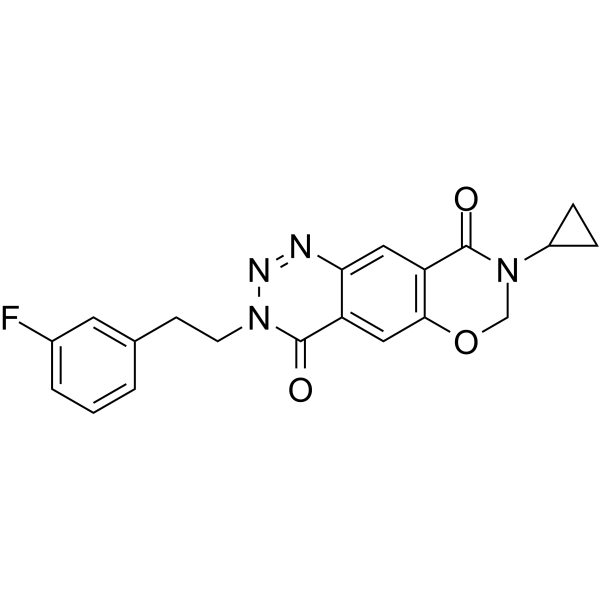 0 ImagesSynonyms: CX-1632; S-47445Tulrampator (S-47445) is an orally active selective AMPA receptor modulator. Tulrampator possesses procognitive, enhancing synaptic plasticity, anti-depressant-anxiolytic-like, procognitive and potential neuroprotective properties. Tulrampator can be used for research of alzheimer’s disease and in major depressive disorder.
-
6'''-Feruloylspinosin
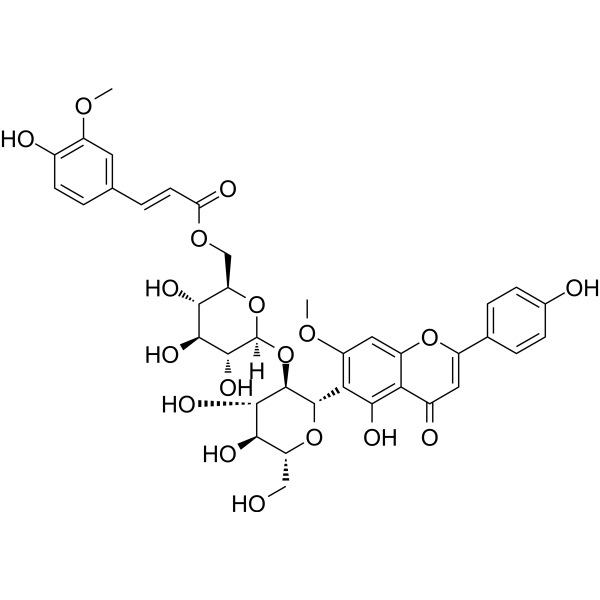 0 Images6'''-Feruloylspinosin is an orally active RORα activator that crosses the blood-brain barrier, with a Kd of 0.308 μM, and is found in natural sources. 6'''-Feruloylspinosin modulates AMPK and mTOR phosphorylation. 6'''-Feruloylspinosin promotes autophagy through the AMPK/mTOR signaling pathway, inhibits GSK3β phosphorylation at Tyr216, and activates the PGC-1α/Nrf2/HO-1 pathway. 6'''-Feruloylspinosin regulates neurotransmitter levels, enhances mRNA expression of GABAA α1, α5, and GABAB R1 receptor subunits, increases brain 5-HT and GABA, restores melatonin levels, and ameliorates anxiety-like behaviors. 6'''-Feruloylspinosin regulates oxidative stress homeostasis, inhibits mitochondrial dysfunction, decreases MDA while increasing GSH. 6'''-Feruloylspinosin can be used for research on Alzheimer's disease, acute myocardial infarction, heart failure with insomnia, and insomnia.
-
Meranzin hydrate
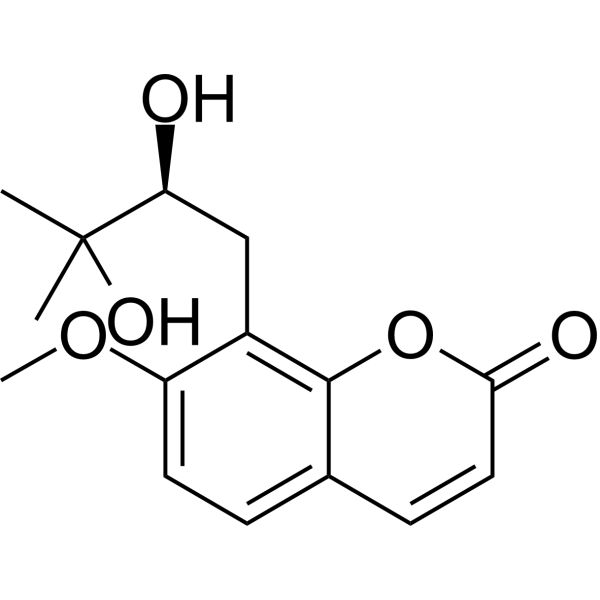 0 ImagesMeranzin hydrate is an orally active antidepressant and GHSR modulator. Meranzin hydrate significantly upregulates the expression levels of brain-derived neurotrophic factor and p-mTOR in the hippocampus via the ghrelin-growth hormone secretagogue receptor pathway. Meranzin hydrate regulates blood oxygen level-dependent signals in the hippocampus-thalamus-basal ganglia circuit, attenuates reward system activation, and promotes the normalization of related hormone levels. Meranzin hydrate effectively ameliorates depression-like behaviors and gastrointestinal hypomotility, and can be used in research related to depression and major depressive disorder.
-
Diphenyl disulfide
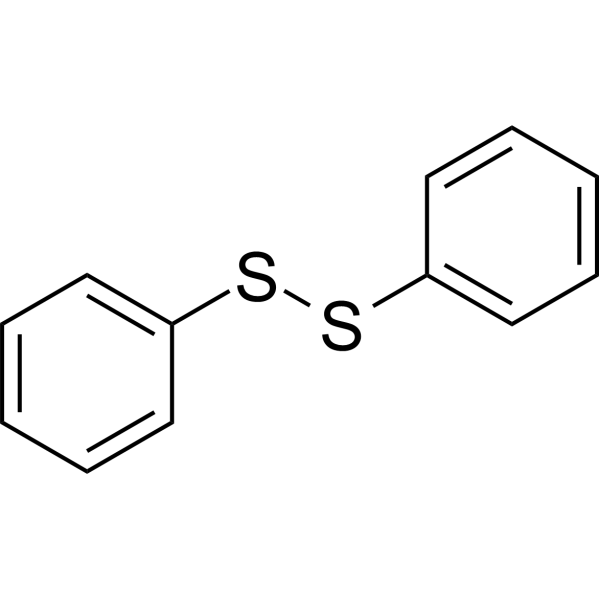 0 ImagesDiphenyl disulfide (Phenyl disulfide) is an organic disulfide compound. Diphenyl disulfide inhibits the PI3K/AKT/mTOR pathway, and induces ferroptosis (ferroptosis), apoptosis (apoptosis) and autophagy (autophagy) in cancer cells. Diphenyl disulfide downregulates GPX4 expression, inhibits NRF2 phosphorylation, induces lipid peroxidation, promotes xCT ubiquitination, induces proteolytic cleavage of p21 Bax into p18 Bax, and suppresses cell proliferation and viability. Diphenyl disulfide can be used in research related to melanoma and breast cancer.
-
MT 63-78
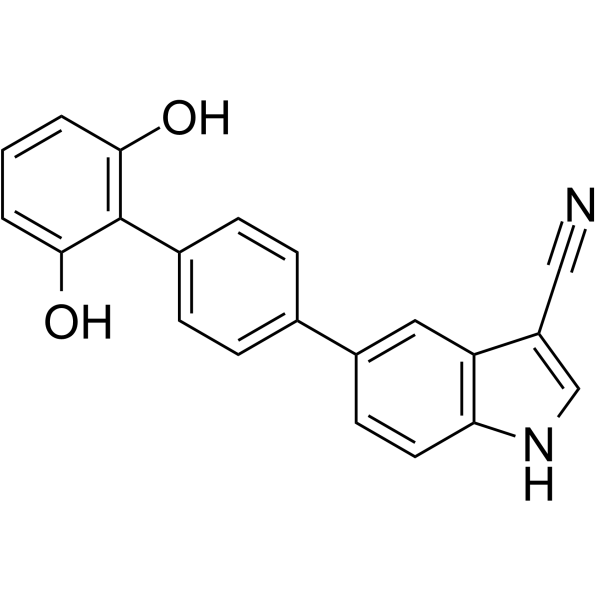 0 ImagesMT 63-78 is a specific and potent direct AMPK activator with an EC50 of 25 μM. MT 63–78 also induces cell mitotic arrest and apoptosis. MT 63-78 blocks prostate cancer growth by inhibiting the lipogenesis and mTORC1 pathways. MT 63-78 has antitumor effects.
-
IBL-302
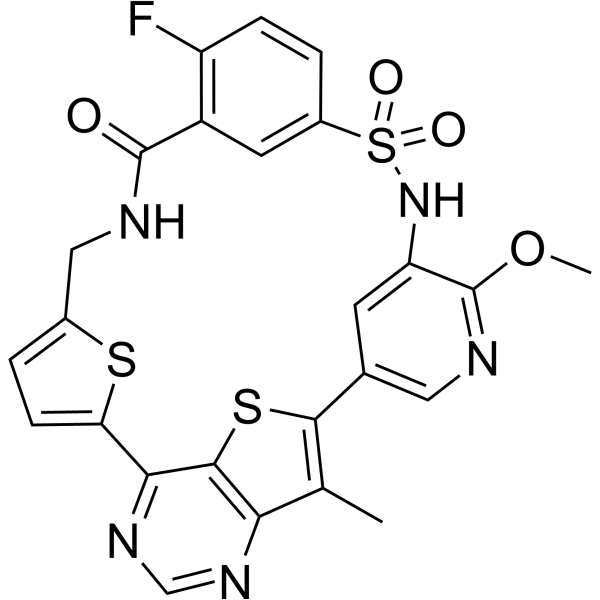 0 ImagesCat. No.: HY-157169CAS No.: 1414455-21-2Synonyms: AMU302IBL-302 (AMU302) is an orally available dual-signaling inhibitor of PIM and PI3K/AKT/mTOR with activity against breast cancer and neuroblastoma. IBL-302 demonstrated in vivo efficacy in a nude mouse xenograft model, inhibiting trastuzumab (HY-P9907) resistance challenges. IBL-302 also enhances the effects of common cytotoxic chemotherapy drugs cisplatin (HY-17394), doxorubicin (HY-15142A), and etoposide (HY-13629).
-
Cefminox sodium
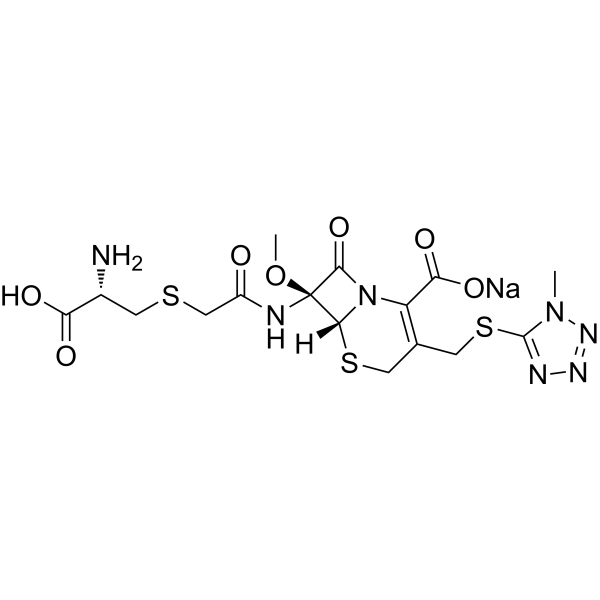 0 ImagesSynonyms: MT-141Cefminox sodium (MT-141) is a semisynthetic cephamycin, which exhibits antibacterial activity. Cefminox sodium is a broad-spectrum, bactericidal cephalosporin antibiotic. Cefminox sodium also acts as a dual agonist of prostacyclin receptor (IP) and PPARγ. Cefminox sodium upregulates cAMP production and PTEN expression and inhibits Akt/mTOR signaling. Cefminox sodium also prevents pulmonary arterial hypertension in rat model.
-
6-Methoxydihydrosanguinarine
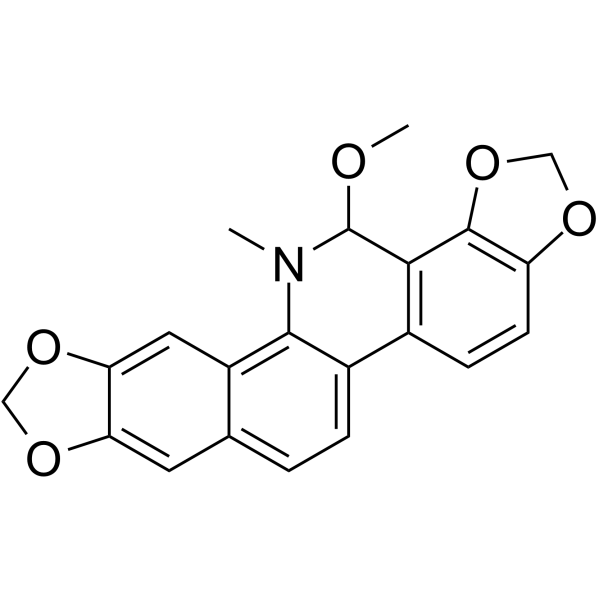 0 Images6-Methoxydihydrosanguinarine is an alkaloid with activity across multiple cancer cell types. 6-Methoxydihydrosanguinarine activates IRE1/JNK signaling, blocks Akt/mTOR and PI3K/AKT/mTOR pathways, reduces expression of Cdc25C, CyclinB1, Cdc2, YAP/TAZ, Survivin, GPX4, and EGFR, upregulates IRE1 and DR5, and activates JNK and caspases. 6-Methoxydihydrosanguinarine induces apoptosis, G2/M phase arrest, DNA damage, ROS generation, lipid peroxidation, ferroptosis, autophagy, and suppresses cancer cell growth. 6-Methoxydihydrosanguinarine disruptes the biofilm formation of Candida albicans (C. albicans). 6-Methoxydihydrosanguinarine can be used for the research of non-small cell lung cancer, hepatocellular carcinoma, melanoma, colon carcinoma, ovarian cancer and breast cancer.
-
SU212
 0 ImagesCat. No.: HY-179578CAS No.: 1262219-89-5SU212 is a podophyllotoxin-derived ENO1 inhibitor and AMPK activator. SU212 can selectively induce oxidative phosphorylation, reduce glycolysis activity and glucose uptake in tumor cells, and directly bind to ENO1 without affecting these pathways in normal cells. SU212 induces apoptosis and promotes ENO1 degradation via proteasomal and autophagic pathways without inhibiting the catalytic activity. SU212 leads to mitotic arrest and apoptosis in TNBC (triple-negative breast cancer) cells by activating AMPK, demonstrating potent anti-tumor activity in vitro. SU212 inhibits tumor growth and metastasis in syngeneic, xenograft, and diabetic mouse models, exhibiting an excellent safety profile. SU212 can be used in research on t TNBC, diabetes, and fatty liver disease.
-
(+)-Medioresinol
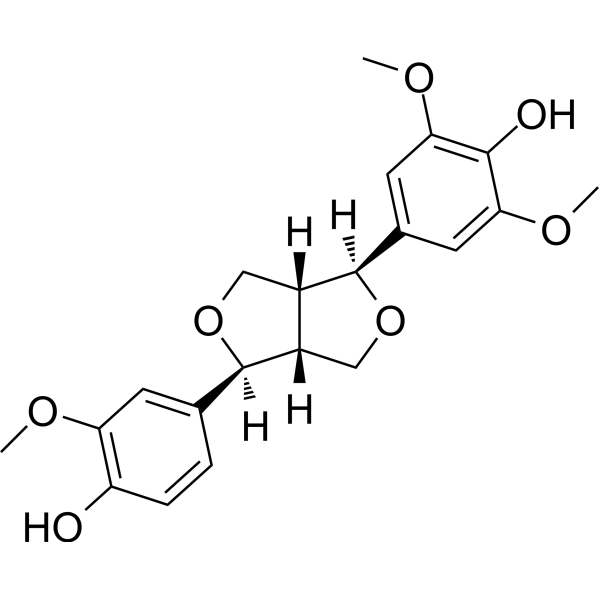 0 Images(+)-Medioresinol is a furofuran-type lignan with antifungal and antibacterial properties. (+)-Medioresinol synergizes with antibiotics to exert antimicrobial and antibiofilm effects. (+)-Medioresinol induces intracellular ROS accumulation and mitochondrial-mediated apoptosis in Candida albicans. (+)-Medioresinol inhibits LPS (HY-D1056)-stimulated IL-12p40 production. (+)-Medioresinol is a PGC-1α activator that protects against endothelial cell pyroptosis in ischemic stroke via the PPARα-GOT1 axis. (+)-Medioresinol can be used in research on fungal and bacterial infection, inflammation, and ischemic stroke.
-
Rapamycin-d3
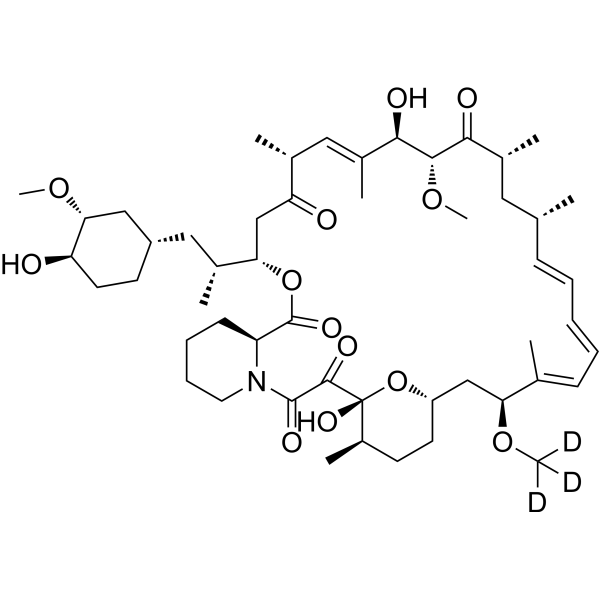 0 ImagesCat. No.: HY-10219SCAS No.: 392711-19-2Synonyms: Sirolimus-d3; AY-22989-d3; NSC 226080-d3Rapamycin-d3 (Sirolimus-d3; AY-22989-d3; NSC 226080-d3) is the deuterated-labeled Rapamycin (HY-10219). Rapamycin (Sirolimus; AY 22989) is a potent and specific blood-brain barrier-transmissible mTOR inhibitor with an IC50 of 0.1 nM in HEK293 cells. Rapamycin is a molecular glue that binds FKBP12 and mTOR proteins together, thereby inhibiting mTOR kinase activity. Rapamycin binds to FKBP12 and specifically acts as an allosteric inhibitor of mTORC1. Rapamycin is an autophagy activator, an immunosuppressant.
-
PI3K/mTOR Inhibitor-11
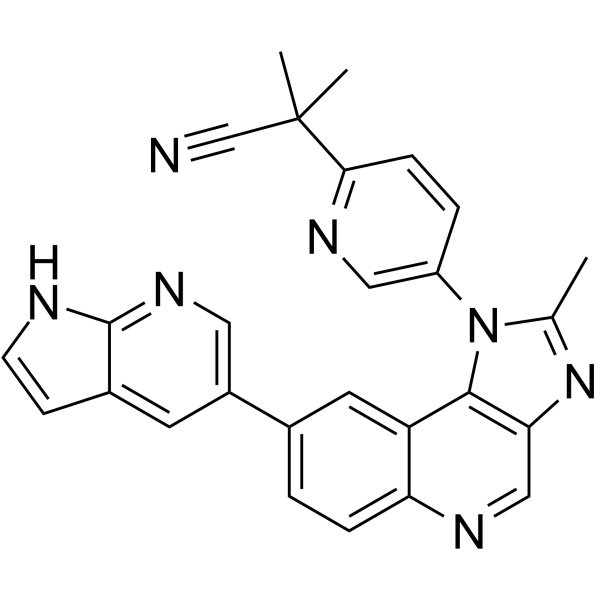 0 ImagesPI3K/mTOR Inhibitor-11 is an orally active PI3K/mTOR inhibitor (IC50: 3.5, 4.6, and 21.3 nM for PI3Kα, PI3Kδ, and mTOR). PI3K/mTOR Inhibitor-11 regulates the PI3K/AKT/mTOR signaling pathway by inhibiting the phosphorylation of AKT and S6 proteins. PI3K/mTOR Inhibitor-11 can be used in the research of cancers.
-
Simufilam
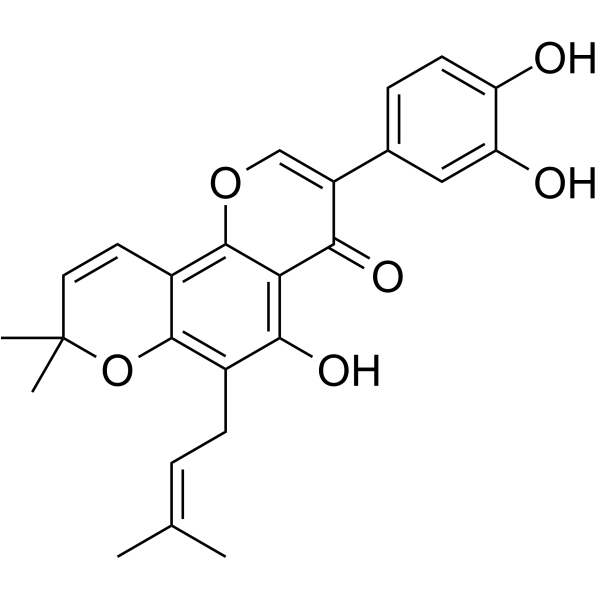
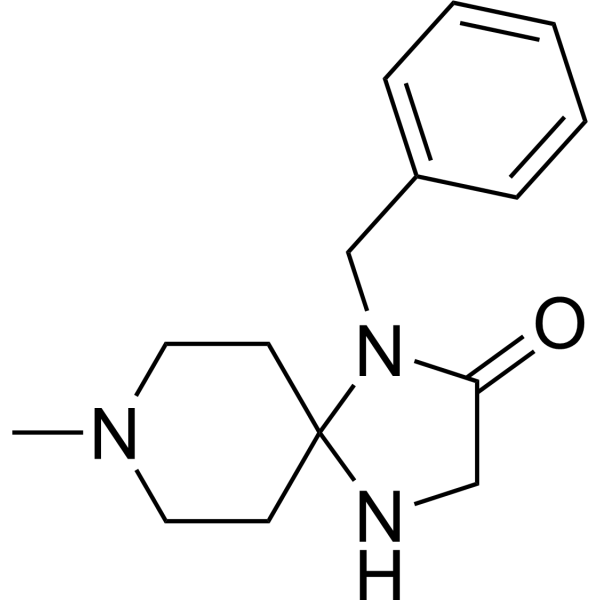 0 ImagesSynonyms: PTI-125Simufilam (PTI-125) is an orally active FLNA modulator. Simufilam restores NMDAR signaling and Arc expression. Simufilam inhibits overactive mTOR signaling by restoring the normal conformation of FLNA, improves insulin sensitivity, reduces Aβ42-induced neuroinflammation and tau protein hyperphosphorylation. Simufilam can be used for research of Alzheimer's disease.
-
Kuwanon G
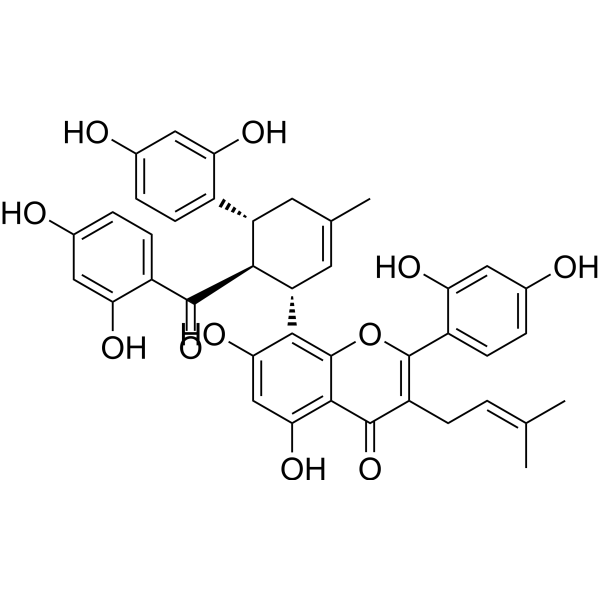 0 ImagesKuwanon G is a flavonoid compound and an antagonist of the bombesin receptor. Kuwanon G has multiple activities such as bactericidal, anti-tumor, anti-inflammatory, antioxidant, anti-atherosclerotic, and neuroprotective effects. Kuwanon G exhibits strong antibacterial activity against oral pathogens, especially cariogenic bacteria and periodontal pathogens. Kuwanon G can induce apoptosis and inhibit proliferation, migration, and invasion of tumor cells. Kuwanon G can be used in the research of diseases such as gastric cancer and atherosclerosis.




