



mTOR
mTOR (mechanistic target of rapamycin) is a conserved serine/threonine kinase that functions as a central regulator of cell growth, metabolism, protein synthesis, and autophagy by integrating nutrient availability, growth factor signaling, and cellular energy status[1][2]. Mechanistically, mTOR assembles into two distinct signaling complexes, mTORC1 and mTORC2, which coordinate anabolic and catabolic processes through partially non-overlapping downstream pathways[2][3][4]. mTORC1 primarily responds to nutrients and growth factors to promote protein synthesis, biomass accumulation, and metabolic reprogramming while suppressing autophagy, thereby controlling cellular growth and metabolic homeostasis[1][5]. In contrast, mTORC2 regulates cell survival, proliferation, cytoskeletal organization, and metabolism through signaling networks that include AKT, PKC, and SGK family proteins[2][4]. Dysregulation of mTOR signaling is strongly associated with cancer, metabolic disorders, aging-related pathologies, and immune dysfunction, highlighting its importance in both physiological regulation and disease progression[1][6]. In experimental systems, genetic or pharmacological manipulation of mTOR complexes has demonstrated distinct and non-redundant functions of mTORC1 and mTORC2 in cellular differentiation, immune-cell maturation, and tissue development[4][7][8]. Compared with the related isoform complex mTORC1, mTORC2 exhibits unique regulatory roles in cell survival and autophagy-associated signaling, emphasizing the necessity of complex-specific investigation in mechanistic studies[4]. For experimental applications, rapamycin and related mTOR inhibitors remain widely used tools for dissecting pathway function, although increasing attention has focused on next-generation inhibitors with improved selectivity toward specific mTOR complexes[9].
References:
- [1]. Laplante M, et al. mTOR signaling in growth control and disease. Cell. 2012 Apr 13;149(2):274-93. [Content Brief]
- [2]. Panwar V, et al. Multifaceted role of mTOR (mammalian target of rapamycin) signaling pathway in human health and disease. Signal Transduct Target Ther. 2023 Oct 2;8(1):375. [Content Brief]
- [3]. Yong J, et al. Regulation of transcriptome plasticity by mTOR signaling pathway. Exp Mol Med. 2025 Aug;57(8):1623-1630. [Content Brief]
- [4]. Ballesteros-Álvarez J, et al. mTORC2: The other mTOR in autophagy regulation. Aging Cell. 2021 Aug;20(8):e13431. [Content Brief]
- [5]. Patel CH, et al. More TOR: The expanding role of mTOR in regulating immune responses. Immunity. 2025 Jul 8;58(7):1629-1645. [Content Brief]
- [6]. Dai DF, et al. The mTOR signaling pathway in cardiac aging. J Cardiovasc Aging. 2023;3(3):24. [Content Brief]
- [7]. Wang F, et al. Crosstalks between mTORC1 and mTORC2 variagate cytokine signaling to control NK maturation and effector function. Nat Commun. 2018 Nov 19;9(1):4874. [Content Brief]
- [8]. Schaub T, et al. mTORC1 and mTORC2 Differentially Regulate Cell Fate Programs to Coordinate Osteoblastic Differentiation in Mesenchymal Stromal Cells. Sci Rep. 2019 Dec 27;9(1):20071. [Content Brief]
- [9]. Mao B, et al. Overview of Research into mTOR Inhibitors. Molecules. 2022 Aug 19;27(16):5295. [Content Brief]
All Product Categories
-
mTOR Inhibitors
(409)
View all products
-
mTOR Agonists
(5)
View all products
-
mTOR Antagonist
(1)
View all products
-
mTOR Activators
(55)
View all products
-
mTOR Modulators
(11)
View all products
-
mTOR p53 Inhibitor
(1)
View all products
-
mTOR Degraders
(2)
View all products
-
mTOR Control
(1)
View all products
-
mTOR Substrate
(1)
View all products
-
mTOR Ligand
(1)
View all products
-
mTOR Related Products (518)
Related Products (518)

-
Antibodies (11)
-
Lomitapide mesylate
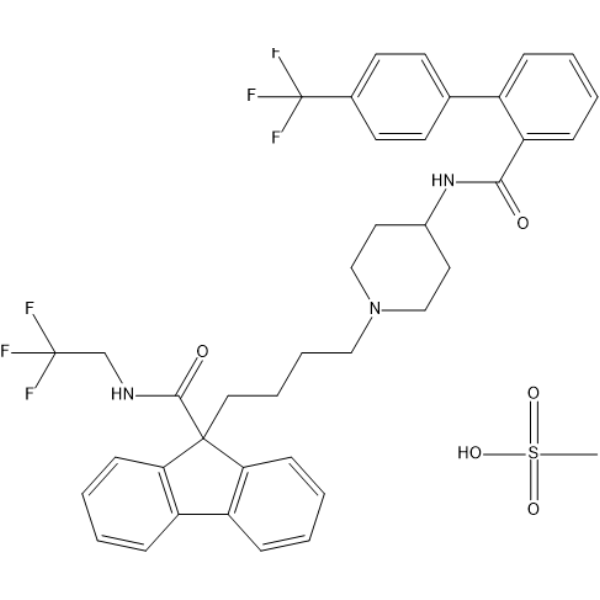 0 ImagesSynonyms: AEGR-733 mesylate; BMS-201038 mesylateLomitapide (AEGR-733; BMS-201038) mesylate is an orally active microsomal triglyceride transfer protein (MTP) inhibitor and a selective mTORC1 inhibitor with lipid-lowering activity and BBB permeability. Lomitapide mesylate significantly reduces plasma LDL levels by blocking the assembly and secretion of very-low-density lipoprotein (VLDL). Lomitapide mesylate inhibits mTORC1 in an ATP-dependent manner, thereby inducing AMPK-independent autophagic cell death and suppressing cancer cell growth and apoptosis. Lomitapide mesylate also enhances tumor infiltration of CD8+ T cells. In addition, Lomitapide mesylate inhibits HDAC, improves endothelial function, effectively alleviates vascular inflammation and oxidative stress, and exerts neuroprotective effects in a cerebral ischemia/reperfusion injury model. Lomitapide mesylate can be used in research on related diseases such as colorectal cancer, breast cancer, melanoma, ischemic stroke, and familial hypercholesterolemia.
-
Coenzyme Q0
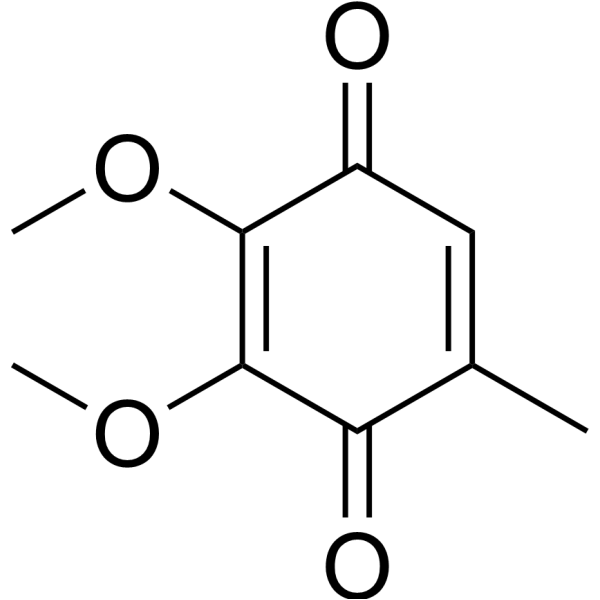 0 ImagesSynonyms: CoQ0Coenzyme Q0 (CoQ0) is a potent, oral active ubiquinone compound can be derived from Antrodia cinnamomea. Coenzyme Q0 induces apoptosis and autophagy, suppresses of HER-2/AKT/mTOR signaling to potentiate the apoptosis and autophagy mechanisms. Coenzyme Q0 regulates NFκB/AP-1 activation and enhances Nrf2 stabilization in attenuation of inflammation and redox imbalance. Coenzyme Q0 has anti-angiogenic activity through downregulation of MMP-9/NF-κB and upregulation of HO-1 signaling.
-
Metformin hydrochloride (Standard)
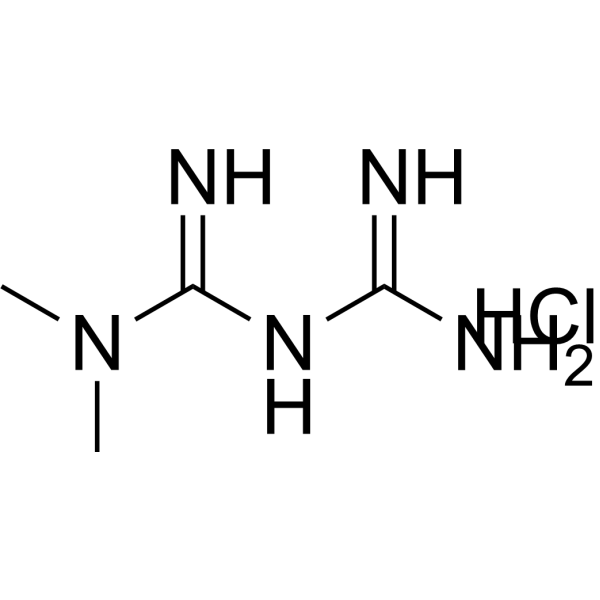 0 ImagesSynonyms: 1,1-Dimethylbiguanide hydrochloride (Standard)Metformin hydrochloride (Standard) is the analytical standard of Metformin hydrochloride (HY-17471A). This product is intended for research and analytical applications. Metformin (1,1-Dimethylbiguanide) hydrochloride inhibits the mitochondrial respiratory chain in the liver, leading to AMPK activation and enhancing insulin sensitivity, and can be used in the study of type 2 diabetes. Metformin hydrochloride exerts central glucose-lowering effects by inhibiting Ras-related protein 1 (Rap1) in SF1 hypothalamic neurons. Metformin hydrochloride also inhibits liver oxidative stress, nitrosative stress, inflammation, and apoptosis caused by liver ischemia/reperfusion injury. In addition, Metformin hydrochloride regulates the expression of autophagy-related proteins by activating AMPK and inhibiting the mTOR signaling pathway, thereby inducing tumor cell autophagy and inhibiting the growth of renal cell carcinoma in vitro and in vivo.
-
Trifolirhizin
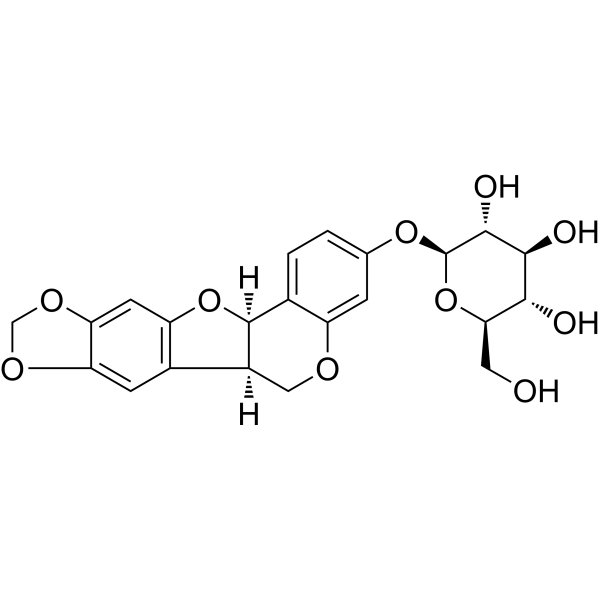 0 ImagesTrifolirhizin is a pterocarpan flavonoid found in the roots of Sophora flavescens. Trifolirhizin is a tyrosinase inhibitor with an IC50 value of 506.77 μM. Trifolirhizin reduces intracellular melanin production and modulates multiple signaling pathways including NFκB-MAPK, AMPK/mTOR, PI3K/Akt, MAPK-NFATc1 and EGFR-MAPK. Trifolirhizin targets biological molecules including PTK6 and COX-2, inhibits the activities of hyaluronidase, collagenase and elastase, induces apoptosis, autophagy and cell cycle arrest, and suppresses the proliferation, migration and invasion of cancer cells. Trifolirhizin exerts diverse pharmacological effects including anti-inflammatory, anti-asthmatic, bone-protective, renoprotective, antibacterial, antifungal, hepatoprotective, antiplatelet, estrogenic and wound-healing activities. Trifolirhizin can be used to investigate a broad range of malignant, inflammatory, metabolic and infectious disorders.
-
Pinoresinol Diglucoside
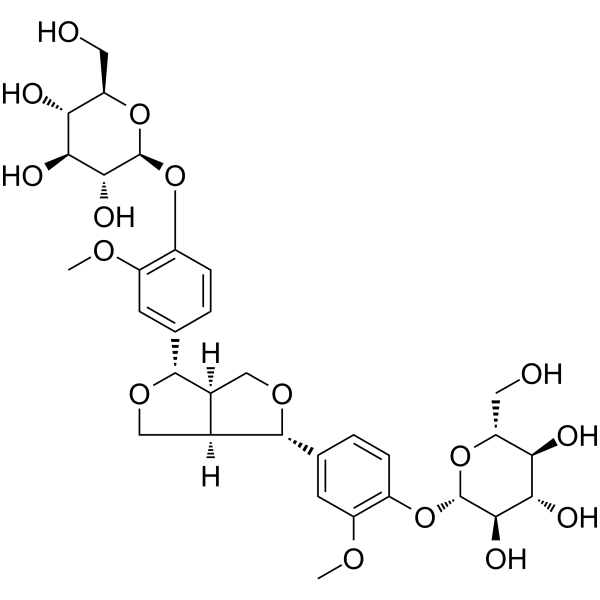 0 ImagesPinoresinol Diglucoside is an orally active lignan with multifunctional bioactivity. Pinoresinol Diglucoside interacts with targets including ALB, HIF1A, GSK3B, BCL2, MARK3, IL6, NF-κB p65, Nrf2, HO-1, and TLR4, and modulates pathways including PI3K-Akt, estrogen, MAPK, Rap1, AKT/mTOR/NF-κB, and TGF-β1/Smads. Pinoresinol Diglucoside regulates osteogenesis, bone resorption, oxidative stress, inflammation, apoptosis, ferroptosis, ferritinophagy, cardiac fibrosis, and vasorelaxation. Pinoresinol Diglucoside can be used for the research of osteoporosis, ischemia/reperfusion-induced brain injury, Alzheimer’s disease, myocardial ischemia-reperfusion injury, chondrodysplasia, diabetic cardiomyopathy, cardiac hypertrophy, hypertension, cisplatin-induced hearing loss, atherosclerotic cardiovascular diseases, and disuse osteoporosis.
-
Chromeceptin
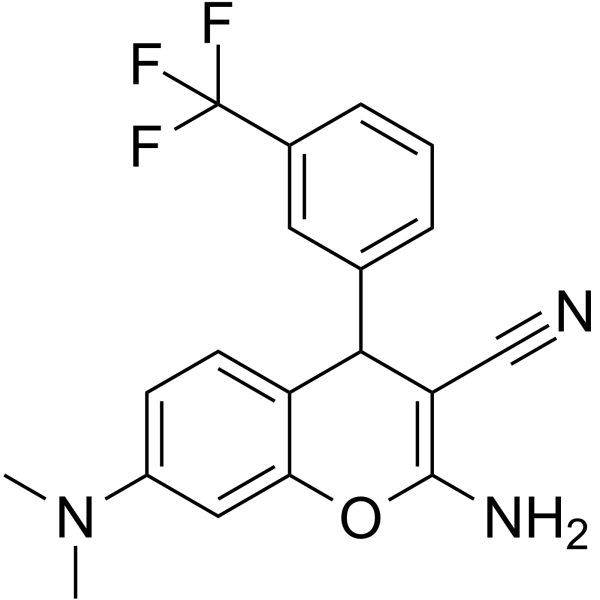 0 ImagesSynonyms: 94G6
-
Hederacolchiside A1
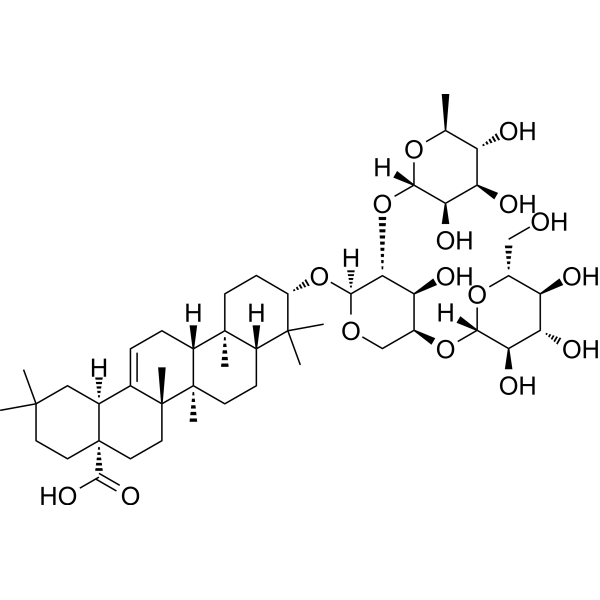 0 ImagesHederacolchiside A1, isolated from Pulsatilla chinensis, suppresses proliferation of tumor cells by inducing apoptosis through modulating PI3K/Akt/mTOR signaling pathway. Hederacolchiside A1 has antischistosomal activity, affecting parasite viability both in vivo and in vitro.
-
HRX-0233
 0 ImagesHRX-0233 is an orally potent MAP2K4 inhibitor. HRX-0233 inhibits the MAP2K4-JNK-JUN signaling pathway, blocks the feedback activation of receptor tyrosine kinases, and sustains the inhibitory effect on KRAS signaling. HRX-0233 exerts synergistic inhibition on the mTORC1 and MAPK pathways. When combined with Ipatasertib (HY-15186) or Sotorasib (HY-114277), it produces synergistic antiproliferative, pro-apoptotic (apoptosis) and antitumor effects, and shows good tolerability in mouse models. HRX-0233 can be used in CRISPR knockout screens to identify vulnerability-related genes. HRX-0233 is applicable to research related to prostate cancer, non-small cell lung cancer and colorectal cancer.
-
Gymnemic acid I
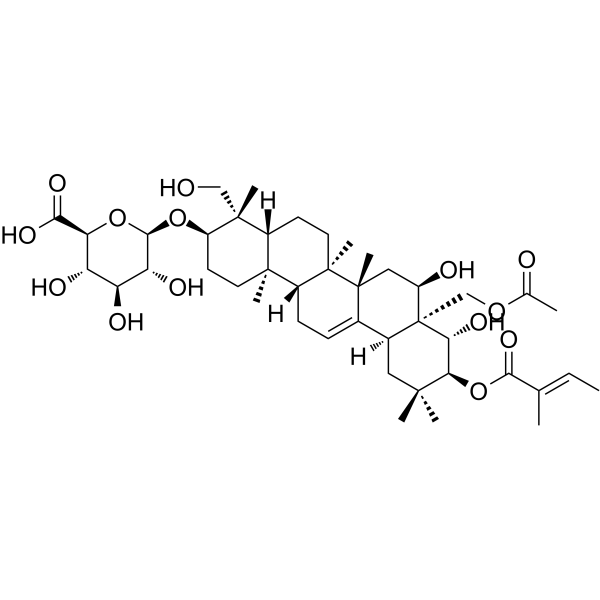 0 ImagesGymnemic acid I is a bioactive triterpene saponin found in Gymnema sylvestre. Gymnemic acid I is an antisweetness inhibitor via human sweet receptor type 1 receptor 2 (T1R2) and T1R3. Gymnemic acid I is a ribosomal protein biosynthesis inhibitor. Gymnemic acid I has antidiabetic effects. Gymnema acid I induces autophagy-protected MIN-6 cells from apoptosis under high glucose stress by inhibiting the phosphorylation activity of mTOR.
-
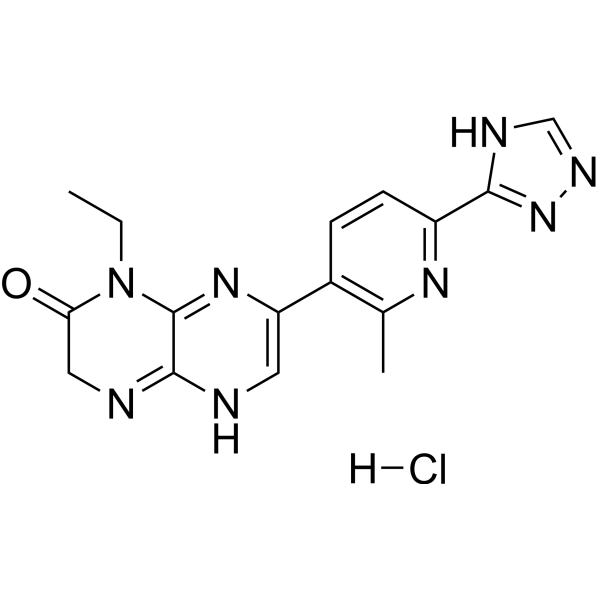
RMC-6272
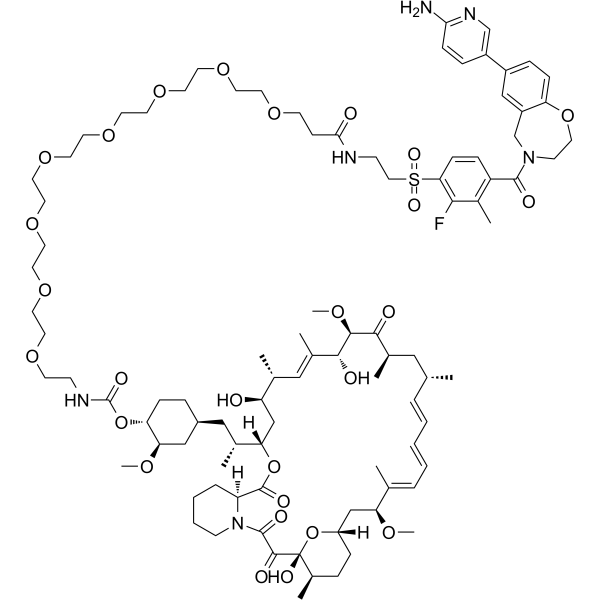 0 ImagesCat. No.: HY-134904CAS No.: 2382769-46-0Synonyms: RM-006
-
Telocinobufagin
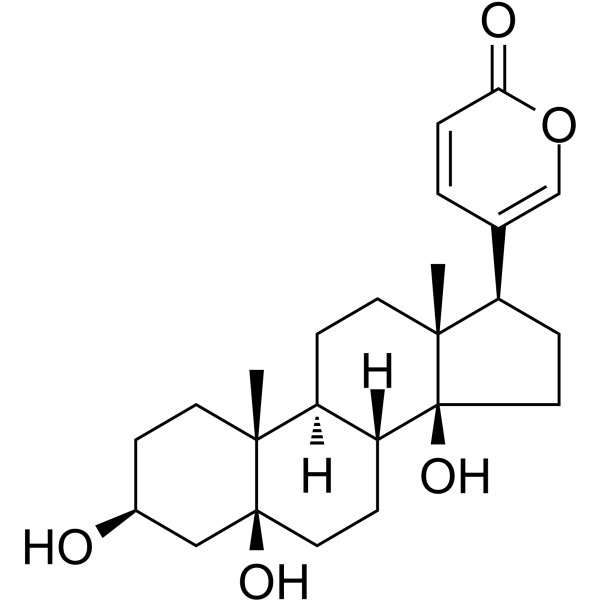 0 ImagesTelocinobufagin (Telobufotoxin; Telocinobufogenin) is an orally active bufadienolide with potential anti-tumor effects. Telocinobufagin exerts its anti-cancer effects on non-small cell carcinoma, osteosarcoma, thyroid cancer, breast cancer and head and neck squamous cell carcinoma by inhibiting the STAT3, JAK2/STAT3, LARP1-mTOR, PI3K/Akt/Snail and PLK1 pathways, and can also induce tumor cell apoptosis. Telocinobufagin enhances the Th1 immune response and protects against Salmonella typhimurium infection. Telocinobufagin has a strong cardiac-stimulating effect by inhibiting the activity of Na+/K+-ATPase, and it can promote renal fibrosis. Telocinobufagin demonstrates non-opioid analgesic effects in various acute pain models.
-
Moracin N
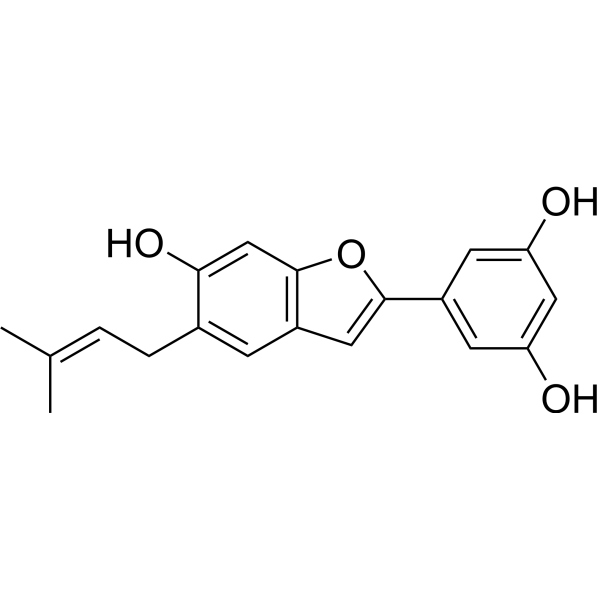 0 ImagesMoracin N is a benzofuran compound. At low concentrations, Moracin N activates the Keap1/Nrf2 pathway, downregulates the expression of FTH1 and ACSL4, enhances glutathione synthesis, and inhibits neuronal ferroptosis. At high concentrations, Moracin N induces ROS accumulation, activates mitochondrial apoptosis, and triggers autophagy-mediated cell death by inhibiting the AKT/mTOR pathway. Moracin N can be used in research related to non-small cell lung cancer, hepatocellular carcinoma and ischemic brain injury.
-
ARI-1
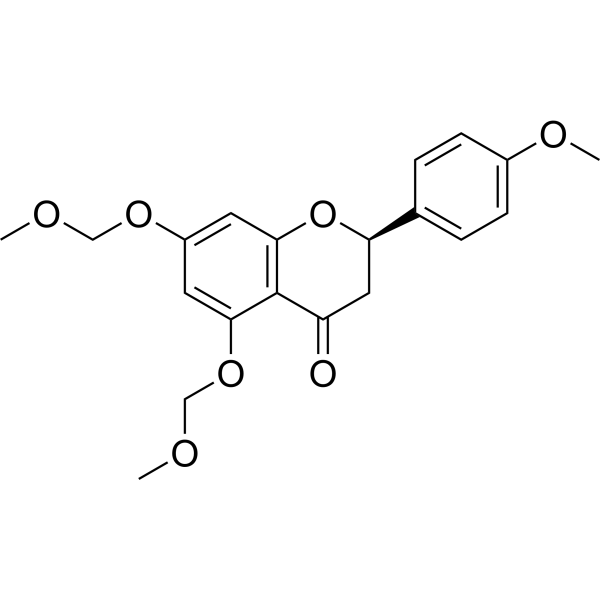 0 ImagesARI-1 is a receptor tyrosine kinase-like orphan receptor 1 (ROR1) inhibitor. ARI-1 blocks the PI3K/AKT/mTOR signaling pathway in a ROR1-dependent manner. ARI-1 upregulates cleaved-PARP and p-P38. ARI-1 induces Apoptosis. ARI-1 has anticancer activity against non-small cell lung cancer.
-
Typhaneoside
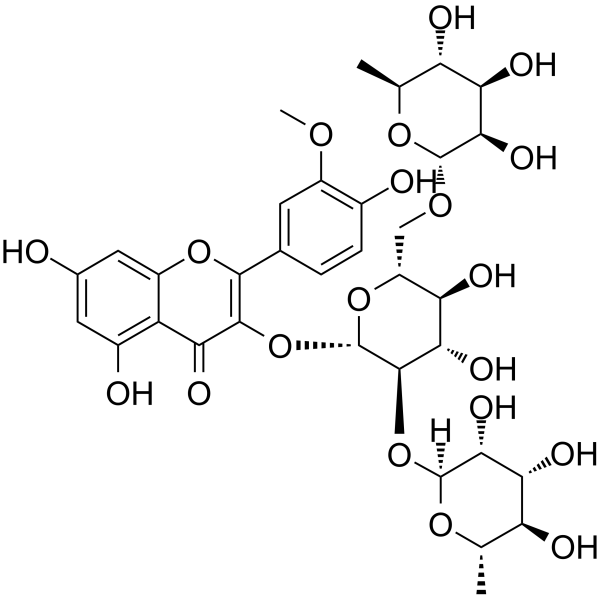 0 ImagesTyphaneoside is an orally active activator of PI3K/Akt/mTOR and farnesoid X receptor. Typhaneoside promotes the activation of AMPK and Caspase-3, induces apoptosis, ferroptosis, autophagy, ROS accumulation, cell cycle arrest at the G2/M phase, and reduces cancer cell viability. Typhaneoside improves glucose and lipid metabolism, alleviates inflammatory responses, oxidative stress and hepatic lipid accumulation, and exerts hepatoprotective effects. Typhaneoside can be used in research related to heart failure after myocardial infarction, acute myeloid leukemia, non-alcoholic fatty liver disease and neurological disorders.
-
Stearamide
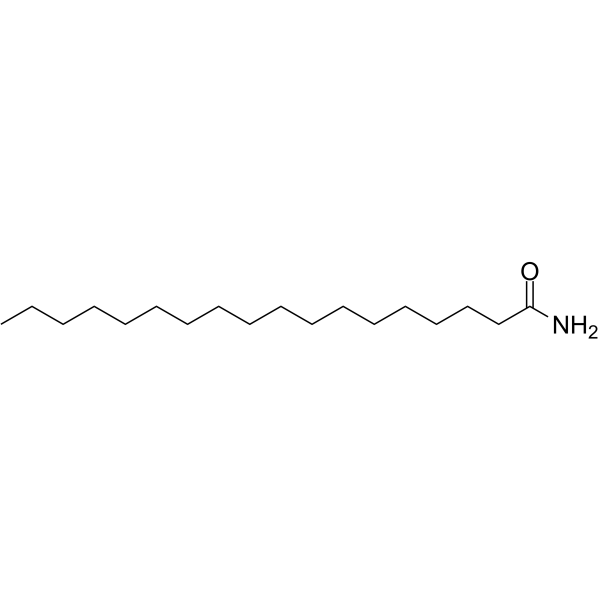 0 ImagesCat. No.: HY-W130610CAS No.: 124-26-5Stearamide is a primary fatty acid amide. Stearamide displays cytotoxic and ichthytoxic activity.
-
Phaseoloidin
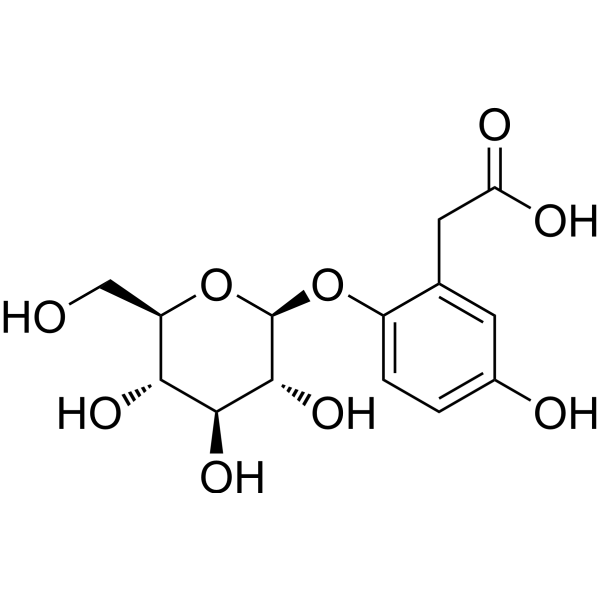 0 ImagesPhaseoloidin is an orally active multi-target inhibitor. Phaseoloidin inhibits the activation of the NLRP3 inflammasome and blocks the caspase-11-GSDMD pyroptosis axis. Phaseoloidin reduces the expression of collagen-degrading enzymes to maintain the integrity of cartilage matrix. Phaseoloidin activates the AMPK/mTOR pathway to enhance autophagy function and reverse apoptosis resistance. Phaseoloidin inhibits the growth and development of Manduca sexta and Spodoptera littoralis larvae, thereby helping Nicotiana attenuata defend against lepidopteran herbivorous insects. Phaseoloidin can be used in research related to acute gouty arthritis and pulmonary fibrosis.
-
RMC-4998
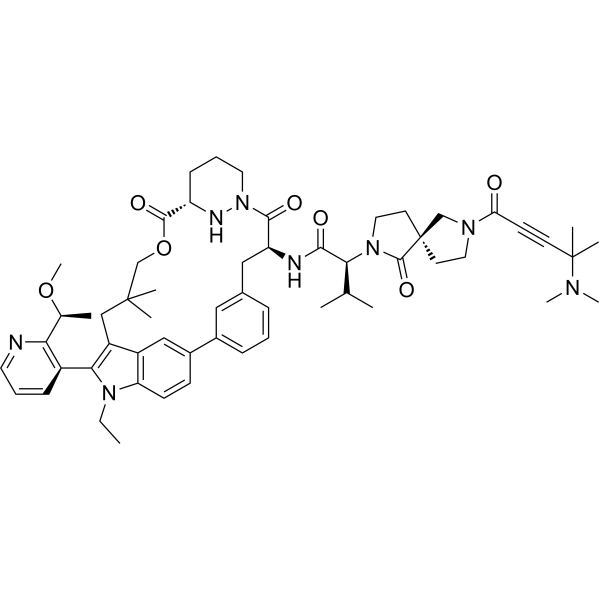 0 ImagesRMC-4998 is an orally active inhibitor targeting the active or GTP-bound state of the KRASG12C mutant. RMC-4998 can form a ternary complex with intracellular CYPA and the activated KRASG12C mutant, with an IC50 value of 28 nM. RMC-4998 can inhibit ERK signaling in KRASG12C mutant cancer cells and induce apoptosis. RMC-4998 can be used for tumor research.




