Atg8/LC3
Autophagy-related 8
Autophagy-related 8 proteins (Atg8s) are one of the 62 highly conserved eukaryote-specific protein families. Whereas yeast and other fungal species have a single Atg8 gene, multicellular animals, green plants and some protists have several. Animal Atg8 proteins comprise three subfamilies: microtubule-associated protein 1 light chain 3 (MAP1LC3, hereafter referred to as LC3), γ-aminobutyric acid receptor-associated protein (GABARAP) and Golgi-associated ATPase enhancer of 16 kDa (GATE-16).
Atg8 family members are expressed in various tissues, where they participate in multiple cellular processes, such as intracellular membrane trafficking and autophagy. Their role in autophagy has been intensively studied. Atg8 proteins undergo a unique ubiquitin-like conjugation to phosphatidylethanolamine on the autophagic membrane, a process essential for autophagosome formation.
All Product Categories
-
Atg8/LC3 관련 제품 (87)
관련 제품 (87)

-
Leupeptin hemisulfate
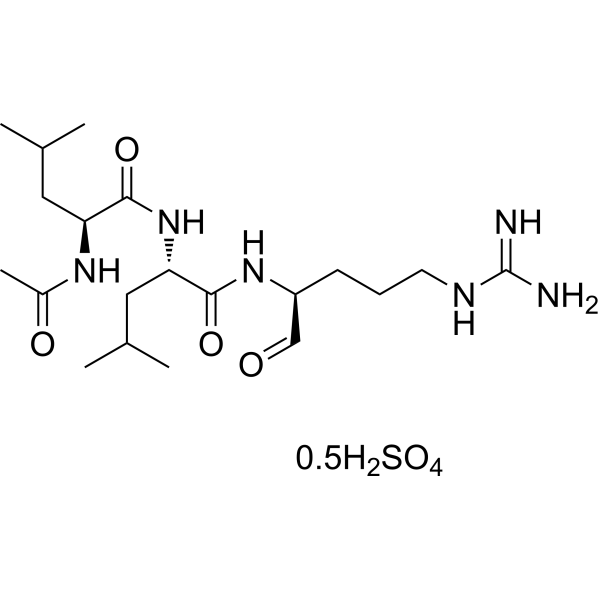 0 ImagesLeupeptin hemisulfate is a broad-spectrum protease inhibitor. By inhibiting the activation of the PTEN/PI3K/Akt/NF-κB/ERK1/2/p38 signaling pathway, Leupeptin hemisulfate significantly reduces LPS-induced NO and ROS production, mitochondrial membrane potential hyperpolarization, phagocytic activity, pro-inflammatory cytokine release, and M1 polarization in mouse peritoneal macrophages, and reverses autophagic flux impairment. It also decreases Concanavalin A (HY-P2149)-induced proliferation index of mouse splenic lymphocytes and the Th1/IL-10 and Th2/IL-10 cytokine ratios, thereby modulating innate and adaptive immune responses. Leupeptin hemisulfate inhibits blood coagulation and tumorigenesis in mouse skin. Leupeptin hemisulfate can be used in research on chronic inflammatory diseases and skin tumorigenesis.
-
Omeprazole
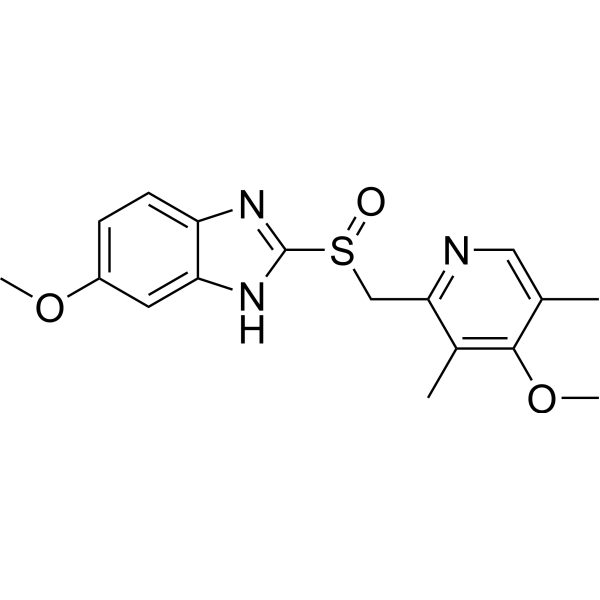 0 ImagesSynonyms: H 16868Omeprazole (H 16868) is an orally active H+,K+-ATPase inhibitor and a proton pump inhibitor. Omeprazole competitively inhibits CYP2C19, CYP3A4, and CYP2C9 activity. Omeprazole inhibits gastric acid secretion and can be used for acid-related gastrointestinal disorders. Omeprazole inhibits pancreatic cancer cell proliferation, induces apoptosis, autophagosome accumulation (elevated LC3-I and LC3-II levels), oxidative stress, and cytogenetic imbalance, modulates lysosomal transport, reduces inflammatory cytokines. Omeprazole alters small intestinal morphology and magnesium absorption, and induces gastric mucosa morphologic changes. Omeprazole also has neuroprotective and antibacterial effects.
-
L-Azetidine-2-carboxylic acid
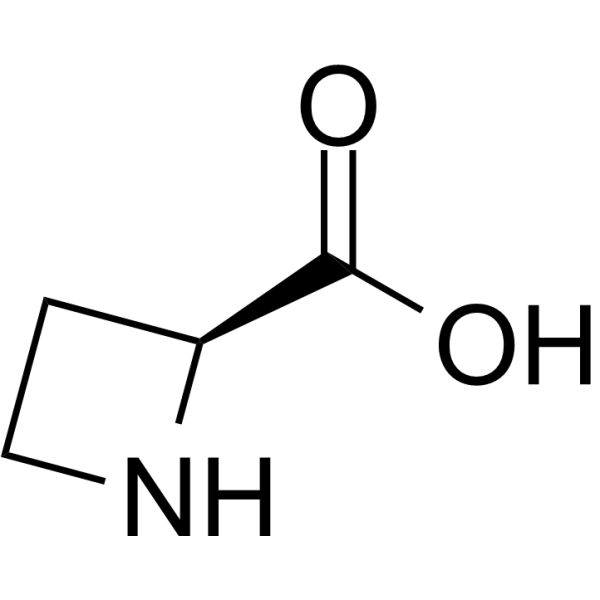 0 ImagesL-Azetidine-2-carboxylic acid is a proline analog. L-Azetidine-2-carboxylic acid upregulates the lipid autophagy marker LC3-II via activation of the PERK pathway. L-Azetidine-2-carboxylic acid increases pro-apoptotic BAX protein. L-Azetidine-2-carboxylic acid induces ATF6 cleavage and upregulates phosphorylated eIF2α levels. L-Azetidine-2-carboxylic acid induces ER stress, inducing protein misfolding and aggregation. L-Azetidine-2-carboxylic acid shows teratogenic, pro-inflammatory and pro-apoptotic effects.
-
Manumycin A
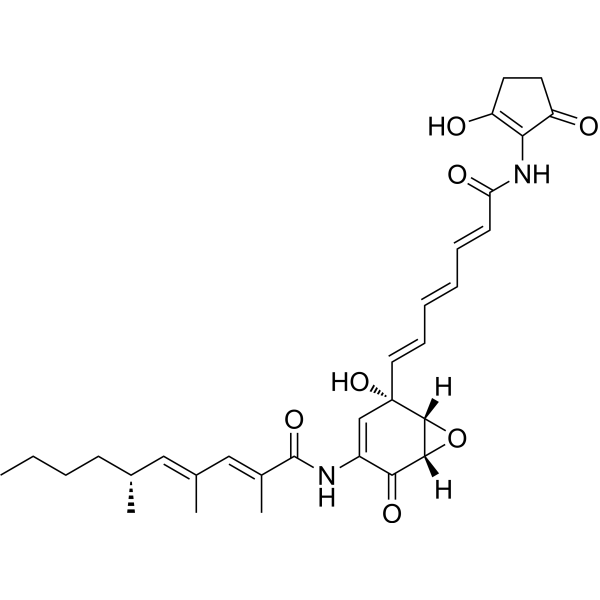 0 ImagesManumycin A is a polyketide antibiotic and an inhibitor of thioredoxin reductase 1 (TrxR-1). Manumycin A can inhibit the growth of breast cancer cells and exert its anti-tumor activity through LC3. Manumycin A can downregulate the release of pro-inflammatory cytokines in human monocytes stimulated by TNF α, and has potential anti-inflammatory activity. Manumycin A can inhibit the Ras/Raf/ERK1/2 signaling and hnRNP H1 in castration resistant prostate cancer cells to suppress exosome biogenesis and secretion.
-
Bifendate
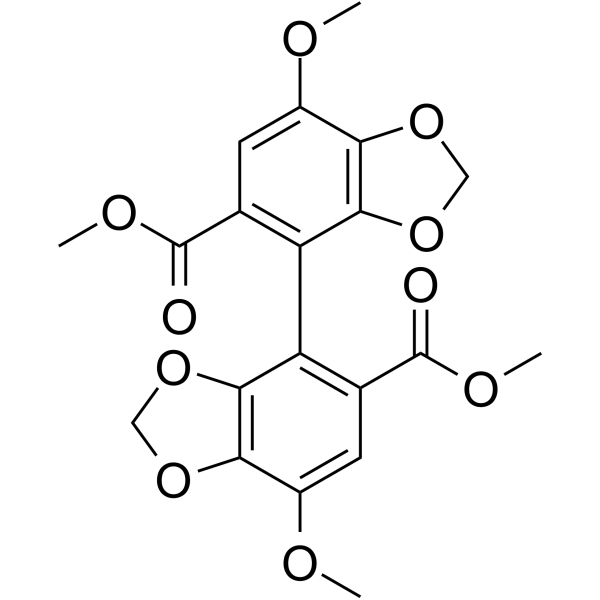 0 ImagesSynonyms: DDBBifendate (DDB), extracted from Schisandrae chinensis, is an orally active anti-HBV agent against chronic hepatitis B. Bifendate inhibits ATG5-dependent autophagy and attenuates oleic acid-induced lipid accumulation with anti-oxidant properties in vitro. Bifendate can decrease alanine transaminase (ALT) level in mice. Bifendate attenuates hepatic steatosis in cholesterol/bile salt- and high-fat diet-induced hypercholesterolemia in mice. Bifendate potently increases the activity of cytochrome proteins (CYPs) and reverse P-gp-mediated multi-drug resistance (MDR).
-
Omeprazole sodium
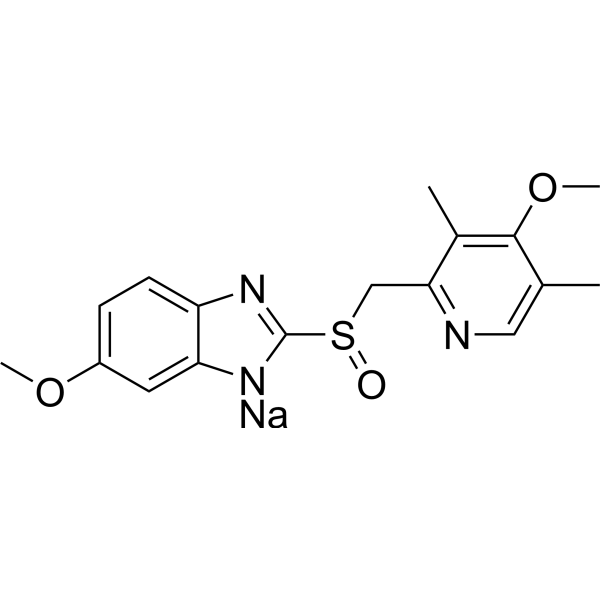 0 ImagesSynonyms: H 16868 sodiumOmeprazole (H 16868) sodium is an orally active H+,K+-ATPase inhibitor and a proton pump inhibitor. Omeprazole sodium competitively inhibits CYP2C19, CYP3A4, and CYP2C9 activity. Omeprazole sodium inhibits gastric acid secretion and can be used for acid-related gastrointestinal disorders. Omeprazole sodium inhibits pancreatic cancer cell proliferation, induces apoptosis, autophagosome accumulation (elevated LC3-I and LC3-II levels), oxidative stress, and cytogenetic imbalance, modulates lysosomal transport, reduces inflammatory cytokines. Omeprazole sodium alters small intestinal morphology and magnesium absorption, and induces gastric mucosa morphologic changes. Omeprazole sodium also has neuroprotective and antibacterial effects.
-
Hyaluronic acid (Mw:1000-2000Da)
 0 ImagesHyaluronic acid (Mw: 1000-2000 Da) is a long-chain unbranched polysaccharide with a molecular weight of 1000-2000 Da. Hyaluronic acid (Mw: 2000 Da) inhibits IL-1β expression and increases LC3-II. Hyaluronic acid (Mw: 1000-2000Da) can regulate tissue homeostasis and stress resistance, promote angiogenesis and tissue remodeling. Hyaluronic acid (Mw: 1000-2000 Da) has good biocompatibility and biodegradability, and can be used in drug delivery systems and tissue engineering. Hyaluronic acid (Mw: 2000 Da) can reduce facial skin blemishes and sagging.
-
Citronellol
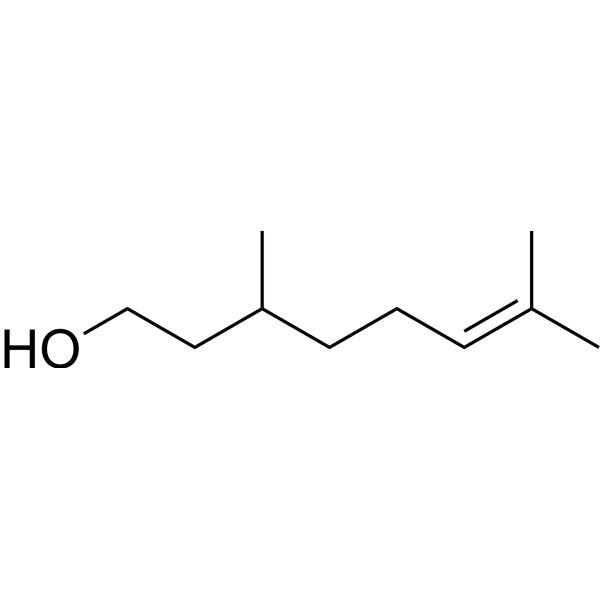 0 ImagesSynonyms: (±)-Citronellol; (±)-β-CitronellolCitronellol ((±)-Citronellol) is an orally active inducer of apoptosis. Citronellol can prevent oxidative stress, mitochondrial dysfunction, and apoptosis in the SH-SY5Y cell Parkinson's disease model induced by 6-OHDA by regulating the ROS-NO, MAPK/ERK, and PI3K/Akt signaling pathways. Citronellol can induce necroptosis in human lung cancer cells through the TNF-α pathway and accumulation of ROS. Citronellol can reduce the levels of LC-3 and p62 to regulate the autophagy pathway, inhibit oxidative stress and neuroinflammation, and thus have neuroprotective effects on Parkinson's rats. Citronellol exhibits anti-fungal activity against Trichophyton rubrum by inhibiting ergosterol synthesis.
-
Arenobufagin
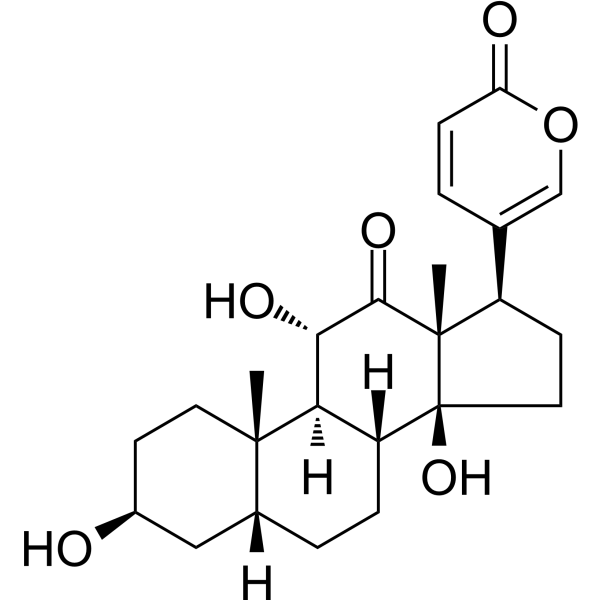 0 ImagesArenobufagin is a natural bufadienolide that can be extracted from toad venom. Arenobufagin can induce apoptosis and autophagy in human hepatocellular carcinoma cells through inhibition of PI3K/Akt/mTOR pathway. Arenobufagin has potent antineoplastic activity against HCC HepG2 cells as well as corresponding multidrug-resistant HepG2/ADM cells. Arenobufagin can inhibit VEGF-mediated angiogenesis through suppression of VEGFR-2 signaling pathway.
-
ASX-173
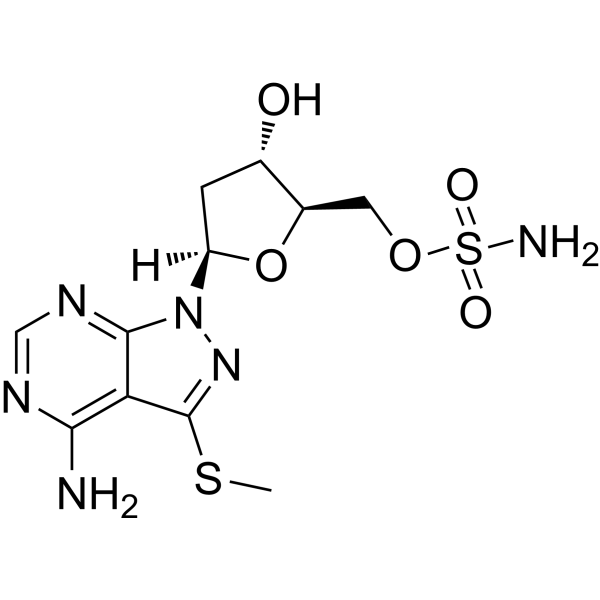
 0 ImagesASX-173 is an orally active inhibitor of asparagine synthetase (ASNS) (IC50 = 0.113 μM, Ki = 0.4 nM). ASX-173 enhances the anticancer activity of L-asparaginase (ASNase) (HY-P1923). ASX-173 disrupts nucleotide synthesis and induces leukemia cell cycle arrest, apoptosis and autophagy in leukemia cells in combination with ASNase. ASX-173 slows the growth of OCI-AML2 xenografts in combination with ASNase. ASX-173 is indicated for the study of acute lymphoblastic leukemia, acute myeloid leukemia, colorectal cancer, and other cancers.
-
Xylitol
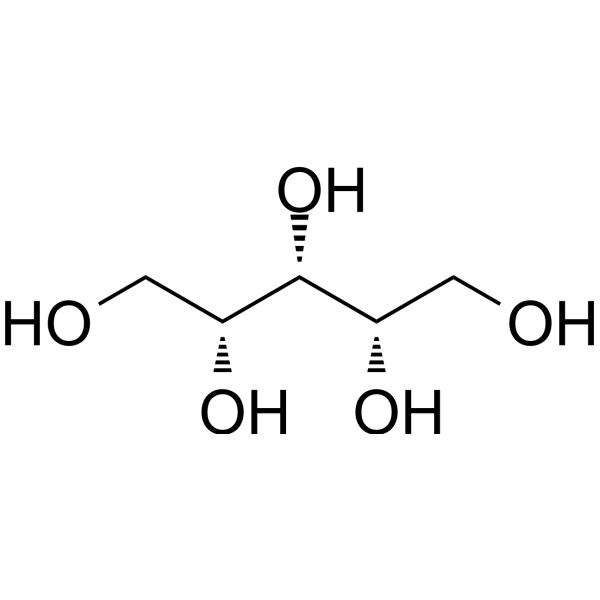 0 ImagesXylitol can be classified as a polyol and sugar alcohol, exhibiting inhibitory activity on cancer cell proliferation. It induces autophagy (Autophagy) and cell death in A549 cells by activating the autophagy signaling pathway, as evidenced by the increased expression of LC3-II and Atg5-Atg12 upon Xylitol treatment. Additionally, Xylitol inhibits acetaldehyde production by Candida species, thereby reducing their carcinogenic potential. In vivo, Xylitol induces alterations in the gut microbiota of mice, which may enhance cholesterol accumulation and upregulate hepatic ChREBP, while also slowing tumor growth in the B16F10 melanoma C57BL/6 mouse model.
-
2'-Aminoacetophenone
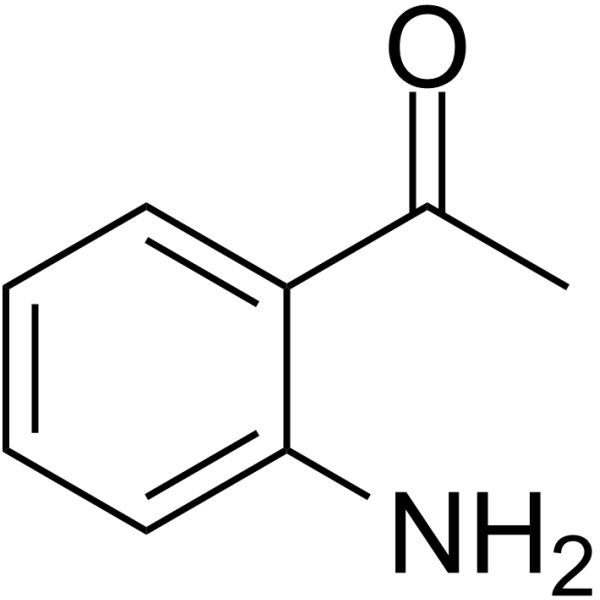 0 Images2'-Aminoacetophenone is an orally active inducer of apoptosis and respiratory biomarker. 2'-Aminoacetophenone can be used to detect Pseudomonas aeruginosa infections in the lungs of cystic fibrosis patients. 2'-Aminoacetophenone can inhibit the protein levels of LC3BII and p62 in macrophages infected with pqsA or mvfR and regulate autophagy. 2'-Aminoacetophenone can disrupt mitochondrial function by inducing oxidative stress and apoptosis signaling, leading to dysfunction in mouse skeletal muscle.
-
Neriifolin
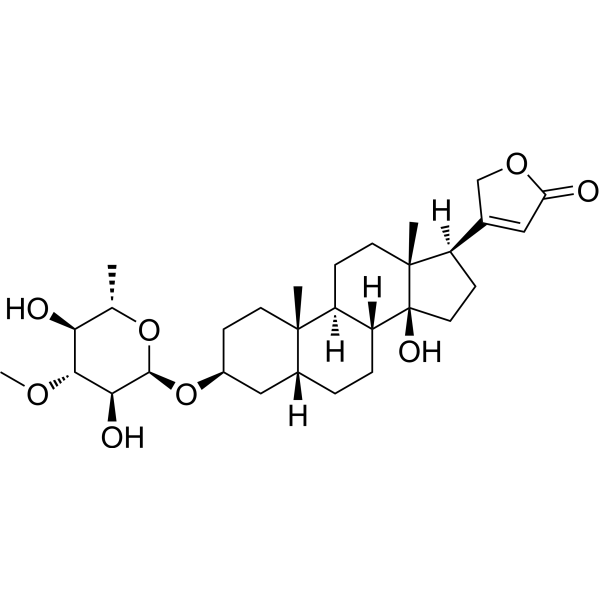 0 ImagesNeriifolin, a CNS-penetrating cardiac glycoside, is an inhibitor of the Na+, K+-ATPase. Neriifolin can target beclin 1, inhibits the formation of LC3-associated phagosomes and ameliorates experimental autoimmune encephalomyelitis (EAE) development. Neriifolin induces cell cycle arrest and apoptosis in human hepatocellular carcinoma HepG2 cells[2.
-
LC3-mHTT-IN-AN2
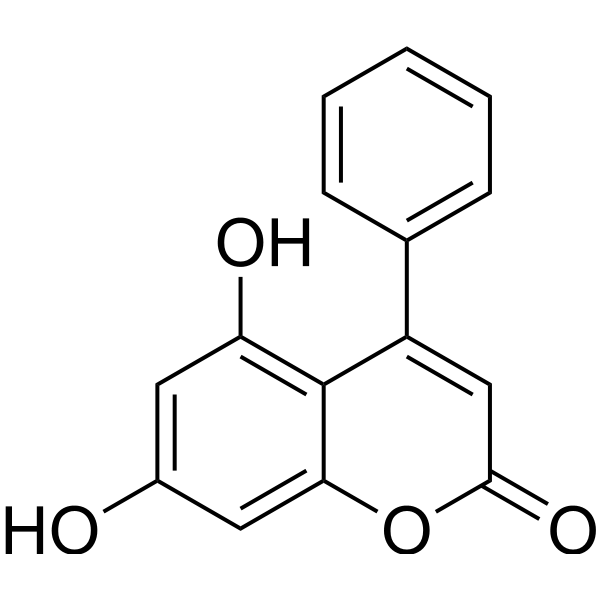 0 ImagesLC3-mHTT-IN-AN2 (Compound AN2) is a mHTT-LC3 linker compound, which interacts with both mutant huntingtin protein (mHTT) and LC3B but not with wtHTT or irrelevant control proteins. LC3-mHTT-IN-AN2 reduces the levels of mHTT in an allele-selective manner in cultured Huntington disease (HD) mouse neurons.
-
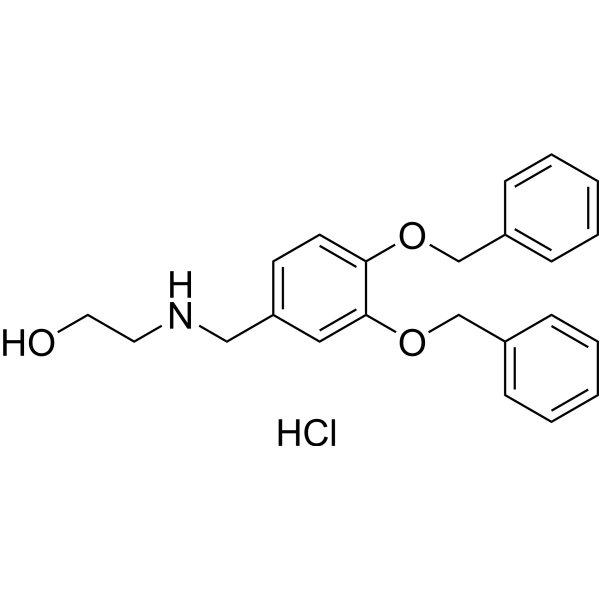
LC3-mHTT-IN-AN1
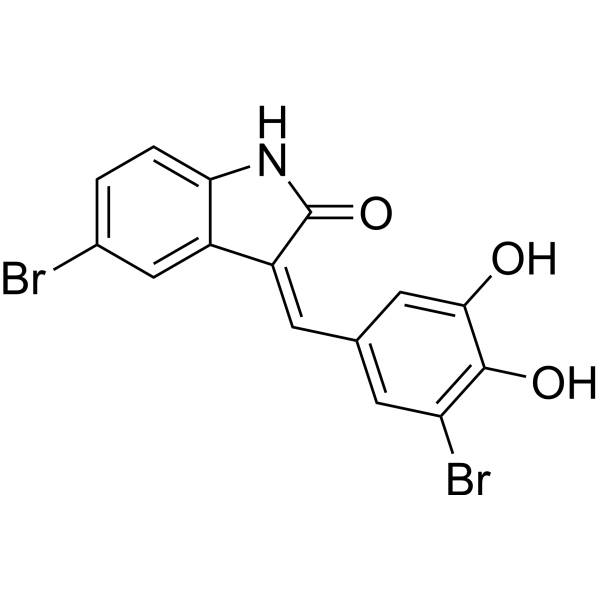 0 ImagesLC3-mHTT-IN-AN1 (Compound AN1) is a mHTT-LC3 linker compound, which interacts with both mutant huntingtin protein (mHTT) and LC3B but not with wtHTT or irrelevant control proteins. LC3-mHTT-IN-AN1 reduces the levels of mHTT in an allele-selective manner in cultured Huntington disease (HD) mouse neurons.
-
Pennogenin 3-O-beta-chacotrioside
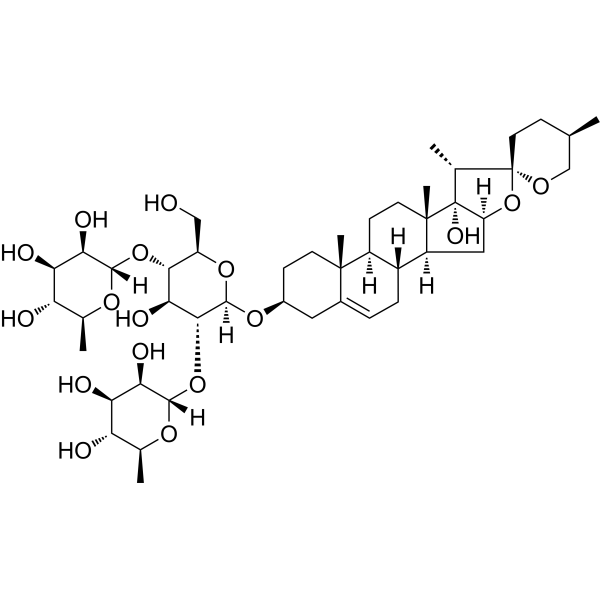 0 ImagesPennogenin 3-O-beta-chacotrioside is an autophagy (autophagy) inducer. Pennogenin 3-O-beta-chacotrioside exhibits strong binding affinity for the pro-apoptotic proteins CYTC, AIF1 and BAX. Pennogenin 3-O-beta-chacotrioside triggers reactive oxygen species-induced autophagy in cancer cells. Pennogenin 3-O-beta-chacotrioside can be used in studies related to colorectal cancer.