



Hydroxy Fatty Acids
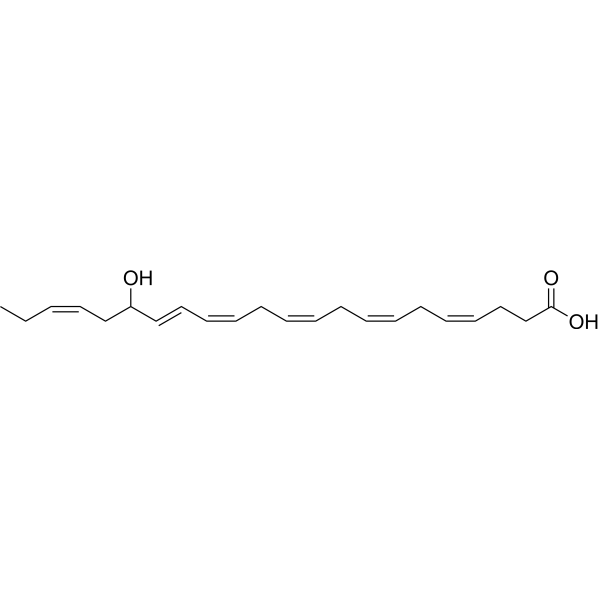
- Formula: C22H32O3
- Molecular Weight: 344.49
17-HDHA is a DHA-derived specialized pro-resolving mediator (SPM). 17-HDHA inhibits NF-κB activation by activating PPARγ and upregulating IκBα, targets FPR2 and Bcl-6, and also acts as a precursor of RvD1 and PD1. 17-HDHA inhibits pulmonary artery smooth muscle cell proliferation, regulates the expression of adiponectin, GLUT-4 and inflammatory cytokines, suppresses IgE production by B cells and promotes antibody secretion. 17-HDHA reduces adipose tissue inflammation, improves insulin sensitivity and glucose tolerance, alleviates pathological processes associated with pulmonary hypertension, and enhances antibody responses and virus neutralizing activity against influenza HA. 17-HDHA can be used in research related to obesity-associated inflammation, insulin resistance, glucose intolerance, pulmonary hypertension and influenza virus infection.
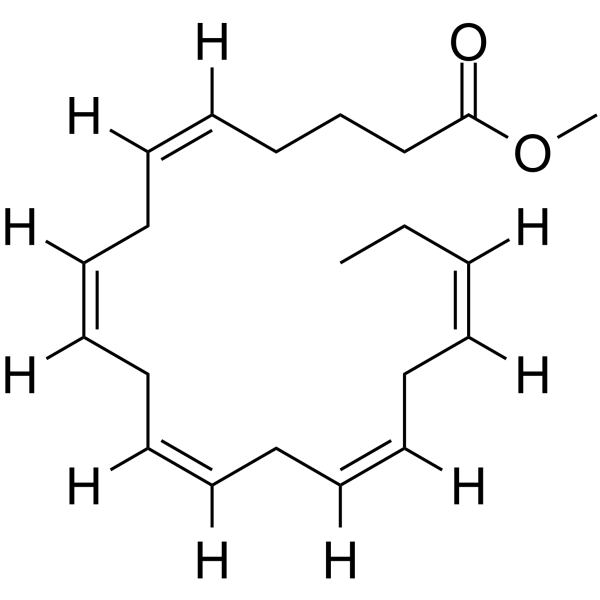
- Formula: C21H32O2
- Molecular Weight: 316.49
Eicosapentaenoic acid methyl ester is a degradation product of monogalactosyldiacylglycerol (Compound 1). Compound 1 can be isolated from the marine diatom Phaeodactylum tricornutum. Compound 1 induces Apoptosis.
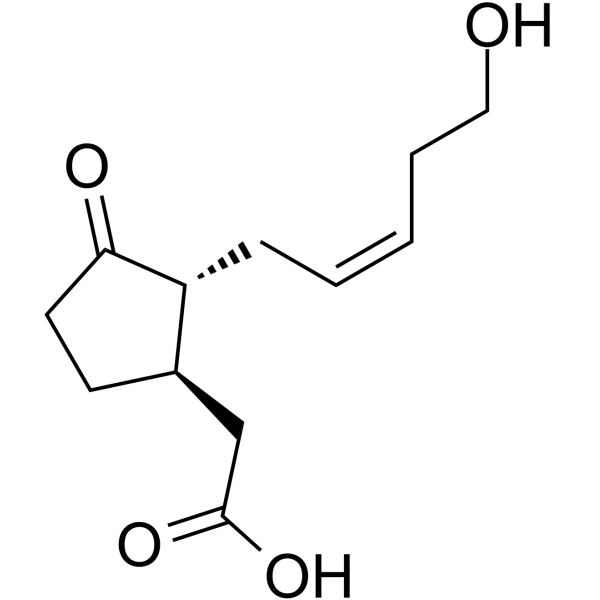
- Formula: C12H18O4
- Molecular Weight: 226.27
12-Hydroxyjasmonic acid is a metabolite of Jasmonic acid (HY-122464A) and an inducer of defense responses. 12-Hydroxyjasmonic acid can be isolated from potato leaflets. During the response of sugar beet plants to Cercospora beticola infection, 12-Hydroxyjasmonic acid is released through deglycosylation of its glucoside form and participates in the Jasmonic acid-mediated defense signaling pathway. 12-Hydroxyjasmonic acid mediates changes in source-sink relationships during pathogen infection, prioritizing the activation of defense processes over growth processes. 12-Hydroxyjasmonic acid serves as a substrate for salicylic acid Glycosyltransferases in tobacco and rice. 12-Hydroxyjasmonic acid can induce leaflet closure in Samanea saman. 12-Hydroxyjasmonic acid acts as a potato tuber-inducing substance. 12-Hydroxyjasmonic acid does not induce protoplast shrinkage in extensor motor cells of Samanea saman. 12-Hydroxyjasmonic acid can be used in studies related to brown spot disease.
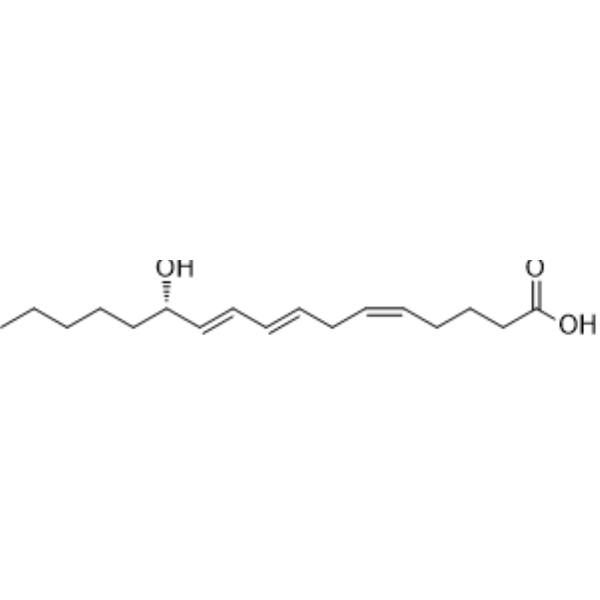
- Formula: C17H28O3
- Molecular Weight: 280.40
12S-HHT (12(S)-HHTrE) is an enzymatic product of prostaglandin H2 (PGH2) derived from cyclooxygenase (COX)-mediated arachidonic acid metabolism. 12S-HHT is an endogenous ligand for BLT2 that fully activates BLT2 in vivo. 12S-HHT suppresses UV-induced IL-6 synthesis in keratinocytes, exerting an anti-inflammatory activity.

- Formula: C18H34O3
- Molecular Weight: 298.46
10-Hydroxy-12(Z)-octadecenoic acid is a hydroxy-unsaturated fatty acid that can be found in microorganisms such as lactic acid bacteria.
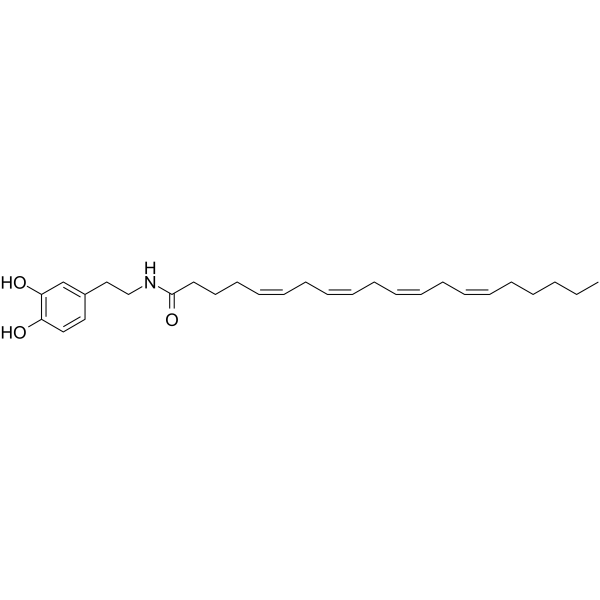
- Formula: C28H41NO3
- Molecular Weight: 439.63
N-Arachidonyldopamine acts as an Anandamide (HY-10863) membrane transport inhibitor, a selective CB1 cannabinoid receptor agonist, and a VR1 receptor activator. It exhibits an EC50 value of 48 nM for rat VR1 and a Ki value of 0.25 μM for CB1. N-Arachidonyldopamine exists in mammalian neural tissues. It stimulates intracellular Ca2+ mobilization, mediates cannabinoid-like effects, and induces hypothermia, hypomotility, catalepsy, analgesia, and hyperalgesia to heat. N-Arachidonyldopamine possesses anticancer activity against breast cancer. It can be used in research related to breast cancer and heat hyperalgesia.
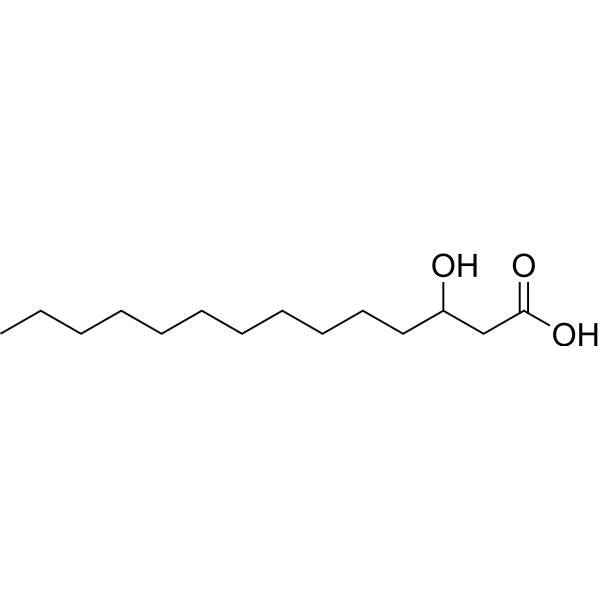
- Formula: C14H28O3
- Molecular Weight: 244.37
3-Hydroxytetradecanoic acidis a saturated fatty acid. 3-Hydroxytetradecanoic acidOccurs naturally in various animal and plant sources such as butter and milk fat. 3-Hydroxytetradecanoic acidIt has various uses in industry, especially in the production of soaps, detergents and other surfactants. 3-Hydroxytetradecanoic acidIt is also used as a precursor for the synthesis of other bioactive compounds such as antibiotics and anticancer drugs.
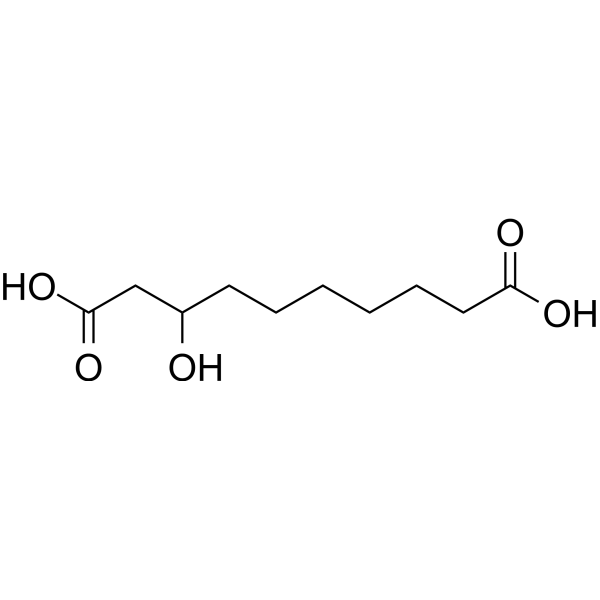
- Formula: C10H18O5
- Molecular Weight: 218.25
3-Hydroxysebacic acid is an endogenous metabolite present in Urine that can be used for the research of Medium Chain Acyl Co A Dehydrogenase Deficiency.
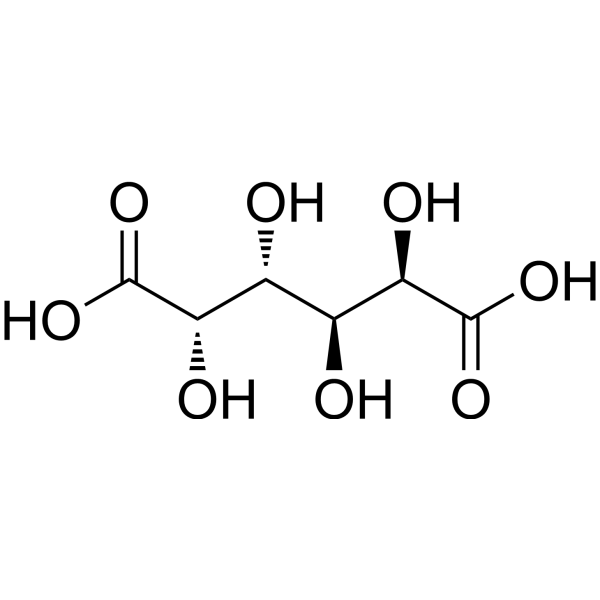
- Formula: C6H10O8
- Molecular Weight: 210.14
Mucic acid is an aldonic acid that can be prepared from pectin. Mucic acid increases the expression level of Runx2, promotes osteoblast differentiation, and upregulates osteogenic differentiation marker genes. Mucic acid can be used to prepare platform compounds, polymers, polymer materials and metal-organic frameworks. Mucic acid is applicable to the research of bone-related defects.
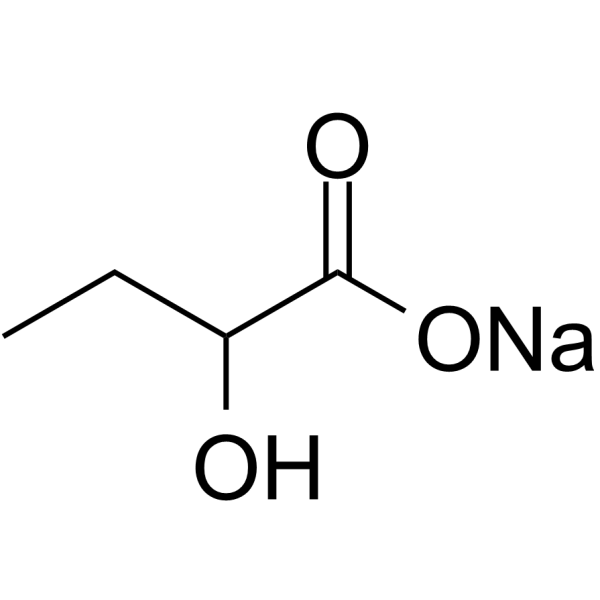
- Formula: C4H7NaO3
- Molecular Weight: 126.09
Sodium 2-hydroxybutanoate (2-Hydroxybutyric acid sodium) is converted from 2-Aminobutyric acid, with 2-oxobutyric acid as an intermediate metabolite. Sodium 2-hydroxybutanoate is a potential biomarker for type 2 diabetes and preeclampsia. Sodium 2-hydroxybutanoate prevents the acetaminophen (AP)-induced liver injury.
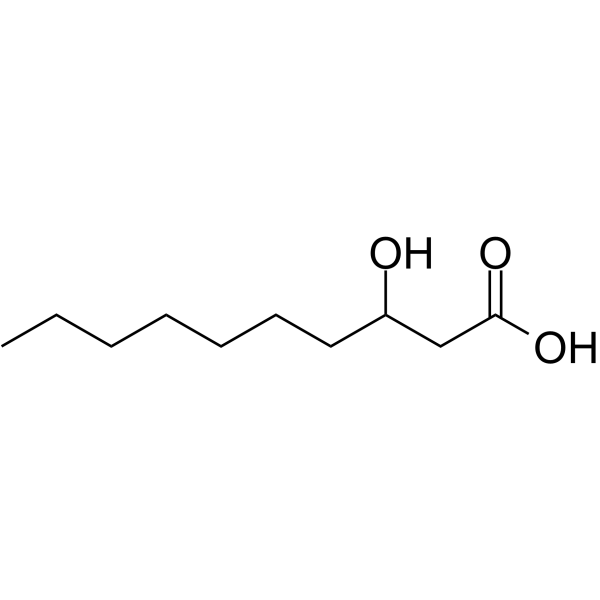
- Formula: C10H20O3
- Molecular Weight: 188.26
3-Hydroxycapric acid is an inhibitor for mitotic progression.
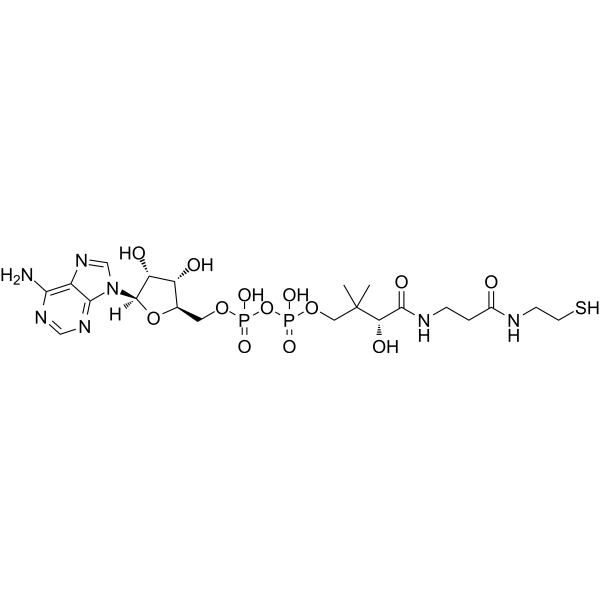
- Formula: C21H35N7O13P2S
- Molecular Weight: 687.55
Dephospho-CoA is a key intermediate in the biosynthesis of coenzyme A (CoA), which is catalyzed to form CoA by GTP-dependent Dephospho-CoA kinase (DPCK). Dephospho-CoA completes the final synthetic step of CoA via phosphorylation and participates in energy metabolism and cellular signal transduction. Dephospho-CoA can be used in studies involving cancer (e.g., regulation of cell proliferation) and metabolic diseases (e.g., mitochondrial dysfunction).
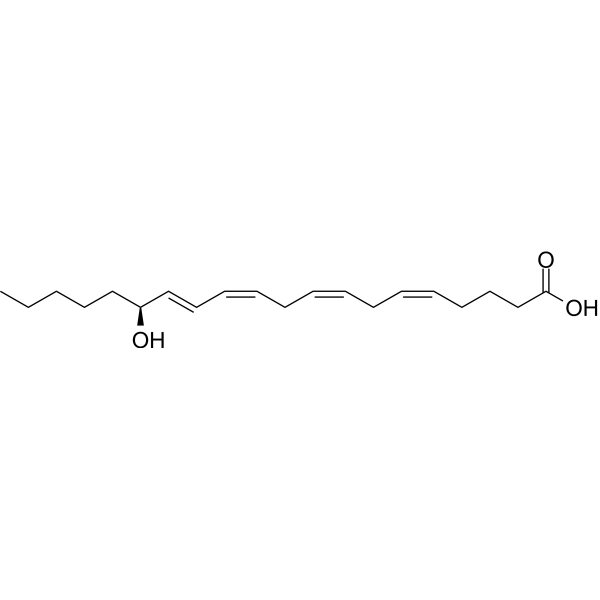
- Formula: C20H32O3
- Molecular Weight: 320.47
15(S)-HETE is an endogenous metabolite present in Urine that can be used for the research of Zellweger Syndrome.

- Formula: C14H29NO
- Molecular Weight: 227.39
Myristic amide (Myristic acid amide) is an ester product. Myristic amide can be used as a chemical additive, lubricant and pharmaceutical intermediate.

- Formula: C20H30O3
- Molecular Weight: 318.45
15(S)-HEPE is a monohydroxy fatty acid. 15(S)-HEPE is biosynthesized from eicosapentaenoic acid by 15-lipoxygenase (15-LO). Serum levels of 15(S)-HEPE are elevated in patients with asthma.
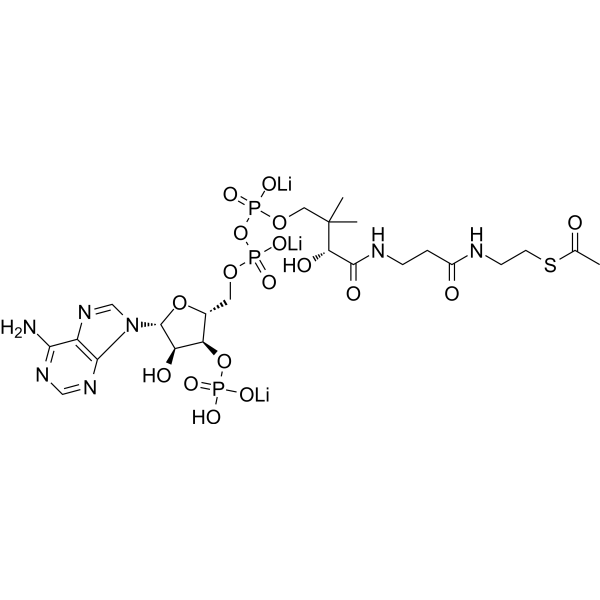
- Formula: C23H35Li3N7O17P3S
- Molecular Weight: 827.37
Acetyl-coenzyme A (Acetyl-CoA) trilithium is a membrane-impermeant central metabolic intermediate, participates in the TCA cycle and oxidative phosphorylation metabolism. Acetyl-coenzyme A trilithium regulates various cellular mechanisms by providing (sole donor) acetyl groups to target amino acid residues for post-translational acetylation reactions of proteins. Acetyl Coenzyme A trilithium is also a key precursor of lipid synthesis.

- Formula: C18H32O3
- Molecular Weight: 296.44
(±)-Coriolic acid ((±)-13-HODE) is one of the two racemic monohydroxy fatty acids produced by non-enzymatic oxidation of linoleic acid. (±)-Coriolic acid induces TNF production in macrophages and upregulates Scavenger Receptor, thereby promoting the uptake of oxidized low-density lipoprotein. (±)-Coriolic acid induces the expression of cell adhesion molecules in endothelial cells. (±)-Coriolic acid can be used in research on psoriasis, atherosclerosis, and triple-negative breast cancer.
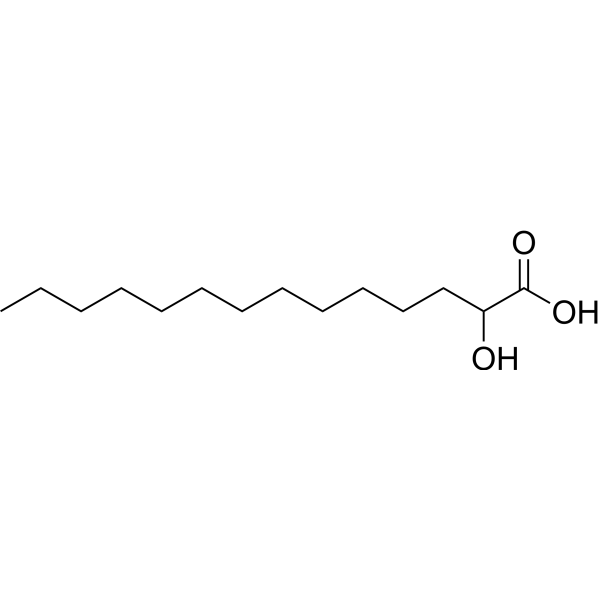
- Formula: C14H28O3
- Molecular Weight: 244.37
2-Hydroxytetradecanoic acid is a 2-hydroxy long-chain fatty acid and a sphingolipid component. 2-Hydroxytetradecanoic acid inhibits cleavage between the enterovirus capsid proteins VP4 and VP2. 2-Hydroxytetradecanoic acid exhibits antiviral activity.

- Formula: C20H30O3
- Molecular Weight: 318.45
18-HEPE (18-Hydroxy-5(Z),8(Z),11(Z),14(Z),16(E)-eicosapentaenoic acid) is an ester product.
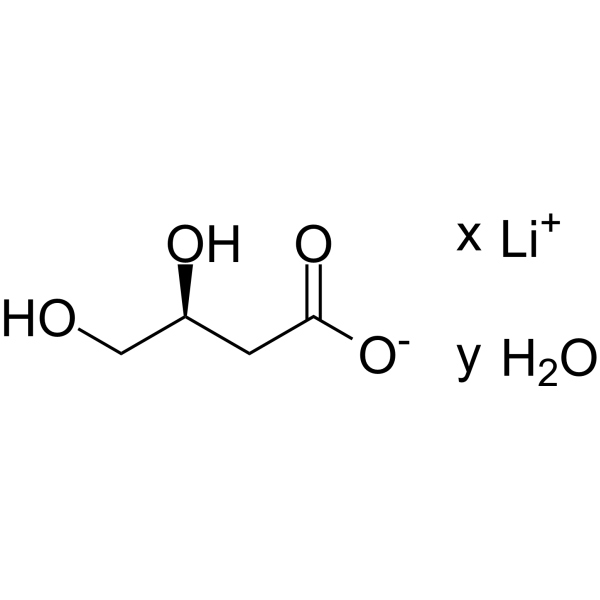
- Formula: C4H9LiO5
- Molecular Weight: 144.05
(S)-3,4-Dihydroxybutyric acid lithium hydrate, a normal human urinary metabolite, is a β-oxidation metabolite of γ-hydroxybutyrate. (S)-3,4-Dihydroxybutyric acid lithium hydrate can be used for research on succinic semialdehyde dehydrogenase deficiency.



