



Epilepsy
-
Epilepsy (199)

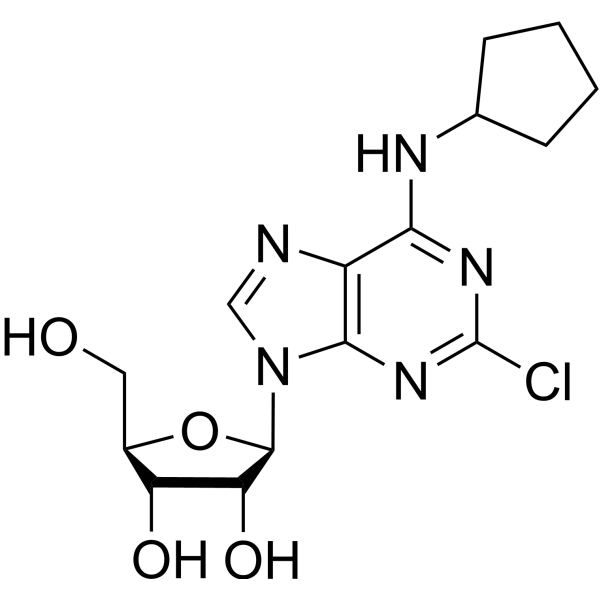
- Formula: C15H20ClN5O4
- Molecular Weight: 369.80
CCPA (2-Chloro-N6-cyclopentyladenosine) a highly selective A1 adenosine receptors agonist with a Ki of 0.4 nM. CCPA inhibits adenylate cyclase with an IC50 of 33 nM. CCPA exhibits anti-seizure and cardiacprotective activity. CCPA can be used for the research of seizure and myocardial infarction.
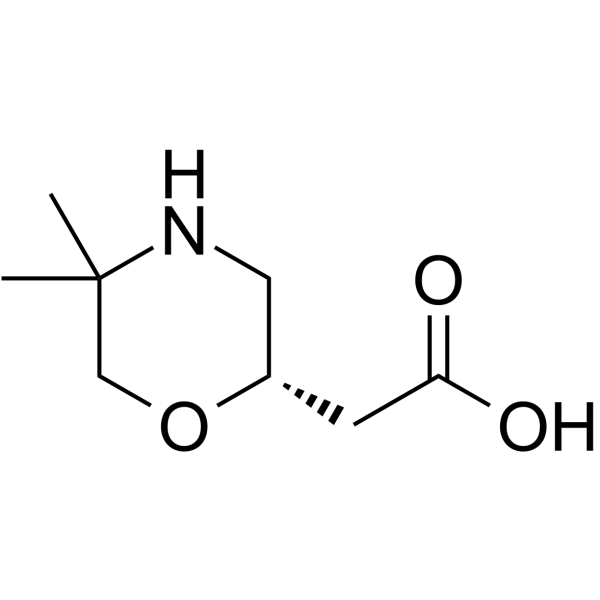
- Formula: C8H15NO3
- Molecular Weight: 173.21
SCH 50911 is a selective, orally active, blood-brain barrier permeable GABA-B receptor (GABA-B Receptor) antagonist with an IC50 of 1.1 μM in rats. SCH 50911 blocks baclofen-induced antitussive effects, regulates neuronal firing and GABA release. SCH 50911 promotes spontaneous seizures during withdrawal in ethanol-dependent rats, alters reward-related neurotransmission, and reduces or suppresses lever responding and self-administration behaviors of alcohol and sucrose in rats. SCH 50911 is applicable to research related to ethanol withdrawal syndrome, absence epilepsy and alcohol use disorder.
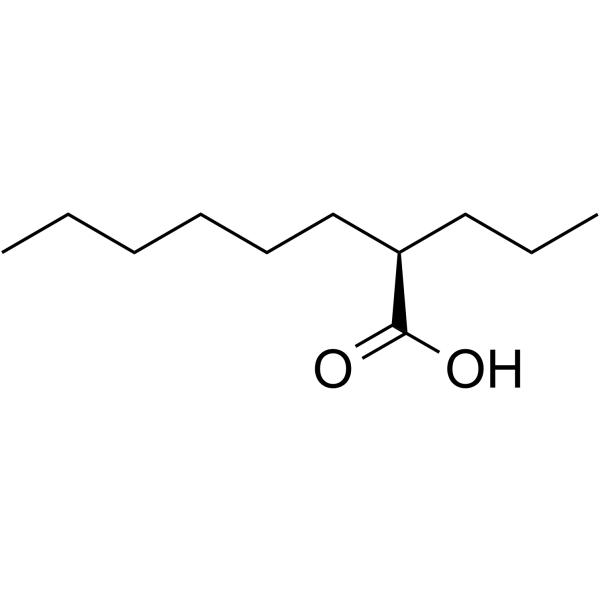
- Formula: C11H22O2
- Molecular Weight: 186.29
Arundic Acid is an orally effective astrocyte function modulator and neuroprotective agent. Arundic Acid increases the expression and function of the astrocytic glutamate transporter EAAT1 by activating the ERK, Akt and NF-κB pathways. Arundic Acid attenuates retinal ganglion cell death in a normal-tension glaucoma model. Arundic Acid exerts neuroprotective effects in a mouse model of Parkinson's disease. Arundic Acid is a S100β protein synthesis inhibitor that prevents neurological deficits and brain tissue damage after intracerebral hemorrhage in rats. Arundic Acid downregulates neuroinflammation and astrocytic dysfunction after status epilepticus in immature rats. Arundic Acid is applicable to research related to Parkinson's disease, cerebral ischemia, glaucoma, intracerebral hemorrhage and epilepsy.

- Formula: C18H22F2N4O
- Molecular Weight: 348.39
Opakalim (BHV-7000) is a selective Kv7.2/7.3 potassium channels activator with an EC50 of 0.6 μM. Opakalim shows minimal GABAA receptor activation and exhibits potent anti-seizure efficacy in the maximal electroshock seizure (MES) model. Opakalim can be used for the study of seizures.
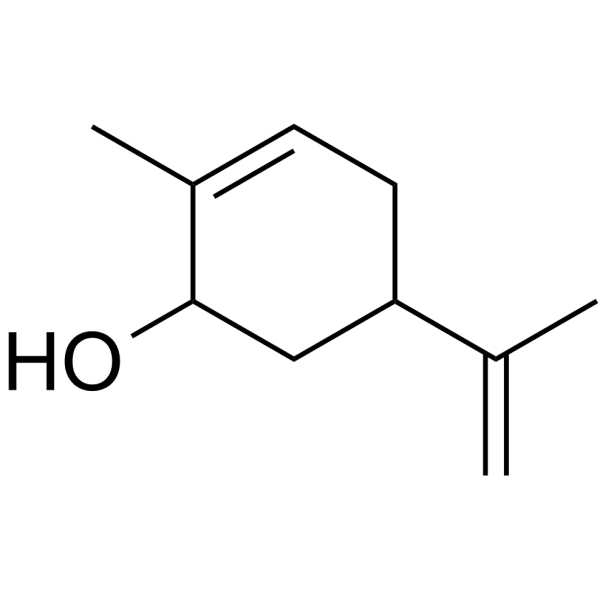
- Formula: C10H16O
- Molecular Weight: 152.24
Carveol is an orally active monoterpenoid alcohol with neuroprotective, antioxidant, anti-inflammatory, anticonvulsant, antidiabetic, hypolipidemic and hepatoprotective activities. Carveol upregulates the expression of Bcl2, downregulates the expression of caspase-3, TNF-α, IL1β and IL6, activates the Nrf2/HO-1 antioxidant signaling pathway, inhibits the RAGE/NF-κB signaling pathway, and suppresses neuroinflammation and neuronal apoptosis. Carveol inhibits α-synuclein aggregation, improves cognitive ability, and inhibits α-amylase activity. Carveol exerts neuroprotective effects in a rat model of Parkinson's disease. Carveol exhibits antidiabetic effects in alloxan-induced diabetic rats. Carveol alleviates PTZ-induced seizures in rats. Carveol can be used in research related to Parkinson's disease, epilepsy, diabetes and ischemic stroke.
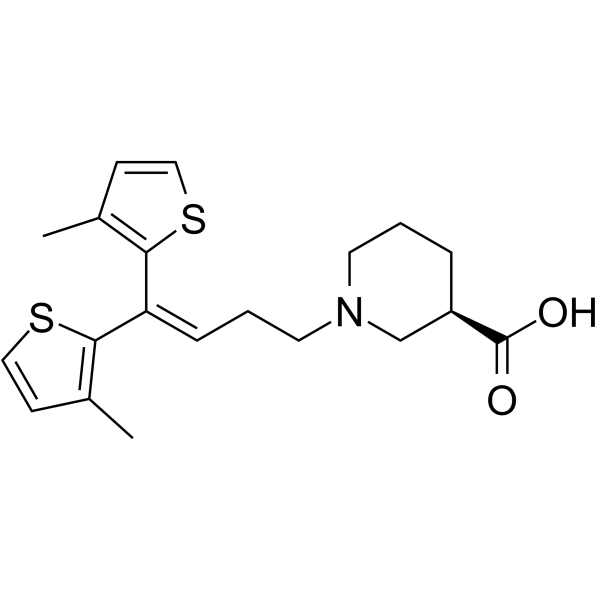
- Formula: C20H25NO2S2
- Molecular Weight: 375.55
Tiagabine (NO050328; NO328; TGB) is an orally active, highly selective, and reversible GAT-1 inhibitor and anticonvulsant that crosses the blood-brain barrier. By blocking the reuptake of GABA in neurons and glial cells, tiagabine increases extracellular GABA levels to enhance inhibitory signal transduction, thereby exerting multiple activities such as anticonvulsant, neuroprotective, and antioxidant effects. Tiagabine exhibits linear pharmacokinetic properties. Although it is metabolized by CYP3A and has a high protein binding rate, it carries a low risk of cognitive impairment. Tiagabine is widely used in research on related diseases including epilepsy (including refractory partial seizures), alcohol withdrawal symptoms, and Huntington's disease.

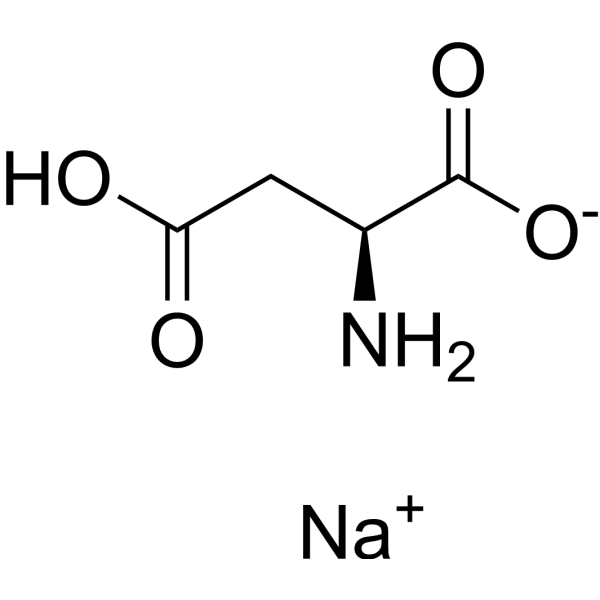
- Formula: C4H6NNaO4
- Molecular Weight: 155.08
L-Aspartic acid sodium (Sodium L-aspartate) is a NMDA receptor agonist and acidic amino acid. L-Aspartic acid sodium has no independent analgesic activity. L-Aspartic acid sodium can antagonize the analgesic effects of D-Aspartic acid and Morphine. L-Aspartic acid sodium regulates polymorph transformation, crystal growth/aggregation and nucleation processes of calcium carbonate, and can serve as a biomineralization template. L-Aspartic acid sodium promotes burst firing of central neurons. L-Aspartic acid sodium can be used in studies related to cerebral ischemia and epilepsy.
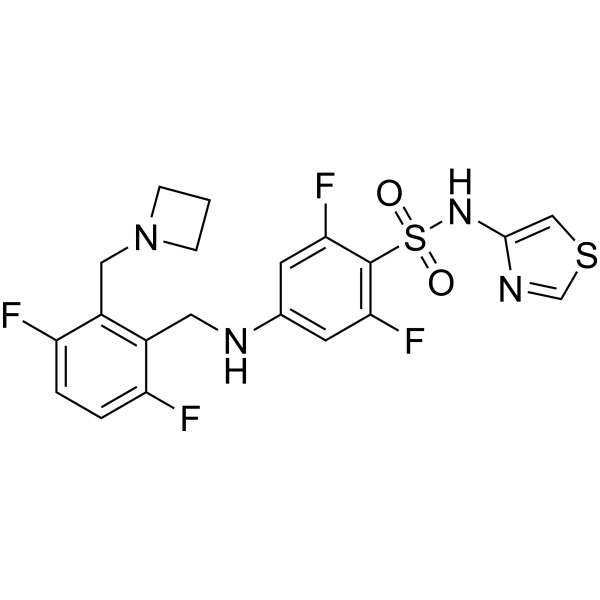
- Formula: C20H18F4N4O2S2
- Molecular Weight: 486.51
XPC-5462 is a selective NaV1.6/1.2 inhibitor, with an IC50 of 0.0103 μM against hNaV1.6, 0.0137 μM against mNaV1.6, and 0.0109 μM against hNaV1.2. XPC-5462 significantly reduces epileptiform discharges. XPC-5462 is applicable for epilepsy-related research.
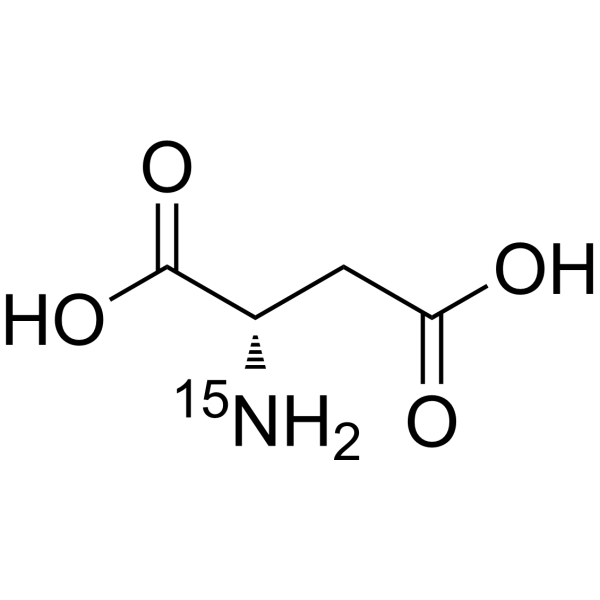
- Formula: C4H715NO4
- Molecular Weight: 134.10
L-Aspartic acid-15N is the 15N-labeled L-Aspartic acid (HY-N0666). L-Aspartic acid is a NMDA receptor agonist and acidic amino acid. L-Aspartic acid has no independent analgesic activity. L-Aspartic acid can antagonize the analgesic effects of D-Aspartic acid and Morphine. L-Aspartic acid regulates polymorph transformation, crystal growth/aggregation and nucleation processes of calcium carbonate, and can serve as a biomineralization template. L-Aspartic acid promotes burst firing of central neurons. L-Aspartic acid can be used in studies related to cerebral ischemia and epilepsy.
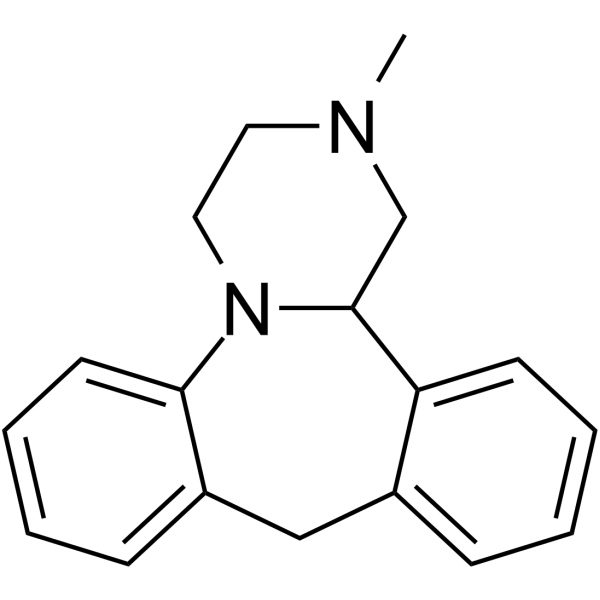
- Formula: C18H20N2
- Molecular Weight: 264.36
Mianserin (Mianserine) is an orally active H1 receptor antagonist. Mianserin can activate κ-opioid receptor and octopamine receptor. Mianserin increases ERK1/2 and CREB phosphorylation, and antagonizes full κ-opioid agonist and Dynorphin A (HY-P1333)-induced MAPK phosphorylation. Mianserin modulates social and exploratory behaviour, raises electroconvulsive thresholds. Mianserin can be used for the research of neurological disease, such as depression and epilepsy.
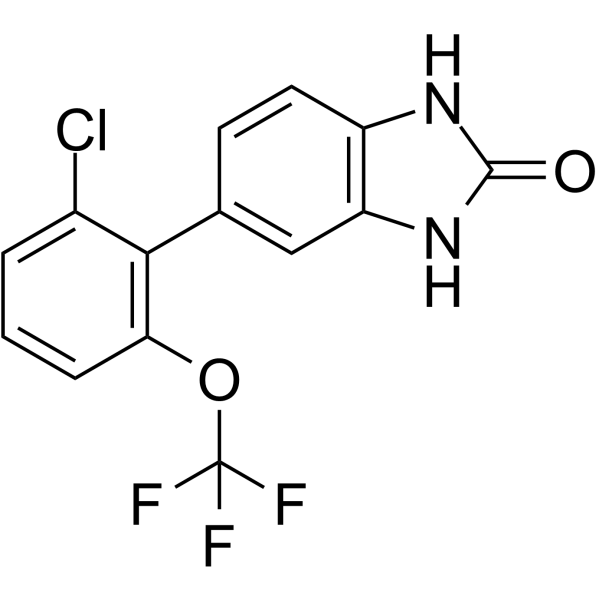
- Formula: C14H8ClF3N2O2
- Molecular Weight: 328.67
JNJ-55511118 is a selective TARP γ-8 binding AMPA receptor modulator with oral bioavailability and blood-brain barrier permeability, with a Ki of 26 nM. JNJ-55511118 reduces voluntary intake of sweetened alcohol in male mice. In rodent models, JNJ-55511118 inhibits hippocampal neurotransmission, reduces specific electroencephalogram frequency bands, induces transient hyperlocomotion, impairs learning and memory abilities, and exerts anticonvulsant effects. JNJ-55511118 is applicable to research related to alcohol use disorder and seizures.
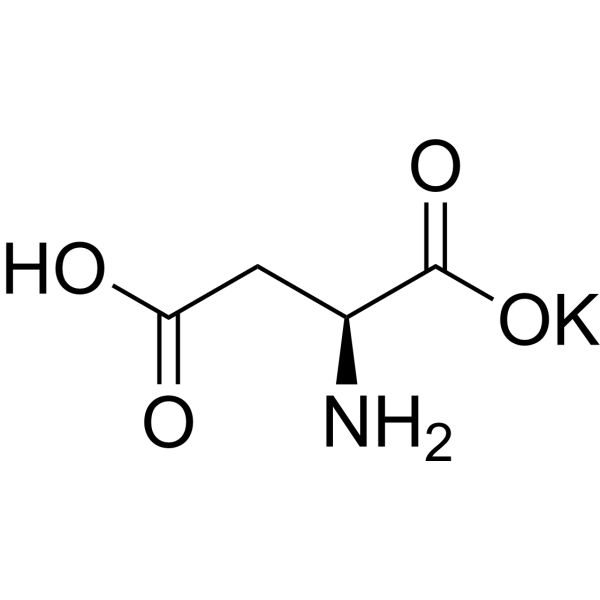
- Formula: C4H6KNO4
- Molecular Weight: 171.19
L-Aspartic acid potassium (potassium L-aspartate) is a NMDA receptor agonist and acidic amino acid. L-Aspartic acid potassium has no independent analgesic activity. L-Aspartic acid potassium can antagonize the analgesic effects of D-Aspartic acid and Morphine. L-Aspartic acid potassium regulates polymorph transformation, crystal growth/aggregation and nucleation processes of calcium carbonate, and can serve as a biomineralization template. L-Aspartic acid potassium promotes burst firing of central neurons. L-Aspartic acid potassium can be used in studies related to cerebral ischemia and epilepsy.

- Formula: C13H12O4
- Molecular Weight: 232.23
Aloesone is an orally active phenolic heptaketide natural product that can cross the blood-brain barrier. Aloesone inhibits LPS-induced oxidative stress, inflammation, M1 polarization and apoptosis in RAW264.7 macrophages by reducing ROS production and NO release, and downregulating the mRNA expression of iNOS, IL-1β and TNF-α. Aloesone also inhibits glutamate-induced neuronal damage and pentylenetetrazol (PTZ)-induced seizures by activating c-SRC.
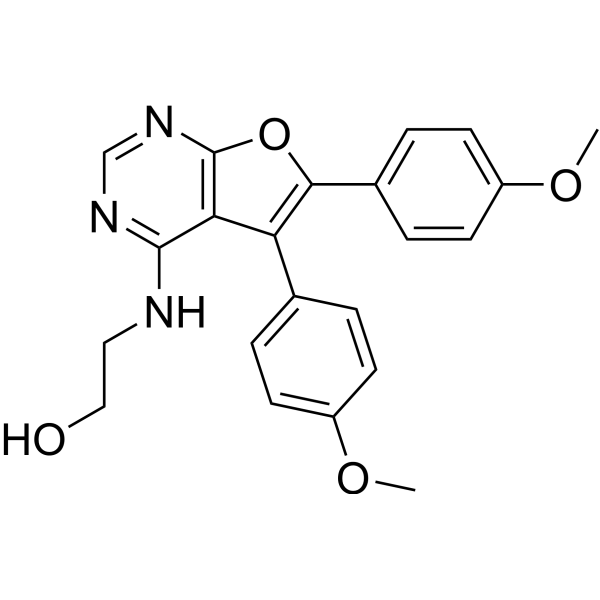
- Formula: C22H21N3O4
- Molecular Weight: 391.42
AK-IN-1 is a competitive inhibitor of adenosine kinase (AK) with respect to adenosine (Ado) and uncompetitive with respect to ATP. AK-IN-1 inhibits cellular adenosine uptake and adenosine incorporation into macromolecules. AK-IN-1 can be used for research on ischemia, inflammation, and epilepsy.
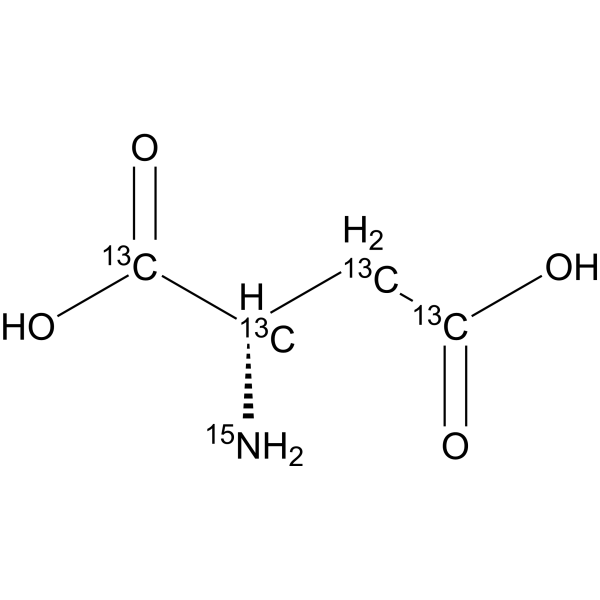
- Formula: 13C4H7 15NO4
- Molecular Weight: 138.07
L-Aspartic acid-13C4,15N is the 15N, 13C-labeled L-Aspartic acid (HY-N0666). L-Aspartic acid is a NMDA receptor agonist and acidic amino acid. L-Aspartic acid has no independent analgesic activity. L-Aspartic acid can antagonize the analgesic effects of D-Aspartic acid and Morphine. L-Aspartic acid regulates polymorph transformation, crystal growth/aggregation and nucleation processes of calcium carbonate, and can serve as a biomineralization template. L-Aspartic acid promotes burst firing of central neurons. L-Aspartic acid can be used in studies related to cerebral ischemia and epilepsy.

- Formula: C16H16F3NO
- Molecular Weight: 295.30
Norfluoxetine is the active metabolite of the antidepressant Fluoxetine (HY-B0102); it is also a TREK-2 K2P potassium channel inhibitor. Norfluoxetine exhibits neuroimmunological activity, induces apoptosis in primary microglial cells, and inhibits the release of pro-inflammatory factors. Norfluoxetine inhibits high-threshold voltage-gated Ca2+ currents in neurons with an EC50 of 20.4 μM. Norfluoxetine can be used in research related to depression, ischemic stroke, and epilepsy.
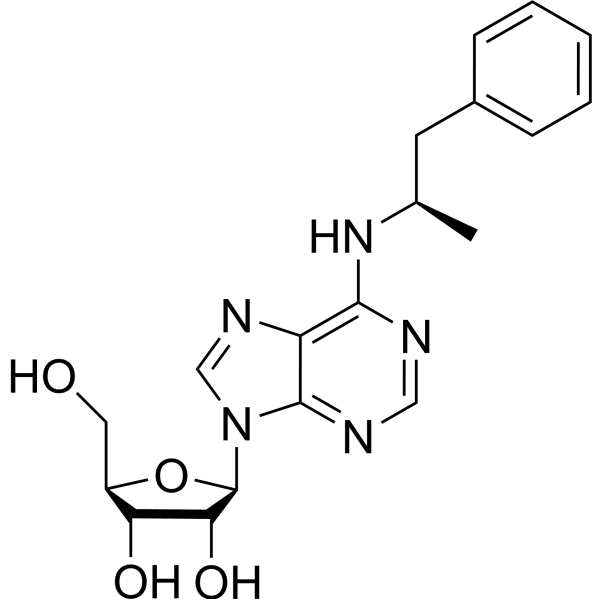
- Formula: C19H23N5O4
- Molecular Weight: 385.42
(-)-N6-phenylisopropyl adenosine (L-Phenylisopropyladenosine) is a selective A1 adenosine receptor agonist. (-)-N6-phenylisopropyl adenosine inhibits K+-induced Ca2+ uptake with an IC50 value of 0.5 µM. (-)-N6-phenylisopropyl adenosine protects against ischemia-induced ventricular arrhythmias and atrial fibrillation, and exacerbates ethanol withdrawal symptoms. (-)-N6-phenylisopropyl adenosine also has analgesic effects.
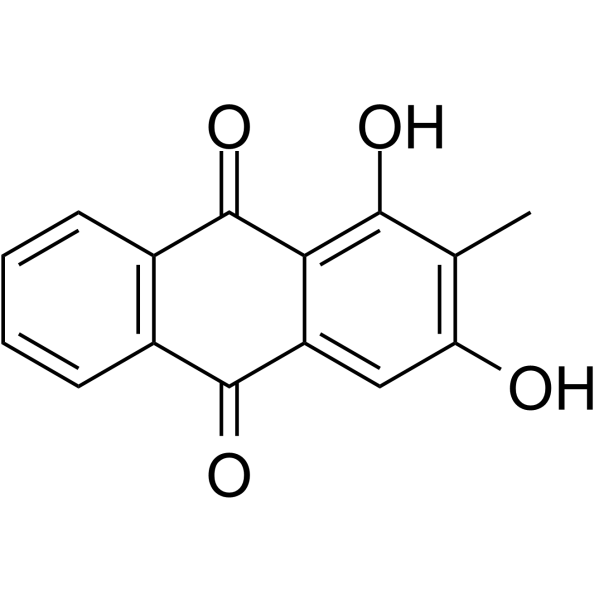
- Formula: C15H10O4
- Molecular Weight: 254.24
Rubiadin is an orally active free radical scavenger that inhibits the activation of the NF-κB pathway. Rubiadin inhibits osteoclast formation, bone resorption, lipid peroxidation, HBV DNA replication and cancer cell proliferation; reduces pro-inflammatory cytokine levels; induces cancer cell apoptosis; and possesses antifungal, antimalarial, antibacterial and anticonvulsant activities. Rubiadin can be used in the research of osteoporosis, acute inflammation, chronic inflammation, carbon tetrachloride-induced liver injury, Alzheimer's disease, breast cancer, iron overload disorders, hepatitis B virus infection, colon cancer, liver cancer, T-lymphocytic leukemia, cervical cancer, diabetic nephropathy, epileptic seizures, fungal infections, malaria and bacterial infections.
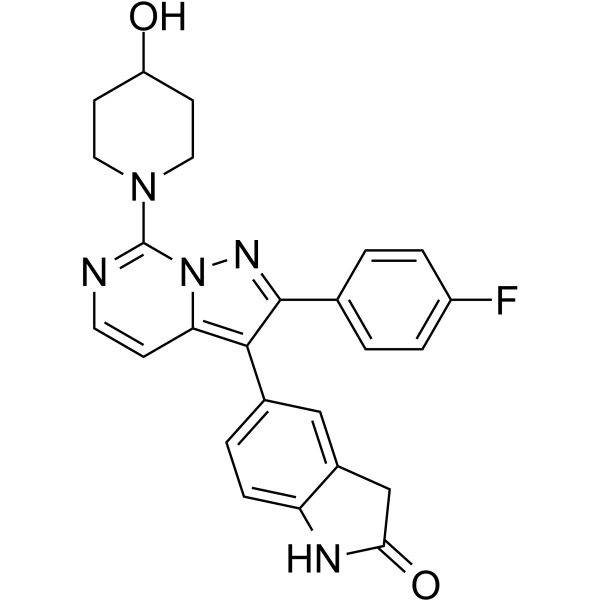
- Formula: C25H22FN5O2
- Molecular Weight: 443.47
JNJ-61432059 is a blood-brain barrier-permeable, orally active TARP γ-8-associated AMPAR modulator with anticonvulsant activity. JNJ-61432059 negatively regulates GluA1 and positively modulates GluA2-containing AMPARs. JNJ-61432059 exerts potent protective effects in rodent epilepsy models. JNJ-61432059 is applicable for epilepsy-related research.



