2421 Results for "

decrease

" in MedChemExpress (MCE) Product Catalog:
Products (2421)

2421 Results for "decrease" in MCE Product Catalog:

1
1 Cited Publications
Cat. No.: HY-B0859
CAS No.: 94-74-6
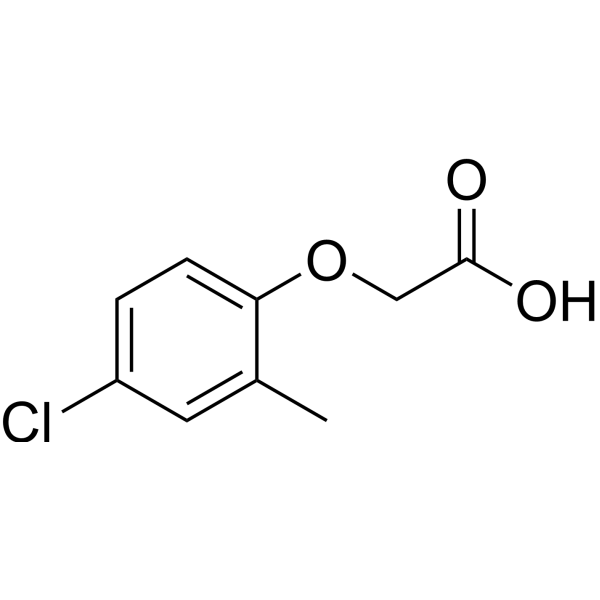
MCPA is an orally active phenoxyacetic acid herbicide. MCPA interferes with membrane integrity, energy metabolism (decreases ATP levels), and redox balance in plant cells. MCPA increases hepatic cytochrome P-450 levels and increases aniline hydroxylase and 7-ethoxycoumarin O-deethylase activities. MCPA can be used to control broadleaf weeds .
loading...
    loading...
1
1 Cited Publications
Cat. No.: HY-B0859A
CAS No.: 3653-48-3
Research Areas:  

Metabolic Disease

MCPA sodium is an orally active phenoxyacetic acid herbicide. MCPA sodium interferes with membrane integrity, energy metabolism (decreases ATP levels), and redox balance in plant cells. MCPA sodium increases hepatic cytochrome P-450 levels and increases aniline hydroxylase and 7-ethoxycoumarin O-deethylase activities. MCPA sodium can be used to control broadleaf weeds .
loading...
    loading...
1
1 Cited Publications
Cat. No.: HY-N7271
CAS No.: 80-78-4
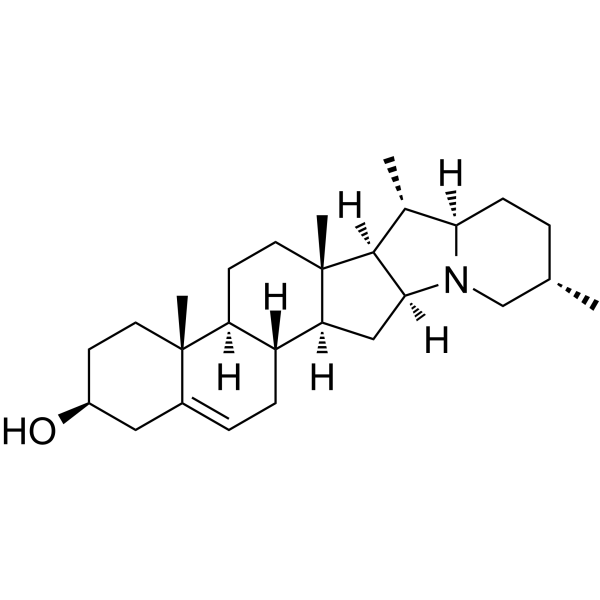
Solanidine is an orally active cholestane alkaloid. Solanidine can be isolated from potato. Solanidine decreases RAD51 and increases γH2AX and p53. Solanidine has anti-tumor effects on LLC tumors and lung cancer. Solanidine promotes breast cancer cell proliferation. Solanidine reduces neovascularization. Solanidine causes abortion in some pregnant mice .
loading...
    loading...
1
1 Cited Publications
Cat. No.: HY-P1201
CAS No.: 84211-54-1
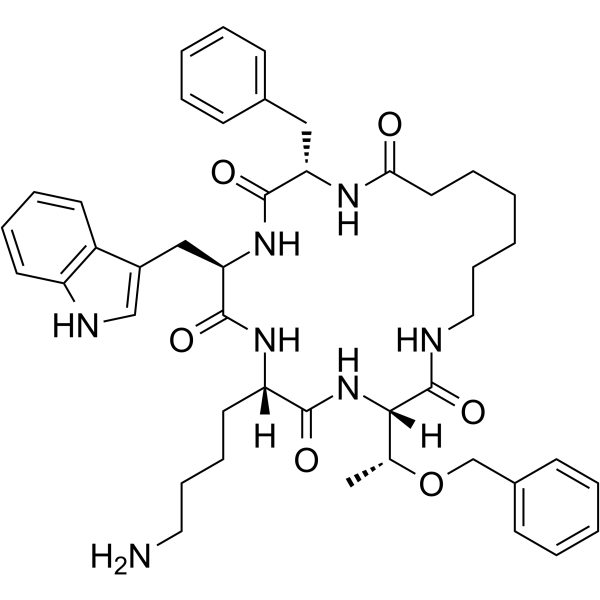
Cyclosomatostatin is a non-selective somatostatin receptor antagonist that blocks SSTR1-5-mediated signaling. Cyclosomatostatin decreases the ALDH + stem cell population and sphere formation without affecting cell viability, and reduces cell proliferation. Cyclosomatostatin activates opioid receptors. Cyclosomatostatin can be used for research on arthritis and colorectal cancer .
loading...
    loading...
1
1 Cited Publications
Cat. No.: HY-101446
CAS No.: 314054-36-9
Purity:  99.94%
Target:  

Trk Receptor ERK Apoptosis

Research Areas:  

Neurological Disease

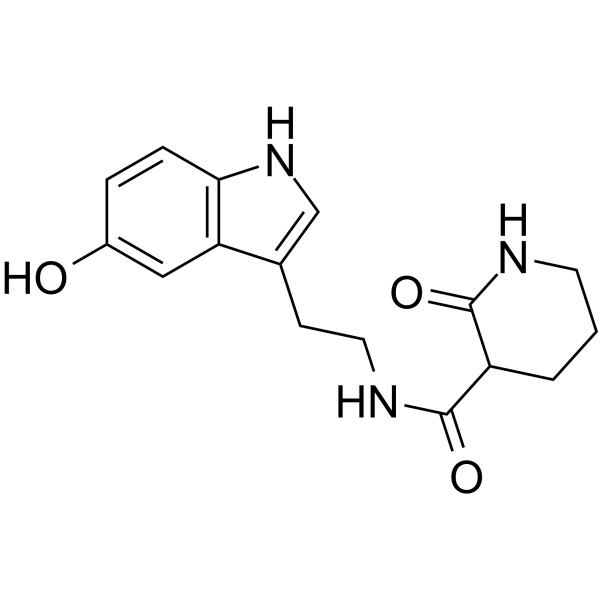
HIOC is a potent and selective activator of TrkB (tropomyosin related kinase B) receptor. HIOC can pass the blood-brain and blood-retinal barriers.HIOC activates TrkB/ERK pathway and decreases neuronal cell apoptosis. HIOC attenuates early brain injury after SAH (subarachnoid hemorrhage). HIOC shows protective activity in an animal model for light-induced retinal degeneration .
loading...
    loading...
1
1 Cited Publications
Cat. No.: HY-150190
CAS No.: 2304465-89-0
Purity:  99.38%
Research Areas:  

Cancer

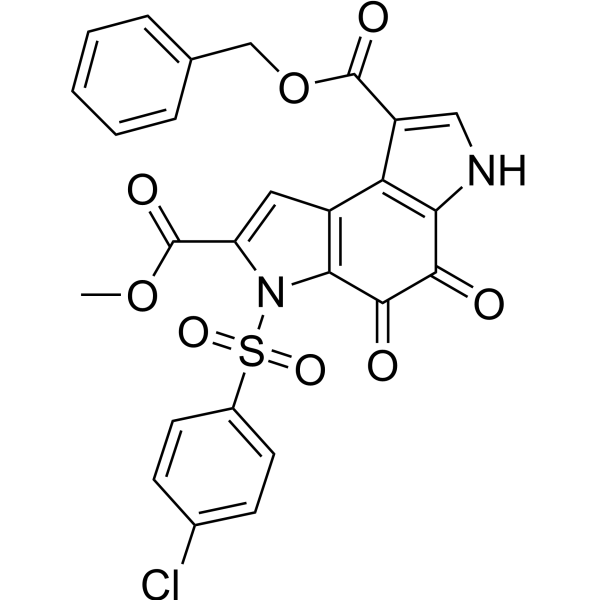
F5446 (Compound 1) is a selective small molecule inhibitor of SUV39H1 methyltransferase. F5446 decreases H3K9me3 deposition at the FAS promoter, increases Fas expression and increases colorectal carcinoma cell sensitivity to FasL-induced apoptosis in vitro. F5446 suppresses human colon tumor xenograft growth in vivo .
loading...
    loading...
1
1 Cited Publications
Cat. No.: HY-N3009
CAS No.: 58822-47-2
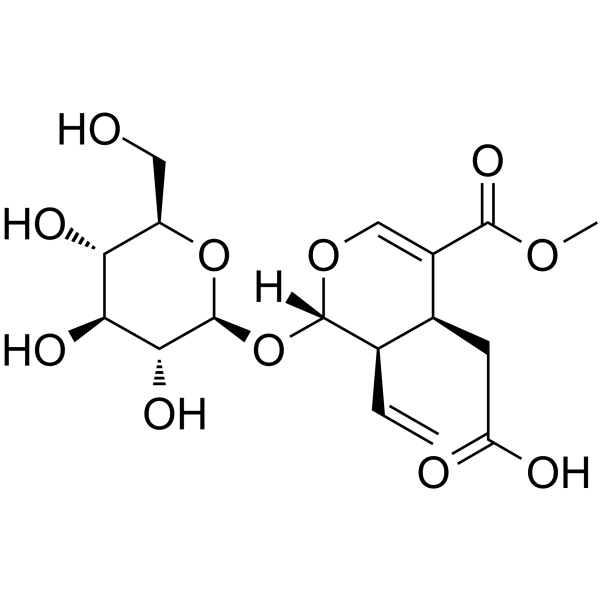
Secoxyloganin is an orally effective iridoid derivative. Secoxyloganin can be isolated from the flower buds of L. japonica. Secoxyloganin induces Apoptosis by inhibiting the expression of Bcl-2. Secoxyloganin potently inhibits the proliferation of breast cancer cells, while exerting weak activity against normal mammary epithelial cells. Secoxyloganin inhibits the decrease in tail vein blood flow associated with allergic reactions .
loading...
    loading...
1
1 Cited Publications
Cat. No.: HY-119689
CAS No.: 1387560-01-1
Purity:  99.81%
Synonyms: CNP520
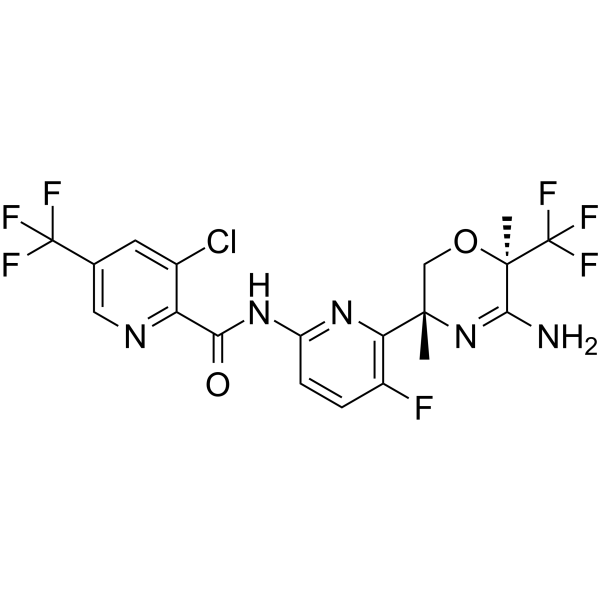
Umibecestat (CNP520) is a selective, orally active BACE inhibitor, with an IC50 of 11 nM for hBACE-1, 10 nM for mouse BACE-1, and 30 nM for hBACE-2. Umibecestat reduces β-Amyloid levels in the brain and cerebrospinal fluid, decreases β-amyloid plaque deposition, and inhibits plaque-associated neuroinflammation. Umibecestat is used in research related to Alzheimer's disease .
loading...
    loading...
1
1 Cited Publications
Cat. No.: HY-B1202
CAS No.: 51411-04-2
Synonyms: AY-22284
Target:  

Aldose Reductase

Research Areas:  

Metabolic Disease

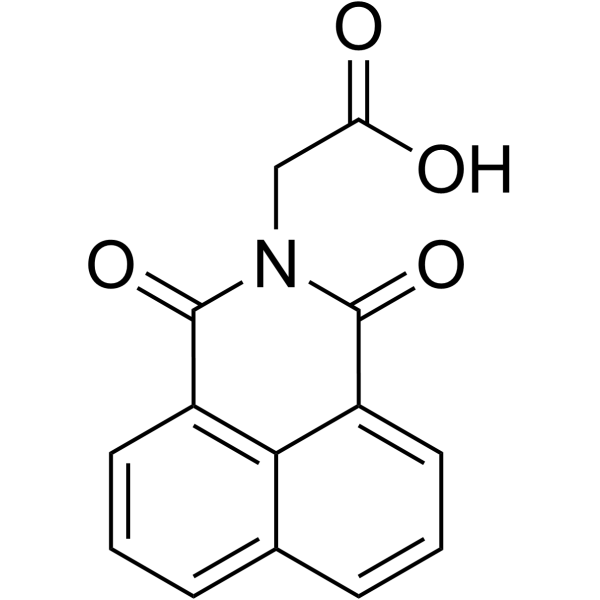
Alrestatin (AY-22284) is an aldose reductase inhibitor. Alrestatin reduces fructose levels in the uterine fluid of mice. Alrestatin interferes with sperm capacitation and impairs fertilization function in mice. Alrestatin decreases basal and tyramine-induced norepinephrine release in rat pancreatic specimens in vitro. Alrestatin enhances glucose- and arginine-stimulated insulin secretion in vivo. Alrestatin can be used in studies related to diabetes and reproductive diseases .
loading...
    loading...
1
1 Cited Publications
Cat. No.: HY-N9561
CAS No.: 155179-21-8
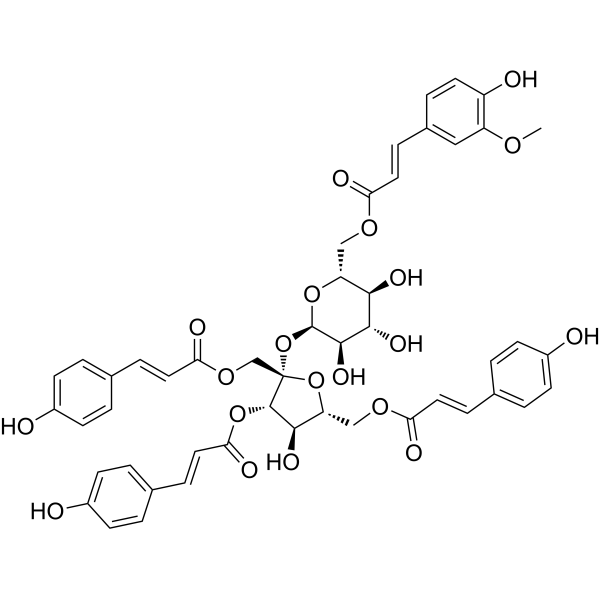
Vanicoside B is a phenylpropanoyl sucrose derivative, can be isolated from the herb Persicaria dissitiflora. Vanicoside B targets cyclin-dependent kinase 8 (CDK8) and exhibits anti-tumor activity. The potential mechanism is Vanicoside B blocks CDK8-mediated signaling pathways and decreases the expression of epithelial-mesenchymal transition proteins, so that it leads to cell cycle arrest and apoptosis .
loading...
    loading...
1
1 Cited Publications
Cat. No.: HY-110077
CAS No.: 36707-00-3
Purity:  99.62%
Target:  

Akt Apoptosis Caspase PARP

Research Areas:  

Cancer

API-1 is a potent selective Akt/PKB inhibitor that reduces the level of phosphorylated Akt (IC50 = 0.8 μM). API-1 binds to the PH domain and inhibits Akt membrane translocation. API-1 induces c-FLIP degradation. API-1 reduces cell proliferation and induces apoptosis. API-1 decreases tumor growth in mouse xenograft model .
loading...
    loading...
1
1 Cited Publications
Cat. No.: HY-110177
CAS No.: 154563-54-9
Purity:  99.57%
Target:  

NF-κB

Research Areas:  

Inflammation/Immunology

SP-100030 is a potent NF-κB and activator protein-1 (AP-1) double inhibitor (IC50s=50 and 50 nM, respectively). SP-100030 inhibits IL-2, IL-8, and TNF-alpha production in Jurkat and other T cell lines. SP-100030 decreases murine collagen-induced arthritis (CIA) .
loading...
    loading...
1
1 Cited Publications
Cat. No.: HY-132197
CAS No.: 2738688-57-6
Purity:  99.72%
CBP/p300-IN-12 is a potent and selective covalent histone acetyltransferases p300 (IC50 of 166 nM) and CBP inhibitor. CBP/p300-IN-12 decreases the levels of H3K27Ac of PC-3 cells (EC50 of 37 nM). CBP/p300-IN-12 forms a covalent adduct with C1450 .
loading...
    loading...
1
1 Cited Publications
Cat. No.: HY-B1172
CAS No.: 4618-18-2
Synonyms: 4-O-β-D-Galactopyranosyl-D-fructose
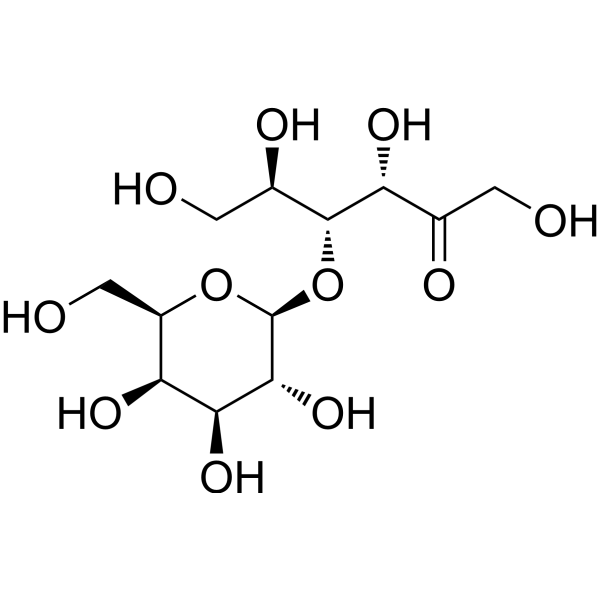
Lactulose is an orally active galactose-fructose disaccharide. Lactulose suppresses upregulation of TNF-α and IL-6. Lactulose decreases the degree of DNA damage. Lactulose exhibits many of the properties of other oligosaccharides, including increasing the numbers of Bifidobacteria in feces. Lactulose restores the structure and composition of the intestinal microbiota, mitigates inflammation, and suppresses inflammatory tumorigenesis in mice with colitis-associated cancer. Lactulose can be used in the research of constipation .
loading...
    loading...
1
1 Cited Publications
Cat. No.: HY-P5522A
Synonyms: L-Ala-γ-D-Glu-meso-diaminopimelic acid dihydrochloride
TriDAP dihydrochloride (L-Ala-γ-D-Glu-meso-diaminopimelic acid dihydrochloride) is a NOD1 agonist with a Kd value of 34.5 μM. TriDAP dihydrochloride enhances the binding of NOD1-RICK, promotes RICK phosphorylation, and activates the NF-κB, TAK1, MEK/ERK, p38 and interferon response pathways. TriDAP dihydrochloride downregulates Runx2 via increasing ubiquitination and reduces trabecular bone parameters. TriDAP dihydrochloride decreases IκBα levels and increases p65 levels. TriDAP dihydrochloride induces the secretion of proinflammatory mediators IL-8 and prostaglandins, triggers tissue inflammation and innate immune activation, and inhibits SARS-CoV-2 replication in lung epithelial cells. TriDAP dihydrochloride increases the RANKL/OPG ratio in mice, reduces bone mass and enhances osteoclast activity, and inhibits new bone formation by decreasing the mineralization deposition rate in mice. TriDAP dihydrochloride can be used in research related to pulpitis, chronic ulcerative colitis, Crohn's disease and SARS-CoV-2 infection .
loading...
    loading...
1
1 Cited Publications
Cat. No.: HY-18371
CAS No.: 1422955-31-4
Research Areas:  

Inflammation/Immunology

TC-S 7009 is a potent and selective HIF-2α inhibitor with a Kd of 81 nM. TC-S 7009 is more selective for HIF-2α than HIF-1α (Kd ? 5 μM). TC-S 7009 disrupts HIF-2α heterodimerization, decreases DNA-binding activity, and reduces HIF-2α target gene expression .
loading...
    loading...
1
1 Cited Publications
Cat. No.: HY-113149A
CAS No.: 918149-29-8
Purity:  96.93%
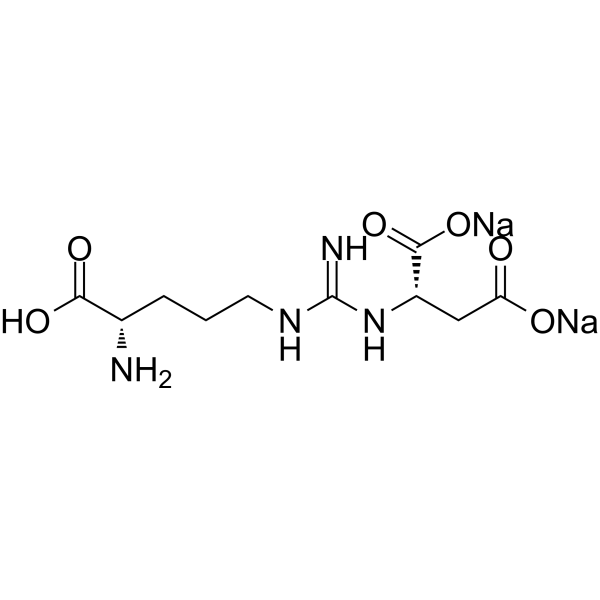
Argininosuccinic acid disodium is an intermediate metabolite in the urea cycle, and its level is associated with argininosuccinic aciduria. Argininosuccinic acid disodium can induce oxidative stress, leading to lipid and protein oxidation, reduction of glutathione, and decrease in antioxidant enzyme activity. Argininosuccinic acid disodium can be converted into guanidinosuccinic acid, a nitric oxide mimic, under the action of nitric oxide-derived free radicals. Argininosuccinic acid disodium can be used in the research of metabolic diseases, renal failure, nervous system diseases, etc .
loading...
    loading...
1
1 Cited Publications
Cat. No.: HY-14648R
CAS No.: 50-02-2
Synonyms: Hexadecadrol(Standard); Prednisolone F (Standard)
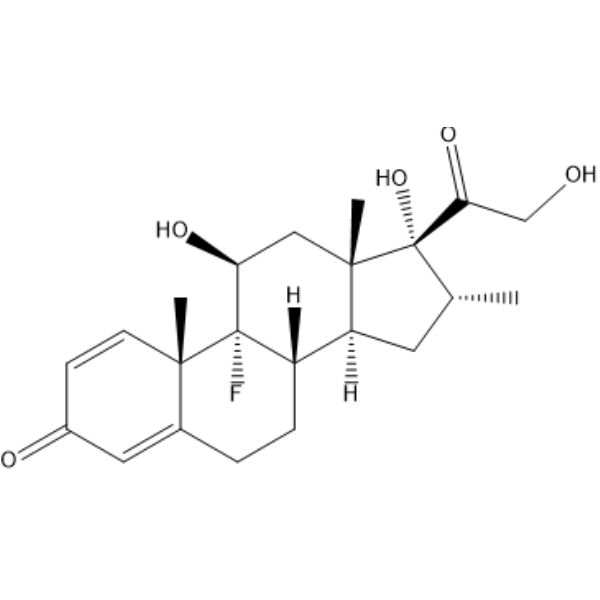
Dexamethasone (Standard) is the analytical standard of Dexamethasone. This product is intended for research and analytical applications. Dexamethasone (Hexadecadrol) is a glucocorticoid receptor agonist. Dexamethasone also significantly decreases CD11b, CD18, and CD62L expression on neutrophils, and CD11b and CD18 expression on monocytes. Dexamethasone is highly effective in the control of COVID-19 infection. Dexamethasone inhibits production of exosomes containing inflammatory microRNA-155 in lipopolysaccharide-induced macrophage inflammatory responses.
loading...
    loading...
1
1 Cited Publications
Cat. No.: HY-N3807
CAS No.: 19914-20-6
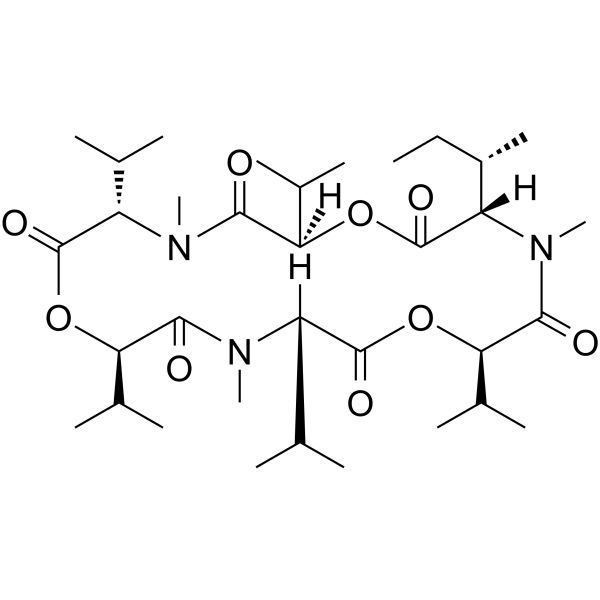
Enniatin B1 is a Fusarium mycotoxin. Enniatin B1 inhibits acyl-CoA: cholesterol acyltransferase (ACAT) activity with an IC50 of 73 μM in an enzyme assay using rat liver microsomes . Enniatin B1 crosss the blood-brain barrier . Enniatin B1 decreases the activation of ERK (p44/p42). Enniatin B1 inhibits moderately TNF-α-induced NF-κB activation .
loading...
    loading...
1
1 Cited Publications
Cat. No.: HY-W014130
CAS No.: 155-84-0
Synonyms: Ac-Arg-OH
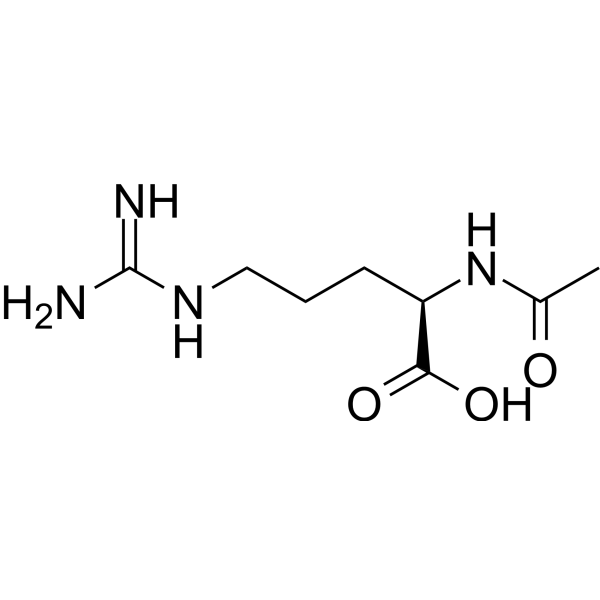
N-Acetyl-L-arginine (Ac-Arg-OH) is one of the guanidino compounds found elevated in the serum of a hemodialyzed renal insufficient (uremic) pediatric population. N-Acetyl-L-arginine shows synergistic activity with glycine buffer. N-Acetyl-L-arginine suppresses the aggregation of intravenous immunoglobulins with a minimum decrease in transition temperature. N-Acetyl-L-arginine dramatically reduces IL-1 expression in the presence of silicone oil. N-Acetyl-L-arginine also demonstrates colloidal stability .
loading...
    loading...

