

764 Results for "

Liver cancer

" in MedChemExpress (MCE) Product Catalog:
Products (764)

764 Results for "Liver cancer" in MCE Product Catalog:

67
67 Publications Verification
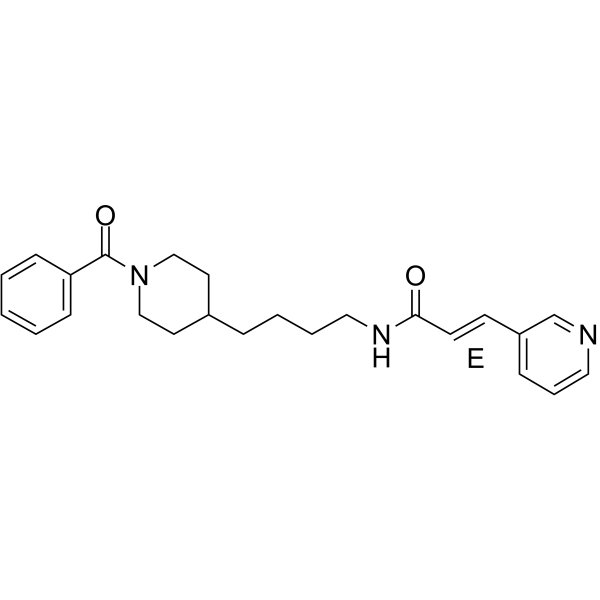
Cat. No.: HY-50876
CAS No.: 658084-64-1
Synonyms: FK866; APO866
Research Areas:  

Cancer

Daporinad (FK866) is a non-competitive inhibitor of nicotinamide phosphoribosyltransferase (Nampt), with a Ki value of 0.3 nM. Daporinad depletes NAD+ and ATP levels, inhibits mTORC1 and MAPK/ERK pathways, and activates TFEB to induce autophagy. Daporinad causes the depletion of the endoplasmic reticulum Ca²⁺ pool, ultimately weakening the mitogen-induced Ca²⁺ signal and the activation and function of T cells. Daporinad induces cell cycle arrest and apoptosis, and inhibits cell proliferation. Daporinad can be used for the study of myeloma, liver cancer, and immunosuppression .
loading...
    loading...
50
50 Cited Publications
Cat. No.: HY-114118
CAS No.: 910463-68-2
Purity:  99.84%
Semaglutide is a long-acting, selective, competitive GLP-1R agonist that can penetrate the blood-brain barrier. After activating GLP-1R, Semaglutide promotes insulin secretion, inhibits gastric emptying and appetite, and at the same time enhances autophagy, inhibits oxidative stress and apoptosis. Semaglutide also regulates mitochondrial function and lipid metabolism (such as reducing de novo lipogenesis in the liver). Semaglutide has activities such as lowering blood sugar, reducing weight, neuroprotection (such as improving motor function in Parkinson's disease models, reducing α-synuclein aggregation) and improving hepatic steatosis. Semaglutide can be used for the study of neurodegenerative diseases and liver diseases such as type 2 diabetes, obesity, Parkinson's disease, metabolic associated fatty liver disease (MASLD), and cancer .
loading...
    loading...
50
50 Cited Publications
Cat. No.: HY-114118B
CAS No.: 1997361-85-9
Purity:  99.92%
Semaglutide acetate is a long-acting, selective, competitive GLP-1R agonist that can penetrate the blood-brain barrier. After activating GLP-1R, Semaglutide acetate promotes insulin secretion, inhibits gastric emptying and appetite, and at the same time enhances autophagy, inhibits oxidative stress and apoptosis. Semaglutide acetate also regulates mitochondrial function and lipid metabolism (such as reducing de novo lipogenesis in the liver). Semaglutide acetate has activities such as lowering blood sugar, reducing weight, neuroprotection (such as improving motor function in Parkinson's disease models, reducing α-synuclein aggregation) and improving hepatic steatosis. Semaglutide acetate can be used for the study of neurodegenerative diseases and liver diseases such as type 2 diabetes, obesity, Parkinson's disease, metabolic associated fatty liver disease (MASLD), and cancer .
loading...
    loading...
50
50 Cited Publications
Cat. No.: HY-114118A
Purity:  99.92%
Semaglutide TFA is a long-acting, selective, competitive GLP-1R agonist that can penetrate the blood-brain barrier. After activating GLP-1R, Semaglutide TFA promotes insulin secretion, inhibits gastric emptying and appetite, and at the same time enhances autophagy, inhibits oxidative stress and apoptosis. Semaglutide TFA also regulates mitochondrial function and lipid metabolism (such as reducing de novo lipogenesis in the liver). Semaglutide TFA has activities such as lowering blood sugar, reducing weight, neuroprotection (such as improving motor function in Parkinson's disease models, reducing α-synuclein aggregation) and improving hepatic steatosis. Semaglutide TFA can be used for the study of neurodegenerative diseases and liver diseases such as type 2 diabetes, obesity, Parkinson's disease, metabolic associated fatty liver disease (MASLD), and cancer .
loading...
    loading...
25
25 Cited Publications
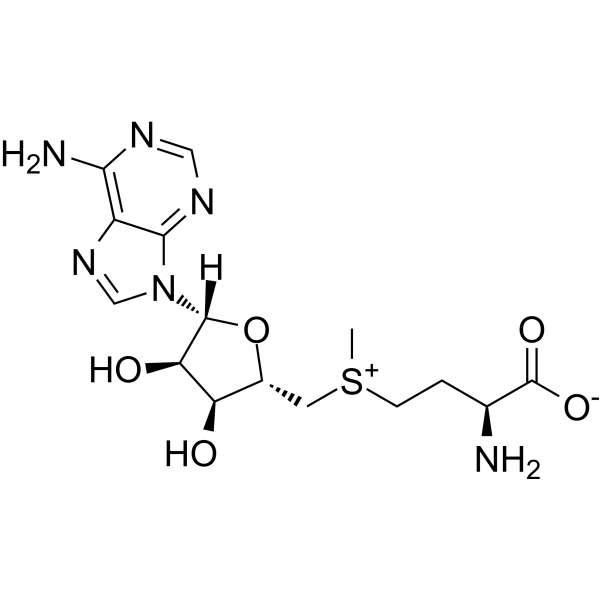
Cat. No.: HY-B0617
CAS No.: 29908-03-0
Synonyms: S-Adenosyl methionine; Ademetionine; AdoMet
S-Adenosyl-L-methionine (S-Adenosyl methionine) is an orally active methyl group donor. S-Adenosyl-L-methionine is a dietary supplement with potent antidepressant effects. S-Adenosyl-L-methionine also has anti‑proliferative, pro‑apoptotic and anti‑metastatic roles in cancers. S-Adenosyl-L-methionine has the potential for, cancer, liver disease and osteoarthritis research .
loading...
    loading...
25
25 Cited Publications
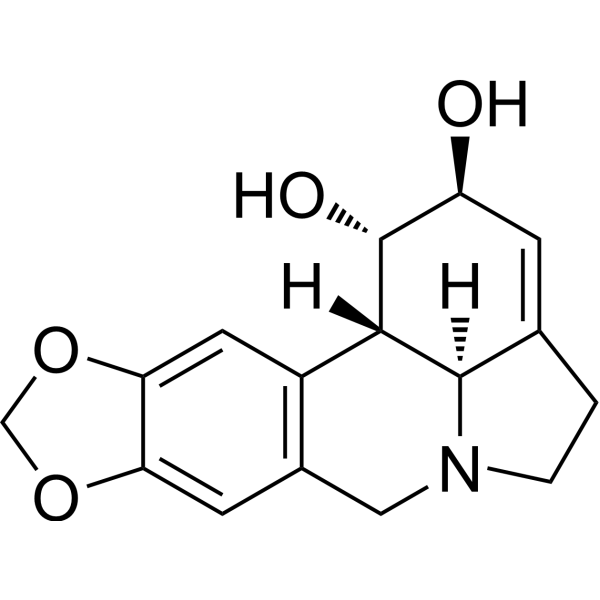
Cat. No.: HY-N0288
CAS No.: 476-28-8
Lycorine is a natural alkaloid extracted from the Amaryllidaceae plant. Lycorine is a potent and orally active SCAP inhibitor with a Kd value 15.24 nM. Lycorine downregulates the SCAP protein level without changing its transcription . Lycorine is also a melanoma vasculogenic inhibitor . Lycorine can be used for the study of prostate cancer and metabolic diseases .
loading...
    loading...
24
24 Cited Publications
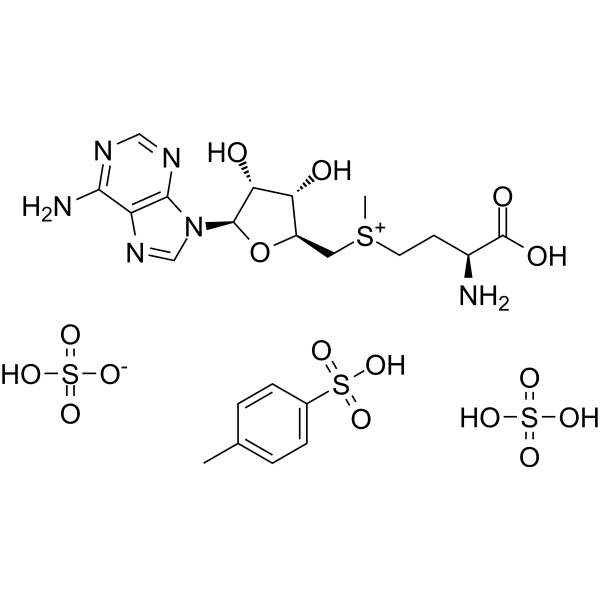
Cat. No.: HY-W017770
CAS No.: 97540-22-2
Synonyms: Ademetionine disulfate tosylate; S-Adenosyl methionine disulfate tosylate; AdoMet disulfate tosylate
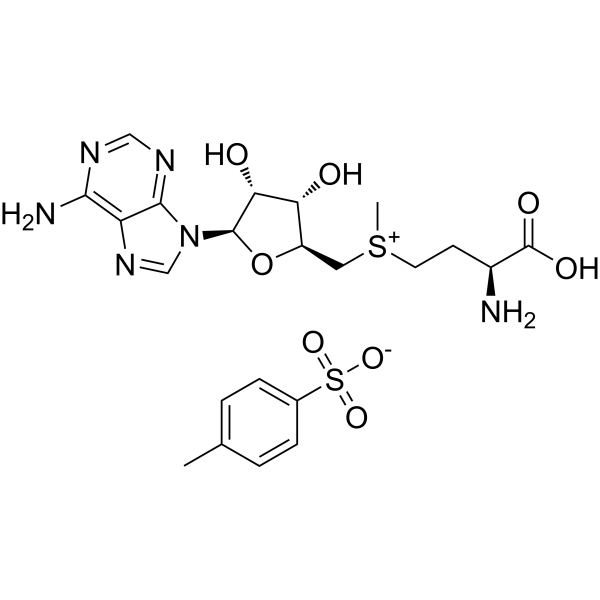
S-Adenosyl-L-methionine (Ademetionine) disulfate tosylate is the disulfate tosylate form of S-Adenosyl-L-methionine (HY-B0617). S-Adenosyl-L-methionine disulfate tosylate is an orally active methyl group donor. S-Adenosyl-L-methionine disulfate tosylate is a dietary supplement with potent antidepressant effects. S-Adenosyl-L-methionine disulfate tosylate also has anti‑proliferative, pro‑apoptotic and anti‑metastatic roles in cancers. S-Adenosyl-L-methionine disulfate tosylate has the potential for, cancer, liver disease and osteoarthritis research .
loading...
    loading...
23
23 Cited Publications
Cat. No.: HY-B0617A
CAS No.: 52248-03-0
Synonyms: S-Adenosyl methionine tosylate; Ademetionine tosylate; AdoMet tosylate
S-Adenosyl-L-methionine (S-Adenosyl methionine) tosylate is an orally active methyl group donor. S-Adenosyl-L-methionine tosylate is a dietary supplement with potent antidepressant effects. S-Adenosyl-L-methionine tosylate also has anti‑proliferative, pro‑apoptotic and anti‑metastatic roles in cancers. S-Adenosyl-L-methionine tosylate has the potential for, cancer, liver disease and osteoarthritis research .
loading...
    loading...
19
19 Cited Publications
Cat. No.: HY-14614D
CAS No.: 3493-13-8
Synonyms: S-Adenosyl methionine iodide; Ademetionine iodide; AdoMet iodide
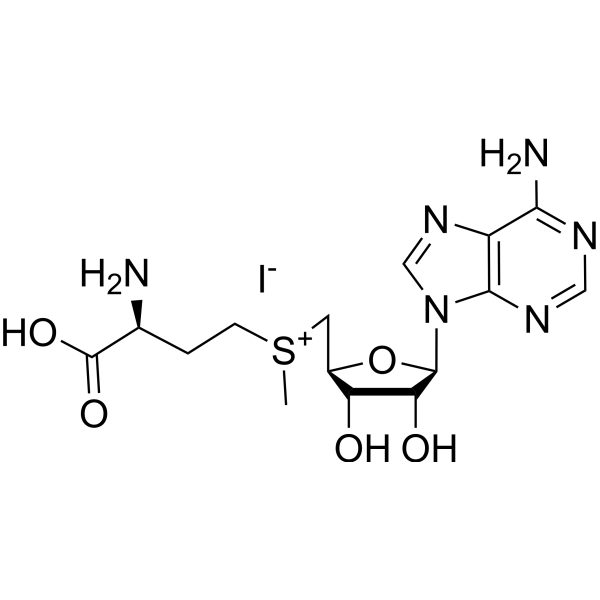
S-Adenosyl-L-methionine (S-Adenosyl methionine) iodide is an orally active methyl group donor. S-Adenosyl-L-methionine iodide is a dietary supplement with potent antidepressant effects. S-Adenosyl-L-methionine iodide also has anti‑proliferative, pro‑apoptotic and anti‑metastatic roles in cancers. S-Adenosyl-L-methionine iodide has the potential for, cancer, liver disease and osteoarthritis research .
loading...
    loading...
13
13 Cited Publications
Cat. No.: HY-129389
CAS No.: 3554-93-6
Purity:  99.95%
Target:  

Glycosyltransferase

Research Areas:  

Cancer

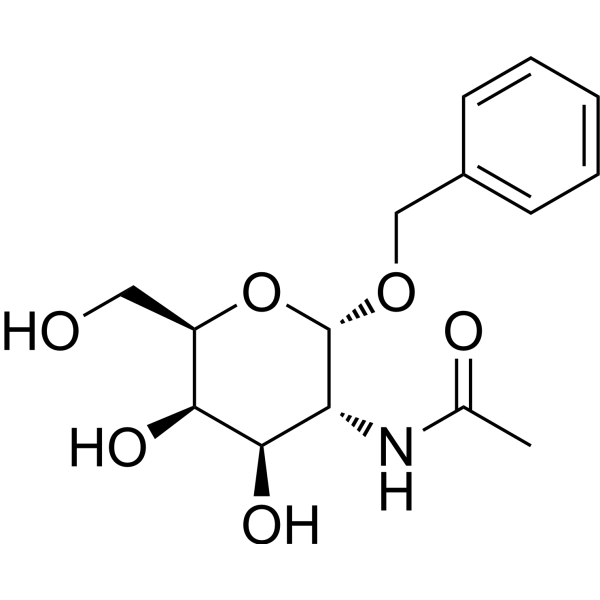
Benzyl-α-GalNAc is a potent O-glycosylation inhibitor. Benzyl-α-GalNAc effectively inhibits the proliferation and activation of LX-2 cells and suppresses the expression of collagen I/III, which has good potential for investigation in liver fibrosis. Benzyl-α-GalNAc also significantly enhances the anti-tumour activity of 5-Fluorouracil (HY-90006) (e.g. pancreatic cancer) by inhibiting O-glycosylation .
loading...
    loading...
13
13 Cited Publications
Cat. No.: HY-19940
CAS No.: 1450824-22-2
Synonyms: TD139; GB0139
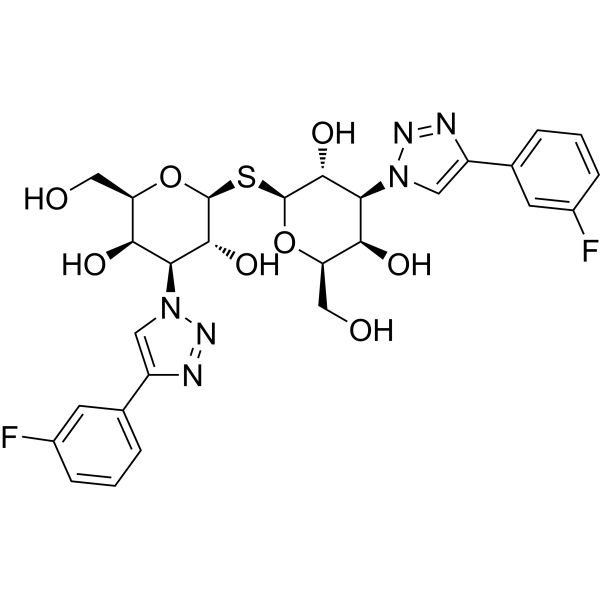
Olitigaltin (TD139) is a high-affinity Galectin-3 inhibitor with a Kd value of 14 nM. Olitigaltin inhibits the activity of the AKT/β-catenin pathway, induces Apoptosis, and downregulates SREBP1 expression. Olitigaltin enhances the phosphorylation level of ERK. Olitigaltin alleviates bleomycin (HY-17565A)-induced advanced pulmonary fibrosis in mice. Olitigaltin delays the onset of diabetes, and improves glucose tolerance and serum insulin levels. Olitigaltin alleviates liver injury. Olitigaltin maintains the structure of hippocampal excitatory synapses, restores γ-wave power in the hippocampal CA1 region, inhibits hippocampal neuroinflammation, and improves cognitive function in neuroinflammation models. Olitigaltin can be used in research related to thyroid cancer, idiopathic pulmonary fibrosis, type 1 diabetes, hepatitis, and cognitive dysfunction induced by neuroinflammation .
loading...
    loading...
12
12 Cited Publications
Cat. No.: HY-13535
CAS No.: 262438-43-7
ATN-161 is an antagonist of α5β1 integrin and αvβ3 integrin, as well as an inhibitor of fibrosis, an inhibitor of oxidative stress, a tight junction stabilizer, a mitochondrial integrity protector, an angiogenesis inhibitor and an antiviral agent. ATN-161 inhibits NLRP3, MAPK, and ROS. ATN-161 protects mice from SARS-CoV-2 infection . ATN-161 reduces infarct volume, alleviates edema, decreases immune cell infiltration, reduces the area of choroidal neovascularization lesions, lowers tumor microvessel density and viral load. ATN-161 can be used in research related to ischemic stroke, choroidal neovascularization, breast cancer, coronavirus disease 2019 (COVID-19), and liver metastasis of colorectal cancer .
loading...
    loading...
12
12 Cited Publications
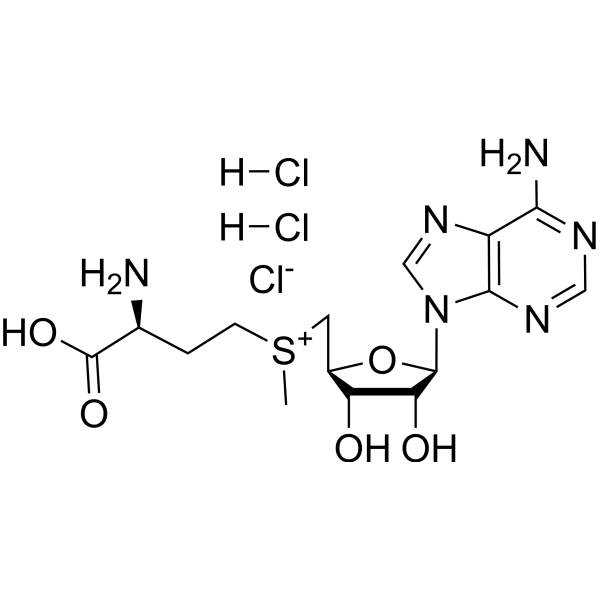
Cat. No.: HY-14614A
CAS No.: 86867-01-8
Purity:  ≥75.0%
Synonyms: S-Adenosyl methionine chloride dihydrochloride; Ademetionine chloride dihydrochloride; AdoMet chloride dihydrochloride
S-Adenosyl-L-methionine (S-Adenosyl methionine) chloride dihydrochloride is an orally active methyl group donor. S-Adenosyl-L-methionine chloride dihydrochloride is a dietary supplement with potent antidepressant effects. S-Adenosyl-L-methionine chloride dihydrochloride also has anti‑proliferative, pro‑apoptotic and anti‑metastatic roles in cancers. S-Adenosyl-L-methionine chloride dihydrochloride has the potential for, cancer, liver disease and osteoarthritis research .
loading...
    loading...
12
12 Cited Publications
Cat. No.: HY-12794
CAS No.: 1383716-40-2
Purity:  99.63%
Target:  

PI3K Autophagy

Research Areas:  

Neurological Disease Cancer

Vps34-PIK-III is an orally active and selective VPS34 inhibitor (IC50=18 nM). Vps34-PIK-III effectively inhibits autophagy and can be used as a molecular tool. vps34-PIK-III is also a PI3K inhibitor that inhibits the expression of genes in liver cancer stem cells (CSCs) .
loading...
    loading...
11
11 Cited Publications
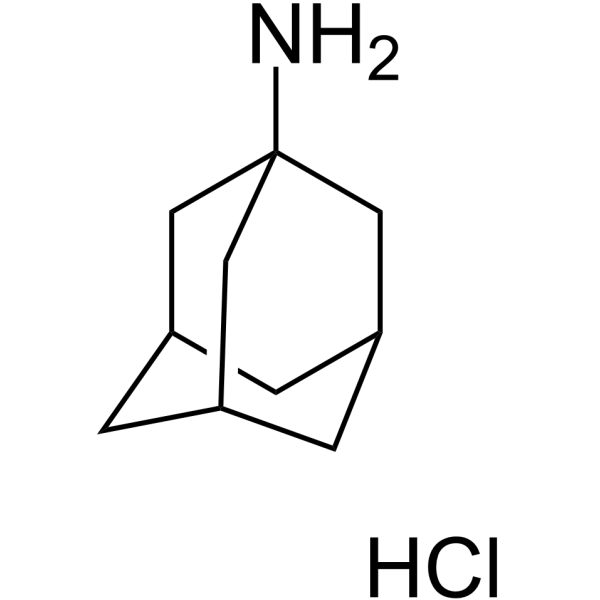
Cat. No.: HY-B0402A
CAS No.: 665-66-7
Synonyms: 1-Adamantanamine hydrochloride; 1-Adamantylamine hydrochloride; 1-Aminoadamantane hydrochloride
Amantadine (1-Adamantanamine) hydrochloride is an orally avtive and potent antiviral agent with activity against influenza A viruses. Amantadine hydrochloride inhibits several ion channels such as NMDA and M2, and also inhibits Coronavirus ion channels. Amantadine hydrochloride also has anti-orthopoxvirus and anticancer activity. Amantadine hydrochloride can be used for Parkinson's disease, postoperative cognitive dysfunction (POCD) and COVID-19 research .
loading...
    loading...
11
11 Cited Publications
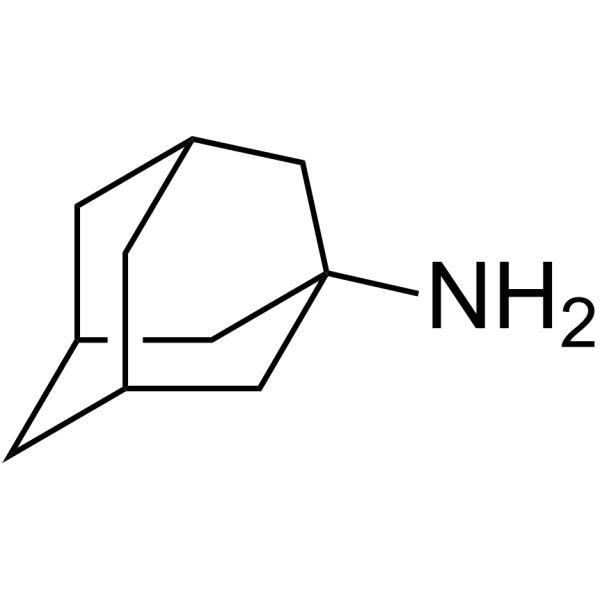
Cat. No.: HY-B0402
CAS No.: 768-94-5
Synonyms: 1-Adamantanamine; 1-Aminoadamantane
Amantadine (1-Adamantanamine) is an orally avtive and potent antiviral agent with activity against influenza A viruses. Amantadine inhibits several ion channels such as NMDA and M2, and also inhibits Coronavirus ion channels. Amantadine also has anti-orthopoxvirus and anticancer activity. Amantadine can be used for Parkinson's disease, postoperative cognitive dysfunction (POCD) and COVID-19 research .
loading...
    loading...
9
9 Cited Publications
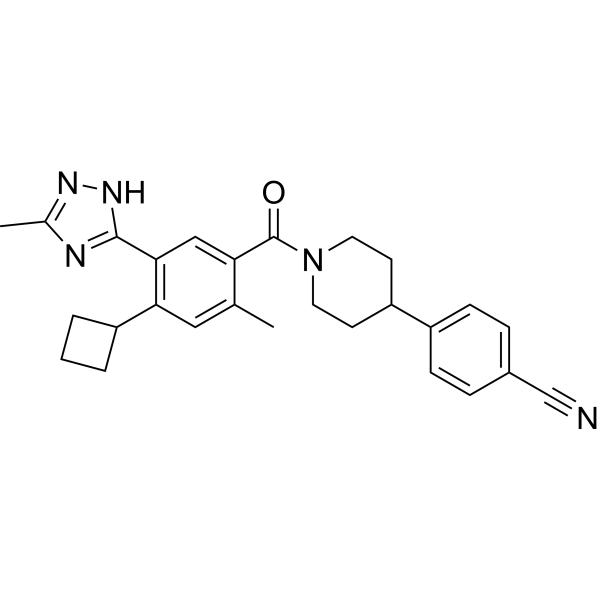
Cat. No.: HY-112829
CAS No.: 1399177-37-7
Purity:  99.58%
Synonyms: TVB-2640; FASN-IN-2; ASC-40
Research Areas:  

Metabolic Disease Cancer

Denifanstat (TVB-2640) is an orally active and potent Fatty Acid Synthase (FASN) inhibitor with an IC50 of 0.052 μM and an EC50 of 0.072 μM. Denifanstat has the potential for fatty liver disease and cancer research .
loading...
    loading...
9
9 Cited Publications
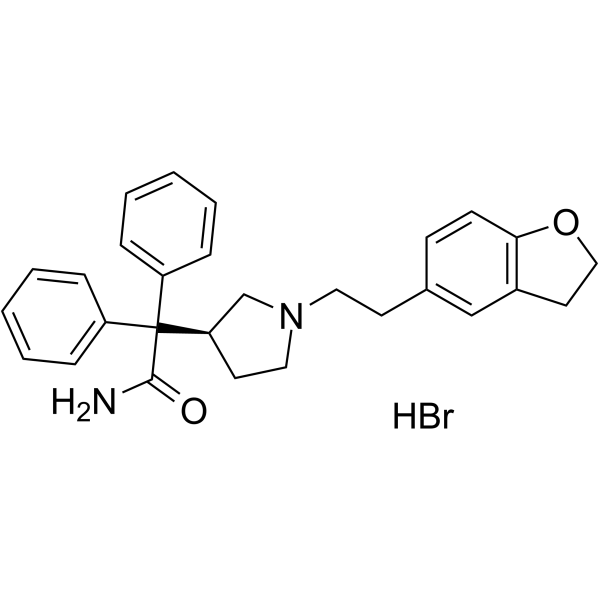
Cat. No.: HY-A0012
CAS No.: 133099-07-7
Synonyms: UK-88525 hydrobromide
Darifenacin (UK-88525) hydrobromide is a selective and orally active M3 muscarinic receptor (M3R) antagonist with a pKi of 8.9. Darifenacin hydrobromide binds >20-fold more specifically to M3R than to other muscarinic receptors. Darifenacin hydrobromide can be used in the study of urinary incontinence and other symptoms of overactive bladder. Darifenacin hydrobromide inhibits tumor growth in colorectal cancer cells and has anti-tumor effects .
loading...
    loading...
9
9 Cited Publications
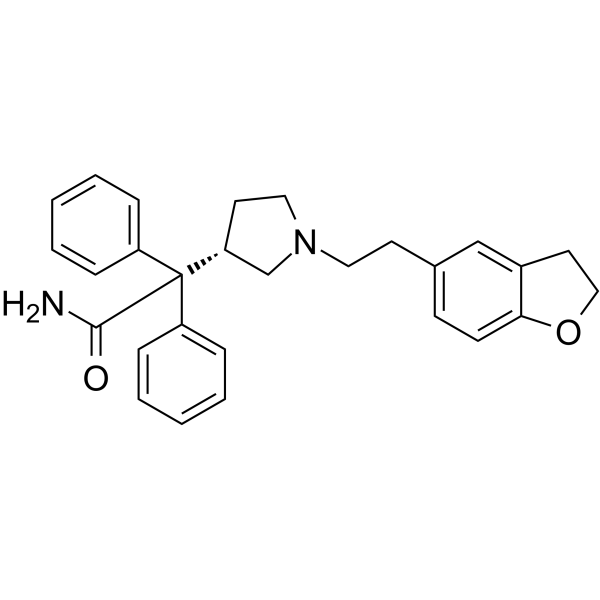
Cat. No.: HY-A0033
CAS No.: 133099-04-4
Synonyms: UK-88525
Darifenacin (UK-88525) is a selective and orally active M3 muscarinic receptor (M3R) antagonist with a pKi of 8.9. Darifenacin binds >20-fold more specifically to M3R than to other muscarinic receptors. Darifenacin can be used in the study of urinary incontinence and other symptoms of overactive bladder. Darifenacin inhibits tumor growth in colorectal cancer cells and has anti-tumor effects .
loading...
    loading...
8
8 Cited Publications
Cat. No.: HY-N0256
CAS No.: 465-99-6
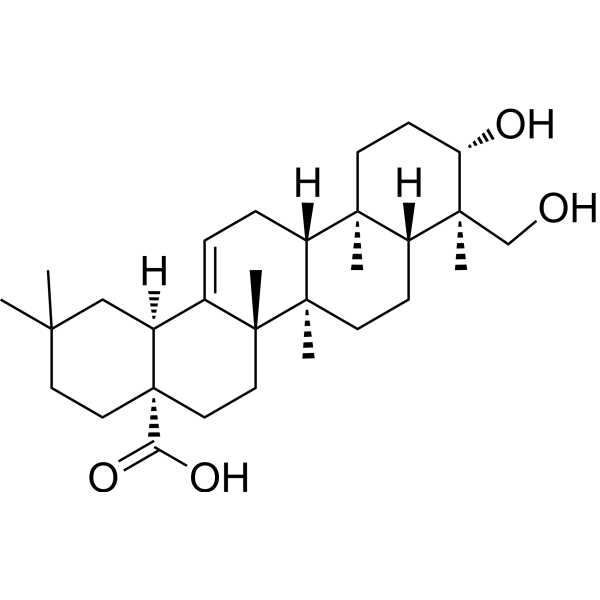
Hederagenin is a triterpenoid saponin with orally active and antitumor activity. Hederagenin can inhibit the expression of iNOS, COX-2, and NF-κB in cells induced by LPS stimulation. Hederagenin also increases ROS production in cancer cells, disrupts mitochondrial membrane potential, and induces apoptosis. Hederagenin also sensitizes cancer cells to Cisplatin (HY-17394) and Paclitaxel (HY-B0015), enhancing induced apoptosis. Hederagenin can also bind to SKP2, with KD = 67.9 μM. Hederagenin also has preventive potential against alcoholic liver injury .
loading...
    loading...

