470 Results for "

delayed

" in MedChemExpress (MCE) Product Catalog:
Products (470)

470 Results for "delayed" in MCE Product Catalog:

80
80 Publications Verification
Cat. No.: HY-11106
CAS No.: 656247-18-6
Pureté:  99.96%
Synonyms: BIBF 1120 esylate; Intedanib esylate
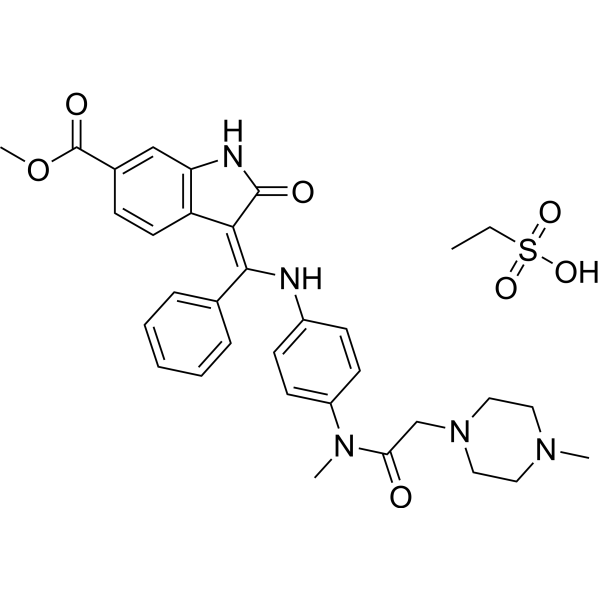
Nintedanib esylate (BIBF 1120 esylate; Intedanib esylate) is an orally active receptor tyrosine kinase inhibitor. Nintedanib esylate inhibits FGFR1-3, PDGFRα/β, and VEGFR1-3 through competitive binding to the ATP pocket, and blocks PI3K/Akt/mTOR phosphorylation. Nintedanib esylate exhibits anti-inflammatory, antioxidant, anti-apoptotic, and anti-fibrotic effects, reducing collagen deposition, fibroblast activation, angiogenesis, airway inflammation and hyperresponsiveness, and cytokine/chemokine expression. Nintedanib esylate ameliorates Bleomycin (HY-108345)-induced lung injury and dystrophic muscle pathology; it also delays tumor growth and prolongs survival, and immune checkpoint blockade enhances its antitumor efficacy. Nintedanib esylate can be used in research on pulmonary fibrosis, cancer, systemic sclerosis, chronic asthma, and rheumatoid arthritis-associated interstitial lung disease .
loading...
    loading...
80
80 Publications Verification
Cat. No.: HY-50904
CAS No.: 656247-17-5
Synonyms: BIBF 1120; Intedanib
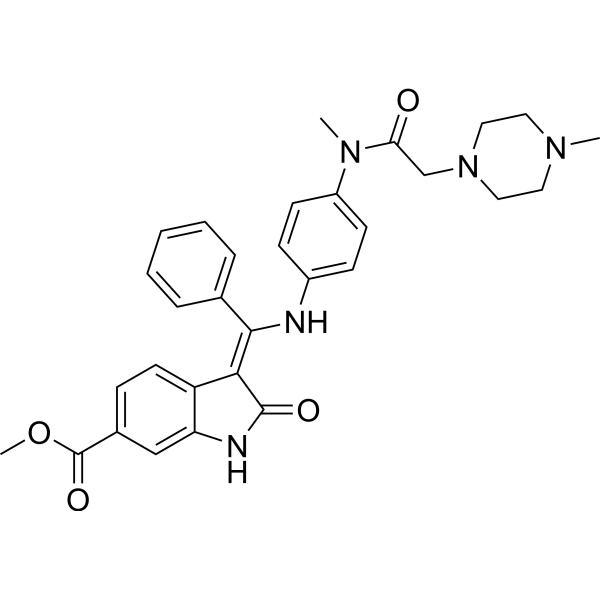
Nintedanib (BIBF 1120; Intedanib) is an orally active receptor tyrosine kinase inhibitor. Nintedanib inhibits FGFR1-3, PDGFRα/β, and VEGFR1-3 through competitive binding to the ATP pocket, and blocks PI3K/Akt/mTOR phosphorylation. Nintedanib exhibits anti-inflammatory, antioxidant, anti-apoptotic, and anti-fibrotic effects, reducing collagen deposition, fibroblast activation, angiogenesis, airway inflammation and hyperresponsiveness, and cytokine/chemokine expression. Nintedanib ameliorates Bleomycin (HY-108345)-induced lung injury and dystrophic muscle pathology; it also delays tumor growth and prolongs survival, and immune checkpoint blockade enhances its antitumor efficacy. Nintedanib can be used in research on pulmonary fibrosis, cancer, systemic sclerosis, chronic asthma, and rheumatoid arthritis-associated interstitial lung disease .
loading...
    loading...
74
74 Cited Publications
Cat. No.: HY-13443
CAS No.: 141758-74-9
Pureté:  99.95%
Synonyms: Exenatide
Target:  

GLP Receptor Apoptosis

Domaines de recherche:  

Cardiovascular Disease Metabolic Disease

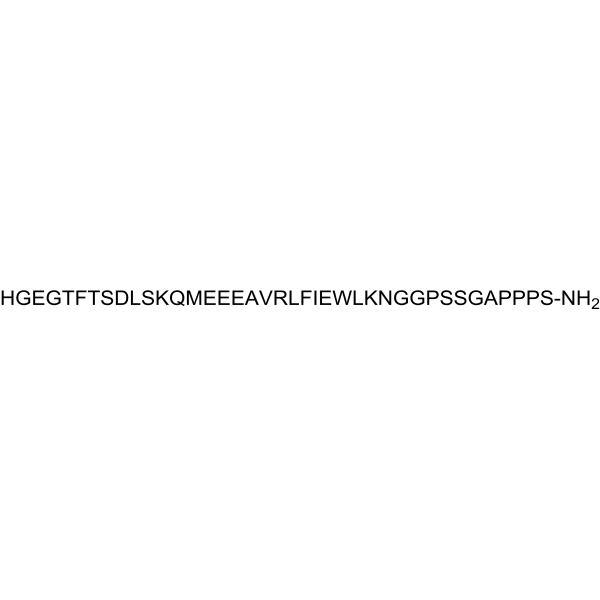
Exendin‑4 (Exenatide) is an orally active, blood-brain barrier-permeable glucagon-like peptide-1 receptor (GLP‑1 receptor) agonist that resists degradation mediated by dipeptidyl peptidase IV. Exendin‑4 mediates multiple glucose-regulating effects, including stimulation of glucose-dependent insulin secretion, inhibition of glucagon production, increase in β-cell mass, delay of gastric emptying, reduction of food intake, improvement of peripheral insulin sensitivity, and restoration of normal islet structure. Exendin‑4 inhibits oxidative stress, alleviates inflammatory responses, and reduces neuronal apoptosis. Exendin‑4 reduces the aggregation level of mutant huntingtin, improves motor function, prolongs survival time, and regulates the expression levels of leptin and ghrelin. Exendin‑4 can be used in research related to type 2 diabetes, acute ischemic stroke, and Huntington's disease .
loading...
    loading...
74
74 Cited Publications
Cat. No.: HY-13443A
CAS No.: 914454-01-6
Pureté:  99.91%
Synonyms: Exenatide acetate
Target:  

GLP Receptor Apoptosis

Domaines de recherche:  

Cardiovascular Disease Metabolic Disease

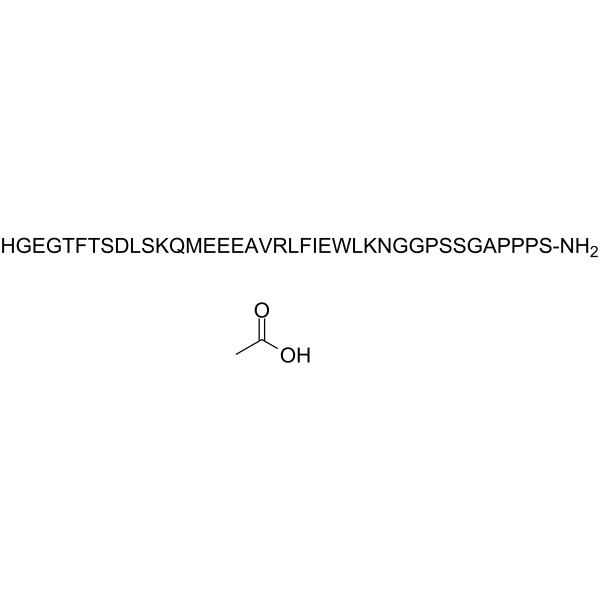
Exendin-4 acetate (Exenatide acetate) is an orally active, blood-brain barrier-permeable glucagon-like peptide-1 receptor (GLP‑1 receptor) agonist that resists degradation mediated by dipeptidyl peptidase IV. Exendin-4 acetate mediates multiple glucose-regulating effects, including stimulation of glucose-dependent insulin secretion, inhibition of glucagon production, increase in β-cell mass, delay of gastric emptying, reduction of food intake, improvement of peripheral insulin sensitivity, and restoration of normal islet structure. Exendin-4 acetate inhibits oxidative stress, alleviates inflammatory responses, and reduces neuronal apoptosis. Exendin-4 acetate reduces the aggregation level of mutant huntingtin, improves motor function, prolongs survival time, and regulates the expression levels of leptin and ghrelin. Exendin-4 acetate can be used in research related to type 2 diabetes, acute ischemic stroke, and Huntington's disease .
loading...
    loading...
32
32 Cited Publications
Cat. No.: HY-W250119
CAS No.: 23411-34-9
Synonyms: EDTA disodium calcium salt hydrate; Ethylenediaminetetraacetic acid disodium calcium salt hydrate
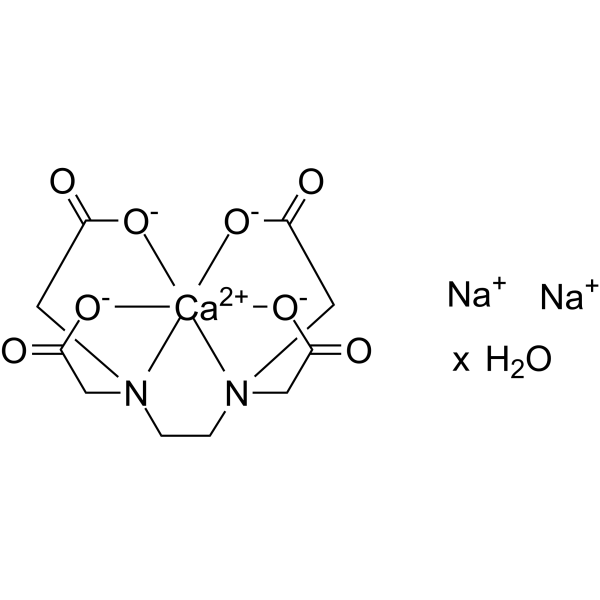
Calcium disodium edetate hydrate (EDTA disodium calcium salt hydrate) is a metal chelator and antifungal agent. Calcium disodium edetate hydrate chelates Mn 2+, damages mitochondria, and interferes with carbohydrate metabolic pathways, particularly the synthesis of pyruvate in glycolysis. Calcium disodium edetate hydrate inhibits Penicillium digitatum and delays conidial germination. Calcium disodium edetate (hydrate) enhances the host defense system of citrus fruits. Calcium disodium edetate hydrate is applicable to research related to citrus green mold .
loading...
    loading...
30
30 Cited Publications
Cat. No.: HY-17504A
CAS No.: 287714-41-4
Synonyms: ZD 4522
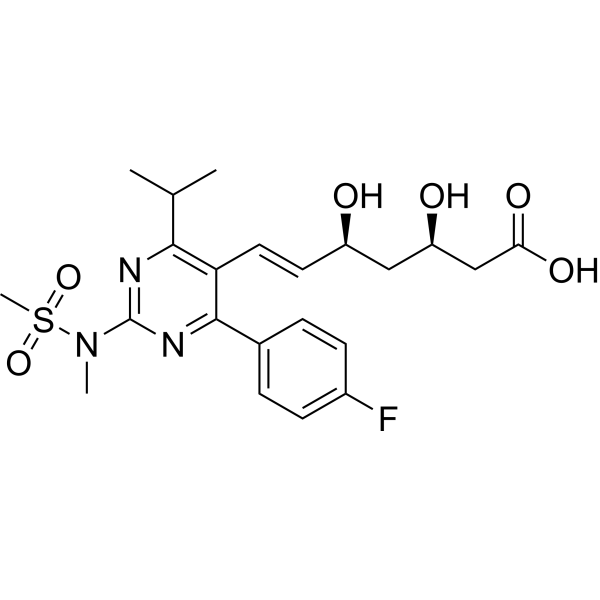
Rosuvastatin (ZD 4522) is a competitive HMG-CoA reductase inhibitor with an IC50 of 11 nM. Rosuvastatin potently blocks hERG current with an IC50 of 195 nM, delayed cardiac repolarization, and thereby prolonged action potential durations (APDs) and corrected QT interval (QTc) intervals. Rosuvastatin reduces the expression of the mature hERG and the interaction of heat shock protein 70 (Hsp70) with the hERG protein. Rosuvastatin effectively lowers low-density lipoprotein (LDL) cholesterol, triglycerides, and C-reactive protein levels .
loading...
    loading...
29
29 Cited Publications
Cat. No.: HY-164388
CAS No.: 162852-62-2
Domaines de recherche:  

Cardiovascular Disease Cancer

Z-VAD is an irreversible, broad-spectrum pan-caspase inhibitor that can inhibit a variety of caspases including caspase-3, -6, -7, -8, -9, etc. (with a weaker inhibitory effect on caspase-2). Z-VAD can block apoptosis signaling pathways, induce autophagy and necrosis in tumor cells, and has anti-angiogenic activity. Z-VAD can enhance the sensitivity of breast cancer and lung cancer cells to radiotherapy in vitro and in vivo, and prolong the growth delay of tumor xenograft models. Z-VAD is well tolerated and is mainly used in research related to cancer radiosensitization and cell death pathway regulation .
loading...
    loading...
26
26 Cited Publications
Cat. No.: HY-B1302
CAS No.: 6151-40-2
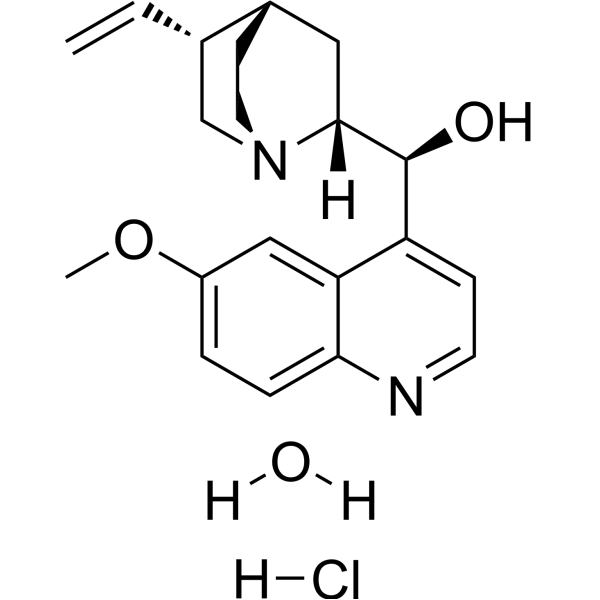
Quinidine hydrochloride monohydrate is an orally effective antiarrhythmic agent. Quinidine hydrochloride monohydrate blocks the fast inward sodium current in a use-dependent manner, blocks IKr in a reverse use-dependent manner, and blocks the ultra-rapid delayed rectifier potassium current with an EC50 of 6.2 μM, while also inhibiting CYP2D6 and P-gp. Quinidine hydrochloride monohydrate induces PARP cleavage, Caspase-3 activation, and increases the proportion of sub-G1 phase apoptotic (Apoptotic) cells . Quinidine hydrochloride monohydrate can be used in research on ischemia/reperfusion-induced cardiac injury, drug-resistant leukemia, convulsions, and uterine sarcoma .
loading...
    loading...
15
15 Cited Publications
Cat. No.: HY-B0199A
CAS No.: 116680-01-4
Synonyms: RS 61443 hydrochloride; TM-MMF hydrochloride
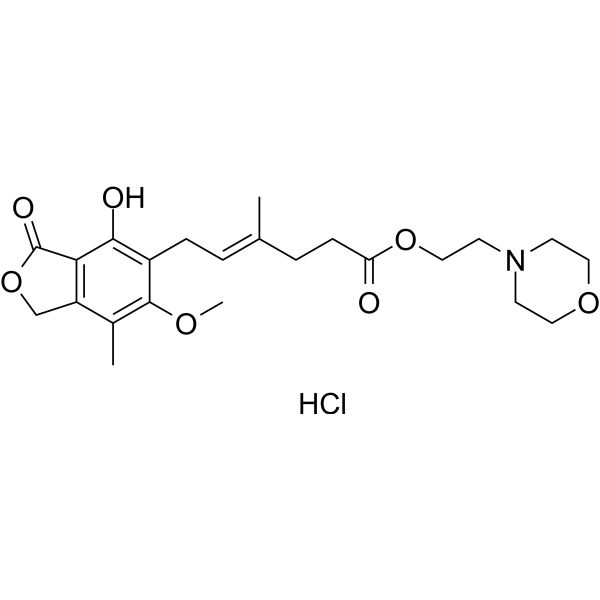
Mycophenolate mofetil (RS 61443; TM-MMF) hydrochloride is an orally active antimetabolic immunosuppressant with antiproliferative and anti-inflammatory properties. Mycophenolate mofetil hydrochloride significantly inhibits the production of B, T lymphocytes and the proliferation of smooth muscle cells by selectively blocking the de novo purine synthesis pathway. Mycophenolate mofetil hydrochloride effectively reduces adventitial inflammation, medial necrosis and intimal thickening in rat aortic allografts, and decreases the number of lymphocytes expressing the IL-2 receptor, thereby delaying xenograft rejection. Mycophenolate mofetil hydrochloride shows certain toxicity in a hamster-to-rat limb xenotransplantation model when used in combination with FK506 (HY-13756). Mycophenolate mofetil hydrochloride is widely used in studies related to allograft arteriosclerosis (chronic rejection) .
loading...
    loading...
14
14 Cited Publications
Cat. No.: HY-19940
CAS No.: 1450824-22-2
Synonyms: TD139; GB0139
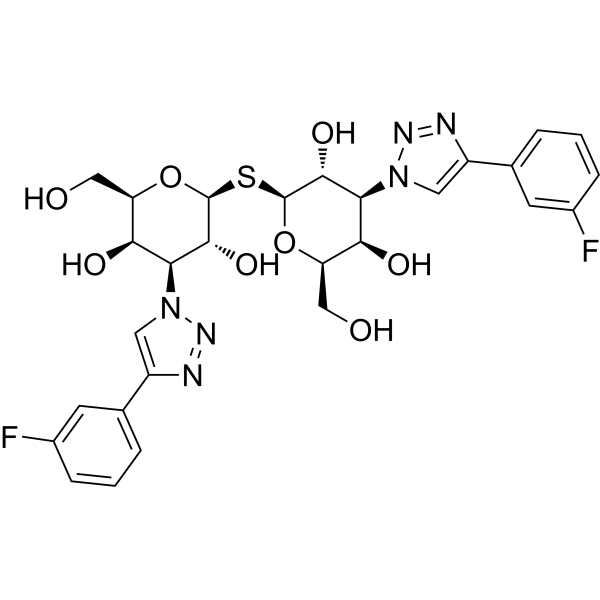
Olitigaltin (TD139) is a high-affinity Galectin-3 inhibitor with a Kd value of 14 nM. Olitigaltin inhibits the activity of the AKT/β-catenin pathway, induces Apoptosis, and downregulates SREBP1 expression. Olitigaltin enhances the phosphorylation level of ERK. Olitigaltin alleviates bleomycin (HY-17565A)-induced advanced pulmonary fibrosis in mice. Olitigaltin delays the onset of diabetes, and improves glucose tolerance and serum insulin levels. Olitigaltin alleviates liver injury. Olitigaltin maintains the structure of hippocampal excitatory synapses, restores γ-wave power in the hippocampal CA1 region, inhibits hippocampal neuroinflammation, and improves cognitive function in neuroinflammation models. Olitigaltin can be used in research related to thyroid cancer, idiopathic pulmonary fibrosis, type 1 diabetes, hepatitis, and cognitive dysfunction induced by neuroinflammation .
loading...
    loading...
14
14 Cited Publications
Cat. No.: HY-B0331
CAS No.: 75847-73-3
Synonyms: MK-421
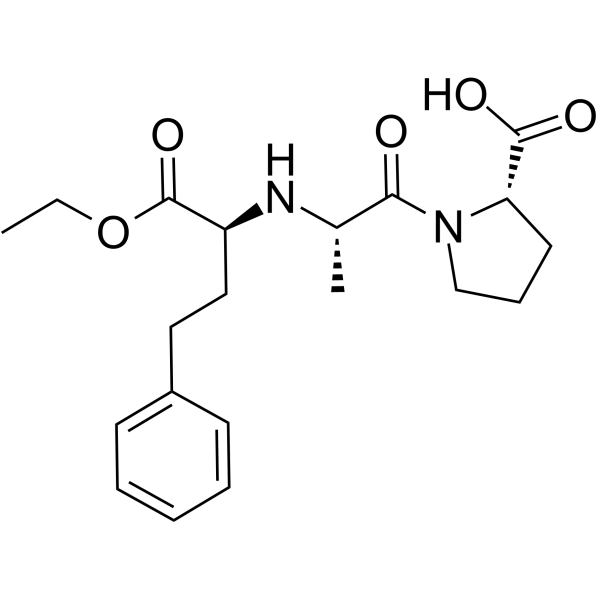
Enalapril (MK-421) is an orally active angiotensin-converting enzyme inhibitor. Enalapril blocks the conversion of angiotensin I to angiotensin II, regulates the renin-angiotensin system, reduces preload and afterload, and decreases plasma angiotensin II levels. Enalapril inhibits apoptosis, reduces nitric oxide metabolite levels, stabilizes endothelial cells, enhances endothelial antioxidant defense, scavenges reactive oxygen species (ROS), and alleviates neuronal damage. Enalapril attenuates glutathione depletion, protein/lipid oxidation, tissue damage, and type III collagen immunolabeling in organs of diabetic rats. Enalapril reduces systolic blood pressure and urinary albumin excretion, and delays the progression of diabetic cardiac/renal injury. Enalapril is used in research related to asymptomatic left ventricular dysfunction, congestive heart failure, Alzheimer's disease, diabetes mellitus, acute myocardial infarction, atrial fibrillation, hypertension, cerebral ischemia, chronic heart failure, and single-ventricle physiology .
loading...
    loading...
14
14 Cited Publications
Cat. No.: HY-B0331A
CAS No.: 76095-16-4
Synonyms: MK-421 maleate
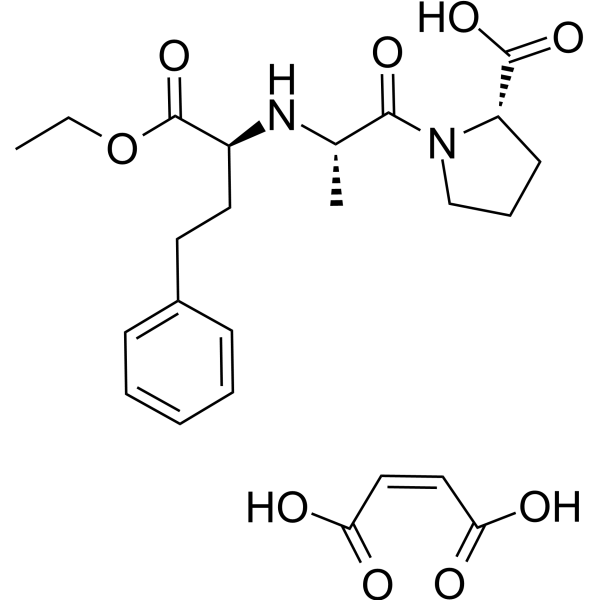
Enalapril maleate (MK-421 maleate) is an orally active angiotensin-converting enzyme inhibitor. Enalapril maleate blocks the conversion of angiotensin I to angiotensin II, regulates the renin-angiotensin system, reduces preload and afterload, and decreases plasma angiotensin II levels. Enalapril maleate inhibits apoptosis, reduces nitric oxide metabolite levels, stabilizes endothelial cells, enhances endothelial antioxidant defense, scavenges reactive oxygen species (ROS), and alleviates neuronal damage. Enalapril maleate attenuates glutathione depletion, protein/lipid oxidation, tissue damage, and type III collagen immunolabeling in organs of diabetic rats. Enalapril maleate reduces systolic blood pressure and urinary albumin excretion, and delays the progression of diabetic cardiac/renal injury. Enalapril maleate is used in research related to asymptomatic left ventricular dysfunction, congestive heart failure, Alzheimer's disease, diabetes mellitus, acute myocardial infarction, atrial fibrillation, hypertension, cerebral ischemia, chronic heart failure, and single-ventricle physiology .
loading...
    loading...
11
11 Cited Publications
Cat. No.: HY-136109
CAS No.: 1310422-41-3
Pureté:  99.89%
Synonyms: SEP-363856 hydrochloride; SEP-856 hydrochloride
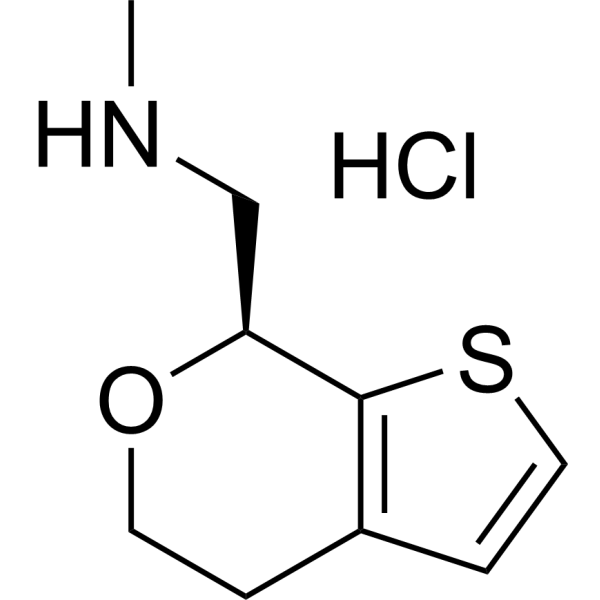
Ulotaront hydrochloride (SEP-363856 hydrochloride; SEP-856 hydrochloride) is an orally active, blood-brain barrier-penetrant TAAR1 full agonist with an EC50 of 0.14 µM. Ulotaront hydrochloride is a 5-HT1A agonist and a weak agonist of 5-HT1B and 5-HT7 receptors. Ulotaront hydrochloride state-dependently modulates glutamatergic synaptic transmission in the striatum and hippocampus, reducing spontaneous glutamatergic synaptic activity and enhancing evoked synaptic responses. Ulotaront hydrochloride exhibits antipsychotic-like effects in animal models of schizophrenia and also improves glucose tolerance and reduces body weight by delaying gastric emptying and modulating central neural circuits related to energy balance. Ulotaront hydrochloride can be used in research on schizophrenia and obesity .
loading...
    loading...
9
9 Cited Publications
Cat. No.: HY-13513
CAS No.: 178606-66-1
Pureté:  99.95%
Synonyms: SLC-0111
Target:  

Carbonic Anhydrase

Domaines de recherche:  

Cancer

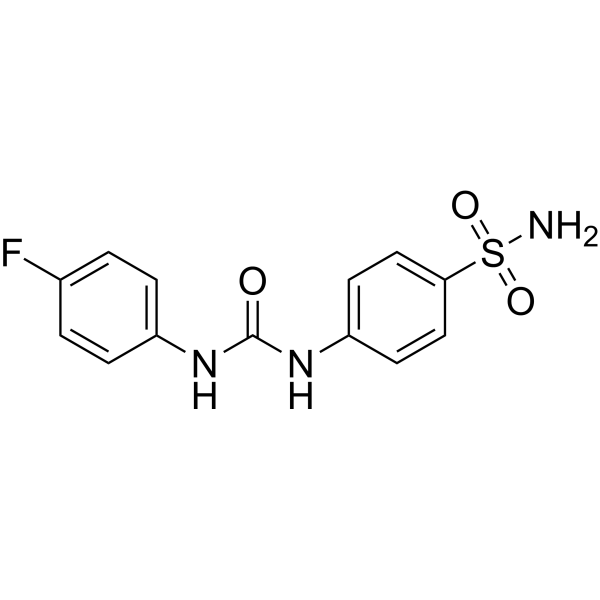
U-104 (SLC-0111) is a potent carbonic anhydrase (CA) inhibitor for CA IX and CA XII with Ki values of 45.1 nM and 4.5 nM, respectively. U-104 shows a significant delay in tumor growth in mice model .
loading...
    loading...
9
9 Cited Publications
Cat. No.: HY-10966
CAS No.: 405554-55-4
Pureté:  99.77%
Target:  

Raf Apoptosis

Domaines de recherche:  

Neurological Disease Cancer

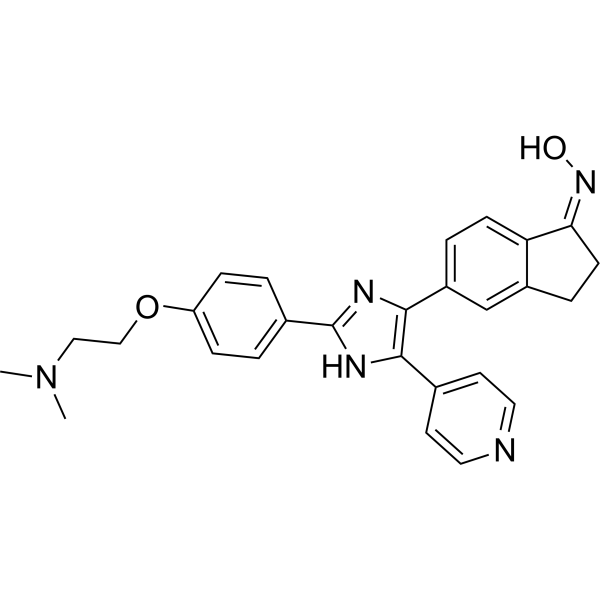
SB-590885 is a BRAF/c-Raf kinase inhibitor that selectively targets B-Raf, and it amplifies the ERK/MAPK signaling pathway in RAS-activated cells. SB-590885 effectively inhibits the malignant proliferation, transformation and tumorigenicity of oncogenic B-Raf cells; it also induces the proliferation of erythroid progenitor cells, delays their differentiation and promotes hemoglobin synthesis, thereby improving ineffective erythropoiesis and reducing apoptosis. SB-590885 exerts a synergistic effect with TGF-β inhibitors and glucocorticoids, significantly promoting the formation of erythroid colonies in cells from patients with Diamond-Blackfan anemia (DBA). SB-590885 is mainly used in relevant studies on DBA, cisplatin-induced myelosuppression-related anemia, and pan-cancers such as melanoma and colorectal cancer .
loading...
    loading...
6
6 Cited Publications
Cat. No.: HY-112136
CAS No.: 850467-66-2
Pureté:  99.81%
Synonyms: CP 43
Target:  

MAP3K Mitosis

Domaines de recherche:  

Cancer

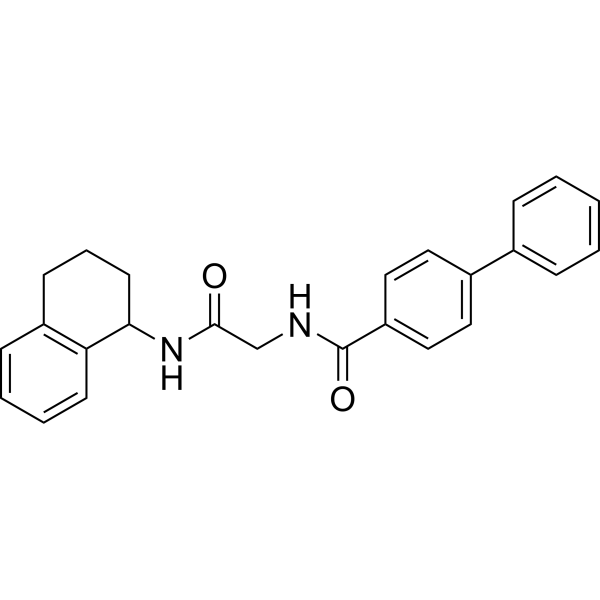
TAO Kinase inhibitor 1 (compound 43) is a selective, ATP-competitive thousand-and-one amino acid kinases (TAOK) inhibitor with IC50s of 11 to 15 nM for TAOK1 and 2, respectively. TAO Kinase inhibitor 1 delays mitosis and induces mitotic cell death .
loading...
    loading...
5
5 Cited Publications
Cat. No.: HY-18937
CAS No.: 1354825-58-3
Target:  

RIP kinase

Domaines de recherche:  

Cancer

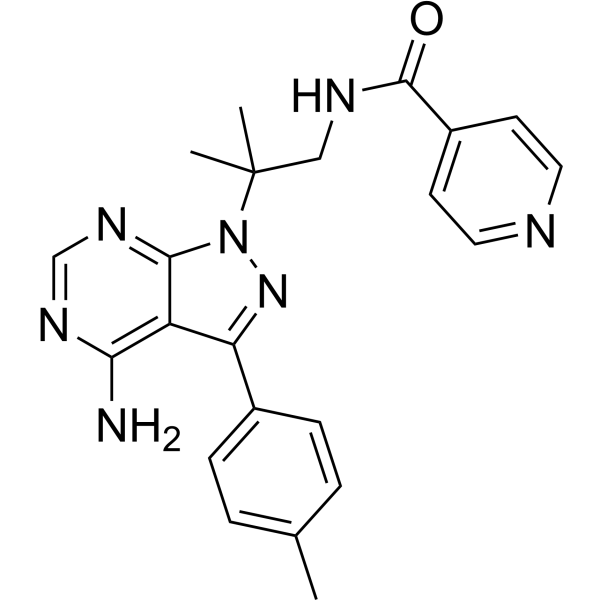
WEHI-345 is a potent and selective RIPK2 kinase inhibitor with an IC50 of 0.13 μM, which delays RIPK2 ubiquitylation and NF-κB activation on oligomerization domain (NOD) stimulation .
loading...
    loading...
5
5 Cited Publications
Cat. No.: HY-17507
CAS No.: 102625-70-7
Synonyms: BY1023; SKF96022
Domaines de recherche:  

Inflammation/Immunology Cancer

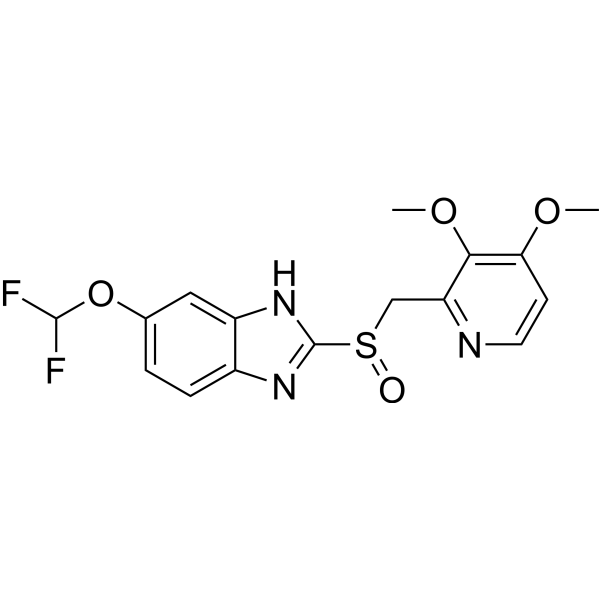
Pantoprazole (BY10232) is an orally active and potent proton pump inhibitor (PPI) . Pantoprazole, a substituted benzimidazole, is a potent H +/K +-ATPase inhibitor with an IC50 of 6.8 μM. Pantoprazole improves pH stability and has anti-secretory, anti-ulcer activities. Pantoprazole significantly increased tumor growth delay combined with Doxorubicin (HY-15142) .
loading...
    loading...
5
5 Cited Publications
Cat. No.: HY-17507A
CAS No.: 138786-67-1
Synonyms: BY1023 sodium; SKF96022 sodium
Domaines de recherche:  

Inflammation/Immunology Cancer

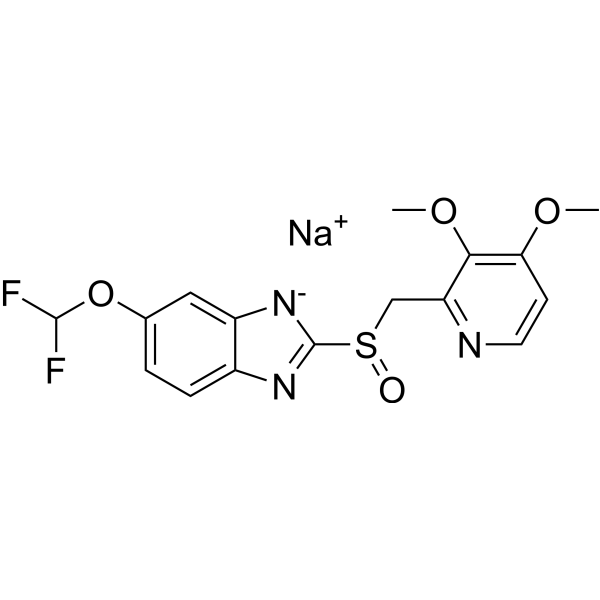
Pantoprazole sodium (BY10232 sodium) is an orally active and potent proton pump inhibitor (PPI) . Pantoprazole sodium, a substituted benzimidazole, is a potent H +/K +-ATPase inhibitor with an IC50 of 6.8 μM. Pantoprazole sodium improves pH stability and has anti-secretory, anti-ulcer activities. Pantoprazole sodium significantly increased tumor growth delay combined with Doxorubicin (HY-15142) .
loading...
    loading...
5
5 Cited Publications
Cat. No.: HY-17507B
CAS No.: 164579-32-2
Synonyms: BY1023 sodium hydrate; SKF96022 sodium hydrate
Domaines de recherche:  

Inflammation/Immunology Cancer

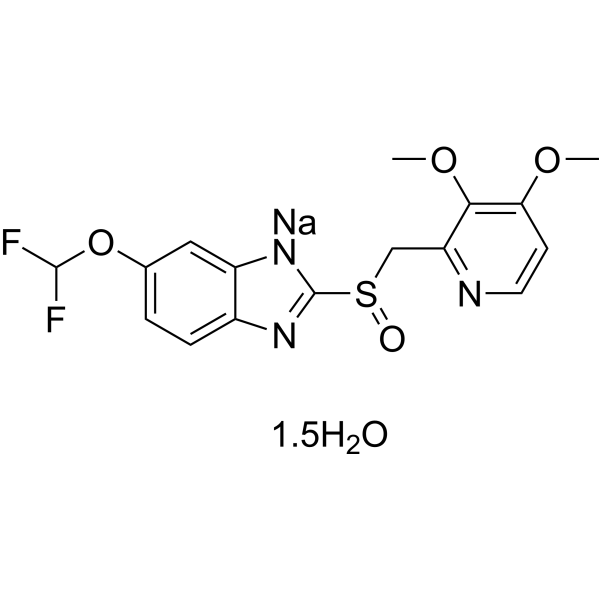
Pantoprazole sodium hydrate (BY10232 sodium hydrate) is an orally active and potent proton pump inhibitor (PPI) . Pantoprazole sodium hydrate, a substituted benzimidazole, is a potent H +/K +-ATPase inhibitor with an IC50 of 6.8 μM. Pantoprazole sodium hydrate improves pH stability and has anti-secretory, anti-ulcer activities. Pantoprazole sodium hydrate significantly increased tumor growth delay combined with Doxorubicin (HY-15142) .
loading...
    loading...

