Cancer Immunotherapy
Cancer immunotherapy (CIT) is a type of biological therapy, aiming to improve anti-tumor immune responses with fewer off-target effects than chemotherapy. Several types of immunotherapy include: oncolytic virus therapies, cancer vaccines, cytokine therapies, adoptive cell transfer (ACT), and immune checkpoint inhibitors (ICIs). In particular, ICIs and ACT have obtained immense clinical response, but their efficacy varies from person to person. Immune cells can be harnessed to eliminate tumor cells, such as T cells, B cells, NK cells, and myeloid cells. T cells have potent tumor-killing capability, therefore, a plethora of cancer immunotherapy research have focused on inducing T-cell-mediated anti-tumor responses. CTLA-4 and PD-1 are found on the cell surface of T cells as co-inhibitory receptors. The breakthrough in cancer immunotherapy results from the identification and subsequent targeting of checkpoint mechanisms in T cells with monoclonal antibodies against CTLA-4 and programmed death-ligand 1/programmed death-1 (PD-L1/PD-1).
Several types of cancers (e.g., melanoma, mismatch repair-deficient cancers, bladder cancer, and non-small cell lung cancer) have achieved significant clinical responses in T-cell checkpoint blockade therapies. However, single-mode immunotherapy faces challenges such as low immune response, low tumor infiltration, and complex immunosuppressive tumor microenvironment. Recently, combined therapies based on tumor immunity have received extensive attention in the research of enhancing tumor cells immunogenicity and inhibiting their growth. For example, anti CTLA-4 and PD-1, immune checkpoint blockade (ICB) combined with chemotherapy, anti-angiogenic drugs and kinase inhibitors.
-
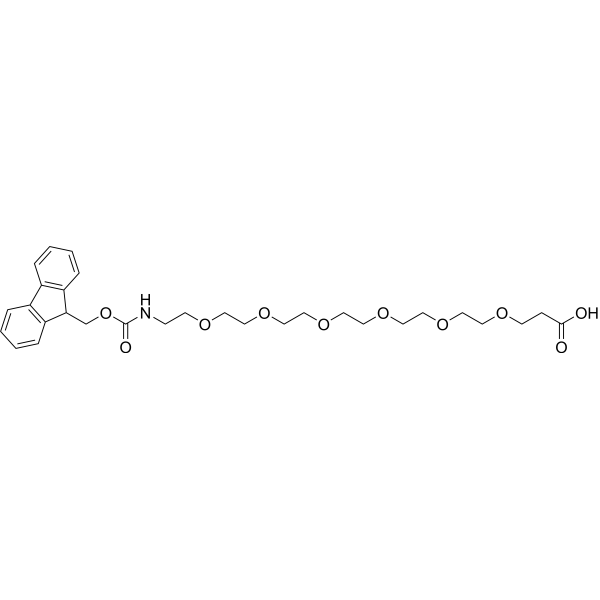
Fmoc-NH-PEG6-CH2CH2COOH
 0 Images
Fmoc-NH-PEG6-CH2CH2COOH is a cleavable ADC linker used in the synthesis of antibody-drug conjugates (ADCs).
-
Lifastuzumab
 0 Images
Lifastuzumab is a humanized anti-NaPi2b IgG1 monoclonal antibody. Lifastuzumab can be coupled with monomethyl auristatin E (MMAE) (HY-15162) through ADC Linker to form an antibody-drug conjugate (ADC) Lifastuzumab vedotin (HY-P99705) with anticancer activity. Lifastuzumab vedotin can be studied in research for non-small cell lung cancer and ovarian cancer. Recommend Isotype Control: Human IgG1 kappa, Isotype Control (HY-P99001).
-
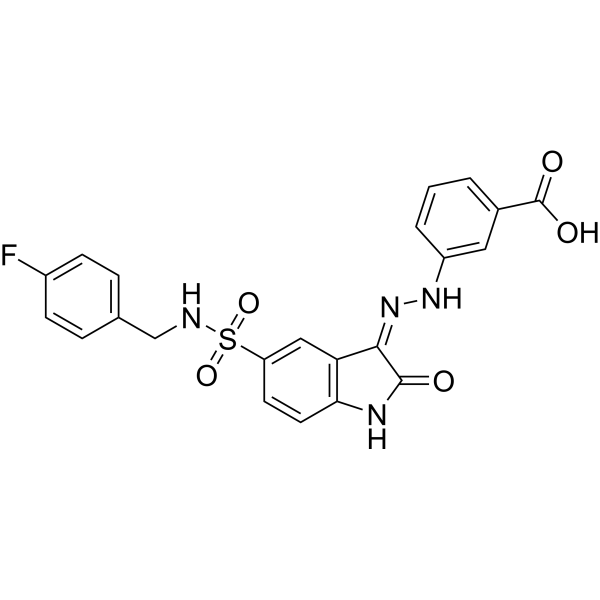
SPI-112
 0 Images
SPI-112 is a potent, selective and competitive SHP2 (PTPN11) inhibitor with IC50s of 1 μM, 18.3 μM and 14.5 μM for SHP2, protein tyrosine phosphatase (PTP) and PTP1B, respectively.
-
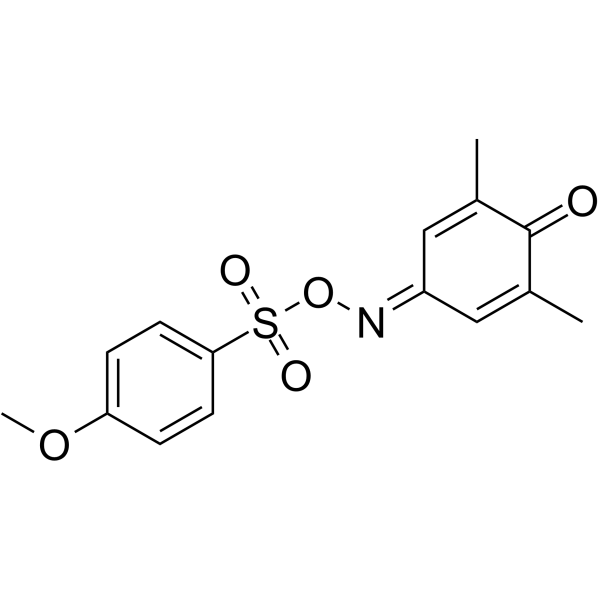
L002
 0 Images
L002 is a potent, cell permeable, reversible and specific acetyltransferase p300 (KAT3B) inhibitor with an IC50 of 1.98 μM. L002 binds the acetyl-CoA pocket and competitively inhibits the FATp300 catalytic domain, blocks histone acetylation and p53 acetylation, and inhibits STAT3 activation. L002 has the potential for hypertension-induced cardiac hypertrophy and fibrogenesis treatment.
-
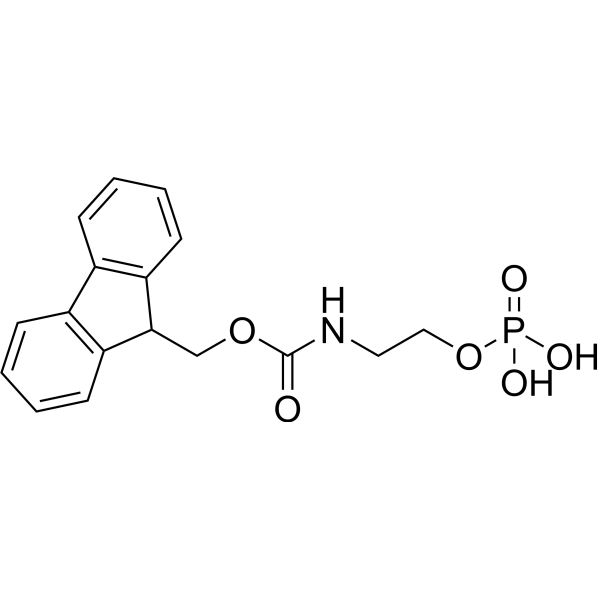
Fmoc-PEA
 0 Images
Fmoc-PEA (Example 1-2) is a used as a cleavable linker for antibody-drug conjugates (ADC).
-
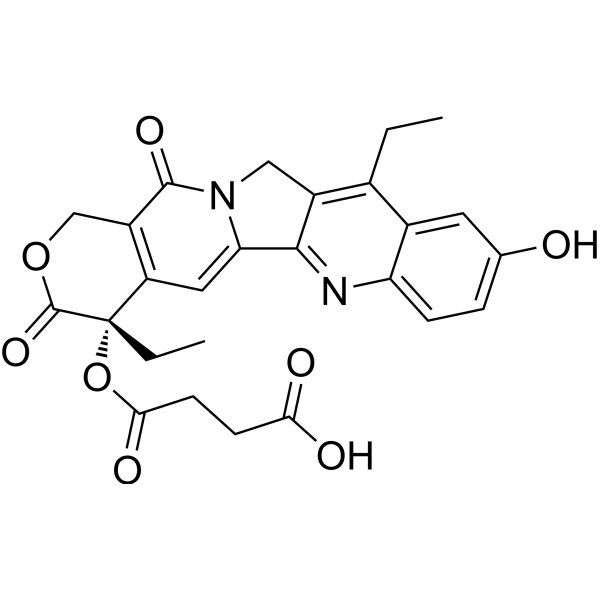
SN38-COOH
 0 Images
SN38-COOH is used for the synthesis of antibody-drug conjugates (ADCs). SN-38 is an active metabolite of the Topoisomerase I inhibitor Irinotecan. SN-38 inhibits DNA and RNA synthesis.
-
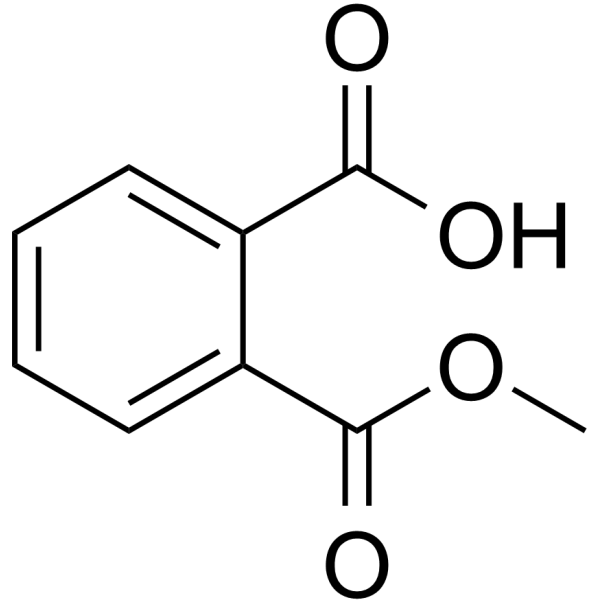
Monomethyl phthalate
 0 Images
Monomethyl phthalate is an orally active metabolite of phthalic acid. Monomethyl phthalate, as a urine biomarker after exposure to phthalate, can be used as a detection indicator for thyroid cancer and benign nodules. Monomethyl phthalate reduces the survival rate of young frogs. Monomethyl phthalate induces oxidative damage to red blood cells in rats.
-
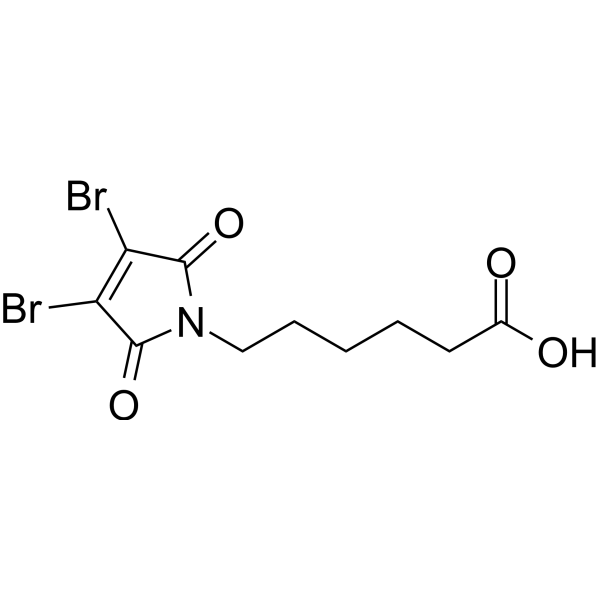
Dibromomaleimide-C5-COOH
 0 ImagesSynonyms: DBM-C5-COOH
Dibromomaleimide-C5-COOH (DBM-C5-COOH) is a bifunctional dibromomaleimide (DBM) linker. Dibromomaleimide-C5-COOH can be used to connect MMAF and to synthesize ADC.
-
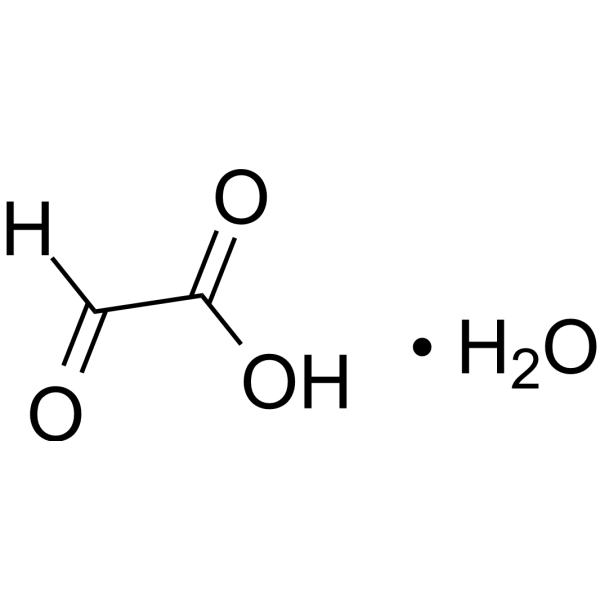
2,2-Dihydroxyacetic acid
 0 Images
2,2-Dihydroxyacetic acid is an endogenous metabolite, which is the monohydrate of Glyoxylic Acid. 2,2-Dihydroxyacetic acid may participate in the microbial glyoxylate cycle, induce an increase in reactive oxygen species, promote cell differentiation, and modify proteins to form advanced glycation end products (AGEs) (HY-NP165). 2,2-Dihydroxyacetic acid is associated with metabolic diseases such as primary hyperoxaluria.
-
Colchicine (Standard)
 0 Images
Colchicine (Standard) is the analytical standard of Colchicine. This product is intended for research and analytical applications. Colchicine, an orally active alkaloid, is a potent tubulin inhibitor and a microtubule disrupting agent. Colchicine inhibits microtubule polymerization with an IC50 of 3 nM. Colchicine is also a competitive antagonist of the α3 glycine receptors (GlyRs). Colchicine prevents non-steroidal anti-inflammatory drug (NSAID)-induced small intestinal injury by inhibiting activation of the NLRP3 inflammasome. Colchicine has extensive anti-inflammatory, immunosuppressive and strong anti-fibrosis effects and has the potential for gouty arthritis research.
-
STX-100
 0 ImagesSynonyms: BG00011
STX-100 (BG00011) is a humanized monoclonal antibody targeting αVβ6 integrin. STX-100 specifically binds αVβ6 integrin, blocks latent TGF-β activation via latency-associated peptide (LAP) interaction prevention, and reduces profibrotic responses. STX-100 can be used for the research of idiopathic pulmonary fibrosis, and cancer.
-
Hexaamminecobalt(III) chloride
 0 ImagesSynonyms: Cobalt hexammine trichloride; Hexaamminecobalt trichloride
Hexaamminecobalt (III) chloride is an orally active cobalt coordination compound. Hexaamminecobalt (III) chloride restores the activities of liver antioxidant enzymes (SOD, Catalase) and detoxification enzyme GST. Hexaamminecobalt (III) chloride restores GSH content and reduces DAG. Hexaamminecobalt (III) chloride impairs renal function. Hexaamminecobalt (III) chloride exerts anti-carcinogenic effects in Diethylnitrosamine (HY-N7434)-induced hepatocarcinoma.
-
Nogapendekin alfa (his tag)
 0 ImagesSynonyms: IL-15N72D
Nogapendekin alfa his tag is an immunostimulant that binds to the IL-2RβγC complex on immune cells. Nogapendekin alfa his tag stimulates the proliferation and activation of natural killer cells and CD8+ T cells, upregulates the expression of granzyme B and perforin, and activates the innate and adaptive immune branches. Nogapendekin alfa his tag forms ALT-803 with IL-15RαSuFc; this complex has an extended biological half-life, improved biodistribution and retention in lymphoid tissues, enhances natural killer cell-mediated rituximab-dependent cellular cytotoxicity, and reduces tumor burden and improves survival when combined with anti-CD20 monoclonal antibody therapy. Nogapendekin alfa his tag can be used in the research of non-Hodgkin's lymphoma.
-
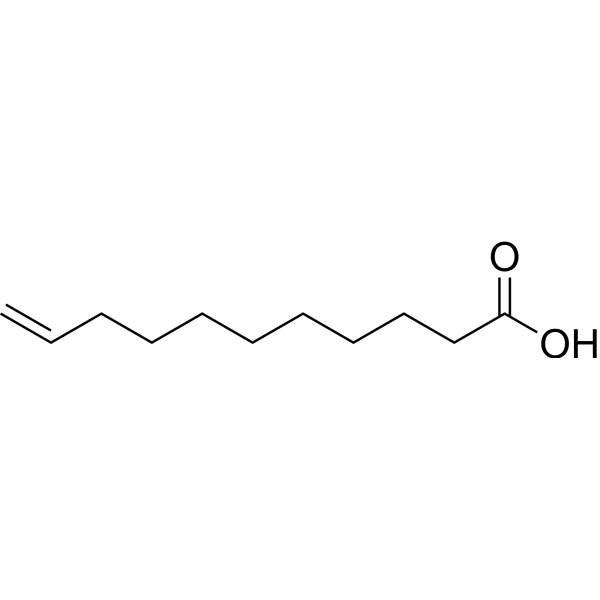
10-Undecenoic acid,98% (stabilized with TBC)
 0 Images
10-Undecenoic acid (Undecylenic acid) is an antifungal agent. 10-Undecenoic acid inhibits Aβ oligomerization, scavenges ROS and inhibits μ-calpain activity. 10-Undecenoic acid has neuroprotective effects. 10-Undecenoic acid has anticancer effects on a variety of tumors. 10-Undecenoic acid inhibits C. albicans biofilm formation and MRSA infection. 10-Undecenoic acid inhibits quorum sensing signals of Bacillus subtilis and Pseudomonas aeruginosa.
-
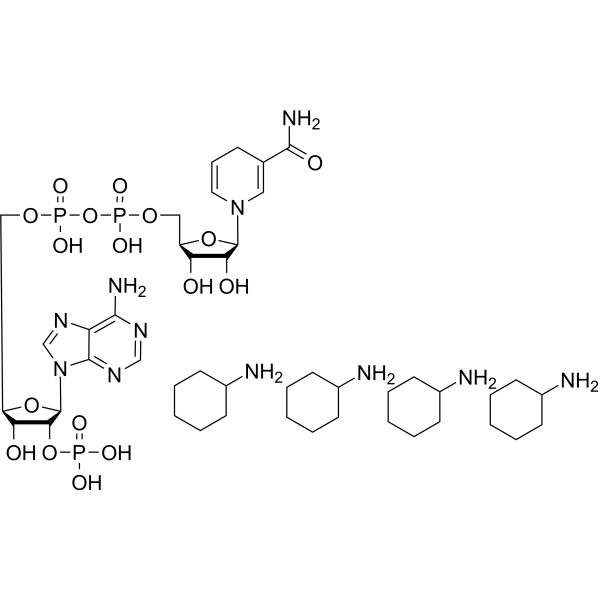
NADPH tetracyclohexanamine
 0 Images
NADPH tetracyclohexanamine functions as an important cofactor in a variety of metabolic and biosynthetic pathways. NADPH tetracyclohexanamine is an endogenous inhibitor of ferroptosis. NADPH tetracyclohexanamine plays a vital role in the biosynthesis of agents, chiral alcohols, fatty acids and biopolymers, while also being required for lipid biosynthesis, biomass formation, and cell replication.