



Cancer Immunotherapy
Cancer immunotherapy (CIT) is a type of biological therapy, aiming to improve anti-tumor immune responses with fewer off-target effects than chemotherapy. Several types of immunotherapy include: oncolytic virus therapies, cancer vaccines, cytokine therapies, adoptive cell transfer (ACT), and immune checkpoint inhibitors (ICIs). In particular, ICIs and ACT have obtained immense clinical response, but their efficacy varies from person to person. Immune cells can be harnessed to eliminate tumor cells, such as T cells, B cells, NK cells, and myeloid cells. T cells have potent tumor-killing capability, therefore, a plethora of cancer immunotherapy research have focused on inducing T-cell-mediated anti-tumor responses. CTLA-4 and PD-1 are found on the cell surface of T cells as co-inhibitory receptors. The breakthrough in cancer immunotherapy results from the identification and subsequent targeting of checkpoint mechanisms in T cells with monoclonal antibodies against CTLA-4 and programmed death-ligand 1/programmed death-1 (PD-L1/PD-1).
Several types of cancers (e.g., melanoma, mismatch repair-deficient cancers, bladder cancer, and non-small cell lung cancer) have achieved significant clinical responses in T-cell checkpoint blockade therapies. However, single-mode immunotherapy faces challenges such as low immune response, low tumor infiltration, and complex immunosuppressive tumor microenvironment. Recently, combined therapies based on tumor immunity have received extensive attention in the research of enhancing tumor cells immunogenicity and inhibiting their growth. For example, anti CTLA-4 and PD-1, immune checkpoint blockade (ICB) combined with chemotherapy, anti-angiogenic drugs and kinase inhibitors.
-
Tetramethylcurcumin
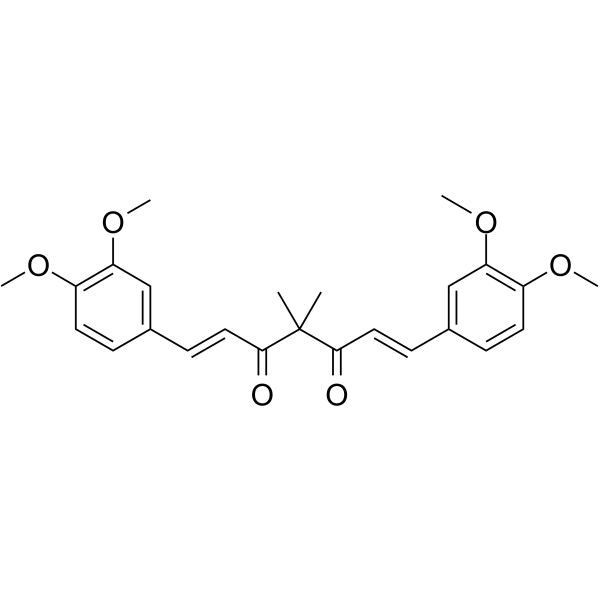 0 ImagesSynonyms: FLLL31
Tetramethylcurcumin (FLLL31), derived from curcumin, specifically suppresses the phosphorylation of STAT3 by binding selectively to Janus kinase 2 and the STAT3 Src homology-2 domain. Tetramethylcurcumin exhibits anti-inflammatory and anti-cancer effects.
-
Mal-Val-Ala-PAB-N(SO2Me)-Exatecan
 0 Images
Mal-Val-Ala-PAB-N(SO2Me)-Exatecan (Compound LE14) is a conjugate of an ADC toxin Exatecan (HY-13631) and a linker Mal-Val-Ala-PAB-N(SO2Me). Mal-Val-Ala-PAB-N(SO2Me)-Exatecan can be used for synthesis of ADC FZ-AD005. FZ-AD005 is a delta-like ligand 3 (DLL3, KD=58.3 pM) targeting ADC, that exhibits antitumor efficacy against SCLC cancer.
-
Nevadensin
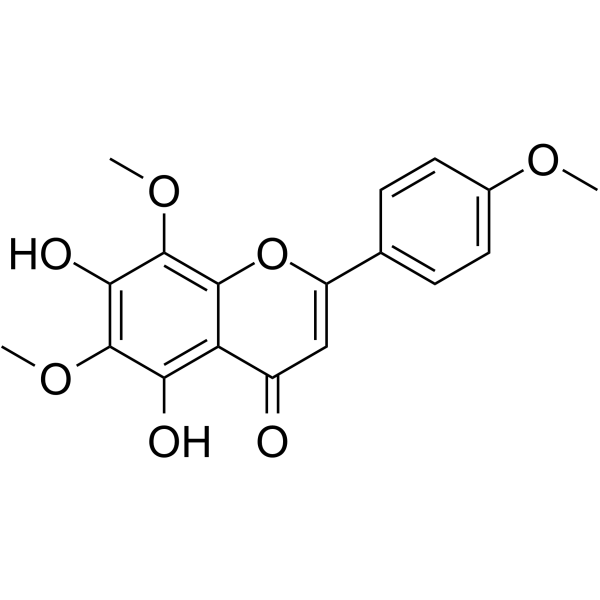 0 ImagesSynonyms: Lysionotin
Nevadensin (Lysionotin), a natural flavonoid, is a selective human carboxylesterase 1 (hCE1) inhibitor with an IC50 of 2.64 μM. Nevadensin is more selective for hCE1 than hCE2 (IC50 of 132.8 μM). Nevadensin can induce apoptosis and DNA damage in cancer cells. Nevadensin has a variety of pharmacological effects such as anti-inflammatory, anti-tumour, anti-hypertensive, anti-tubercular, antitussive, antioxidant and anti-microbial activities.
-
TCIP3
 0 ImagesSynonyms: KAT-TCIP
TCIP3 is a bivalent molecular glue degrader that binds dually to p300/CBP and BCL6. TCIP3 redirects p300 and CBP, thereby activating programmed cell death genes that are normally repressed by the oncogenic driver gene BCL6. TCIP3 induces acetylation of BCL6 and histone tails, inhibits c-MYC transcription. TCIP3 can be used for the research of diffuse large B-cell lymphoma (DLBCL).
-
Aminooxy-PEG3-azide
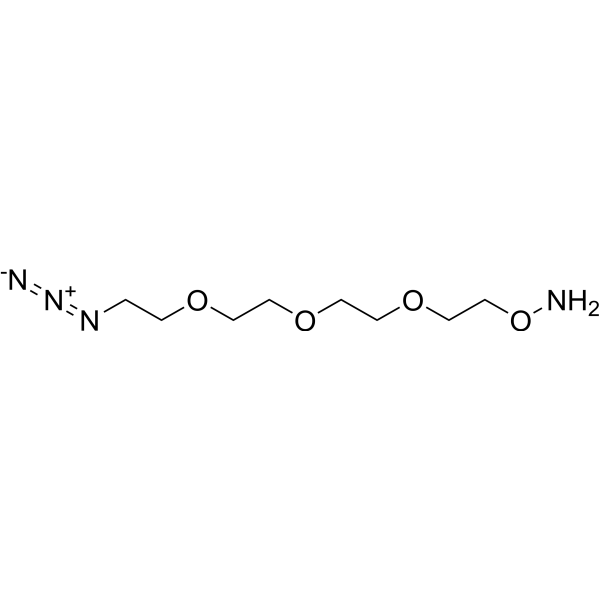 0 Images
Aminooxy-PEG3-azide is a non-cleavable 3 unit PEG ADC linker used in the synthesis of antibody-drug conjugates (ADCs). Aminooxy-C2-PEG3-azide is also a PEG-based PROTAC linker that can be used in the synthesis of PROTACs. Aminooxy-PEG3-azide is a click chemistry reagent, it contains an Azide group and can undergo copper-catalyzed azide-alkyne cycloaddition reaction (CuAAc) with molecules containing Alkyne groups. It can also undergo strain-promoted alkyne-azide cycloaddition (SPAAC) reactions with molecules containing DBCO or BCN groups.
-
MU147
 0 Images
MU147 is an MRE11 nuclease inhibitor and chemical probe with anticancer activity, which is lethal to Ehrlich ascites tumor cells both in vitro and in vivo. MU147 also eliminates the double-strand break repair mechanism dependent on the MRE11 nuclease activity without impairing the activation of ATM. MU147 also impairs the degradation of nascent strands of stalled replication FOX and selectively affects brca2-deficient cells.
-
(R)-Azetidine-2-carboxylic acid
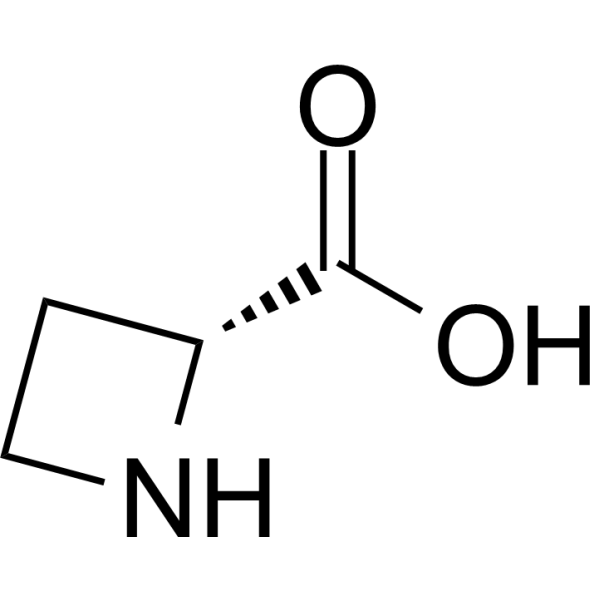 0 Images
(R)-Azetidine-2-carboxylic acid is a non-cleavable ADC linker used in the synthesis of antibody-drug conjugates (ADCs). (R)-Azetidine-2-carboxylic acid is also a alkyl chain-based PROTAC linker that can be
-
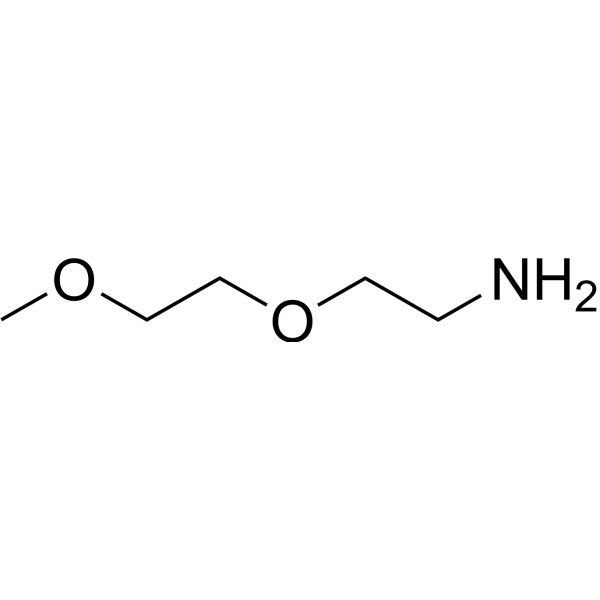
m-PEG2-Amine
 0 Images
m-PEG2-Amine is a PEG-based PROTAC linker can be used in the synthesis of PROTACs. m-PEG2-Amine is a cleavable ADC linker used in the synthesis of antibody-drug conjugates (ADCs).
-
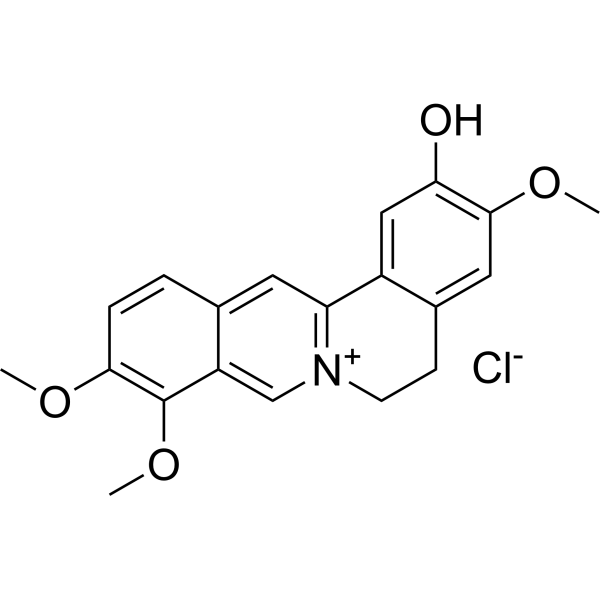
Columbamine chloride
 0 ImagesSynonyms: Columbamin chloride; Dehydroisocorypalmine chloride
Columbamine (Columbamin; Dehydroisocorypalmine) chloride is an organic heterotetracyclic alkaloid extracted from plants. Columbamine chloride is a metabolite of Berberine (HY-N0716). Columbamine chloride inhibits the cytochrome P450 (CYP) isoform CYP3A4 (IC50 = 30.6 µM). Columbamine chloride induces apoptosis in cancer cells. Columbamine chloride can be used for antioxidant, anti-inflammatory, antitumor, antifungal, antiparasite, hepatoprotective, neuroprotective, hypolipidemic and hypoglycemic study.
-
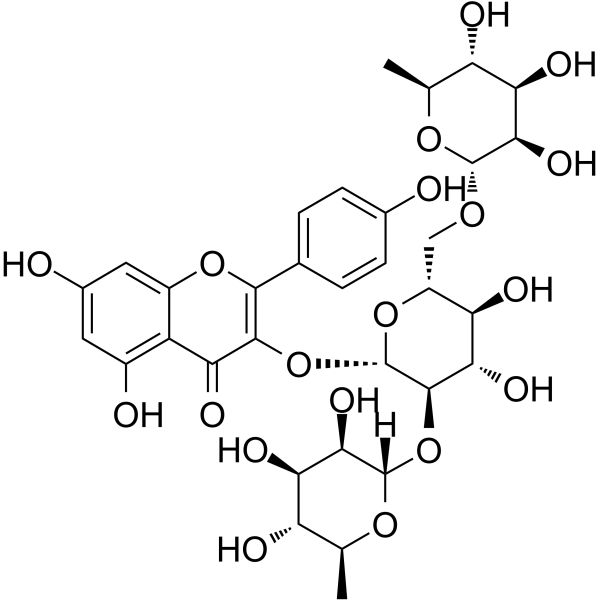
Clitorin
 0 Images
Clitorin is an orally active flavonoid compound that can be isolated from Carica papaya. Clitorin is an inhibitor of EGFR (IC50: 89.58 nM) and aromatase (IC50: 77.41 nM). Clitorin has antioxidant and anti-tumor activities. In the DPPH and ABTS radical scavenging assays, Clitorin has IC50 values of 91.96 ppm and 250.45 ppm, respectively. In addition, Clitorin can regulate lipogenesis and fatty acid oxidation and can be used in the research of non-alcoholic fatty liver disease.
-
Oleuropein Aglycone
 0 ImagesSynonyms: 3,4-DHPEA-EA
Oleuropein Aglycone (3,4-DHPEA-EA) is a secoiridoid that exerts antioxidant, anti-inflammatory, and anti-apoptotic effects by promoting ERK/AMPK/eNOS phosphorylation and inhibiting JNK/p38 MAPK and inflammation-related signaling pathways. Oleuropein Aglycone is used in research on acute kidney injury induced by ischemia-reperfusion injury, pleurisy, osteoporosis, Alzheimer's disease, neurodegenerative diseases, and triple-negative breast cancer.
-
Eupalinolide A
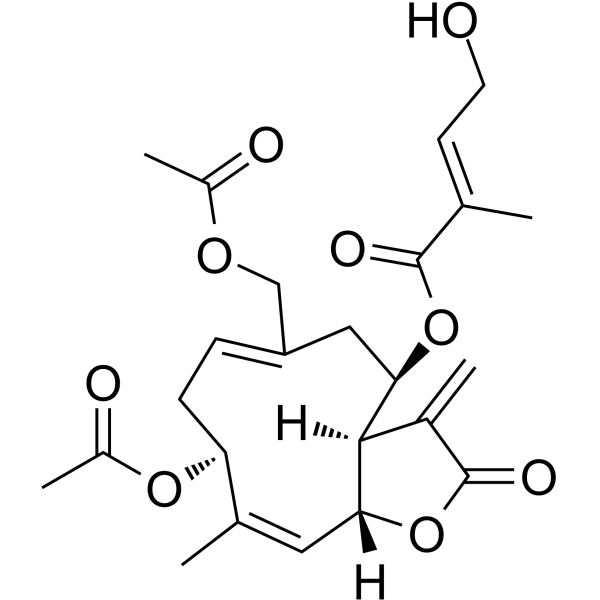 0 Images
Eupalinolide A is a Yes-associated protein (YAP) degrader and HSP70 inducer. Eupalinolide A inhibits osteogenic differentiation of tendon-derived stem cells (TDSCs). Eupalinolide A induces autophagy in hepatocellular carcinoma cells via activating the ROS/ERK signaling pathway. Eupalinolide A protects PAM212 cells from UVB-, Menadione (HY-B0332)-, or heat shock-induced apoptosis. Eupalinolide A alleviates trauma-induced heterotopic ossification (HO) of Achilles tendon and inhibits growth of MHCC97-L and HCCLM3 hepatocellular carcinoma xenograft tumors in mice. Eupalinolide A can be used for the study of traumatic heterotopic ossification of tendons and hepatocellular carcinoma.
-
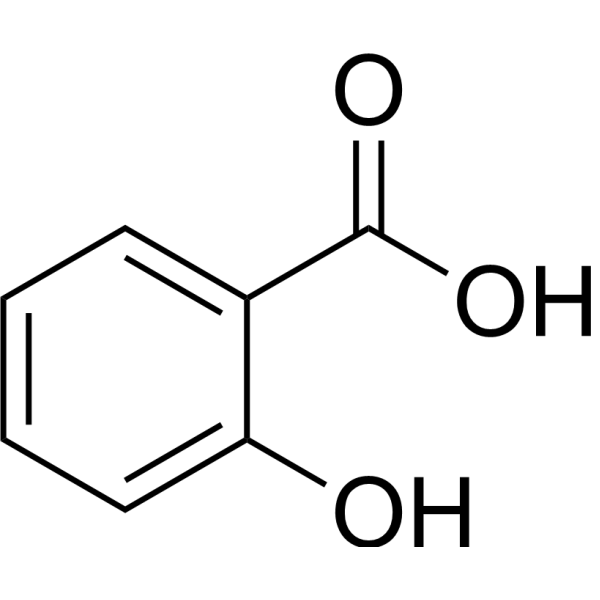
Salsalate
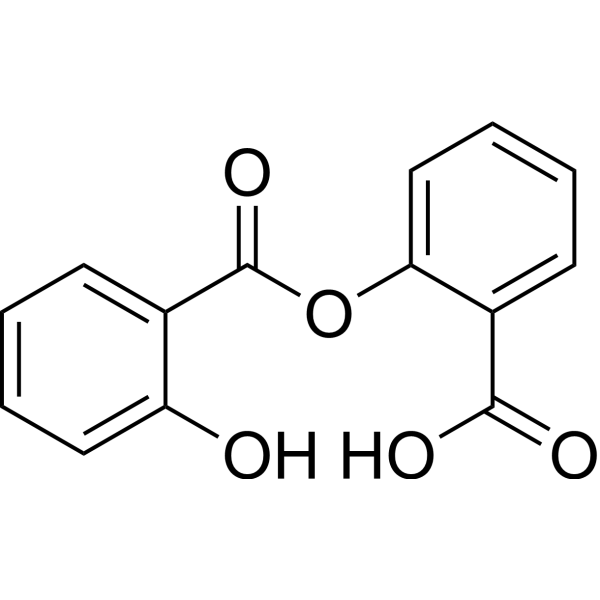 0 ImagesSynonyms: Salicylsalicylic acid; Disalicylic acid
Salsalate is a potent antirheumatic drug with oral activity that reduces irritation during gastric absorption and avoids direct inhibition of cyclooxygenase. Salsalate not only has significant anti-inflammatory effects, but also reduces blood sugar levels, improves insulin resistance, and reduces the expression of cytokines. Salsalate can protect mice from metabolic disorders caused by high-fat diet and effectively improve the symptoms of type 2 diabetes, atherosclerosis and non-alcoholic steatohepatitis[2 ].
-
Diclofenac epolamine
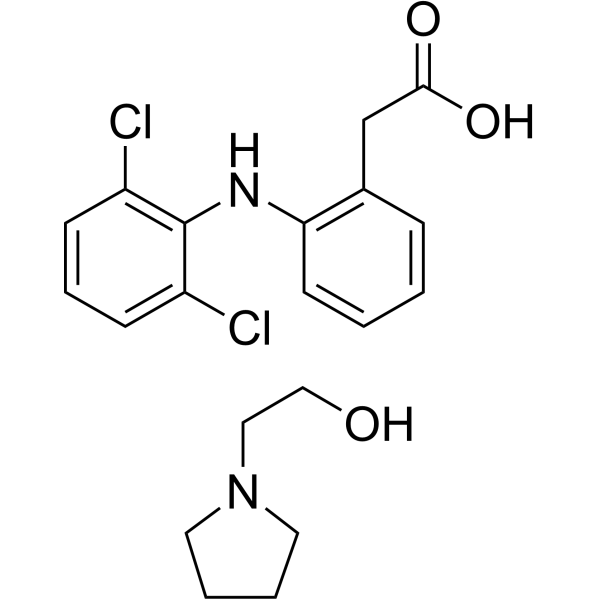 0 ImagesSynonyms: Diclofenac hydroxyethylpyrrolidine
Flector Patch (Diclofenac epolamine) is a non-steroidal anti-inflammatory drug (NSAID). Flector Patch is used for relieving arthritis Pain, acute Pain, osteoarthritis, and actinic Keratosis. Flector Patch has good skin absorption characteristics without local adverse reactions and allergies.
-
DBM-MMAF
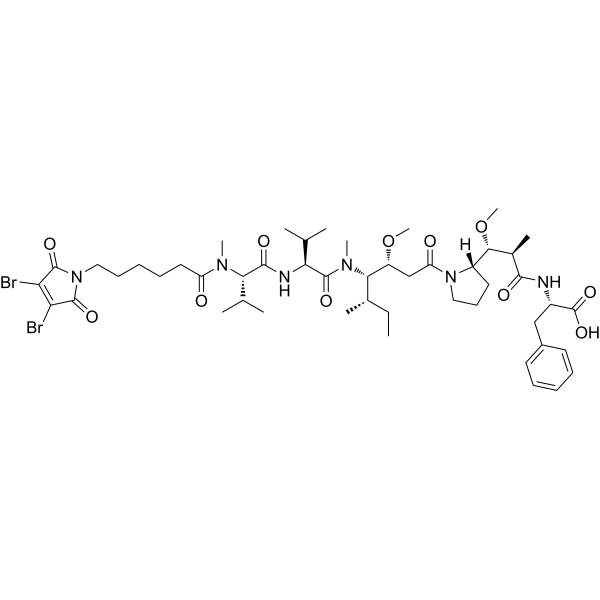 0 Images
DBM-MMAF is a agent-linker conjugate composed of a potent antitubulin agent MMAF and a linker DBM to make antibody agent conjugate (ADC).
-
PD-L1-IN-1
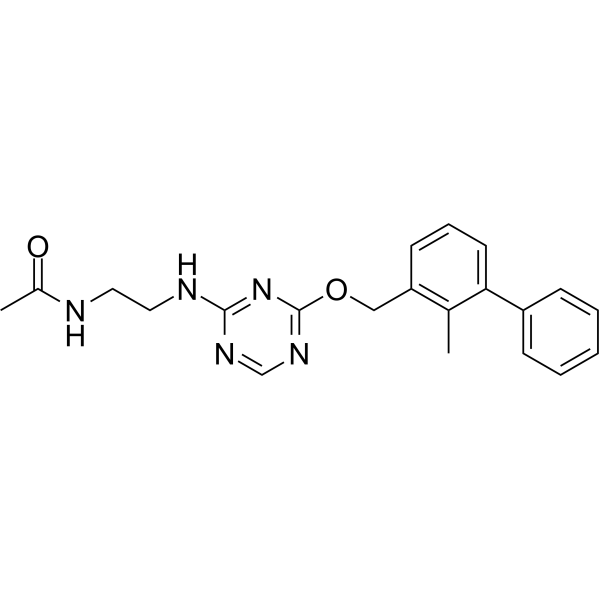 0 Images
PD-L1-IN-1 (Compound 10) is a potent PD-L1 inhibitor with an IC50 of 115 nM. PD-L1-IN-1 strongly binds with the PD-L1 protein and challenged it in a co-culture of PD-L1 expressing cancer cells and peripheral blood mononuclear cells enhanced antitumor immune activity of the latter. PD-L1-IN-1 significantly exhibits low cytotoxicity in healthy cells.
-
IL4I1-IN-1
 0 Images
IL4I1-IN-1 (Compound Ex 232 pg 200) is a selective interleukin 4-induced protein 1 (IL4I1) inhibitor with an EC50 of 2 nM. IL4I1-IN-1 inhibits IL4I1-mediated oxidative deamination of phenylalanine, reducing the production of phenylpyruvate, H2O2 and NH3. IL4I1-IN-1 is promising for research of cancers with high IL4I1 expression, such as endometrial carcinoma, ovarian cancer, and triple-negative breast cancer.
-
SPI-112
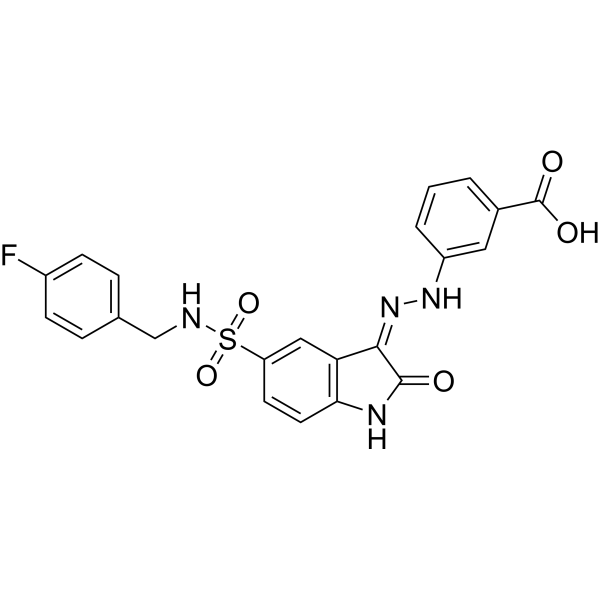 0 Images
SPI-112 is a potent, selective and competitive SHP2 (PTPN11) inhibitor with IC50s of 1 μM, 18.3 μM and 14.5 μM for SHP2, protein tyrosine phosphatase (PTP) and PTP1B, respectively.
-
Drozitumab
 0 ImagesSynonyms: PRO 95780; rhuMAb-DR 5; Anti-Human DR5 Recombinant Antibody
Drozitumab (PRO 95780) is a human agonistic monoclonal antibody which binds the death receptor DR5. Drozitumab has potent antitumor activity against rhabdomyosarcoma.



