Autophagy
Autophagy is a conserved cellular degradation and recycling process in the lysosome. In mammalian cells, there are three primary types of autophagy: microautophagy, macroautophagy, and chaperone-mediated autophagy (CMA). Microphagy captures cargoes by means of invaginations or protrusions of the lysosomal membrane directly, CMA uses chaperones to identify cargo proteins and then unfolds and transfers them into the lysosomal, while macroautophagy sequesters cargo by autophagosomes-de novo synthesized of double-membrane vesicles-and subsequently transport it to the lysosome.
Macroautophagy is the best studied and it occurs at a low level constitutively and can also be further induced under stress conditions, such as nutrient or energy starvation with a salient feature of autophagy protein degradation. Stress-induced macrophagy plays an important role in protein catabolism with another key protein degradation pathway, the ubiquitin–proteasome system (UPS).
As the study progressed, autophagy gains its importance under basal, nutrient-rich conditions, and is now recognized as a critical housekeeping pathway in catabolism of diverse cellular constituents, such as protein aggregates (aggrephagy), lipid droplets (lipophagy), iron complex (Ferritinophagy) and carbohydrate. Except for macromolecules, autophagy can also target several organelles and structures, such as mitochondria (mitophagy), peroxisome (pexophagy), endoplasmic reticulum (reticulophagy or ER-phagy), ribosome (ribophagy), spermatozoon-inherited organelles following fertilization (allophagy), secretory granules within pancreatic cells (zymophagy) and intracellular pathogens (xenophagy).
Autophagy and its dysfunction are associated with a variety of human pathologies, including ageing, cancer, neurodegenerative disease, heart disease and metabolic diseases, such as diabetes. Plenty of drugs and natural products are involved in autophagy modulation through multiple signaling pathways. Small molecules that can regulate autophagy seem to have great potential to intervene such diseases in animal models or clinical courses.
All Product Categories
-
Autophagy Inhibitors
(488)
View all products
-
Autophagy Agonists
(6)
View all products
-
Autophagy Activators
(124)
View all products
-
Autophagy Modulators
(59)
View all products
-
Autophagy Chemicals
(2)
View all products
-
Autophagy Inducers
(2220)
View all products
-
Autophagy Controls
(5)
View all products
-
Autophagy Ligand
(1)
View all products
-
Autophagy 関連製品 (3441)
関連製品 (3441)

-
抗体 (31)
-
Autophagy シグナル伝達
-
Kaempferide
(Kaempferide)
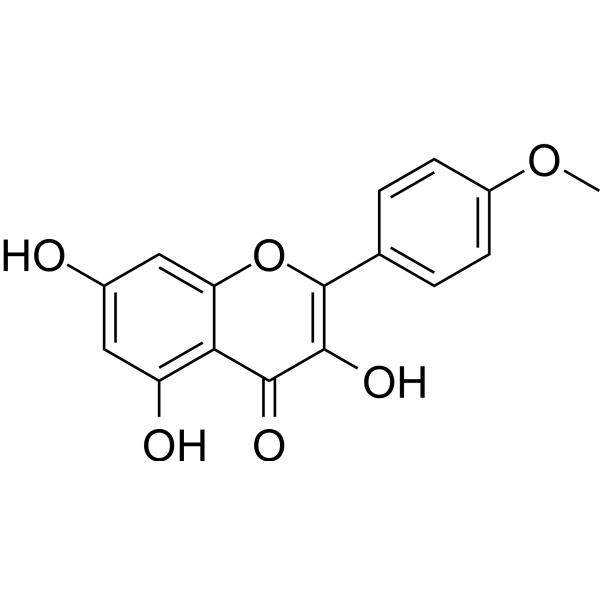 0 ImagesKaempferide is an orally active flavonol isolated from Hippophae rhamnoides L. Kaempferide has anticancer, anti-inflammatory, antioxidant, antidiabetic, antiobesity, antihypertensive, and neuroprotective activities. Kaempferide induces apoptosis. Kaempferide promotes osteogenesis through antioxidants and can be used in osteoporosis research.
-
Flavopiridol Hydrochloride
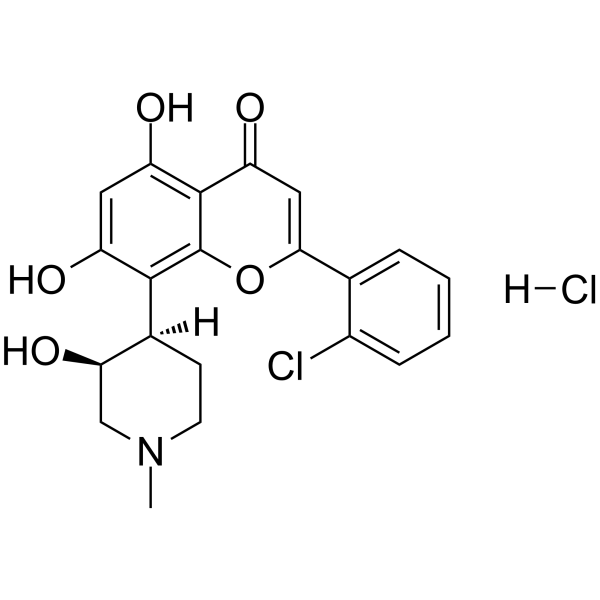 0 Images別名: Alvocidib Hydrochloride; L86-8275 Hydrochloride; HMR-1275 Hydrochloride
-
AGN 194310
(AGN 194310)
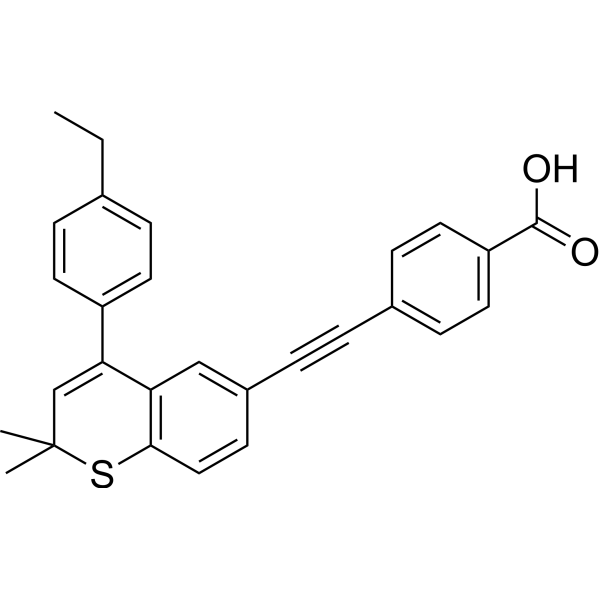 0 Images別名: VTP-194310AGN 194310 (VTP-194310) is a high affinity, potent and selective retinioic acid receptors (RARs) pan-antagonist with Kd values of 3 nM, 2 nM, 5 nM for RARα, RARβ, RARγ, respectively. AGN 194310 is a click chemistry reagent, it contains an Alkyne group and can undergo copper-catalyzed azide-alkyne cycloaddition (CuAAc) with molecules containing Azide groups.
-
Tetrahydrocurcumin
(テトラヒドロクルクミン)
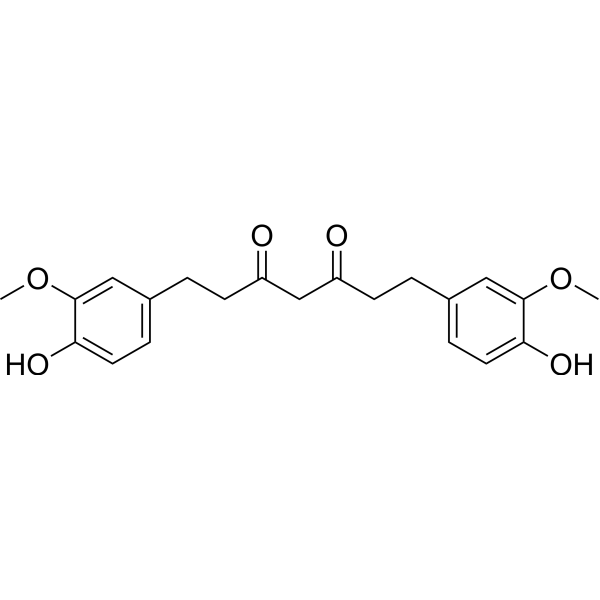 0 Images別名: Tetrahydrocurcumin; HZIV 81-2
-
Tazarotene
(タザロテン)
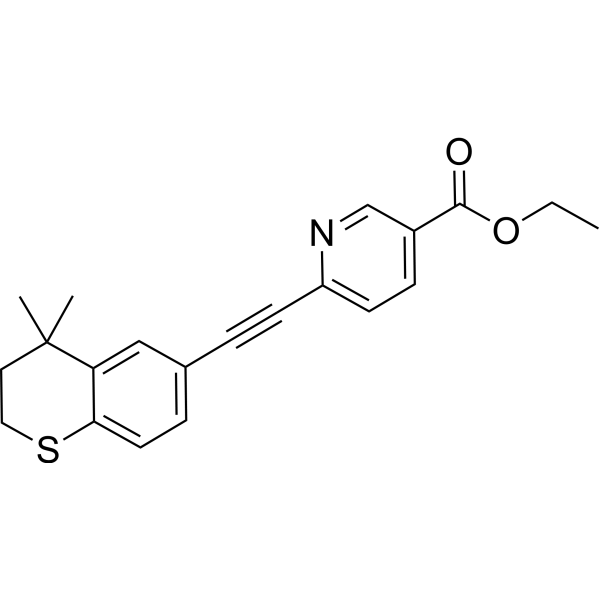 0 Images別名: Tazarotene; AGN 190168Tazarotene (AGN 190168) is a selective retinoic acid receptor (RAR) agonist for the treatment of plaque psoriasis and acne vulgaris. Tazarotene is a click chemistry reagent, it contains an Alkyne group and can undergo copper-catalyzed azide-alkyne cycloaddition (CuAAc) with molecules containing Azide groups.
-
Pirarubicin
(ピラルビシン)
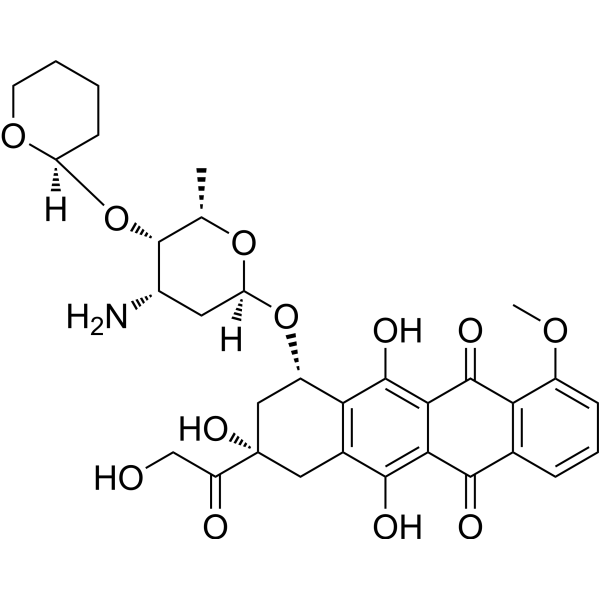 0 Images別名: THP; PirarubicinPirarubicin is an anthracycline antibiotics, acts as a topoisomerase II inhibitor, and is a widely used for treatment of various cancers, in particular, solid tumors.
-
Phenformin
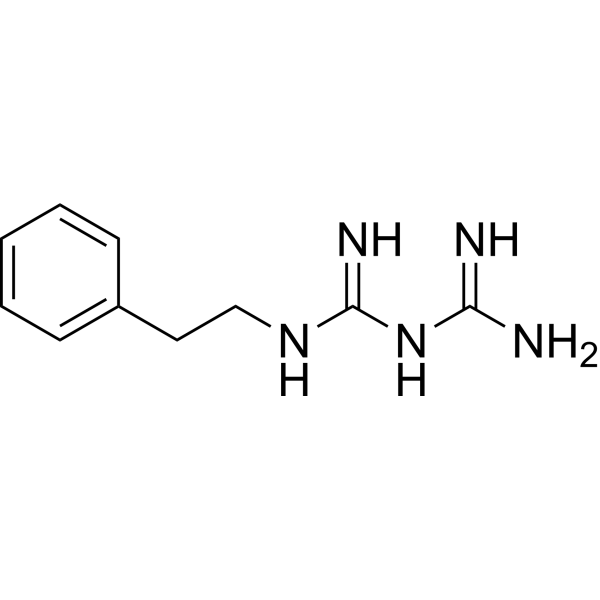 0 ImagesPhenformin (Phenethylbiguanide) is an orally active biguanide hypoglycemic agent. Phenformin inhibits mitochondrial respiratory chain complex I, leading to an increased AMP/ATP ratio, activation of AMPK, and subsequent inhibition of the mTOR pathway, thereby suppressing cell proliferation, inducing apoptosis and autophagy. Phenformin inhibits cancer stem cells (CSCs) and possesses potent antitumor potential.
-
Daphnetin
(Daphnetin)
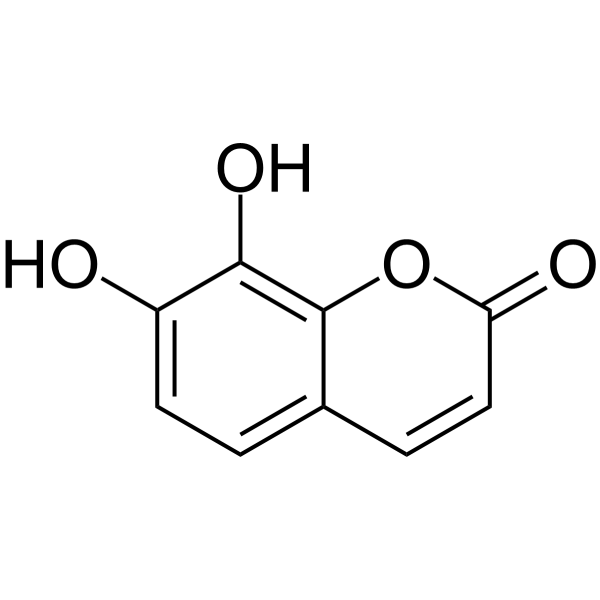 0 ImagesDaphnetin (7,8-dihydroxycoumarin), one coumarin derivative can be found in plants of the Genus Daphne, is a potent, oral active protein kinase inhibitor, with IC50s of 7.67 μM, 9.33 μM and 25.01 μM for EGFR, PKA and PKC in vitro, respectively. Daphnetin triggers ROS-induced cell apoptosis and induces cytoprotective autophagy by modulating the AMPK/Akt/mTOR pathway. Daphnetin has anti-inflammation activitity and inhibits TNF-α, IL-1β, ROS, and MDA production. Daphnetin has schizontocidal activity against malaria parasites. Daphnetin can be used for rheumatoid arthritis , cancer and anti-malarian research.
-
LG100268
(LG100268)
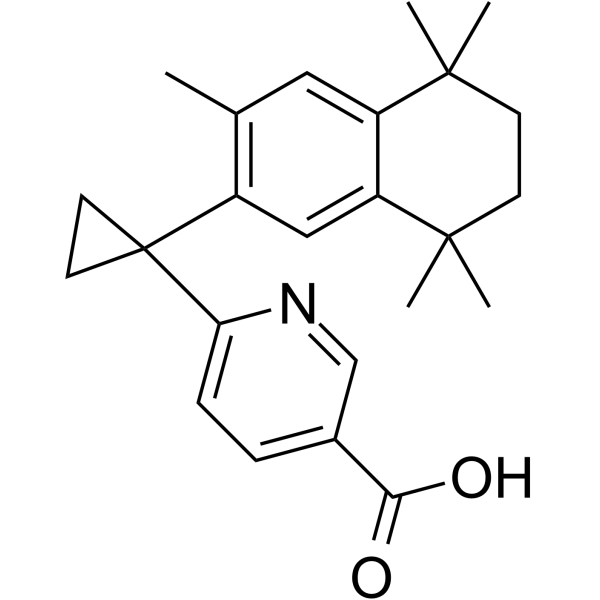 0 Images別名: LG268LG100268 (LG268) is a potent, selective and orally active retinoid X receptor (RXR) agonist with EC50 values of 4 nM, 3 nM, and 4 nM for RXR-α, RXR-β, and RXR-γ, respectively. LG100268 displays >1000-fold selectivity for RXR over RAR, the Ki values are 3.4 nM, 6.2 nM and 9.2 nM for RXR-α, RXR-β, and RXR-γ, respectively. LG100268 activates RXR homodimers to induce transcriptional activation. LG100268 can be used for the study of lung carcinogenesisy.
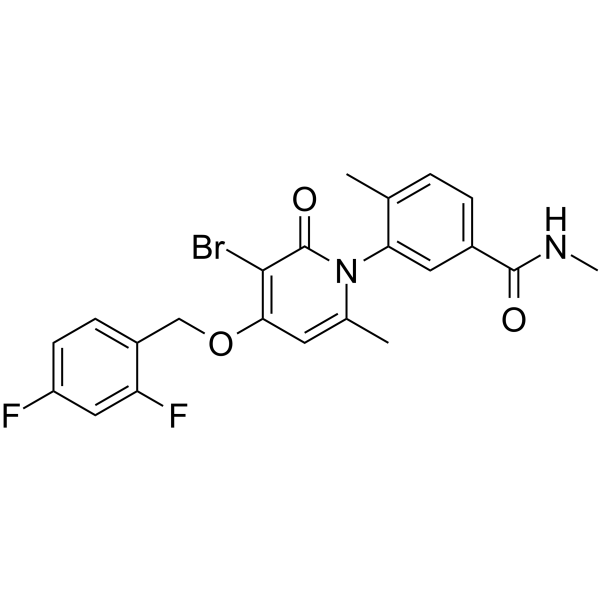
- PH-797804 (PH-797804)
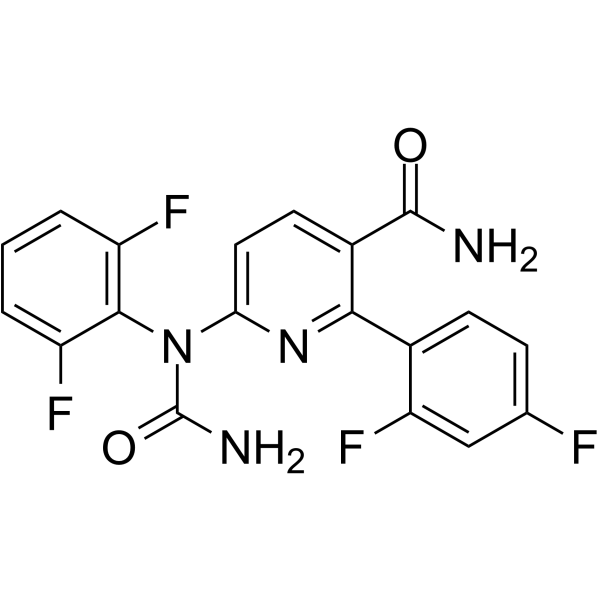
- VX-702 (VX-702)
-
Acetylshikonin
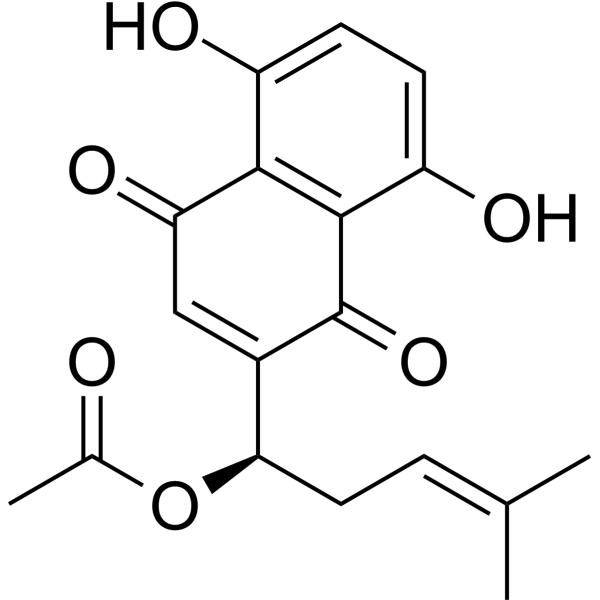 0 ImagesAcetylshikonin is an oral active anti-cancer, anti-inflammatory, antioxidant, anti-fertility, antibacterial, and neuroprotective agent. Acetylshikonin is a inhibitor of acetylcholinase (AChE) (IC50=34.6 μM) and nonselective cytochrome P450. Acetylshikonin can induce Apoptosis and Autophagy in cancer cells. Acetylshikonin regulates blood glucose, liver fat metabolism, and renal fibrosis, and is used in the study of diabetes, diabetic nephropathy (DN), obesity, and nonalcoholic fatty liver disease (NAFLD).
-
Samotolisib
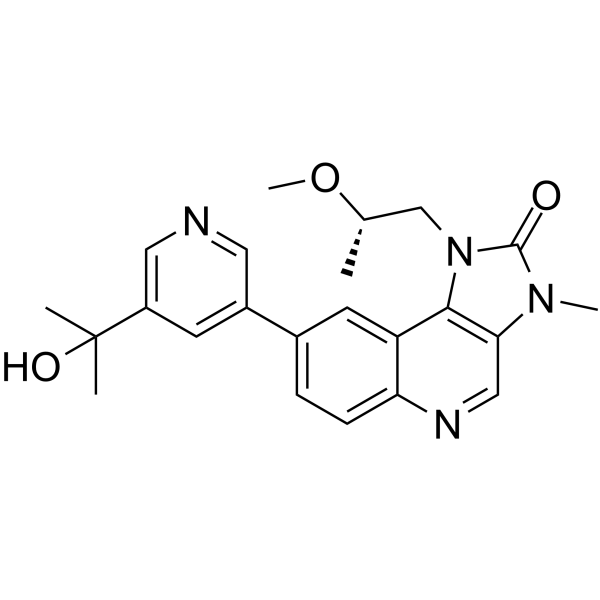 0 Images別名: LY3023414Samotolisib (LY3023414) potently and selectively inhibits class I PI3K isoforms, DNA-PK, and mTORC1/2 with IC50s of 6.07 nM, 77.6 nM, 38 nM, 23.8 nM, 4.24 nM and 165 nM for PI3Kα, PI3Kβ, PI3Kδ, PI3Kγ, DNA-PK and mTOR, respectively. Samotolisib potently inhibits mTORC1/2 at low nanomolar concentrations.
-
Nilotinib monohydrochloride monohydrate
(Nilotinib (monohydrochloride monohydrate))
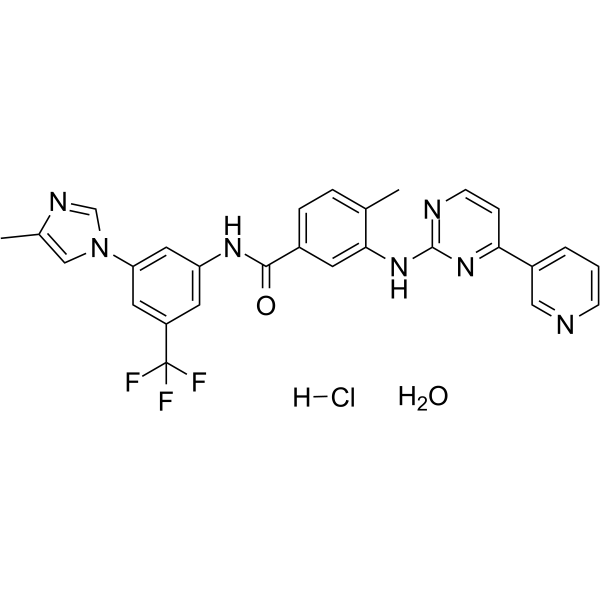 0 Images別名: AMN107 (monohydrochloride monohydrate)
-
Berberine chloride hydrate
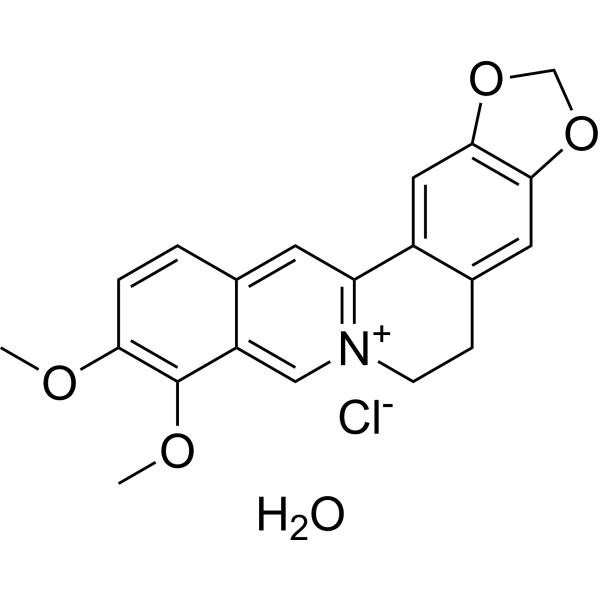 0 Images別名: Natural Yellow 18 chloride hydrateBerberine chloride hydrate (Natural Yellow 18 chloride hydrate) is an alkaloid that acts as an antibiotic. Berberine chloride hydrate induces reactive oxygen species (ROS) generation and inhibits DNA topoisomerase. Antineoplastic properties.
-
Bilobalide
(Bilobalide)
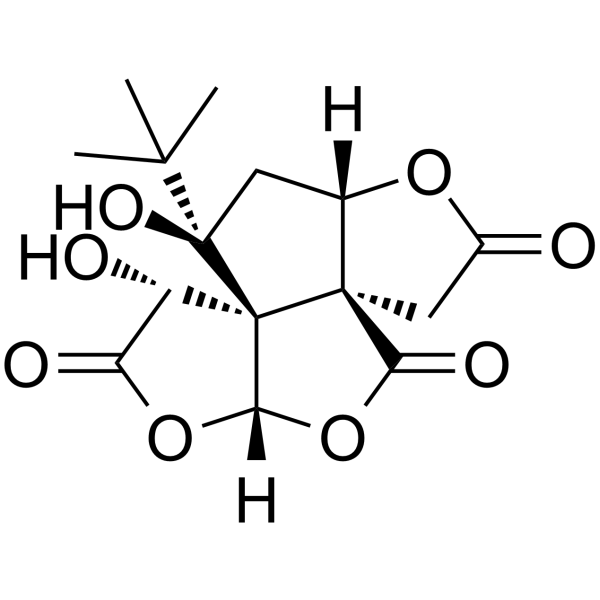 0 Images別名: (-)-Bilobalide; ビロバリドBilobalide, a sesquiterpene trilactone constituent of Ginkgo biloba, inhibits the NMDA-induced efflux of choline with an IC50 value of 2.3 μM. Bilobalide prevents apoptosis through activation of the PI3K/Akt pathway in SH-SY5Y cells. Exerts protective and trophic effects on neurons.