



Caspase
Caspase is a family of cysteine proteases that play essential roles in apoptosis (programmed cell death), necrosis, and inflammation. There are two types of apoptotic caspases: initiator (apical) caspases and effector (executioner) caspases. Initiator caspases (e.g., CASP2, CASP8, CASP9, and CASP10) cleave inactive pro-forms of effector caspases, thereby activating them. Effector caspases (e.g., CASP3, CASP6, CASP7) in turn cleave other protein substrates within the cell, to trigger the apoptotic process. The initiation of this cascade reaction is regulated by caspase inhibitors. CASP4 and CASP5, which are overexpressed in some cases of vitiligo and associated autoimmune diseases caused by NALP1 variants, are not currently classified as initiator or effector in MeSH, because they are inflammatory enzymes that, in concert with CASP1, are involved in T-cell maturation.
Caspase Isoform Specific Products
-
Caspase 1
(76)
View all products
-
Caspase 2
(11)
View all products
-
Caspase 3
(533)
View all products
-
Caspase 4
(11)
View all products
-
Caspase 5
(5)
View all products
-
Caspase 6
(12)
View all products
-
Caspase 7
(105)
View all products
-
Caspase 8
(106)
View all products
-
Caspase 9
(191)
View all products
-
Caspase 10
(6)
View all products
-
Caspase 12
(3)
View all products
-
Caspase
(588)
View all products
-
Caspase 11
(2)
View all products
-
Caspase-13
(1)
View all products
All Product Categories
-
Caspase Inhibitors
(434)
View all products
-
Caspase Agonists
(40)
View all products
-
Caspase Activators
(617)
View all products
-
Caspase Modulators
(46)
View all products
-
Caspase Chemicals
(4)
View all products
-
Caspase MDM2 Inhibitor
(1)
View all products
-
Caspase Inducers
(49)
View all products
-
Caspase Degrader
(1)
View all products
-
Caspase Control
(1)
View all products
-
Caspase Substrates
(3)
View all products
-
Caspase Proteins
(10)
View all products
-
Caspase-1 Proteins
(3)
View all products
-
Caspase-3 Proteins
(3)
View all products
-
Caspase 7 Proteins
(1)
View all products
-
Caspase-8 Proteins
(1)
View all products
-
Caspase-10 Proteins
(1)
View all products
-
Caspase Related Products (1376)
Related Products (1376)

-
Recombinant Proteins (10)
-
Antibodies (35)
-
Caspase Signaling Pathway
-
Caspase Isoform Comparison
-
δ-Secretase inhibitor 11
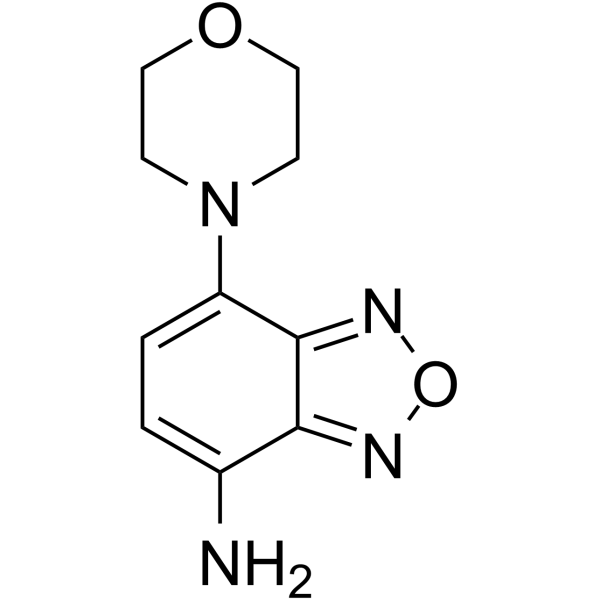 0 Imagesδ-Secretase inhibitor 11 (compound 11) is an orally active, potent, BBB-penetrated, non-toxic, selective and specific δ-secretase inhibitor, with an IC50 of 0.7 μM. δ-Secretase inhibitor 11 interacts with both the active site and allosteric site of δ-secretase. δ-Secretase inhibitor 11 attenuates tau and APP (amyloid precursor protein) cleavage. δ-Secretase inhibitor 11 ameliorates synaptic dysfunction and cognitive impairments in tau P301S and 5XFAD transgenic mouse models. δ-Secretase inhibitor 11 can be used for Alzheimer's disease research.
-
Z-WEHD-FMK
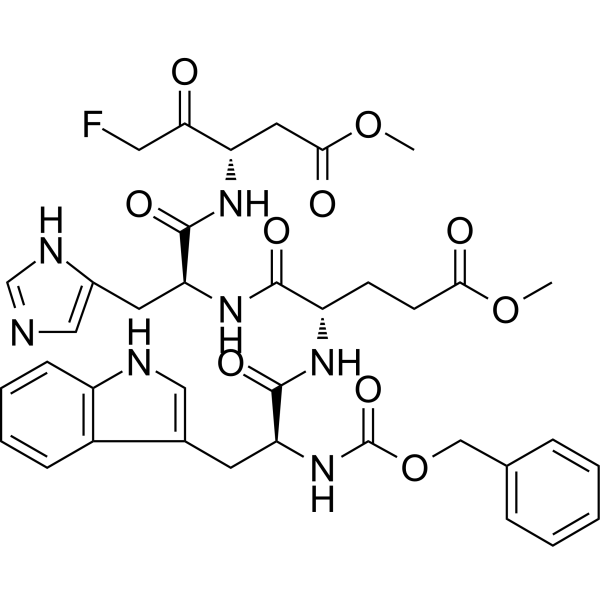 0 ImagesSynonyms: Z-WE(OMe)HD(OMe)-FMKZ-WEHD-FMK is a potent, cell-permeable and irreversible caspase-1/5 inhibitor. Z-WEHD-FMK also exhibits a robust inhibitory effect on cathepsin B activity (IC50=6 μM). Z-WEHD-FMK can be used to investigate cells for evidence of apoptosis.
-
20-5,14-HEDE
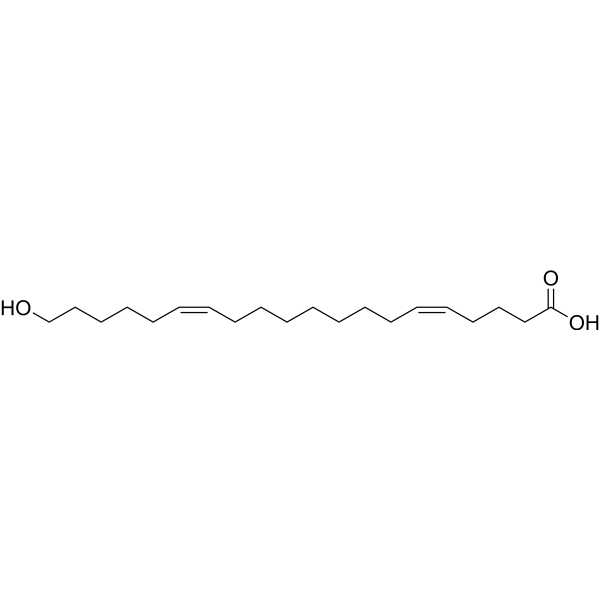 0 ImagesSynonyms: WIT00320-5,14-HEDE (WIT003) is an analog of 20-HETE. 20-5,14-HEDE activates PI3K/Akt signaling pathway, thereby exhibiting anti-apoptotic and cell survival promoting effects. 20-5,14-HEDE is the agonist for 20-HETE that increases intracellular Ca2+ concentrations, thereby enhancing vasoconstriction.
-
Sesamolin
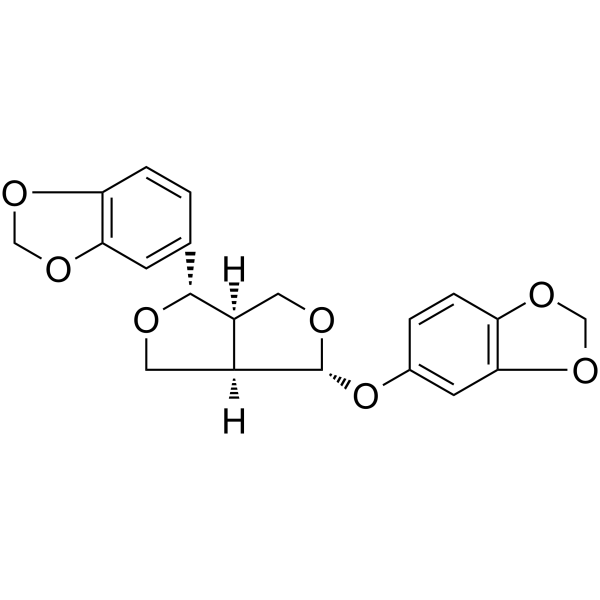 0 ImagesSesamolin, isolated from Sesamum indicum, has antioxidative activity, Sesamolin inhibits lipid peroxidation and shows neuroprotection effect. Sesamolinl potently inhibits MAPK cascades by preventing phosphorylation of JNK, p38 MAPKs, and caspase-3 but not ERK-MAPK expression. Sesamolin is orally active.
-
Acetyl-L-carnitine-d3 hydrochloride
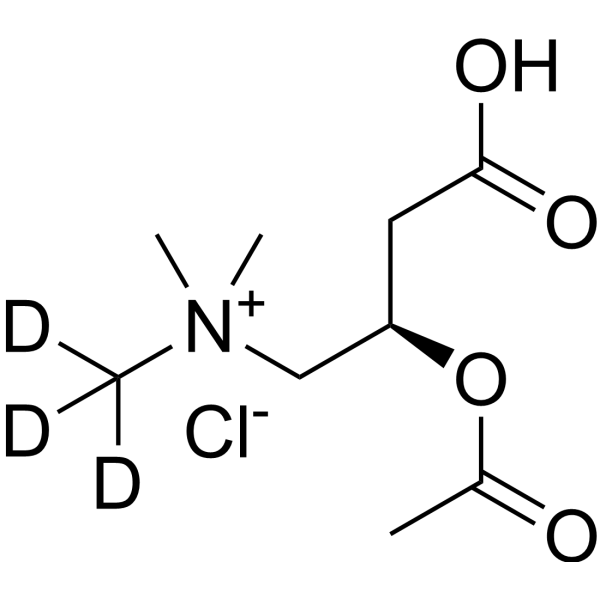 0 ImagesSynonyms: O-Acetyl-L-carnitine-d3 hydrochlorideAcetyl-L-carnitine-d3 (O-Acetyl-L-carnitine-d3) hydrochloride is the deuterium labeled Acetyl-L-carnitine hydrochloride (HY-B0762). Acetyl-L-carnitine (O-Acetyl-L-carnitine; ALCAR) hydrochloride is an orally active mitochondrial energy metabolism regulator and neuroprotectant that can penetrate the blood-brain barrier. Acetyl-L-carnitine hydrochloride selectively enters cells and the brain through the organic cation transporter OCTN2. Acetyl-L-carnitine hydrochloride can participate in fatty acid β-oxidation, promote acetylcholine synthesis, regulate mitochondrial function and inhibit oxidative stress as an acetyl donor. Acetyl-L-carnitine hydrochloride exerts its activity by enhancing energy metabolism, protecting neurons and improving synaptic plasticity. Acetyl-L-carnitine hydrochloride is mainly used in the study of neurodegenerative diseases and metabolic disorder-related diseases such as neonatal hypoxic-ischemic brain damage, Alzheimer's disease, and depression.
-
Phaseoloidin
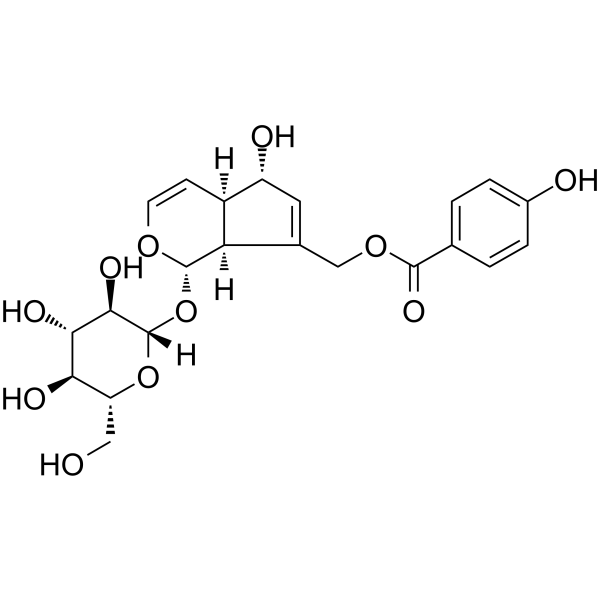
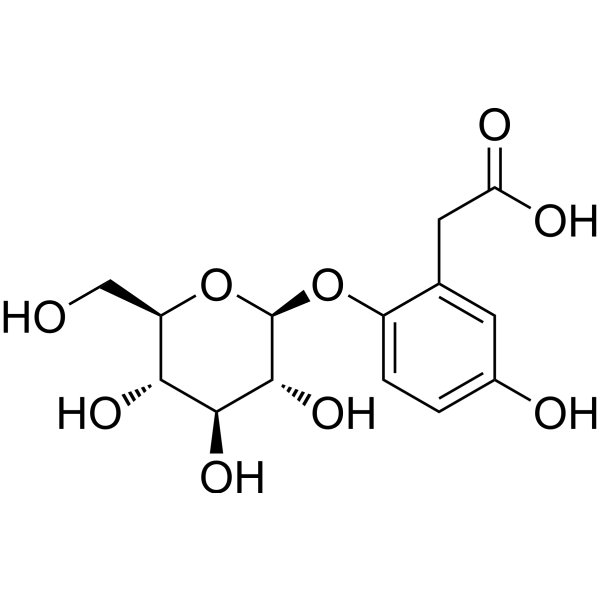 0 ImagesPhaseoloidin is an orally active multi-target inhibitor. Phaseoloidin inhibits the activation of the NLRP3 inflammasome and blocks the caspase-11-GSDMD pyroptosis axis. Phaseoloidin reduces the expression of collagen-degrading enzymes to maintain the integrity of cartilage matrix. Phaseoloidin activates the AMPK/mTOR pathway to enhance autophagy function and reverse apoptosis resistance. Phaseoloidin inhibits the growth and development of Manduca sexta and Spodoptera littoralis larvae, thereby helping Nicotiana attenuata defend against lepidopteran herbivorous insects. Phaseoloidin can be used in research related to acute gouty arthritis and pulmonary fibrosis.
-
Verbenalin
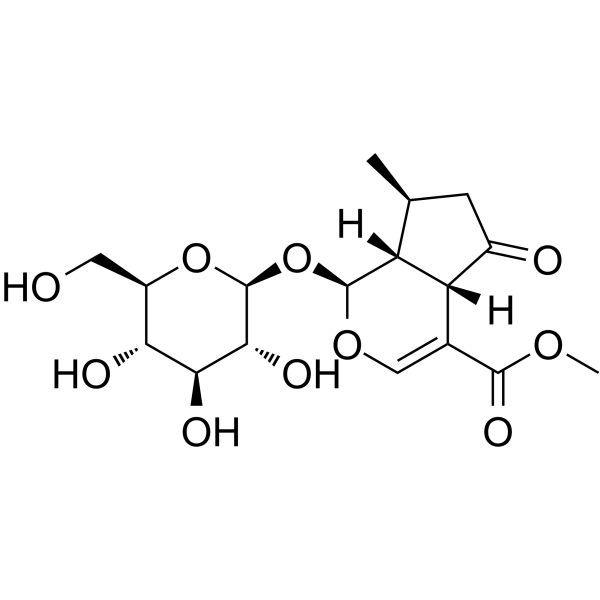 0 ImagesVerbenalin is an orally active terpenoid glycoside that can be extracted from the medicinal plant Verbena officinalis. Verbenalin has anti-inflammatory, antiviral, and neuroprotective effects. Verbenalin has a strong binding affinity to the nsp-12 protein of the SARS-CoV-2 virus. Verbenalin can be used in the research of inflammatory and nervous system diseases such as hepatitis and Alzheimer's disease.
-
NP-1815-PX sodium
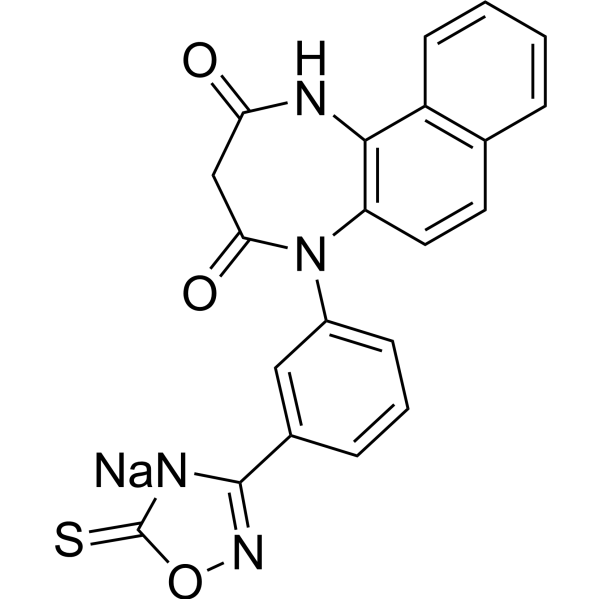 0 ImagesNP-1815-PX sodium is an orally active dual inhibitor of P2X4 and prostaglandin TP receptors, with an IC50 of 0.26 μM against human P2X4 receptors. NP-1815-PX sodium specifically inhibits ATP-mediated prostaglandin production, TP receptor-induced calcium elevation, and the canonical/non-canonical NLRP3 inflammasome signaling pathway. NP-1815-PX sodium selectively blocks smooth muscle contractions induced by ATP, U46619 (HY-108566) and prostaglandin F2α. NP-1815-PX sodium not only produces anti-allodynic effects in vivo, but also significantly alleviates symptoms of DNBS (HY-W324435)-induced colitis (such as weight loss and tissue damage). NP-1815-PX sodium exerts anti-inflammatory effects by downregulating IL-1β levels and Caspase-1 activity. NP-1815-PX sodium is used in studies related to asthma and inflammatory bowel disease (colitis).
-
Citicoline sodium
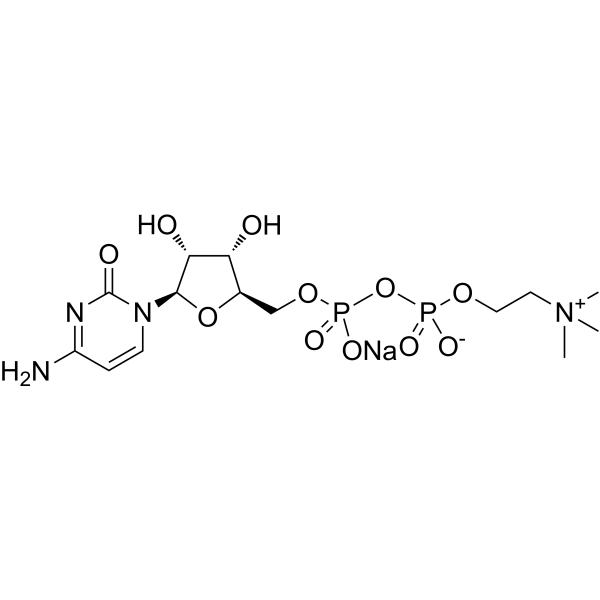 0 ImagesSynonyms: Cytidine diphosphate-choline sodium; CDP-Choline sodium; Cytidine 5'-diphosphocholine sodiumCiticoline sodium is an endogenous intermediate in the synthesis of phosphatidylcholine which is a component of cell membranes. Citicoline sodium inhibits reactive oxygen species (ROS) and apoptosis. Citicoline sodium can be used for neurological disease and hearing loss study.
-
Pseudoginsenoside F11
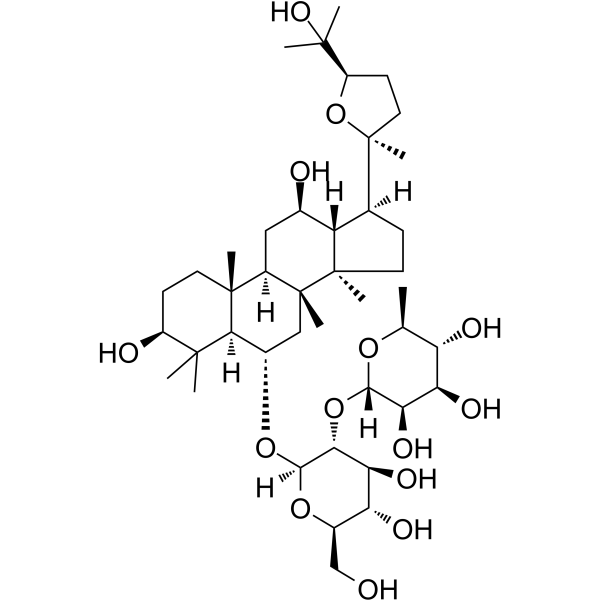 0 ImagesSynonyms: Ginsenoside A1Pseudoginsenoside F11 is an orally active neuroprotective agent. Pseudoginsenoside F11 reduces the expression of β-amyloid precursor protein, inhibits the production of Aβ1-40, downregulates the expression of JNK2, p53 and activated Caspase 3, and restores the activities of SOD and Glutathione peroxidase. Pseudoginsenoside F11 inhibits the excessive activation of μ-Calpain and restores the level of neuronal Nitric oxide synthase. Pseudoginsenoside F11 reduces infarct volume, alleviates cerebral edema, decreases neuronal loss, improves neurological deficits and enhances long-term functional outcomes in transient cerebral ischemia models. Pseudoginsenoside F11 antagonizes Methamphetamine-induced behavioral deficits, dopamine level reduction and neurotoxicity without altering the baseline behaviors of normal mice. Pseudoginsenoside F11 can be used in studies related to Alzheimer's disease, transient cerebral ischemic injury and Methamphetamine-induced neurotoxicity.
-
MX1013
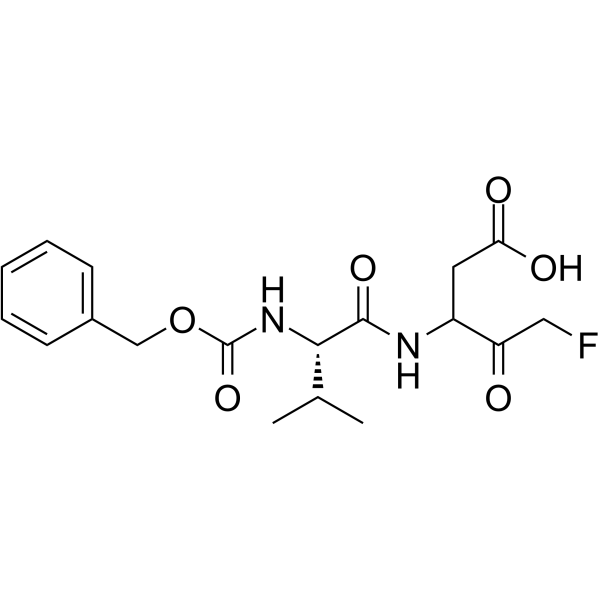 0 ImagesCat. No.: HY-10397ACAS No.: 582316-00-5Synonyms: CV1013; Z-VD-FMKMX1013 is a potent, irreversible dipeptide caspase inhibitor vith antiapoptotic activity. MX1013 inhibits recombinant human caspase 3 with an IC50 of 30 nM.
-
Esmolol hydrochloride
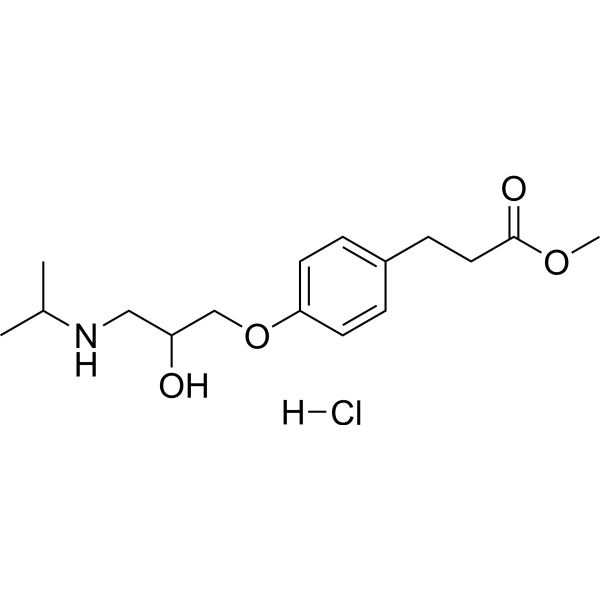 0 ImagesEsmolol hydrochloride is an ultra-short-acting cardioselective β1-adrenergic blocker. Esmolol hydrochloride exerts its antiarrhythmic effect by activating Neurokinin 1 Receptor. Esmolol hydrochloride attenuates post resuscitation myocardial dysfunction. Esmolol hydrochloride improves diabetic wound healing by inhibiting aldose reductase and the production of advanced glycation end products and promoting fibroblast migration. Esmolol hydrochloride can be used to study cardiac diseases such as arrhythmias and diabetic foot ulcers.
-
Mesaconic acid
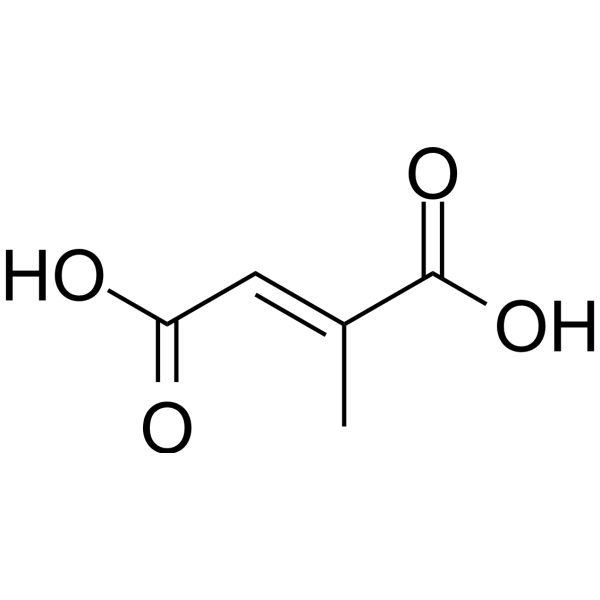 0 ImagesMesaconic acid (Citronic acid; Methylfumaric acid) is an orally active anti-inflammatory and antioxidant agent. Mesaconic acid reduces the level of NF-κB in colon tissues, downregulates the expression of Keap1 and Bax, upregulates the expression of Nrf2 and Bcl2, and decreases the expression of Caspase-1. Mesaconic acid reduces the levels of NLRP3, ASC and Casp-1 in colon, liver and kidney tissues. Mesaconic acid reduces pro-inflammatory cytokine levels, increases the level of the anti-inflammatory cytokine IL-10, elevates NAD+ levels, regulates oxidative stress markers and antioxidant enzyme levels, and upregulates intestinal barrier proteins in colon, liver and kidney tissues. Mesaconic acid increases the abundance of beneficial gut bacteria and reduces the abundance of harmful gut bacteria in rapidly aging mice, and exhibits anti-aging properties. Mesaconic acid acts as a flame retardant and serves as a competitive inhibitor of fumarate reduction. Mesaconic acid can be used in the research of aging-related inflammation.
-
GDC-2394
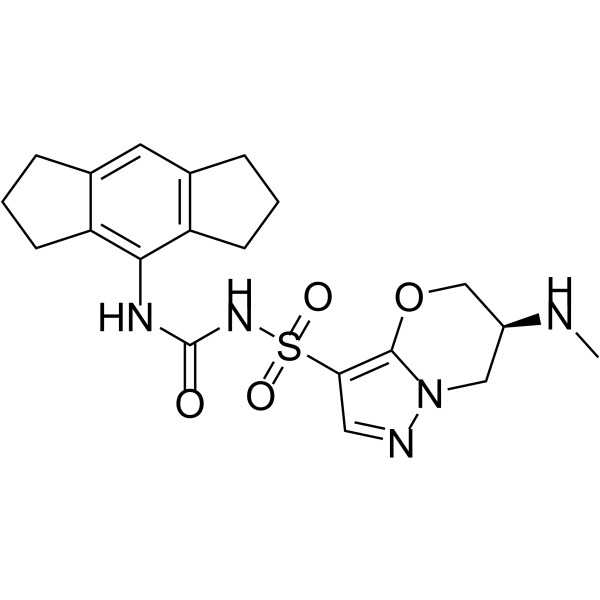 0 ImagesGDC-2394 is an orally active and selective NLRP3 inhibitor, and also inhibits IL-1β with IC50s of 0.4 μM (human IL-1β) and 0.1 μM (mouse IL-1β). GDC-2394 inhibits NLRP3-induced caspase-1 activity without inhibiting NLRC4-dependent inflammasome activation. GDC-2394 could be used to study gouty arthritis.
-
Ac-DEVD-CMK TFA
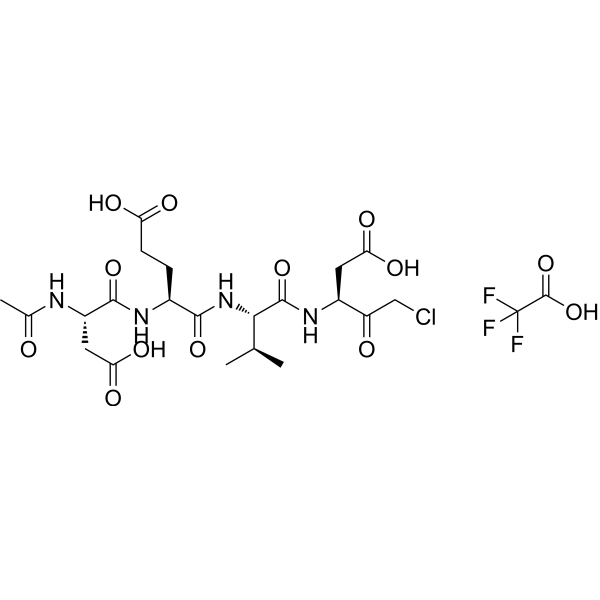 0 ImagesCat. No.: HY-P0034APurity: 98.09%Synonyms: Caspase-3 Inhibitor III TFAAc-DEVD-CMK (Caspase-3 Inhibitor III) TFA is a selective and irreversible caspase-3 inhibitor. Ac-DEVD-CMK TFA significantly inhibits apoptosis induced by high levels of glucose or 3,20-dibenzoate (IDB; HY-137295). Ac-DEVD-CMK TFA can be used in a variety of experimental approaches to inhibit apoptosis.
-
Carveol
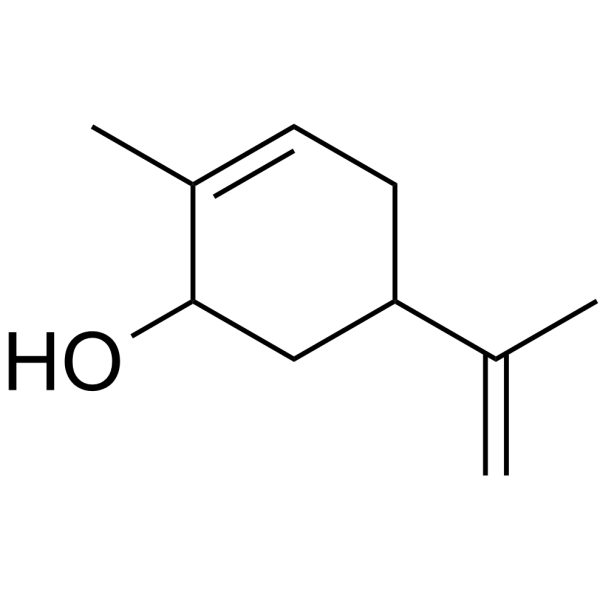 0 ImagesCarveol is an orally active monoterpenoid alcohol with neuroprotective, antioxidant, anti-inflammatory, anticonvulsant, antidiabetic, hypolipidemic and hepatoprotective activities. Carveol upregulates the expression of Bcl2, downregulates the expression of caspase-3, TNF-α, IL1β and IL6, activates the Nrf2/HO-1 antioxidant signaling pathway, inhibits the RAGE/NF-κB signaling pathway, and suppresses neuroinflammation and neuronal apoptosis. Carveol inhibits α-synuclein aggregation, improves cognitive ability, and inhibits α-amylase activity. Carveol exerts neuroprotective effects in a rat model of Parkinson's disease. Carveol exhibits antidiabetic effects in alloxan-induced diabetic rats. Carveol alleviates PTZ-induced seizures in rats. Carveol can be used in research related to Parkinson's disease, epilepsy, diabetes and ischemic stroke.
-
Z-FF-FMK
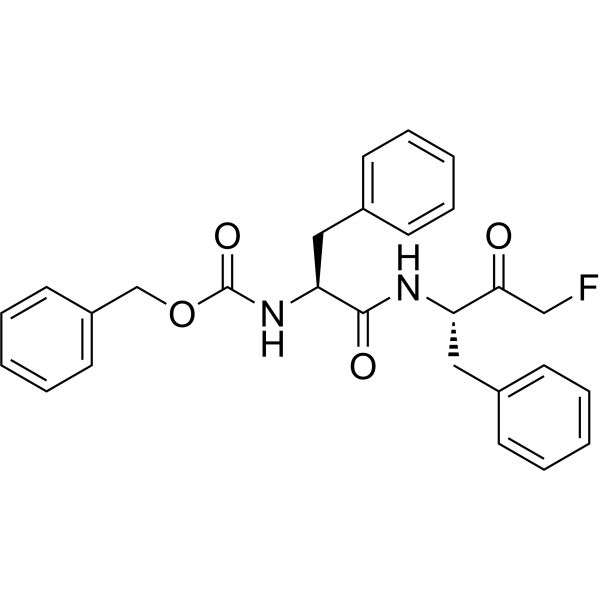 0 ImagesCat. No.: HY-141867CAS No.: 105608-85-3Synonyms: Z-Phe-Phe-FMKZ-FF-FMK (Z-Phe-Phe-FMK) is a cell-permeable, irreversible, and cysteine protease inhibitor targeting cathepsin-L. Z-FF-FMK inhibits angiotensin II-induced MEK activation in vascular walls, aortic medial remodeling, blood pressure elevation, and upregulation of cystatin C in aortic walls. Z-FF-FMK prevents β-amyloid-mediated caspase-3 activation, poly (ADP-ribose) polymerase cleavage, DNA fragmentation, and apoptosis of cortical neurons (apoptosis). Z-FF-FMK can be used in research related to hypertension and Alzheimer's disease.
-
L6H21
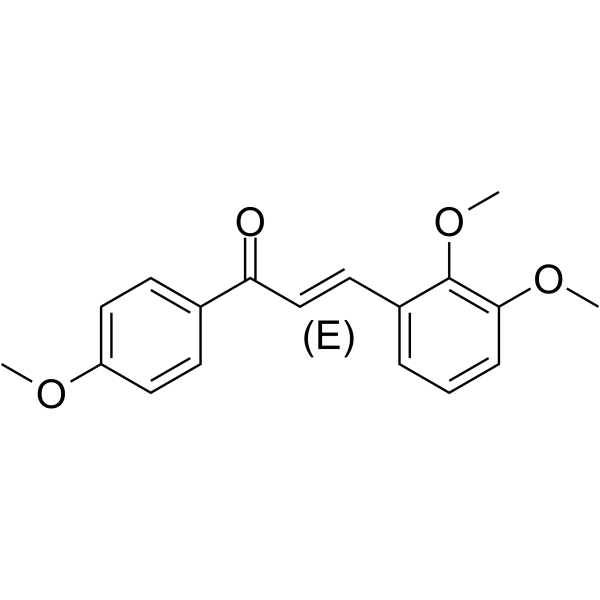 0 ImagesL6H21, a Chalcone (HY-121054) derivative, is an orally active, potent and specific myeloid differentiation 2 (MD-2) inhibitor. L6H21 directly binds to MD-2 protein with a high affinity and low KD value of 33.3 μM, blocking the formation of the LPS-TLR4/MD-2 complex. L6H21 inhibits LPS-induced expression of TNF-α and IL-6 in RAW264.7 macrophages, with IC50 values of 6.58 and 8.59 μM, respectively. L6H21 can be used for alcoholic liver disease, metabolic disturbance and neuroinflammation research.
-
Tabersonine
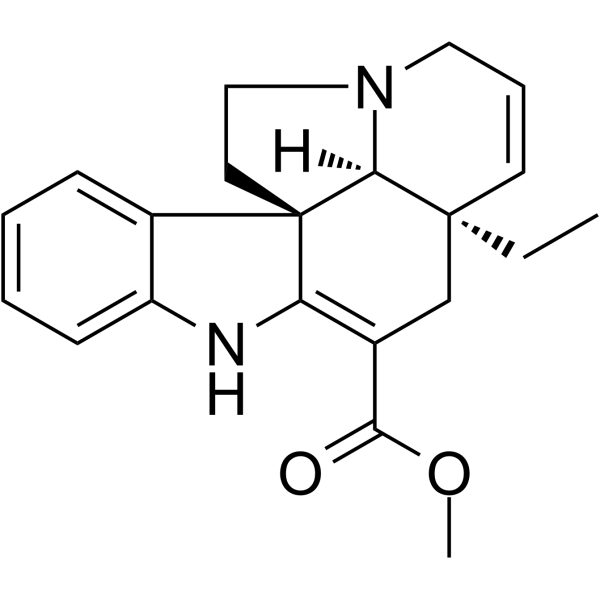 0 ImagesTabersonine is a selective, orally active NLRP3 inhibitor. Tabersonine directly binds to the NACHT domain of NLRP3, inhibiting its ATPase activity and oligomerization, thereby blocking ASC spot formation and caspase-1 activation, and reducing the release of pro-inflammatory cytokines such as IL-1β. Tabersonine also inhibits K63-linked ubiquitination of TRAF6, blocking NF-κB, PI3K/Akt, and p38 MAPK signaling pathways. Tabersonine can inhibit inflammatory responses, induce apoptosis of liver cancer cells through mitochondrial pathways and death receptor pathways, reduce mitochondrial membrane potential, promote cytochrome c release, and activate caspase proteins. Tabersonine is mainly used in the study of NLRP3-driven inflammatory diseases (such as acute lung injury, sepsis, peritonitis) and tumors such as liver cancer.




