Caspase 9
Caspase 9 plays a central role in the mitochondrial, or intrinsic, apoptotic pathway, where cytochrome c release promotes apoptosome formation with Apaf-1 and procaspase-9[1]. Mechanistically, activated caspase 9 cleaves and activates effector caspases 3 and 7, linking mitochondrial dysfunction to proteolytic cell death execution[1][2]. In disease models, diminished Apaf-1 activity reduced cytochrome c-dependent caspase activation in ovarian cancer cell lines, while ischemic hippocampal neurons showed caspase 9 activation before neuronal death[2][3]. Compared with caspase 8 in the extrinsic pathway, caspase 9 primarily mediates the intrinsic route to caspase 3 activation in ischemic neurons and TNFR-mediated hepatocyte apoptosis[3][4]. For experimental applications, Apaf-1 ligands inhibited apoptosome-mediated procaspase-9 activation and reduced apoptotic phenotypes in mitochondrial apoptosis models[5].
References:
- [1]. Allan LA, et al. Apoptosis and autophagy: Regulation of caspase-9 by phosphorylation. FEBS J. 2009 Nov;276(21):6063-73. [Content Brief]
- [2]. Wolf BB, et al. Defective cytochrome c-dependent caspase activation in ovarian cancer cell lines due to diminished or absent apoptotic protease activating factor-1 activity. J Biol Chem. 2001 Sep 7;276(36):34244-51. [Content Brief]
- [3]. Cao G, et al. Cloning and characterization of rat caspase-9: implications for a role in mediating caspase-3 activation and hippocampal cell death after transient cerebral ischemia. J Cereb Blood Flow Metab. 2002 May;22(5):534-46. [Content Brief]
- [4]. Imao M, et al. Differential caspase-9-dependent signaling pathway between tumor necrosis factor receptor- and Fas-mediated hepatocyte apoptosis in mice. Liver Int. 2006 Feb;26(1):137-46. [Content Brief]
- [5]. Malet G, et al. Small molecule inhibitors of Apaf-1-related caspase- 3/-9 activation that control mitochondrial-dependent apoptosis. Cell Death Differ. 2006 Sep;13(9):1523-32. [Content Brief]
-
Caspase 9 Related Products (197)
Related Products (197)

-
Antibodies (2)
-
Macranthoside B
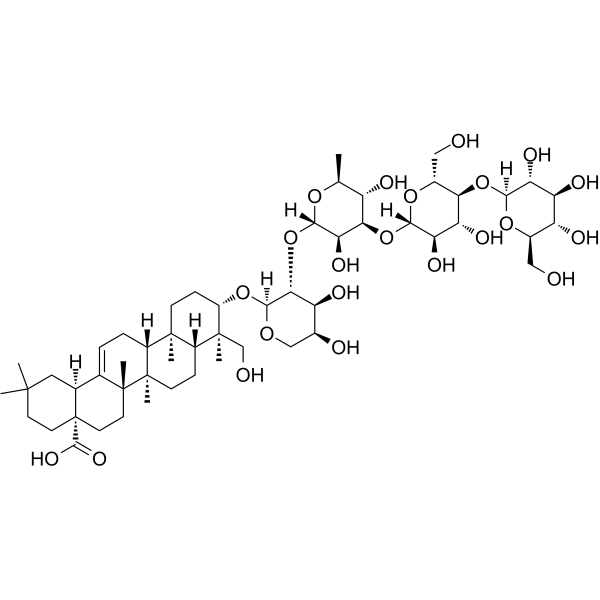 0 ImagesMacranthoside B is an apoptosis inducer with in vitro and in vivo anticancer activity. Macranthoside B induces autophagy and ferroptosis in cancer cells. Macranthoside B induces intracellular ROS accumulation, activates AMPK, inhibits mTOR and P70S6 kinase phosphorylation, and modulates Bcl-2/Bax expression. Macranthoside B activates caspase-3, caspase-9, and the intrinsic caspase cascade, induces PARP cleavage/degradation, and inhibits NRF2 signaling. Macranthoside B disrupts iron homeostasis via NCOA4-dependent ferritinophagy, up-regulates Lip-ROS, reduces mitochondrial membrane potential, and activates the JNK pathway. Macranthoside B can be used for the research of ovarian cancer, hepatoma, gastric carcinoma, breast carcinoma, colon carcinoma, glioma, melanoma, adenocarcinoma of the esophagogastric junction, and cervical cancer.
-
Mulberrofuran G
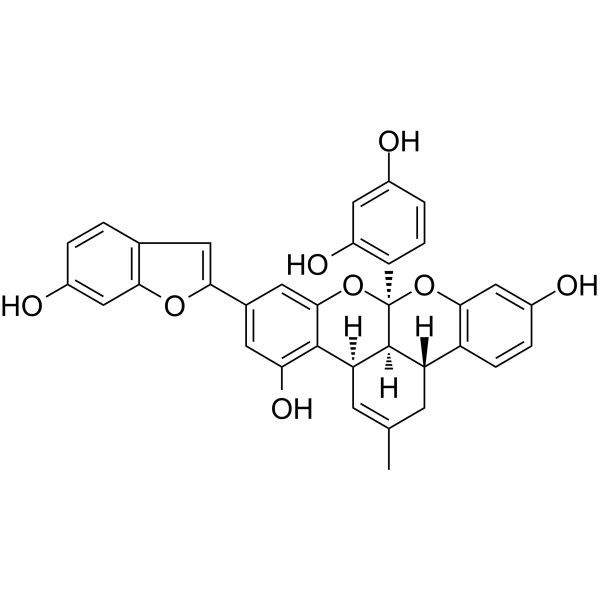 0 ImagesCat. No.: HY-N3239CAS No.: 87085-00-5Mulberrofuran G is a NOX inhibitor (IC50: 6.9 μM) and tyrosinase inhibitor. Mulberrofuran G exhibits anti-inflammatory, antioxidant, antiviral, antitumor, and neuroprotective effects. Mulberrofuran G can be used in the research of tumors, nervous system diseases, and other conditions.
-
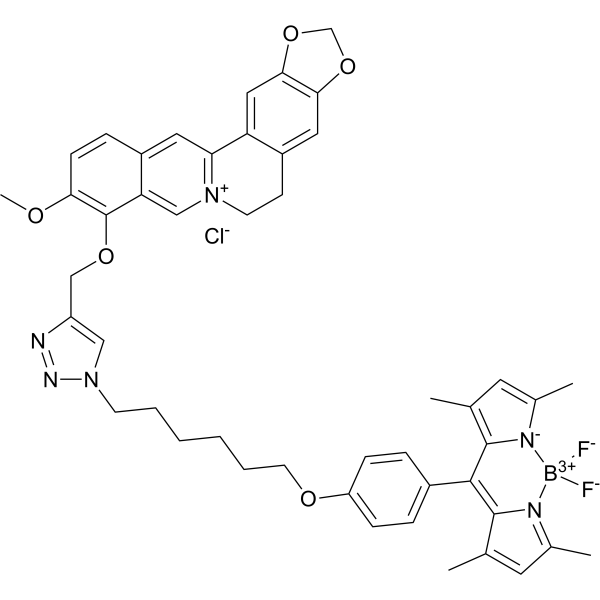
MKK7-JNK activator 1
 0 ImagesMKK7-JNK activator 1 (Compound 10) is a MKK7-JNK pathway activator. MKK7-JNK activator 1 effectively inhibits the proliferation and migration of MDA-MB-468 cells, induces G2/M phase arrest and caspase -dependent apoptosis (independent of ROS production). MKK7-JNK activator 1 significantly increases the levels of p-MKK7 and p-JNK, but does not affect p-ERK or p-p38. MKK7-JNK activator 1 can be used for the study of triple-negative breast cancer (TNBC).
-
Fenobucarb
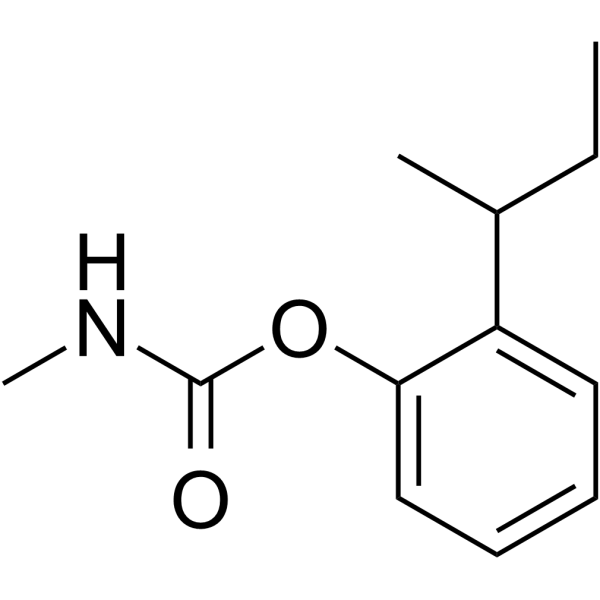 0 ImagesFenobucarb is a carbamate insecticide. Fenobucarb induces zebrafish developmental neurotoxicity through pathways involved in inflammation, oxidative stress, degeneration and apoptosis. Fenobucarb is a possible risk factor to cardiovascular and cerebrovascular systems in animals.
-
5,7-Dihydroxychromone
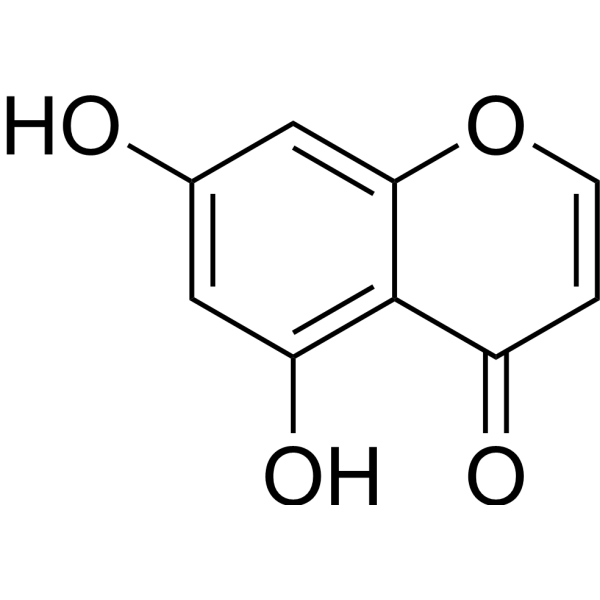 0 Images5,7-Dihydroxychromone is a flavonoid compound with antioxidant properties. 5,7-Dihydroxychromone induces Nrf2 nuclear translocation, increases Nrf2/ARE binding activity, and up-regulates Nrf2-dependent antioxidant genes HO-1, NQO1, GCLc. 5,7-Dihydroxychromone attenuates excessive ROS generation, inhibits activated caspase-3, caspase-9, cleaved PARP expression, and prevents neuronal apoptosis and cell death. 5,7-Dihydroxychromone increases LXRα and PPARγ mRNA expression, induces preadipocyte differentiation, and regulates blood glucose levels. 5,7-Dihydroxychromone inhibits radial growth of soil pathogenic fungi, radicle elongation of select seedlings, and transiently inhibits Bradyrhizobium sp. growth in high mannitol medium. 5,7-Dihydroxychromone can be used for the research of Parkinson’s disease, type 2 diabetes mellitus and pathogenic fungal infection.
-
Orellanine
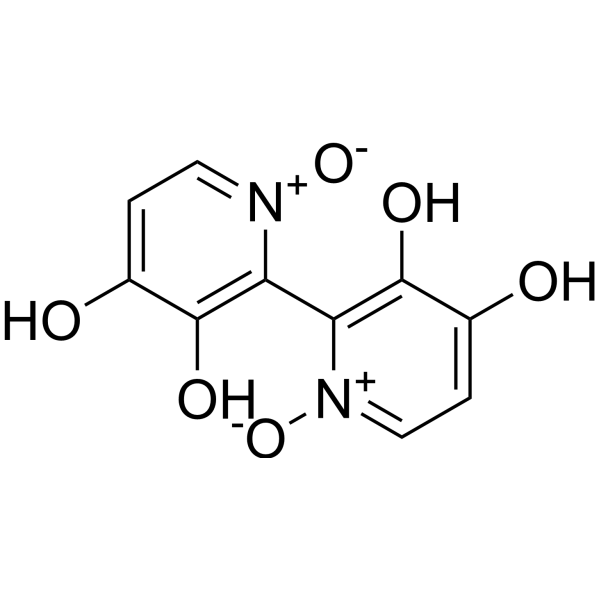 0 ImagesCat. No.: HY-W661499CAS No.: 37338-80-0Orellanine, a nephrotoxic alkaloid found in Cortinarius orellanus, is an orally active and selective non-competitive inhibitor of alkaline phosphatase. Orellanine chelates iron, generates reactive oxygen species (ROS), induces DNA scission, forms ortho-semiquinone radicals, downregulates antioxidant defenses, and inhibits mitochondrial function. Orellanine induces caspase 8/9-mediated apoptosis. Orellanine inhibits synthesis of proteins, RNA, DNA, and mitochondrial protein synthesis, with metabolic activation required for cell-free protein synthesis inhibition. Orellanine can be used for the research of metastatic clear cell renal cell carcinoma, acute renal failure, chronic renal insufficiency, and kidney damage.
-
Citicoline-d9 sodium
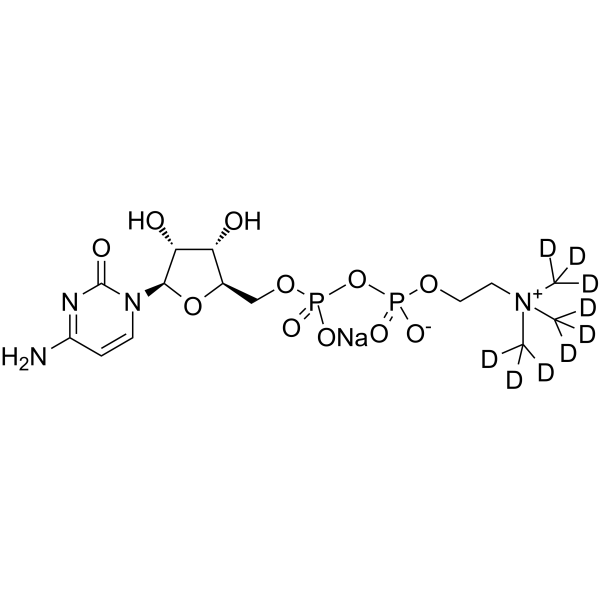 0 ImagesCat. No.: HY-B0739ASSynonyms: Cytidine diphosphate-choline-d9 sodium; CDP-Choline-d9 sodium; Cytidine 5'-diphosphocholine-d9 sodiumCiticoline-d9 (Cytidine diphosphate-choline-d9) sodium is the deuterium labeled Citicoline sodium (HY-B0739A). Citicoline sodium is an endogenous intermediate in the synthesis of phosphatidylcholine which is a component of cell membranes. Citicoline sodium inhibits reactive oxygen species (ROS) and apoptosis. Citicoline sodium can be used for neurological disease and hearing loss study.
-
Azaleatin
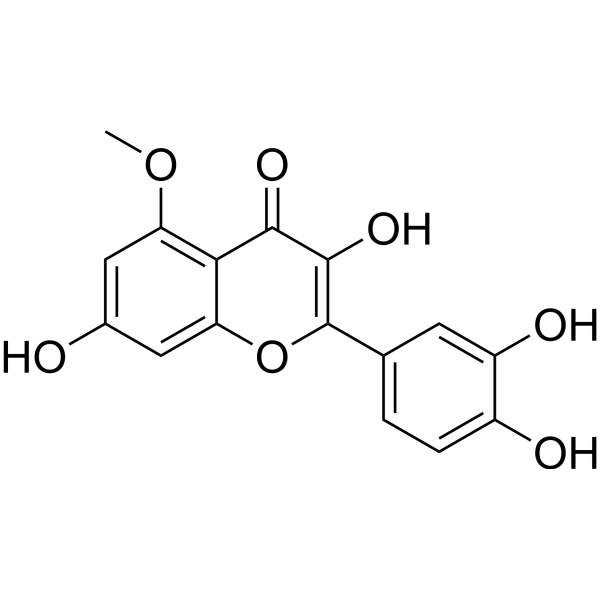 0 ImagesAzaleatin is an orally active inhibitor of hQC, NS2B-NS3 protease and E. coli β-glucuronidase, with IC50 values of 1.1 μM, 38.00 μg/mL and 0.57 μM, respectively. Azaleatin inhibits the activities of NF-κB, MyD88, JAK1, TLR4, STAT3, IL-1β, IL-6, COX-2, TNF-α and β-glucuronidase, blocks pro-inflammatory signaling pathways, reduces the levels of ROS, MDA and uric acid, elevates the levels of GPx, GSR, GST, SOD, CAT, HO-1 and GSH, scavenges free radicals and exerts reducing capacity. Azaleatin inhibits the expression of pro-apoptotic proteins Bax, Caspase-9 and Caspase-3, and upregulates the expression of anti-apoptotic protein Bcl-2. Azaleatin reduces the levels of cardiac injury markers, restores cardiac histological structure, inhibits Aβ aggregation, dengue protease activity, hepatic stellate cell proliferation and cancer cell growth, and also exhibits antibacterial activity. Azaleatin can be used in studies related to subchronic cardiotoxicity, Alzheimer's disease, dengue fever, hyperuricemia, liver fibrosis, gastric cancer and bacterial infections.
-
Salvianolic acid D
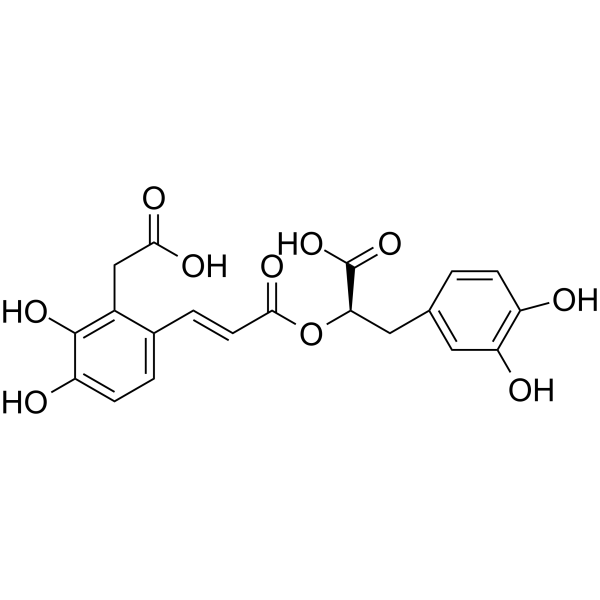 0 ImagesCat. No.: HY-N0320CAS No.: 142998-47-8Salvianolic acid D is a depside. Salvianolic acid D can be isolated from Salvia miltiorrhiza (Danshen). Salvianolic acid D promotes the expression of Bcl-2, and inhibits the expressions of Bax, Cleaved caspase-3 and -9. Salvianolic acid D reduces the expression levels of TLR4, MyD88 and TRAF6 proteins both in vitro and in vivo, and significantly inhibits the nuclear translocation of NF-κB. Salvianolic acid D inhibits the cytoplasmic translocation of HMGB1. Salvianolic acid D suppresses inflammatory responses and alleviates cerebral ischemia-reperfusion injury. Salvianolic acid D serves as a potential antiplatelet active component.
-
Glycocholic acid hydrate
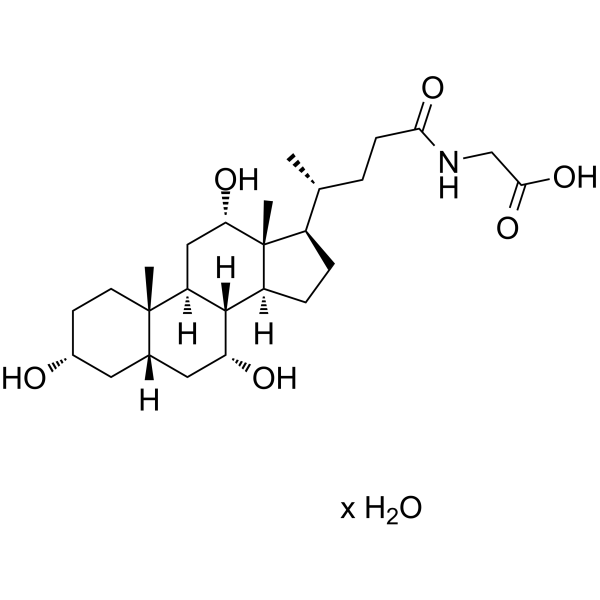 0 ImagesGlycocholic acid hydrate is a bile acid derivative. Glycocholic acid hydrate downregulates MDR1, Bcl-2, MRP1, MRP2 and FXR, upregulates Bax, p53, caspase-9, caspase-3, TGR5 and S1PR2. Glycocholic acid hydrate inhibits multidrug resistance and efflux pumps, induces mitochondrial apoptosis, and enhances chemosensitivity. Glycocholic acid hydrate modulates related bile acid receptor signaling. Glycocholic acid hydrate suppresses growth and conjugation of Enterobacteriaceae and increases their antibiotic susceptibility. Glycocholic acid hydrate can be used for the research of colon adenocarcinoma and cholangiocarcinoma (CCA).
-
Nodularin
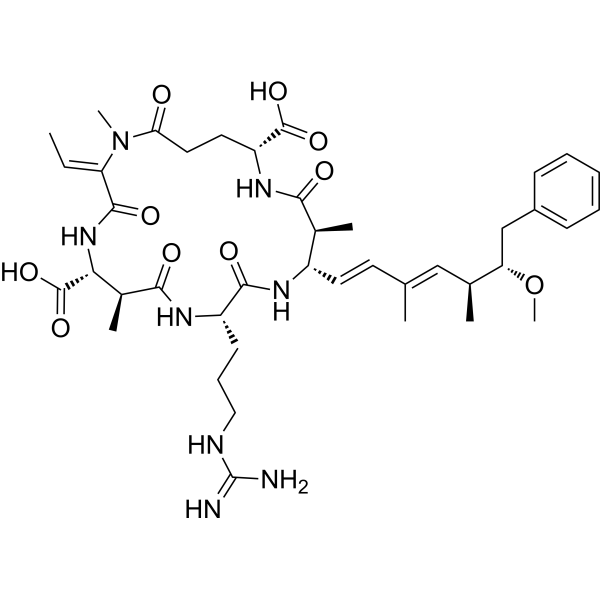 0 ImagesNodularin is a hepatotoxin, tumor promoter, and protein phosphatase inhibitor. Nodularin induces apoptosis (apoptosis) in normal cells (including caspase activation, upregulation of Bcl-XS, and upregulation of BAX/P53), triggers hyperphosphorylation of the MAPK/ERK, mTOR/S6K and p38 MAPK signaling pathways, and induces oxidative stress, endoplasmic reticulum membrane instability, peroxisome proliferation and increased lysosomal enzyme activity. Nodularin promotes DEN (HY-N7434)-initiated hepatocyte proliferation and adenoma formation, and inhibits proliferation, phagocytosis and chemotaxis of normal lymphocytes, oocyte maturation and vitellogenesis, as well as angiogenesis. Nodularin exhibits hepatotoxicity, reproductive and endocrine toxicity, and embryonic developmental toxicity in various animal models. Nodularin can be used in studies related to liver cancer, hepatotoxicity and reproductive endocrine toxicity.
-
PARP-1-IN-2
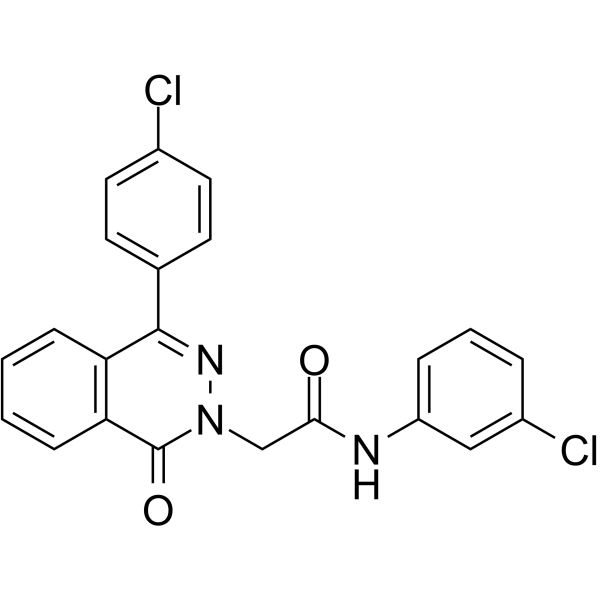 0 ImagesPARP-1-IN-2 (compound 11g) is a potent PARP1 inhibitor, with an IC50 of 149 nM, and ADME prediction indicates it has high blood-brain barrier permeability. PARP1-IN-2 shows significantly potent anti-proliferative activity against Human lung adenocarcinoma epithelial cell line A549. PARP1-IN-2 can induce A549 cells apoptosis.
-
Pretilachlor
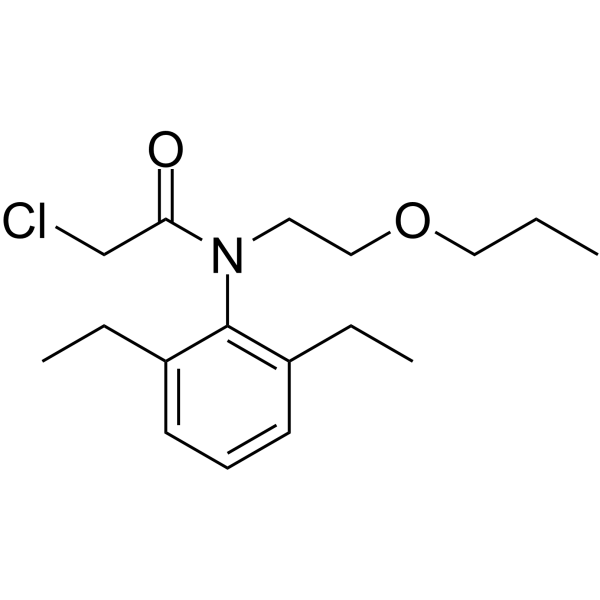 0 ImagesPretilachlor is a chloroacetamide herbicide with biological activities including endocrine disruption, oxidative stress induction, apoptosis induction, and immunotoxicity. Pretilachlor exerts its effects by interfering with hormone metabolism, inducing oxidative stress, activating apoptotic pathways, and inhibiting immune functions. Pretilachlor upregulates the transcription of P53, Mdm2, and Bbc3, and increases the activities of Caspase3 and Caspase9; it upregulates the transcription of genes in the HPG/HPT axis and the activity of aromatase; it induces oxidative stress, elevates ROS levels, and upregulates CAT, SOD, and GPX. Pretilachlor downregulates the transcription of CXCL-C1C, IL-1β, and IL-8. Pretilachlor disrupts the normal physiological processes and embryonic development of fish, exhibiting significant toxicity. Pretilachlor can be used in studies related to weeding, environmental pollution, and behavioral toxicity in fish.
-
Citicoline (Standard)
 0 ImagesSynonyms: Cytidine diphosphate-choline (Standard); CDP-Choline (Standard); Cytidine 5'-diphosphocholine (Standard)Citicoline (Cytidine diphosphate-choline) (Standard) is the analytical standard of Citicoline. This product is intended for research and analytical applications. Citicoline is an endogenous intermediate in the synthesis of phosphatidylcholine which is a component of cell membranes. Citicoline inhibits reactive oxygen species (ROS) and apoptosis. Citicoline can be used for neurological disease and hearing loss study.
-
GEA 3162
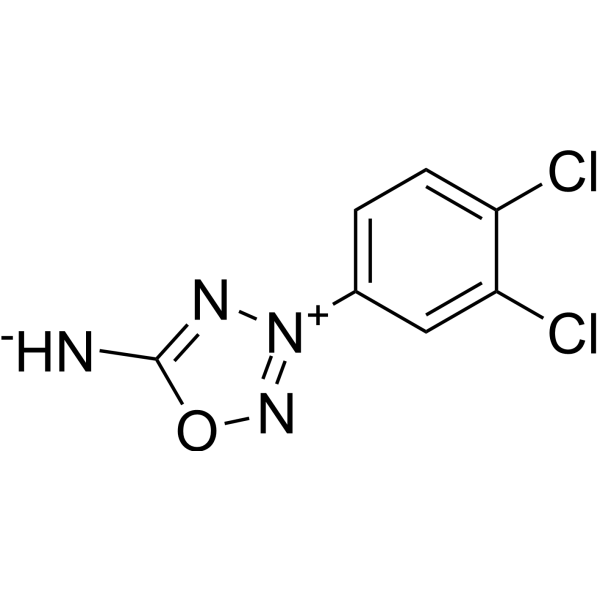 0 ImagesGEA 3162 is an orally active compound that acts as a NO/ONOO⁻ donor. GEA 3162 significantly inhibits the activation of human polymorphonuclear leukocytes (PMNs) through the cGMP pathway, inhibits the release of inflammatory mediators, and exerts anti-inflammatory and protective effects. GEA 3162 induces apoptosis of neutrophils and bone marrow cells by activating caspase-2/3/8/9 through the ONOO⁻ pathway. GEA 3162 has a bidirectional effect in the rat gastric ulcer model: at low doses, it significantly reduces gastric mucosal damage, while at high doses, it aggravates the ulcer area. GEA 3162 can be used for research on inflammatory conditions such as gastric ulcers.
-
Citicoline sodium (Standard)
 0 ImagesSynonyms: Cytidine diphosphate-choline sodium (Standard); CDP-Choline sodium (Standard); Cytidine 5'-diphosphocholine sodium (Standard)Citicoline sodium (Standard) is the analytical standard of Citicoline sodium. This product is intended for research and analytical applications. Citicoline sodium is an endogenous intermediate in the synthesis of phosphatidylcholine which is a component of cell membranes. Citicoline sodium inhibits reactive oxygen species (ROS) and apoptosis. Citicoline sodium can be used for neurological disease and hearing loss study.
-
Haplophytin-A
 0 ImagesCat. No.: HY-N17612CAS No.: 366477-44-3
-
GD3 Ganglioside (bovine brain) sodium
 0 ImagesCat. No.: HY-157343AGD3 Ganglioside sodium is an Apoptosis inducer and biomarker for mouse neural stem cells. GD3 Ganglioside sodium expresses in neural stem cells and the subventricular zone of the adult mouse brain. GD3 Ganglioside sodium targets the mitochondrial permeability transition pore complex, induces pore opening, dissipates mitochondrial transmembrane potential, triggers Mitochondrial swelling, releases pro-apoptotic factors, and activates Caspase-9. GD3 Ganglioside sodium is applicable to research related to glioblastoma.
-
GD3 Ganglioside (bovine buttermilk) ammonium
 0 ImagesCat. No.: HY-157343BPurity: 98.00%GD3 Ganglioside ammonium is an Apoptosis inducer and biomarker for mouse neural stem cells. GD3 Ganglioside ammonium expresses in neural stem cells and the subventricular zone of the adult mouse brain. GD3 Ganglioside ammonium targets the mitochondrial permeability transition pore complex, induces pore opening, dissipates mitochondrial transmembrane potential, triggers Mitochondrial swelling, releases pro-apoptotic factors, and activates Caspase-9. GD3 Ganglioside ammonium is applicable to research related to glioblastoma.