



Drug Metabolite
Drug metabolite results when a drug is metabolized into a modified form which continues to produce effects. Drug metabolism redox reactions such as heteroatom dealkylations, hydroxylations, heteroatom oxygenations, reductions, and dehydrogenations can yield active metabolites, and in rare cases even conjugation reactions can yield an active metabolite.
All Product Categories
-
Drug Metabolite Related Products (2022)
Related Products (2022)

-
Antibodies (1)
-
Related Compound Screening Libraries (1)
-
Leucic acid
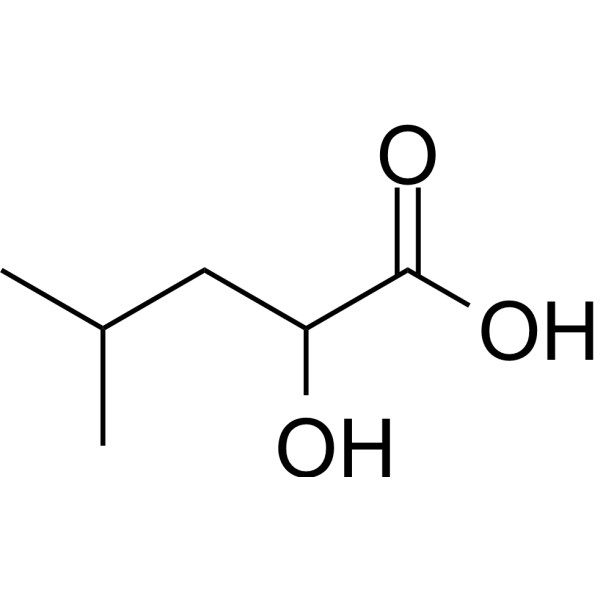 0 ImagesLeucic acid (α-Hydroxyisocaproic acid) is an orally active end-product of the microbial metabolism of leucine. Leucic acid can bind to HCAR2, alters AMPK and ERK1/2 phosphorylation status, suppresses lipid synthesis, promotes catabolism, reduces adiposity, enhances lean mass and exercise capacity. Leucic acid suppresses pro-inflammatory cytokine secretion, inflammation-related gene mRNA expression. Leucic acid decreases basal protein synthesis, attenuates myotube atrophy. Leucic acid can be used for the research of obesity.
-
Ercalcitriol
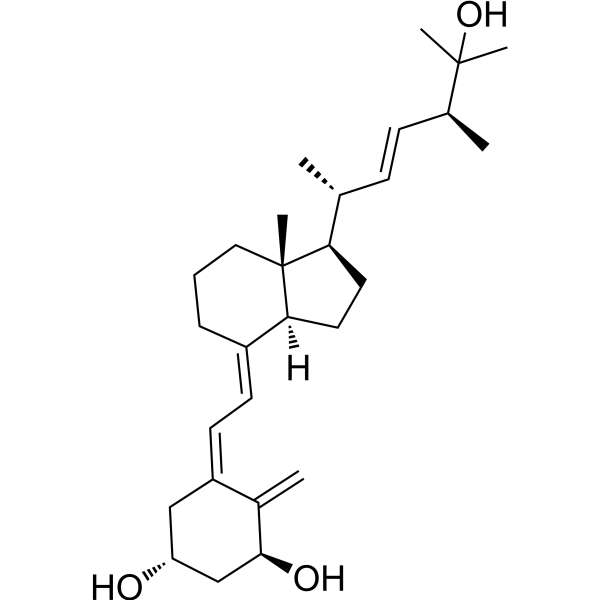 0 ImagesSynonyms: 1α,25-Dihydroxy Vitamin D2Ercalcitriol (1α,25-Dihydroxy Vitamin D2) is a vitamin D receptor (VDR) agonist with high binding affinity. After binding to VDR, Ercalcitriol forms a complex with retinoid X receptor (RXR) to regulate target gene transcription. For example, Ercalcitriol induces human gingival/oral epithelial cells to produce human cat antimicrobial peptide (hCAP-18/LL-37), which has antimicrobial activity against periodontal pathogens such as Porphyromonas gingivalis. Ercalcitriol enhances the innate immune defense of the oral mucosa by promoting the expression of antimicrobial peptides, and is mainly used in the study of periodontal diseases and immune-related oral diseases.
-
6-Hydroxymelatonin
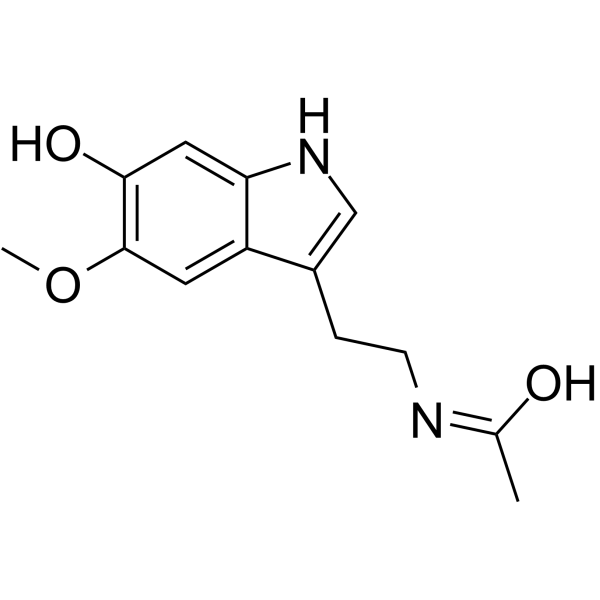 0 Images6-Hydroxymelatonin is the main metabolite of melatonin (HY-B0075) after being metabolized by CYP1A2 and can cross the blood-brain barrier. 6-Hydroxymelatonin has strong free radical scavenging ability and antioxidant activity, and can alleviate oxidative damage caused by various neurotoxins. 6-Hydroxymelatonin can cause oxidative DNA damage in the presence of copper ions through a "non-quinone" type redox cycling mechanism.
-
Dopal
 0 ImagesDopal is a metabolite and aldehyde neurotoxin of Dopamine (HY-B0451). Dopal exhibits cytotoxicity, induces α-synuclein oligomerization and aggregation, and is closely associated with the pathogenesis of Parkinson's disease. Dopal can be used in research related to Parkinson's disease.
-
(±)-Nornicotine
 0 ImagesSynonyms: Nornicotine(±)-Nornicotine is a major metabolite of Nicotine. (±)-Nornicotine is a partial nAChRs agonist, specifically activating receptor subtypes containing α7 and α6 subunits. (±)-Nornicotine disrupts β-catenin and ZO-1, and induces F-actin depolymerization. (±)-Nornicotine supports self-administration behavior. (±)-Nornicotine can be used in the research of atherosclerosis, Alzheimer's disease, and schizophrenia.
-
24, 25-Dihydroxy VD2
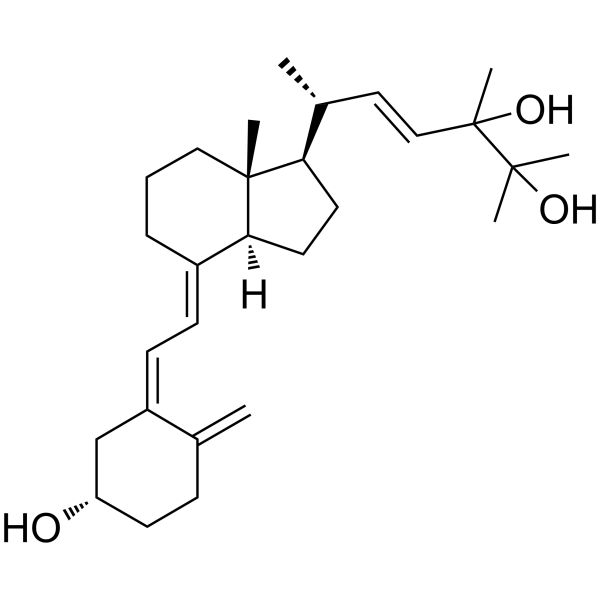 0 ImagesSynonyms: 24,25-Dihydroxy vitamin D224,25-Dihydroxy VD2 (24,25-Dihydroxy vitamin D2) is a hydroxylated metabolite and derivative of Vitamin D2 HY-76542 (HY-76542).
-
SN-38 (Standard)
 0 ImagesSynonyms: 7-Ethyl-10-hydroxycamptothecin (Standard)SN-38 (Standard) is the analytical standard of SN-38. This product is intended for research and analytical applications. SN-38 is an active metabolite of the Topoisomerase I inhibitor Irinotecan. SN-38 inhibits DNA and RNA synthesis with IC50s of 0.077 and 1.3 μM, respectively. SN-38 is a payload of sacituzumab govitecan (HY -132254).
-
Monobutyl phthalate
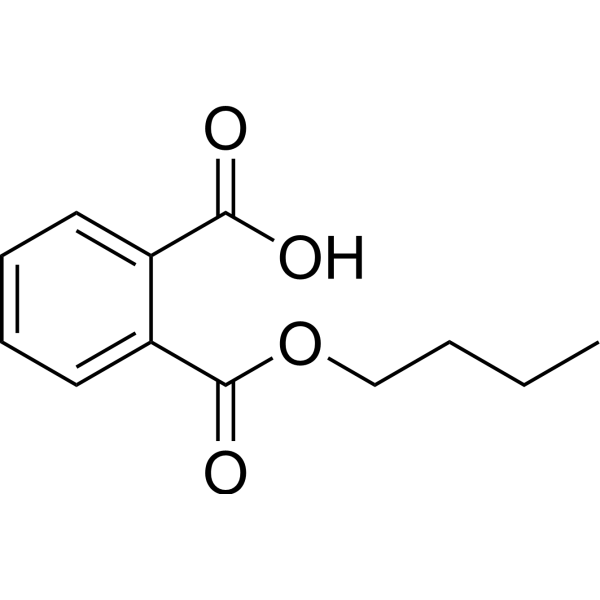 0 ImagesMonobutyl phthalate is an orally active metabolite of Di-n-butyl phthalate (HY-Y0304) and an embryotoxic agent. Monobutyl phthalate regulates mesodermal lineage gene expression, inhibits uterine decidualization, reduces fetal testosterone levels without directly binding to the androgen receptor, and induces teratogenic effects during organogenesis. Monobutyl phthalate induces testicular oxidative stress and sperm abnormalities. Monobutyl phthalate can be used in studies of developmental toxicity and male reproductive toxicity.
-
Quinidine methiodide
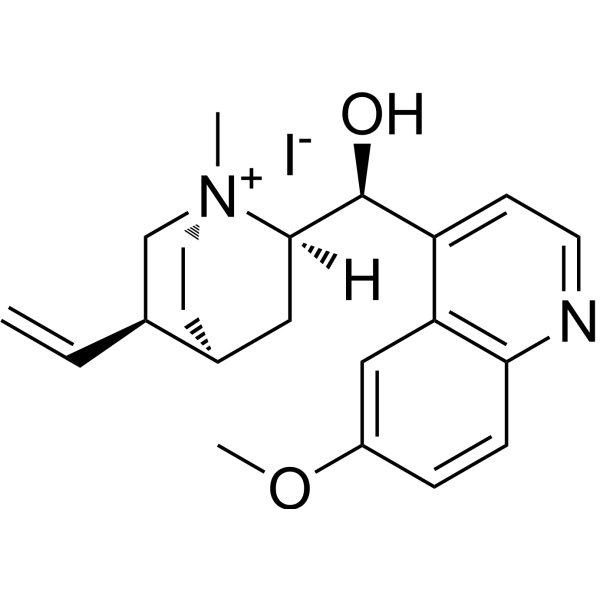 0 ImagesQuinidine methiodide is a metabolite of Quinidine. Quinidine is an antiarrhythmic agent.
-
(S)-Leucic acid
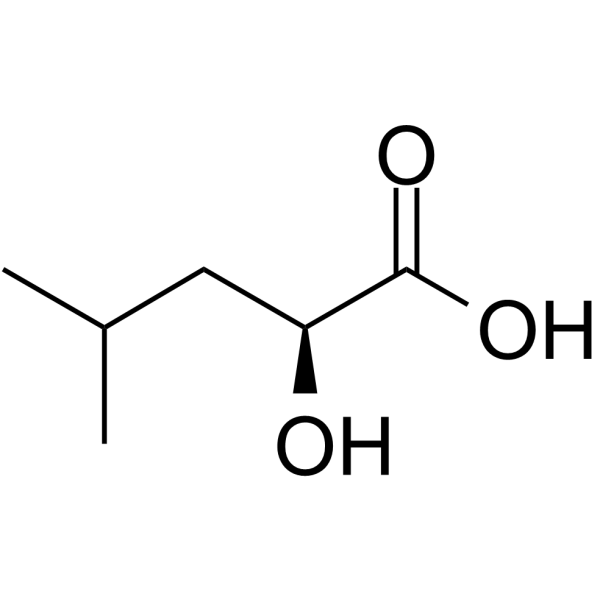 0 ImagesSynonyms: (S)-2-Hydroxy-4-methylpentanoic acid(S)-Leucic acid ((S)-2-Hydroxy-4-methylpentanoic acid) is an α-hydroxy acid found in the fermentation products of Bacillus granulobacter pectinovorum. (S)-Leucic acid is an isomer of Leucic acid (HY-30216A) and a leucine metabolite. (S)-Leucic acid acts as a D-unit subunit precursor in the biosynthesis of cryptophycins in the Nostoc cyanobacterial symbiont. (S)-Leucic acid is used in metabolism-related studies.
-
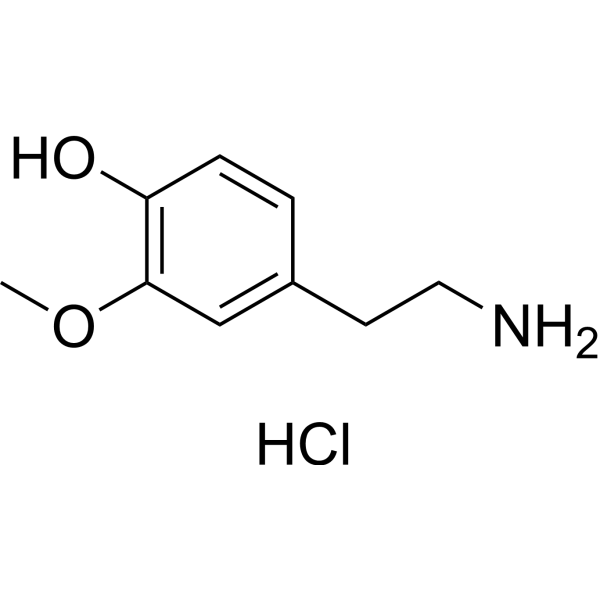
Nortriptyline hydrochloride
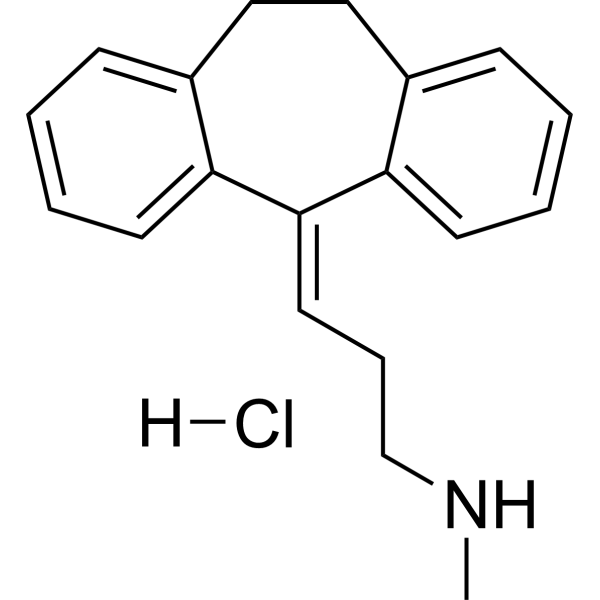 0 ImagesSynonyms: Desmethylamitriptyline hydrochloride; Desitriptilina hydrochlorideNortriptyline (Desmethylamitriptyline) hydrochloride, the main active metabolite of Amitriptyline, is a tricyclic antidepressant. Nortriptyline hydrochloride is a potent autophagy inhibitor and has anticancer effects.
-
all-trans-Anhydro Retinol
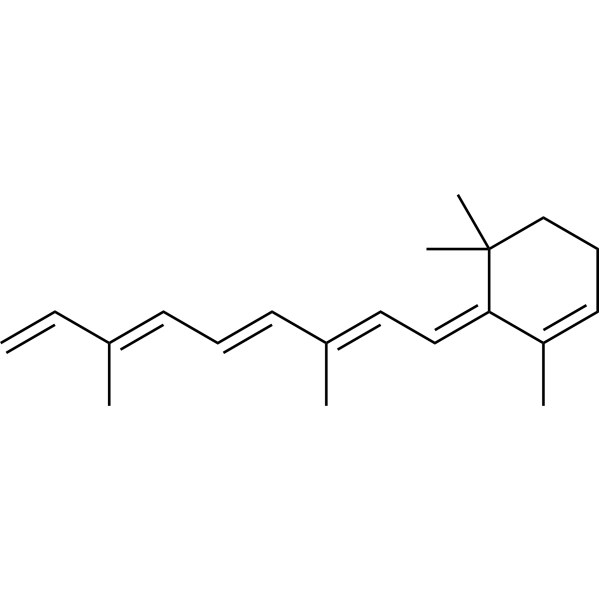 0 Imagesall-trans-Anhydro Retinol (Anhydrovitamin A) is an orally active degradation product formed by the dehydration of vitamin A alcohol and its esters under conditions such as acidic catalysis or hydroxylic solvents, with a biological activity only 0.4% of that of Vitamin A (HY-B1342). In rats, all-trans-Anhydro Retinol can be metabolized into hydroxy derivatives and their esters, but it cannot be converted into Vitamin A (HY-B1342) and has a low storage capacity in the body.
-
3-Hydroxypropionic acid (30% in water)
 0 ImagesCat. No.: HY-W095705CAS No.: 503-66-23-Hydroxypropionic acid (30% in water) is a metabolite of β-Alanine (HY-N0230) and also a precursor for the synthesis of various chemical products. 3-Hydroxypropionic acid (30% in water) exhibits reduced urinary levels in elderly male patients with nocturia, which correlates with altered β-Alanine metabolic pathogenesis. 3-Hydroxypropionic acid (30% in water) can be used in studies related to nocturia.
-
Norfluoxetine hydrochloride
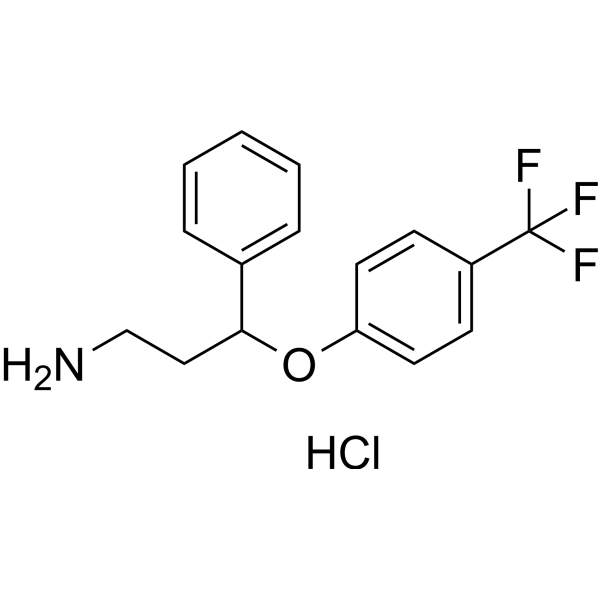 0 ImagesNorfluoxetine hydrochloride is the active metabolite of the antidepressant Fluoxetine (HY-B0102); it is also a TREK-2 K2P potassium channel inhibitor. Norfluoxetine hydrochloride exhibits neuroimmunological activity, induces apoptosis in primary microglial cells, and inhibits the release of pro-inflammatory factors. Norfluoxetine hydrochloride inhibits high-threshold voltage-gated Ca2+ currents in neurons with an EC50 of 20.4 μM. Norfluoxetine hydrochloride can be used in research related to depression, ischemic stroke, and epilepsy.
-
1-Methylxanthine
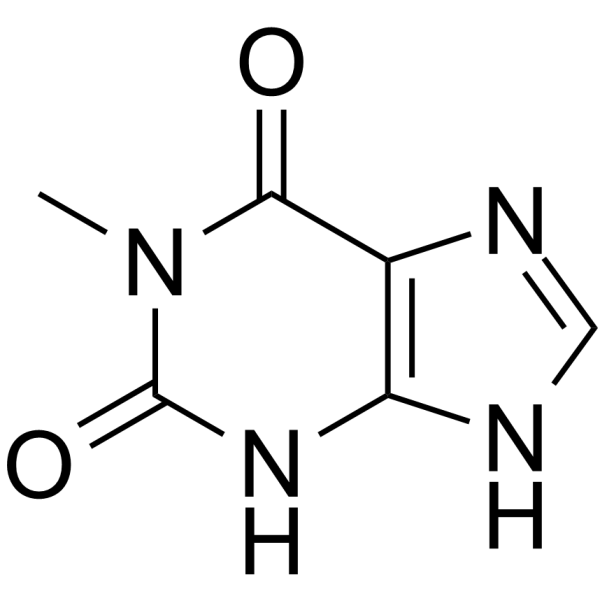 0 Images1-Methylxanthine, a caffeine derivative, is an essential human urinary metabolite of caffeine and theophylline (1,3-dimethylxanthine, TP). 1-Methylxanthine enhances the radiosensitivity of tumor cells.
-
2-Hydroxyphenylacetic acid
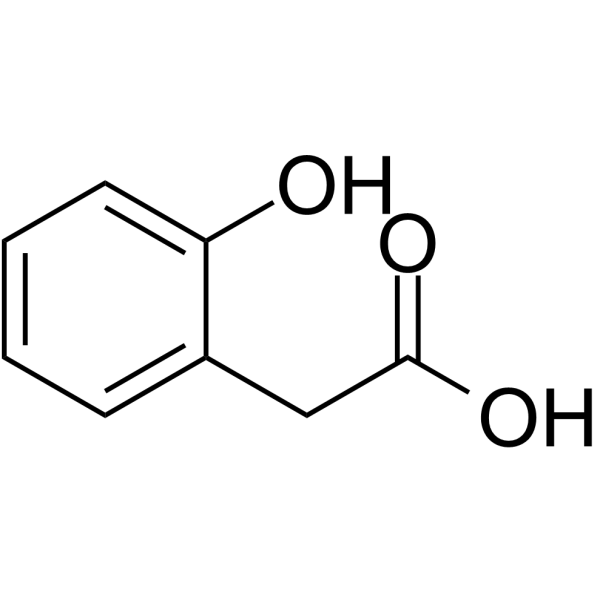 0 Images2-Hydroxyphenylacetic acid is a metabolite of Phenylalanine and Tyrosine, as well as a product of the biotransformation of Phenylacetonitrile by marine fungi. 2-Hydroxyphenylacetic acid acts as a potential biomarker for food. 2-Hydroxyphenylacetic acid slightly induces the expression of green fluorescent protein. 2-Hydroxyphenylacetic acid is used in the research of phenylketonuria and related hyperphenylalaninemia.
-
4-Hydroxyhippuric acid
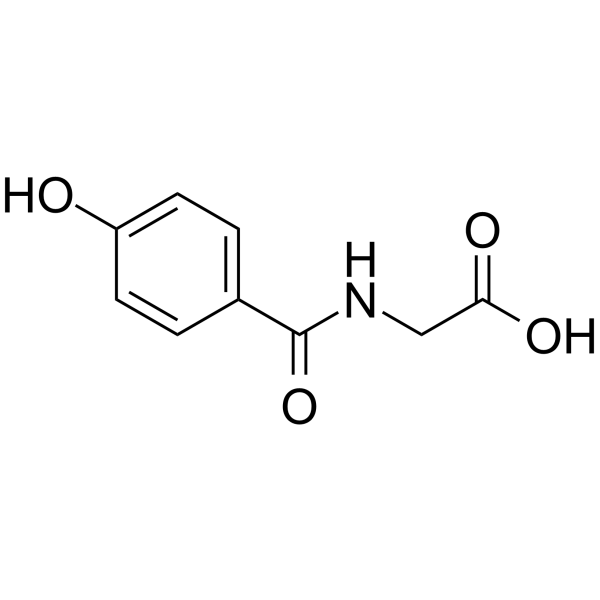 0 Images4-Hydroxyhippuric acid is a metabolite of polyphenols. 4-Hydroxyhippuric acid is generated via medium-chain acyl-CoA dehydrogenase (MCAD)-dependent β-oxidation of microbially-produced 3-(4-hydroxyphenyl)propionic acid, followed by host glycine conjugation. 4-Hydroxyhippuric acid can be simultaneously detected in urine as a biomarker of dietary polyphenol intake.
-
Abemaciclib metabolite M2
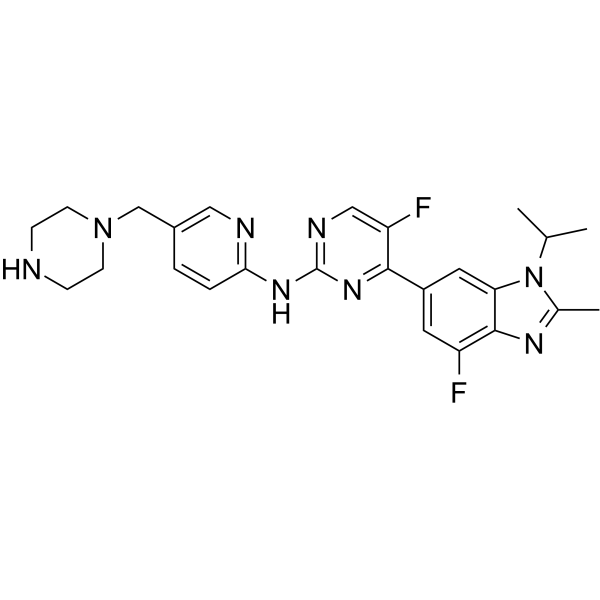 0 ImagesSynonyms: LSN2839567
-
Melamine
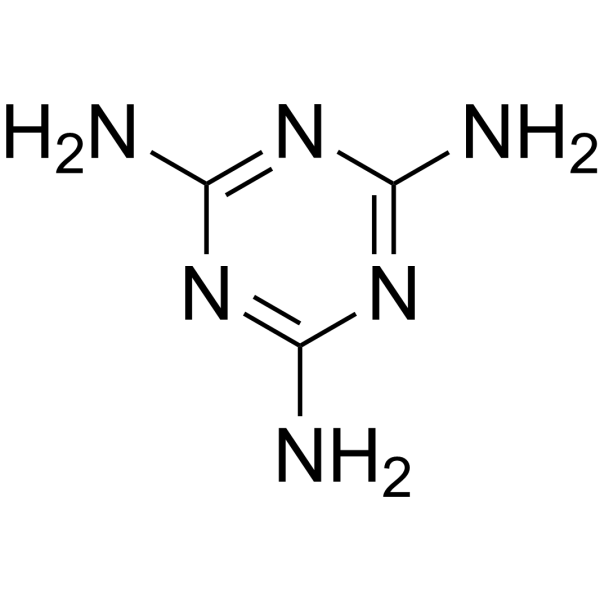 0 ImagesMelamine is an orally active inducer of Apoptosis. Melamine induces animal disease models. Melamine affects the activity of Sertoli cell and can be used for research on male reproductive function. Melamine also has neurotoxicity and nephrotoxicity. Melamine induces cognitive impairment and acute kidney injury models. Melamine can also be used to induce bladder cancer and urinary stone models.




