



ERK Inhibitor
-
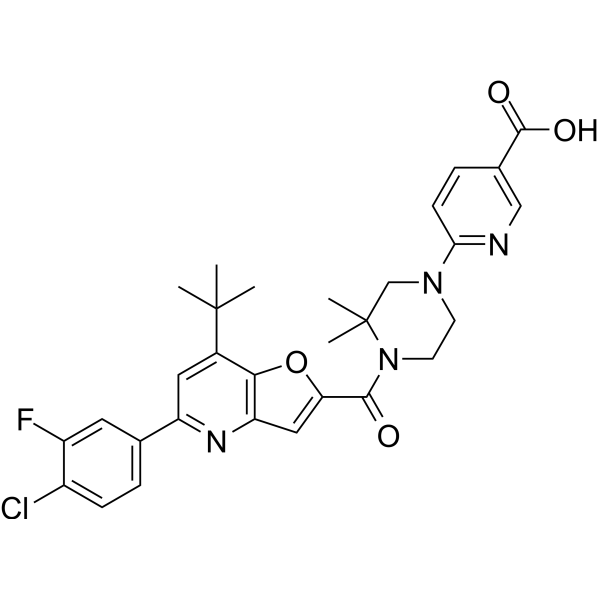
I-287
 0 Images
I-287 is a orally active selective PAR2 inhibitor that acting as a negative allosteric regulator on Gαq and Gα12/13 activity and their downstream effectors. I-287 reduces Complete Freund's adjuvant (HY-153808)-induced inflammation in mice and can be used for inflammation/immunology research.
-
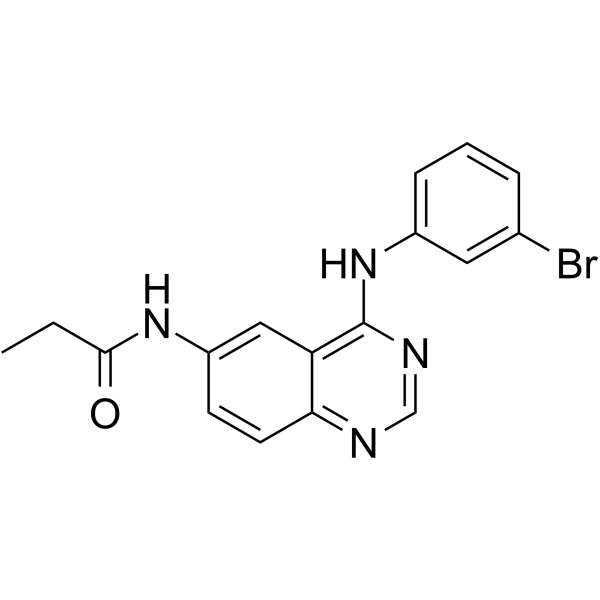
PD 174265
 0 Images
PD 174265 is a highly selective, reversible EGFR/ErbB2 tyrosine kinase inhibitor (IC50=0.45 nM) and cell differentiation inducer. By blocking receptor autophosphorylation and the downstream ERK signaling pathway (with an IC50 of 0.45 μM for full-length ERK), PD 174265 effectively inhibits tumor growth and exhibits antitumor activity without obvious toxicity in in vivo models. PD 174265 drives oligodendrocyte precursor cells to switch from a proliferative state to a differentiated state, significantly upregulates the expression of myelin proteins such as CNP, PLP and MBP, and induces neurite branching. PD 174265 shows no inhibitory effect on other kinases including insulin, PDGF and basic FGF receptors, and serves as a crucial tool molecule for investigating the treatment of human epidermoid carcinoma and the mechanism of myelin repair in multiple sclerosis.
-
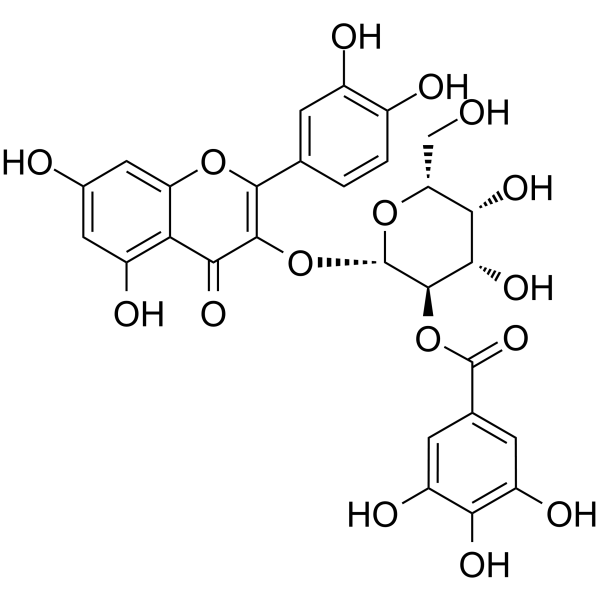
2"-O-Galloylhyperin
 0 Images
2''-O-Galloylhyperin is an active natural compound with anti‑inflammatory, antioxidant, anti‑adipogenic, antifibrotic, and cytostatic activities. 2''-O-Galloylhyperin upregulates SIRT1/Nrf2 signaling, inhibits NF-κB and MAPK (ERK1/2, p38, JNK) phosphorylation, suppresses TSHR activation, reduces ROS accumulation, and enhances SOD and GSH-Px activities. 2''-O-Galloylhyperin protects against LPS-induced tissue injury, enhances survival, and inhibits adipogenesis and fibrosis. 2"-O-Galloylhyperin can be used for the research of sepsis, acute lung injury, and thyroid eye disease.
-
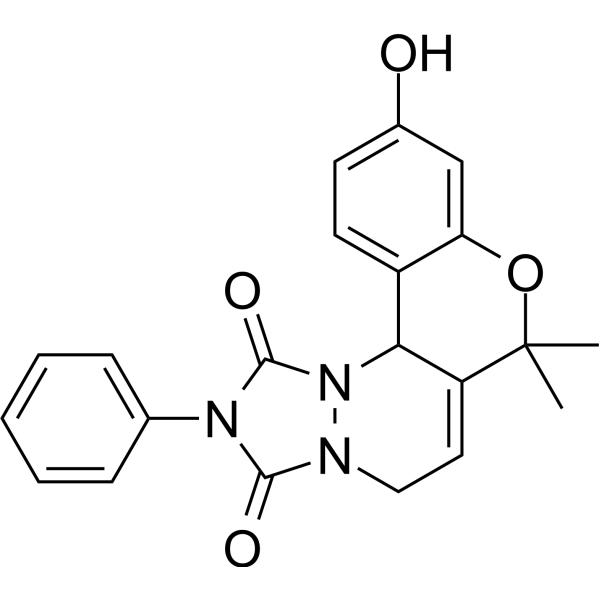
Inflachromene
 0 Images
Inflachromene, a microglial inhibitor, binds to HMGB1 and HMGB2 and exerts anti-inflammatory effects. Inflachromene effectively downregulates proinflammatory functions of HMGB and reduces neuronal damage. Inflachromene can be used for the research of neuroinflammatory disorders.
-
Gliquidone
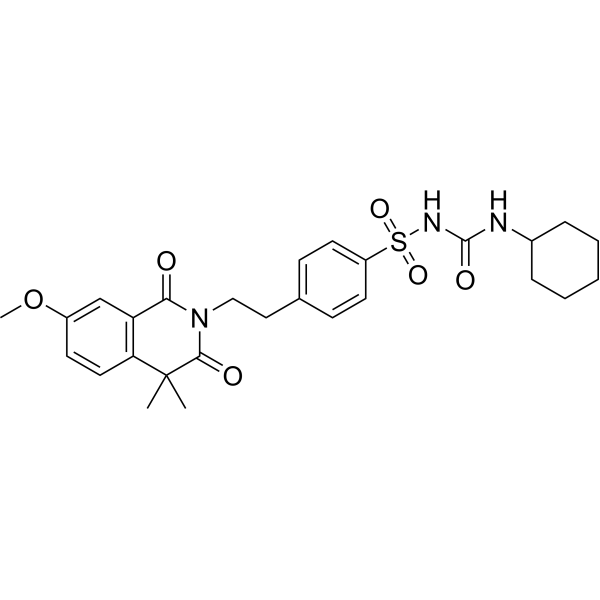 0 ImagesSynonyms: AR-DF 26
Gliquidone can bind to the pancreatic β-cells and increases insulin release to regulate blood glucose levels. Gliquidone significantly decreases LPS (HY-D1056)-induced proinflammatory responses and inhibits ERK/STAT3/NF-κB phosphorylation in BV2 microglial cells. Gliquidone can suppress microgliosis, microglial hypertrophy mediated by LPS, and proinflammatory cytokine COX-2 and IL-6 levels in murine model. Gliquidone also exhibits good anticancer activity in lung carcinoma cells. Gliquidone has antioxidant property. Gliquidone can be studied in research for type 2 diabetes and cancers.
-
GRK5-IN-2
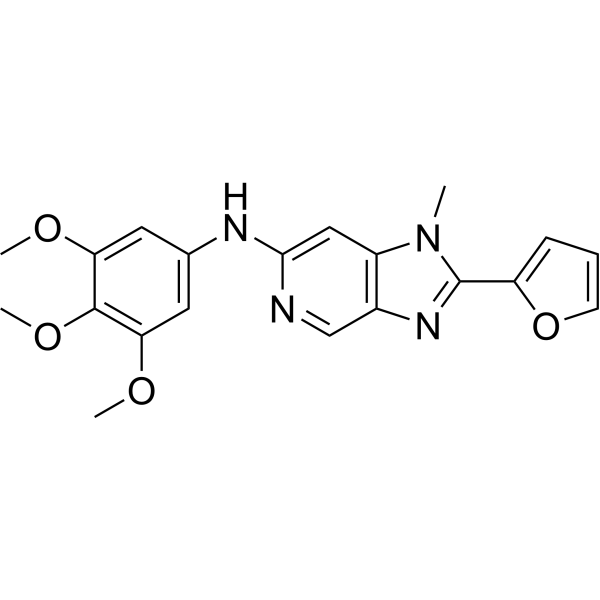 0 Images
GRK5-IN-2 (compound 707), a pyridine-based bicyclic compound, is a potent G-protein-coupled receptor kinase 5 (GRK5) inhibitor with an IC50 of 49.7 μM. GRK5-IN-2 regulates the expression and/or release of insulin and is useful for the metabolic disease research.
-
Ginkgo biloba extract
 0 ImagesCat. No.: HY-N12060CAS No.: 90045-36-6
Ginkgo biloba extract is a natural product that can be isolated from Ginkgo biloba leaves. Ginkgo biloba extract alleviates oxidative stress-induced neuronal apoptosis (Apoptosis) by stabilizing mitochondrial function, regulating Bcl-2 family proteins and inhibiting caspase activation. Ginkgo biloba extract alleviates testicular injury by upregulating SKP2 and inhibiting Beclin1-independent autophagy (Autophagy). Ginkgo biloba extract alleviates various types of neuronal damage in animal models. Ginkgo biloba extract reduces behavioral sensitization in rats. Ginkgo biloba extract counteracts Aβ-induced neurotoxicity by blocking a series of Aβ-triggered events, including glucose uptake, ROS accumulation, AKT activation, mitochondrial dysfunction, JNK and ERK 1/2 pathways, and apoptosis, and also interferes with the formation of Aβ oligomers. Ginkgo biloba extract is applicable to research related to cerebral hypoperfusion, testicular injury, Alzheimer's disease, Parkinson's disease, multi-infarct dementia, stroke, traumatic brain injury and amyotrophic lateral sclerosis.
-
Triphenyl phosphate
 0 Images
Triphenyl phosphate is an orally active, blood-brain barrier-permeable aryl organophosphate flame retardant and endocrine disruptor. Triphenyl phosphate disrupts mitochondrial dynamic balance through oxidative stress, induces excessive mitophagy and apoptosis, and ultimately leads to myocardial fibrosis. In the brain, Triphenyl phosphate activates the NF-κB inflammatory pathway by disrupting the gut microbiota, alters tryptophan metabolism and elevates neurotoxins, thereby inducing anxiety- and depression-like behaviors. In the skeletal and reproductive systems, Triphenyl phosphate inhibits osteoblast differentiation and induces germ cell apoptosis by suppressing the MAPK/ERK pathway and activating the JNK signal, respectively. In adipose and placental tissues, Triphenyl phosphate promotes lipid accumulation by activating the PI3K/AKT-PPARγ axis, and disrupts placental metabolism via the MAOA/ROS/NF-κB cascade, impairing neurodevelopment of offspring.
-
4-Hydroxychalcone
 0 Images
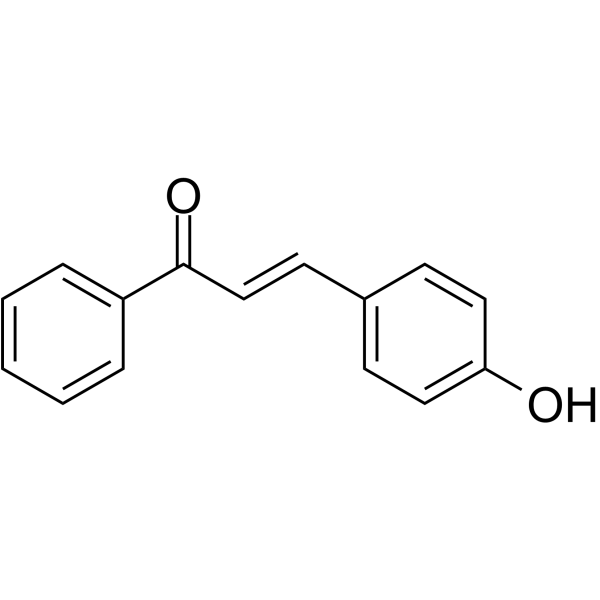
4-Hydroxychalcone is an orally active flavonoid precursor. 4-Hydroxychalcone inhibits VEGF- and bFGF-induced phosphorylation of ERK1/2 and Akt. 4-Hydroxychalcone suppresses resistant hypertension by alleviating hyperaldosteronism, inflammation and renal injury in cryptochrome gene knockout mice. 4-Hydroxychalcone possesses anti-angiogenic activity.
-
Trifolirhizin
 0 Images
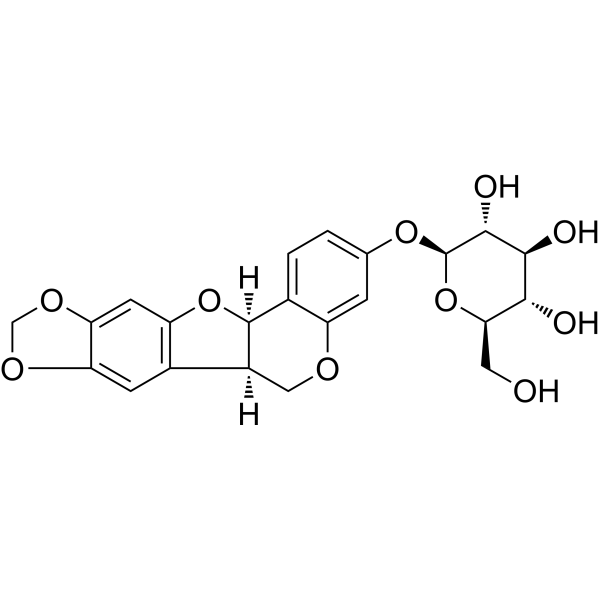
Trifolirhizin is a pterocarpan flavonoid found in the roots of Sophora flavescens. Trifolirhizin is a tyrosinase inhibitor with an IC50 value of 506.77 μM. Trifolirhizin reduces intracellular melanin production and modulates multiple signaling pathways including NFκB-MAPK, AMPK/mTOR, PI3K/Akt, MAPK-NFATc1 and EGFR-MAPK. Trifolirhizin targets biological molecules including PTK6 and COX-2, inhibits the activities of hyaluronidase, collagenase and elastase, induces apoptosis, autophagy and cell cycle arrest, and suppresses the proliferation, migration and invasion of cancer cells. Trifolirhizin exerts diverse pharmacological effects including anti-inflammatory, anti-asthmatic, bone-protective, renoprotective, antibacterial, antifungal, hepatoprotective, antiplatelet, estrogenic and wound-healing activities. Trifolirhizin can be used to investigate a broad range of malignant, inflammatory, metabolic and infectious disorders.
-
BRL-44408 maleate
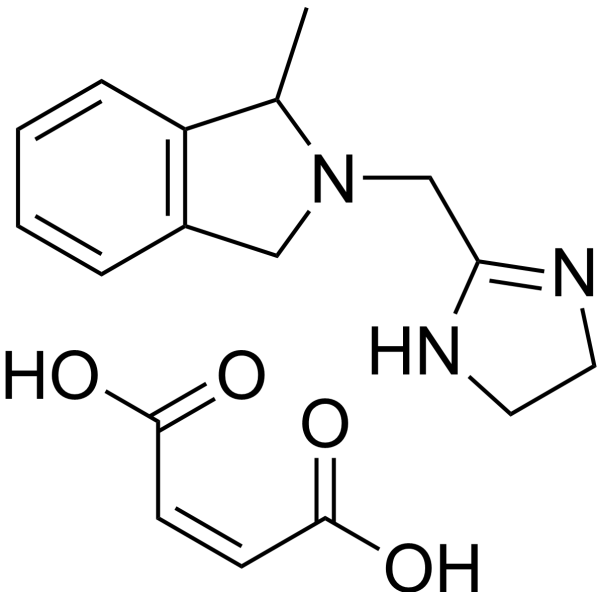 0 Images
BRL-44408 maleate is a selective, blood-brain barrier-permeable α2A-adrenergic receptor antagonist with a Ki value of 8.56 nM against human targets. BRL-44408 maleate exhibits activities such as antidepressant, analgesic effects and attenuation of sepsis-induced acute lung injury by regulating the release of neurotransmitters such as norepinephrine and dopamine, or inhibiting signaling pathways including ERK1/2, p38MAPK and p65. BRL-44408 maleate can be used in studies related to acute respiratory distress syndrome, depression and visceral pain.
-
Gluconate Calcium
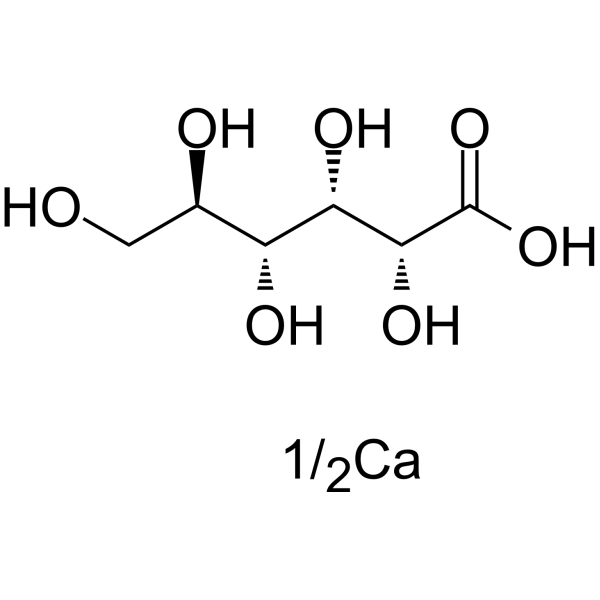 0 ImagesSynonyms: Calcium D-gluconate; Gluconic acid hemicalcium salt
Gluconate (D-Gluconic acid) Calcium is an orally active glucose derivative. Gluconate Calcium reduces nitric oxide and inflammatory cytokines (IL-1β and IL-6). Gluconate Calcium inhibits ERK phosphorylation. Gluconate Calcium has antioxidant and antiplatelet activation activities. Gluconate Calcium has antitumor activity against colorectal cancer. Gluconate Calcium improves osteoarthritis, intestinal damage and acute lung injury.
-
CP-724714
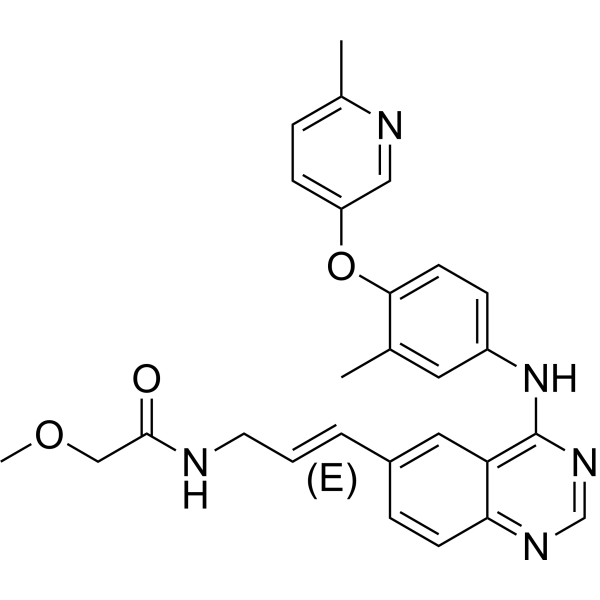 0 Images
CP-724714 is an orally active and selective HER2 tyrosine kinase inhibitor with an IC50 of 10 nM. CP-724714 inhibits HER2 receptor autophosphorylation and blocks the downstream Ras-Raf-Mek-Erk signaling pathway, thereby inducing cell cycle arrest and apoptosis in tumor cells. CP-724714 exhibits antiviral activity and inhibits various porcine diarrheal coronaviruses, including SADS-CoV (IC50 of 0.91 μM). CP-724714 is an inhibitor of the hepatic transport receptors OATP1B1/MDR1/BSEP, and can enter hepatocytes via active uptake and trigger the accumulation of drugs and bile acids within hepatocytes. CP-724714 can be used in research related to HER2-overexpressing breast cancer and porcine diarrheal coronavirus infection.
-
Lidocaine hydrochloride hydrate
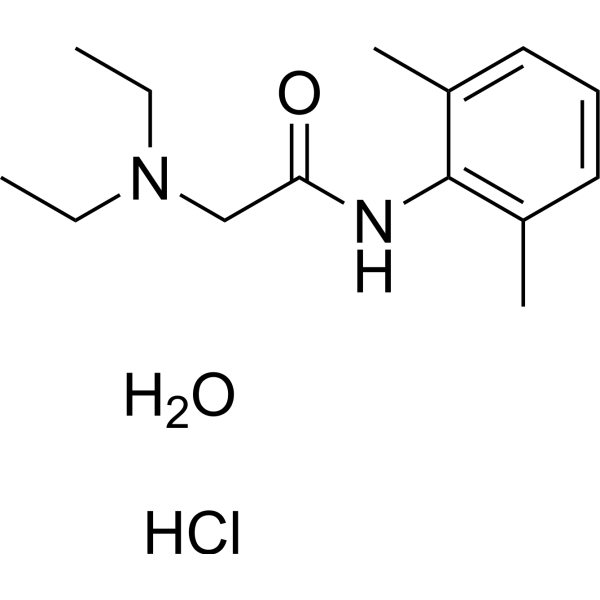 0 Images
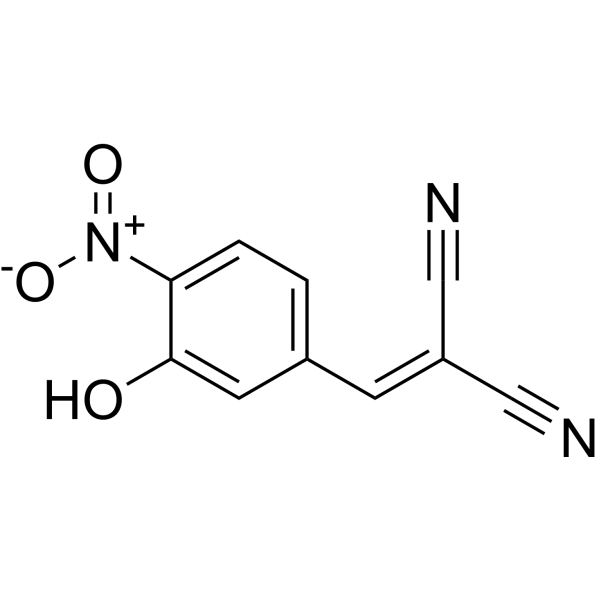
Lidocaine (Lignocaine) hydrochloride hydrate inhibits sodium channels involving complex voltage and using dependence. Lidocaine hydrochloride hydrate decreases growth, migration and invasion of gastric carcinoma cells via up-regulating miR-145 expression and further inactivation of MEK/ERK and NF-κB signaling pathways. Lidocaine hydrochloride hydrate is an amide derivative and has potential for the research of ventricular arrhythmia.
-
Jujuboside B
 0 Images
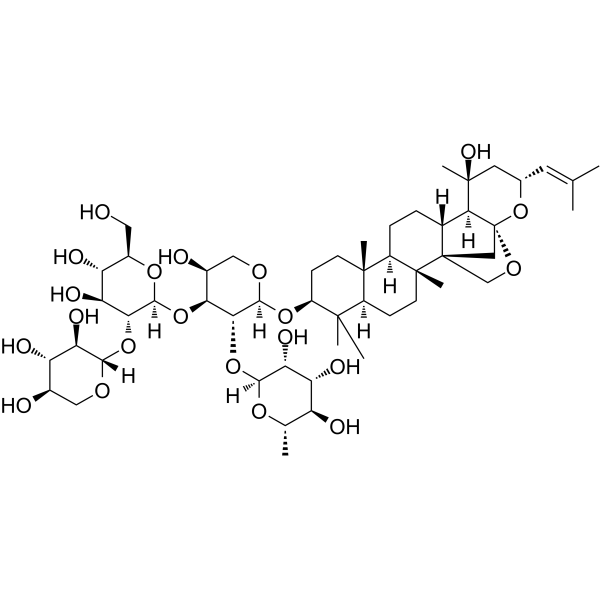
Jujuboside B is a bioactive saponin component isolated from Ziziphi Spinosae Semen (sour jujube seed), with oral efficacy and blood-brain barrier permeability. Jujuboside B induces acute leukemia cell death and drives necroptosis apoptosis by activating the RIPK1/RIPK3/MLKL pathway. Jujuboside B upregulates the expression of NOXA, PARP and caspase-3, activates AMPK, inhibits the proliferation of breast cancer cells, and induces cell apoptosis and autophagy. Jujuboside B inhibits angiogenesis and tumor growth by blocking the VEGFR-2 signaling pathway. Jujuboside B alleviates liver injury in mice by regulating the Nrf2-STING signaling pathway. Jujuboside B alleviates liver injury by regulating anti-inflammatory responses and downregulating the expression of 11β-HSD2. Jujuboside B induces ferroptosis and overcomes radioresistance in non-small cell lung cancer via the PPARγ-ATF3-Gpx4 signaling pathway. Jujuboside B exerts inhibitory effects on platelet aggregation. Jujuboside B inhibits febrile seizures by suppressing the activity of AMPA receptors. Jujuboside B reverses chronic unpredictable mild stress-promoted tumor progression by blocking the PI3K/Akt and MAPK/ERK pathways and dephosphorylating CREB signaling. Jujuboside B is applicable to related studies on acute leukemia, breast cancer, PM2.5-induced lung injury, hepatotoxicity, liver injury, colorectal cancer, non-small cell lung cancer, thromboembolic diseases, cardiovascular diseases associated with high platelet aggregation, febrile seizures, and depressive-like phenotypes.



