



Microbial Metabolite
Microbial metabolites function as critical mediators between host physiology and microbiome activity, regulating immunity, metabolic homeostasis, and tissue repair[1][2][3]. Mechanistically, these metabolites modulate host cellular signaling through pathways including AMPK, PPARα, and HDAC inhibition, influencing lipid metabolism, bone homeostasis, and epigenetic regulation[4][5][6][7]. In disease models, specific microbial metabolites such as 10-hydroxystearic acid and imidazole propionate demonstrate dual roles in hepatic regeneration and bone dysfunction, respectively, underscoring context-dependent effects[5][6]. Compared with related isoforms, certain microbial metabolites act selectively on target enzymes or receptors, exemplified by butyrate and valeric acid inhibiting class I HDACs without affecting other isoforms[7]. For experimental applications, metabolites have been leveraged as diagnostic markers in gastric cancer, modulators of drug toxicity, and indicators of microbial-host metabolic interactions[2][8][9]. Bioinformatic tools, including MetOrigin, enable precise discrimination of microbial metabolite origins and facilitate pathway enrichment analysis, enhancing identification of functionally relevant compounds[4]. The integration of metagenomics, metabolomics, and metaproteomics supports targeted discovery of microbial metabolites for both mechanistic studies and therapeutic interventions[3][10][11].
References:
- [1]. Fobofou SA, et al. Microbial metabolites: cause or consequence in gastrointestinal disease? Am J Physiol Gastrointest Liver Physiol. 2022 Jun 1;322(6):G535-G552. [Content Brief]
- [2]. Nie S, et al. Microbial-Related Metabolites May Be Involved in Eight Major Biological Processes and Represent Potential Diagnostic Markers in Gastric Cancer. Cancers (Basel). 2023 Nov 3;15(21):5271. [Content Brief]
- [3]. Vélez-Ixta JM, et al. Post Natal Microbial and Metabolite Transmission: The Path from Mother to Infant. Nutrients. 2024 Jun 22;16(13):1990. [Content Brief]
- [4]. Yu G, et al. MetOrigin: Discriminating the origins of microbial metabolites for integrative analysis of the gut microbiome and metabolome. Imeta. 2022 Mar 21;1(1):e10. [Content Brief]
- [5]. Kramer DJ, et al. Microbial biotherapeutic metabolite alleviates liver injury by restoring hepatic lipid metabolism through PPARα across the gut-liver axis. mBio. 2025 Sep 10;16(9):e0171825. [Content Brief]
- [6]. Park SG, et al. The microbial metabolite imidazole propionate dysregulates bone homeostasis by inhibiting AMP-activated protein kinase (AMPK) signaling. Commun Biol. 2024 Dec 19;7(1):1644. [Content Brief]
- [7]. Yuille S, et al. Human gut bacteria as potent class I histone deacetylase inhibitors in vitro through production of butyric acid and valeric acid. PLoS One. 2018 Jul 27;13(7):e0201073. [Content Brief]
- [8]. Kim B, et al. Pathway-Based Integrative Analysis of Metabolome and Microbiome Data from Hepatocellular Carcinoma and Liver Cirrhosis Patients. Cancers (Basel). 2020 Sep 21;12(9):2705. [Content Brief]
- [9]. Lee H, et al. The Discovery of Gut Microbial Metabolites as Modulators of Host Susceptibility to Acetaminophen-Induced Hepatotoxicity. Drug Metab Dispos. 2024 Jul 16;52(8):754-764. [Content Brief]
- [10]. Wang WL, et al. Application of metagenomics in the human gut microbiome. World J Gastroenterol. 2015 Jan 21;21(3):803-14. [Content Brief]
- [11]. Kingkaw A, et al. Analysis of the infant gut microbiome reveals metabolic functional roles associated with healthy infants and infants with atopic dermatitis using metaproteomics. PeerJ. 2020 Sep 25;8:e9988. [Content Brief]
-
Microbial Metabolite Related Products (563)
Related Products (563)

-
Uridine 5′-diphosphoglucose disodium
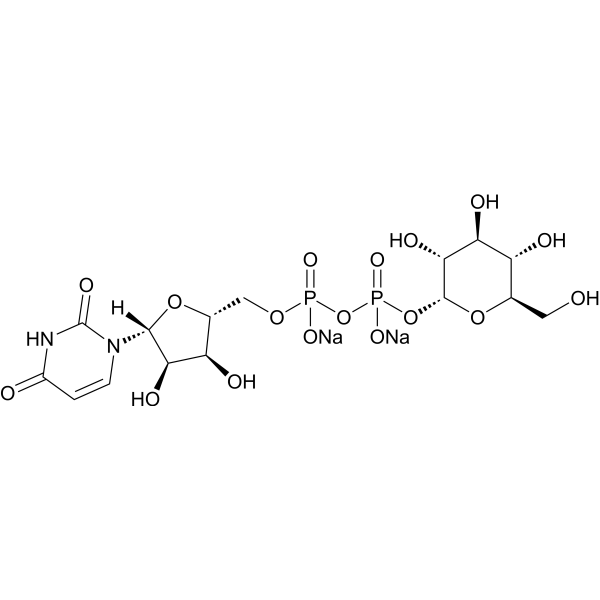 0 ImagesSynonyms: UDP-D-Glucose disodiumUridine 5’-diphosphoglucose (UDP-glucose) disodium, secreted by cardiomyocytes during ischemia and reperfu, is a potent agonist of the proinflammatory P2Y14 receptor. It acts an important role in the regulation of inflammation and neutrophil polarization in neutrophils. Uridine 5’-diphosphoglucose disodium is also the precursor of glucose-containing oligosaccharides, polysaccharides, glycoproteins, and glycolipids in animal tissues and in some microorganisms. Uridine 5’-diphosphoglucose disodium is promising for research in counteracting myocardial infarction/reperfusion (MIR)-induced inflammation in the heart tissue.
-
Taurocholic acid sodium
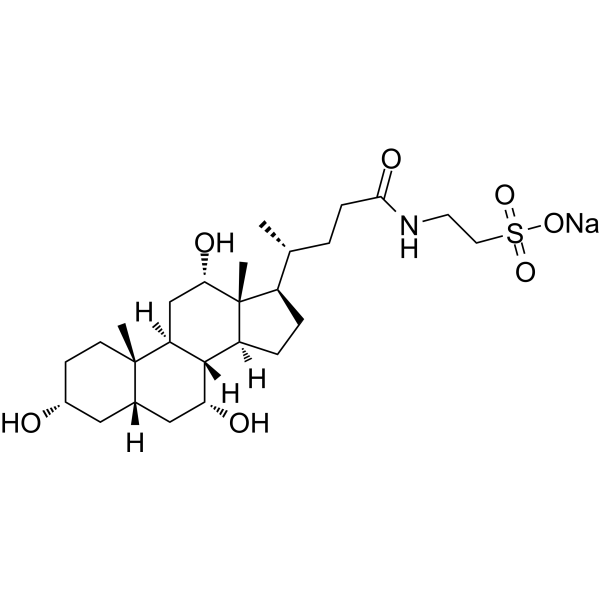 0 ImagesSynonyms: Sodium taurocholate; N-Choloyltaurine sodiumTaurocholic acid sodium (Sodium taurocholate) has marked bioactive effects such as an inhibitory potential against hepatic artery ligation induced biliary damage by upregulation of VEGF-A expression. Taurocholic acid sodium has immunoregulation effect.
-
N-Acetylneuraminic acid
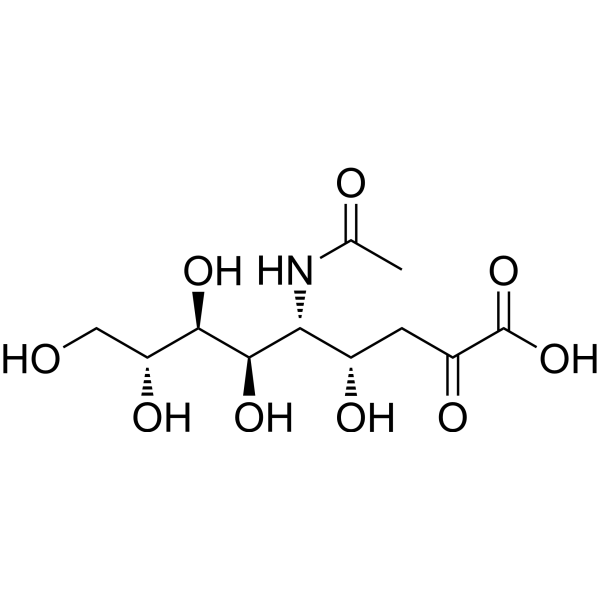 0 ImagesN-Acetylneuraminic acid (NANA; Lactaminic acid), a nonphenolic structure, is the predominant form of sialic from Collocalia esculenta. N-Acetylneuraminic acid plays a biological role in myocardial injury, melanoma and viral or bacterial infection. N-Acetylneuraminic acid inhibits melanogenesis by reducing tyrosinase activity and triggers myocardial injury in vitro and in vivo by activation of the Rho/Rho-associated signaling pathway through binding to RhoA and Cdc42. N-Acetylneuraminic acid may prevent high fat diet (HFD)-induced inflammation and oxidative stress, thereby prevents hyperlipidemia-associated inflammation and oxidative stress. N-Acetylneuraminic acid is promising for research in the field of melanoma, coronary artery, obesity-related diseases and hyperlipidemia.
-
Abscisic acid
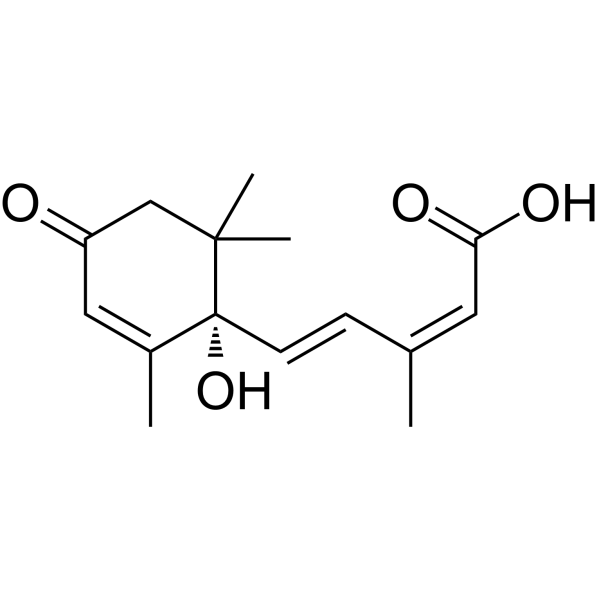 0 ImagesSynonyms: (S)-(+)-Abscisic acid; ABAAbscisic acid ((S)-(+)-Abscisic acid), an orally active phytohormone in fruits and vegetables, is an endogenously produced mammalian hormone. Abscisic acid is a growth inhibitor and can regulate many aspects of plant growth and development. Abscisic acid inhibits proton pump (H+-ATPase) and leads to the plasma membrane depolarization in a Ca2+-dependent manner. Abscisic acid, a LANCL2 natural ligand, is a potent insulin-sensitizing compound and has the potential for pre-diabetes, type 2 diabetes and metabolic syndrome.
-
Phosphorylethanolamine
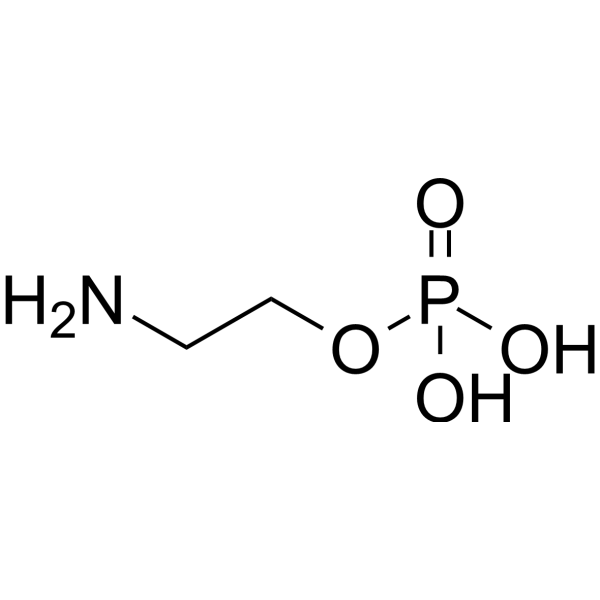 0 ImagesSynonyms: Monoaminoethyl phosphate; NSC 254167; O-PhosphoethanolaminePhosphorylethanolamine (Monoaminoethyl phosphate) is a membrane phospholipid and an important precursor of Phosphatidylcholine (HY-N18891). It is found in most animal tissues and various human extracranial tumors, playing a critical role in membrane integrity, cell division, mitochondrial respiratory function, and more. Studies have shown that changes in the abundance of Phosphorylethanolamine are associated with Alzheimer's disease and Parkinson's disease. Lowering the ratio of Phosphorylethanolamine to Phosphatidylcholine in the liver can improve insulin signaling. Phosphorylethanolamine holds promise for research in the fields of cancer, neurodegenerative disorders, and metabolic diseases.
-
Anandamide
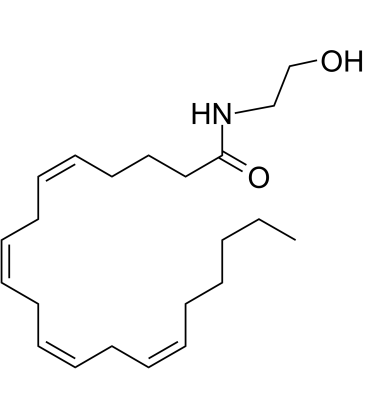 0 ImagesSynonyms: AEA; Arachidonoyl ethanolamideAnandamide is an endocannabinoid. Anandamide modulates both neuronal and immune functions through two protein-coupled cannabinoid receptors (CB1 and CB2). Anandamide can activate numerous other receptors like PPARS, TRPV1, and GPR18/GPR55. Anandamide also has potential anti-fungal and anti-inflammatory activities. Anandamide can be used for the research of Alzheimer’s disease (AD) and ulcerative colitis.
-
L-Asparagine
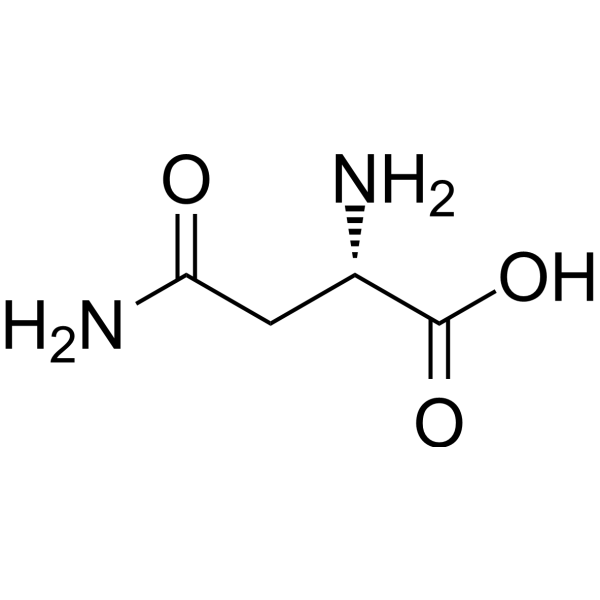 0 ImagesL-Asparagine is an essential amino acid for leukemic cells and a substrate for L-Asparaginase. L-Asparaginase is a potent anti-leukemic enzyme that promotes asparagine (Asn) and glutamine (Gln) depletion and inhibits protein biosynthesis in lymphoblasts. Removal of L-asparagine from plasma by L-Asparaginase results in inhibition of RNA and DNA synthesis and subsequent apoptosis. L-Asparaginase has cell-killing ability in vitro and in vivo, and selectively inhibits the growth of cancer cells with low asparagine synthetase (AASNS) expression. L-Asparagine can be used as a biomarker and sensor for the study of childhood acute lymphoblastic leukemia.
-
D-Sorbitol
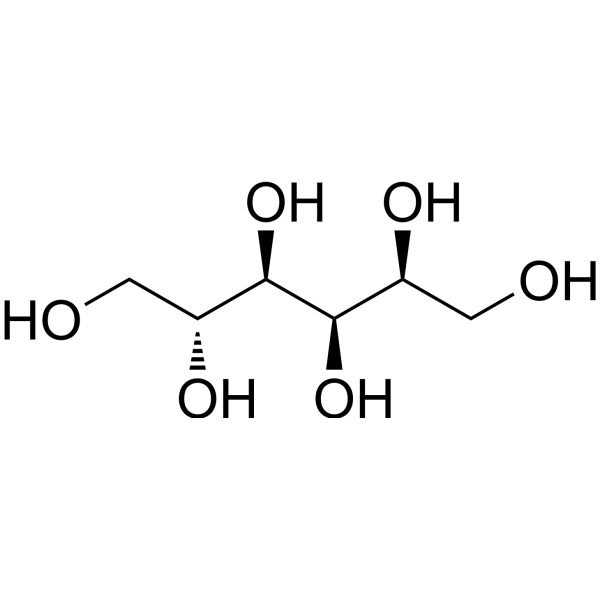 0 ImagesD-Sorbitol (Sorbitol) is a six-carbon sugar alcohol and can used as a sugar substitute. D-Sorbitol can be used as a stabilizing excipient and/or isotonicity agent, sweetener, humectant, thickener and dietary supplement.
-
Cytidine
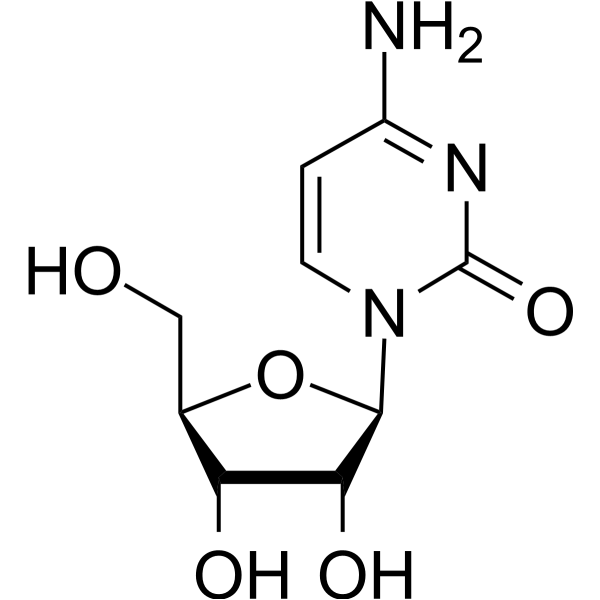 0 ImagesSynonyms: Cytosine β-D-riboside; Cytosine-1-β-D-ribofuranosideCytidine is a pyrimidine nucleoside and acts as a component of RNA. Cytidine is a precursor of uridine. Cytidine controls neuronal-glial glutamate cycling, affecting cerebral phospholipid metabolism, catecholamine synthesis, and mitochondrial function.
-
N-Acetyl-D-glucosamine
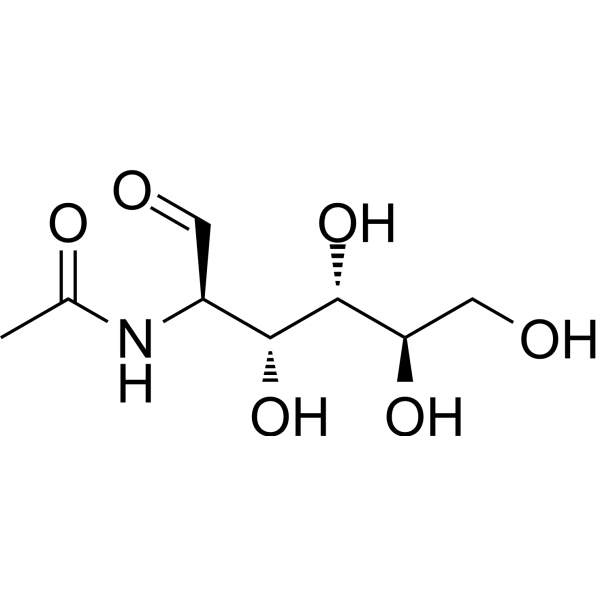 0 ImagesN-Acetyl-D-Glucosamine (N-Acetyl-2-amino-2-deoxy-D-glucose), the D isomer of N-acetylglucosamine, is an orally active monosaccharide derivative of glucose with anti-tumor and anti-inflammation properties. N-Acetyl-D-Glucosamine is also a bacterial metabolite, which is found in Escherichia coli. N-Acetyl-D-Glucosamine can induce yeast-mycelial conversion in Candida albicans. N-Acetyl-D-Glucosamine also enhances healing of cartilaginous injuries in rabbits.
-
Lecithin
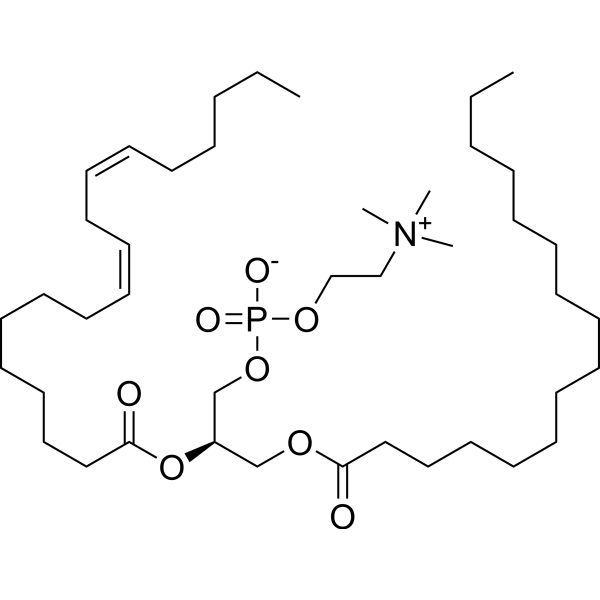 0 ImagesLecithin is regarded as a safe, conventional phospholipid source. Phospholipids are reported to alter the fatty acid composition and microstructure of the membranes in animal cells.
-
Glycoursodeoxycholic acid
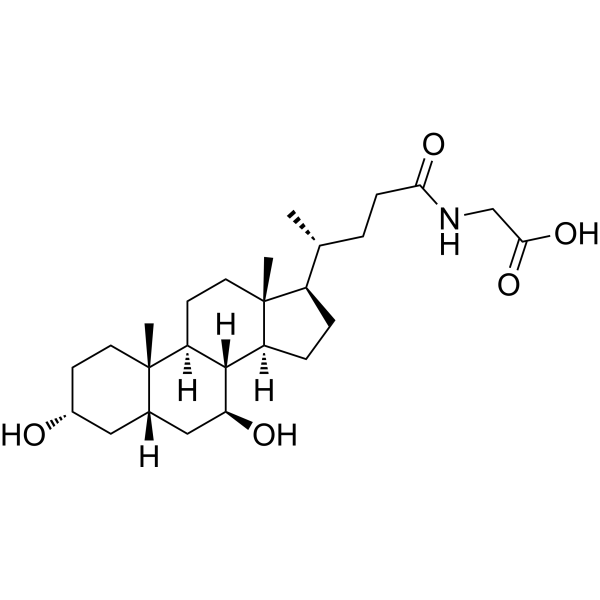 0 ImagesSynonyms: GUDCA; UrsodeoxycholylglycineGlycoursodeoxycholic acid, a acyl glycine and a bile acid-glycine conjugate, is a metabolite of ursodeoxycholic acid.
-
L-Cysteine hydrochloride
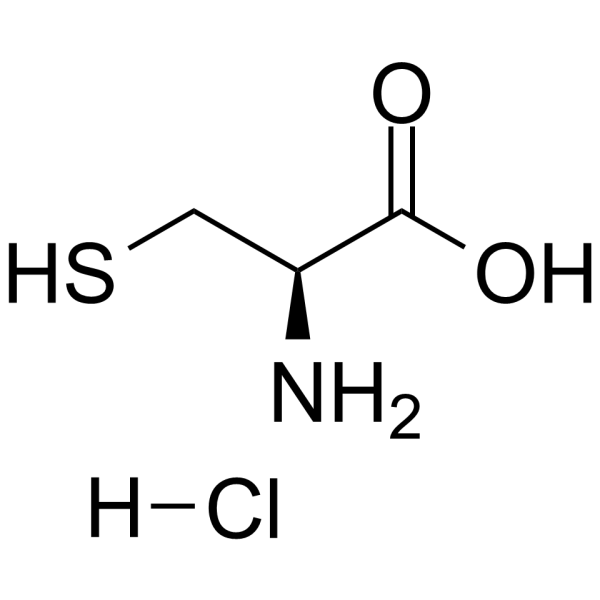 0 ImagesL-Cysteine hydrochloride is an orally active conditionally essential amino acid, which acts as a precursor for biologically active molecules such as hydrogen sulphide (H2S), glutathione and taurine. L-Cysteine hydrochloride suppresses ghrelin and reduces appetite in rodents. L-Cysteine hydrochloride inhibits Aspergillus flavus growth and AFB synthesis by disrupting cell structure and antioxidant system balance. L-Cysteine hydrochloride enhances relaxant responses of rat aortic rings to NO and reduces responses to endothelium-derived relaxing factor (EDRF).
-
Squalene
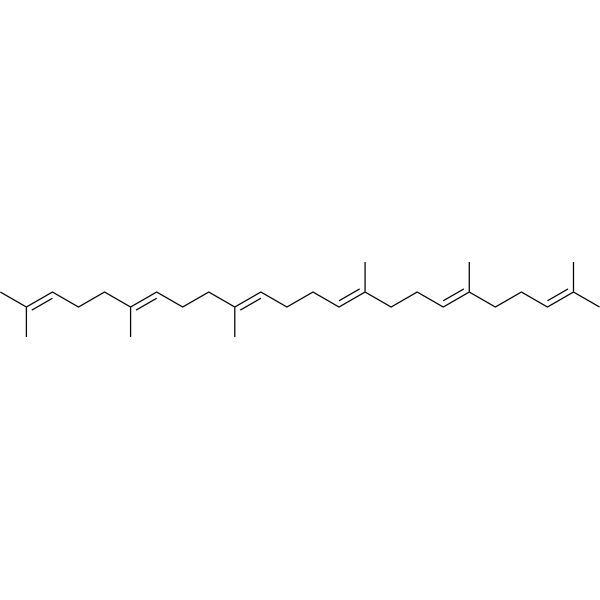 0 ImagesSynonyms: Super Squalene; trans-Squalene; AddaVaxSqualene (Super Squalene) is an intermediate product in the synthesis of cholesterol, and shows several pharmacological properties such as hypolipidemic, hepatoprotective, antiatherosclerotic, cardioprotective, antioxidant, and antitumour activity.
-
Disodium succinate
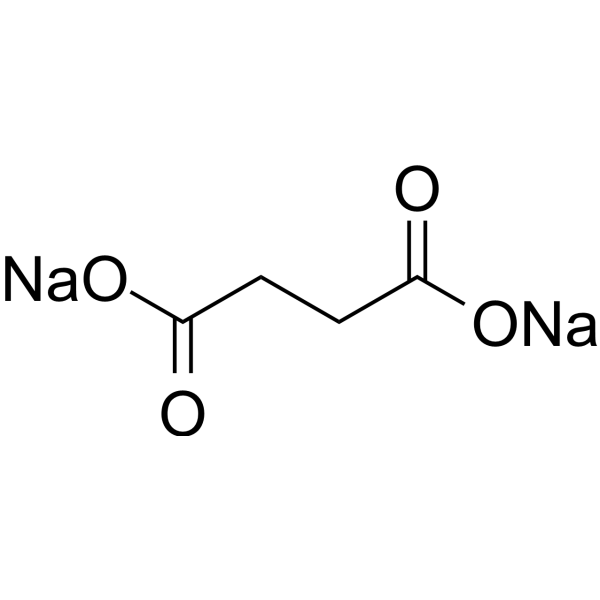 0 ImagesDisodium succinate is an anti-anxiety agent with oral activity. Disodium succinate is the salt form of Succinic acid. Disodium succinate is an intermediate product of the tricarboxylic acid cycle. Disodium succinate is an important platform chemical. Disodium succinate can be used as surfactant, additive, ion chelating agent, flavoring agent and other applications in chemical, pharmaceutical and food fields.
-
Norepinephrine bitartrate monohydrate
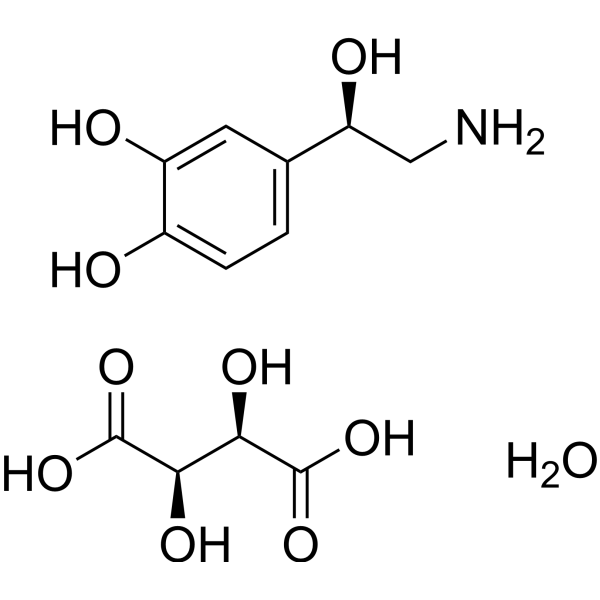 0 ImagesSynonyms: Levarterenol bitartrate monohydrate; L-Noradrenaline bitartrate monohydrateNorepinephrine (Levarterenol; L-Noradrenaline) bitartrate monohydrate is a potent adrenergic receptor (AR) agonist. Norepinephrine activates α1, α2, β1 receptors.
-
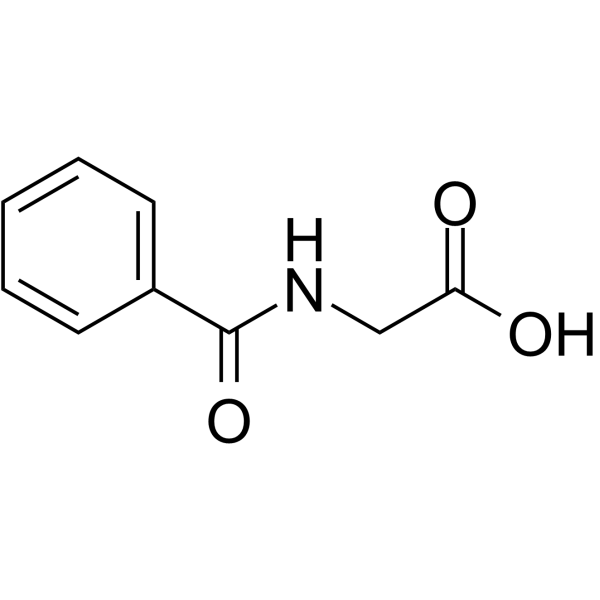
Hippuric acid
 0 ImagesSynonyms: BenzoylglycineHippuric Acid is an orally active metabolite. Hippuric Acid can be produced by intestinal microorganisms from the metabolism of polyphenols, benzoic acid. Hippuric Acid decreases NRF2, MMP9 and leads to ROS accumulation. Hippuric Acid activates TGFβ/SMAD signaling. Hippuric Acid improves hyperuricemia and colitis. Hippuric Acid can also be used in cardiovascular disease research. .



