



NF-κB
Nuclear factor-κB; Nuclear factor-kappaB
NF-κB (Nuclear factor kappa-light-chain-enhancer of activated B cells) is a protein complex that controls transcription of DNA. NF-κB is found in almost all animal cell types and is involved in cellular responses to stimuli such as stress, cytokines, free radicals, ultraviolet irradiation, oxidized LDL, and bacterial or viral antigens. NF-κB plays a key role in regulating the immune response to infection. Incorrect regulation of NF-κB has been linked to cancer, inflammatory, and autoimmune diseases, septic shock, viral infection, and improper immune development. NF-κB has also been implicated in processes of synaptic plasticity and memory. There are five proteins in the mammalian NF-κB family: NF-κB1, NF-κB2, RelA, RelB, c-Rel.
NF-κB Isoform Specific Products
All Product Categories
-
NF-κB Inhibitors
(1636)
View all products
-
NF-κB Agonists
(6)
View all products
-
NF-κB Antagonist
(1)
View all products
-
NF-κB Activators
(146)
View all products
-
NF-κB Modulators
(34)
View all products
-
NF-κB Inducers
(3)
View all products
-
NF-κB Degraders
(4)
View all products
-
NF-κB Controls
(7)
View all products
-
NF-κB Ligands
(2)
View all products
-
NF-κB Related Products (1973)
Related Products (1973)

-
Antibodies (32)
-
NF-κB Signaling Pathway
-
NF-κB Isoform Comparison

-
WAY-204688
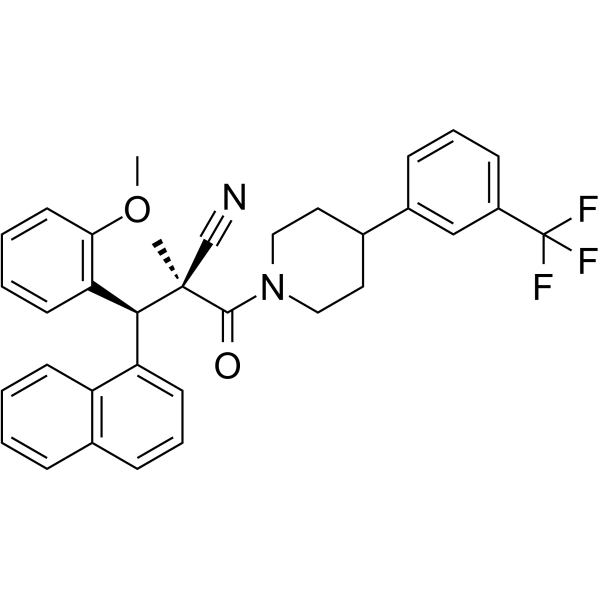 0 ImagesSynonyms: SIM-688WAY-204688 is an estrogen receptor (ER-α) selective, orally active inhibitor of NF-κB transcriptional activity with an IC50 of 122 ± 30 nM for NF-κB-luciferase (NF-κB-luc) in HAECT-1 cells.
-
(Rac)-Hesperetin-13C,d3
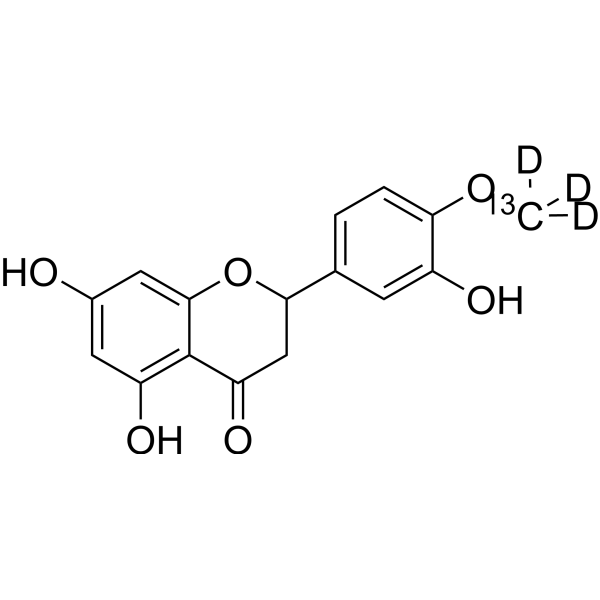 0 ImagesCat. No.: HY-N0168AS1CAS No.: 2750534-85-9(Rac)-Hesperetin-13C,d3 is the 13C- and deuterium labeled (Rac)-Hesperetin. (Rac)-Hesperetin is the racemate of Hesperetin (HY-N0168), an orally active multi-target inhibitor. (Rac)-Hesperetin exhibits significant anti-tumor and anti-inflammatory activities by blocking the TGF-β1-mediated Fyn/RhoA signaling axis and the TLR4-MyD88-NF-κB inflammatory pathway. (Rac)-Hesperetin inhibits the formation of actin stress fibers and the migration and invasion of cancer cells, and is suitable for triple-negative breast cancer research. In inflammation models, (Rac)-Hesperetin effectively alleviates lung injury by reducing the release of pro-inflammatory mediators and regulating the activity of oxidative stress enzymes, and is suitable for acute lung injury research. (Rac)-Hesperetin also interferes with the entry and early replication processes of channel catfish virus, inhibits viral gene expression and progeny virus production, thereby protecting cells from virus-induced cytopathic effects.
-
Anatabine dicitrate
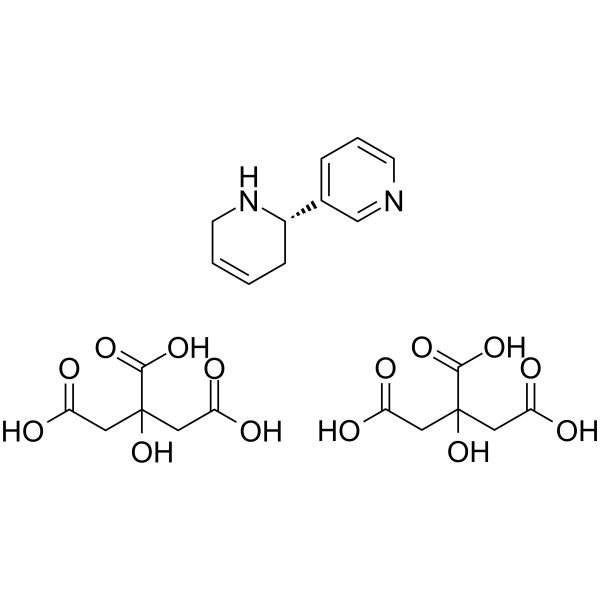 0 ImagesCat. No.: HY-19918APurity: 99.03%Anatabine dicitrate is a tobacco alkaloid that can cross the blood-brain barrier. Anatabine dicitrate is a potent α4β2 nAChR agonist. Anatabine dicitrate inhibits NF-κB activation lower amyloid-β (Aβ) production by preventing the β-cleavage of amyloid precursor protein (APP). Anatabine dicitrate has anti-inflammatory effects and has the potential for neurodegenerative disorders treatment.
-
Taurodeoxycholate-d6 sodium
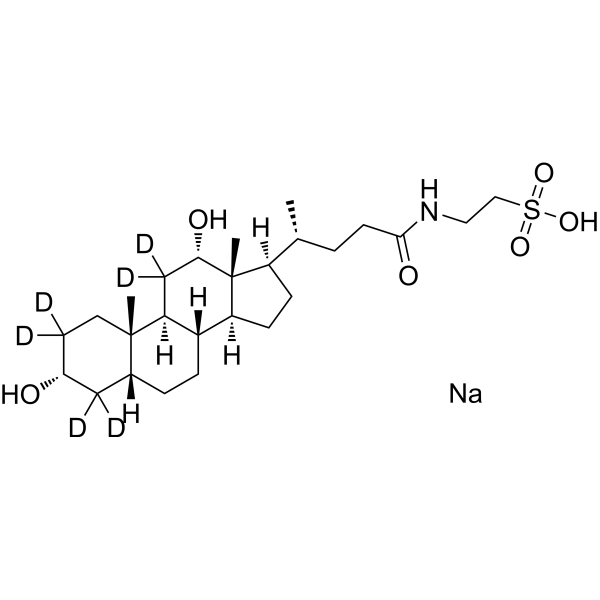 0 ImagesTaurodeoxycholate-d6 sodium salt is a bile salt-related anionic detergent. Taurodeoxycholate-d6 sodium salt is formed in the liver by conjugation of deoxycholate with Taurine (HY-B0351). Taurodeoxycholate-d6 sodium salt is used for isolation of membrane proteins including inner mitochondrial membrane proteins. Taurodeoxycholate-d6 (TDCA) exhibits anti-inflammatory and neuroprotective effects.
-
Hederagenin (Standard)
 0 ImagesHederagenin (Standard) is the analytical standard of Hederagenin. This product is intended for research and analytical applications. Hederagenin is a triterpenoid saponin with orally active and antitumor activity. Hederagenin can inhibit the expression of iNOS, COX-2, and NF-κB in cells induced by LPS stimulation. Hederagenin also increases ROS production in cancer cells, disrupts mitochondrial membrane potential, and induces apoptosis. Hederagenin also sensitizes cancer cells to Cisplatin (HY-17394) and Paclitaxel (HY-B0015), enhancing induced apoptosis. Hederagenin also has preventive potential against alcoholic liver injury.
-
NDMC101
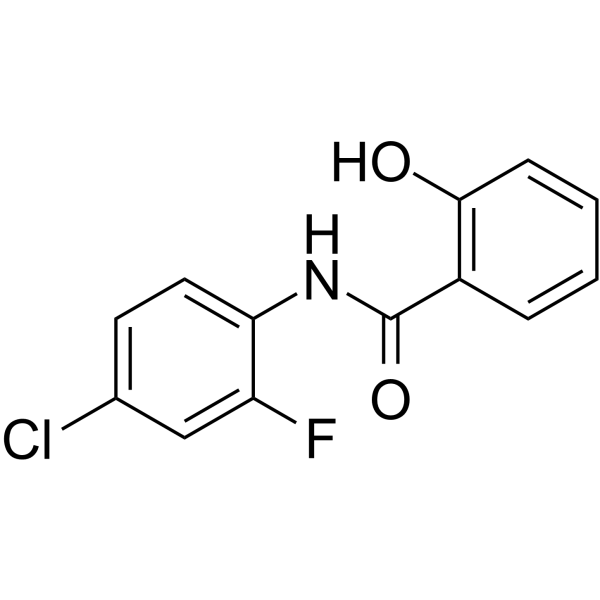 0 ImagesNDMC101 is a potent osteoclastogenesis inhibitor and inhibits osteoclast differentiation via down-regulation of NFATc1-modulated gene expression. NDMC101 is similar to the DPP4 substrate and is a significant inhibitor of early T-cell activation via DPP4 inhibition. NDMC101can be used for study of bone disorders, such as rheumatoid arthritis, and synovial inflammation et al.
-
Fumaric acid-13C2
 0 ImagesFumaric acid-13C2 is the 13C-labeled Fumaric acid (HY-W015883). Fumaric acid is an unsaturated dicarbonic acid, an intermediate product of the citric acid cycle that provides intracellular energy in the form of ATP. Fumaric acid exerts anti-inflammatory effects by inhibiting the NF-κB signaling pathway dependent on p38 MAPK. Fumaric acid can be used in the study of pregnancy-induced hypertension.
-
Fumaric acid-13C2,d2
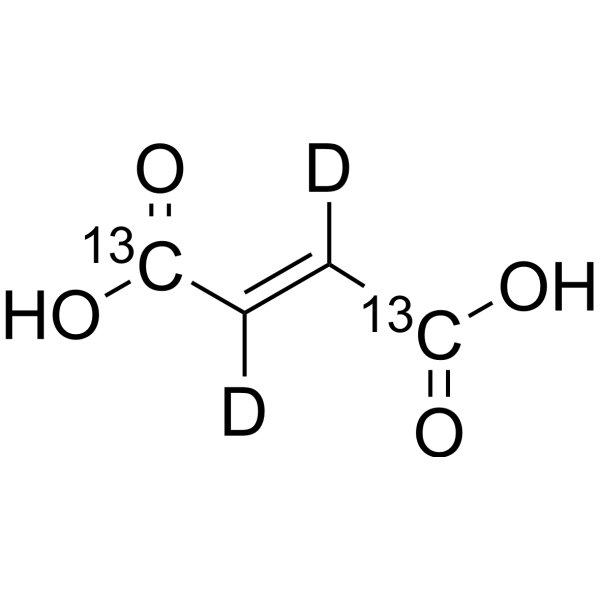 0 ImagesFumaric acid-13C2,d2 is the d2, 13C-labeled Fumaric acid (HY-W015883). Fumaric acid is an unsaturated dicarbonic acid, an intermediate product of the citric acid cycle that provides intracellular energy in the form of ATP. Fumaric acid exerts anti-inflammatory effects by inhibiting the NF-κB signaling pathway dependent on p38 MAPK. Fumaric acid can be used in the study of pregnancy-induced hypertension.
-
Demethylzeylasteral (Standard)
 0 ImagesDemethylzeylasteral (Standard) is the analytical standard of Demethylzeylasteral. This product is intended for research and analytical applications. Demethylzeylasteral is an orally active triterpenoid compound isolated from Tripterygium wilfordii, which has functions such as anti-inflammatory, anti-tumor, anti fertility, estrogen metabolism regulation, immune suppression, and immune system regulation .
-
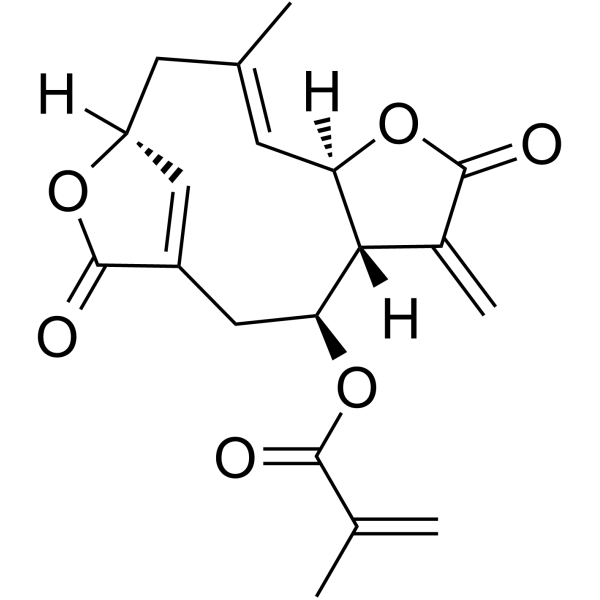
SjDX5-271
 0 ImagesSjDX5-271 is a small 3 kDa peptide. SjDX5-271 inhibits the TLR4/MyD88/NF-κB signaling pathway. SjDX5-271 induces cell polarization. SjDX5-271 alleviats hepatic inflammation. SjDX5-271 protects mice against liver ischemia-reperfusion injury.
-
4-Methoxylonchocarpin
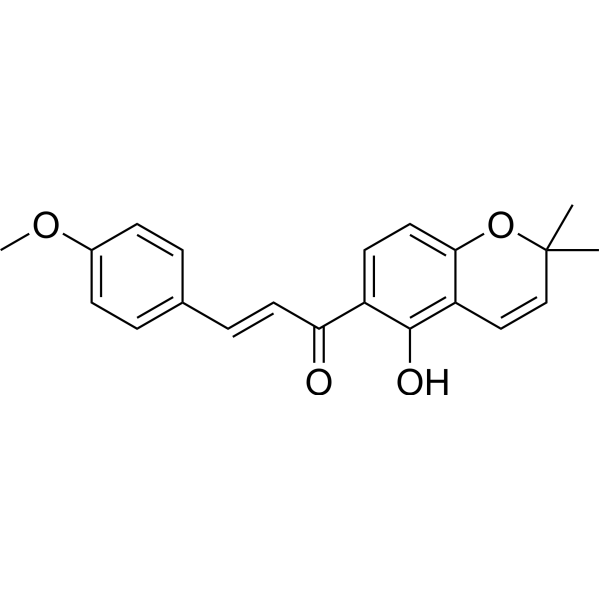 0 Images4-Methoxylonchocarpin is an orally active anti-inflammatory agent. 4-methoxylonchocarpin inhibits the binding of LPS to Toll-like Receptor (TLR) TLR4 to inhibit NF-κB activation and TNF Receptor and IL-6 expression. 4-Methoxylonchocarpin also inhibits the phosphorylation of TGF-beta activated kinase 1 and TNBS-induced expression of IL-1β, IL-17A, and TNF. 4-methoxylonchocarpin can improve 2,4, 6-trinitrobenzene sulfonic acid (TNBS)-induced colitis mouse model.
-
SAP15 acetate
 0 ImagesCat. No.: HY-P10462APurity: 98.04%Synonyms: Synthetic anti-inflammatory peptide 15 acetateSAP15 (Synthetic anti-inflammatory peptide 15) acetate is a synthetic anti-inflammatory peptide consisting of 15 amino acids designed from human beta-defensin 3. SAP15 acetate has the ability to penetrate cells and is able to induce downregulation of intracellular inflammation. SAP15 acetate inhibits inflammation by inhibiting the phosphorylation of HDAC5 and thereby reducing the phosphorylation of NF-κB p65. SAP15 acetate inhibits HDAC5 and NF-κB p65 phosphorylation in LPS (HY-D1056)-induced macrophages. SAP15 acetate increases the expression of aggrecan and type II collagen and decreases the expression of osteocalcin in LPS-induced chondrocytes. SAP15 acetate can be used in the study of inflammation regulation and anti-inflammatory therapy of biomaterials.
-
Panduratin A
 0 ImagesPanduratin A is an orally active natural compound with multiple pharmacological activities. By specifically inhibiting the NF-κB signaling pathway, Panduratin A exerts potent anti-inflammatory and antioxidant effects in intestinal and vascular inflammation models. Panduratin A exerts a definite protective effect against Colistin (HY-113678)-induced nephrotoxicity by alleviating oxidative stress, improving mitochondrial dysfunction and inhibiting cell apoptosis. Panduratin A activates autophagy via an AMPK-dependent pathway and exhibits anti-tuberculosis activity. Panduratin A exerts antiviral effects by inhibiting the methyltransferase (DNA Methyltransferase) of SARS-CoV-2.
-
Doxorubicinone
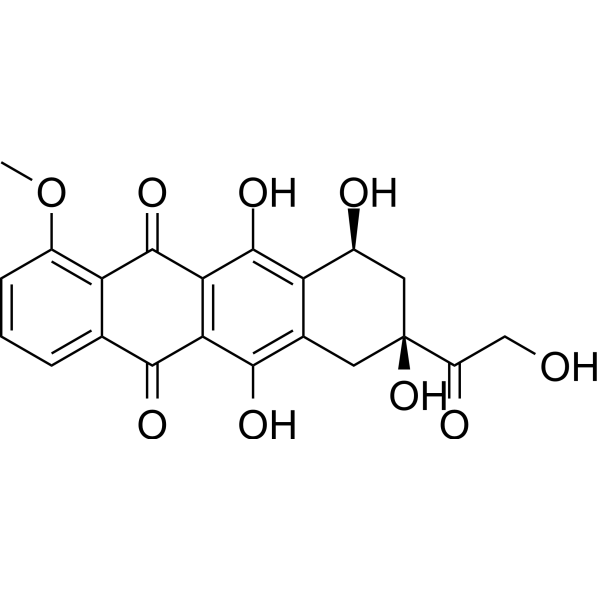 0 ImagesSynonyms: Adriamycin aglycone; AdriamycinoneDoxorubicinone (Adriamycin aglycone) is the aglycone of the antibiotic Doxorubicin (HY-15142A), i.e., its sugar-free parent nucleus structure. Doxorubicinone does not induce DNA damage or bind to RelA, but still downregulates the expression of pro-inflammatory cytokines (such as TNF, IL-12, etc.) regulated by the NF-κB pathway. Doxorubicinone can be used in sepsis-related research.
-
Cromolyn (Standard)
 0 ImagesSynonyms: Cromoglycate (Standard); Cromoglicic acid (Standard); FPL-670 free acid (Standard)Cromolyn (Standard) is the analytical standard of Cromolyn. This product is intended for research and analytical applications. Cromolyn (Cromoglycate) is an orally active GSK-3β inhibitor with an IC50 of 2.0 μM. Cromolyn is also a mast cell stabilizer that can inhibit the release of mediators from mast cells, regulate reflex bronchoconstriction, and reduce non-specific bronchial hyperreactivity, and Cromolyn can be used in the research of bronchial asthma. In addition, Cromolyn has multiple activities such as anti-inflammatory, anti-allergic, anti-histamine, anti-cancer, and neuroprotective effects.
-
Aureusidin
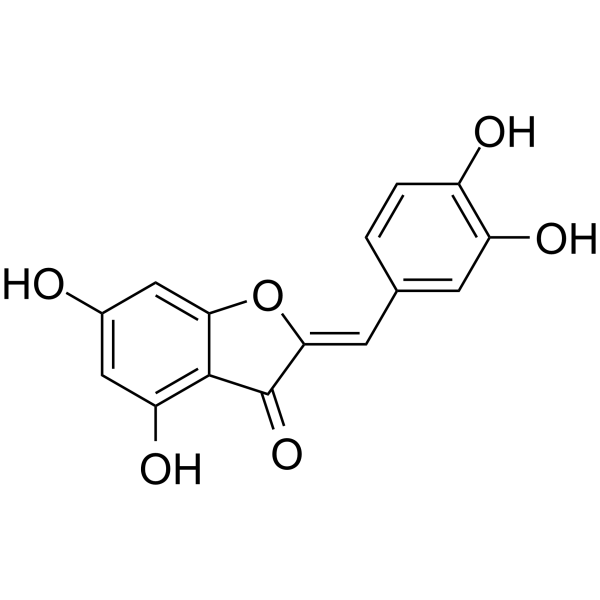 0 ImagesCat. No.: HY-N9834CAS No.: 38216-54-5Aureusidin is a flavonoid compound that is isolated and extracted from Antirrhinum majus and exhibits oral activity. Aureusidin possesses antioxidant, neuroprotective, and anti-inflammatory properties. Aureusidin directly targets and binds MD2 and Caspase-3 with high affinity, synergistically inhibits the TLR4/NF-κB inflammatory pathway and GSDME-mediated pyroptosis, and activates the Nrf2/HO-1 antioxidant axis via the ROS/MAPKs pathway. Aureusidin is a bovine liver arginase inhibitor with an IC50 of 57.1 µM. Aureusidin is used for research on inflammation-related diseases (osteoarthritis), acute liver injury, and endothelial dysfunction.
-
PROTAC HDAC6 degrader 7
 0 ImagesCat. No.: HY-179421CAS No.: 3133307-16-8PROTAC HDAC6 degrader 7 is an orally active, highly efficient, and selective PROTAC degrader targeting histone deacetylase 6 (HDAC6) (IC50 = 118 nM). PROTAC HDAC6 degrader 7 can eliminate both the catalytic and zinc-finger ubiquitin-binding domain. PROTAC HDAC6 degrader 7 inhibits NLRP3 inflammasome assembly and activation, as well as blocks NF-κB signaling, thereby reducing the transcription and release of key inflammatory factors. PROTAC HDAC6 degrader 7 can reduce the mRNA levels of NLRP3, pro-IL-1β, TNF-α, and IL-6. PROTAC HDAC6 degrader 7 can be used for the study of inflammatory bowel disease (IBD).
-
Ophiopogonin D (Standard)
 0 ImagesOphiopogonin D (Standard) is the analytical standard of Ophiopogonin D. This product is intended for research and analytical applications. Ophiopogonin D can be isolated from the tubers of Ophiopogon japonicus, is a rare naturally occurring C29 steroidal glycoside. Ophiopogonin D is a CYP2J3 inducer that significantly inhibits Ang II induced NF-κB nuclear translocation, IκBα down-regulation, intracellular Ca2+ overload and activation of pro-inflammatory cytokines by increasing the expression of CYP2J2/EETs and PPARα in human umbilical vein endothelial cells (HUVECs). Ophiopogonin D can inhibit isteoclastic differentiation in RAW264.7 cells. Ophiopogonin D has protective effect as an antioxidant in H2O2-induced endothelial injury. Ophiopogonin D blocks ERK signaling cascades. Ophiopogonin D alleviates high-fat diet-induced metabolic syndrome and changes the structure of gut microbiota in mice. Ophiopogonin D has been used against inflammatory, metabolic and cardiovascular diseases.




