



NO Synthase Activator
-
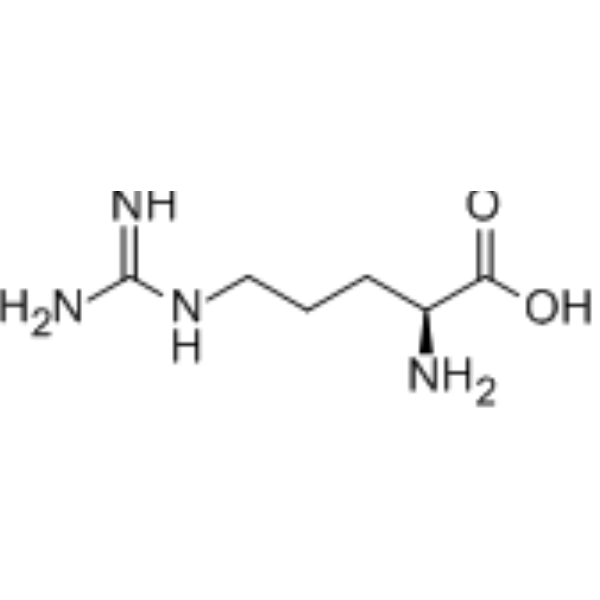
L-Arginine
 0 Images
L-Arginine ((S)-(+)-Arginine) is the substrate for the endothelial nitric oxide synthase (eNOS) to generate NO. L-Arginine is transported into vascular smooth muscle cells by the cationic amino acid transporter family of proteins where it is metabolized to nitric oxide (NO), polyamines, or L-proline. L-Arginine is a potent vasodilator, and can be used to induce experimental acute pancreatitis.
-
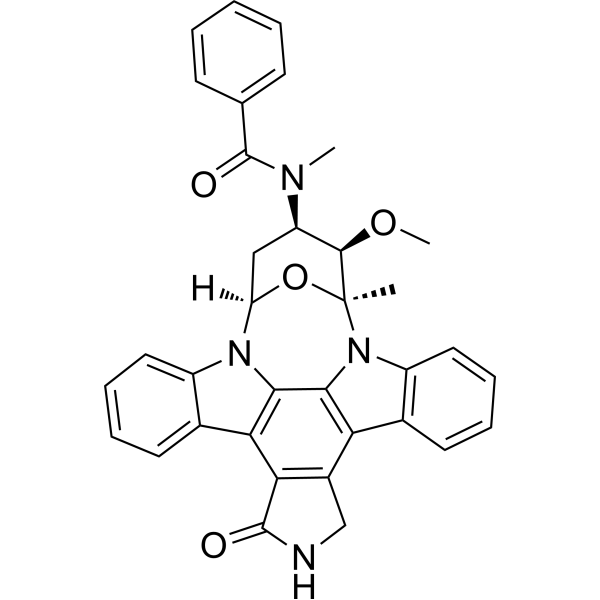
Midostaurin
 0 ImagesSynonyms: PKC412; CGP 41251
Midostaurin (PKC412; CGP 41251) is an orally active, reversible multi-targeted protein kinase inhibitor. Midostaurin inhibits PKCα/β/γ, Syk, Flk-1, Akt, PKA, c-Kit, c-Fgr, c-Src, FLT3, PDFRβ and VEGFR1/2 with IC50s ranging from 22-500 nM. Midostaurin also upregulates endothelial nitric oxide synthase (eNOS) gene expression. Midostaurin shows powerful anticancer effects.
-
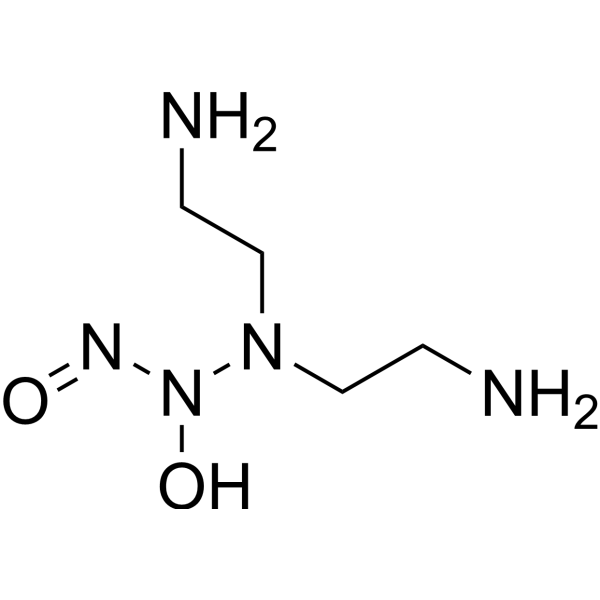
DETA NONOate
 0 ImagesSynonyms: Diethylamine NONOate; NOC-18
DETA NONOate (NOC 18) is an exogenous nitric oxide (NO) donor. DETA NONOate shows a slow release normal amounts of NO and long-acting.
-
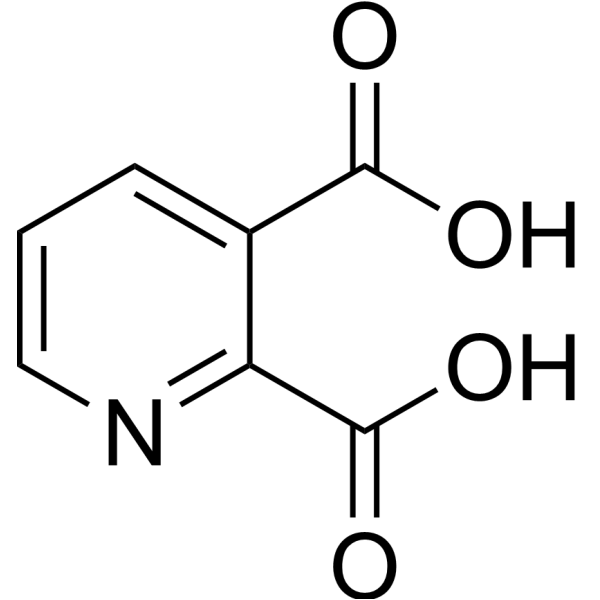
Quinolinic acid
 0 Images
Quinolinic acid, an endogenous metabolite of tryptophan, is a N-methyl-D-aspartate receptor (NMDA receptor) agonist. Quinolinic acid increases glutamate efflux, induces the generation of ROS, activates nitric oxide synthase, produces excessive NO, leading to calcium ion influx and neuronal apoptosis.
-
Agatolimod
 0 ImagesSynonyms: ODN 2006; PF-3512676; CpG 7909; ODN 7909
Agatolimod ((ODN 2006; PF-3512676; CpG 7909)) is a TLR9 agonist and immunomodulator with an EC50 of 180 nM against human TLR9. Agatolimod activates and upregulates the expression of both TLR9 and TLR6, and mediates downstream signaling pathways via IRAK4, IRF5, IRF7. Agatolimod induces Th1-type innate and adaptive immune responses, activates various immune cells and promotes antigen presentation, regulates antibody levels and immune cell infiltration, upregulates the secretion of multiple cytokines, induces apoptosis and cell cycle arrest, enhances cytotoxicity, and clears intracellular Salmonella. Agatolimod is applicable to research on COVID-19, breast cancer, lung adenocarcinoma, HPV-related tumors, melanoma, and salmonellosis.
-
Ligustrazine
 0 Images
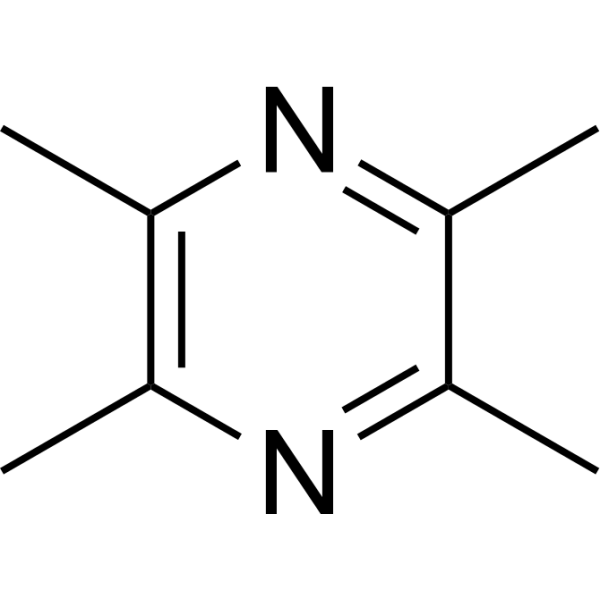
Ligustrazine (Chuanxiongzine) is an orally active, blood-brain barrier-permeable alkaloid. It can be isolated from Ligusticum striatum DC. Ligustrazine reduces ROS, upregulates the levels of p-Akt/Akt and p-eNOS/eNOS, and decreases ALT and AST. It inhibits glutamate excitotoxicity, calcium overload, oxidative stress, ischemia-reperfusion injury and atherosclerotic plaque progression, enhances synaptic plasticity, and improves neurological function, cerebral infarct volume and brain water content. Ligustrazine possesses anti-inflammatory, antioxidant, lipid-lowering, endothelial protective and hepatoprotective activities. It can be used in studies related to ischemic stroke, cerebral ischemia-reperfusion injury and atherosclerosis.
-
Curdlan
 0 Images
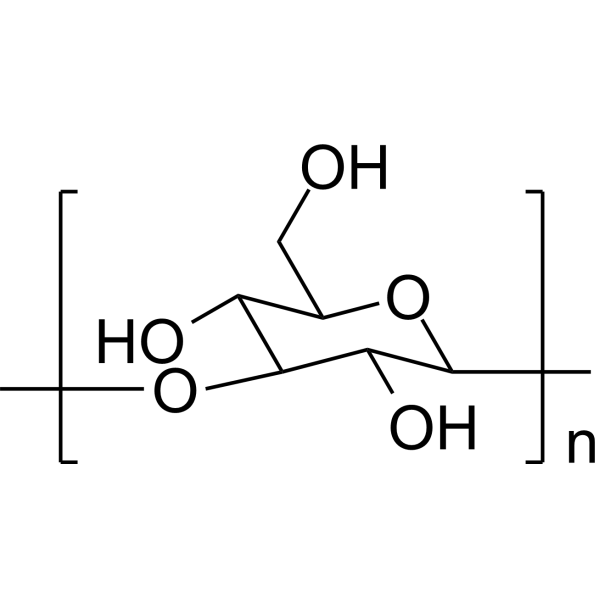
Curdlan is a polysaccharide found in bacteria, consisting of a glucose homopolymer with β-1,3-glycosidic linkages. Curdlan can be recognized by Dectin-1 (a C-type lectin receptor), inducing immune responses in tissue mast cells and enhancing dendritic cell effects in tumor immunity. Curdlan holds potential for research in cancer and immune-inflammatory diseases.
-
PRE-084 hydrochloride
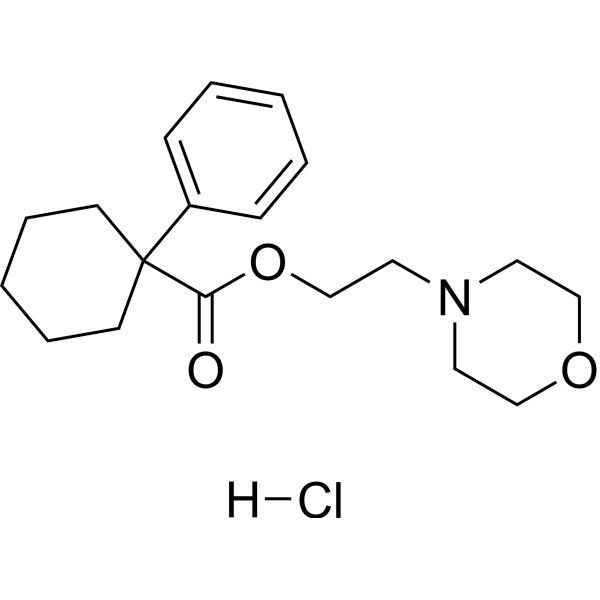 0 Images
PRE-084 hydrochloride is a highly selective σ1 receptor (S1R) agonist, with an IC50 of 44 nM. PRE-084 hydrochloride exhibits good neuroprotective effects, can improve motor function and motor neuron survival in mice. PRE-084 hydrochloride also can ameliorate myocardial ischemia-reperfusion injury in rats by activating the Akt-eNOS pathway.
-
β-1,3-Glucan
 0 ImagesSynonyms: β Glucan
β-1,3-Glucan (β Glucan) is an orally active polysaccharide composed of glucose polymers. β-1,3-Glucan increase the activity of IKKβ kinase, enhances the production of nitric oxide. β-1,3-Glucan improves resistance to Vibrio harveyi infection. β-1,3-Glucan enhances immune response, promotes blood pressure recovery, reduces lung, kidney and liver damage, inhibits the growth of syngeneic tumors.
-
L-Arginine hydrochloride
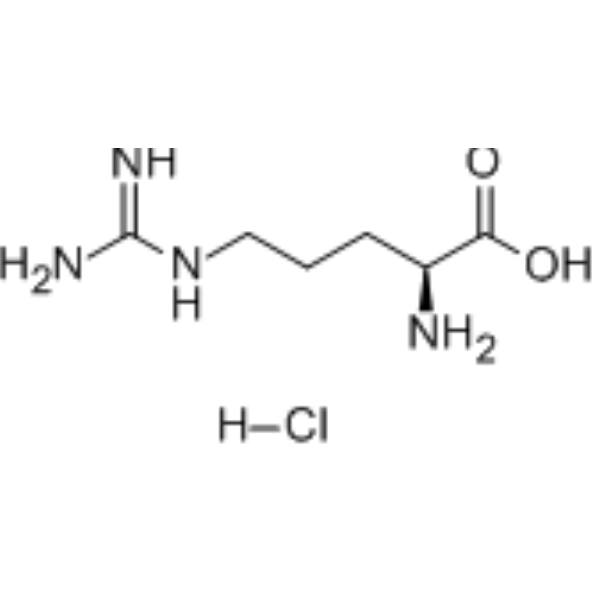 0 Images
L-Arginine ((S)-(+)-Arginine) is the substrate for the endothelial nitric oxide synthase (eNOS) to generate NO. L-Arginine is transported into vascular smooth muscle cells by the cationic amino acid transporter family of proteins where it is metabolized to nitric oxide (NO), polyamines, or L-proline. L-Arginine is a potent vasodilator, and can be used to induce experimental acute pancreatitis.
-
L-Arginine-13C6,15N4 hydrochloride
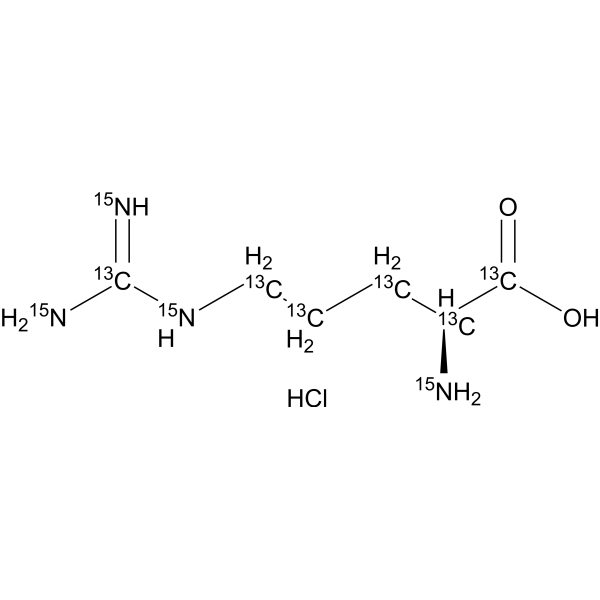 0 ImagesSynonyms: (S)-(+)-Arginine-13C6,15N4 hydrochloride
L-Arginine-13C6,15N4 (hydrochloride) is the 13C- and 15N-labeled L-Arginine hydrochloride. L-Arginine hydrochloride ((S)-(+)-Arginine hydrochloride) is the nitrogen donor for synthesis of nitric oxide, a potent vasodilator that is deficient during times of sickle cell crisis.
-
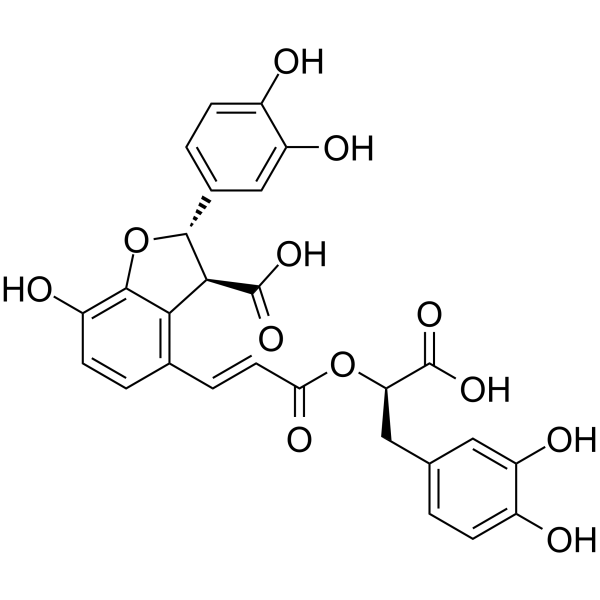
Lithospermic acid
 0 ImagesSynonyms: (+)-Lithospermic acid
Lithospermic acid ((+)-Lithospermic acid) is a plant-derived polycyclic phenolic carboxylic acid isolated from Salvia miltiorrhiza, and has the anti-oxidative and hepatoprotective activity on carbon tetrachloride (CCl4)-induced acute liver damage in vitro and in vivo.
-
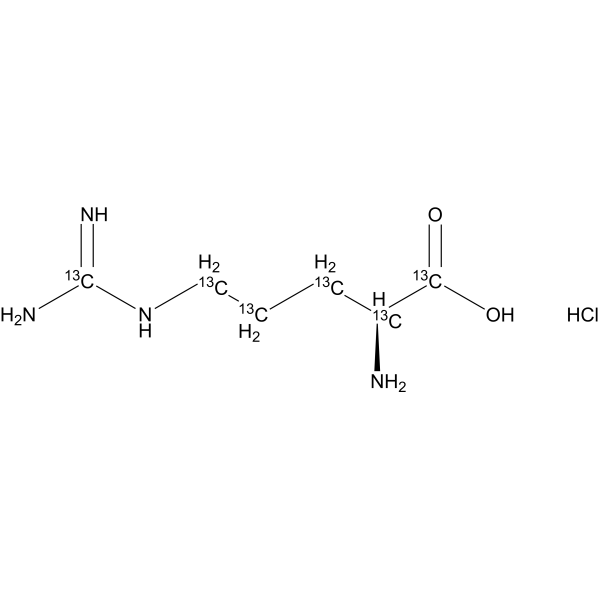
L-Arginine-13C6 hydrochloride
 0 ImagesSynonyms: (S)-(+)-Arginine-13C6 hydrochloride
L-Arginine-13C6 (hydrochloride) is the 13C-labeled L-Arginine hydrochloride. L-Arginine hydrochloride ((S)-(+)-Arginine hydrochloride) is the nitrogen donor for synthesis of nitric oxide, a potent vasodilator that is deficient during times of sickle cell crisis.
-
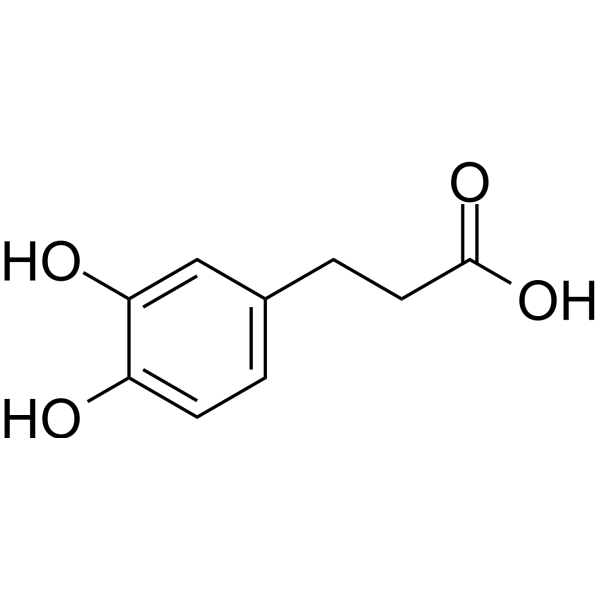
Dihydrocaffeic acid
 0 Images
Dihydrocaffeic acid is a microbial metabolite of flavonoids. Dihydrocaffeic acid scavenges intracellular ROS and increases nitric oxide synthase activity. Dihydrocaffeic acid reduces phosphorylation of MAPK p38 and prevent UVB-induced skin damage. Dihydrocaffeic acid has antioxidant, anti-inflammatory and anti-cartilage degradation activities.
-
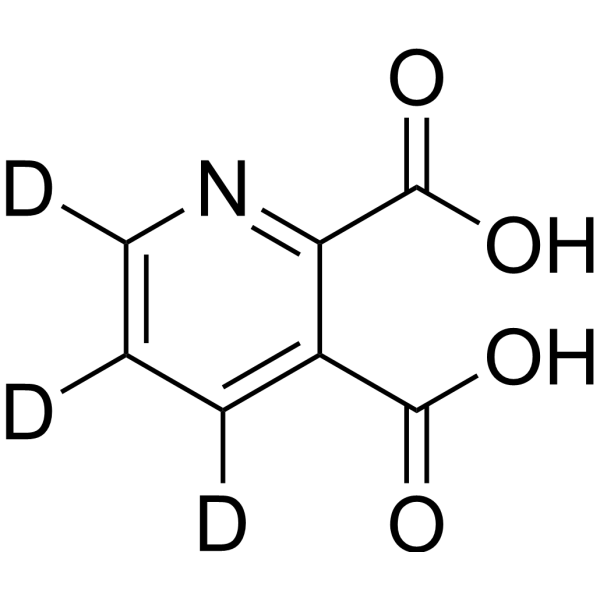
Quinolinic acid-d3
 0 Images
Quinolinic acid-d3 is the deuterium labeled Quinolinic acid. Quinolinic acid, an endogenous metabolite of tryptophan, is a N-methyl-D-aspartate receptor (NMDA receptor) agonist. Quinolinic acid increases glutamate efflux, induces the generation of ROS, activates nitric oxide synthase, produces excessive NO, leading to calcium ion influx and neuronal apoptosis.
-
Isosorbide dinitrate
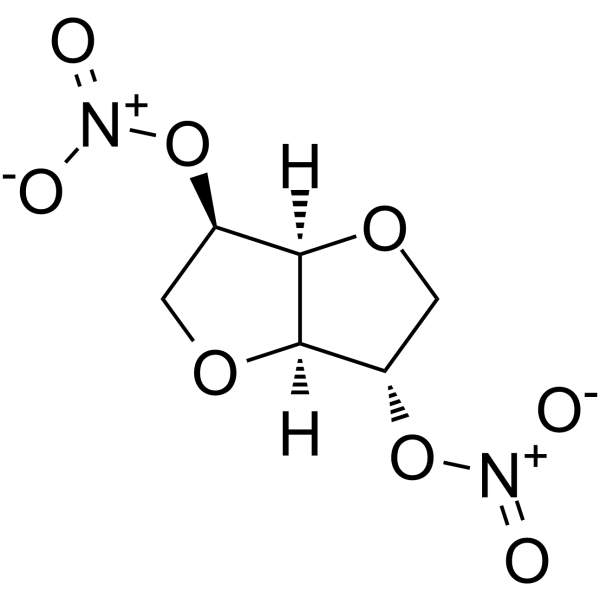 0 Images
Isosorbide dinitrate (ISDN) is an NO donor that prevents LV remodeling and degradation of cardiac function following myocardial infarction (MI).
-
ABH hydrochloride
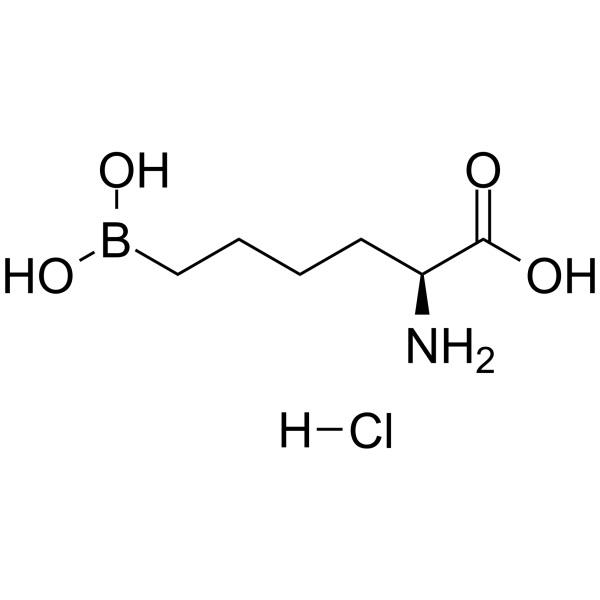 0 Images
ABH (hydrochloride) is an orally active arginase inhibitor (Ki = 8.5 nM). ABH hydrochloride promotes NO production and reduces the expression of inflammatory response-related molecules (ICAM-1, VCAM-1, MCP-1). ABH hydrochloride improves erectile function, reduces lung damage, promotes wound healing, reduces arterial blood pressure, and improves vascular fibrosis.
-
Quinolinic acid (Standard)
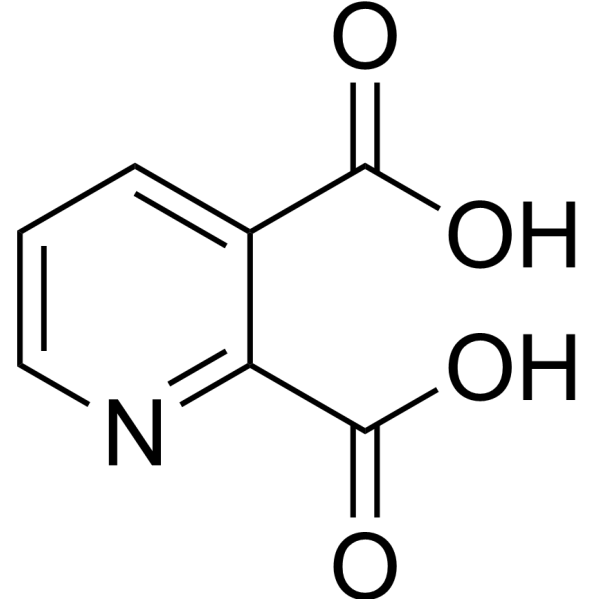 0 Images
Quinolinic acid (Standard) is the analytical standard of Quinolinic acid. This product is intended for research and analytical applications. Quinolinic acid, an endogenous metabolite of tryptophan, is a N-methyl-D-aspartate receptor (NMDA receptor) agonist. Quinolinic acid increases glutamate efflux, induces the generation of ROS, activates nitric oxide synthase, produces excessive NO, leading to calcium ion influx and neuronal apoptosis.
-
L-Arginine (Standard)
 0 Images
L-Arginine (Standard) is the analytical standard of L-Arginine. This product is intended for research and analytical applications. L-Arginine ((S)-(+)-Arginine) is the substrate for the endothelial nitric oxide synthase (eNOS) to generate NO. L-Arginine is transported into vascular smooth muscle cells by the cationic amino acid transporter family of proteins where it is metabolized to nitric oxide (NO), polyamines, or L-proline. L-Arginine is a potent vasodilator, and can be used to induce experimental acute pancreatitis.



