



NOD-like Receptor (NLR)
Nucleotide oligomerization domain (NOD)-like receptors (NLRs) are critical cytoplasmic pattern-recognition receptors (PRRs) that play an important role in the host innate immune response and immunity homeostasis. There are 23 NLR family members in humans and at least 34 NLR genes in mice. NLRs are expressed in many cell types including immune cells and epithelial cells, although certain NLR family members are expressed primarily in phagocytes including macrophages and neutrophils. The NLR family are most commonly classified according to their N-terminal domain, falling into one of four subfamilies; NLRA, NLRB, NLRC and NLRP.
The NLRs recognize various ligands from microbial pathogens (peptidoglycan, flagellin, viral RNA, fungal hyphae, etc.), host cells (ATPs, cholesterol crystals, uric acid, etc.), and environmental sources (alum, asbestos, silica, alloy particles, UV radiation, skin irritants, etc.). Most NLRs act as PRRs, recognizing the above ligands and activate inflammatory responses. However, some NLRs may not act as PRRs but instead respond to cytokines such as interferons. The activated NLRs show various functions that can be divided into four broad categories: inflammasome formation, signaling transduction, transcription activation, and autophagy.
NOD-like Receptor (NLR) Isoform Specific Products
All Product Categories
-
NOD-like Receptor (NLR) Inhibitors
(373)
View all products
-
NOD-like Receptor (NLR) Agonists
(25)
View all products
-
NOD-like Receptor (NLR) Antagonists
(8)
View all products
-
NOD-like Receptor (NLR) Activators
(48)
View all products
-
NOD-like Receptor (NLR) Modulators
(10)
View all products
-
NOD-like Receptor (NLR) Inducer
(1)
View all products
-
NOD-like Receptor (NLR) Degraders
(2)
View all products
-
NOD-like Receptor (NLR) Ligand
(1)
View all products
-
NOD-like Receptor Proteins
(1)
View all products
-
NLRP3 Proteins
(1)
View all products
-
NOD-like Receptor (NLR) Related Products (485)
Related Products (485)

-
Recombinant Proteins (1)
-
Antibodies (2)
-
NOD-like Receptor (NLR) Isoform Comparison
-
18α-Licorice-saponin H2
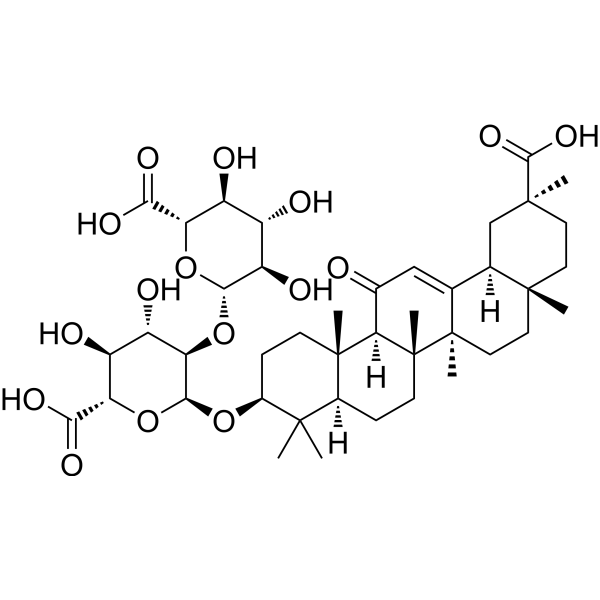 0 ImagesSynonyms: 18α-GA; Isoglycyrrhizinic acid; 18α-Glycyrrhizic acid18α-Glycyrrhizic acid (18α-GA; Isoglycyrrhizinic acid; 18α-Glycyrrhizic acid) is a derivative of glycyrrhizic acid with oral activity. 18α-Glycyrrhizic acid exhibits antioxidant, anti-inflammatory, hepatoprotective and cardioprotective activities. 18α-Glycyrrhizic acid protects against ethanol-induced alcoholic liver disease in rats by upregulating the expression levels of SOD, GSH, PPAR-α and CPT-1. 18α-Glycyrrhizic acid shows cytotoxicity against T lymphocytes and inhibits HIV-1 replication in these cells. 18α-Glycyrrhizic acid alleviates oxidative stress by reducing the levels of ROS, Nrf2, HO-1 and p-P65, and alleviates pyroptosis by downregulating the expression levels of NLRP3, GSDMD-N, P20 and c-IL-1β. 18α-Glycyrrhizic acid inhibits autophagy, colonic fibrosis and myocardial fibrosis, and regulates intestinal barrier integrity. 18α-Glycyrrhizic acid can be used in research related to alcoholic liver disease, HIV-1 infection, hepatotoxicity, acute liver failure, inflammatory bowel disease and myocardial fibrosis.
-
Pteryxin
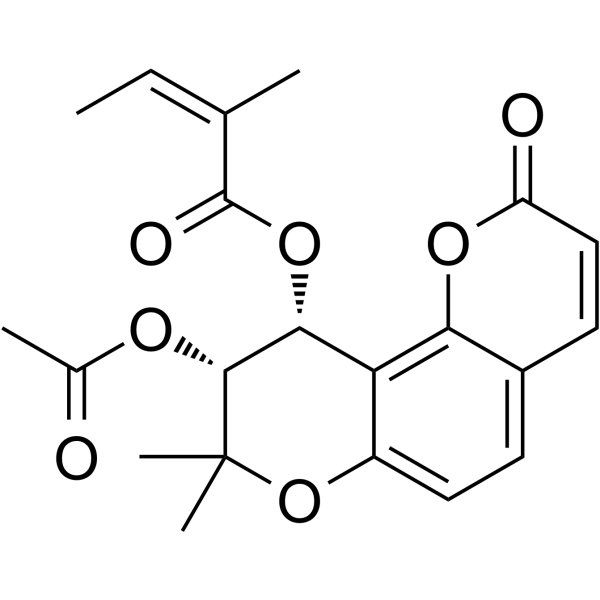 0 ImagesSynonyms: (+)-PteryxinPteryxin ((+)-Pteryxin) is an orally active multi-target inhibitor that targets NF-κB, MAPK, NLRP3 inflammasome, and Nrf2/ARE pathways. Pteryxin is also a BChE inhibitor (IC50=12.96 μg/mL) with a low inhibitory efficiency on AChE. Pteryxin inhibits the Ca2+-calcineurin-NFATc1 pathway by blocking NF-κB/MAPK signaling, inhibiting NLRP3 inflammasome activation, and reducing ROS generation, and activates Nrf2-mediated antioxidant enzyme expression. Pteryxin has anti-inflammatory, antioxidant, and osteoclastogenesis inhibitory activities. Pteryxin can be used in the study of inflammatory diseases, osteoporosis, diabetes, and Alzheimer's disease.
-
NIC-0102
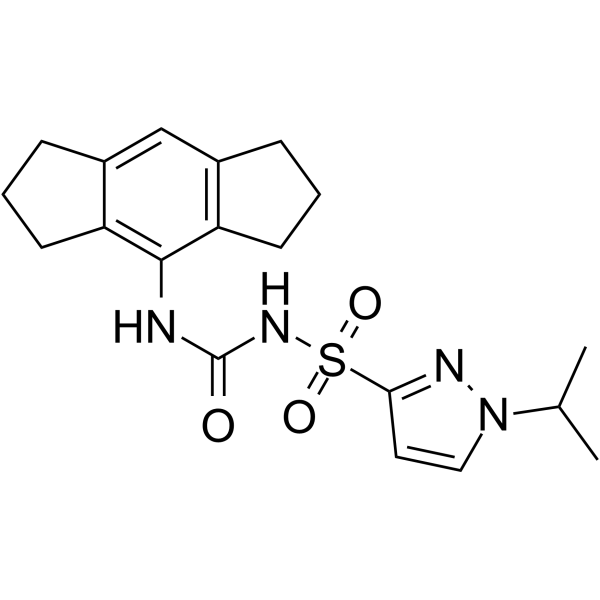
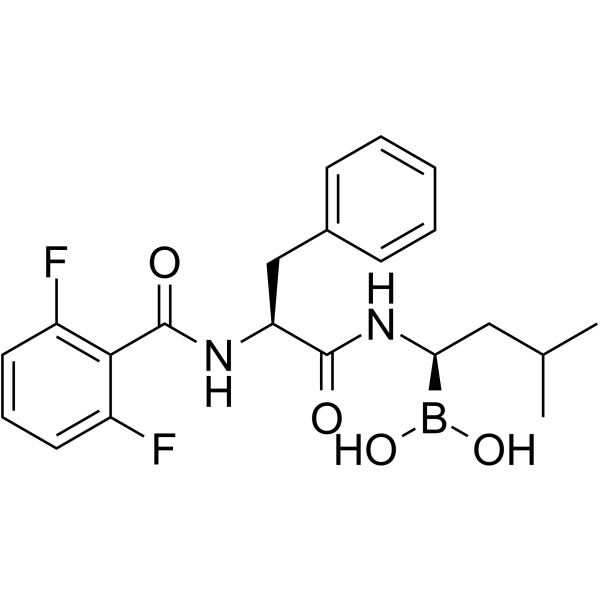 0 ImagesNIC-0102 is an orally active proteasome inhibitor (pIC50=7.55) that specifically inhibits NLRP3 inflammatory vesicle activation. NIC-0102 shows potent anti-inflammatory effects in a model of dextran sulfate sodium (DSS)-induced ulcerative colitis. NIC-0102 also inhibits production of pro-IL-1β.
-
HMGB1-IN-1
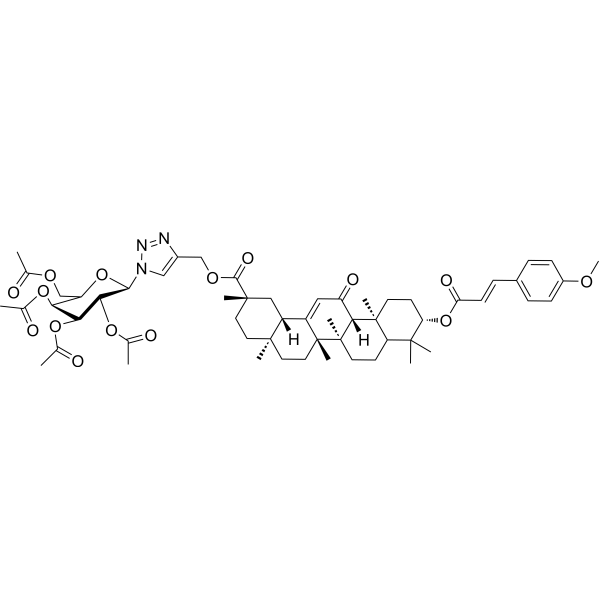 0 ImagesCat. No.: HY-155751Purity: 98.40%HMGB1-IN-1 (compound 6) displays strong NO inhibitory effect in RAW264.7 cells with IC50 value of 15.9 ± 0.6 μM. HMGB1-IN-1 inhibit the HMGB1/NF-κB/NLRP3 pathway. HMGB1-IN-1 shows good anti-inflammatory activity and good anti-sepsis effects in kidney injury.
-
D359-0396
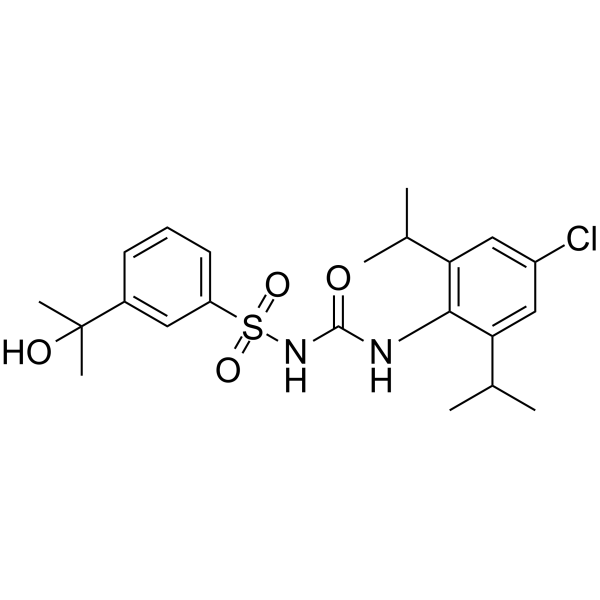
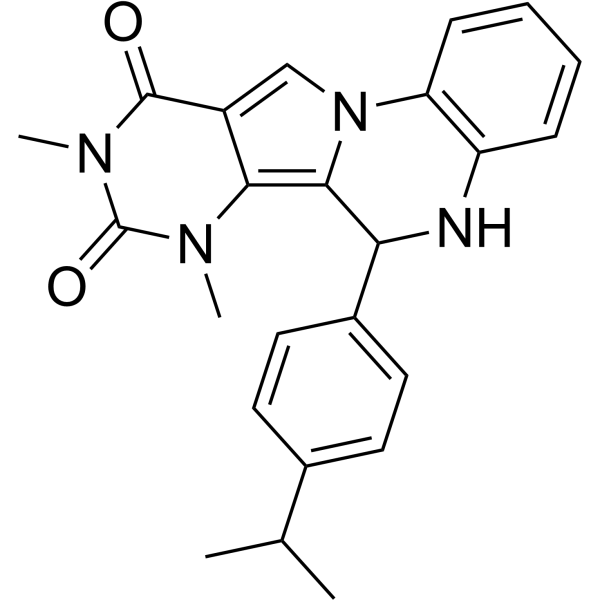 0 ImagesD359-0396 is an orally active NLRP3 inflammasome inhibitor. D359-0396 inhibits pyroptosis and IL-1β release in macrophages. D359-0396 also inhibits the oligomerization of NLRP3, ASC and the cleavage of GSDMD. D359-0396 alleviates EAE, and also improves survival after septic shock in mice.
-
Physalin B
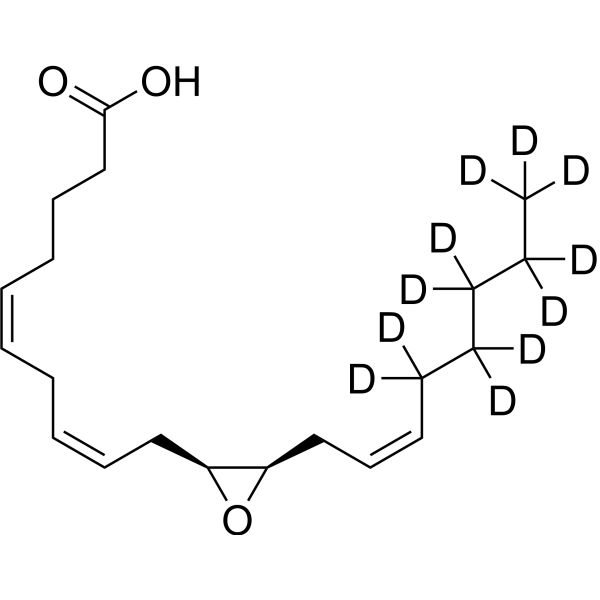
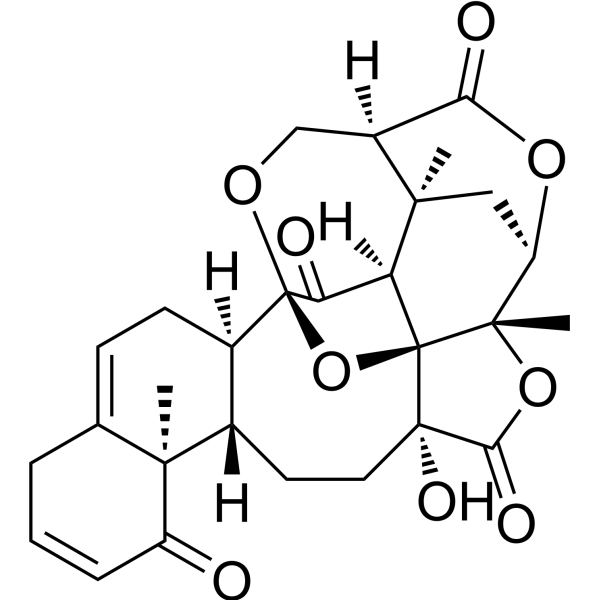 0 ImagesCat. No.: HY-N7695CAS No.: 23133-56-4Physalin B is an orally active anti-inflammatory and anticancer agent. Physalin B can be isolated from Physalis alkekengi L. var. Franchetii. Physalin B inhibits the activation of the NF-κB, NLRP3 inflammasome, STAT3, PI3K/Akt and Hedgehog signaling pathways, regulates the phosphorylation levels of GSK-3β, p38 MAPK, ERK1/2 and JNK, and promotes the nuclear translocation of NRF2. Physalin B reduces the levels of pro-inflammatory cytokines and factors, induces mitochondrial reactive oxygen species (mito-ROS) production, Apoptosis, G2/M cell cycle arrest and incomplete Autophagy, alters cytoskeleton structure and alleviates oxidative stress. Physalin B reduces cancer cell viability, ameliorates liver and lung tissue damage and alleviates liver fibrosis. Physalin B can be used in research related to ulcerative colitis, breast cancer, acute lung injury, colon cancer, non-alcoholic steatohepatitis, liver fibrosis, lung cancer, pancreatic cancer, lymphoma, ovarian cancer, sarcoma and leukemia.
-
P2Y14R antagonist 1
 0 ImagesP2Y14R antagonist 1 (compound I-17) is a selective P2Y14R antagonist with an IC50 of 0.6 nM. It exhibits potent P2Y14R antagonistic activity, both in vitro and in vivo efficacy, and favorable pharmacokinetic profiles. P2Y14R antagonist 1 reduces the release of inflammatory factors and cell pyroptosis through the NOD-like receptor family pyrin domain-containing 3 (NLRP3)/gasdermin D (GSDMD) signaling pathway. P2Y14R antagonist 1 holds promise for research in the field of acute gouty arthritis.
-
NLRP3-IN-21
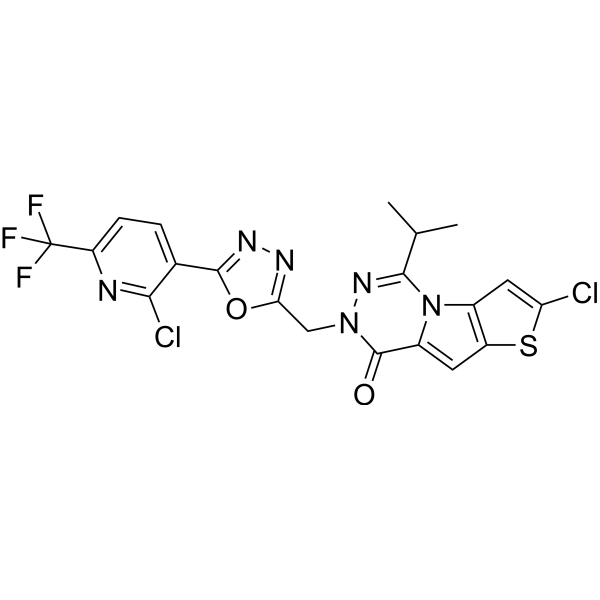 0 ImagesNLRP3-IN-21 (compound L38) is a NLRP3 inflammasome inhibitor with inflammatory properties. NLRP3-IN-21 inhibits NLRP3 inflammasome activation and pyroptosis by suppressing gasdermin D cleavage, ASC oligomerization, and NLRP3 inflammasome assembly.
-
Cichoriin
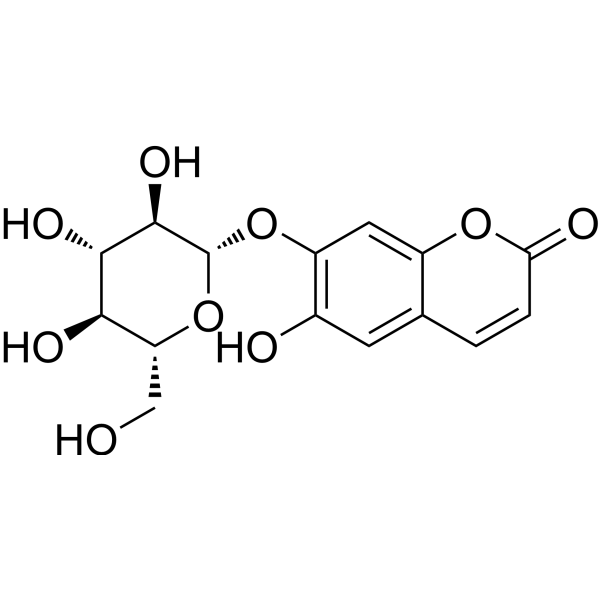 0 ImagesCichoriin is an orally active coumarin glycoside with broad biological activities. Cichoriin exhibits inhibitory activities against α-amylase, α-glucosidase, pancreatic lipase and DPP-IV, with IC50 values of 5.76, 2.94, 16.83 and 9.16 μg/mL, respectively. Cichoriin significantly improves metabolic dysfunction-associated steatohepatitis (MASH) in mice by activating the AMPK signaling pathway. Cichoriin upregulates PPAR-γ in adipose tissue and alleviates obesity and associated cardiorenal injury in rats. Cichoriin blocks monosodium urate crystal-induced activation of the NLRP3 inflammasome and cell pyroptosis by inhibiting P2Y14R (IC50 = 8.47 nM). In silico virtual screening reveals that Cichoriin has a strong binding affinity for SARS-CoV-2.
-
M464
 0 ImagesCat. No.: HY-179494Purity: 99.58%M464, a non-steroidal anti-inflammatory compound, is a potent and orally active NLRP3 inflammasome inhibitor. M464 inhibits pyroptosis and hinders the activation of downstream Caspase-1 expression and the release of IL-1β by impeding ASC oligomerisation and curtailing ROS production. M464 exhibits protective effects against acute lung and liver injury in mice. M464 can be used for the research of NLRP3-related inflammatory diseases.
-
AMS-17
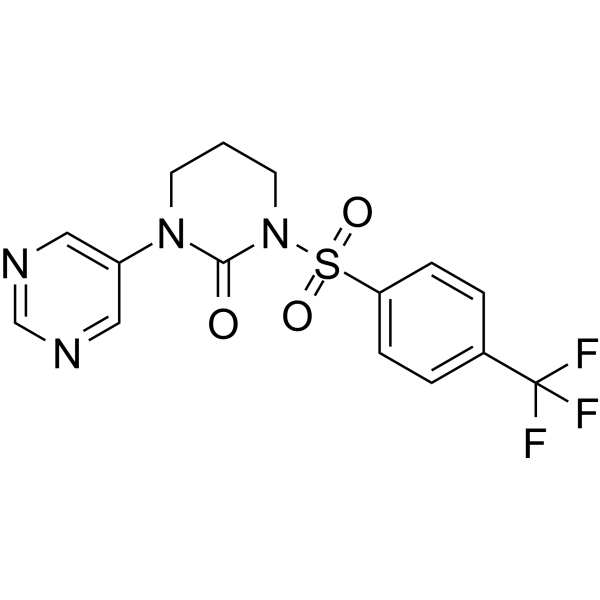 0 ImagesAMS-17 is a potent NLRP3 inhibitor, inhibiting microglia activation in vitro and in vivo. AMS-17 also inhibits cytokines such as caspase-1, TNF-α, IL-1β and inducible nitric oxide synthase (iNOS) in N9 cells. AMS-17 can be used for researching inflammation-associated neurological disorders, such as vascular dementia (VaD).
-
Isomangiferin
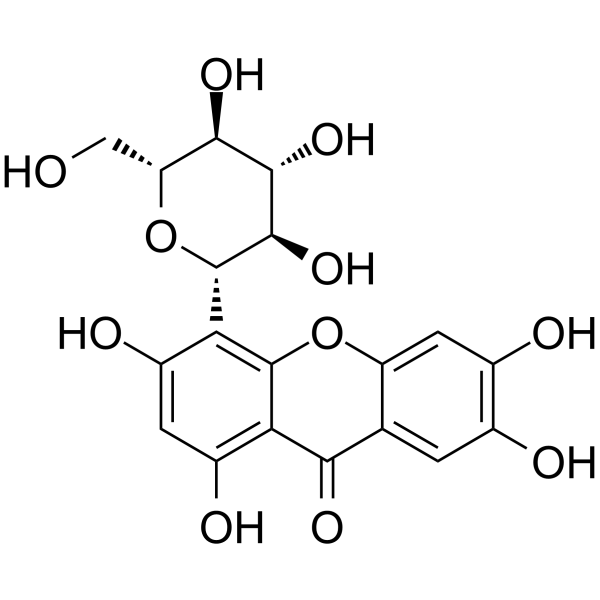 0 ImagesIsomangiferin is an orally active xanthone C-glucoside, and its chemical structure is similar to Mangiferin (HY-N0290). Isomangiferin is an effective VEGFR-2 kinase inhibitor, which can induces cell apoptosis, inhibit the growth, metastasis and angiogenesis of breast cancer. Isomangiferin exerts anti-inflammatory effects by inhibiting the HMGB1/NLRP3/NF-κB signaling pathway, thereby improving the renal function indicators of diabetic mice. Isomangiferin exhibits inhibitory effects on various bacteria and herpes simplex virus type 1 (HSV-1). Isomangiferin promotes the migration and osteogenic differentiation of bone marrow mesenchymal stem cells (BMSCs) and reduces cell apoptosis and the production of ROS by activating the AMPK/ACC pathway, thereby facilitating fracture healing.
-
JT001 sodium
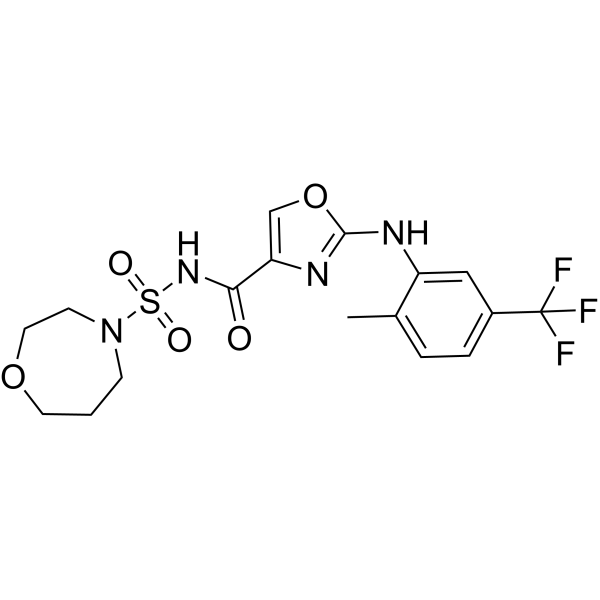
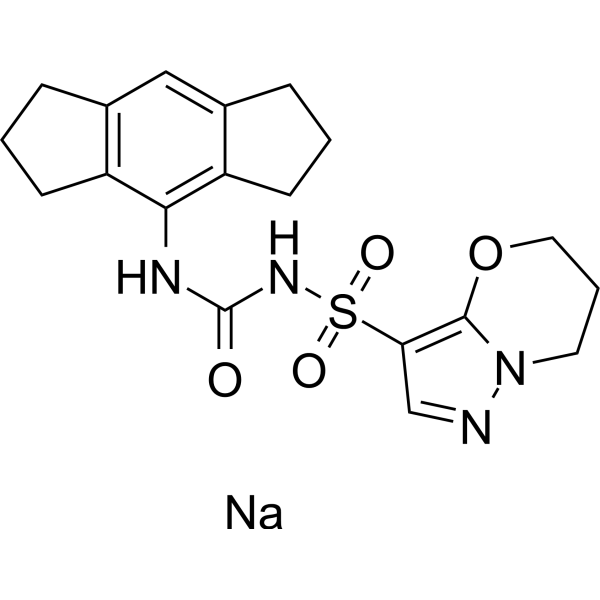 0 ImagesSynonyms: NLRP3-IN-19 sodiumJT001 (NLRP3-IN-19) sodium is a potent, specific and orally active inhibitor of NLRP3. JT001 sodium can inhibit NLRP3 inflammasome assembly, resulting in the inhibition of cytokine release and the prevention of pyroptosis. JT001 sodium can be used for the research of nonalcoholic steatohepatitis and liver fibrosis.
-
(E/Z)-Necrosulfonamide
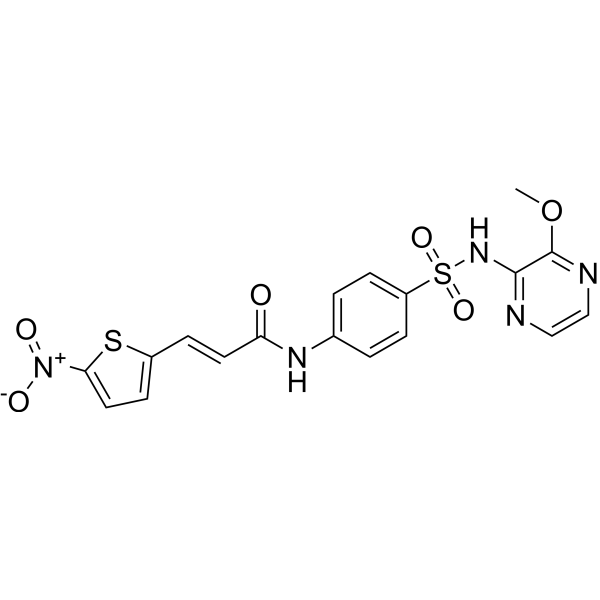 0 Images(E/Z)-Necrosulfonamide is a racemic compound of Necrosulfonamide (HY-100573). Necrosulfonamide is a MLKL and Gasdermin D (GSDMD) inhibitor, capable of separately inhibiting necroptosis and pyroptosis of cells. Necrosulfonamide does not affect the activation of upstream signals, but specifically inhibits the downstream executor oligomerization step. Necrosulfonamide reduces the expression of the key kinases NLRP3 and caspase-1 involved in necroptosis and pyroptosis, activate the Nrf2 pathway and the downstream antioxidant enzymes, and also downregulates a variety of inflammatory factors. Necrosulfonamide plays significant roles in various diseases such as neurodegenerative diseases (such as Parkinson’s disease), tissue damage and ischemia-reperfusion injury, inflammatory bowel disease, osteoarthritis and fracture repair, and hair loss by regulating two important programmed necrosis pathways.
-
Articaine hydrochloride
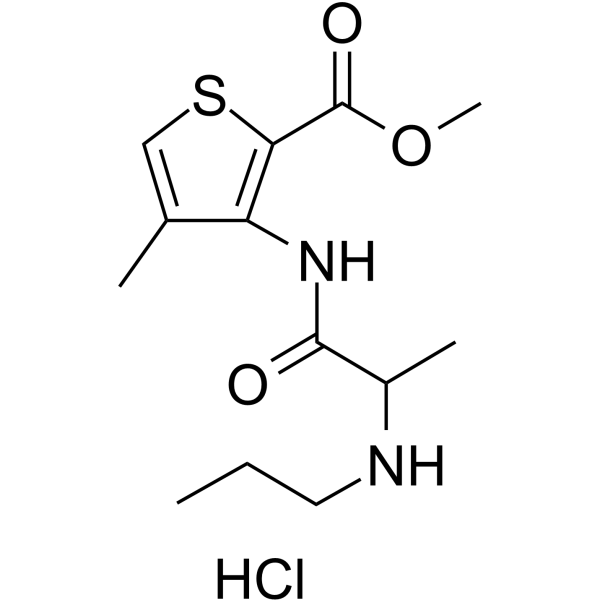 0 ImagesSynonyms: Hoe-045Articaine (Hoe-045) hydrochloride is a selective inhibitor of voltage-gated sodium channels (such as rNav1.4, hNav1.7, and rNav1.8), with an IC50 of 15.8 μM for open-state Na+ channels, and IC50 of 40.6 μM and 378 μM for inactivated and resting-state Na+ channels, respectively. Articaine hydrochloride exerts local anesthetic activity by inhibiting Na+ influx to block nerve impulse conduction, and can also inhibit NF-κB activation and NLRP3 inflammasome pathways, exhibiting anti-inflammatory function. Articaine hydrochloride can be used in the study of dental local anesthesia and inflammatory-related diseases (such as acute kidney injury).




