



PI3K
PI3K signaling regulates cellular function by linking growth factors, GPCRs, and oncogene products to intracellular lipid signaling[1]. Mechanistically, class I PI3K isoforms generate PIP3, a second messenger that controls cell movement, growth, survival, and differentiation[2][3]. Therefore, PI3K biology provides a practical framework for studying metabolism, immune-system function, cancer, and inflammation[1][2]. In disease-focused models, PI3K pathway activation supports cancer-cell growth, survival, motility, and metabolism, making pathway inhibition relevant for genetically and clinically defined cancers[2]. Compared with related isoforms, PI3Kα inhibition is most effective in cancers with genetic activation of this isoform, whereas PI3Kδ inhibition acts mainly through B-cell antigen receptor signaling and tumor-stroma interactions[4]. PI3Kδ and PI3Kγ also function prominently in leukocytes, and dual blockade with IPI-145 suppressed immune responses in autoimmune and inflammatory disease models[5]. For experimental applications, IPI-145 inhibited PI3K/AKT/S6 signaling, reduced CLL-cell chemokine secretion and chemotaxis, and promoted apoptosis in BCR-stimulated or stromal co-cultured primary CLL cells[6].
References:
- [1]. Vanhaesebroeck B, et al. PI3K signalling: the path to discovery and understanding. Nat Rev Mol Cell Biol. 2012 Feb 23;13(3):195-203. [Content Brief]
- [2]. Fruman DA, et al. The PI3K Pathway in Human Disease. Cell. 2017 Aug 10;170(4):605-635. [Content Brief]
- [3]. Hawkins PT, et al. PI3K signalling in inflammation. Biochim Biophys Acta. 2015 Jun;1851(6):882-97. [Content Brief]
- [4]. Vanhaesebroeck B, et al. PI3K inhibitors are finally coming of age. Nat Rev Drug Discov. 2021 Oct;20(10):741-769. [Content Brief]
- [5]. Winkler DG, et al. PI3K-δ and PI3K-γ inhibition by IPI-145 abrogates immune responses and suppresses activity in autoimmune and inflammatory disease models. Chem Biol. 2013 Nov 21;20(11):1364-74. [Content Brief]
- [6]. Balakrishnan K, et al. The phosphoinositide-3-kinase (PI3K)-delta and gamma inhibitor, IPI-145 (Duvelisib), overcomes signals from the PI3K/AKT/S6 pathway and promotes apoptosis in CLL. Leukemia. 2015 Sep;29(9):1811-22. [Content Brief]
All Product Categories
-
PI3K Inhibitors
(473)
View all products
-
PI3K Agonists
(8)
View all products
-
PI3K Antagonist
(1)
View all products
-
PI3K Activators
(106)
View all products
-
PI3K Modulators
(20)
View all products
-
PI3K Inducers
(3)
View all products
-
PI3K Degraders
(2)
View all products
-
PI3K Controls
(4)
View all products
-
PI3K Ligands
(4)
View all products
-
PI3K Related Products (671)
Related Products (671)

-
Antibodies (6)
-
20-5,14-HEDE
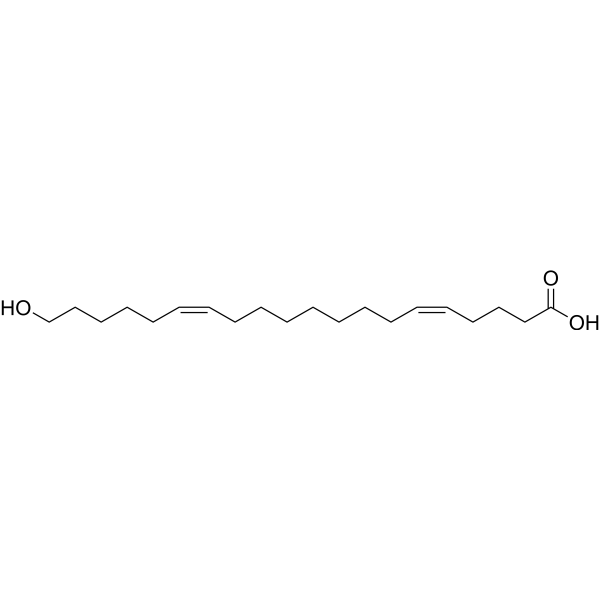 0 ImagesSynonyms: WIT00320-5,14-HEDE (WIT003) is an analog of 20-HETE. 20-5,14-HEDE activates PI3K/Akt signaling pathway, thereby exhibiting anti-apoptotic and cell survival promoting effects. 20-5,14-HEDE is the agonist for 20-HETE that increases intracellular Ca2+ concentrations, thereby enhancing vasoconstriction.
-
Phellopterin
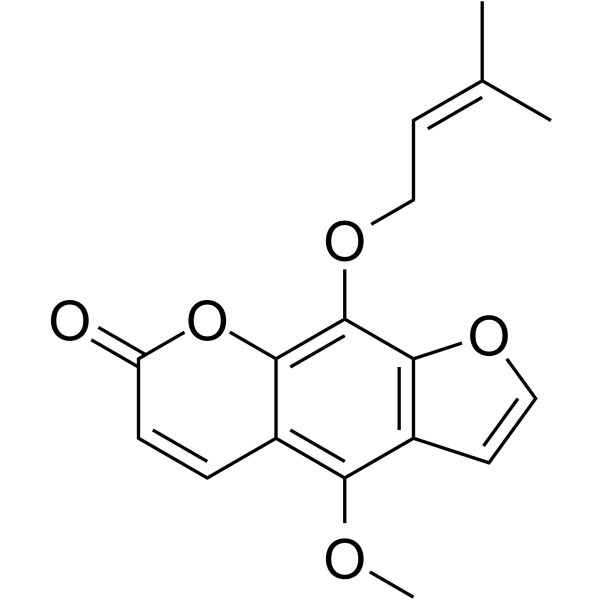 0 ImagesPhellopterin, an orally active furocoumarin with multiple biological activities. Phellopterin is a partial agonist of the central benzodiazepine receptors. Phellopterin exerts anti-inflammatory effects by upregulating SIRT1, downregulating ICAM-1 (reducing chronic inflammation, aiding diabetic ulcer healing), inhibiting STAT3 phosphorylation (easing atopic dermatitis inflammation), regulating Akt/PKC pathways (lowering TNF-α-induced VCAM-1 to block monocyte adhesion), and inhibiting TLR4/NF-κB pathway and macrophage M2 polarization (alleviating colitis-related cancers). Phellopterin suppresses ovarian cancer progression via inhibiting the PU.1/CLEC5A/PI3K-AKT loop (inducing cell cycle arrest, apoptosis, DNA damage). Phellopterin alleviates murine diabetes by promoting adipocyte differentiation and increasing PPARγ. Phellopterin also has anti-HSV-1 activity. Phellopterin can be used for studying anti-inflammation, anti-cancer (e.g., ovarian cancer, colitis cancer), blood glucose lowering, anti-diabetes, and anti-virus.
-
D-Allose
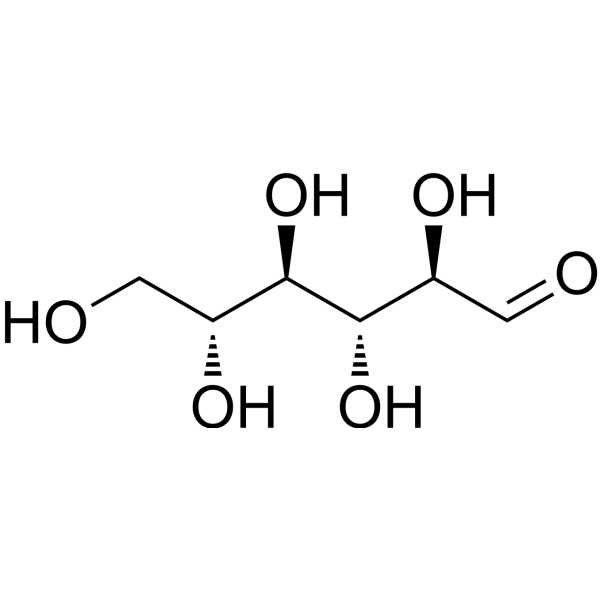 0 ImagesD-Allose exhibits antitumor activity against various cancer cells. D-Allose scavenges reactive oxygen species (ROS) and reduces oxidative stress damage. D-Allose exhibits anti-inflammatory and neuroprotective through inhibition of TLR4/PI3K/AKT signaling pathway. D-Allose exhibits antihypertensive, cryoprotective, and anti-osteoporotic activities.
-
RMC-4998
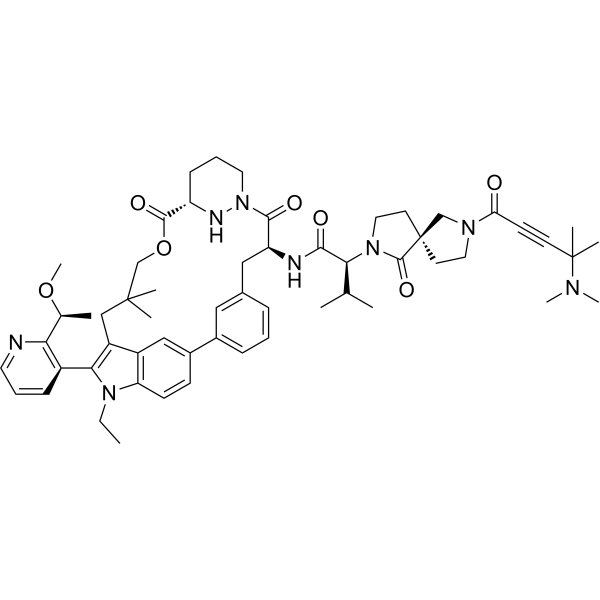 0 ImagesRMC-4998 is an orally active inhibitor targeting the active or GTP-bound state of the KRASG12C mutant. RMC-4998 can form a ternary complex with intracellular CYPA and the activated KRASG12C mutant, with an IC50 value of 28 nM. RMC-4998 can inhibit ERK signaling in KRASG12C mutant cancer cells and induce apoptosis. RMC-4998 can be used for tumor research.
-
Sipeimine
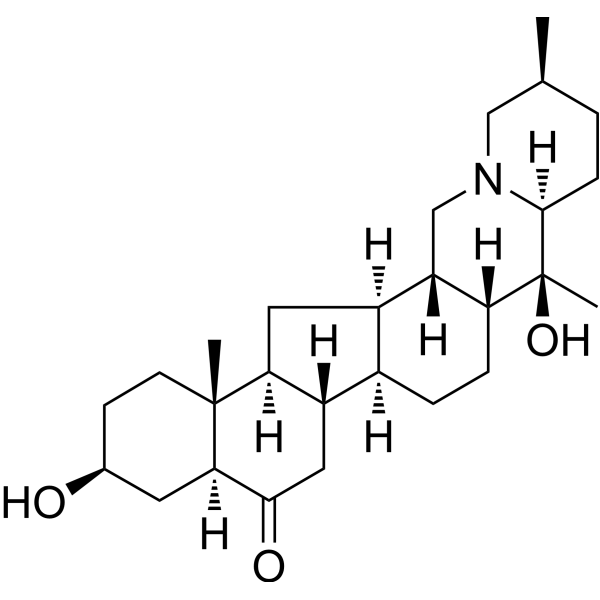 0 ImagesSynonyms: ImperialineSipeimine (Imperialine) is an inhibitor targeting the PI3K/AKT/NF-κB pathway and NLRP3 inflammasome, which can competitively bind to PI3K and p65. Sipeimine inhibits PI3K/AKT phosphorylation, blocks NF-κB nuclear translocation and NLRP3 inflammasome activation. Sipeimine exerts anti-inflammatory activities, inhibits pyroptosis and ferroptosis, and protects the extracellular matrix. Sipeimine can reduce cartilage degradation and synovial inflammation in osteoarthritis and improve PM2.5-induced lung injury. Sipeimine is mainly used in the study of anti-inflammatory and degenerative diseases.
-
α-Linolenic acid-13C18
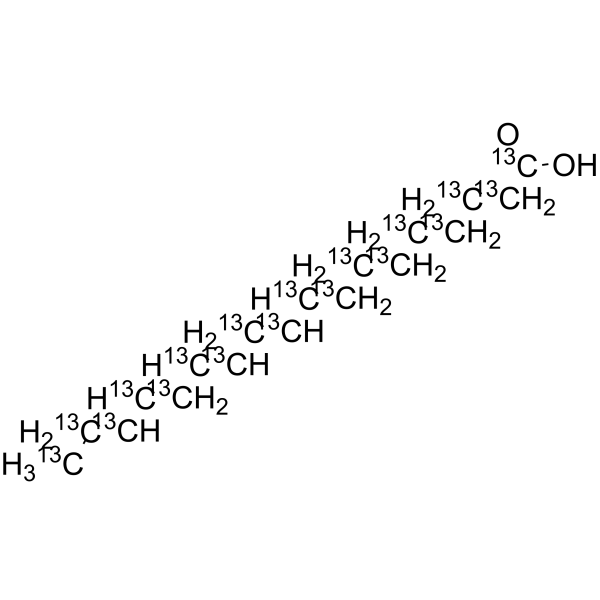 0 Imagesα-Linolenic acid-13C18 is the 13C labeled α-Linolenic acid. α-Linolenic acid, isolated from seed oils, is an essential fatty acid that cannot be synthesized by humans. α-Linolenic acid can affect the process of thrombotic through the modulation of PI3K/Akt signaling. α-Linolenic acid possess the anti-arrhythmic properties and is related to cardiovascular disease and cancer.
-
Hyaluronic acid (MW 50000-100000)
 0 ImagesSynonyms: Hyaluronan (MW 50000-100000); Hyaluronate (MW 50000-100000)Hyaluronic acid (MW 50000-100000) (Hyaluronan (MW 50000-100000)) is a biopolymer composed of repeating units of disaccharides with a molecular weight of 50000-100000 Da. Hyaluronic acid (MW 50000-100000) can be used as a drug carrier for drug delivery.
-
PI3K/Akt/mTOR-IN-2
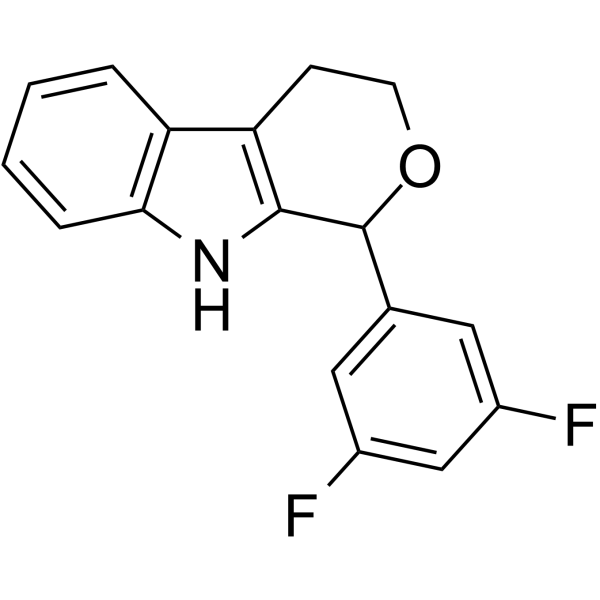 0 ImagesPI3K/Akt/mTOR-IN-2 is a PI3K/AKT/mTOR pathway inhibitor. PI3K/Akt/mTOR-IN-2 possess anti-cancer effects and selectivity against MDA-MB-231 cells with IC50 value of 2.29 μM. PI3K/Akt/mTOR-IN-2 can induce cancer cell cycle arrest and apoptosis.
-
Tioconazole
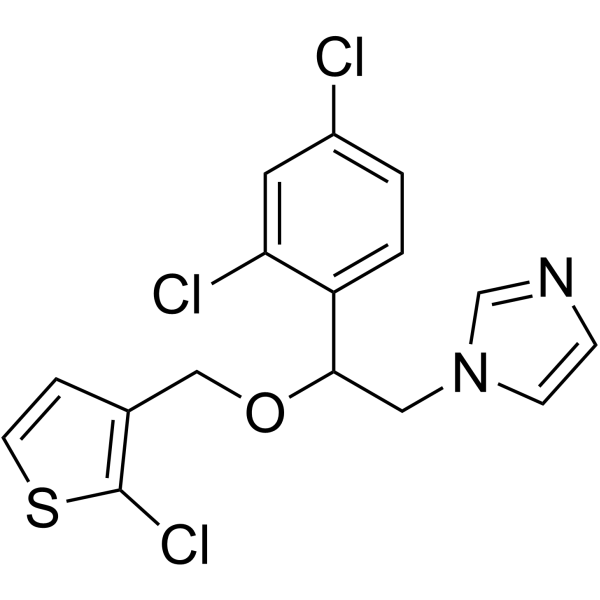 0 ImagesSynonyms: UK-20349Tioconazole (UK-20349) is a broad-spectrum antifungal imidazole derivative. Tioconazole inhibits several dermatophytes and yeasts, with MIC50 values of less than 3.12 mg/L and 9 mg/L, respectively. Additionally, Tioconazole exhibits anti-parasitic activity. Tioconazole exerts anticancer activity by inhibiting the PI3K/AKT/mTOR signaling pathway and blocking autophagy. Tioconazole is applicable for research in the fields of anti-infection and anticancer therapy.
-
Epimedin B
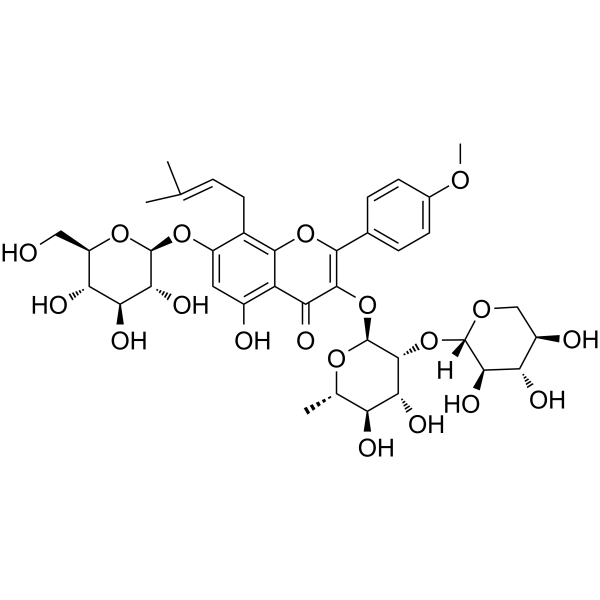 0 ImagesSynonyms: Epmedin BEpimedin B (Epmedin B) is a flavonoid active component found in Epimedium, with oral activity, and exhibits anti-osteoporotic and neuroprotective effects. Epimedin B inhibits RANKL-induced osteoclast differentiation, F-actin ring formation, and mature osteoclast bone resorption, inhibits the phosphorylation of JNK, p38 MAPK, PI3K, and AKT, activates the AMPK-Nrf2 antioxidant pathway, and reduces cellular and mitochondrial ROS. Epimedin B acts on ESR1 and exerts its effects via GPER. Epimedin B alleviates bone loss and improves bone microstructure in vivo, and in Parkinson's models protects dopaminergic neurons and maintains striatal dopamine levels through anti-apoptotic and anti-endoplasmic reticulum stress effects. Epimedin B can be used for research related to osteoporosis, diabetic osteoporosis, and Parkinson's disease.
-
Oxypeucedanin
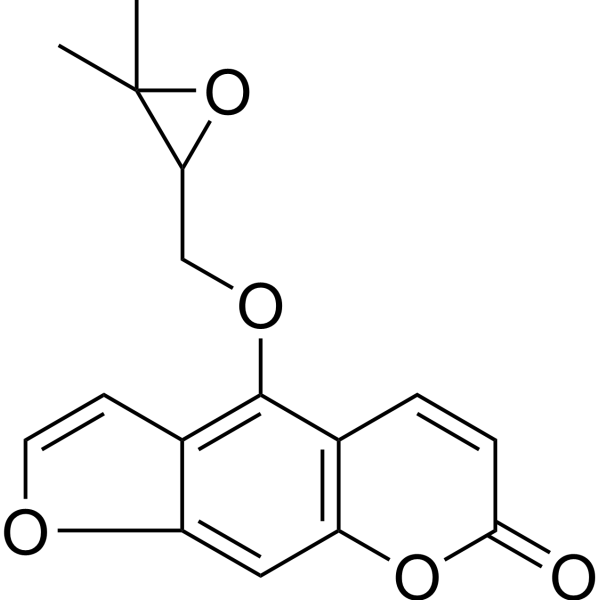 0 ImagesOxypeucedanin is a furanocoumarin derivative found in Angelica dahurica. Oxypeucedanin is an orally active PI3K/AKT/NF-κB, MAPK, and ROS inhibitor. Oxypeucedanin induces cell cycle arrest and apoptosis. Oxypeucedanin inhibits hKv1.5 channel currents (IC50: 76 nM). Oxypeucedanin exhibits anticancer, anti-inflammatory, antioxidant and antiarrhythmic activities.
-
Endoxifen (Z-isomer)
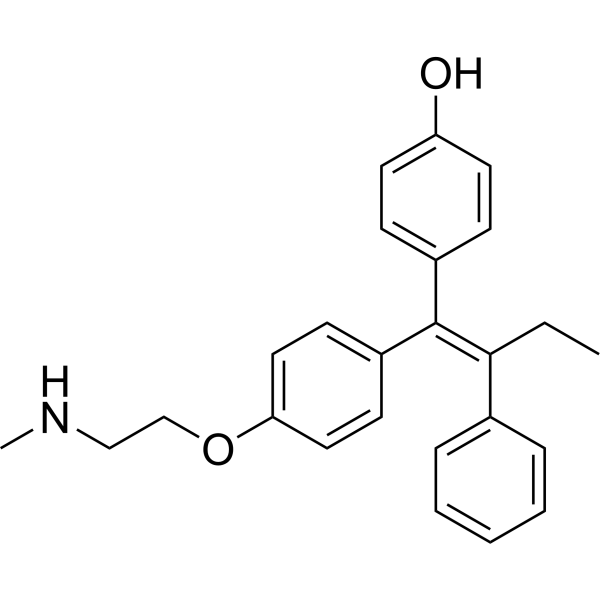 0 ImagesEndoxifen Z-isomer is an orally active selective PKCβ1 inhibitor with an IC50 of 360 nM against human PKCβ1. Endoxifen Z-isomer also acts as an estrogen receptor modulator and antiestrogen. Endoxifen Z-isomer binds to and blocks ERα, ERβ and PKCβ1, inhibits estrogen and PI3K/AKT/mTORC1 signaling pathways, suppresses the expression of genes associated with cell cycle, cell proliferation and extracellular matrix remodeling, and induces apoptosis, reactive oxygen species (ROS) production and hypoxic features. Endoxifen Z-isomer inhibits tumor growth in breast tumor and glioblastoma models, reduces bone turnover and blood lipid levels, and does not require metabolism via CYP2D6. Endoxifen Z-isomer can be used in research related to ER+ breast cancer, invasive breast cancer, glioblastoma multiforme, type I bipolar disorder, desmoid tumor, gynecological malignancies, melanoma and hormone receptor-positive solid tumors.
-
4,4'-Sulfonyldiphenol-d8
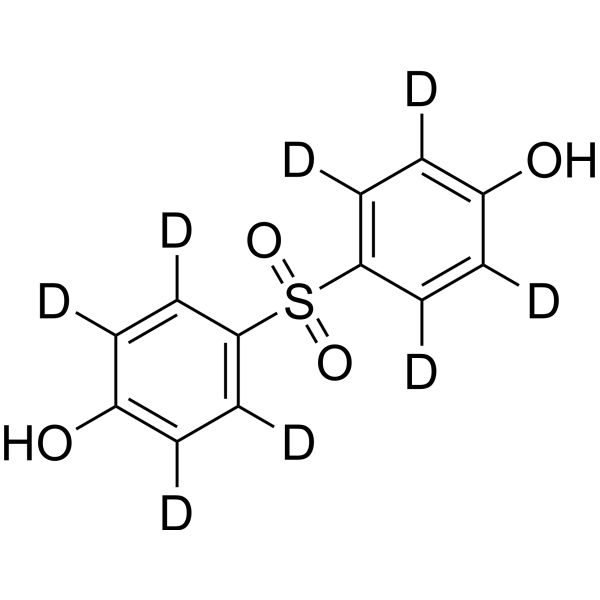 0 ImagesSynonyms: Bisphenol S (4,4'-Sulfonyldiphenol)-d84,4'-Sulfonyldiphenol-d8 (Bisphenol S (4,4'-Sulfonyldiphenol)-d8) is the deuterium labeled 4,4'-Sulfonyldiphenol (HY-W011927).4,4'-Sulfonyldiphenol (Bisphenol S; Bis(4-hydroxyphenyl) sulfone), a substitute for Bisphenol A (HY-18260), is widely used in industrial and consumer products. 4,4'-Sulfonyldiphenol is an estrogen receptor (ER) agonist and can competitively bind to thyroid hormone receptors (TR) with IC50 values for TRα and TRβ are 2650 μM and 2294 μM respectively, thereby affecting breast development and reducing the expression of androgen receptor (AR) in fetal testes. 4,4'-Sulfonyldiphenol promotes the progression of glioblastoma by upregulating the EZH2 mediated PI3K/AKT/mTOR pathway. Under chronic exposure, 4,4'-Sulfonyldiphenol can cause significant lipid deposition and dyslipidemia in the mouse liver by upregulating JunB and Atf3, and has a role in causing obesity at low doses. 4,4'-Sulfonyldiphenol induces intestinal inflammation by altering the intestinal microbiome. 4,4'-Sulfonyldiphenol accelerates the progression of atherosclerosis in zebrafish embryo larvae.
-
Zandelisib
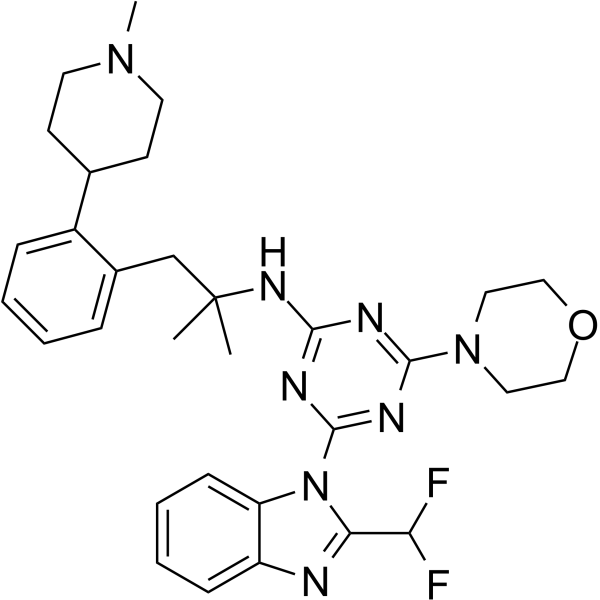 0 ImagesSynonyms: ME-401; PWT-143
-
Notoginsenoside Ft1
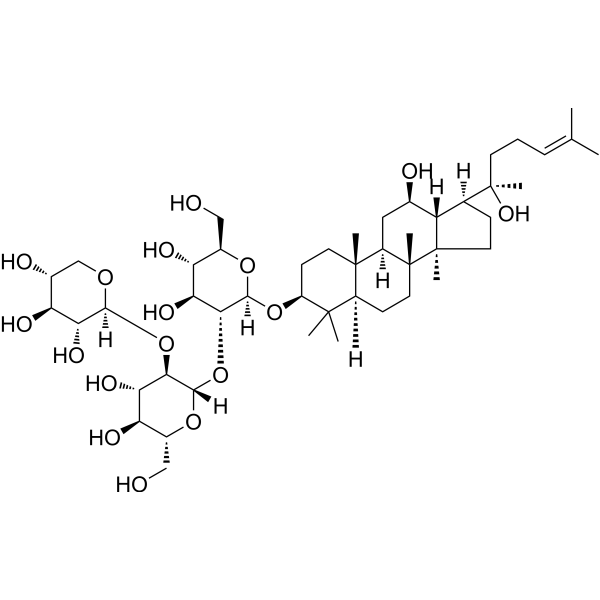 0 ImagesNotoginsenoside Ft1 is an orally active bioactive saponin. Notoginsenoside Ft1 inhibits the PI3K/AKT/mTOR signaling pathway, activates the p38 MAPK and ERK1/2 signaling pathways, and increases the proportion of CD8+ T cells, thereby inducing apoptosis and lysosomal cell death in various cancer cells, and promoting angiogenesis. Notoginsenoside Ft1 causes vasodilation by activating glucocorticoid receptors (GR) and estrogen receptor beta (ERβ) in endothelial cells. Notoginsenoside Ft1 increases intracellular Ca2+ accumulation, reduces cAMP levels by activating a signaling network mediated through P2Y12 receptors, and promotes platelet aggregation, thereby exerting a procoagulant effect. Notoginsenoside Ft1 inhibits ferroptosis (ferroptosis) in renal tubular epithelial cells by activating the TGR5 receptor, thereby demonstrating a renal protective effect. Notoginsenoside Ft1 acts as a TGR5 agonist and an FXR antagonist to combat obesity and insulin resistance.
-
Vasculotide TFA
 0 ImagesCat. No.: HY-P10580APurity: 99.88%Vasculotide TFA is a blood-brain barrier (BBB)-penetrant Tie2 agonist. Vasculotide TFA binds to a unique domain of Tie2, induces receptor clustering to drive phosphorylation, activates downstream PI3K/Akt and eNOS pathways, enhances inter-endothelial cell junctions (such as VE-cadherin and claudin-5), and inhibits inflammatory adhesion molecules, ultimately stabilizing the vascular endothelial barrier and reducing its permeability. Vasculotide TFA alleviates pulmonary microvascular leakage and microcirculatory dysfunction caused by cardiopulmonary bypass, acts as an adjuvant radioprotective agent to reduce acute radiation dermatitis, and promotes BBB recovery after focused ultrasound (FUS). Combination of Vasculotide TFA with antibiotics reduces lung injury.
-
Hydroxyflutamide
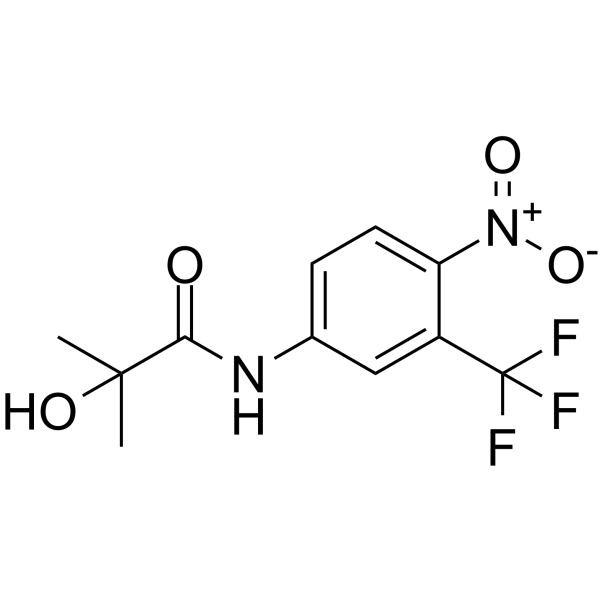 0 ImagesSynonyms: HFTHydroxyflutamide (HFT) is the active metabolite of Flutamide (HY-B0022) and exhibits oral activity. Hydroxyflutamide is a potent androgen receptor antagonist with an IC50 of 700 nM. Hydroxyflutamide can affect embryonic development and reproductive tract development in mice. Additionally, Hydroxyflutamide can enhance the efficacy of Bacillus Calmette-Guérin (BCG) to better inhibit the progression of bladder cancer. Hydroxyflutamide can be used in research related to tumors and reproductive diseases.
-
AQX-016A
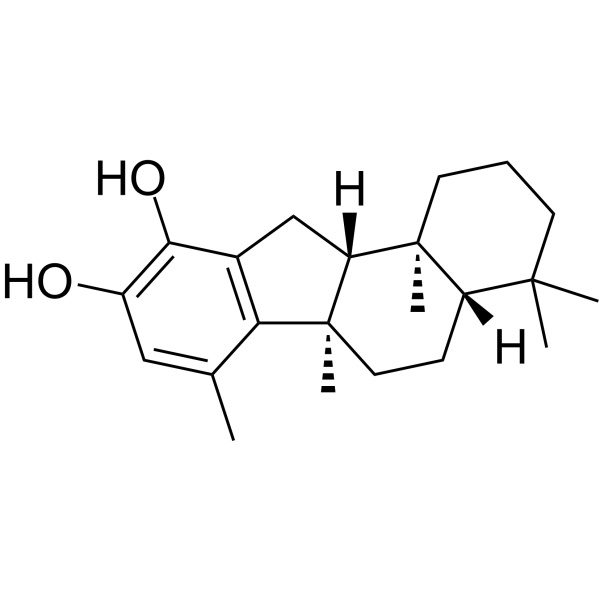 0 ImagesAQX-016A is an orally active and potent SHIP1 agonist. AQX-016A can activate recombinant SHIP1 enzyme in vitro and stimulate SHIP1 activity. AQX-016A also can inhibit the PI3K pathway and TNFa production, can be useful for various inflammatory diseases research.
-
Polygalasaponin F
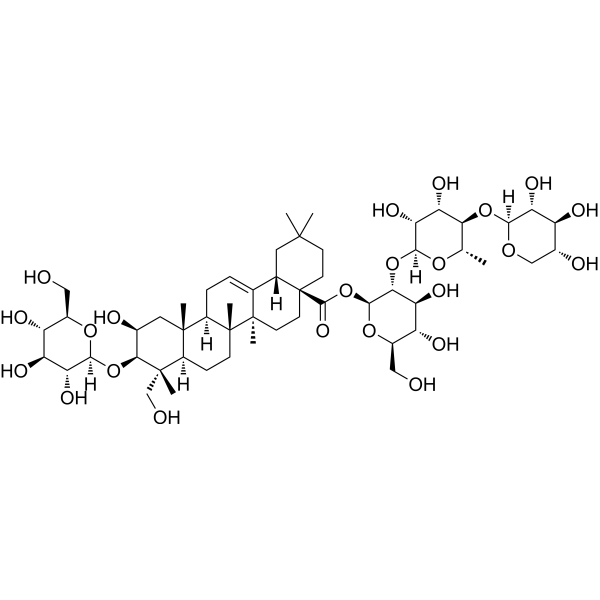 0 ImagesPolygalasaponin F is an orally active triterpenoid saponin monomer. Polygalasaponin F downregulates the expression of Bax, p53, caspase-3, NF-κB p65 and MEK1; restores and upregulates the expression of Bcl-2; activates the PI3K/Akt signaling pathway; inhibits the phosphorylation of p38 MAPK, nuclear translocation of NF-κB, TLR4-mediated signaling pathway, mitophagy (Mitophagy) and ROS production; enhances cell viability and suppresses apoptosis (Apoptosis). Polygalasaponin F maintains mitochondrial function, alleviates Ca2+ overload, upregulates pCREB and BDNF, preserves cell viability and inhibits the release of inflammatory cytokines. Polygalasaponin F alleviates lung injury induced by influenza A H1N1 and cerebral ischemia-reperfusion injury. Polygalasaponin F is applicable to researches related to Parkinson's disease, cerebral ischemia, pneumonia induced by influenza A H1N1, stroke and Alzheimer's disease.




