Wnt
The Wnt signaling pathways are a group of signal transduction pathways made of proteins that pass signals from outside of a cell through cell surface receptors to the inside of the cell. Three Wnt signaling pathways have been characterized: the canonical Wnt pathway, the noncanonical planar cell polarity pathway, and the noncanonical Wnt/calcium pathway. All three Wnt signaling pathways are activated by the binding of a Wnt-protein ligand to a Frizzled family receptor, which passes the biological signal to the protein Dishevelled inside the cell. The canonical Wnt pathway leads to regulation of gene transcription, the noncanonical planar cell polarity pathway regulates the cytoskeleton that is responsible for the shape of the cell, and the noncanonical Wnt/calcium pathway regulates calcium inside the cell. The clinical importance of Wnt signaling pathway has been demonstrated by mutations that lead to a variety of diseases, including breast and prostate cancer, glioblastoma, type II diabetes.
Wnt Isoform Specific Products
All Product Categories
-
Wnt Related Products (458)
Related Products (458)

-
Antibodies (26)
-
Wnt Isoform Comparison
-
IWP-4
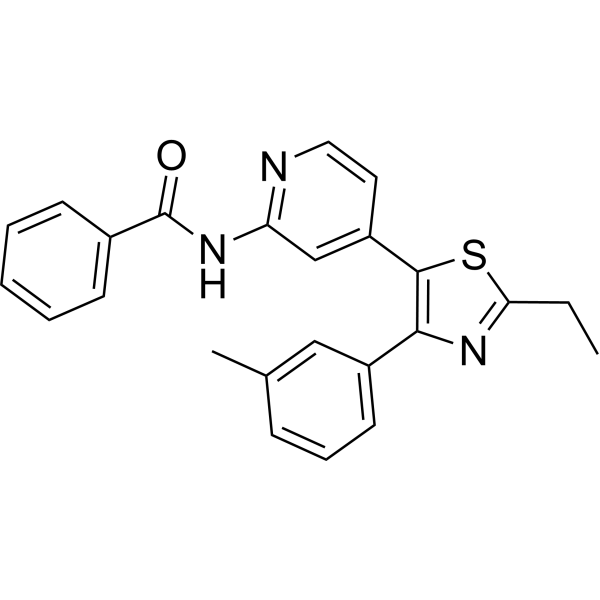
 0 ImagesIWP-4 is a Wnt inhibitor with an IC50 of 25 nM. IWP-4 specifically inhibits casein kinase 1δ/ε (CK1δ/ε), with an IC50 of 1.06 μM against wild-type CK1δ, 1.02 μM against the CK1δ kinase domain, and 7.07 μM against CK1ε; it shows enhanced inhibitory activity against the M82F CK1δ mutant (IC50 = 0.14 μM). IWP-4 is applicable to research related to cancer, Alzheimer's disease (AD), and heart failure.
-
WIKI4
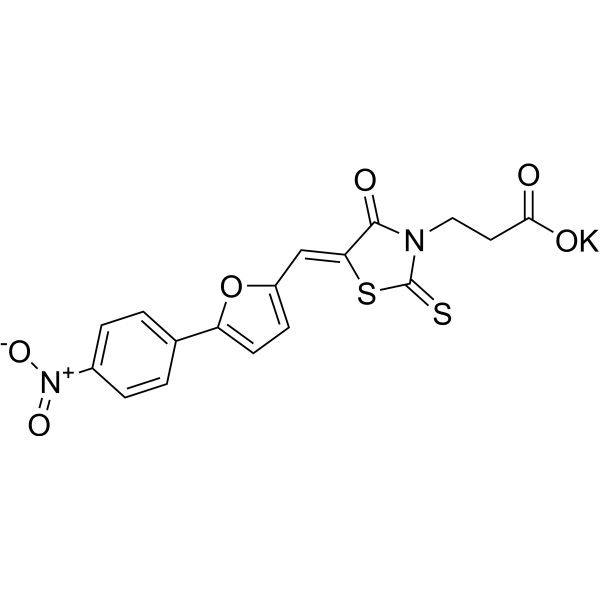
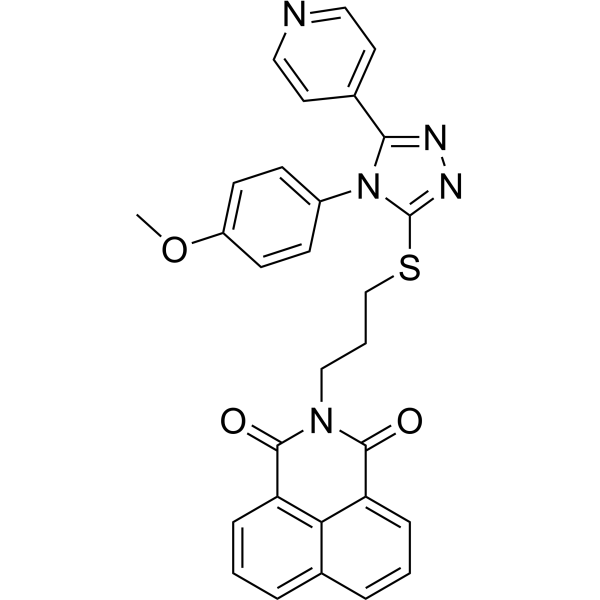 0 ImagesWIKI4 is a potent tankyrase inhibitor with an IC50 of 26 nM for TNKS2. WIKI4 potently inhibits Wnt/β-catenin signaling and that its half-maximal response dose is 75 nM. WIKI4 mediates its effects on Wnt/β-catenin signaling by inhibiting the enzymatic activity of TNKS2. WIKI4 is cytotoxic to SCLC cells with an IC50 value of 0.02 μM.
-
Elaidic acid
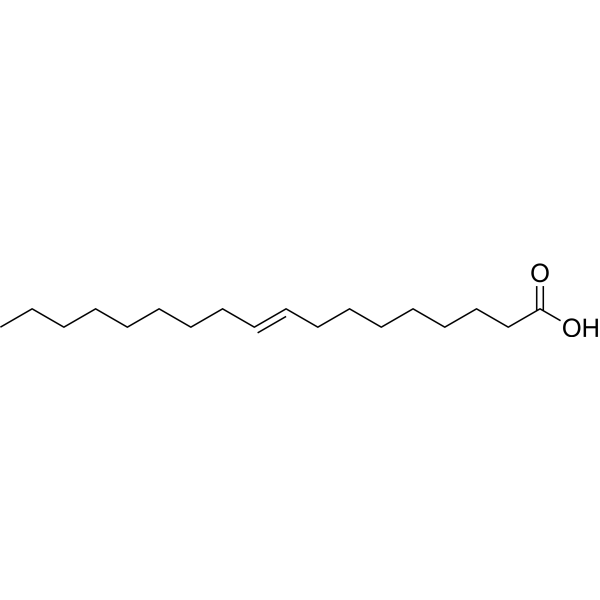 0 ImagesElaidic acid is an orally active trans fatty acid. Elaidic acid enhances the stemness of colorectal cancer cells by activating the Wnt/ERK1/2 pathway, thereby promoting cell proliferation, invasion and metastasis, and inhibiting apoptosis. Elaidic acid also inhibits the growth of Lactobacillus and alters the cell surface hydrophobicity of Lactobacillus. Elaidic acid reduces basal 2-deoxyglucose uptake in muscle cells and adipocytes. Elaidic acid can be used in research on colorectal cancer, insulin and other related areas.
-
Prodigiosin
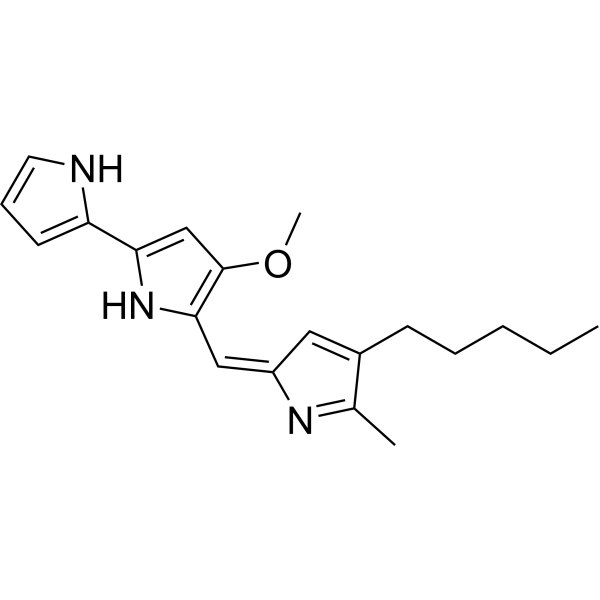 0 ImagesProdigiosin (Prodigiosine) is a red pigment produced by bacteria as a bioactive secondary metabolite. Prodigiosin is a potent inhibitor of the Wnt/β-catenin pathway. Prodigiosin has antibacterial, antifungal, antiprotozoal, antimalarial, immunosuppressive, and anticancer properties.
-
Cardamonin
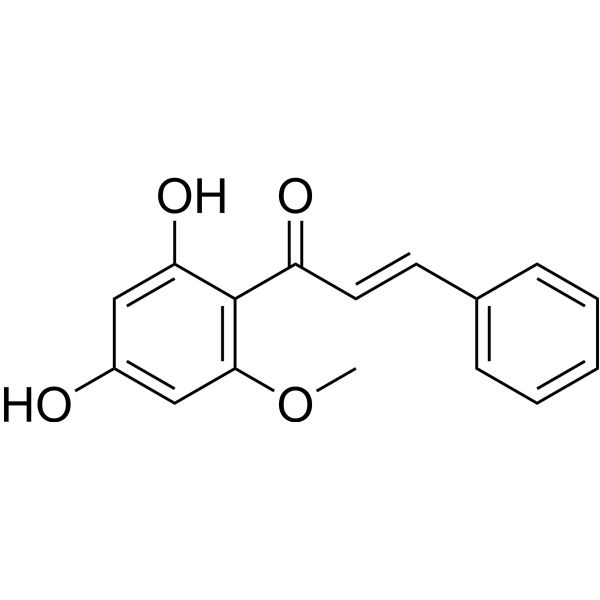 0 ImagesSynonyms: Cardamomin; Alpinetin chalcone
-
Nystose
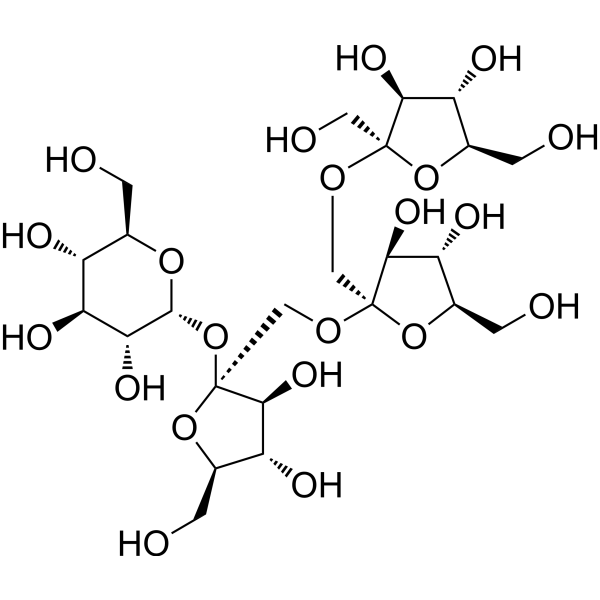 0 ImagesNystose is a tetrasaccharide with two fructose molecules linked via beta (1→2) bonds to the fructosyl moiety of sucrose. Nystose exhibits prebiotic, immunomodulatory, and metabolism regulating activities. Nystose promotes the bone mineralization by activating the Wnt/β-catenin signaling pathway.
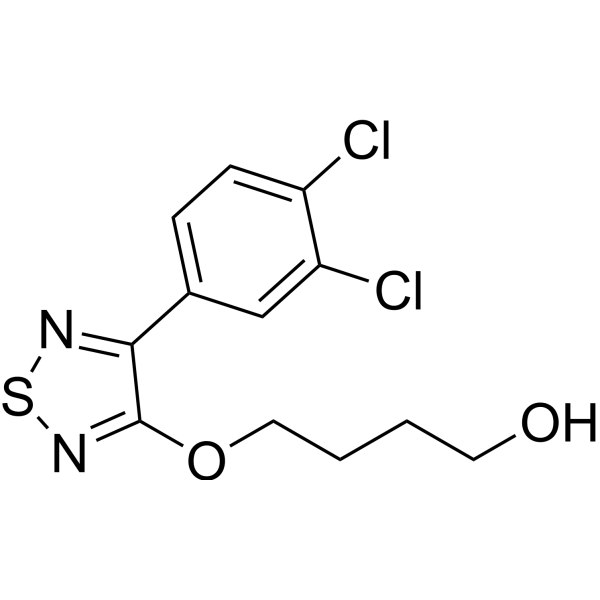
-
PNU-74654
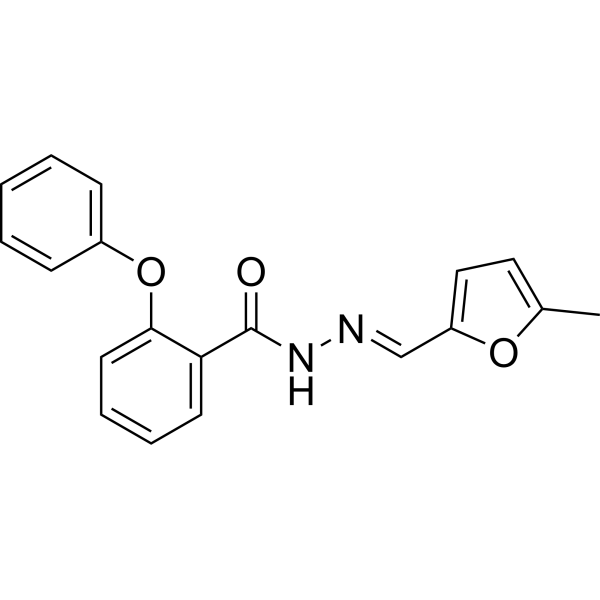 0 ImagesPNU-74654 is an inhibitor of Wnt/β-catenin pathway with an IC50 of 129.8 μM in NCI-H295 cell.
-
DIF-3
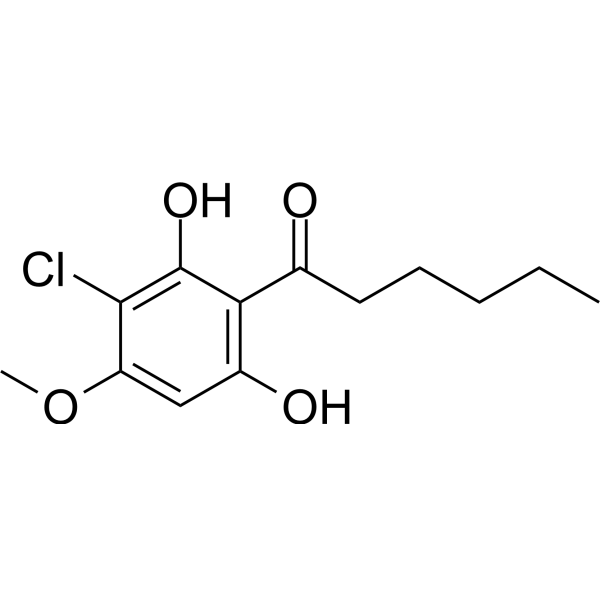 0 ImagesDIF-3 is an orally active anticancer agent. DIF-3 reduces the expression levels of cyclin D1 and c-Myc by facilitating their degradation via activation of GSK-3β. DIF-3 inhibits Wnt/β-catenin signaling pathway-related proteins in cells. DIF-3 induces reactive oxygen species (ROS) and autophagy. DIF suppresses the growth of Trypanosoma. cruzi in HT1080 cells. DIF-3 exerts antitumor effects both in vitro and in vivo.
-
ZY-444
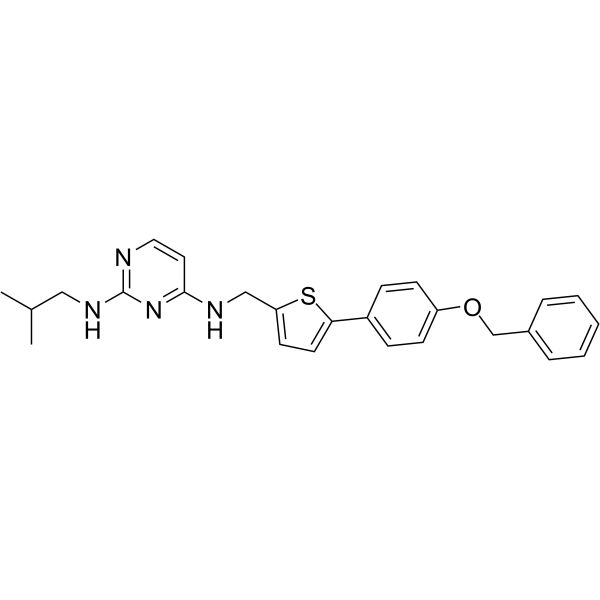 0 ImagesZY-444 is an anti-cancer agent, targeting pyruvate carboxylase (PC). ZY-444 suppresses the Wnt/β-catenin/Snail signaling pathway by blocking nuclear translocation of β-catenin. ZY-444 selectively inhibits proliferation, migration, and invasion and induces apoptosis in cancer cells. ZY-444 exhibits potent anti-tumor in cancer mouse models. ZY-444 can be used for the study of breast cancer, lung cancer (NSCLC), prostate cancer and iodine-refractory thyroid cancer.
-
xStAx-VHLL TFA
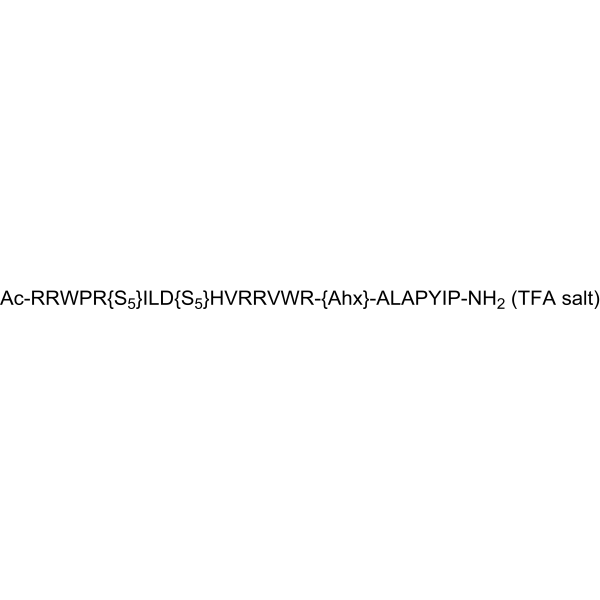 0 ImagesCat. No.: HY-P5819APurity: 99.95%xStAx-VHLL TFA is a β-catenin PROTAC degrader that promotes ubiquitination and proteasome degradation of β-catenin. xStAx-VHLL TFA inhibits the Wnt/β-catenin signaling pathway. xStAx-VHLL TFA can inhibit the proliferation of colon cancer cells and has anti-tumor activity.
-
HLY78
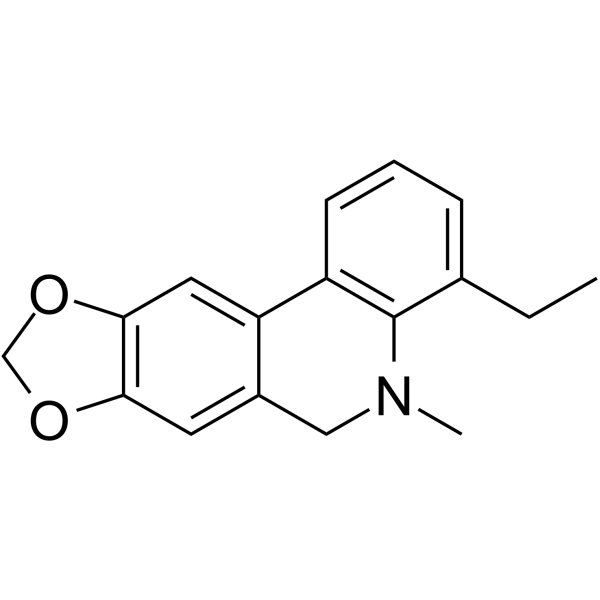 0 ImagesHLY78, a Lycorine (HY-N0288) derivative, is a potent activator of the Wnt/β-catenin signaling pathway. HLY78 targets the DIX domain of Axin and promotes the Axin-LRP6 (lipoprotein receptor-related protein 6) association, thus promoting LRP6 phosphorylation and Wnt signal transduction. HLY78 can be used for subarachnoid hemorrhage (SAH) research.
-
Box5 TFA
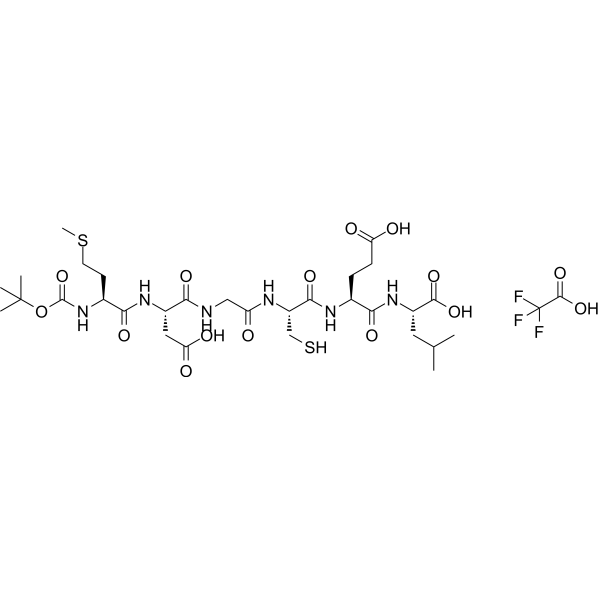 0 ImagesCat. No.: HY-123071APurity: 99.50%