



Reactive Oxygen Species (ROS)
Reactive oxygen species (ROS), such as superoxide anion (O2-), hydrogen peroxide (H2O2), and hydroxyl radical (HO•), consist of radical and non-radical oxygen species formed by the partial reduction of oxygen. Cellular ROS are generated endogenously during mitochondrial oxidative metabolism as well as in cellular response to xenobiotics, cytokines, and bacterial invasion.
ROS also activates MAPK pathways by the direct inhibition of MAPK phosphatases. Through PTEN, the PI3K pathway is subject to reversible redox regulation by ROS generated by growth factor stimulation. The activation of autophagy may be a cellular defense mechanism in response to ROS.
All Product Categories
-
Reactive Oxygen Species (ROS) Inhibitors
(1091)
View all products
-
Reactive Oxygen Species (ROS) Agonists
(37)
View all products
-
Reactive Oxygen Species (ROS) Antagonists
(2)
View all products
-
Reactive Oxygen Species (ROS) Activators
(525)
View all products
-
Reactive Oxygen Species (ROS) Modulators
(22)
View all products
-
Reactive Oxygen Species (ROS) MDM2 Inhibitor
(1)
View all products
-
Reactive Oxygen Species (ROS) Inducers
(645)
View all products
-
Reactive Oxygen Species (ROS) Controls
(5)
View all products
-
Reactive Oxygen Species (ROS) Substrates
(3)
View all products
-
Reactive Oxygen Species (ROS) Related Products (2859)
Related Products (2859)

-
Antibodies (8)
-
(rac)-Methyl jasmonate
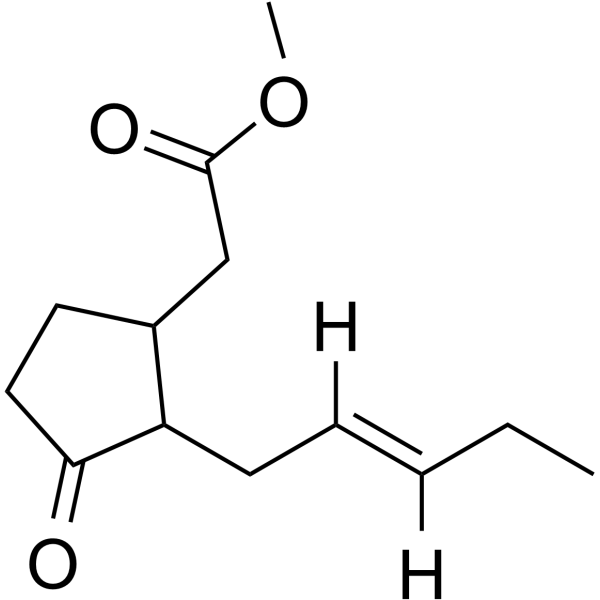 0 Images(rac)-Methyl jasmonate is the racemate of Methyl jasmonate (HY-135663). Methyl jasmonate is a phytohormone that regulates the defense response of plants under biotic and biotic stress through jasmonate signaling pathway. Methyl jasmonate inhibits the activation of NF-κB signaling pathway. Methyl jasmonate can promote the mitochondrial ROS production, but also scavenges free radicals and reduces the oxidative stress. Methyl jasmonate exhibits anti-inflammatory, antitumor, anticonvulsant, antinociceptive and sedative activities.
-
Tirilazad
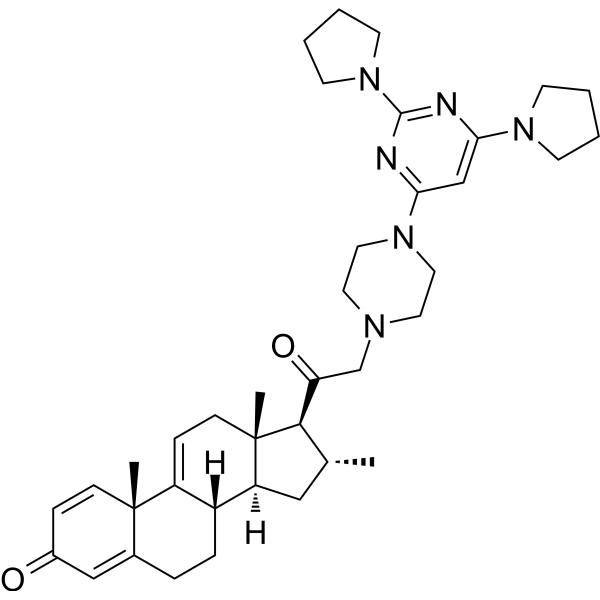 0 ImagesSynonyms: U 74006F free baseTirilazad (U 74006F free base) is a neuroprotective agent. Tirilazad can also bind tightly to the main protease of the COVID-19 virus and exert anti-SARS-CoV-2 activity. Tirilazad scavenges hydroxyl and lipid peroxyl free radicals and maintains the levels of endogenous antioxidants. Tirilazad reduces cerebral infarct volume and improves neurobehavioral scores in animal models of focal ischemia. Tirilazad can be used in research related to ischemic stroke and subarachnoid hemorrhage.
-
2-O-β-D-Glucopyranosyl-L-ascorbic acid
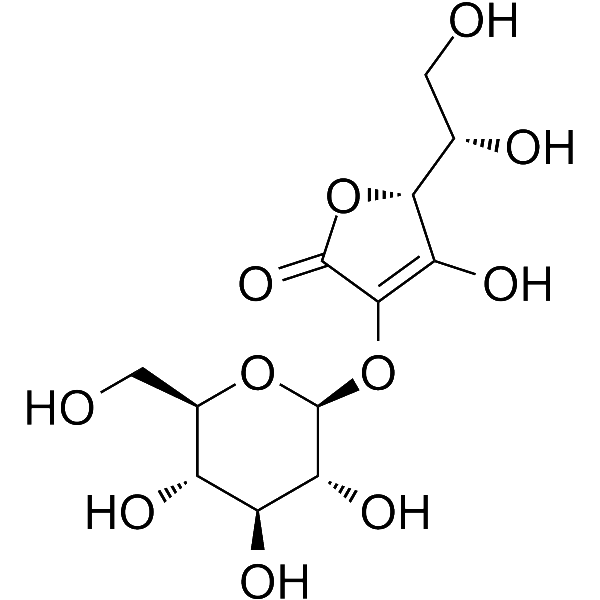 0 ImagesCat. No.: HY-N6958CAS No.: 562043-82-7Synonyms: AA-2βG2-O-β-D-Glucopyranosyl-L-ascorbic acid (AA-2βG) is an orally active vitamin C derivative. 2-O-β-D-Glucopyranosyl-L-ascorbic acid exhibits multiple activities including antioxidant, anti-tumor and immunomodulatory effects. 2-O-β-D-Glucopyranosyl-L-ascorbic acid mediates tumor cell apoptosis, induces cell cycle arrest, scavenges free radicals and eliminates oxidative stress. 2-O-β-D-Glucopyranosyl-L-ascorbic acid can be used in studies related to cancer, inflammation and immunity.
-
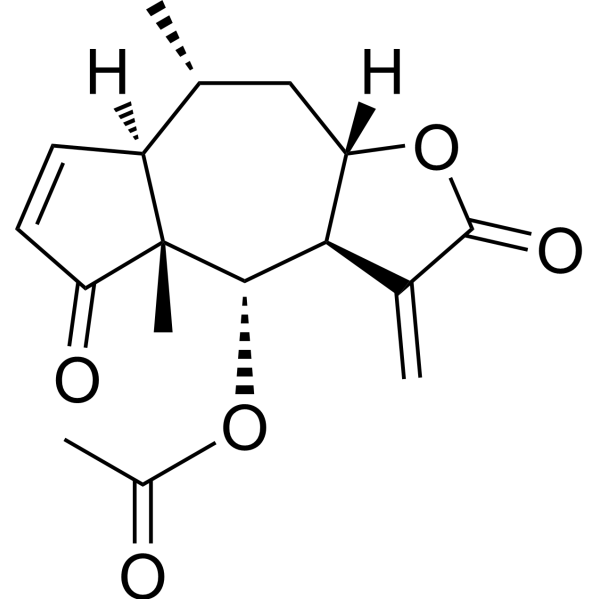
Capillarisin
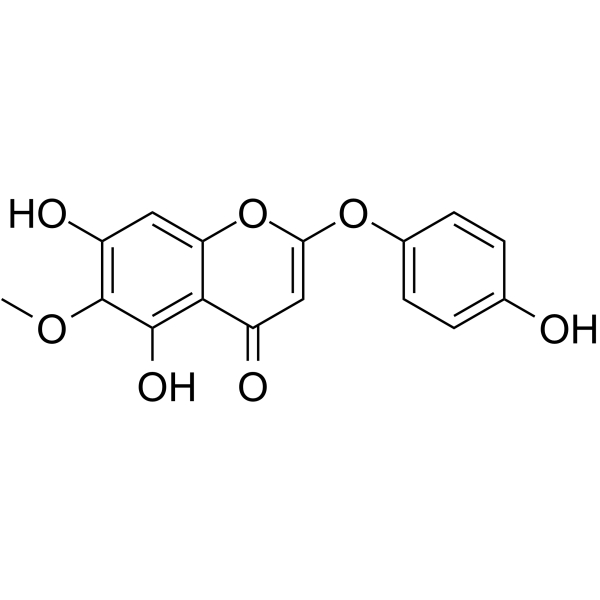 0 ImagesCapillarisin, as a constituent from Artemisiae Capillaris herba, is found to exert anti-inflammatory and antioxidant properties. Capillarisin can be used for the research of asthma-mediated complications and can be a potential neuroprotectant against bupivacaine-induced neurotoxicity.
-
Plecstatin-1 hydrochloride
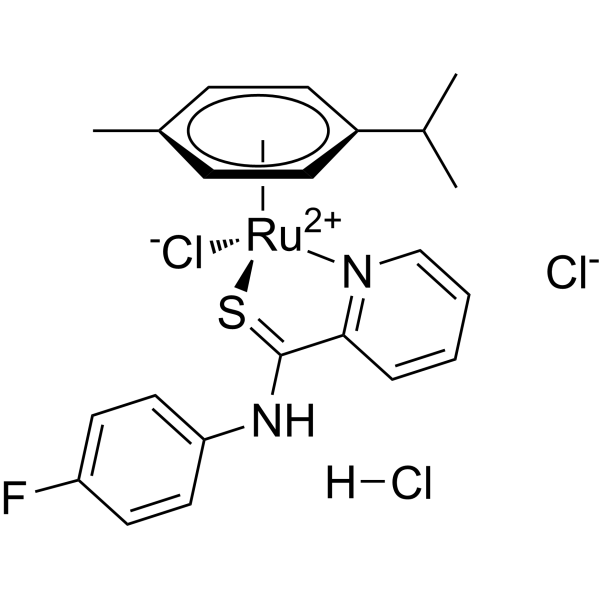 0 ImagesCat. No.: HY-156675APurity: 98.96%Plecstatin-1 hydrochloride is a metal complex that drives the aggregation and collapse of the plectin network, and disrupts the cytoskeletal structures of α‑tubulin and F‑actin. Plecstatin-1 hydrochloride triggers oxidative stress, mediates the phosphorylation of eIF2α, and induces molecular features associated with immunogenic cell death, including calreticulin membrane exposure, membrane localization of HSP70/HSP90, ATP secretion, and HMGB‑1 release. Plecstatin-1 hydrochloride induces apoptosis via the intrinsic mitochondrial pathway and exerts anti-invasive activity. Plecstatin-1 hydrochloride inhibits sphere proliferation and reduces clonogenicity in the 3D tumor spheroid model of colon cancer cells. Plecstatin-1 hydrochloride is applicable to relevant research on colorectal cancer.
-
3-Demethylcolchicine
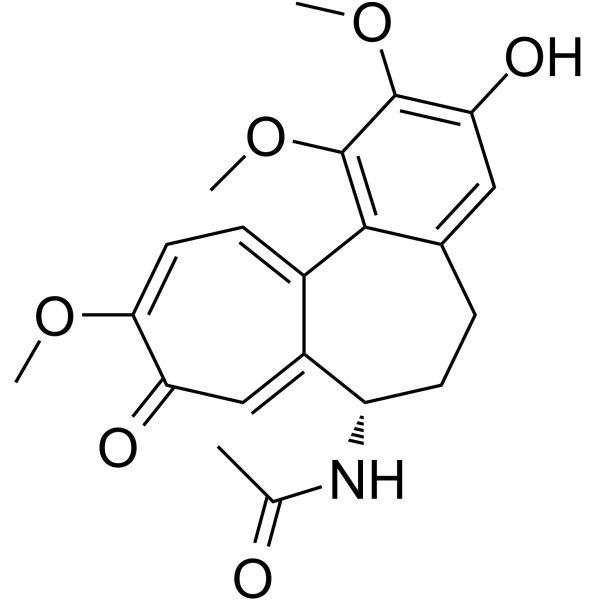 0 Images3-Demethylcolchicine, a colchicine metabolite and anti-inflammatory agent, exhibits potent tubulin-binding activity. 3-Demethylcolchicine inhibits carrageenan-induced rat paw edema. 3-Demethylcolchicine bears a hydroxyl group on its carbocyclic ring; this group participates in free radical scavenging processes, allowing it to act as a free radical scavenger. 3-Demethylcolchicine is applicable to studies related to carrageenan-induced paw edema.
-
MT-125
 0 ImagesCat. No.: HY-174406Purity: 98.73%MT-125 is a specific and well-tolerated inhibitor of non-muscle myosin IIA (Ki,NMIIA = 2.7 μM) and IIB (EC50 = 1.7 μM). MT-125 can pass through the blood-brain barrier. MT-125 induces ferroptosis and DNA damage by increasing the levels of reactive oxygen species (ROS) within tumor cells. MT-125 can enhance the PDGFR signaling pathway. MT-125 can be used for research on glioblastoma.
-
Gallic acid-d2
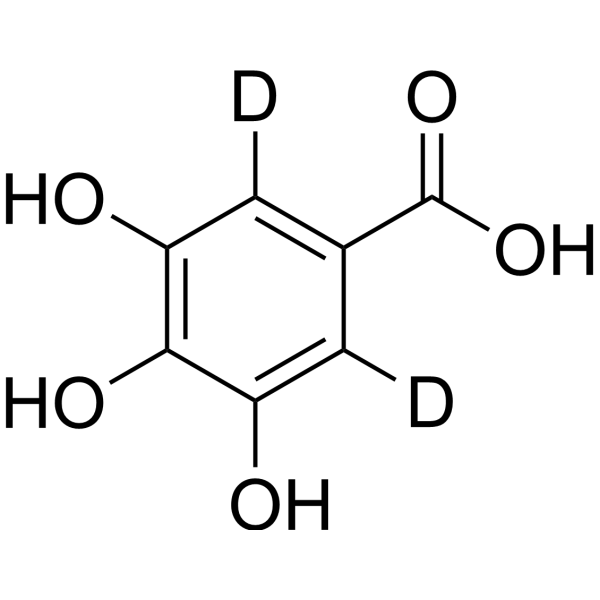 0 ImagesSynonyms: 3,4,5-Trihydroxybenzoic acid-d2Gallic acid-d2 is the deuterium labeled Gallic acid. Gallic acid (3,4,5-Trihydroxybenzoic acid) is a natural polyhydroxyphenolic compound and an free radical scavenger to inhibit cyclooxygenase-2 (COX-2). Gallic acid has various activities, such as antimicrobial, antioxidant, antimicrobial, anti-inflammatory, and anticance activities.
-
Vidarabine phosphate
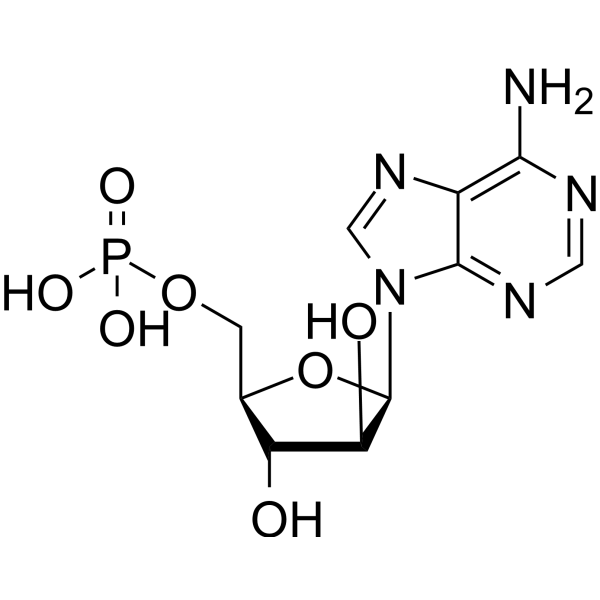 0 ImagesSynonyms: ara-AMP; ara-A 5'-monophosphateVidarabine phosphate (ara-AMP; ara-A 5'-monophosphate) is a purine nucleoside antiviral agent and a prodrug of Vidarabine (HY-B0277). Vidarabine phosphate is rapidly converted into the antiviral active Vidarabine in vivo, which selectively inhibits viral DNA polymerase and cellular ribonucleotide reductase, thereby blocking viral replication. Vidarabine phosphate also exhibits antifungal activity, induces late-stage cellular apoptosis, and causes cell cycle arrest. Vidarabine phosphate can be used in research related to severe chronic active Epstein-Barr virus (EBV) infection, herpes infection, and candidiasis.
-
Bifenazate
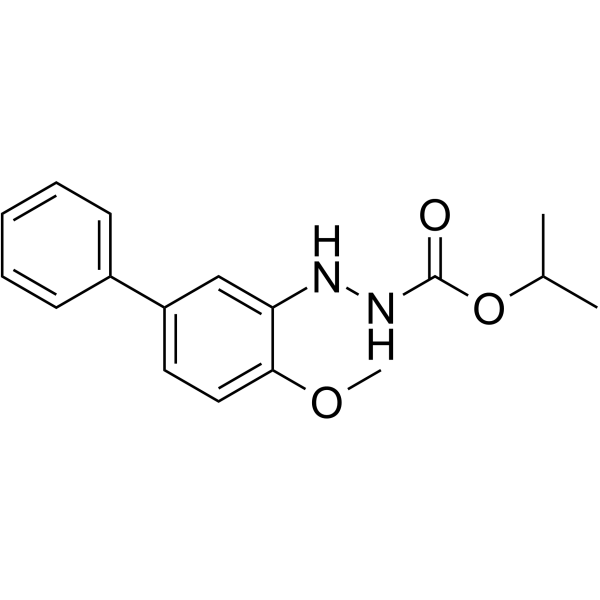 0 ImagesBifenazate is a carbazate acaricide that control 100% of mites at a concentration of 25 ppm. Bifenazate is a positive allosteric modulator of GABA receptor. Bifenazate is the inhibitor for the mitochondrial electron transport chain complex III.
-
N-tert-Butyl-α-phenylnitrone
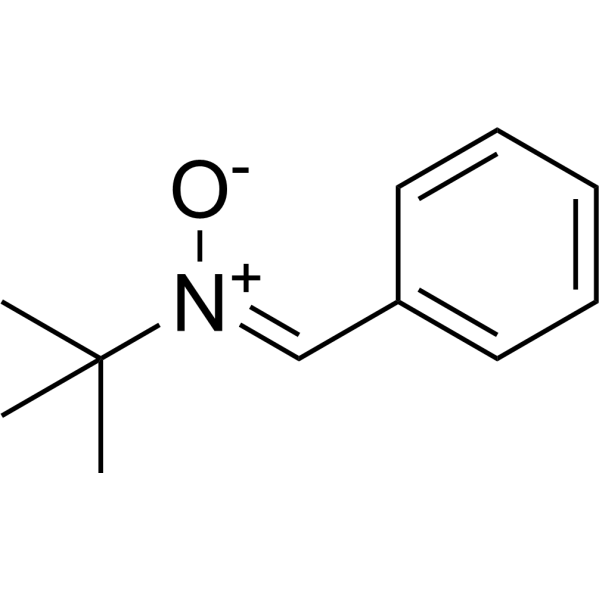 0 ImagesN-tert-Butyl-α-phenylnitrone is a nitrone-based free radical scavenger that forms nitroxide spin adducts. N-tert-Butyl-α-phenylnitrone inhibits COX2 catalytic activity. N-tert-Butyl-α-phenylnitrone has potent ROS scavenging, anti-inflammatory, neuroprotective, anti-aging and anti-diabetic activities, and can penetrate the blood-brain barrier.
-
HPPH
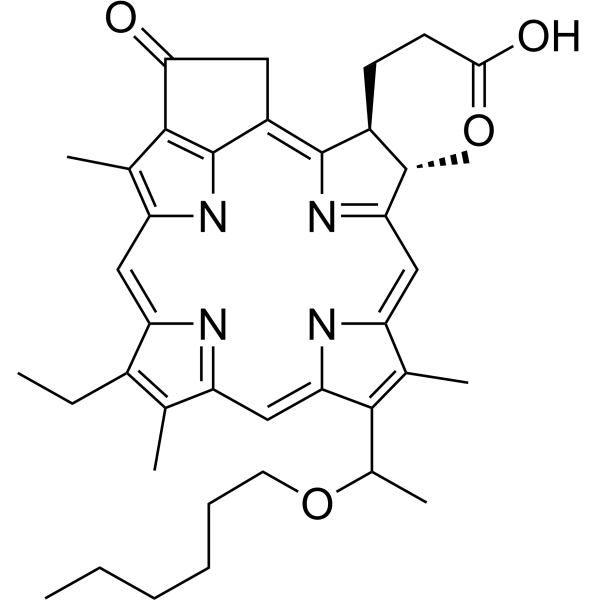 0 ImagesSynonyms: PhotochlorHPPH (Photochlor) is a second generation photosensitizer, which acts as a photodynamic therapy (PDT) agent.
-
Ligustrazine hydrochloride
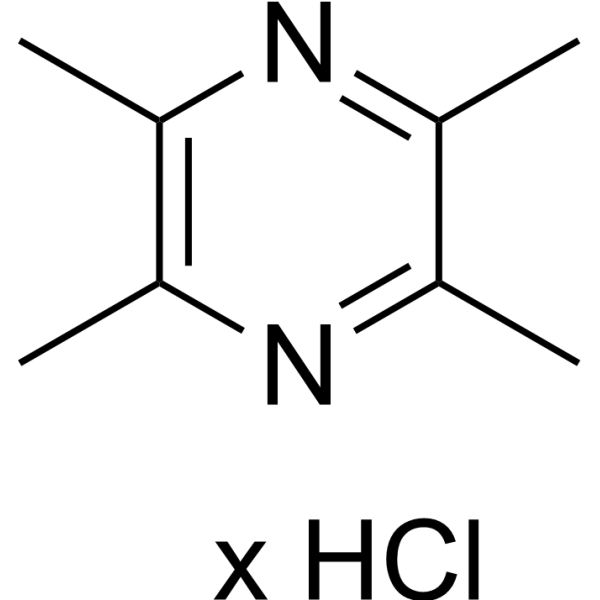 0 ImagesSynonyms: Chuanxiongzine hydrochloride; Tetramethylpyrazine hydrochlorideLigustrazine hydrochloride (Chuanxiongzine hydrochloride) is an orally active, blood-brain barrier-permeable alkaloid. It can be isolated from Ligusticum striatum DC. Ligustrazine hydrochloride reduces ROS, upregulates the levels of p-Akt/Akt and p-eNOS/eNOS, and decreases ALT and AST. It inhibits glutamate excitotoxicity, calcium overload, oxidative stress, ischemia-reperfusion injury and atherosclerotic plaque progression, enhances synaptic plasticity, and improves neurological function, cerebral infarct volume and brain water content. Ligustrazine hydrochloride possesses anti-inflammatory, antioxidant, lipid-lowering, endothelial protective and hepatoprotective activities. It can be used in studies related to ischemic stroke, cerebral ischemia-reperfusion injury and atherosclerosis.
-
Jervine
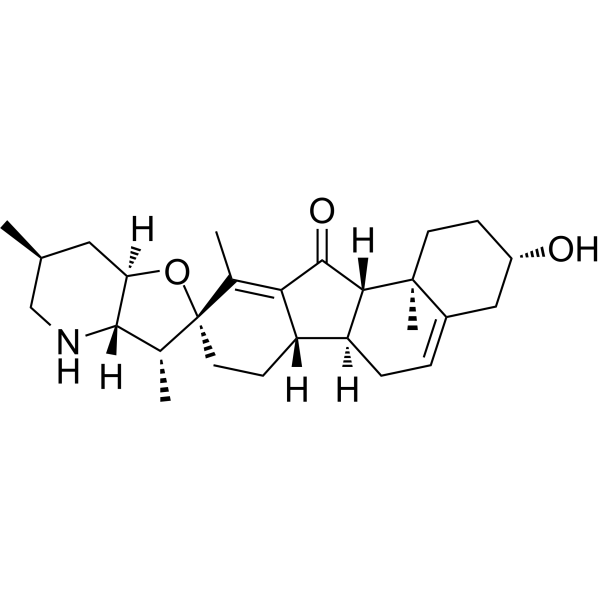 0 ImagesJervine (11-Ketocyclopamine) is an orally active steroidal alkaloid and Hedgehog signaling pathway inhibitor. Jervine can be isolated from Veratrum californicum. Jervine regulates Wnt, inhibits the AKT/mTOR signaling pathway, and activates the AMPK signaling pathway. Jervine induces DNA damage, Apoptosis, Autophagy, ROS production and Mitochondrial damage. Jervine exhibits anti-cancer and anti-inflammatory activities. Jervine reduces tumor growth rate and weight in xenograft models. Jervine can be used in studies related to triple-negative breast cancer, nasopharyngeal carcinoma and non-small cell lung cancer.
-
2-Acetamidophenol
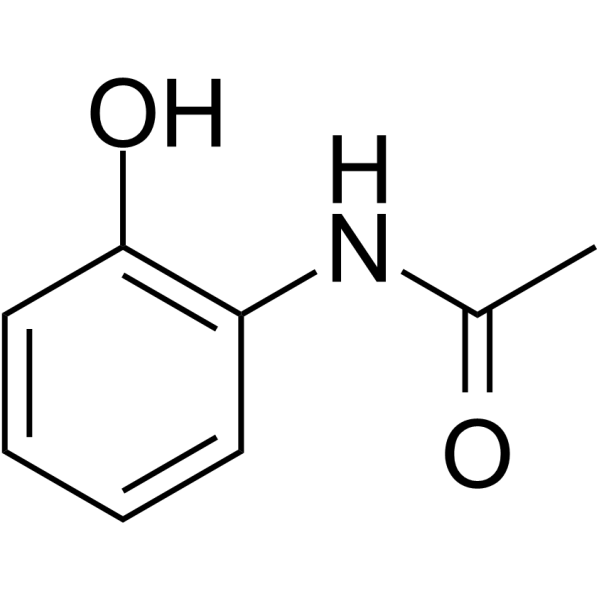 0 ImagesSynonyms: Orthocetamol2-Acetamidophenol (Orthocetamol) is a regulator that targets ferroptosis and glutathione metabolic pathways, is the ortho-regioisomer of Paracetamol (HY-66005). 2-Acetamidophenol has anti-atherosclerotic activity, and inhibiting total cholesterol (TC) and triglyceride (TG) in a zebrafish hyperlipidemia model with IC50s for 30 μM and 40 μM, respectively. 2-Acetamidophenol upregulates the expression of glutathione synthesis-related genes (such as GCLC, GCLM, GSS) and iron ion transport genes (such as FPN1, FTH), reduces the accumulation of intracellular reactive oxygen species (ROS) and ferrous ions (Fe2+), and enhances the activity of glutathione peroxidase GPX4, thereby inhibiting macrophage phagocytosis of oxidized low-density lipoprotein (ox-LDL) and foam cell formation.
-
Salvianolic acid Y
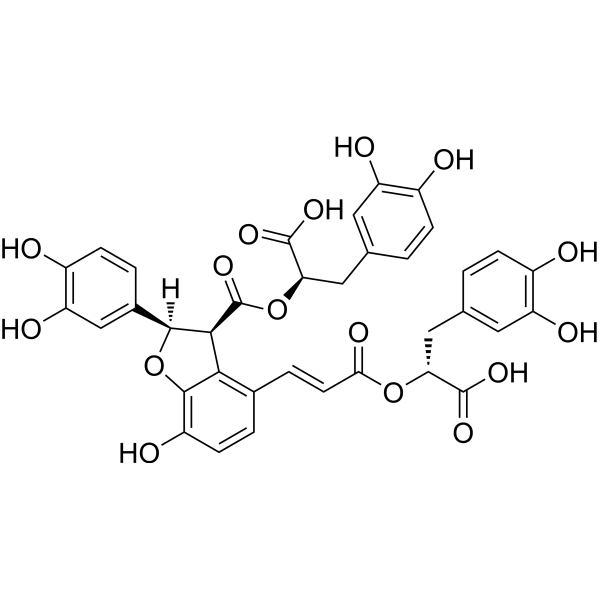 0 ImagesSalvianolic acid Y is a phenolic acid with the same planar structure as Salvianolic acid B. Salvianolic acid Y rescues cell injury by H2O2.
-
GR148672X
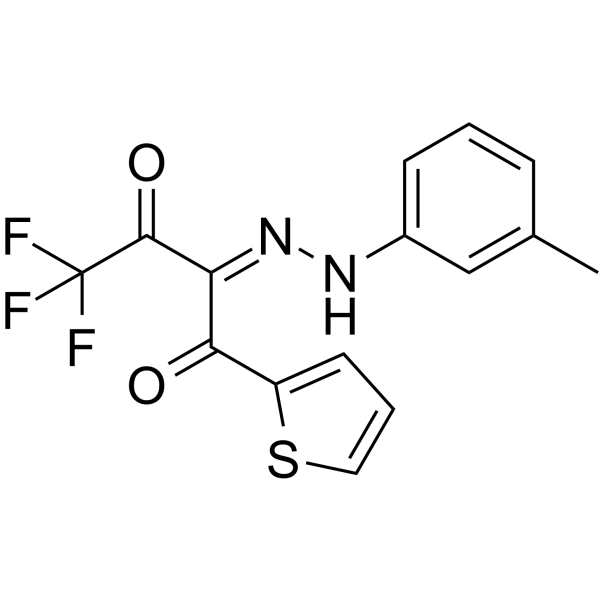 0 ImagesGR148672X is an inhibitor of carboxylesterase 1 (CES1) and hepatic microsomal triglyceride hydrolase (TGH). GR148672X blocks the catalytic activity of CES1, impairs the functions of triglyceride and cholesteryl ester lipase, reduces triglyceride mobilization and secretion, and decreases apolipoprotein B-100 secretion in primary rat hepatocytes. Under low-glucose conditions, GR148672X inhibits the survival of colorectal cancer cells by reducing free fatty acid availability, inducing toxic triglyceride accumulation, ROS production, mitochondrial damage, ferroptosis and apoptosis. GR148672X can be used in studies related to colorectal cancer and atherosclerosis.
-
Kaolin
 0 ImagesCat. No.: HY-W115786CAS No.: 1332-58-7Kaolin is a family of kaolinitic clays, which is found in the earth's crust. Kaolin alleviates the toxicity of graphene oxide for mammalian cells. Kaolin can be utilized in industrial, cosmetic and medical fields, excipient.
-
Buprofezin
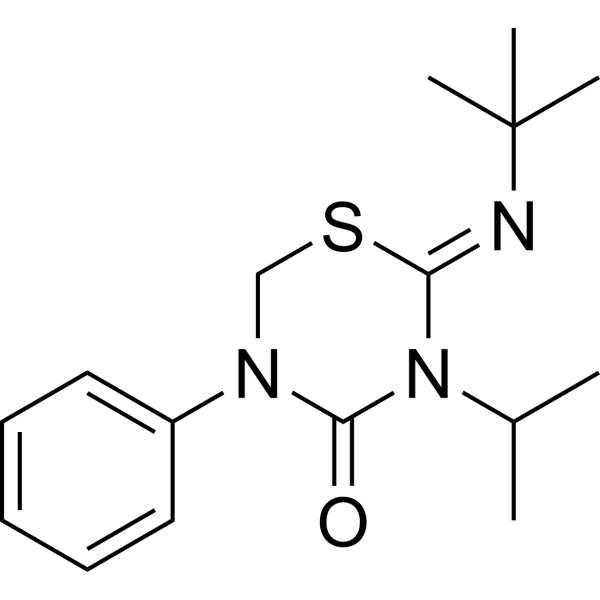 0 ImagesBuprofezin is a broad-spectrum insecticide and chitin synthesis inhibitor that targets developmental stage coleopteran pests.Buprofezin promotes the conversion of energy metabolism from the aerobic tricarboxylic acid (TCA) cycle and oxidative phosphorylation to anaerobic glycolysis. Buprofezin also promotes the production of reactive oxygen species (ROS) by inhibiting cytochrome c oxidase.




