



Atherosclerosis
-
Atherosclerosis (77)

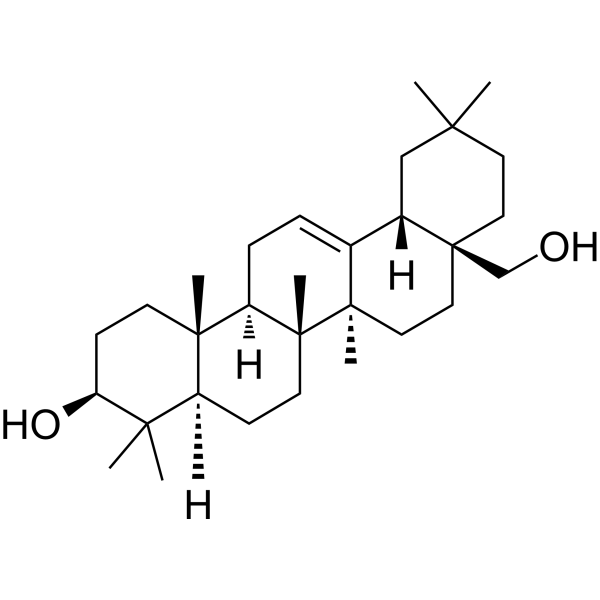
- Formula: C30H50O2
- Molecular Weight: 442.72
Erythrodiol is an olive oil component. Erythrodiol promotes Cholesterol efflux (ChE) by selectively inhibiting the degradation of ABCA1 protein. Erythrodiol is a good candidate to be further explored for therapeutic or preventive application in the context of atherosclerosis.
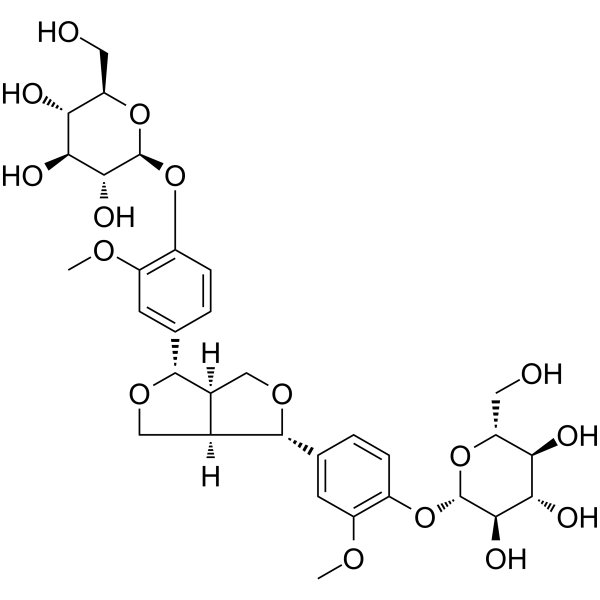
- Formula: C32H42O16
- Molecular Weight: 682.67
Pinoresinol Diglucoside is an orally active lignan with multifunctional bioactivity. Pinoresinol Diglucoside interacts with targets including ALB, HIF1A, GSK3B, BCL2, MARK3, IL6, NF-κB p65, Nrf2, HO-1, and TLR4, and modulates pathways including PI3K-Akt, estrogen, MAPK, Rap1, AKT/mTOR/NF-κB, and TGF-β1/Smads. Pinoresinol Diglucoside regulates osteogenesis, bone resorption, oxidative stress, inflammation, apoptosis, ferroptosis, ferritinophagy, cardiac fibrosis, and vasorelaxation. Pinoresinol Diglucoside can be used for the research of osteoporosis, ischemia/reperfusion-induced brain injury, Alzheimer’s disease, myocardial ischemia-reperfusion injury, chondrodysplasia, diabetic cardiomyopathy, cardiac hypertrophy, hypertension, cisplatin-induced hearing loss, atherosclerotic cardiovascular diseases, and disuse osteoporosis.
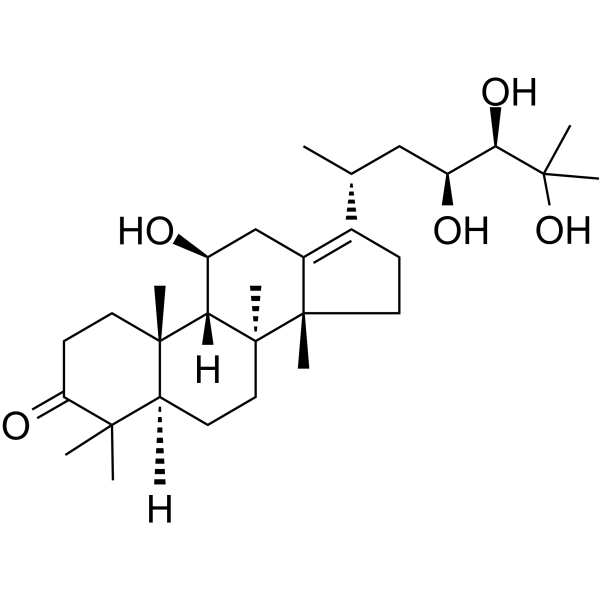
- Formula: C30H50O5
- Molecular Weight: 490.72
Alisol A is an orally active tetracyclic triterpenoid compound of the prototerpane type. Alisol A can be extracted from the rhizome of Alisma orientale. Alisol A activates AMPK/ACC/SREBP-1c, SIRT1, PPARα, inhibits MMP-2/-9, decreases inflammatory cytokine expression (IL-1β, IL-6, IL-8). Alisol A has anti-tumor activity against breast cancer and colorectal cancer. Alisol A has anti-obesity and anti-atherosclerotic activities. Alisol A can be used in the research of hepatitis B, breast cancer, colorectal cancer, atherosclerosis, and obesity.
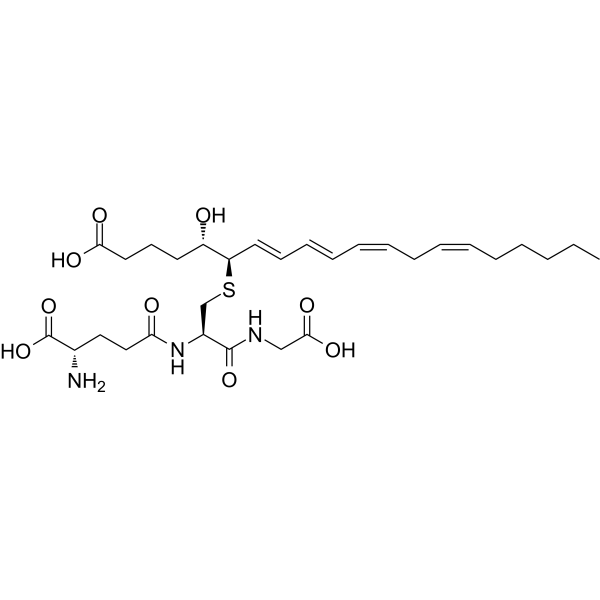
- Formula: C30H47N3O9S
- Molecular Weight: 625.77
Leukotriene C4 is a eicosanoid lipid mediator and produced by immune cells during type 2 inflammation. Leukotriene C4 can mediate inflammation,allergy, bronchoconstriction, and vascular leakage.
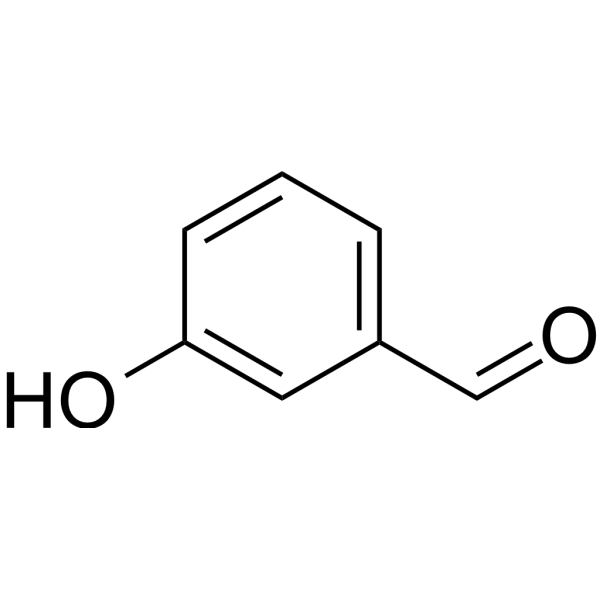
- Formula: C7H6O2
- Molecular Weight: 122.12
3-Hydroxybenzaldehyde (3-HBA) is a precursor compound for phenolic compounds like Protocatechuic aldehyde (PCA) (HY-N0295). 3-Hydroxybenzaldehyde, produced by 3-hydroxybenzyl-alcohol dehydrogenase, is a substrate of aldehyde dehydrogenase (ALDH) in rats and humans. 3-Hydroxybenzaldehyde has vasculoprotective effects in vitro and in vivo. 3-Hydroxybenzaldehyde is proming for research of atherosclerosis.

- Formula: C32H31F9N4O5
- Molecular Weight: 722.60
Obicetrapib (TA-8995; DEZ-001) is an orally active cholesteryl ester transfer protein (CETP) inhibitor. Obicetrapib potently reduces atherogenic lipoproteins (such as LDL-C, ApoB, Lp (a)) and increases HDL-C. Obicetrapib can be used for the research of dyslipidemia and atherosclerotic cardiovascular disease (ASCVD).

- Formula: C21H33Cl3N6O3
- Molecular Weight: 523.88
PPACK dihydrochloride is a potent, peptidic inhibitor targeting thrombin and granzyme GZMK. PPACK dihydrochloride specifically blocks the activities of thrombin and GZMK, thereby inhibiting thrombin-mediated PAR-1 cleavage, as well as downstream inflammatory and procoagulant signaling pathways. Through stabilizing IκB proteins, blocking NF-κB activation and reducing systemic levels of proinflammatory/procoagulant biomarkers, PPACK dihydrochloride exerts multiple effects including anti-inflammatory, antithrombotic, barrier repair, and inhibition of atherosclerotic plaque progression. PPACK dihydrochloride binds to platelets without interference from kininogen, effectively limiting acute thrombus growth and reducing eosinophil infiltration and goblet cell hyperplasia in asthma models. PPACK dihydrochloride is an important tool molecule for investigating the mechanisms of atherosclerosis, asthma and related thromboinflammatory diseases.
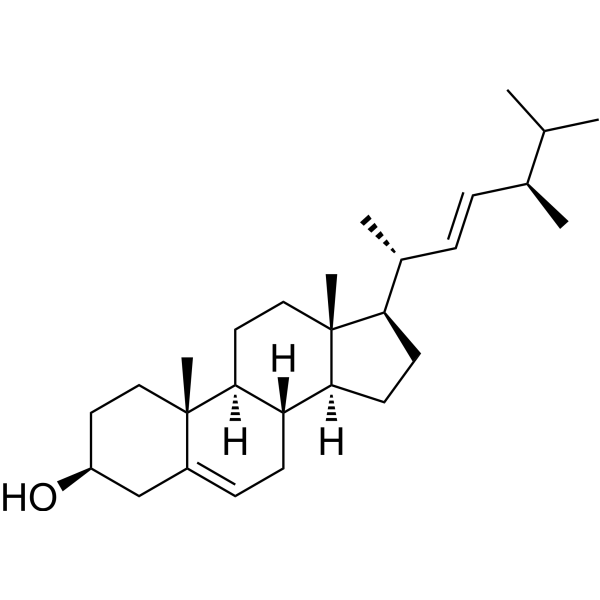
- Formula: C28H46O
- Molecular Weight: 398.66
Brassicasterol is a metabolite of Ergosterol and has cardiovascular protective effects. Brassicasterol exerts anticancer effects in prostate cancer through dual targeting of AKT and androgen receptor signaling pathways. Brassicasterol inhibits HSV-1 (IC50=1.2 μM) and Mycobacterium tuberculosis. Brassicasterol also inhibits sterol δ 24-reductase, slowing the progression of atherosclerosis. Brassicasterol is also a cerebrospinal fluid biomarker for Alzheimer's disease.
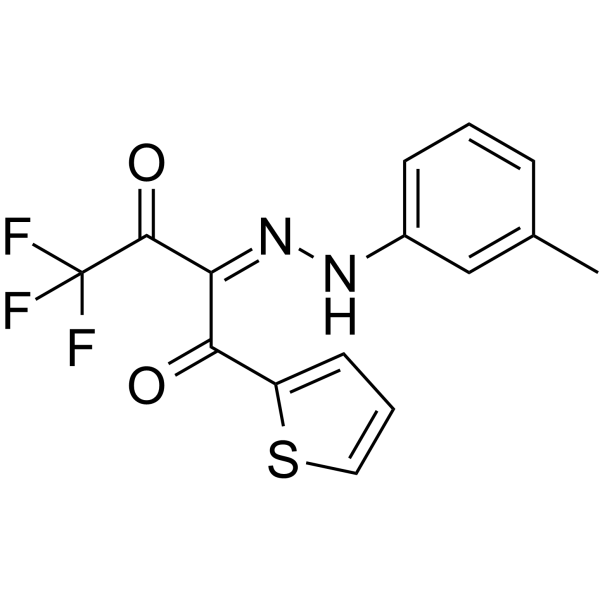
- Formula: C15H11F3N2O2S
- Molecular Weight: 340.32
GR148672X is an inhibitor of carboxylesterase 1 (CES1) and hepatic microsomal triglyceride hydrolase (TGH). GR148672X blocks the catalytic activity of CES1, impairs the functions of triglyceride and cholesteryl ester lipase, reduces triglyceride mobilization and secretion, and decreases apolipoprotein B-100 secretion in primary rat hepatocytes. Under low-glucose conditions, GR148672X inhibits the survival of colorectal cancer cells by reducing free fatty acid availability, inducing toxic triglyceride accumulation, ROS production, mitochondrial damage, ferroptosis and apoptosis. GR148672X can be used in studies related to colorectal cancer and atherosclerosis.

- Formula: C42H58Cl4N4O6
- Molecular Weight: 856.75
Muvalaplin tetrahydrochloride (LY3473329 tetrahydrochloride) is an orally active small molecule apolipoprotein a (apolipoprotein a) inhibitor that binds to the KIV8 domain (Kd = 22 nM) and kringle IV domains 7 and 8, blocks the non-covalent interaction between apo (a) and apoB-100, and prevents Lp (a) assembly, thereby lowering circulating Lp (a) levels. Muvalaplin tetrahydrochloride can be used in research on atherosclerotic cardiovascular disease.
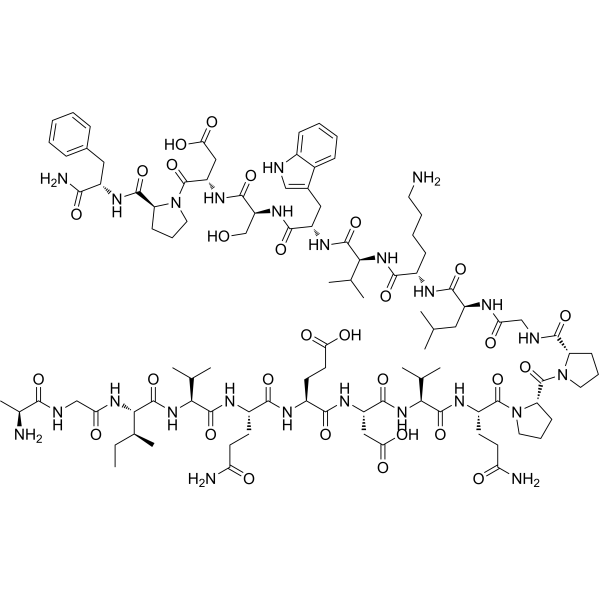
- Formula: C101H153N25O29
- Molecular Weight: 2181.45
Phoenixin-20 (PNX-20) is a neuropeptide that activates GPR173. Phoenixin-20 inhibits LPS-induced TLR-4/MyD88/NF-κB signaling, pro-inflammatory cytokines, adhesion molecules, MMPs, and cytotoxicity. Phoenixin-20 increases SIRT1 and inhibits NLRP3/ASC/caspase-1, oxidative stress, and IL-1β/IL-18. Phoenixin-20 alleviates ox-LDL-induced endothelial dysfunction, monocyte adhesion, adhesion molecules, cytokines, NADPH oxidase/NOX-4, and ROS. Phoenixin-20 promotes GPR173/STAT6-mediated anti-inflammatory polarization of microglia and neuroprotection. Phoenixin-20 can be used in research on dental pulp infection, pulmonary arterial hypertension, atherosclerosis, neuroinflammation, anxiety, and neurodegenerative diseases.

- Formula: C13H18ClNO2
- Molecular Weight: 255.74
LSN3353871 is an orally active inhibitor of lipoprotein (a) (Lp (a)) formation, with Kd values of 756 nM (apo (a) KIV8), 605 nM (apo (a) KIV7-8), and 423 nM (apo (a) KIV5-8), respectively, and an IC50 of 1.69 μM against apo (a) KIV5-8. LSN3353871 reduces circulating Lp (a) levels in transgenic mice and cynomolgus monkeys. LSN3353871 can be used in the research of atherosclerotic cardiovascular disease and calcific aortic valve disease.
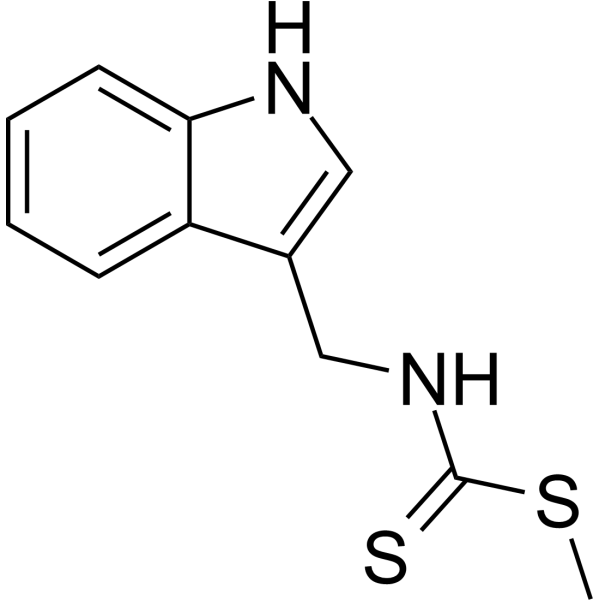
- Formula: C11H12N2S2
- Molecular Weight: 236.37
Brassinin is an indole derivative found in cruciferous plants. Brassinin acts as an IDO inhibitor (Ki = 97.7 μM). Brassinin inhibits angiogenesis and induces apoptosis, autophagy, paraptosis, ROS production, and ER stress. Brassinin selectively stimulates lysosomal degradation of Tie2 and promotes lysosomal and proteasomal degradation of FGFR1 in endothelial cells, downregulating AKT and ERK phosphorylation. Brassinin inhibits endothelial cell proliferation, migration, tube formation, spheroid sprouting, and angiogenesis. Brassinin inhibits PI3K/Akt/mTOR/S6K1 signaling, upregulates p21 and p27, and induces G1 phase cell cycle arrest through RB hypophosphorylation. Brassinin inhibits tyrosinase catalytic activity, reduces tyrosinase mRNA, and inhibits MITF nuclear translocation. Brassinin is used for research on triple-negative breast cancer, chronic myeloid leukemia, colon cancer, glioma, atherosclerosis, and skin cancer.

- Formula: C42H80NO8P
- Molecular Weight: 758.06
1-Palmitoyl-2-linoleoyl-sn-glycero-3-PC (PLPC) is a phosphatidylcholine phospholipid. 1-Palmitoyl-2-linoleoyl-sn-glycero-3-PC and oxidized derivatives serve as models for investigating lipid peroxidation, membrane structure, and phospholipase A2 activity. 1-Palmitoyl-2-linoleoyl-sn-glycero-3-PC can be applied in research on atherosclerosis, oxidative stress, and the properties of lipid bilayers.

Creatine Kinase MB (rCK-MB), Recombinant Human (CK-MB) is a cytoplasmic creatine kinase isoenzyme composed of M and B subunits, belonging to the phosphotransferase family. Creatine Kinase MB (rCK-MB), Recombinant Human catalyzes the transfer of phosphate groups between creatine and phosphocreatine, and consumes phosphocreatine immobilized on the surface of the biosensor, resulting in a decrease in the electrochemical peak current that is proportional to its concentration. Creatine Kinase MB (rCK-MB), Recombinant Human can be used in studies of acute myocardial infarction, coronary artery disease with atherosclerotic plaques, autoimmune myocarditis, and malignant tumors.

- Formula: C38H22ClF3N4O5S
- Molecular Weight: 739.12
TLC-2716 is an orally available, gut- and liver-restricted inhibitor against LXRα and LXRβ, with EC50 values of 7 nM and 15 nM, respectively. TLC-2716 represses LXRα/β transcriptional activity, downregulates genes involved in lipogenesis, lipid absorption and lipoprotein metabolism, and preserves peripheral reverse cholesterol transport. TLC-2716 reduces lipid accumulation, suppresses inflammation and fibrotic gene expression, enhances triglyceride-rich lipoprotein clearance, and improves glucose homeostasis and insulin sensitivity. TLC-2716 lowers serum and hepatic triglycerides, plasma cholesterol and other atherogenic lipid profiles in experimental models and humanized liver mice. TLC-2716 can be used for the research of dyslipidemia and related cardiometabolic disorders.

- Formula: C54H86O14
- Molecular Weight: 959.25
Ginsenoside C-K hexapropionate ester (Structure 2) is a selective agonist of LXRα, with no significant activation effect on LXRβ. Ginsenoside C-K hexapropionate ester upregulates the expression of downstream genes such as ABCA1 by activating LXRα, promoting reverse cholesterol transport, and reducing lipid deposition in macrophage-derived foam cells. It can be used in the research of atherosclerosis. Ginsenoside C-K hexapropionate ester is a derivative synthesized from ginsenoside Compound K, an active metabolite of Panax notoginseng saponins, by modification with propionic anhydride.

- Formula: C24H23NO3
- Molecular Weight: 373.44
AZD2716 is an orally active secretory phospholipase A2 (sPLA2) inhibitor. AZD2716 inhibits human GIIA sPLA2 (IC50=10 nM), human GV sPLA2 (IC50=40 nM), human GX sPLA2 (IC50=400 nM), snake venom sPLA2 (IC50=2 pM), and snake (Bothrops jararacussu) Lys49-PLA2-like toxin (Kd=110 μM). AZD2716 inhibits sPLA2 isoforms IIa, V, X, snake venom sPLA2s, and snake venom Lys49-PLA2-like toxin myotoxic activity via hydrophobic channel binding. AZD2716 suppresses GIIA sPLA2 production, neutralizes snake venom-induced myotoxicity, and improves survival in envenomed mice. AZD2716 can be used for the research of coronary artery disease, atherosclerosis, and snakebite envenoming.
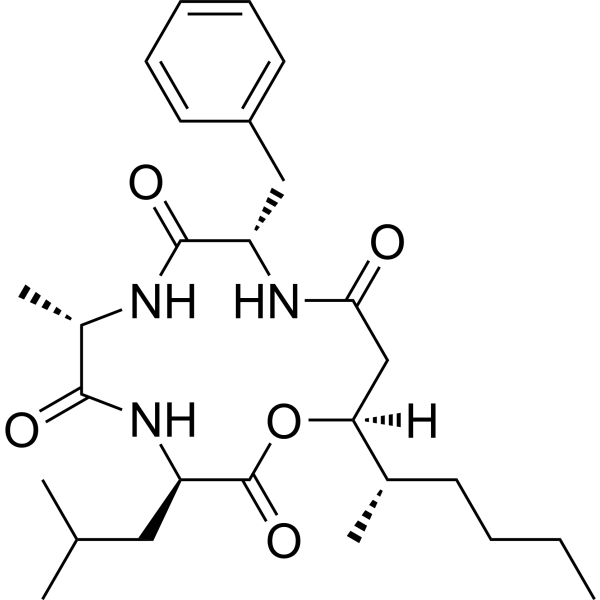
- Formula: C27H41N3O5
- Molecular Weight: 487.63
Beauveriolide I is an ACAT/SOAT inhibitor. Beauveriolide I selectively inhibits macrophage cholesteryl ester synthesis, blocks cholesteryl ester recycling, reduces cholesterol concentration, lipid droplet accumulation, and post-lysosomal cholesterol metabolism, and promotes the degradation of cholesteryl esters preferentially over triglycerides. Beauveriolide I reduces amyloid β peptide secretion. Beauveriolide I exhibits insecticidal and weak antibacterial activities. Beauveriolide I can be used in research on atherosclerosis, Alzheimer's disease, and cancer.

- Formula: C27H46O
- Molecular Weight: 386.65
Cholesterol (synthetic) is the major sterol in mammals. It is making up 20-25% of structural component of the plasma membrane. Plasma membranes are highly permeable to water but relatively impermeable to ions and protons. Cholesterol (synthetic) plays an important role in determining the fluidity and permeability characteristics of the membrane as well as the function of both the transporters and signaling proteins. Cholesterol (synthetic) is also an endogenous estrogen-related receptor α (ERRα) agonist.



