



Fatty Acids
-
- Amino Fatty Acids (330)
- Branched Fatty Acids (398)
- Carbocyclic Fatty Acids (309)
- Dicarboxylic Acids (61)
- Epoxy Fatty Acids (38)
- Halogenated Fatty Acids (23)
- Heterocyclic Fatty Acids (7)
- Hydroxy Fatty Acids (623)
- Methoxy Fatty Acids (5)
- Nitro Fatty Acids (6)
- Oxo Fatty Acids (135)
- Straight Chain Fatty Acids (41)
- Thia Fatty Acids (9)
- Unsaturated Fatty Acids (978)
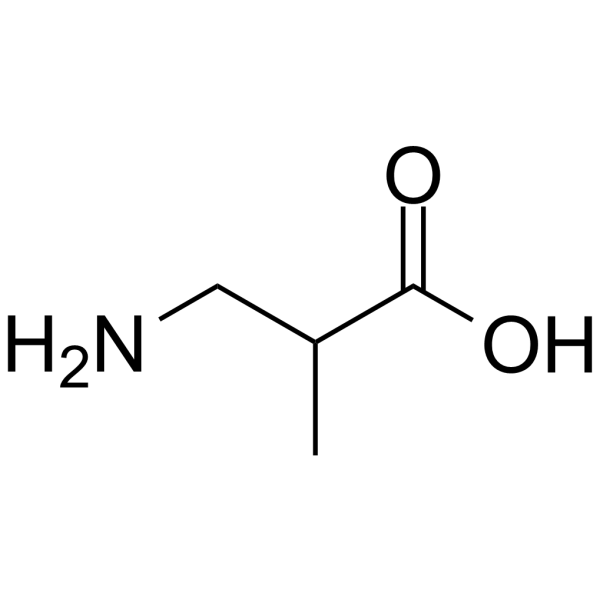
- Formula: C4H9NO2
- Molecular Weight: 103.12
3-Aminoisobutyric acid (β-Aminoisobutyric acid) has anti-inflammatory and antioxidant effects. 3-Aminoisobutyric acid increases the expression of brown adipocyte-specific genes in white adipose tissue and fatty acid β-oxidation in hepatocytes. 3-Aminoisobutyric acid attenuates insulin resistance and inflammation induced by palmitate or a high fat diet via an AMPK-PPARδ-dependent pathway in mice. 3-Aminoisobutyric acid is a catabolic metabolite of thymine and valine in skeletal muscle.
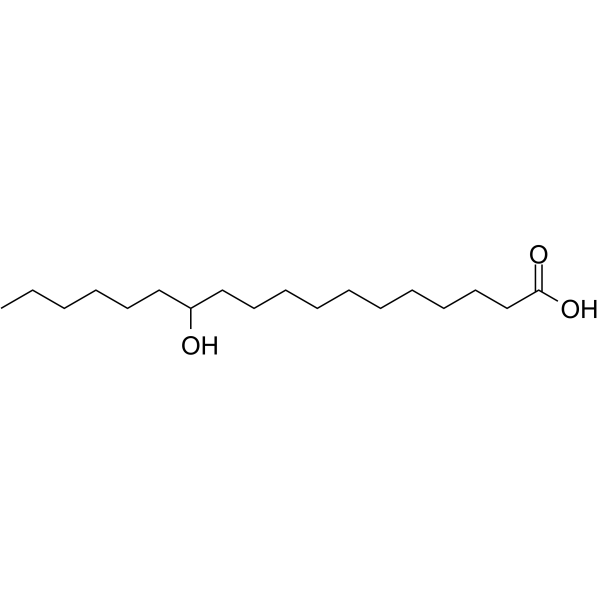
- Formula: C18H36O3
- Molecular Weight: 300.48
12-Hydroxystearic acid is a structurally simple and cost-effective low molecular weight organogelator, and its metal salts and derivatives find roles in many important applications.

- Formula: C6H10O8
- Molecular Weight: 210.14
Saccharic acid is a competitive and potent inhibitor of β-glucuronidase. Saccharic acid inhibits glucuronide synthesis. Saccharic acid as an efficient iron chelate to enhance photo-Fenton
degradation of organic contaminants.
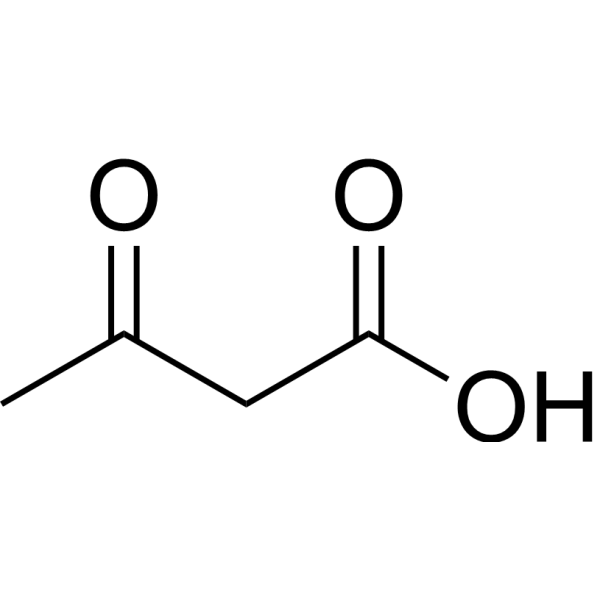
- Formula: C4H6O3
- Molecular Weight: 102.09
Acetoacetic acid is an oxidative stress inducer that affects the antioxidant enzyme system and lipoprotein metabolism. Acetoacetic acid induces oxidative stress by decreasing the mRNA expression and activity of superoxide dismutase (SOD), catalase (CAT), and glutathione peroxidase (GSH-Px), increasing MDA content, and inhibiting very low density lipoprotein (VLDL) assembly by downregulating apolipoprotein ApoB100, ApoE, and low density lipoprotein receptor (LDLR), leading to triglyceride (TG) accumulation in hepatocytes. Acetoacetic acid can be used to study metabolic diseases.
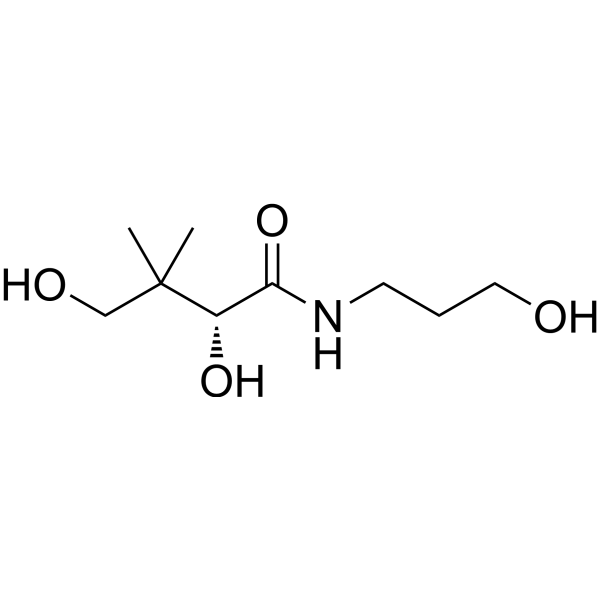
- Formula: C9H19NO4
- Molecular Weight: 205.25
D-Panthenol is the biologically-active alcohol of pantothenic acid, which leads to an elevation in the amount of coenzyme A in the cell. D-panthenol exhibits nephroprotective effect in AKI, promotes tissue repair and regeneration.
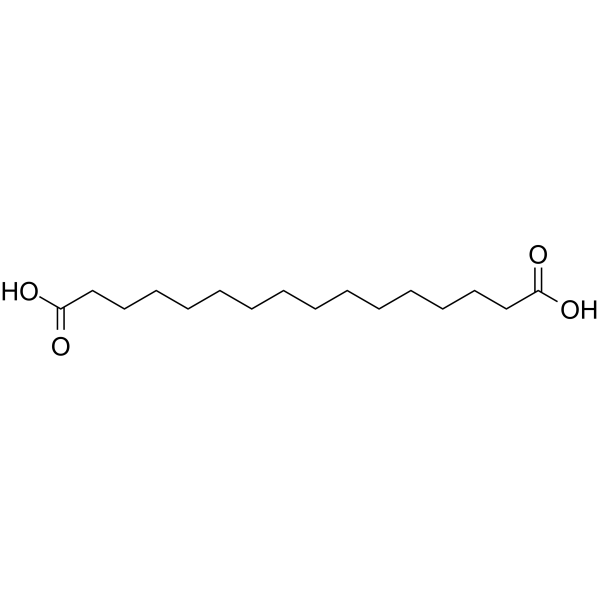
- Formula: C16H30O4
- Molecular Weight: 286.41
Hexadecanedioic acid (Thapsic acid) is an orally active metabolite produced by B. uniformis. Hexadecanedioic acid inhibits IRE1α-XBP1s-mediated flipogenesis and ferroptosis. Hexadecanedioic acid downregulates XBP1 and Hrd1 expression, activates the Nrf2/SLC7A11/GPX4 pathway. Hexadecanedioic acid can be used for the research of metabolic-associated fatty liver disease.
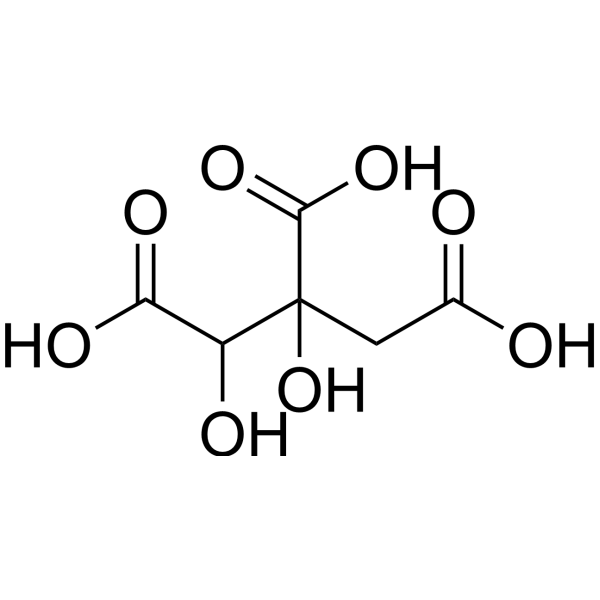
- Formula: C6H8O8
- Molecular Weight: 208.12
Hydroxycitric acid is an orally active, multi-target, multi-bioactive organic acid. activates Nrf2 and its downstream molecule GPX4, increases glutathione levels, and thereby inhibits ferroptosis. Hydroxycitric acid activates the Nrf2/Keap1 and ACLY/NF-κB signaling pathways, upregulates the activities of antioxidant enzymes such as superoxide dismutase, reduces MDA content, thereby alleviating oxidative stress and renal tubular epithelial cell apoptosis, and improves pulmonary vascular and right ventricular remodeling. Hydroxycitric acid activates both the AMPK and mTORC1/S6K pathways, triggers the unfolded protein response, arrests the cancer cell cycle, and induces DNA fragmentation.
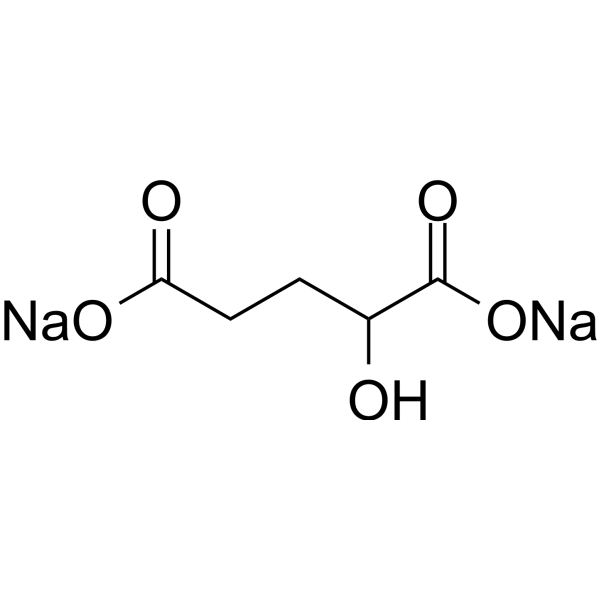
- Formula: C5H6Na2O5
- Molecular Weight: 192.08
α-Hydroxyglutaric acid (2-Hydroxyglutarate) disodium is an α-hydroxy acid form of glutaric acid. α-Hydroxyglutaric acid disodium is a competitive inhibitor of multiple α-ketoglutarate-dependent dioxygenases, including histone demethylases and the TET family of 5-methlycytosine (5mC) hydroxylases.
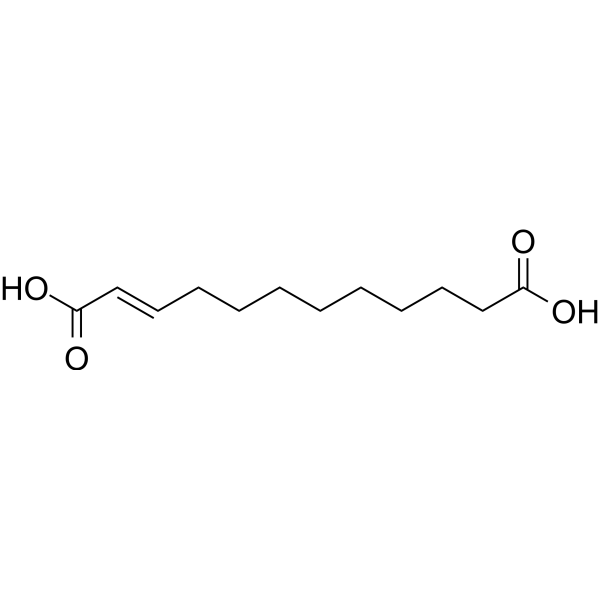
- Formula: C12H20O4
- Molecular Weight: 228.28
Traumatic Acid is a wound healing agent and a cytokinin (phytohormone). Traumatic Acid enhances the biosynthesis of collagen in cultured human skin fibroblasts. Traumatic Acid inhibits MCF-7 breast cancer cells viability and enhances apoptosis and oxidative stress. Traumatic Acid can be used in studies of cancer, circulatory disorders (including arterial hypertension), and skin diseases associated with oxidative stress and impaired collagen biosynthesis.
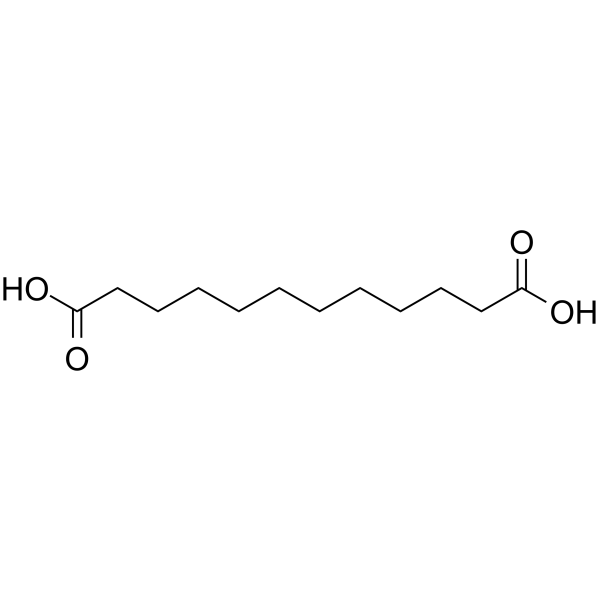
- Formula: C12H22O4
- Molecular Weight: 230.30
Dodecanedioic acid is an orally active straight-chain dicarboxylic acid. As an alternative energy substrate between lipids and carbohydrates, Dodecanedioic acid can be rapidly oxidized during exercise, reducing muscle fatigue without stimulating insulin secretion. Dodecanedioic acid also exhibits blood glucose-lowering activity in non-insulin-dependent diabetes mellitus.
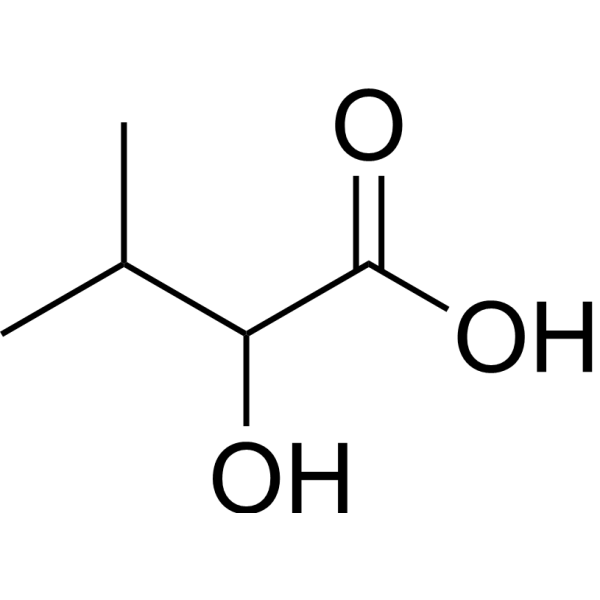
- Formula: C5H10O3
- Molecular Weight: 118.13
2-Hydroxy-3-methylbutanoic acid (α-Hydroxyisovaleric acid) is an α-hydroxy analogue of valine and a valine precursor that reduces urea excretion. 2-Hydroxy-3-methylbutanoic acid can promote the growth of chickens and rats, and is converted into valine in the body, participating in protein synthesis and maintaining nitrogen balance, thereby supporting animal growth and development. 2-Hydroxy-3-methylbutanoic acid has a more significant effect on the valine-deficient dietary model. 2-Hydroxy-3-methylbutanoic acid is mainly used in animal nutrition research to evaluate its potential application as a nitrogen source substitute in feed.
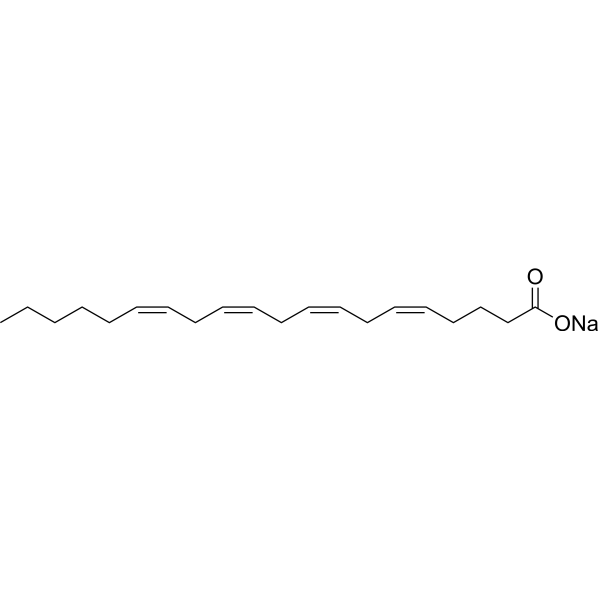
- Formula: C20H31NaO2
- Molecular Weight: 326.45
Arachidonic acid (Immunocytophyt) sodium salt is a polyunsaturated omega-6 fatty acid and a major constituent of biomembranes. Arachidonic acid sodium salt also acts as the substrate for various lipid mediators, such as prostaglandins (PGs). Arachidonic acid sodium salt improves cognitive response and cardiovascular function.
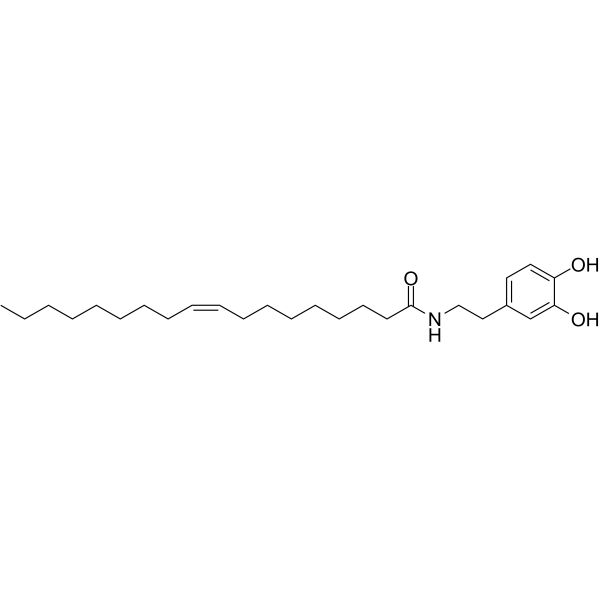
- Formula: C26H43NO3
- Molecular Weight: 417.62
N-Oleoyldopamine (OLDA) is an orally active TRPV1 activator and 5-LOX inhibitor with blood-brain barrier permeability. N-Oleoyldopamine excites histaminergic neurons in the tuberomammillary nucleus via a dopamine receptor mechanism, a process independent of TRPV1 and cannabinoid receptors. On one hand, N-Oleoyldopamine promotes the release of insulin and glucose-dependent insulinotropic polypeptide through a GPR119-dependent pathway to improve glucose tolerance; on the other hand, N-Oleoyldopamine improves left ventricular function and reduces myocardial infarction size by triggering the release of substance P and calcitonin gene-related peptide. N-Oleoyldopamine is used in studies related to glycemic abnormalities and myocardial ischemia-reperfusion injury.
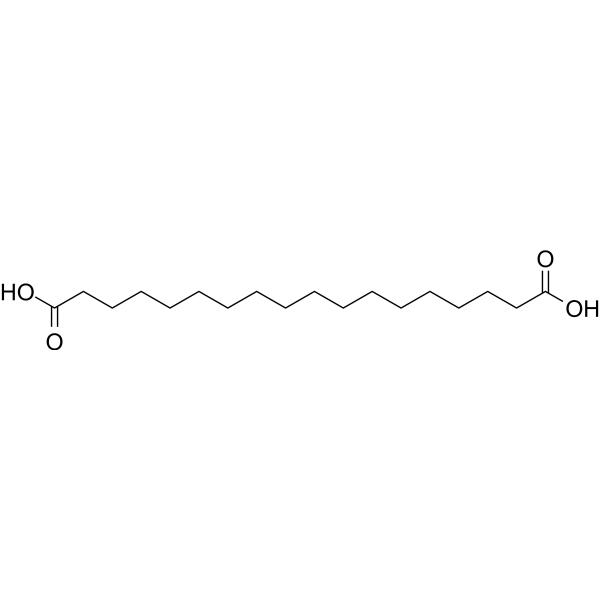
- Formula: C18H34O4
- Molecular Weight: 314.46
Octadecanedioic acid is an endogenous metabolite. Octadecanedioic acid can be used in the research of Reye's syndrome.
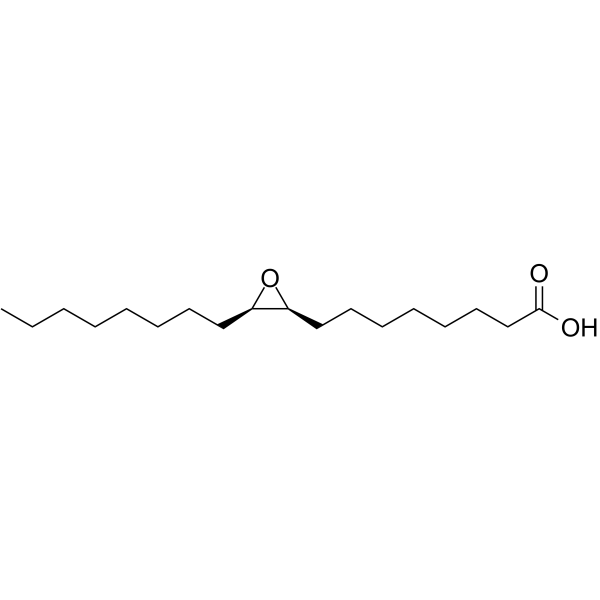
- Formula: C18H34O3
- Molecular Weight: 298.46
cis-9,10-Epoxystearic acid (cis-9,10-Epoxyoctadecanoic acid) is an endogenous metabolite that can be found in plasma and urine.
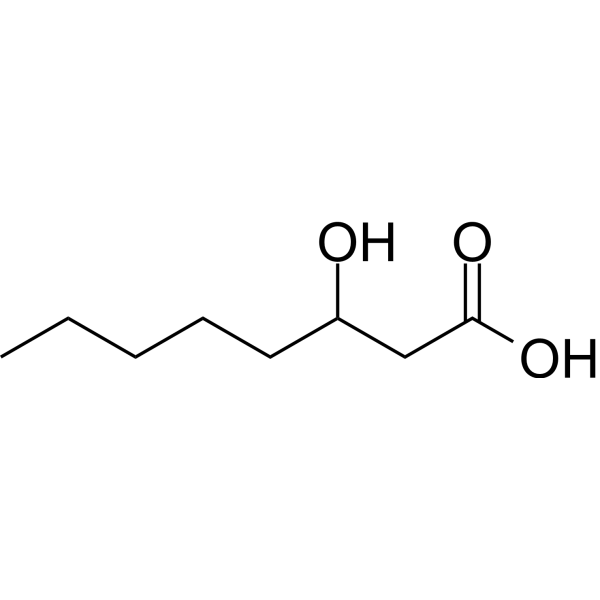
- Formula: C8H16O3
- Molecular Weight: 160.21
3-Hydroxyoctanoic acid is a medium-chain β-hydroxy fatty acid that possesses antibacterial, antifungal, and quorum-sensing regulatory activities. 3-Hydroxyoctanoic acid is an endogenous agonist of the human HCAR3 receptor, decreases intracellular cAMP, reduces IL-1beta secretion, increases IL-10 secretion, and decreases ROS production in macrophages. 3-Hydroxyoctanoic acid inhibits quorum-sensing-regulated pyocyanin production in Pseudomonas aeruginosa PAO1 and inhibits the yeast-to-hypha transition in Candida albicans. 3-Hydroxyoctanoic acid is used in research related to metabolism, bacterial infections, and fungal infections.
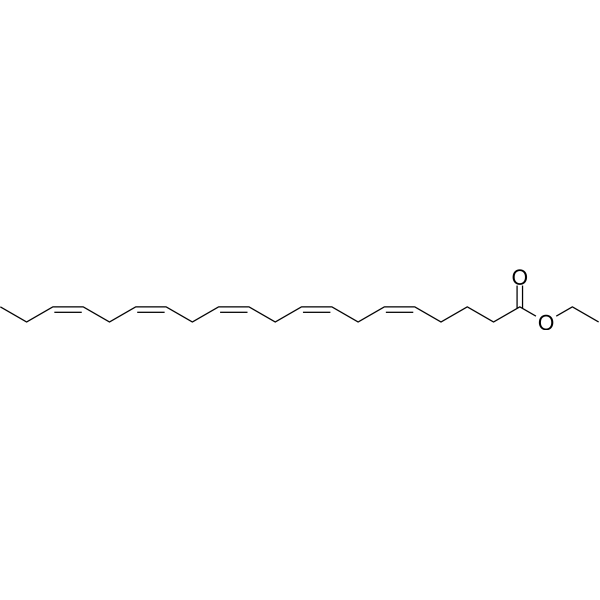
- Formula: C22H34O2
- Molecular Weight: 330.50
Eicosapentaenoic acid ethyl ester (EPA ethyl ester) is an orally active ω-3 fatty acid agent. Eicosapentaenoic acid ethyl ester could improve the activity of liver β-oxidase in vitro, reduce the level of liver total triglyceride, increase the content of liver triglyceride and phospholipid ω-3 fatty acid, and increase the total ω-3 fatty acid level in rats.
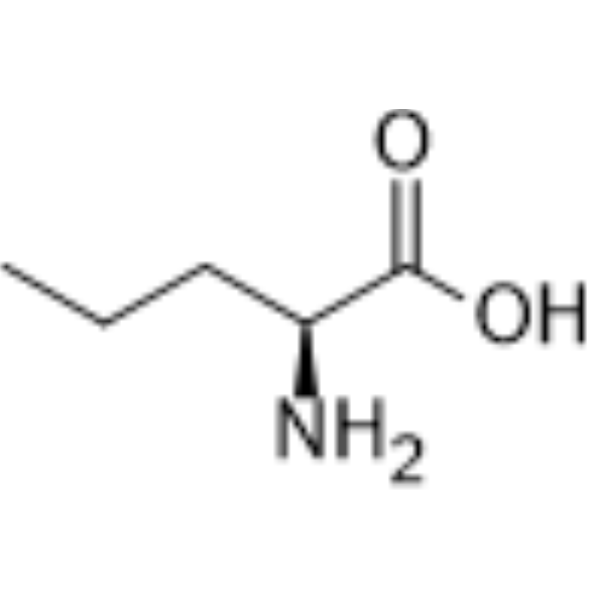
- Formula: C5H11NO2
- Molecular Weight: 117.15
L-Norvaline is the inhibitor for arginase, that promotes the production of NO, reduces oxidative stress, improves insulin resistance, and exhibits antioxidant and anti-hyperglycemic effects. L-Norvaline can be used in research of Alzheimer’s disease.
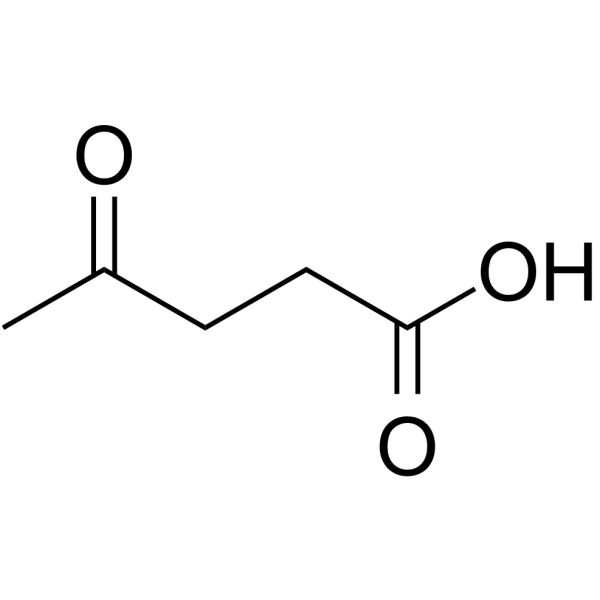
- Formula: C5H8O3
- Molecular Weight: 116.12
Levulinic acid is a precursor for the synthesis of biofuels, such as ethyl levulinate. Levulinic acid is also a 5-keto-pentanoic acid. Levulinic acid can be utilized by the cells as a cosubstrate for biopolymer synthesis. Levulinic acid can be used in antibacterial research.



