
58 Results for "

hypoglycemic activity

" in MedChemExpress (MCE) Product Catalog:
Products (58)

58 Results for "hypoglycemic activity" in MCE Product Catalog:

13
13 Publications Verification
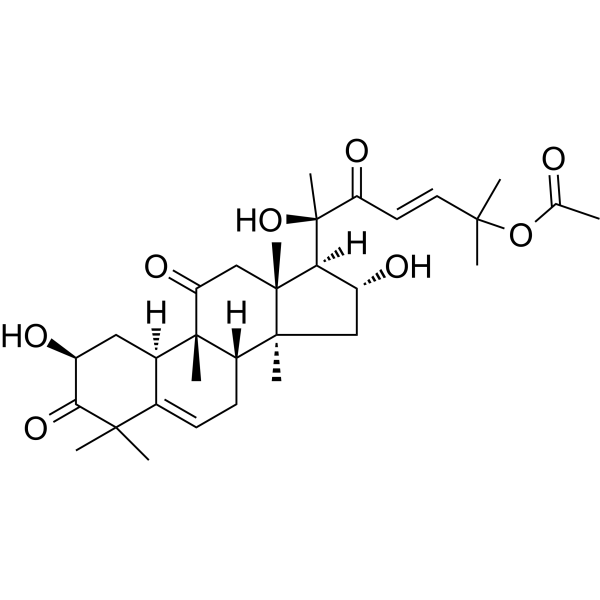
Cat. No.: HY-N0416
CAS No.: 6199-67-3
Cucurbitacin B belongs to a class of highly oxidized tetracyclic triterpenoids and is oral active. Cucurbitacin B inhibits tumor cell growth, migration and invasion and cycle arrest, but induces cell apoptosis. Cucurbitacin B has potent anti-inflammatory, antioxidant, antiviral, hypoglycemic, hepatoprotective, neuroprotective activity .
loading...
    loading...
9
9 Cited Publications
Cat. No.: HY-N6653
CAS No.: 37339-90-5
Lentinan is an orally active biocompatible multifunctional polysaccharide with biological activities such as anti-inflammatory, antioxidant, immune regulation, anti-tumor, hypoglycemic, and lipid-lowering [1][4].
loading...
    loading...
6
6 Cited Publications
Cat. No.: HY-N0205
CAS No.: 129741-57-7
Synonyms: Anemoside B4
Pulchinenoside C (Anemoside B4) is Pulsatilla koreana Nakai that have many numerous biological effects in vitro, including enhancing hypoglycemic, anti-tumor, neuroprotective and anti-angiogenic activity.
loading...
    loading...
3
3 Cited Publications
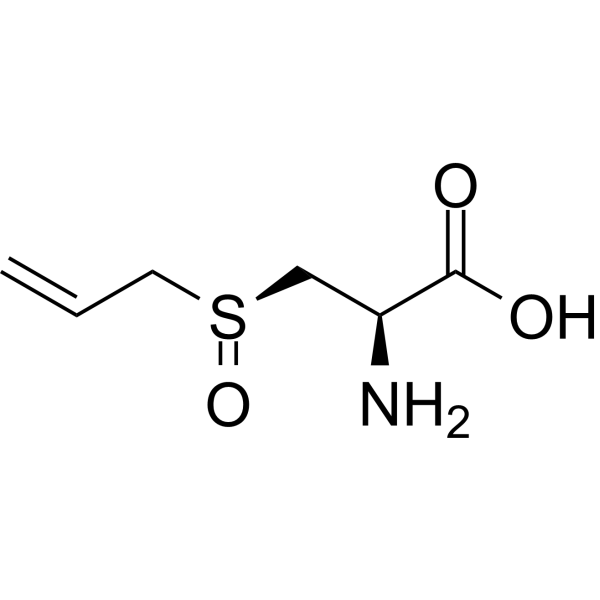
Cat. No.: HY-N0661
CAS No.: 556-27-4
Alliin, an orally active sulfoxide compound that can be isolated from garlic, exhibits hypoglycemic, antioxidant, anti-inflammatory and antitumor activities .
loading...
    loading...
3
3 Cited Publications
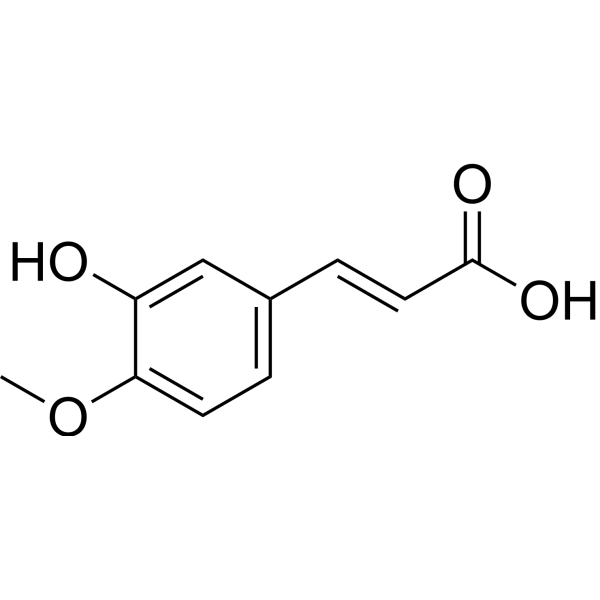
Cat. No.: HY-N0761
CAS No.: 537-73-5
Synonyms: 3-Hydroxy-4-methoxycinnamic acid
Isoferulic acid (3-Hydroxy-4-methoxycinnamic acid) is an orally active cinnamic acid derivative. Isoferulic acid exhibits hypoglycemic, antiviral, and antioxidant activities. Isoferulic acid can also inhibit fructose- and glucose-mediated protein glycation. Isoferulic acid can be used in the research of diseases such as diabetes .
loading...
    loading...
1
1 Cited Publications
Cat. No.: HY-147246
CAS No.: 1868138-66-2
Purity:  99.34%
Synonyms: HTD1801; BUDCA
Research Areas:  

Metabolic Disease

Berberine ursodeoxycholate (HTD1801), an ionic salt of Berberine and Ursodeoxycholic acid, is an orally active and potent hypolipidemic agent. Berberine ursodeoxycholate shows significantly great reduction in liver fat content. Berberine ursodeoxycholate has a broad spectrum of metabolic activity. Berberine ursodeoxycholate can be used for the research of hyperlipidemia, non-alcoholic steatohepatitis (NASH) and diabetes .
loading...
    loading...
1
1 Cited Publications
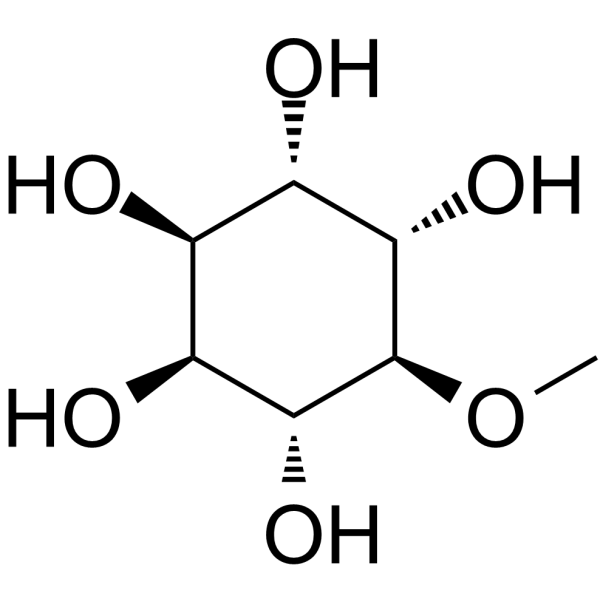
Cat. No.: HY-N0655
CAS No.: 10284-63-6
Synonyms: 3-O-Methyl-D-chiro-inositol
D-pinitol (3-O-Methyl-D-chiro-inositol) is a natural compound presented in several plants, like Pinaceae and Leguminosae plants. D-pinitol exerts hypoglycemic activity and protective effects in the cardiovascular system . D-pinitol has antiviral and larvicidal activities .
loading...
    loading...
1
1 Cited Publications
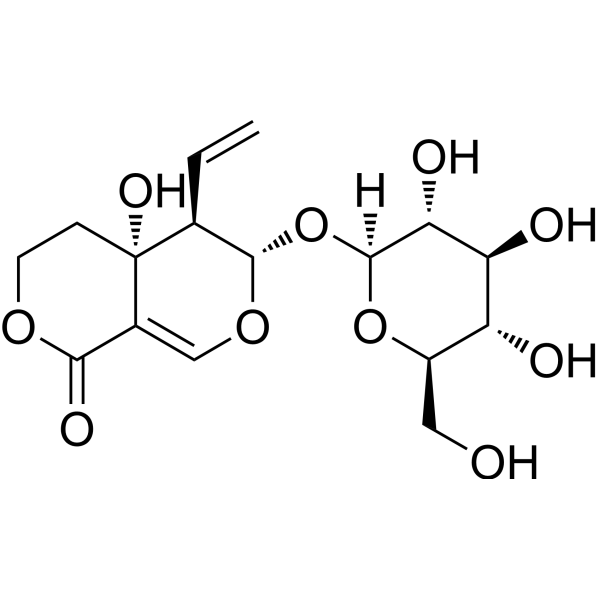
Cat. No.: HY-N0807
CAS No.: 17388-39-5
Swertiamarin is an orally active natural product with hypoglycemic, lipid-lowering, anti-rheumatic, and antioxidant activities. Swertiamarin can regulate the levels of pro-inflammatory cytokines, MMP, and NF-κB, and promote osteoblast proliferation. Swertiamarin has antioxidant and hepatoprotective effects against carbon tetrachloride induced rat liver toxicity through the Nrf2/HO-1 pathway. Swertiamarin can attenuate inflammatory mediators by regulating JAK2/STAT3 transcription factors in adjuvant induced arthritis rats. Swertiamarin can be used in the research of diabetes and arthritis .
loading...
    loading...
1
1 Cited Publications
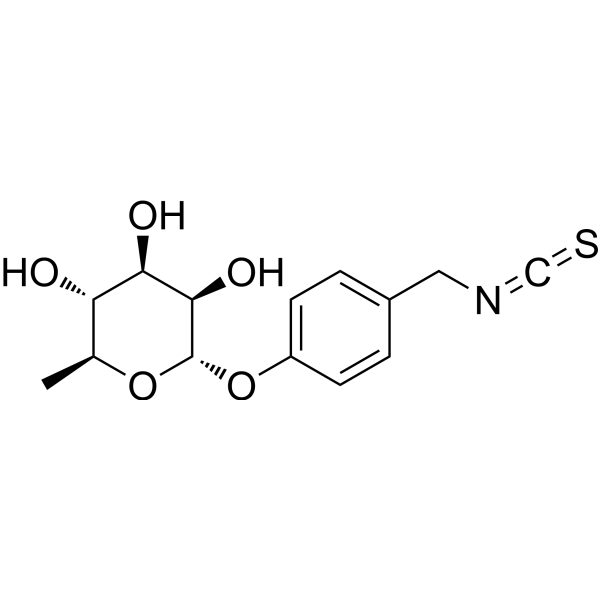
Cat. No.: HY-N8264
CAS No.: 73255-40-0
Moringin is a potent and selective TRPA1 ion channel natural agonist with an EC50 of 3.14 μM. Moringin does not activate or activates very weakly the vanilloids somatosensory channels TRPV1, TRPV2, TRPV3 and TRPV4, and the melastatin cooling receptor TRPM8. Moringin has hypoglycemic, antimicrobial, anti-inflammatory, anticancer and neuroprotection activities .
loading...
    loading...
1
1 Cited Publications
Cat. No.: HY-128447
CAS No.: 10152-76-8
Purity:  ≥98.0%
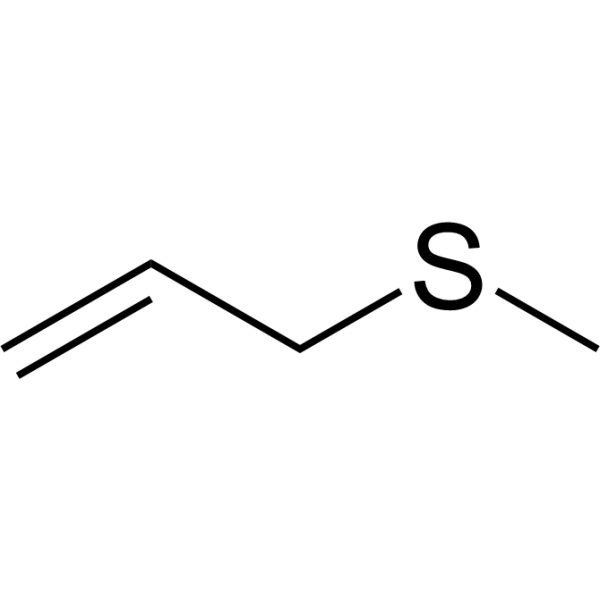
Allyl methyl sulfide is an orally active organic sulfide. Allyl methyl sulfide is one of the main active ingredients in garlic volatile metabolites. Allyl methyl sulfide can be extracted from garlic. Allyl methyl sulfide enhances SOD activity, inhibits NF-κB signaling pathway, and upregulates pancreatic GLUT2 expression. Allyl methyl sulfide has significant antioxidant, anti-inflammatory and hypoglycemic activities. Allyl methyl sulfide can be used in the research of diabetes and its complications .
loading...
    loading...
1
1 Cited Publications
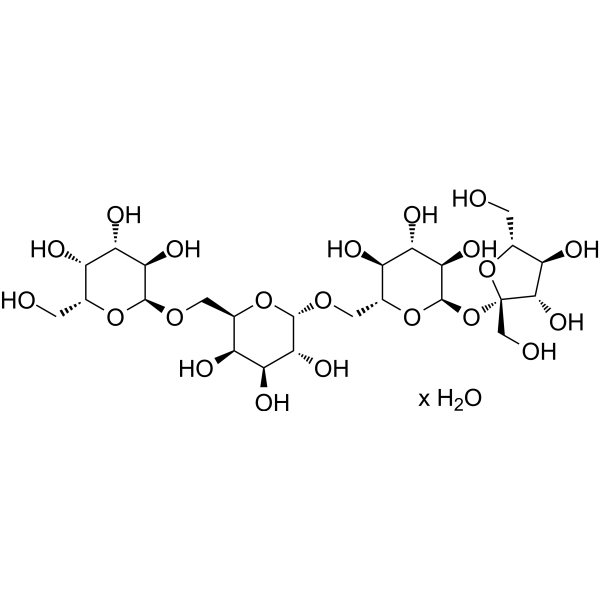
Cat. No.: HY-N0299
CAS No.: 54261-98-2
Stachyose hydrate is an orally active prebiotic that enhances the growth and activity of beneficial bacteria. Stachyose hydrate has hypoglycemic effects and can improve inflammation by regulating gut microbiota. In addition, Stachyose hydrate can induce plant cell apoptosis (Apoptosis). Stachyose hydrate can be used in research on inflammation, gastrointestinal diseases, and agriculture .
loading...
    loading...
1
1 Cited Publications
Cat. No.: HY-136093A
CAS No.: 1422365-94-3
Purity:  99.88%
Synonyms: IM156; HL156A; HL271 acetate
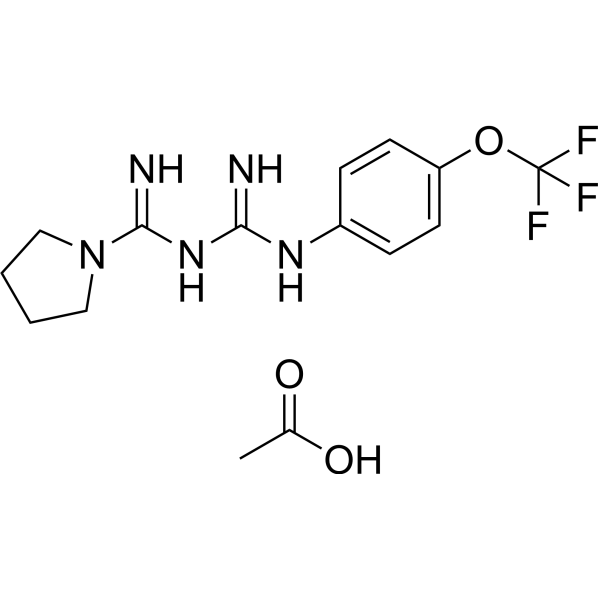
Lixumistat (IM156) acetate is a potent and orally active AMPK activator and OXPHOS inhibitor. Lixumistat acetate strongly activates AMPK, while it lacks the systemic metabolic regulatory effects of classic metformin, such as hypoglycemic and weight-lowering activities. Lixumistat acetate exhibits significant therapeutic effects on cognitive decline associated with brain aging and pulmonary fibrosis .
loading...
    loading...
1
1 Cited Publications
Cat. No.: HY-136093B
CAS No.: 1422365-93-2
Synonyms: IM156 free base; HL156A free base; HL271 free base
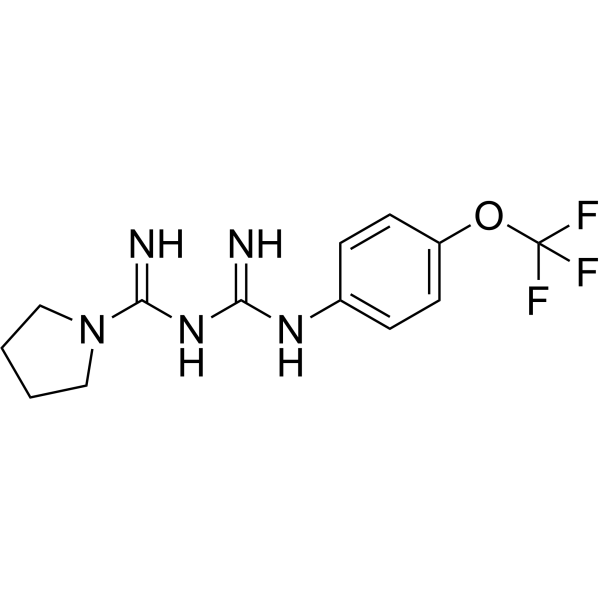
Lixumistat (IM156 free base) is a potent and orally active AMPK activator and OXPHOS inhibitor. Lixumistat strongly activates AMPK, while it lacks the systemic metabolic regulatory effects of classic metformin, such as hypoglycemic and weight-lowering activities. Lixumistat exhibits significant therapeutic effects on cognitive decline associated with brain aging and pulmonary fibrosis .
loading...
    loading...
1
1 Cited Publications
Cat. No.: HY-136093
CAS No.: 1422365-52-3
Purity:  99.25%
Synonyms: HL271; IM156 hydrochloride; HL156A hydrochloride
Research Areas:  

Neurological Disease

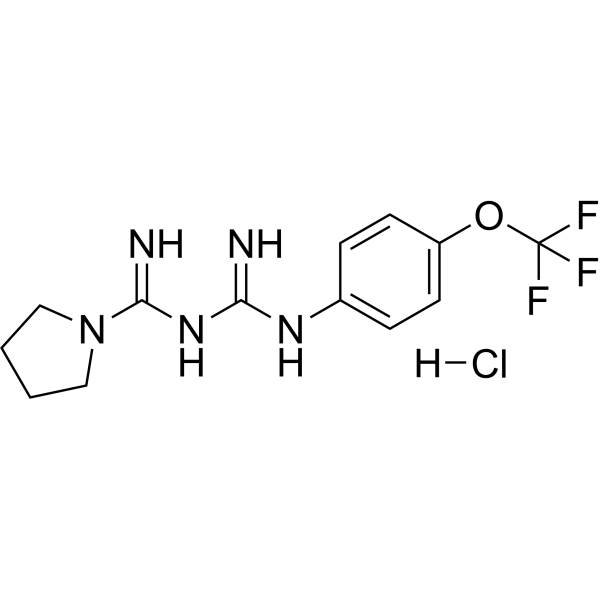
Lixumistat (IM156) hydrochloride is a potent and orally active AMPK activator and OXPHOS inhibitor. Lixumistat hydrochloride strongly activates AMPK, while it lacks the systemic metabolic regulatory effects of classic metformin, such as hypoglycemic and weight-lowering activities. Lixumistat hydrochloride exhibits significant therapeutic effects on cognitive decline associated with brain aging and pulmonary fibrosis .
loading...
    loading...
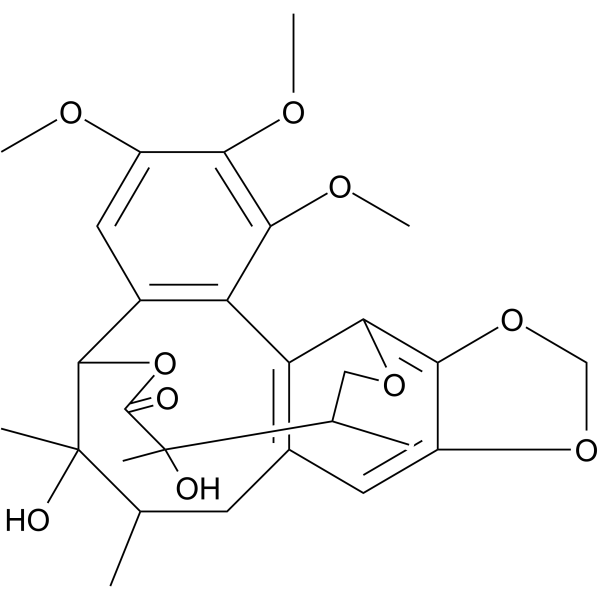
Cat. No.: HY-N2413
CAS No.: 60546-10-3
Gomisin D is an orally active lignan that binds to PDGFRβ with a Kd of 10 μM. By targeting PDGFRβ to regulate signaling pathways, Gomisin D inhibits the activation and proliferation of hepatic stellate cells and promotes their apoptosis, thereby ameliorating hepatic fibrosis. Gomisin D exhibits multiple activities such as photoprotection, antimelanogenesis, antioxidant effects, and hypoglycemic activity. Gomisin D can be used in studies related to diabetes, Alzheimer's disease, and hepatic fibrosis .
loading...
    loading...
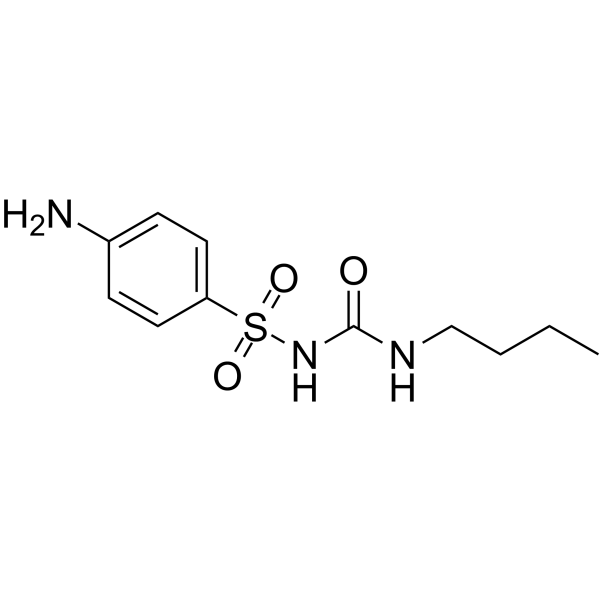
Cat. No.: HY-W011651
CAS No.: 339-43-5
Synonyms: BZ-55
Target:  

Phosphatase

Research Areas:  

Metabolic Disease

Carbutamide (BZ-55) is an orally active and first-generation sulfonylurea with hypoglycemic activity .
loading...
    loading...
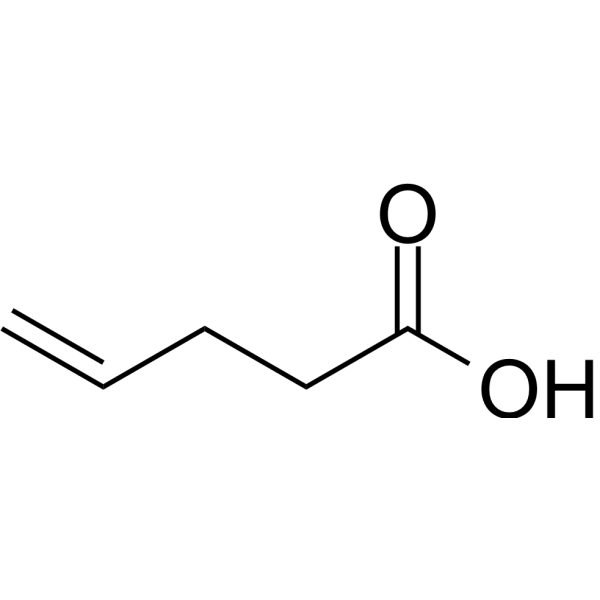
Cat. No.: HY-Y0624
CAS No.: 591-80-0
4-Pentenoic acid is a medium-chain unsaturated fatty acid. 4-Pentenoic acid has hypoglycemic and fatty acid oxidation inhibitory activities. 4-Pentenoic acid can affect blood glucose metabolism and energy metabolism through mechanisms such as inhibiting long-chain fatty acid oxidation, reducing gluconeogenesis, and promoting glucose utilization .
loading...
    loading...
Cat. No.: HY-P10302A
Target:  

GLP Receptor

GLP-1R/GIPR agonist-1 sodium is a dual GLP-1/GIP receptor agonist, with an EC50 of 0.57 nM for GLP-1R and an EC50 of 0.75 nM for GIPR. GLP-1R/GIPR agonist-1 sodium reduces food intake, inhibits weight gain, repairs islet damage, improves glucose tolerance, regulates serum lipid and liver enzyme levels, ameliorates hepatic vacuolization, reduces hepatic fat accumulation, delays the progression of hepatic fibrosis, and exhibits long-lasting hypoglycemic activity. GLP-1R/GIPR agonist-1 sodium can be used in research related to type 2 diabetes, obesity, and non-alcoholic steatohepatitis .
loading...
    loading...
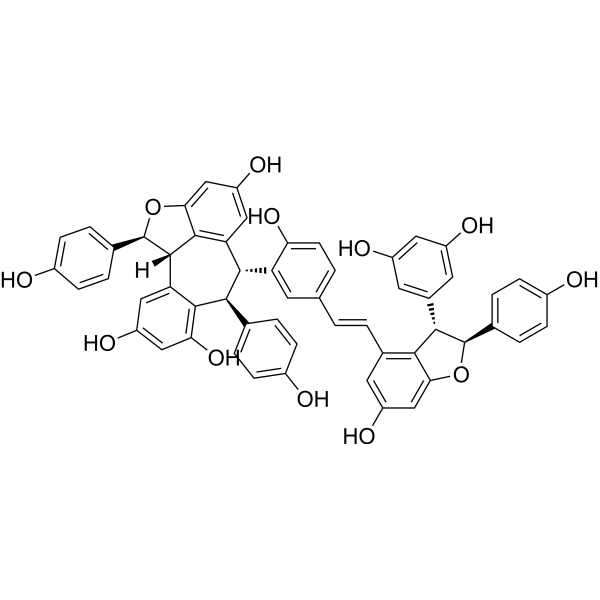
Cat. No.: HY-142026
CAS No.: 142449-89-6
Synonyms: (+)-Vitisin A
Vitisin A ((+)-Vitisin A) is an orally active natural product with multiple pharmacological activities including anti-inflammatory, anti-tumor, anti-oxidant, anti-pathogenic microorganism, hypoglycemic and lipid-regulating, anti-osteoporotic, neuroprotective and cardiovascular protective effects. Vitisin A exhibits inhibitory effects on human AChE and MAO-B with IC50 values of 1.29 µM and 4.94 µM, respectively. Vitisin A inhibits the ERK, MAPK, NF-κB, STAT1, HMGCR and TRAF6 pathways, downregulates the related phosphorylation and protein expression, while activates the Nrf2/HO-1 pathway and upregulates p21 expression. Vitisin A induces tumor cell apoptosis and cell cycle arrest, inhibits adipogenesis and lipid accumulation, while alleviates oxidative stress, suppresses inflammatory responses, blocks hepatic fibrosis, Cuproptosis and cholesterol synthesis, and increases the expression levels of central BDNF and TrkB. Vitisin A can be used in the research of tumors, infectious diseases, metabolic diseases, bone and joint diseases, liver diseases, skin injuries, as well as neurodegenerative and cognitive dysfunction-related diseases .
loading...
    loading...
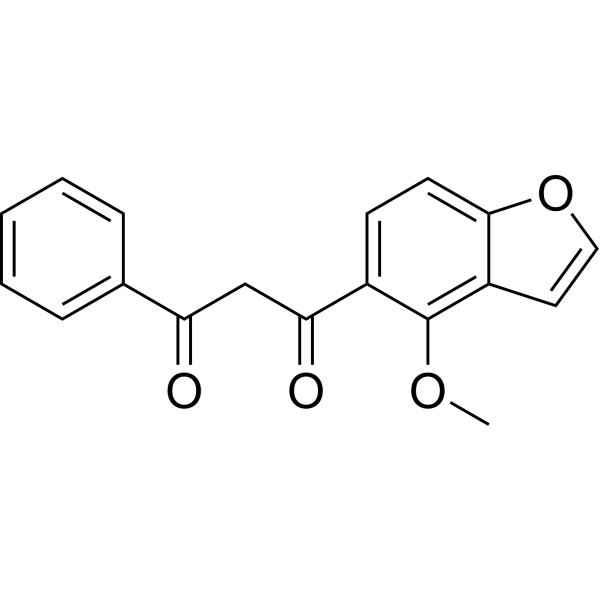
Cat. No.: HY-121811
CAS No.: 484-33-3
Purity:  99.81%
Synonyms: Lanceolatin C
Pongamol (Lanceolatin C) is an orally active flavonoid with an IC50 of 75 μM and a Ki of 58 μM against PTPase-1B, and an IC50 of 103.5 μM against intestinal α-Glycosidase. Pongamol reduces the release of IL‑1β, TNF‑α, COX‑2 and iNOS in cells, reverses the nuclear translocation of NF‑κB, and upregulates the levels of Beclin 1 and LC3 Ⅱ/LC3 Ⅰ. Pongamol promotes glucose uptake by increasing the level of GLUT4 on the surface of skeletal muscle cells. Pongamol inhibits epithelial-mesenchymal transition by suppressing the FAK/Akt-mTOR signaling pathway. Pongamol inhibits neuronal cytotoxicity, suppresses cell apoptosis and extends the lifespan of Caenorhabditis elegans by activating the MAPKs/Nrf2 signaling pathway. Pongamol exerts hypoglycemic effects in diabetic mouse models. Pongamol exhibits antibacterial activity. Pongamol alleviates oxidative stress, neuroinflammation, deposition and excessive phosphorylation of Tau Protein, and restores autophagy function in Alzheimer's disease mouse models by inhibiting the Akt/mTOR signaling pathway. Pongamol is applicable to research related to Alzheimer's disease, type 2 diabetes, non-small cell lung cancer and postprandial hyperglycemia .
loading...
    loading...

