



IAP
IAP (Inhibitor of apoptosis) proteins, a family of anti-apoptotic proteins, have an important role in evasion of apoptosis, as they can both block apoptosis-signaling pathways and promote survival. Eight members of this family have been described in humans (BIRC1/NAIP, BIRC2/cIAP1, BIRC3/cIAP2, BIRC4/XIAP, BIRC5/Survivin, BIRC6/Apollon, BIRC7/ML-IAP and BIRC8/ILP2).
IAP genes encode proteins that directly bind and inhibit caspases, and thus play a critical role in deciding cell fate. The IAPs are in turn regulated by endogenous proteins (second mitochondrial activator of caspases and Omi) that are released from the mitochondria during apoptosis. IAP protein family members are frequently overexpressed in cancer and contribute to tumor cell survival, chemo-resistance, disease progression, and poor prognosis. Targeting critical apoptosis regulators, like IAPs, is an attractive therapeutic way undertaken for the development of new classes of therapies for cancer.
Although best known for their ability to regulate caspases, IAPs also influence ubiquitin (Ub)-dependent pathways that modulate innate immune signaling via activation of NF-κB. Several members of the IAP family regulate innate and adaptive immunity through modulation of signal transduction pathways, cytokine production, and cell survival. The regulation of immunity by the IAPs is primarily mediated through the ubiquitin ligase function of cIAP1, cIAP2, and XIAP, the targets of which impact NF-κB and MAPK signalling pathways.
IAP Isoform Specific Products
All Product Categories
-
IAP Inhibitors
(51)
View all products
-
IAP Antagonists
(29)
View all products
-
IAP Activators
(3)
View all products
-
IAP Modulator
(1)
View all products
-
IAP Inducer
(1)
View all products
-
IAP Degraders
(12)
View all products
-
IAP Control
(1)
View all products
-
IAP Ligands
(10)
View all products
-
X-Linked Inhibitor Of Apoptosis (XIAP) Proteins
(3)
View all products
-
IAP Related Products (114)
Related Products (114)

-
Recombinant Proteins (3)
-
Antibodies (2)
-
IAP Isoform Comparison
-
Birinapant
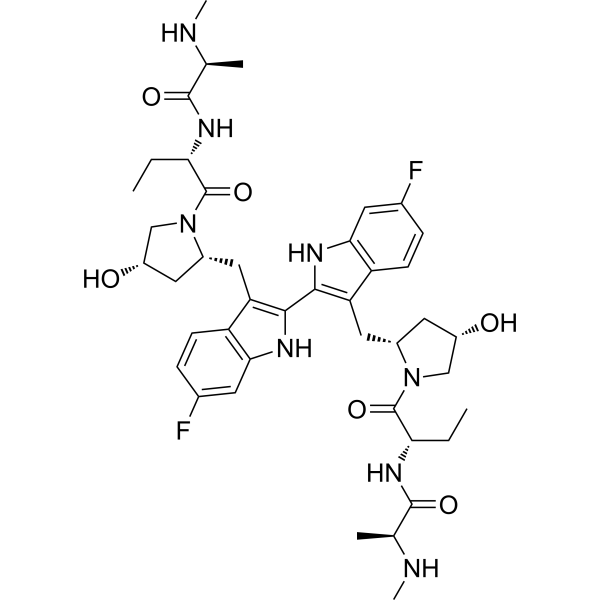 0 ImagesSynonyms: TL32711Birinapant (TL32711), a bivalent Smac mimetic, is a potent antagonist for XIAP and cIAP1 with Kds of 45 nM and less than 1 nM, respectively. Birinapant (TL32711) induces the autoubiquitylation and proteasomal degradation of cIAP1 and cIAP2 in intact cells, which results in formation of a RIPK1: caspase-8 complex, caspase-8 activation, and induction of tumor cell death. Birinapant (TL32711) targets TRAF2-associated cIAPs and abrogates TNF-induced NF-κB activation.
-
Dacomitinib
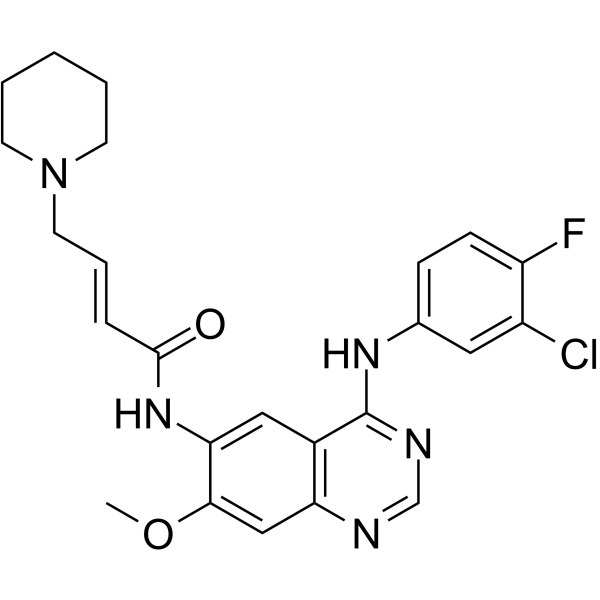 0 ImagesSynonyms: PF-00299804; PF-299804Dacomitinib (PF-00299804; PF-299804) is an orally active irreversible pan-ERBB receptor tyrosine kinase inhibitor with inhibitory activity against HER1/EGFR, HER2, and HER4. Dacomitinib exerts antitumor effects in various tumor cells, inhibiting tumor cell proliferation, migration, and invasion, inducing cell cycle arrest and apoptosis, regulating the expression of molecules related to the cell cycle, apoptosis, and epithelial-mesenchymal transition, and it can also reverse partial drug resistance, producing synergistic effects when combined with chemotherapy. Dacomitinib inhibits key signaling pathways such as PI3K‑AKT‑mTOR and PLK1‑FOXM1. Dacomitinib ameliorates pathological changes associated with pulmonary arterial hypertension in rats. Dacomitinib can be used in research on breast cancer, bladder cancer, epithelial ovarian cancer, and pulmonary arterial hypertension.
-
BV6
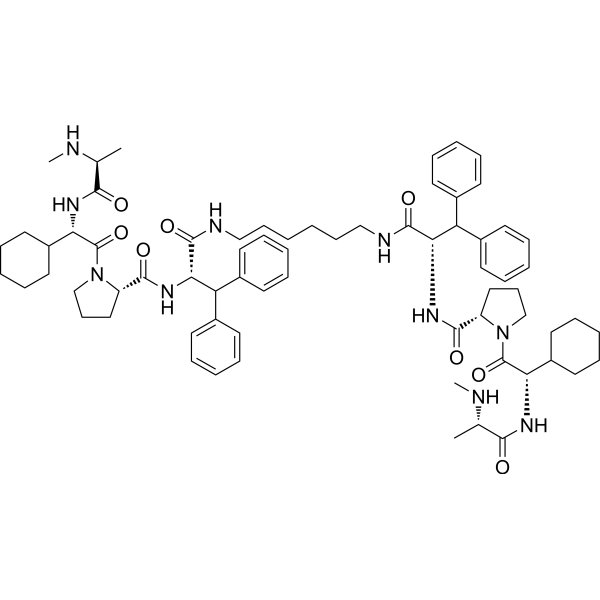 0 ImagesBV6 is an antagonist of cIAP1 and XIAP, members of the inhibitors of apoptosis (IAP) family. BV6 shows an IC50 of 7.2 μM in MTS assays in HCC193 cells. BV6 can be used in the research of endometrial cancer and endometriosis.
-
Tolinapant
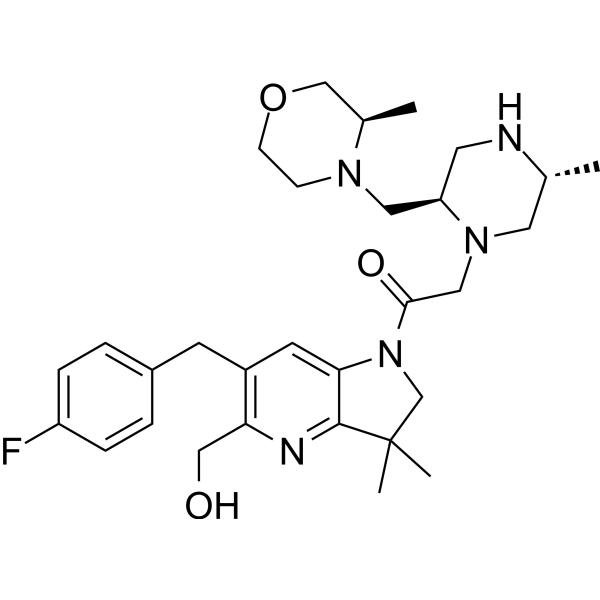 0 ImagesSynonyms: ASTX660Tolinapant (ASTX660) is an orally active cIAP1/2 and XIAP antagonist, with an IC50 of < 40 nM against XIAP and an IC50 of <12 nM against cIAP1. Tolinapant triggers TNFα-dependent Apoptosis in cancer cells. Tolinapant inhibits tumor growth in mouse xenograft models. Tolinapant can be used in research related to breast cancer, melanoma, lymphoma, multiple myeloma, acute lymphoblastic leukemia and advanced solid tumors.
-
GT19630
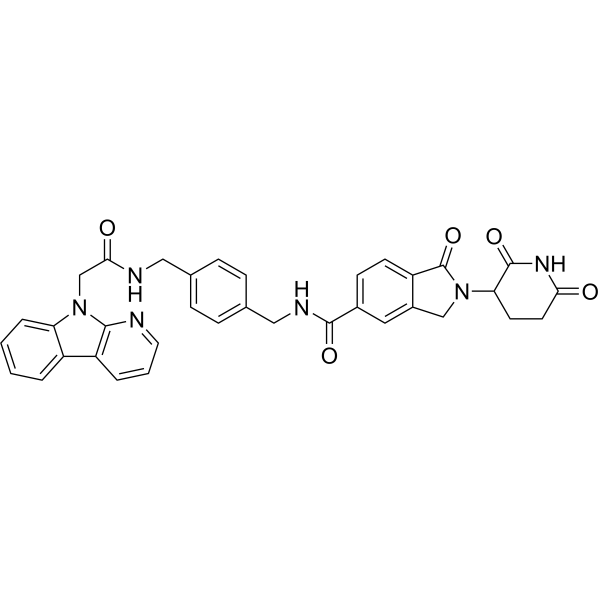 0 ImagesGT19630 is an orally active c-Myc PROTAC targeted degrader based on the cereblon E3 ubiquitin ligase, with an IC50 of 1.5 nM against human c-Myc. GT19630 mediates the degradation of MYC, GSPT1, GSPT2, CK1 alpha, N-Myc, B7-H3 and XIAP, and disrupts the MYC-GSPT1 synergistic regulatory feedback loop. GT19630 inhibits cell proliferation, blocks S-phase progression of the cell cycle, promotes cell apoptosis, reduces cell migration capacity, induces integrated stress response, and blocks oxidative phosphorylation by inhibiting the TCA cycle. GT19630 can be used in the research of Myc-driven hematological cancers, small cell lung cancer, breast cancer, TP53-mutant cancers, and venetoclax-resistant cancers.
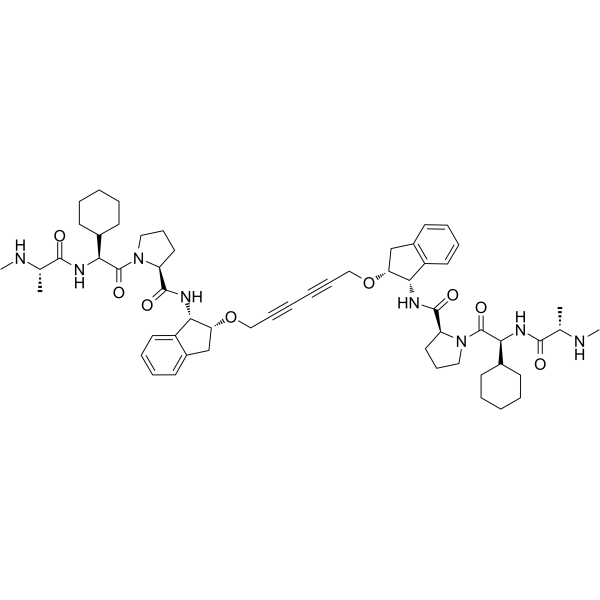
-
Xevinapant
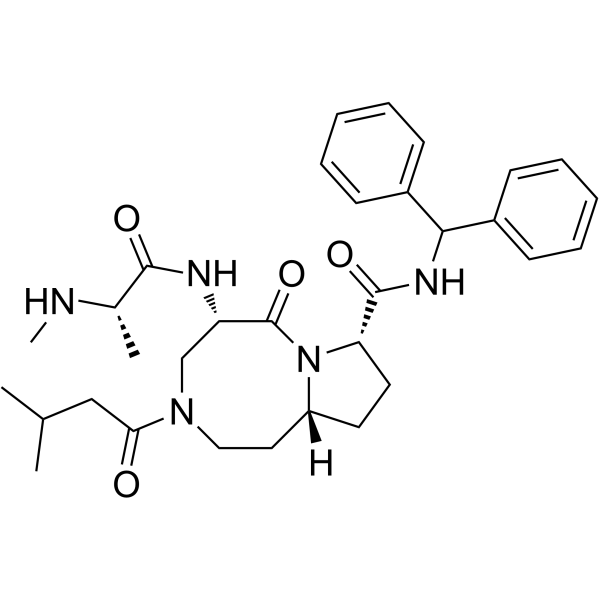 0 ImagesSynonyms: AT-406; Debio 1143; SM-406
-
FL118
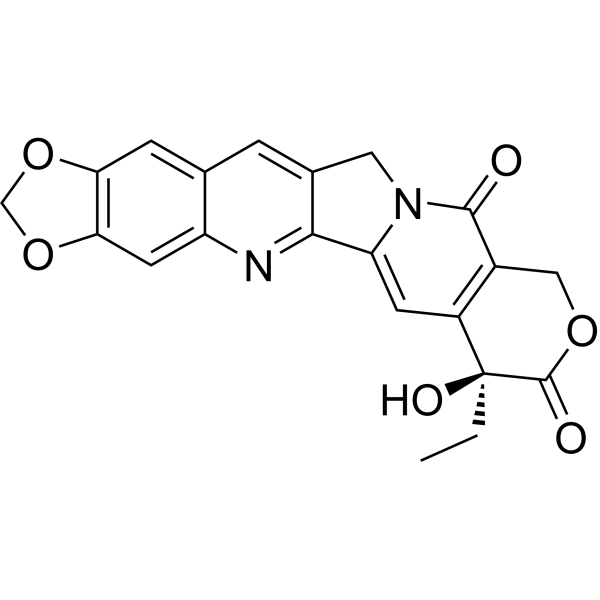 0 ImagesSynonyms: 10,11-(Methylenedioxy)-20(S)-camptothecinFL118 (10,11-(Methylenedioxy)-20(S)-camptothecin), a Camptothecin (HY-16560) analogue, is a potent and orally active survivin inhibitor. FL118 binds to oncoprotein DDX5 (p68) to dephosphorylates and degrades DDX5. FL118 can be used for the research of cancer.
-
Embelin
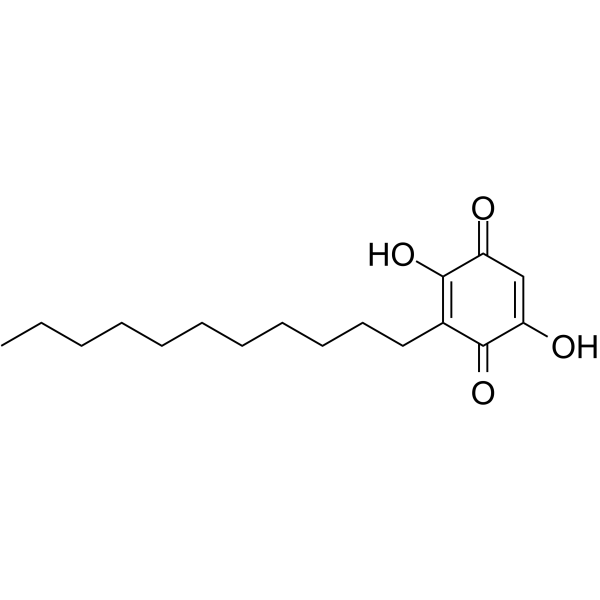 0 ImagesEmbelin (Embelic acid), a potent, nonpeptidic XIAP inhibitor (IC50=4.1 μM), inhibits cell growth, induces apoptosis, and activates caspase-9 in prostate cancer cells with high levels of XIAP. Embelin blocks NF-kappaB signaling pathway leading to suppression of NF-kappaB-regulated antiapoptotic and metastatic gene products. Embelin also induces autophagic and apoptotic cell death in human oral squamous cell carcinoma cells.
-
SM-164 hydrochloride
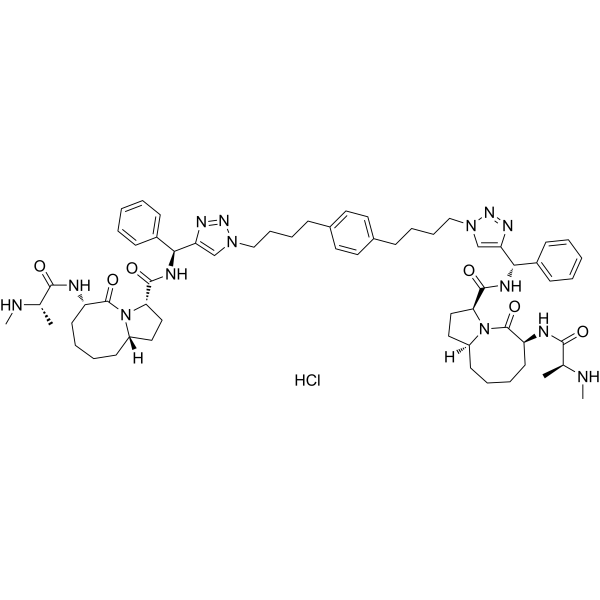 0 ImagesCat. No.: HY-15989ACAS No.: 2734174-02-6
-
Jolkinolide B
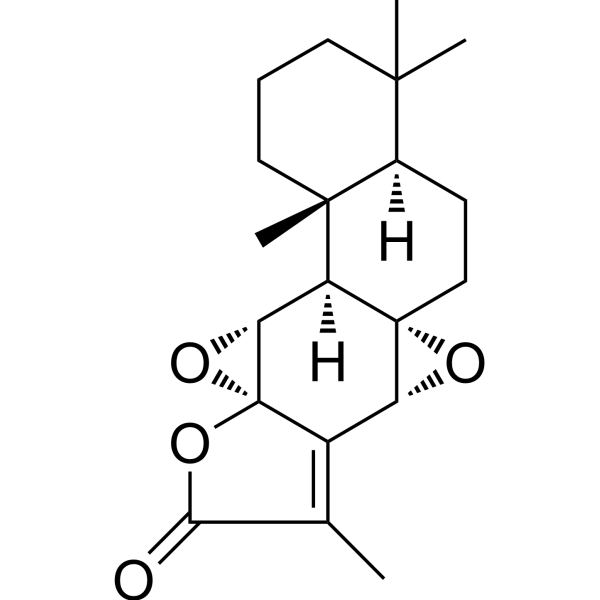 0 ImagesJolkinolide B is a bioactive diterpene isolated from the roots of Euphorbia fischeriana Steud with oral activity. Jolkinolide B downregulates XIAP, cIAP1, cIAP2, and phosphorylated Akt, upregulates Smac, activates caspase-3 and caspase-9, and inhibits NF-κB, TGFβ/smad3 and JAK/STAT3 pathways. Jolkinolide B exerts comprehensive biological effects including inducing cancer cell apoptosis, suppressing inflammatory responses, improving lung function, alleviating hepatic steatosis and eliminating intracellular Mycobacterium tuberculosis. Jolkinolide B can be used for the research of leukemia, histiocytic lymphoma, asthma, metabolic dysfunction-associated steatotic liver disease and tuberculosis.
-
Dasminapant
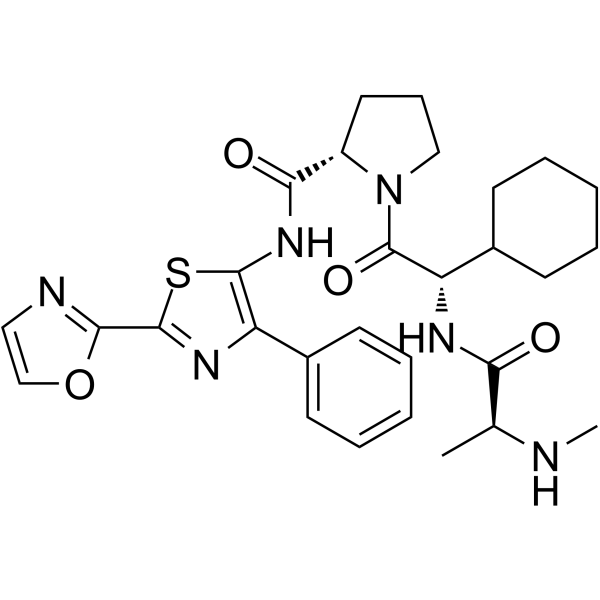
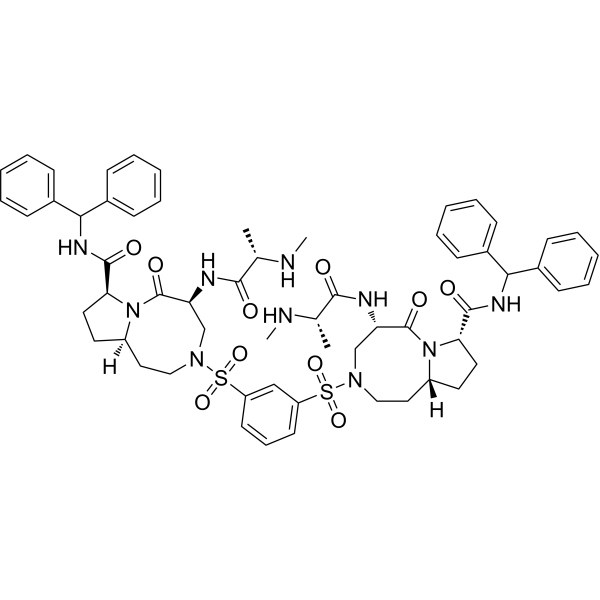 0 ImagesSynonyms: APG-1387Dasminapant (APG-1387), a bivalent SMAC mimetic and an IAP antagonist, blocks the activity of IAPs family proteins (XIAP, cIAP-1, cIAP-2, and ML-IAP). Dasminapant induces degradation of cIAP-1 and XIAP proteins, as well as caspase-3 activation and PARP cleavage, which leads to apoptosis. Dasminapant can be used for the research of hepatocellular carcinoma, ovarian cancer, and nasopharyngeal carcinoma.
-
Xevinapant hydrochloride
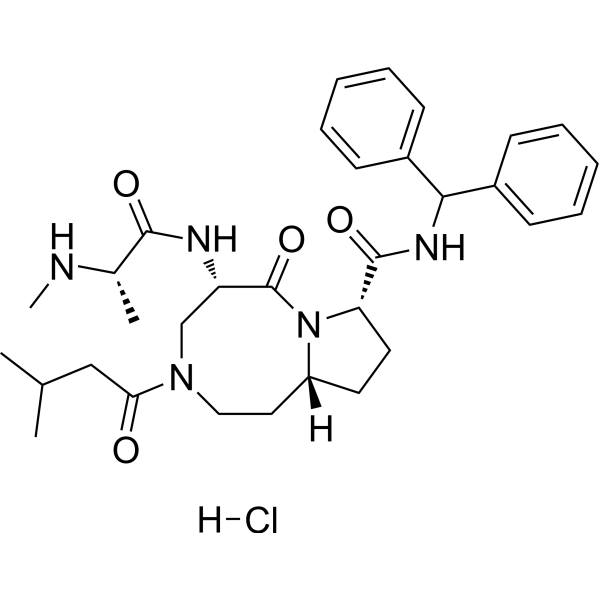 0 ImagesSynonyms: AT-406 hydrochloride; Debio 1143 hydrochloride; SM-406 hydrochlorideXevinapant (AT-406) hydrochloride is a potent and orally bioavailable Smac mimetic and an antagonist of the inhibitor of apoptosis proteins (IAPs). Xevinapant hydrochloride binds to XIAP, cIAP1, and cIAP2 proteins with Kis of 66.4, 1.9, and 5.1 nM, respectively. Xevinapant hydrochloride effectively antagonizes XIAP BIR3 protein in a cell-free functional assay, induces rapid degradation of cellular cIAP1 protein, and inhibits cancer cell growth in various human cancer cell lines. Xevinapant hydrochloride is highly effective in induction of apoptosis in xenograft tumors.
-
XIAP degrader-1
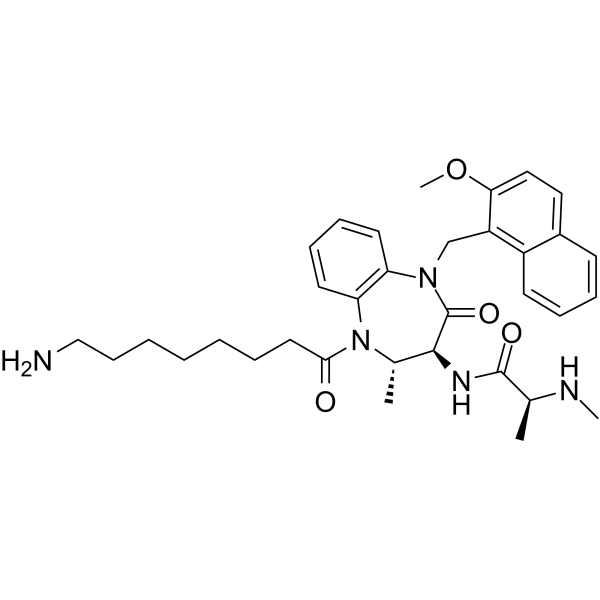 0 ImagesXIAP degrader-1 is a PROTAC-like degrader with a Kd value of 1 μM for XIAP. XIAP degrader-1 is metabolized into an active aldehyde species that covalently binds to Cys326 of FBXO22, thereby forming a ternary complex with the BIR2 domain of XIAP. XIAP degrader-1 induces polyubiquitination and proteasomal degradation of XIAP via the ubiquitin-proteasome system, a process dependent on NEDD8 conjugation, the SCFFBXO22 ligase complex, as well as the functional activities of XIAP ligase, E1 and the proteasome.
-
Flavokawain A
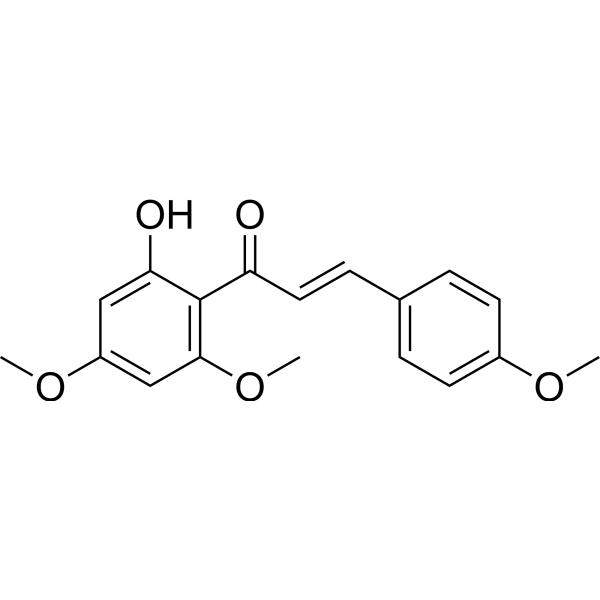 0 ImagesFlavokawain A is a chalcone compound and an orally active inhibitor of PRMT5 and cytochrome P450. Flavokawain A has anti-inflammatory, anti-tumor, and immunomodulatory effects. Flavokawain A can inhibit the proliferation of tumor cells and induce apoptosis. Flavokawain A can be used in the research of diseases such as bladder cancer.




