



Cancer Immunotherapy
Cancer immunotherapy (CIT) is a type of biological therapy, aiming to improve anti-tumor immune responses with fewer off-target effects than chemotherapy. Several types of immunotherapy include: oncolytic virus therapies, cancer vaccines, cytokine therapies, adoptive cell transfer (ACT), and immune checkpoint inhibitors (ICIs). In particular, ICIs and ACT have obtained immense clinical response, but their efficacy varies from person to person. Immune cells can be harnessed to eliminate tumor cells, such as T cells, B cells, NK cells, and myeloid cells. T cells have potent tumor-killing capability, therefore, a plethora of cancer immunotherapy research have focused on inducing T-cell-mediated anti-tumor responses. CTLA-4 and PD-1 are found on the cell surface of T cells as co-inhibitory receptors. The breakthrough in cancer immunotherapy results from the identification and subsequent targeting of checkpoint mechanisms in T cells with monoclonal antibodies against CTLA-4 and programmed death-ligand 1/programmed death-1 (PD-L1/PD-1).
Several types of cancers (e.g., melanoma, mismatch repair-deficient cancers, bladder cancer, and non-small cell lung cancer) have achieved significant clinical responses in T-cell checkpoint blockade therapies. However, single-mode immunotherapy faces challenges such as low immune response, low tumor infiltration, and complex immunosuppressive tumor microenvironment. Recently, combined therapies based on tumor immunity have received extensive attention in the research of enhancing tumor cells immunogenicity and inhibiting their growth. For example, anti CTLA-4 and PD-1, immune checkpoint blockade (ICB) combined with chemotherapy, anti-angiogenic drugs and kinase inhibitors.
-
Trabedersen
 0 ImagesCat. No.: HY-142118CAS No.: 925681-61-4Synonyms: AP 12009
Trabedersen (AP 12009) is an orally active synthetic antisense phosphorothioate oligodeoxynucleotide that selectively targets human TGFβ2 mRNA. Trabedersen blocks TGFβ2 protein production, enters the nucleus without a transfection vector, and exerts dose-dependent antitumor effects. By reversing TGFβ2-induced immunosuppression and enhancing immune cytotoxicity, Trabedersen exhibits significant antiproliferative, antimigratory, and antimetastatic activities, with favorable safety profiles. Trabedersen is widely used in research related to various solid tumors, including anaplastic astrocytoma, glioblastoma, colorectal tumor, and melanoma.
-
Anti-Mouse/Human CD11b Antibody (M1/70)
 0 ImagesCat. No.: HY-P99121
Anti-Mouse/Human CD11b Antibody (M1/70) is an anti-mouse CD11b IgG2b monoclonal antibody. Anti-Mouse/Human CD11b Antibody (M1/70) can significantly inhibit the adhesion between dendritic cells (DCs) and platelets. Anti-Mouse/Human CD11b Antibody (M1/70) can kill ovarian cancer cells and inhibit their migration. Anti-Mouse/Human CD11b Antibody (M1/70) can alleviate renal fibrosis and inflammation. Anti-Mouse/Human CD11b Antibody (M1/70) can be used for researches on inflammation conditions and cancer such as ischemia-reperfusion injury (IRI), thrombotic inflammatory conditions and ovarian cancer.
-
Tepoditamab
 0 ImagesSynonyms: MCLA 117
Tepoditamab (MCLA-117) is a full-length human IgG1 bispecific monoclonal antibody that binds to CLEC12A of myeloid cells and CD3 of cytotoxic T cells. Among others, CLEC12A is a myeloid differentiation antigen. Tepoditamab kills AML leukaemia mother cells and AML leukaemia stem cells, induces T cell-mediated proliferative lysis of AML cells. Tepoditamab induces upto 30-fold T-cell expansion. Tepoditamab results in moderate to strong cytokine (IFNγ, IL-6, IL-8, IL-10, and TNFα) and IFNγ release in human whole blood and PBMC, respectively. Tepoditamab can be used in acute myeloid leukaemia (AML) research.
-
(Rac)-Idroxioleic acid
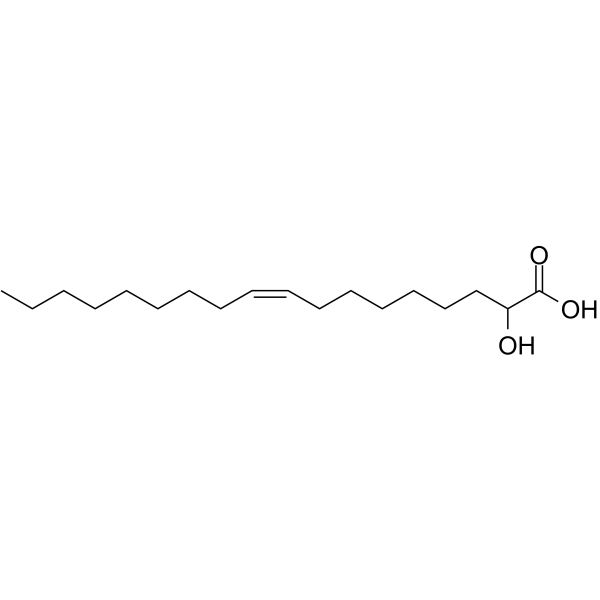 0 ImagesSynonyms: 2-Hydroxyoleic acid; 2-OHOA; LAM561
(Rac)-Idroxioleic acid (2-Hydroxyoleic acid) is a synthetic oleic acid (OA) derivative that binds to the plasma membrane and alters lipid organization. (Rac)-Idroxioleic acid has anti-tumor effect.
-
QL47
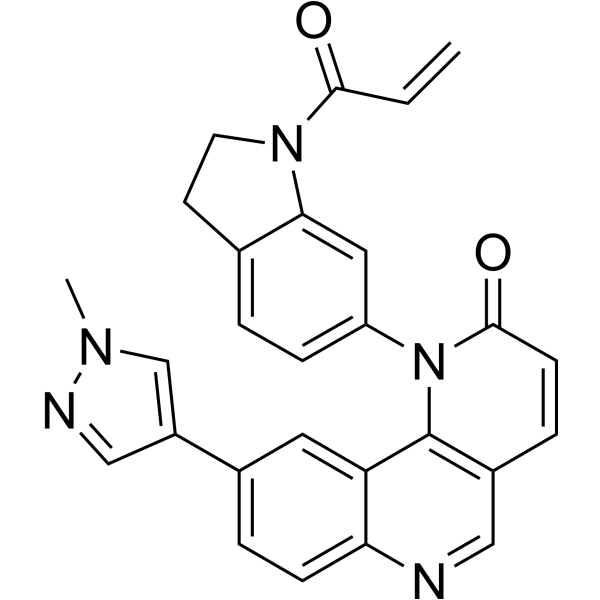 0 Images
QL47, a broad-spectrum antiviral agent, inhibits dengue virus and other RNA viruses. QL47 selectively inhibits eukaryotic translation. QL47 is a potent covalent inhibitor of BTK with an IC50 of 7 nM.
-
Tucotuzumab
 0 ImagesCat. No.: HY-P99328Purity: 99%
Tucotuzumab (Anti-EPCAM Recombinant Antibody) is an antigen-specific IgG1 monoclonal antibody that targets human epithelial cell adhesion molecule (EpCAM). Tucotuzumab links two IL-2 molecules and is an immunosuppressant and anti-tumor active molecule.
-
Vibostolimab
 0 ImagesCat. No.: HY-P99202CAS No.: 2231305-30-7
Vibostolimab is an anti-TIGIT (T cell immunoglobulin and ITIM domain) monoclonal antibody. Vibostolimab shows antitumor activity, and can be used in non-small cell lung cancer (NSCLC) and melanoma research.
-
Tyrosinase-related Protein 2 (TRP-2) (181-188)
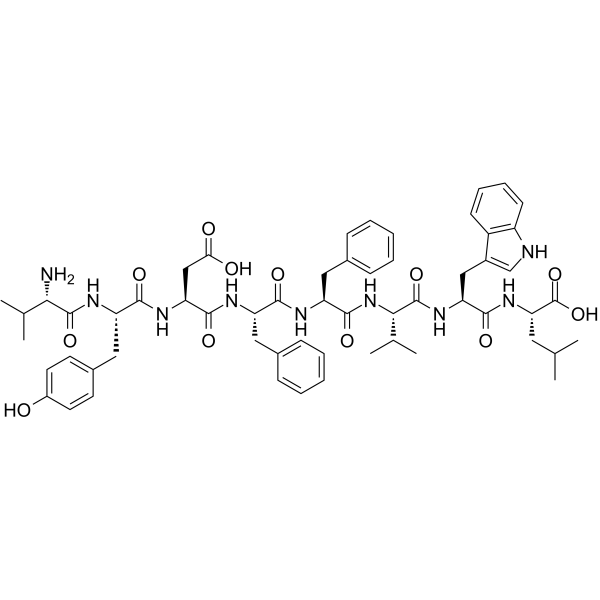 0 Images
Tyrosinase-related Protein 2 (TRP-2) (181-188) is a peptide epitope of the TRP-2 protein that conforms to the MHC class I H2-Kb binding motif. It is the major reactive epitope within TRP-2 recognized by anti-B16 CTLs, induces TRP-2-specific CTL and CD8+ T cell responses, and mediates antibody-dependent antitumor effects against lung metastasis. Tyrosinase-related Protein 2 (TRP-2) (181-188) is used in melanoma research.
-
Ac-GpYLPQTV-NH2 acetate
 0 ImagesCat. No.: HY-P10201APurity: 99.00%
Ac-GpYLPQTV-NH2 acetate is a STAT3 inhibitor with an IC50 value of 0.33 μM. Ac-GpYLPQTV-NH2 acetate has antitumor activity.
-
Giripladib
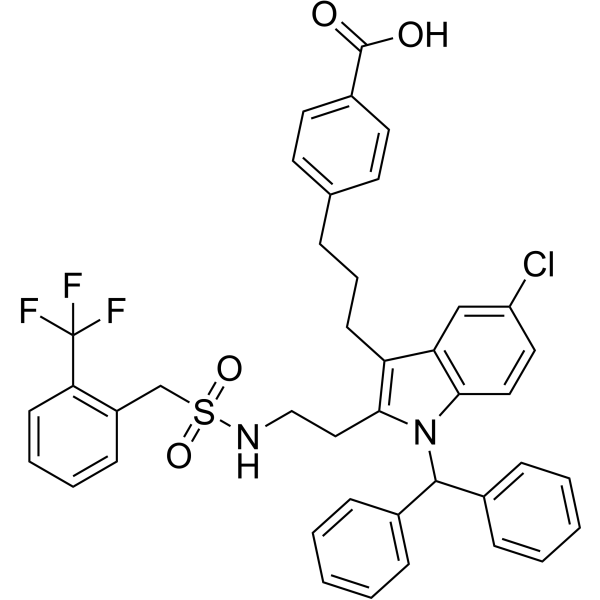 0 ImagesSynonyms: PLA-695
Giripladib (PLA-695) is a selective cPLA2α inhibitor. Giripladib attenuates CKD serum-induced PUFA accumulation, MDA and ROS levels, restores the GSH/GSSG ratio, and alleviates mitochondria-Ferroptosis-related morphological changes. Giripladib exhibits anti-inflammatory and disease-modifying effects in collagen-induced arthritis. Giripladib can be used in research on chronic kidney disease-associated plaque vulnerability, rheumatoid arthritis, and breast cancer.
-
Isosinensetin
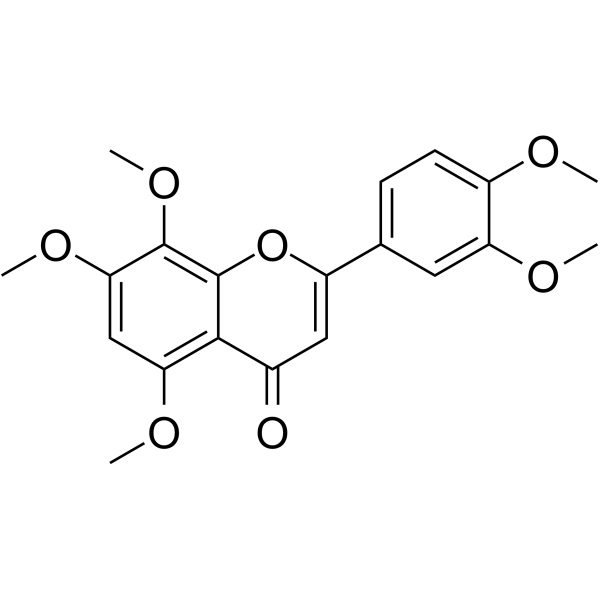 0 Images
Isosinensetin is a flavonoid compound and an inhibitor of HIV-1 protease and PTP1B (IC50: 2.61 µM; Ki: 0.92 µM). Isosinensetin inhibits P-glycoprotein (P-gp) in MDR1-MDCKII cells. Isosinensetin has multiple activities such as anti-tumor, anti-viral, anti-inflammatory, and antioxidant effects. Isosinensetin can be used in the research of various diseases including cancer, inflammation, osteoporosis, diabetes, etc.
-
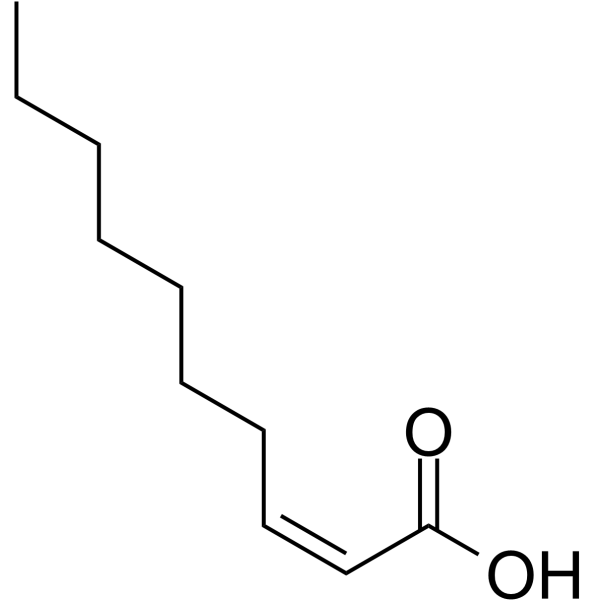
(Z)-2-Decenoic acid
 0 ImagesSynonyms: cis-2-Decenoic acid
(Z)-2-decenoic acid (cis-2-Decenoic acid) is an unsaturated fatty acid produced by Pseudomonas aeruginosa. (Z)-2-decenoic acid induces a dispersion response in biofilms formed by a range of gram-negative bacteria, including P. aeruginosa, and by gram-positive bacteria. (Z)-2-decenoic acid inhibits biofilm development.
-
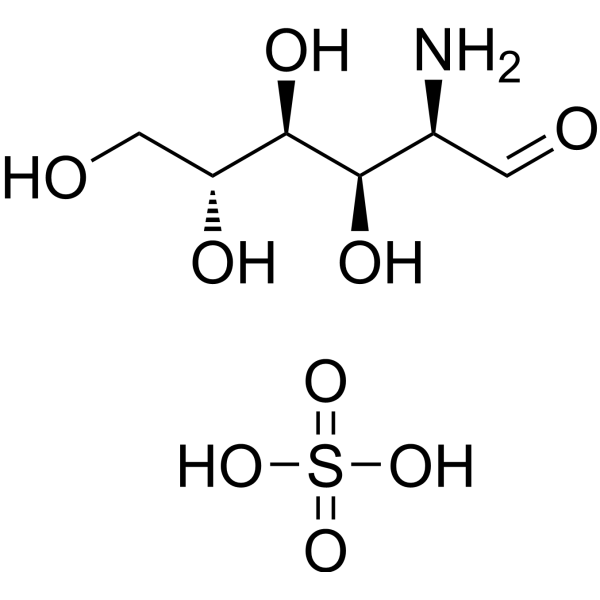
Glucosamine sulfate
 0 ImagesSynonyms: D-Glucosamine sulfate
Glucosamine sulfate (D-Glucosamine sulfate) is an amino sugar and a prominent precursor in the biochemical synthesis of glycosylated proteins and lipids, is used as a dietary supplement. Glucosamine sulfate also is a natural constituent of glycosaminoglycans in the cartilage matrix and synovial fluid, which when administered exogenously, exerts pharmacological effects on osteoarthritic cartilage and chondrocytes.
-
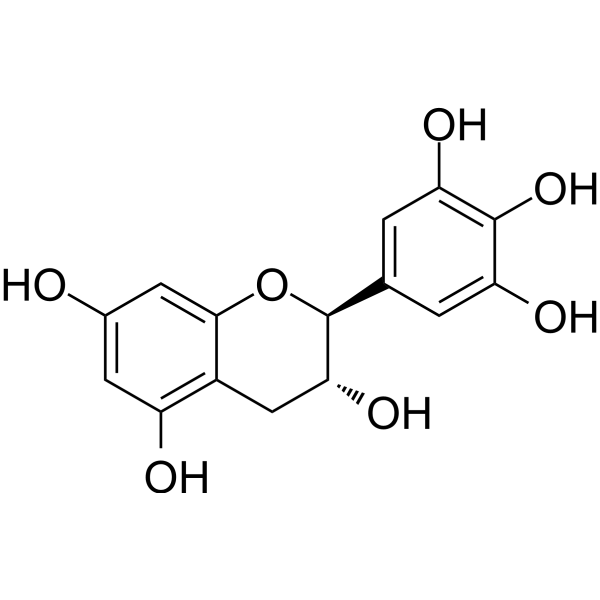
(-)-Gallocatechin
 0 Images
(-)-Gallocatechin, an epimer of (-)-Epigallocatechin (EGC) (HY-N0225), is contained in various tea products. (-)-Gallocatechin demonstrates antioxidant activity in vitro, including inhibition of LDL oxidation and DPPH radical scavenging.
-
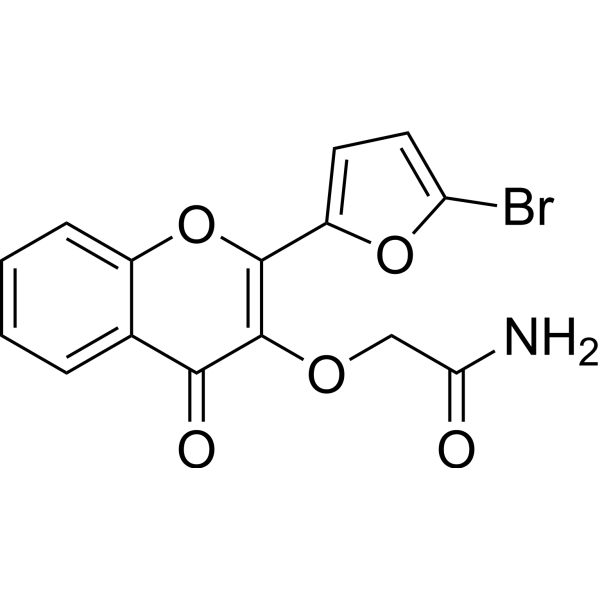
CB7993113
 0 Images
CB7993113 is a potent AHR antagonist, with an IC50 of 0.33 μM. CB7993113 directly binds AHR protein and blocks AHR nuclear translocation. CB7993113 inhibits polycyclic aromatic hydrocarbon (PAH)- and TCDD-induced reporter activity by 75% and 90% respectively.
-
(R)-Edelfosine
 0 ImagesSynonyms: (R)-ET-18-OCH3
-
BSJ-02-162
 0 ImagesSynonyms: CDK4/6-IN-11
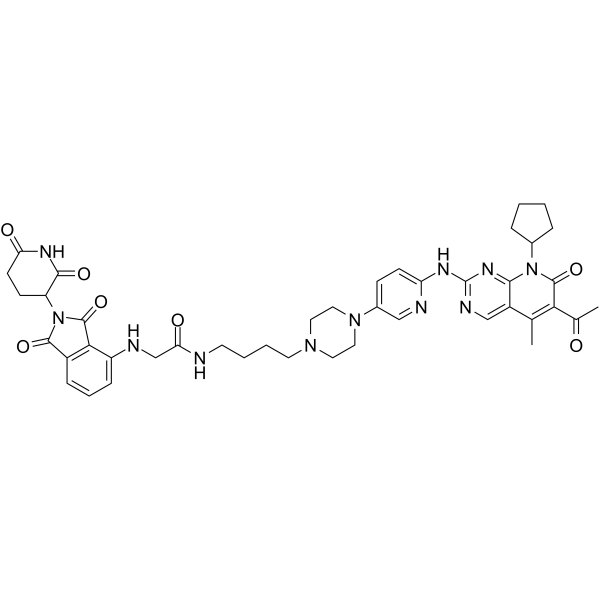
BSJ-02-162 (CDK4/6-IN-11) is a CDK4/CDK6 and IKZF1/IKZF3 degrader, with DC50 values of 32 nM and 6.1 nM against CDK4 and CDK6, respectively; its IC50 ranges from 1 to 50 nM. BSJ-02-162 induces G1-phase cell cycle arrest, reduces phosphorylated retinoblastoma protein levels, and exerts antiproliferative activity in mantle cell lymphoma cells. BSJ-02-162 is applicable to research related to mantle cell lymphoma.
-
Histamine (Standard)
 0 Images
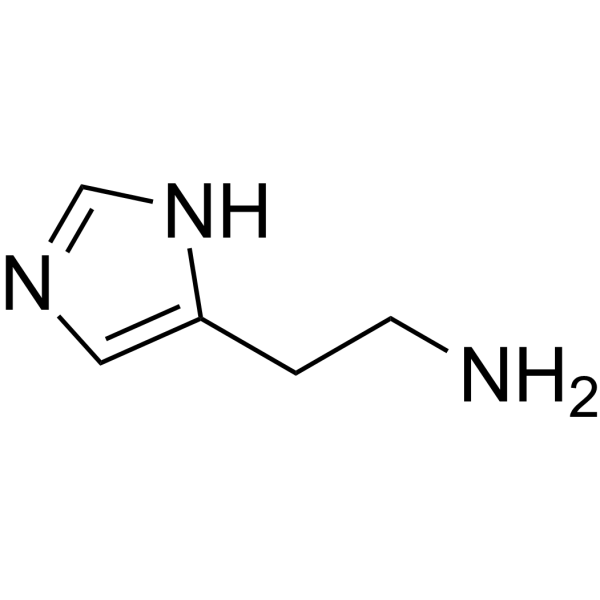
Histamine (Standard) is the analytical standard of Histamine (HY-B1204). This product is intended for research and analytical applications. Histamine is the agonist for histamine receptor and a vasodilator. Histamine is an organic nitrogen compound that participates in local immune responses, regulates intestinal physiological functions, and acts as a neurotransmitter. Histamine affects p38 MAPK/Akt signaling pathway, exhibits antitumor, antioxidant and anti-inflammatory activities. Histamine can be used in the research of acute myeloid leukemia, malignant melanoma, and renal cell carcinoma.



