



Cancer Targeted Therapy
Cancer targeted therapy is the foundation of precision medicine; it uses drugs or other substances to target specific genes and proteins that control cancer cells’ growth, division and spreading. Compared to traditional chemotherapy drugs, targeted-drugs can specifically act on cancer cells with high efficacy without damaging normal cells. Drugs used in cancer targeted therapy mainly includes small molecules and macromolecules (e.g., monoclonal antibodies), which can target cancer cells and constituents in the tumor microenvironment to activate the immune system. Anti-angiogenesis drugs, such as those targeting vascular endothelial growth factor (VEGF), epidermal growth factor receptor (EGFR), transforming growth factor (TGF)-α, TGF-β, Tumor necrosis factor (TNF)-α, and platelet-derived endothelial growth factor (PDGFR) inhibit the proliferation and metastasis of cancer cells. In recent years, the proportion of antibody drugs in cancer treatment has gradually become prominent. Antibody-drug conjugates (ADCs) are a new type of targeted drugs that are composed of monoclonal antibody, cytotoxic drug and linker. ADCs can deliver drugs to tumor cells and minimize the toxicity to normal tissues. Proteolysis-targeting chimera (PROTAC) is a useful technology for targeted protein degradation. PROTAC exploits the ubiquitin-proteasome system and forms a ternary complex with a hijacked E3 ubiquitin ligase and target protein, leading to polyubiquitination and degradation of the target protein.
Targeted therapy is a useful strategy in treatment of cancer either alone or in combination with standard chemotherapy. At present, targeted therapy has proved significant clinical success in the treatment of many types of cancer, including breast cancer, colorectal cancer, leukemia, ovarian cancer and lung cancer.
-
Enasidenib mesylate
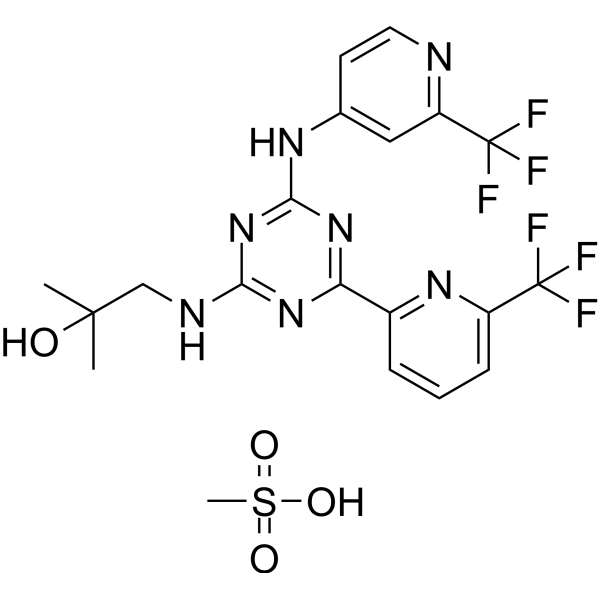 0 ImagesSynonyms: AG-221 mesylate
-
CPI-455 hydrochloride
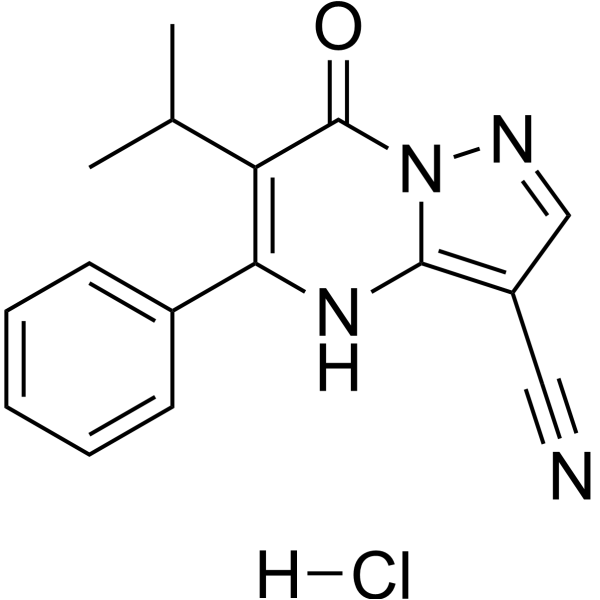 0 Images
CPI-455 hydrochloride is a specific, pan-KDM5 inhibitor with an IC50 of 10 nM for KDM5A. CPI-455 hydrochloride mediates KDM5 inhibition, elevates global levels of H3K4me3, and decreases the number of drug-tolerant persister cancer cells in multiple cancer cell line models treated with standard chemotherapy or targeted agents.
-
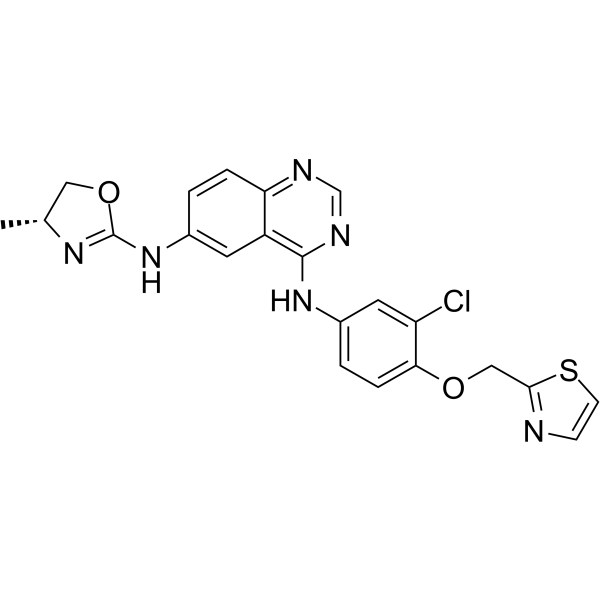
Zandelisib
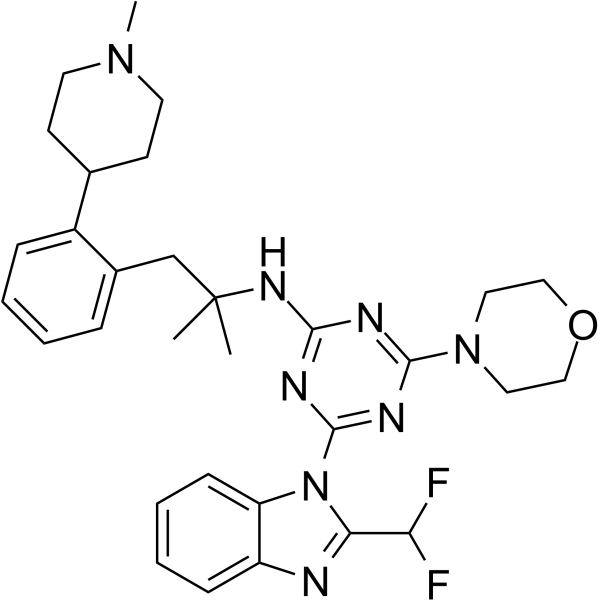 0 ImagesSynonyms: ME-401; PWT-143
-
K-Ras(G12C) inhibitor 12
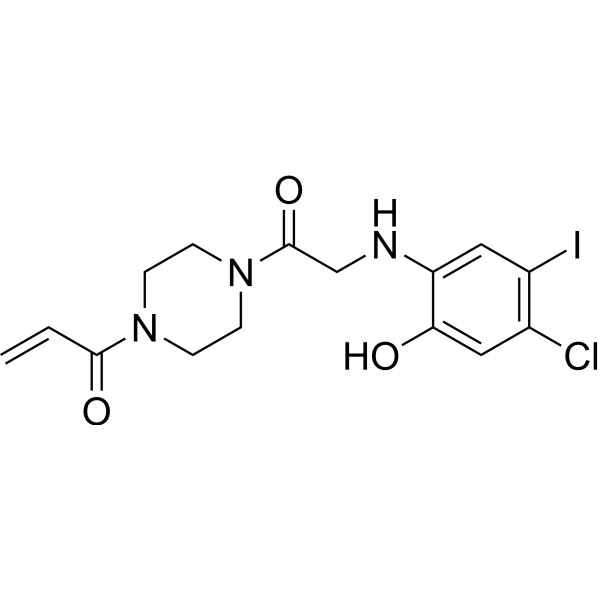 0 Images
K-Ras(G12C) inhibitor 12 is an irreversible inhibitor of K-Ras(G12C). K-Ras(G12C) inhibitor 12 can alter the nucleotide-binding preference of K-Ras and block its interaction with effector proteins. K-Ras(G12C) inhibitor 12 can reduce cell viability and induce apoptosis in lung cancer cell lines with G12C mutations. K-Ras(G12C) inhibitor 12 has anti-tumor activity.
-
Veliparib dihydrochloride
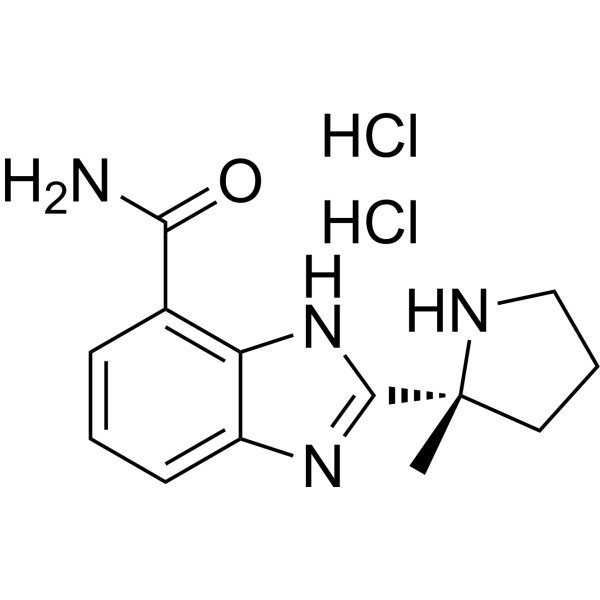 0 ImagesSynonyms: ABT-888 dihydrochloride
-
CP-10
 0 Images
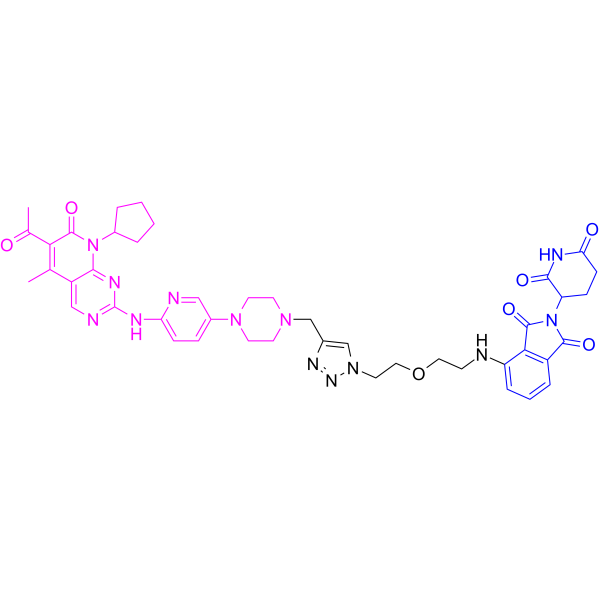
CP-10 is a PROTAC connected by ligands for Cereblon and CDK, with highly selective, specific, and remarkable CDK6 degradation (DC50=2.1 nM). It inhibits proliferation of several haematopoietic cancer cells with impressive potency including multiple myeloma, and can still degrades mutated and overexpressed CDK6.
-
Allopurinol sodium
 0 Images
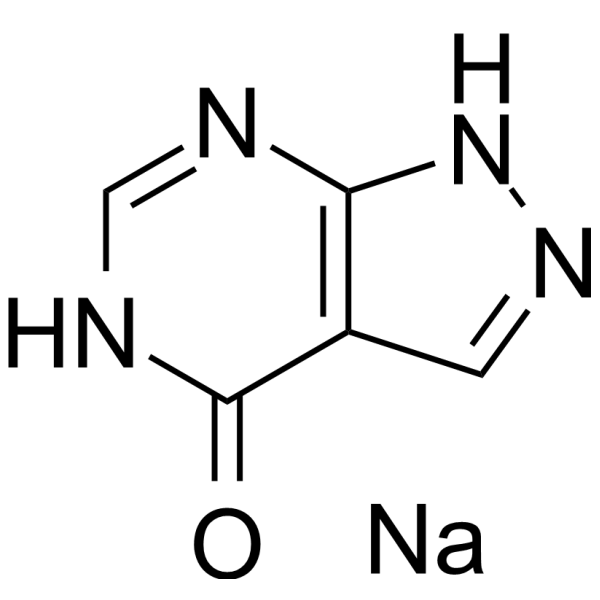
Allopurinol sodium is a potent and orally active xanthine oxidase inhibitor with an IC50 value of 0.2-50 μM. Allopurinol sodium can be used in the research of hyperuricemia and gout. Allopurinol sodium decreases the expression of HIF-1α and HIF-2α protein. Allopurinol sodium shows anti-depressant and anti-nociception activity. Anti-leishmanial effect.
-
Xevinapant hydrochloride
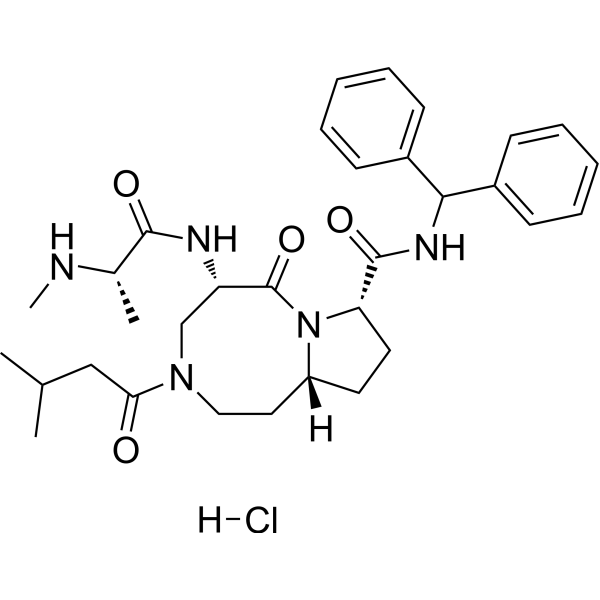 0 ImagesSynonyms: AT-406 hydrochloride; Debio 1143 hydrochloride; SM-406 hydrochloride
Xevinapant (AT-406) hydrochloride is a potent and orally bioavailable Smac mimetic and an antagonist of the inhibitor of apoptosis proteins (IAPs). Xevinapant hydrochloride binds to XIAP, cIAP1, and cIAP2 proteins with Kis of 66.4, 1.9, and 5.1 nM, respectively. Xevinapant hydrochloride effectively antagonizes XIAP BIR3 protein in a cell-free functional assay, induces rapid degradation of cellular cIAP1 protein, and inhibits cancer cell growth in various human cancer cell lines. Xevinapant hydrochloride is highly effective in induction of apoptosis in xenograft tumors.
-
Lerociclib
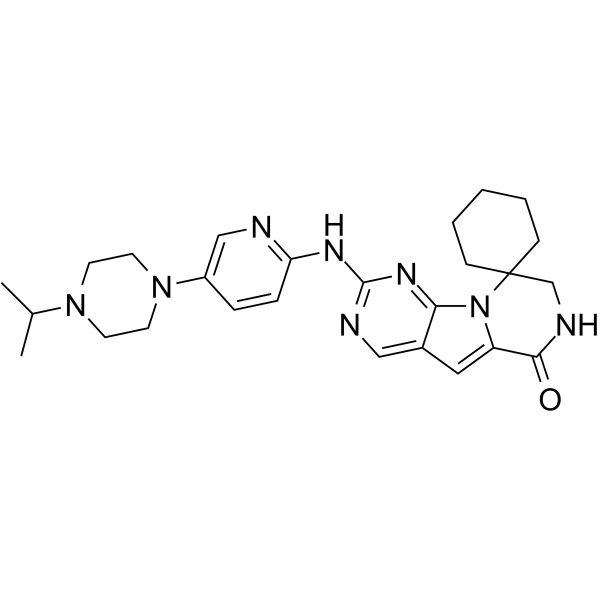 0 ImagesSynonyms: G1T38
Lerociclib (G1T38) is a potent and selective inhibitor of CDK4/6, with IC50s of 1 nM, 2 nM for CDK4/CyclinD1 and CDK6/CyclinD3, respectively.
-
CP5V
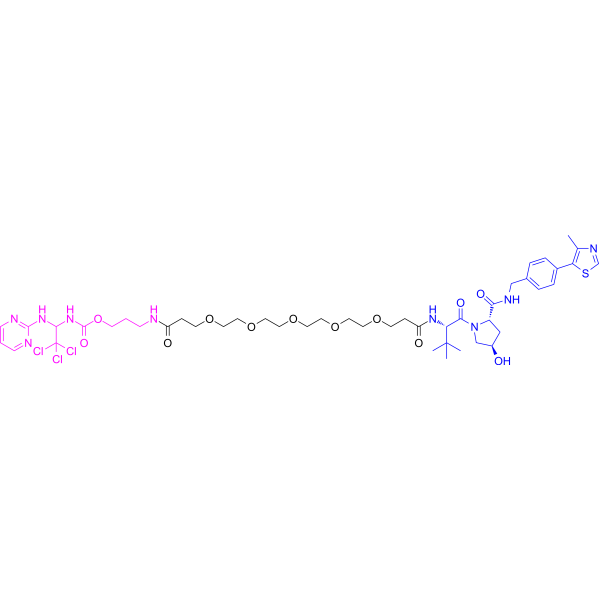 0 Images
CP5V is a Cdc20 PROTAC degrader with a DC50 of 1.6 μM and a Kd value of 12.4 μM. CP5V couples Cdc20 with the VHL/VBC complex, triggering its ubiquitination and proteasomal degradation, thereby reducing the protein levels of Cdc20 and securin. CP5V induces mitotic arrest, inhibits cell proliferation, resensitizes Paclitaxel-resistant breast cancer cells, and suppresses breast tumor progression in xenograft models. CP5V inhibits excessive proliferation and induces apoptosis in pulmonary arterial hypertension smooth muscle cells and fibroblasts. CP5V can be used in studies related to breast cancer and pulmonary arterial hypertension.
-
Zilurgisertib
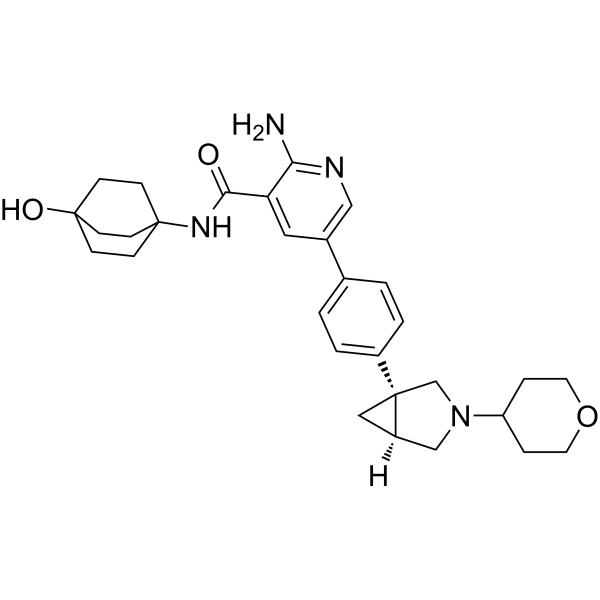 0 ImagesSynonyms: INCB-000928; NBU-928
-
Bisindolylmaleimide X hydrochloride
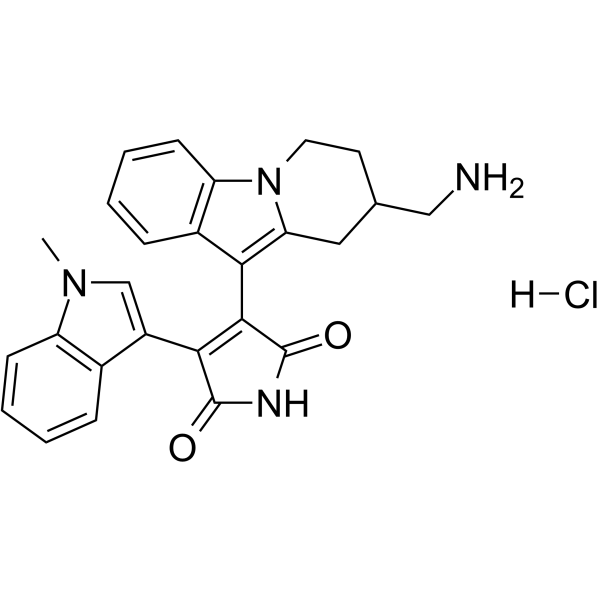 0 ImagesSynonyms: BIM-X hydrochloride; Ro31-8425 hydrochloride
Bisindolylmaleimide X hydrochloride(Ro 31-8425 hydrochloride, BIM-X hydrochloride) is a cell-penetrating PKC inhibitor. Bisindolylmaleimide X hydrochloride is a potent cyclin-dependent kinase 2 (CDK2) antagonist with an IC50 of 200 nM. Bisindolylmaleimide X hydrochloride inhibits the proliferation of CD4 T cells in vitro. Bisindolylmaleimide X hydrochloride inhibits eNOS-Ser1177 phosphorylation in human embryonic vein endothelial cells. Bisindolylmaleimide X hydrochloride can be used for research on the immune system and cardiovascular diseases.
-
NNMT-IN-4
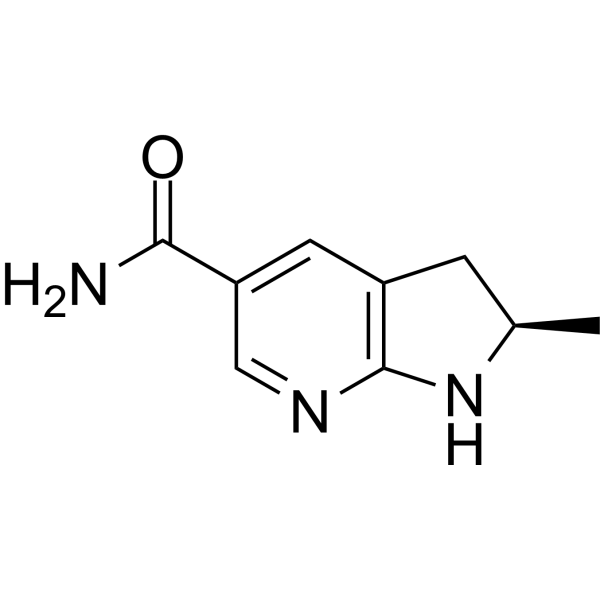 0 Images
NNMT-IN-4 (compound 38) is a selective, uncompetitive and membrane permeability nicotinamide N-methyltransferase (NNMT) inhibitor with IC50 values of 42 and 38 nM in vitro biochemical and cell-based assays, respectively. NNMT-IN-4 shows favorable PK/PD and safety profiles as well as excellent oral bioavailability and pharmaceutical properties. NNMT-IN-4 can be used as a vivo chemical probe of NNMT.



