



Autophagy
Autophagy is a conserved cellular degradation and recycling process in the lysosome. In mammalian cells, there are three primary types of autophagy: microautophagy, macroautophagy, and chaperone-mediated autophagy (CMA). Microphagy captures cargoes by means of invaginations or protrusions of the lysosomal membrane directly, CMA uses chaperones to identify cargo proteins and then unfolds and transfers them into the lysosomal, while macroautophagy sequesters cargo by autophagosomes-de novo synthesized of double-membrane vesicles-and subsequently transport it to the lysosome.
Macroautophagy is the best studied and it occurs at a low level constitutively and can also be further induced under stress conditions, such as nutrient or energy starvation with a salient feature of autophagy protein degradation. Stress-induced macrophagy plays an important role in protein catabolism with another key protein degradation pathway, the ubiquitin–proteasome system (UPS).
As the study progressed, autophagy gains its importance under basal, nutrient-rich conditions, and is now recognized as a critical housekeeping pathway in catabolism of diverse cellular constituents, such as protein aggregates (aggrephagy), lipid droplets (lipophagy), iron complex (Ferritinophagy) and carbohydrate. Except for macromolecules, autophagy can also target several organelles and structures, such as mitochondria (mitophagy), peroxisome (pexophagy), endoplasmic reticulum (reticulophagy or ER-phagy), ribosome (ribophagy), spermatozoon-inherited organelles following fertilization (allophagy), secretory granules within pancreatic cells (zymophagy) and intracellular pathogens (xenophagy).
Autophagy and its dysfunction are associated with a variety of human pathologies, including ageing, cancer, neurodegenerative disease, heart disease and metabolic diseases, such as diabetes. Plenty of drugs and natural products are involved in autophagy modulation through multiple signaling pathways. Small molecules that can regulate autophagy seem to have great potential to intervene such diseases in animal models or clinical courses.
All Product Categories
-
Autophagy Inhibitors
(488)
View all products
-
Autophagy Agonists
(6)
View all products
-
Autophagy Activators
(124)
View all products
-
Autophagy Modulators
(59)
View all products
-
Autophagy Chemicals
(2)
View all products
-
Autophagy Inducers
(2220)
View all products
-
Autophagy Controls
(5)
View all products
-
Autophagy Ligand
(1)
View all products
-
Autophagy Related Products (3441)
Related Products (3441)

-
Antibodies (31)
-
Autophagy Signaling Pathway
-
Glaucocalyxin B
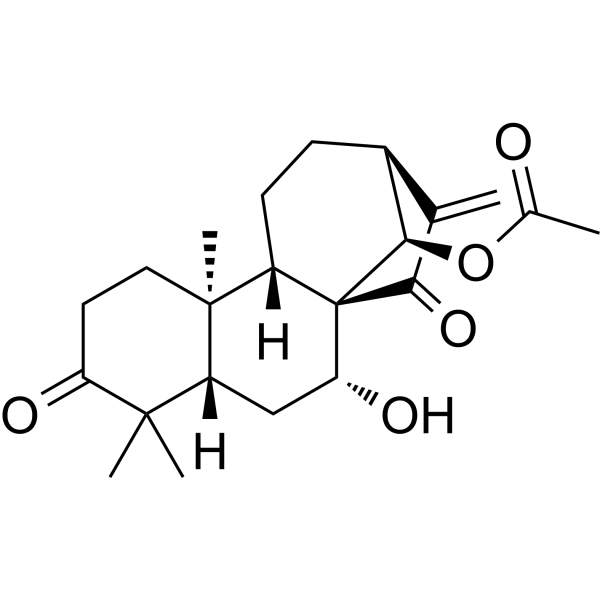 0 ImagesGlaucocalyxin B is an ent kaurane diterpenoid isolated from the Chinese traditional medicine Rabdosia japonica with anticancer and antitumor activity; decreases the growth of HL-60 cells with an IC50 of approximately 5.86 μM at 24 h.
-
Multi-Leu peptide triacetate
 0 ImagesCat. No.: HY-P10422APurity: 98.64%Synonyms: ML-peptide, Multi-Leucine (ML)-peptide triacetateMulti-Leu peptide (ML-peptide) triacetate is a potent inhibitor of PACE4 (Ki=22 nM). Multi-Leu peptide triacetate can competitively bind to the active site of PACE4 by simulating the substrate sequence of PACE4, thereby inhibiting its catalytic activity. Multi-Leu peptide triacetate can be used to study the specific mechanism of PACE4 in the development of prostate cancer.
-
Pongamol
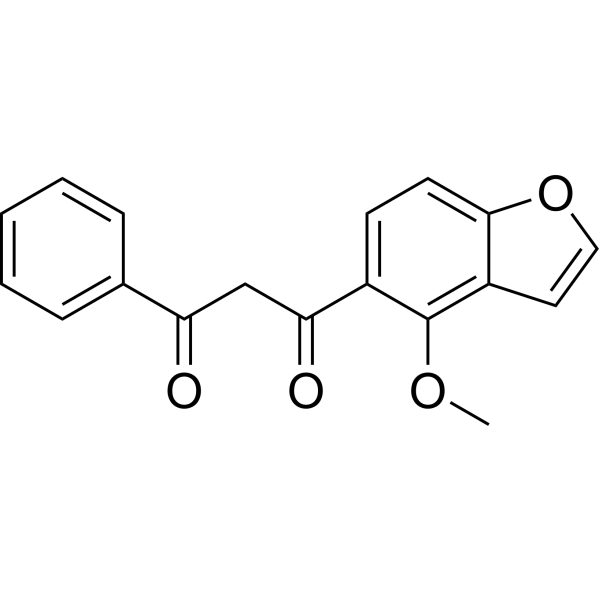 0 ImagesPongamol (Lanceolatin C) is an orally active flavonoid with an IC50 of 75 μM and a Ki of 58 μM against PTPase-1B, and an IC50 of 103.5 μM against intestinal α-Glycosidase. Pongamol reduces the release of IL‑1β, TNF‑α, COX‑2 and iNOS in cells, reverses the nuclear translocation of NF‑κB, and upregulates the levels of Beclin 1 and LC3 Ⅱ/LC3 Ⅰ. Pongamol promotes glucose uptake by increasing the level of GLUT4 on the surface of skeletal muscle cells. Pongamol inhibits epithelial-mesenchymal transition by suppressing the FAK/Akt-mTOR signaling pathway. Pongamol inhibits neuronal cytotoxicity, suppresses cell apoptosis and extends the lifespan of Caenorhabditis elegans by activating the MAPKs/Nrf2 signaling pathway. Pongamol exerts hypoglycemic effects in diabetic mouse models. Pongamol exhibits antibacterial activity. Pongamol alleviates oxidative stress, neuroinflammation, Aβ deposition and excessive phosphorylation of Tau Protein, and restores autophagy function in Alzheimer's disease mouse models by inhibiting the Akt/mTOR signaling pathway. Pongamol is applicable to research related to Alzheimer's disease, type 2 diabetes, non-small cell lung cancer and postprandial hyperglycemia.
-
L 741742
 0 ImagesL 741742 is a highly selective and brain-penetrant D4 dopamine receptor antagonist, with Ki values of 3.5 nM, 770 nM and >1700 nM for human D4, D3 and D2 receptors, respectively. L 741742 suppresses PDGFRβ, ERK1/2, and mTOR signaling pathways, and impairs autophagic flux while disrupting lysosomal function.L 741742 induces G0/G1 cell-cycle arrest and apoptosis, promotes neuronal differentiation of normal human neural stem cells, selectively inhibits growth and clonogenic potential of glioblastoma neural stem cells and primary glioblastoma tumor cells, exerts synergistic effects with Temozolomide (TMZ) (HY-17364) against glioblastoma neural stem cells in vitro, and inhibits glioblastoma neural stem cell xenograft growth in immunocompromised mice. L 741742 can be used for the research of schizophrenia and glioblastoma.
-
Omeprazole-13C,d3
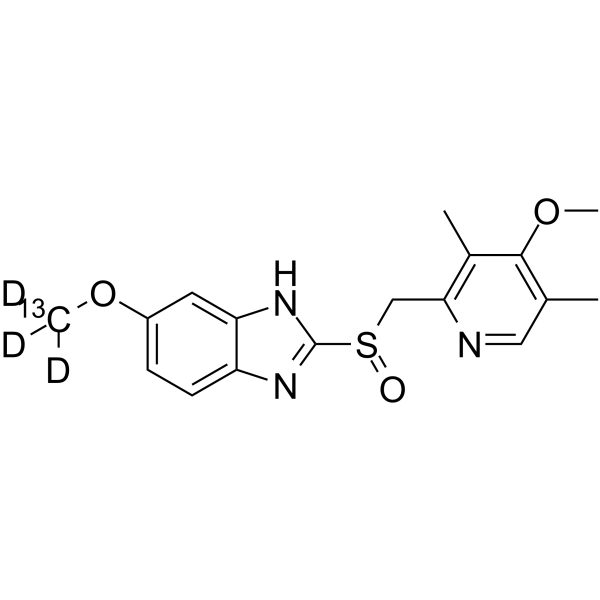 0 ImagesSynonyms: H 16868-13C,d3Omeprazole-13C,d3 is a 13C-labeled and deuterium labeled Omeprazole. Omeprazole (H 16868) is an orally active H+,K+-ATPase inhibitor and a proton pump inhibitor. Omeprazole competitively inhibits CYP2C19, CYP3A4, and CYP2C9 activity. Omeprazole inhibits gastric acid secretion and can be used for acid-related gastrointestinal disorders. Omeprazole inhibits pancreatic cancer cell proliferation, induces apoptosis, autophagosome accumulation (elevated LC3-I and LC3-II levels), oxidative stress, and cytogenetic imbalance, modulates lysosomal transport, reduces inflammatory cytokines. Omeprazole alters small intestinal morphology and magnesium absorption, and induces gastric mucosa morphologic changes. Omeprazole also has neuroprotective and antibacterial effects.
-
Curcumin 5-8
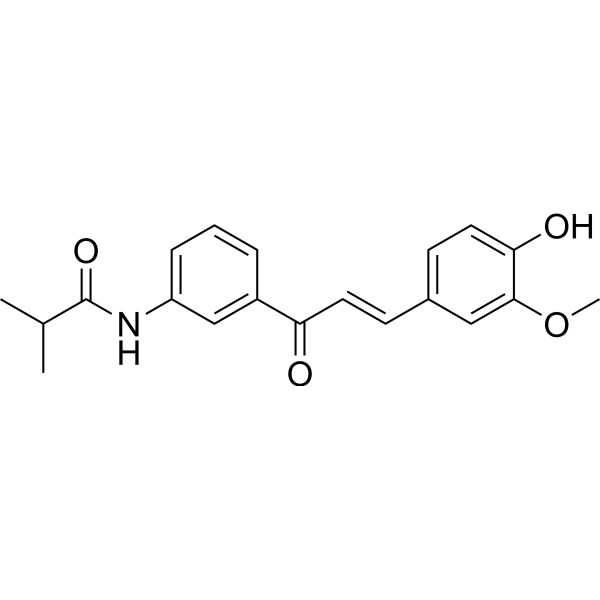 0 ImagesSynonyms: CUR5-8Curcumin 5-8 (CUR5-8) is a potent and orally active naturally active curcumin (CUR) analog. Curcumin 5-8 inhibits lipid droplet formation. Curcumin 5-8 increases autophagy and inhibits Apoptosis. Curcumin 5-8 improves insulin resistance and insulin sensitivity.
-
Myricanol
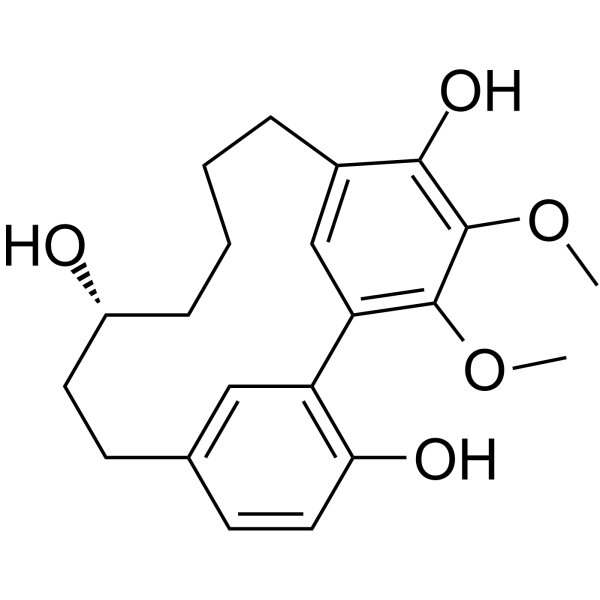 0 ImagesMyricanol is a diarylheptanoid and a Nampt activator. Myricanol exerts anti-inflammatory effects and alleviates glucocorticoid-induced muscle atrophy by increasing Sirtuin 1 (SIRT1) and PRDX5 activities while regulating inflammatory factors. Myricanol exhibits growth inhibition and induces apoptosis in human lung adenocarcinoma A549 cells. Myricanol promotes autophagy-mediated clearance of microtubule-associated protein tau to exert neuroprotective effects. Myricanol protects cardiovascular function by inhibiting PDGFRβ and NF-κB signaling pathways. Myricanol activates mitochondrial transcription factor A (TFAM) expression to exert anti-renal fibrosis effects. Myricanol improves insulin resistance through AMPK activation.
-
SW083688
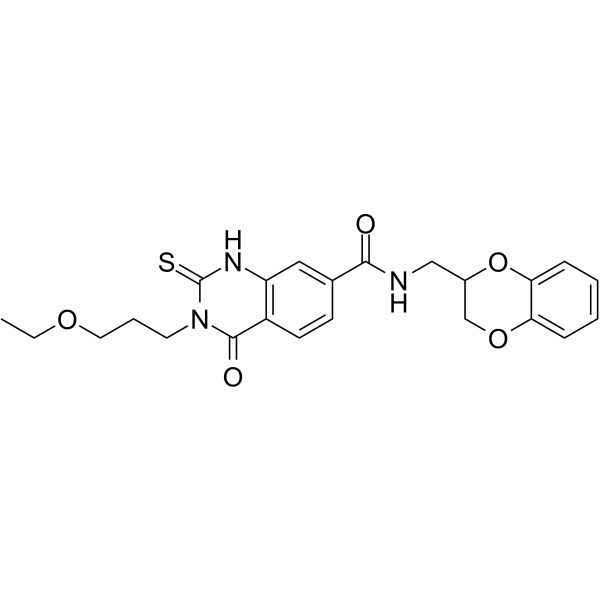 0 ImagesSW083688 is a selective TAOK2 inhibitor with an IC50 of 1.3 μM. SW083688 increases the abundance of p62 protein, inhibits autophagosome maturation, and blocks Autophagic flux. SW083688 is applicable for the research of non-small cell lung cancer and pancreatic cancer.
-
Forigerimod TFA
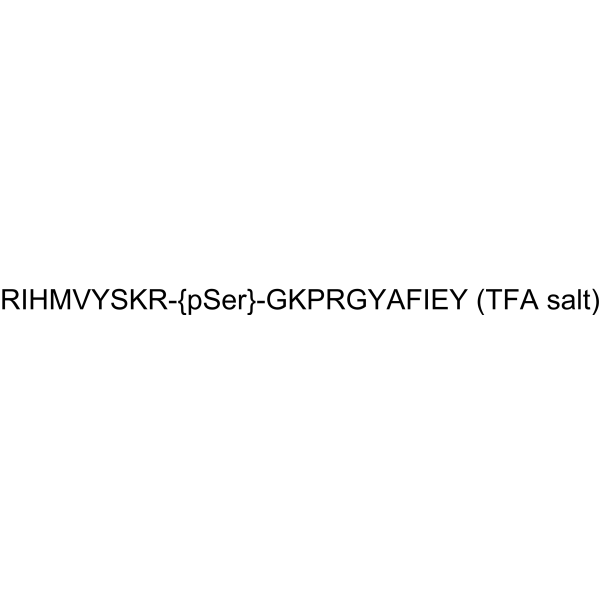 0 ImagesCat. No.: HY-105037APurity: 99.88%Synonyms: IPP-201101 TFA; Rigerimod TFA; Peptide P140 TFAForigerimod TFA (IPP-201101 TFA) is a CD4 T-cell modulator. Forigerimod TFA is a 21-amino-acid fragment of U1 small nuclear ribonucleoprotein 70 kDa that is phosphorylated at Ser140. Forigerimod TFA can potently inhibit autophagy. Forigerimod can be used for the research of autoimmune disorders, such as systemic lupus erythematosus (SLE) .
-
Hupehenine
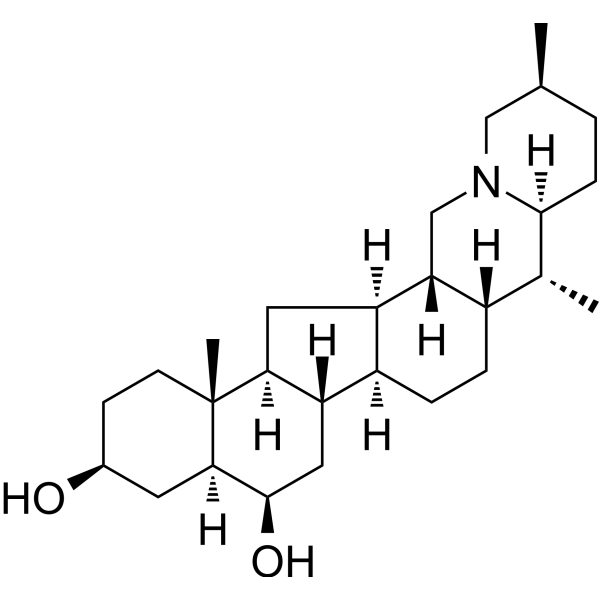 0 ImagesHupehenine is an orally active isosteroidal alkaloid that can be extracted from F. hupehensis. Hupehenine exhibits activities such as antitussive, expectorant, anticancer, and antiparasitic. In vitro, Hupehenine can also inhibit α-synuclein seeded fibril formation, making it applicable for the research of Parkinson's disease and other related disorders.
-
Afatinib (Standard)
 0 ImagesCat. No.: HY-10261RCAS No.: 850140-72-6Synonyms: BIBW 2992 (Standard)Afatinib (Standard) is the analytical standard of Afatinib. This product is intended for research and analytical applications. Afatinib (BIBW 2992) is an orally active, potent and irreversible dual specificity inhibitor of ErbB family (EGFR and HER2), with IC50 values of 0.5 nM, 0.4 nM, 10 nM and 14 nM for EGFRwt, EGFRL858R, EGFRL858R/T790M and HER2, respectively. Afatinib can be used for the research of esophageal squamous cell carcinoma (ESCC), non-small cell lung cancer (NSCLC) and gastric cancer.
-
Desfluoro-ezetimibe
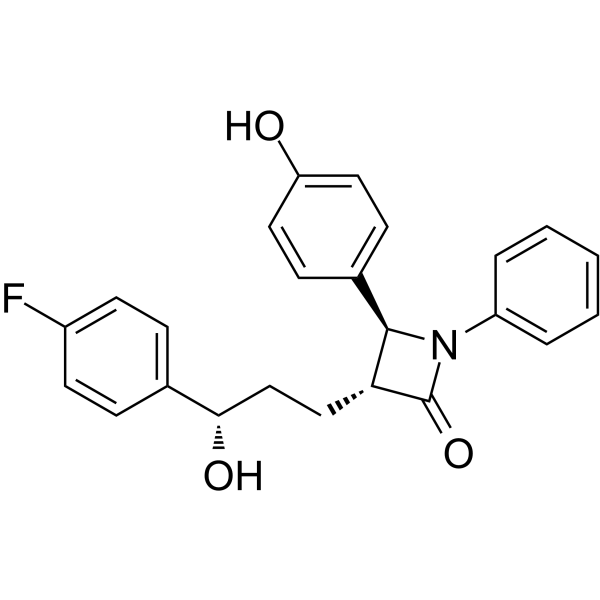 0 ImagesDesfluoro-ezetimibe is a desfluoro impurity of Ezetimibe. Ezetimibe is a potent, metabolically stable cholesterol absorption inhibitor. Ezetimibe is a Niemann-Pick C1-like1 (NPC1L1) inhibitor, and is a potent Nrf2 activator.

-
Fluvastatin-d6 sodium
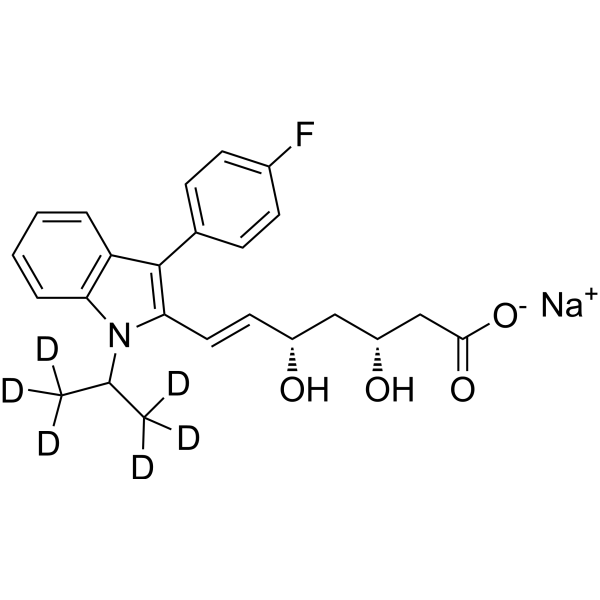 0 ImagesCat. No.: HY-14664ASPurity: 98.06%Synonyms: XU 62-320-d6Fluvastatin-d6 (sodium) is deuterium labeled Fluvastatin sodium. Fluvastatin sodium (XU 62320) is a first fully synthetic, competitive HMG-CoA reductase inhibitor with an IC50 of 8 nM.
-
Glucosamine-15N hydrochloride
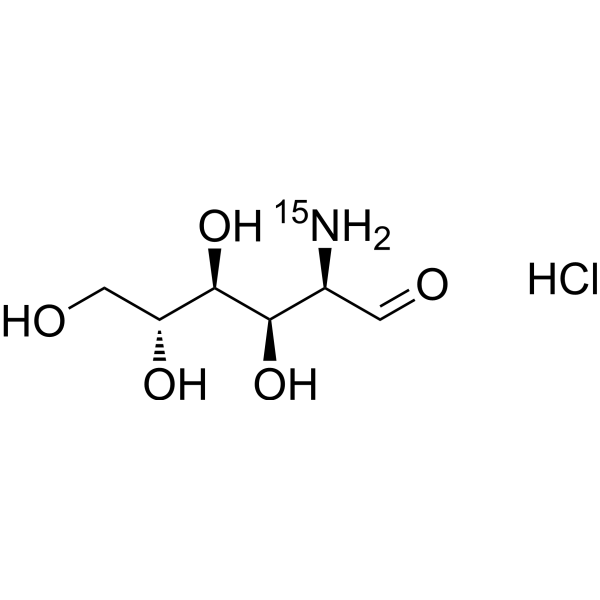 0 ImagesSynonyms: D-(+)-Glucosamine-15N hydrochloride; Chitosamine-15N hydrochlorideGlucosamine-15N (hydrochloride) is the 15N labeled Glucosamine hydrochloride. Glucosamine hydrochloride (D-Glucosamine hydrochloride) is an amino sugar and a prominent precursor in the biochemical synthesis of glycosylated proteins and lipids, is used as a
-
Thalidomide-O-amido-PEG3-C2-NH2 TFA
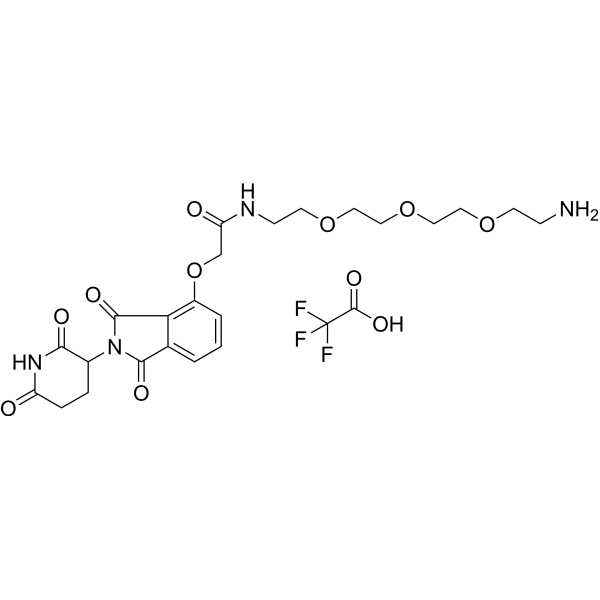 0 ImagesSynonyms: Cereblon Ligand-Linker Conjugates 3 TFA; E3 ligase Ligand-Linker Conjugates 14 TFAThalidomide-O-amido-PEG3-C2-NH2 TFA is a synthesized E3 ligase ligand-linker conjugate that incorporates the Thalidomide based cereblon ligand and 3-unit PEG linker used in PROTAC technology.
-
Sodium propionate-13C
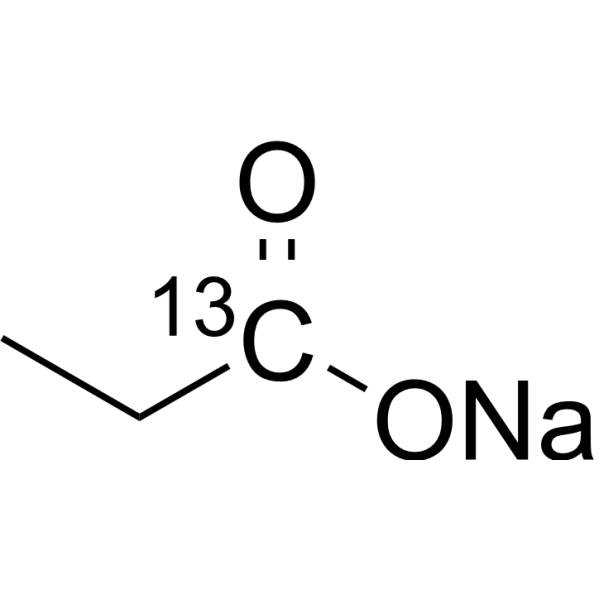 0 ImagesSodium propionate-13C is the 13C labeled Propionate sodium (HY-B1773A). Sodium propionate is an orally active short-chain fatty acid. Sodium propionate can be produced by intestinal bacteria from the metabolism of dietary fiber. Sodium propionate increases PPAR-γ, inhibits NF-κB activation, and reduces COX-2 expression and NO production. Sodium propionate also induces Apoptosis and Autophagy. Sodium propionate reduces HSV-1-induced keratitis. Sodium propionate has anticancer effects against glioblastoma. Sodium propionate exhibits neuroprotective, antioxidant, and anti-inflammatory activities. Sodium propionate can be used in the research of spinal cord injury and Alzheimer's disease.
-
Sorafenib-13C,d3
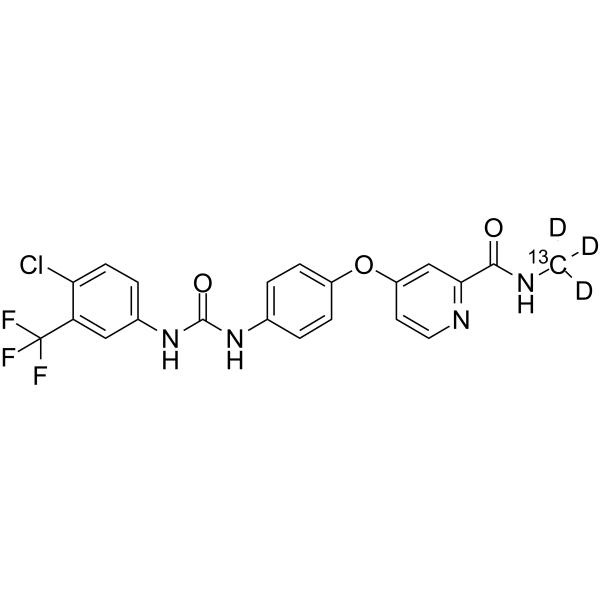 0 ImagesSynonyms: Bay 43-9006-13C,d3Sorafenib-13C,d3 (Bay 43-9006-13C,d3) is the 13C, deuterated-labeled Sorafenib (HY-10201). Sorafenib (Bay 43-9006) is a potent oral active multikinase inhibitor. Sorafenib blocks autophosphorylation and activity of receptor tyrosine kinases (VEGFR-2, VEGFR-3) and RAF family kinases, thereby suppressing the RAF/MEK/ERK and PI3K/Akt pathways, inhibiting STAT3 phosphorylation, and selectively inhibiting the MAPK pathway in cancer cells. Sorafenib induces cell cycle arrest, autophagy, apoptosis, and PARP cleavage, reduces Bcl-2, Bcl-XL, cyclin D1 levels, and activates Bak and Bax. Sorafenib inhibits tumor growth and metastasis in mouse and rat models. Sorafenib can be used for cancer research, such as colon, breast, non-small-cell lung cancer (NSCLC), ovarian, pancreatic, melanoma, colorectal and hepatocellular carcinoma.
-
Atg4B-IN-2
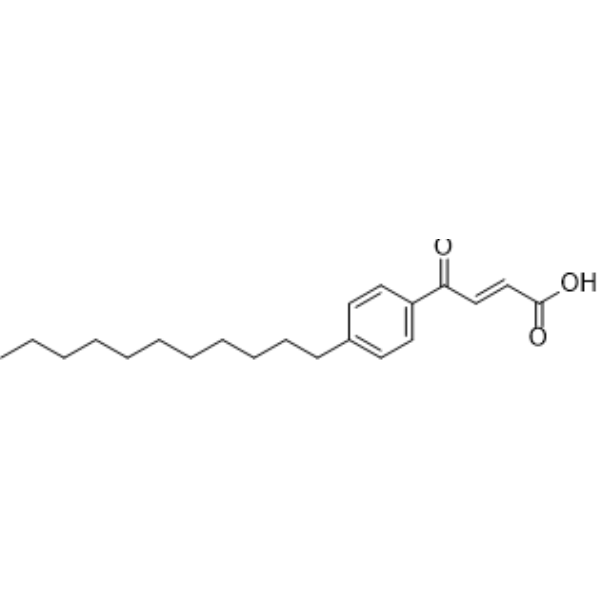 0 ImagesAtg4B-IN-2 is a potent competitive Atg4B inhibitor with Ki value of 3.1 μM, also possesses declining PLA2 inhibitory potency, IC50s of 11 μM and 3.5 μM for Atg4B and PLA2, respectively. Atg4B-IN-2 enhances the anticancer activity of anti-castration-resistant prostate cancer agents via autophagy inhibition.




