



Bcl-2 Family
Bcl-2 is a family of evolutionarily related proteins. These proteins govern mitochondrial outer membrane permeabilization (MOMP) and can be either pro-apoptotic (Bax, Bad, Bak and Bok among others) or anti-apoptotic (including Bcl-2 proper, Bcl-xL, and Bcl-w, among an assortment of others). There are a total of 25 genes in the Bcl-2 family known to date. Human genes encoding proteins that belong to this family include: Bak1, Bax, Bal-2, Bok, Mcl-1.
Bcl-2 Family Isoform Specific Products
-
Bcl-2 Family
(450)
View all products
-
Bcl-2
(328)
View all products
-
Bcl-xL
(123)
View all products
-
Bcl-W
(17)
View all products
-
Mcl-1
(99)
View all products
-
Bfl-1
(11)
View all products
-
Bcl-B
(6)
View all products
-
Bax
(220)
View all products
-
Bak
(14)
View all products
-
Bim
(14)
View all products
-
BNIP3
(1)
View all products
-
Bad
(10)
View all products
All Product Categories
-
Bcl-2 Family Inhibitors
(567)
View all products
-
Bcl-2 Family Agonists
(5)
View all products
-
Bcl-2 Family Antagonists
(9)
View all products
-
Bcl-2 Family Activators
(90)
View all products
-
Bcl-2 Family Modulators
(153)
View all products
-
Bcl-2 Family Inducers
(13)
View all products
-
Bcl-2 Family Degraders
(21)
View all products
-
Bcl-2 Family Controls
(2)
View all products
-
Bcl-2 Family Ligands
(9)
View all products
-
Bcl-2 Family Related Products (1047)
Related Products (1047)

-
Antibodies (31)
-
Bcl-2 Family Signaling Pathway
-
Bcl-2 Family Isoform Comparison
-
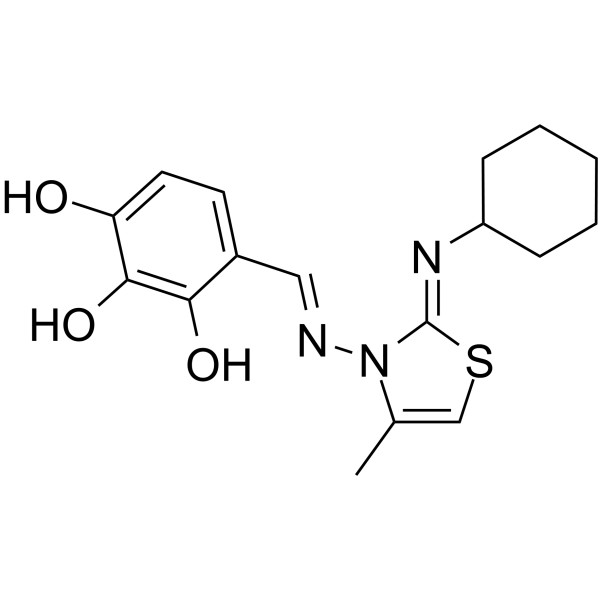
BRD-K20733377
 0 ImagesBRD-K20733377 is an inhibitor for Bcl-2, and exhibits selective cytotoxicity against senescent cells, that inhibits the viability of Etoposide (HY-13629)-induced IMR-90 senescent cell with an IC50 of 10.7 μM. BRD-K20733377 reduces the mRNA expression of aging-related genes p16, p21 and KI67 in aged mouse model.
-
BCL-XL-IN-3
 0 ImagesCat. No.: HY-170406CAS No.: 1949840-87-2BCL-XL-IN-3 is a cell-impermeable BCL-XL inhibitor with a Ki of 16 pM. BCL-XL-IN-3 disrupts the critical hydrogen bond network via methylation of the nitrogen atom on the P2-binding amide bond, resulting in complete loss of cellular activity against BCL-XL. BCL-XL-IN-3 can be used in non-small cell lung cancer and cancer-related research.
-
Desmorpholinyl navitoclax-NH-Me
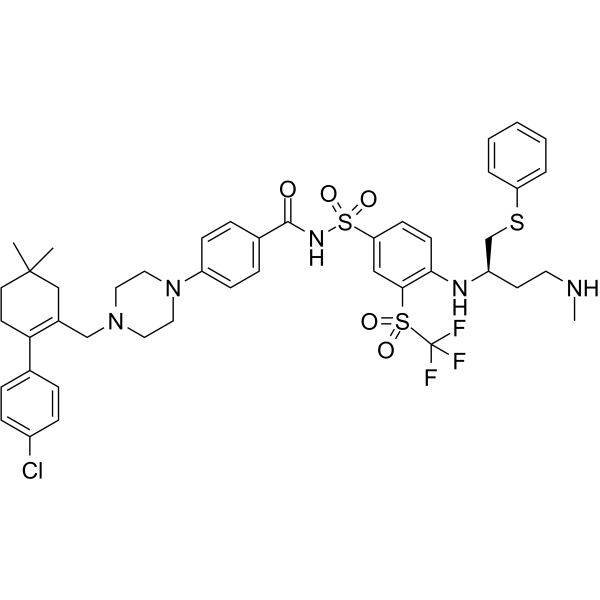 0 ImagesSynonyms: Desmorpholinyl ABT-263-NH-MeDesmorpholinyl navitoclax-NH-Me (Desmorpholinyl ABT-263-NH-Me) is an N-methylamino-substituted derivative of Navitoclax (HY-10087) and a BCL-XL-targeting PROTAC precursor. Desmorpholinyl navitoclax-NH-Me is used for the synthesis of BCL-XL-targeting PROTACs and related research.
-
Isolinderalactone
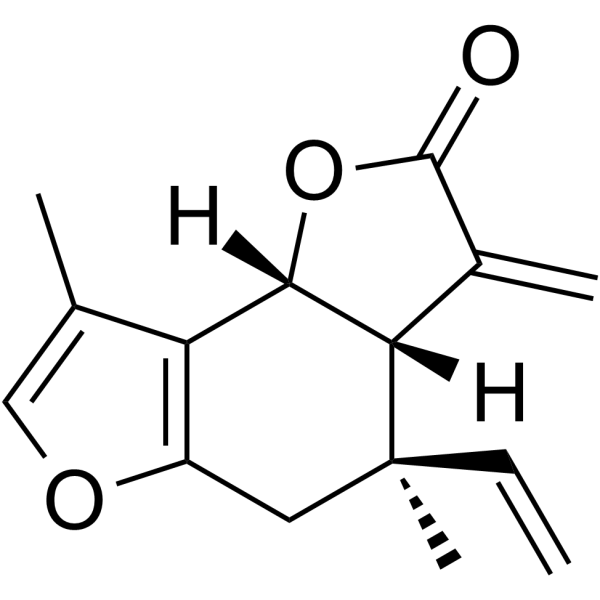 0 ImagesIsolinderalactone is a sesquiterpene that exhibits anti-cancer, anti-inflammatory, and neuroprotective effects. Isolinderalactone inhibits VEGF expression and tyrosine phosphorylation of VEGFR2. Isolinderalactone decreases viability and induces apoptosis in U-87 glioblastoma (GBM) cells and colorectal cancer (CRC) cells. Isolinderalactone induces G2/M phase cell cycle arrest, ROS generation, pJNK/p38 MAPK activation, in colorectal cancer (CRC) cells. Isolinderalactone blocks LPS (HY-D1056)-induced NF-κB activation while activating Nrf2-HMOX1 signaling in RAW264.7 macrophages. Isolinderalactone improves cognitive dysfunction in APP/PS1 mice. Isolinderalactone can be used for the study of Glioblastoma multiforme (GBM), colorectal cancer, Alzheimer’s disease and acute lung injury.
-
Maritoclax
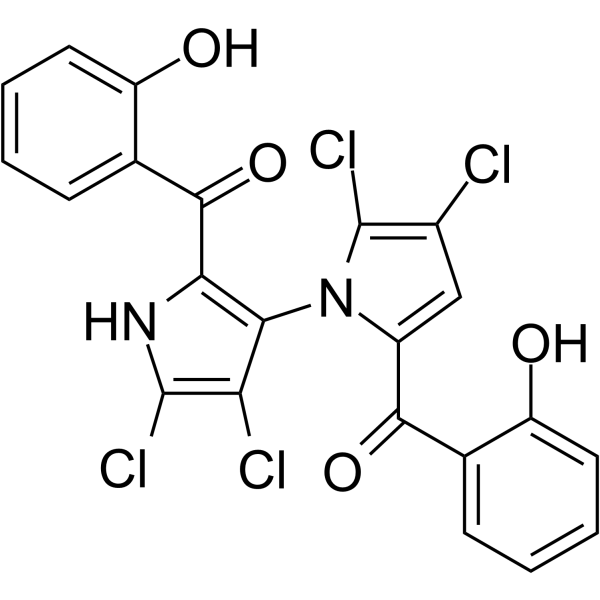 0 ImagesSynonyms: Marinopyrrole A
-
Araloside A
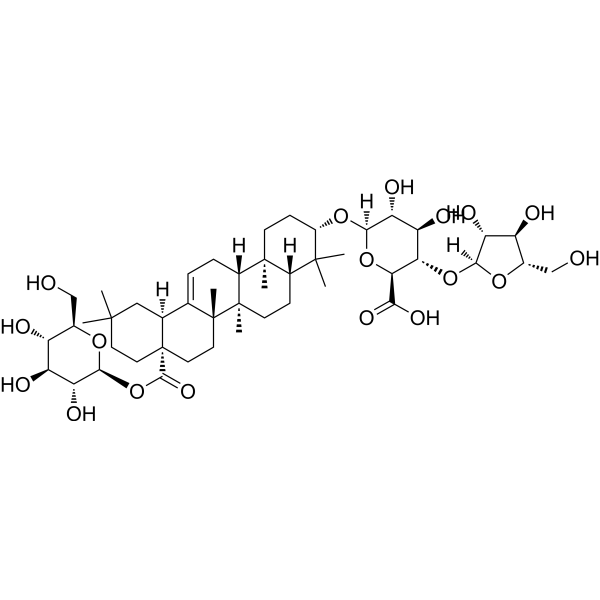 0 ImagesAraloside A (Chikusetsusaponin IV), triterpenoid saponins, is an orally active component of Aralia elata. Araloside A shows low-renin-inhibitory activity with an IC50 of 77.4 μM. Araloside A can inhibit cell proliferation and induce apoptosis. Araloside A suppresses inflammatory cytokines IL-1β and IL-6 production. Araloside A can be used for the researches of cancer, inflammation and cardiovascular disease, such as renal cell carcinoma and rheumatoid arthritis.
-
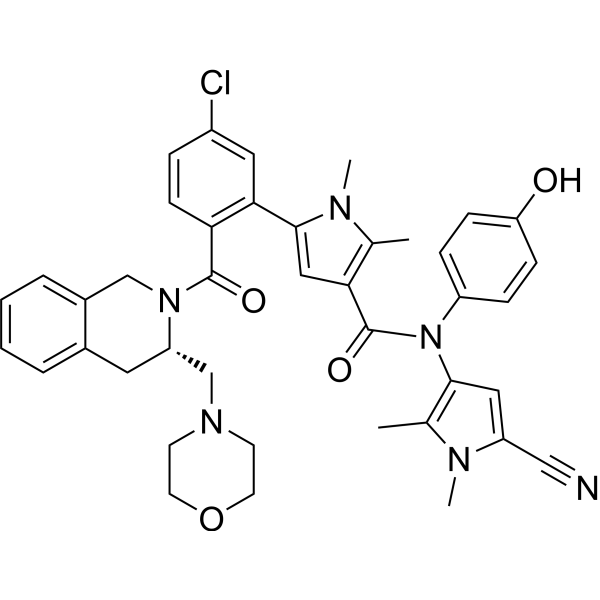
Karacoline
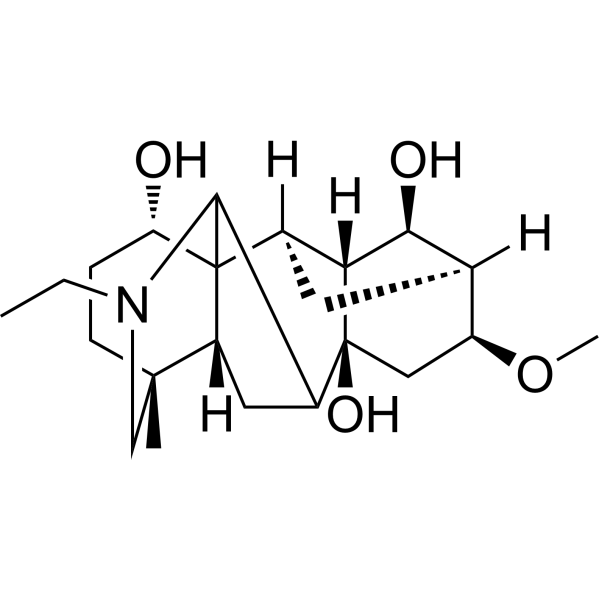 0 ImagesKaracoline is an orally active PPARγ activator and ERK/JNK MAPK inhibitor. Karacoline restricts ROS production, maintains mitochondrial membrane potential, and inhibits pulmonary cell apoptosis. Karacoline inhibits NF-κB pathway activation, reduces acetylation levels of p65 and the expression of MMP14 and MMP9, enhances the expression of type II collagen (collagen II) and aggrecan (aggrecan), and suppresses extracellular matrix degradation. In a mouse model of sepsis-induced acute lung injury, Karacoline alleviates lung injury, inhibits the release of IL-1β, IL-6 and TNF-α, increases the Bcl-2/BAX ratio, and reduces caspase 3 expression. Karacoline can be used in research related to acute lung injury and intervertebral disc degeneration.

-
Navitoclax-d8
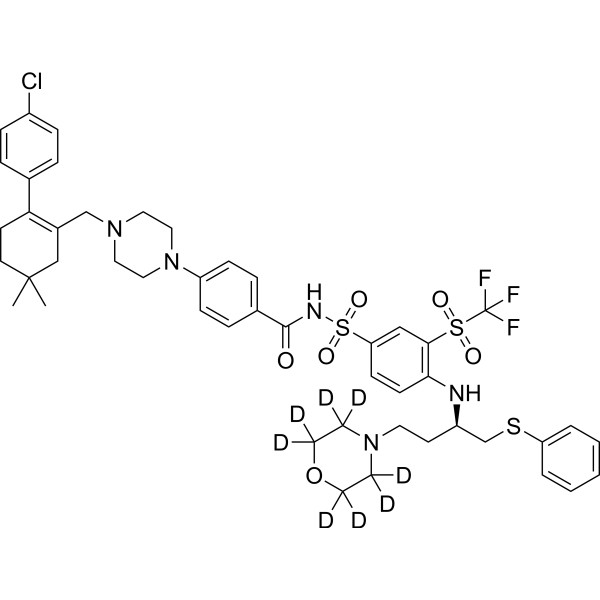 0 ImagesNavitoclax-d8 is the d8-labeled Navitoclax (HY-10087). Navitoclax (ABT-263 ) is an orally active BH3 mimetic and an inhibitor of Bcl-2, Bcl-xL, and Bcl-w, with a Ki value of <1 nM for each target. Navitoclax triggers endogenous Apoptosis and downregulates the expression of Survivin and TGFβ2. Navitoclax alleviates fibrosis and induces thrombocytopenia. Navitoclax exhibits anticancer activity against a variety of tumors and enhances the efficacy of chemotherapy and radiotherapy. Navitoclax can be used in the research of acute lymphoblastic leukemia, ovarian cancer, and fibrotic diseases.
-
Eurycomalactone
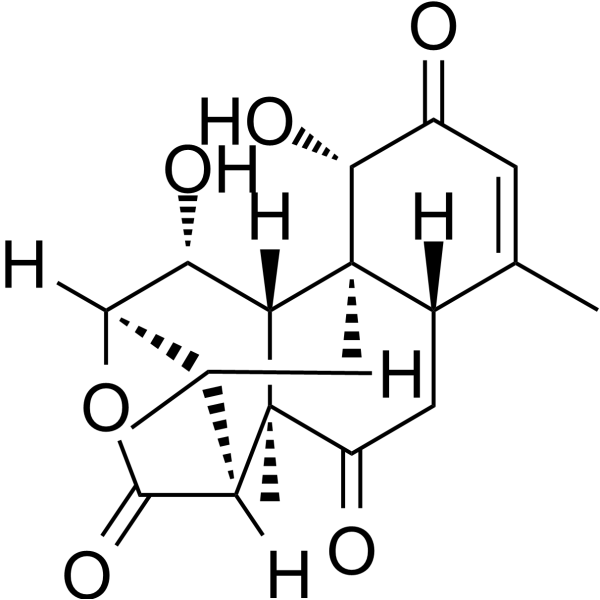 0 ImagesEurycomalactone is an active quassinoid could be isolated from Eurycoma longifolia Jack. Eurycomalactone is a potent NF-κB inhibitor with an IC50 value of 0.5 μM. Eurycomalactone inhibits protein synthesis and depletes cyclin D1. Eurycomalactone enhances radiosensitivity through arrest cell cycle at G2/M phase and delayed DNA double-strand break repair. Eurycomalactone inhibits the activation of AKT/NF-κB signaling, induces apoptosis and enhances chemosensitivity to Cisplatin (HY-17394).
-
Myricetin 3'-glucoside
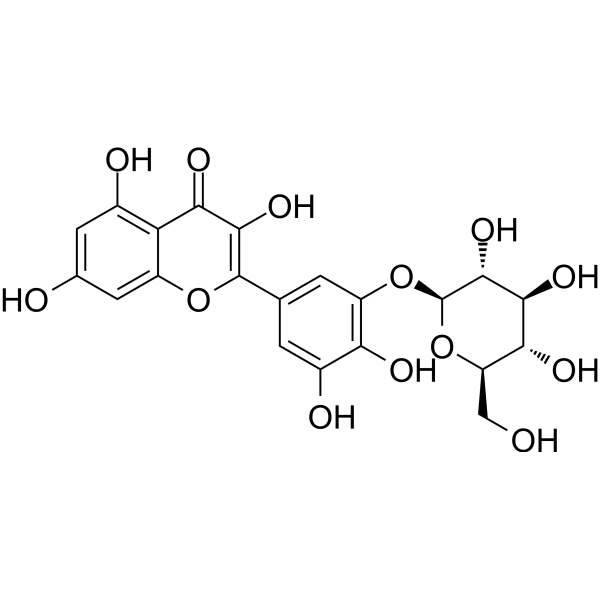 0 ImagesMyricetin 3'-glucoside is an orally active glycosylated flavonoid. Myricetin 3'-glucoside inhibits the cerebral ischemia-induced elevation of inflammatory cytokine levels, including TNF-α, IL-6 and IL-1β. Myricetin 3'-glucoside reverses the cerebral ischemia-mediated downregulation of Bcl-2 protein levels and reduces the cerebral ischemia-induced upregulation of Bax protein levels. Myricetin 3'-glucoside reduces cerebral infarct volume, increases the number of Nissl bodies, and improves neurological function scores in a rat model of middle cerebral artery occlusion (MCAO). Myricetin 3'-glucoside can be used in cerebral ischemia-related research.
-
Antineoplaston A10
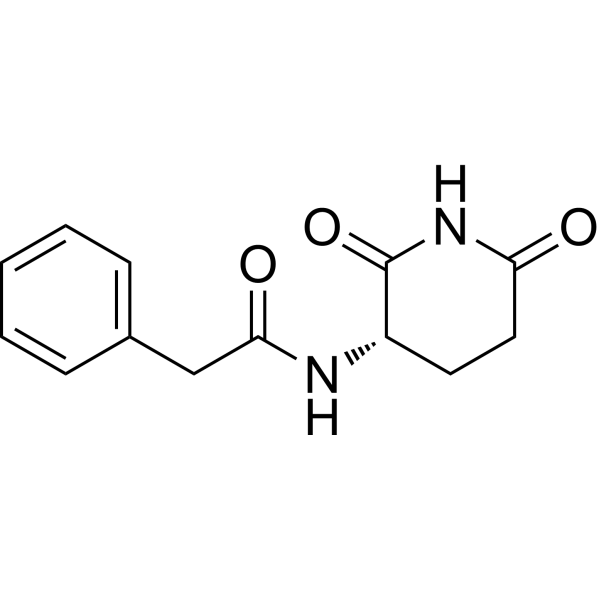 0 ImagesAntineoplaston A10 is an antineoplaston that inhibits the growth of human hepatoma cells by inducing apoptosis. Antineoplaston A10 can be used in the study of liver cancer and breast cancer.
-
MNK8
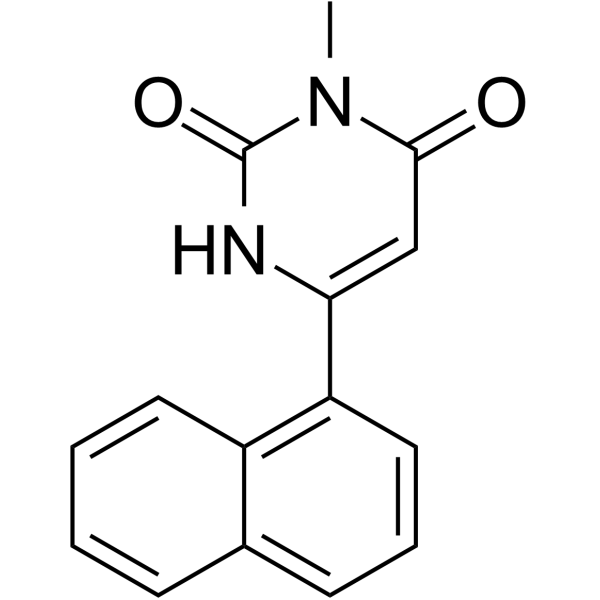 0 ImagesMNK8 is a potent STAT3 (signal transducer and activator of transcription 3) inhibitor. MNK8 inhibits STAT3 activation and reduced its DNA binding ability. MNK8 shows good growth inhibition against hepatocellular carcinoma (HCC) cells. MNK8 induces apoptosis in HCC cells. MNK8 reduces prosurvival proteins expression and migration/invasion of HCC cells.




