



Bcl-2 Family
Bcl-2 is a family of evolutionarily related proteins. These proteins govern mitochondrial outer membrane permeabilization (MOMP) and can be either pro-apoptotic (Bax, Bad, Bak and Bok among others) or anti-apoptotic (including Bcl-2 proper, Bcl-xL, and Bcl-w, among an assortment of others). There are a total of 25 genes in the Bcl-2 family known to date. Human genes encoding proteins that belong to this family include: Bak1, Bax, Bal-2, Bok, Mcl-1.
Bcl-2 Family Isoform Specific Products
-
Bcl-2 Family
(450)
View all products
-
Bcl-2
(328)
View all products
-
Bcl-xL
(123)
View all products
-
Bcl-W
(17)
View all products
-
Mcl-1
(99)
View all products
-
Bfl-1
(11)
View all products
-
Bcl-B
(6)
View all products
-
Bax
(220)
View all products
-
Bak
(14)
View all products
-
Bim
(14)
View all products
-
BNIP3
(1)
View all products
-
Bad
(10)
View all products
All Product Categories
-
Bcl-2 Family Inhibitors
(567)
View all products
-
Bcl-2 Family Agonists
(5)
View all products
-
Bcl-2 Family Antagonists
(9)
View all products
-
Bcl-2 Family Activators
(90)
View all products
-
Bcl-2 Family Modulators
(153)
View all products
-
Bcl-2 Family Inducers
(13)
View all products
-
Bcl-2 Family Degraders
(21)
View all products
-
Bcl-2 Family Controls
(2)
View all products
-
Bcl-2 Family Ligands
(9)
View all products
-
Bcl-2 Family Related Products (1047)
Related Products (1047)

-
Antibodies (31)
-
Bcl-2 Family Signaling Pathway
-
Bcl-2 Family Isoform Comparison
-
Sodium glycocholate hydrate, 98%
 0 ImagesSynonyms: N-Cholylglycine sodium salt, 98%Sodium glycocholate hydrate, 98% is a bile acid derivative. Sodium glycocholate hydrate, 98% downregulates MDR1, Bcl-2, MRP1, MRP2 and FXR, upregulates Bax, p53, caspase-9, caspase-3, TGR5 and S1PR2. Sodium glycocholate hydrate, 98% inhibits multidrug resistance and efflux pumps, induces mitochondrial apoptosis, and enhances chemosensitivity. Sodium glycocholate hydrate, 98% modulates related bile acid receptor signaling. Sodium glycocholate hydrate, 98% suppresses growth and conjugation of Enterobacteriaceae and increases their antibiotic susceptibility. Sodium glycocholate hydrate, 98% can be used for the research of colon adenocarcinoma and cholangiocarcinoma (CCA).
-
BEPP hydrochloride
 0 ImagesBEPP hydrochloride is a double-stranded RNA-dependent protein kinase (PKR) modulator. BEPP hydrochloride enhances the phosphorylation levels of PKR and eIF2α, activates caspase-3, upregulates the pro-apoptotic protein BAX, and downregulates the anti-apoptotic protein Bcl-2. BEPP hydrochloride inhibits vaccinia virus replication and exhibits selective cytotoxicity in cells expressing PKR. BEPP hydrochloride can be used in research related to cancer and viral infections.
-
Flumethrin
 0 ImagesSynonyms: FCR 2769Flumethrin (FCR 2769) is a pyrethroid insecticide and acaricide. Flumethrin targets voltage-gated sodium channels and estrogen receptor α (ERα). Flumethrin induces cytotoxicity, apoptosis, genotoxicity and DNA damage in breast cancer cells by regulating the expression of BCL2, BAX, TP53 and P21 genes. Flumethrin is applicable to relevant studies on ectoparasite infections (tick and flea burdens) in dogs and cats, as well as breast cancer.
-
PPIA-IN-1
 0 ImagesCat. No.: HY-172209CAS No.: 3077886-94-0PPIA-IN-1 is a PPIA inhibitor with a Kd value of 0.52 μM. PPIA-IN-1 inhibits the PPIA/MAPK signaling pathway to exert antiproliferative activity. PPIA-IN-1 induces G0/G1 cell cycle arrest in cancer cells. PPIA-IN-1 upregulates the expression of Bax and caspase-3, downregulates Bcl-2 expression, and induces apoptosis in cancer cells. PPIA-IN-1 induces increased ROS levels, DNA damage, endoplasmic reticulum stress, and mitochondrial dysfunction in cancer cells. PPIA-IN-1 exhibits antitumor activity in a mouse colon cancer xenograft model. PPIA-IN-1 can be used for the research of colorectal cancer.
-
Ciwujianoside B
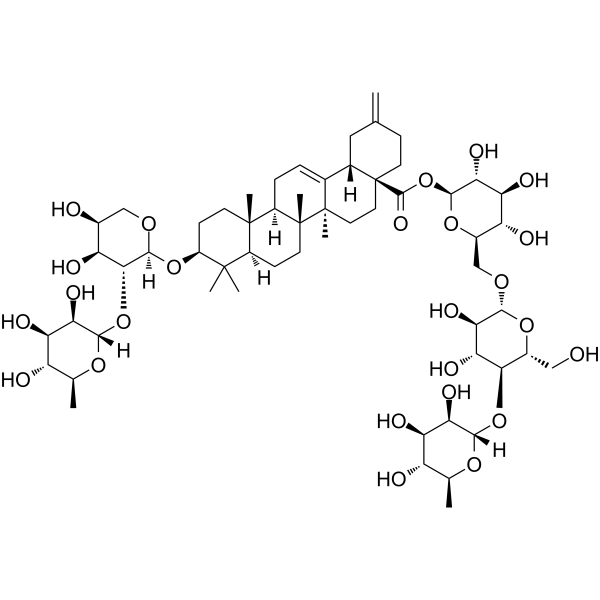 0 ImagesCiwujianoside B is an orally active, blood-brain barrier penetrable radioprotective agent and memory enhancer. Ciwujianoside B reduces radiation-induced DNA damage, cell cycle arrest and apoptosis, downregulates NF-κB and the Bax/Bcl-2 ratio, and enhances the proliferative capacity of bone marrow cells. Ciwujianoside B enhances object recognition memory in normal mice and induces dendritic extension in primary cultured cortical neurons. Ciwujianoside B can be used in studies related to hematopoietic system radiation injury and memory enhancement.
-
Quinalizarin
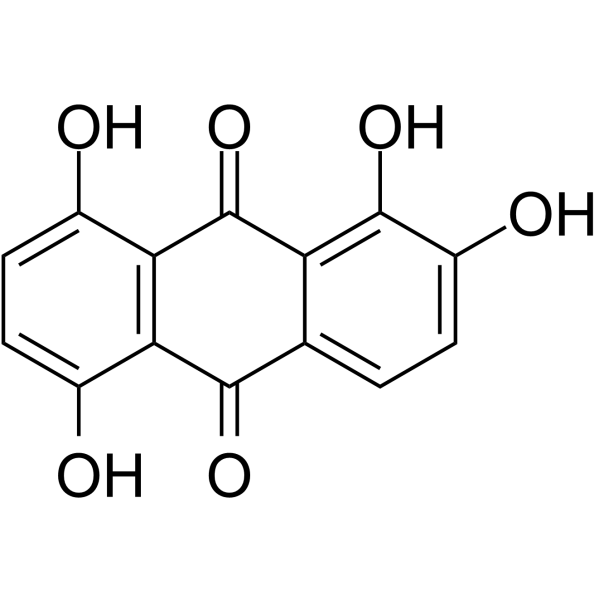 0 ImagesQuinalizarin is a protein kinase CK2 inhibitor with a Ki of 0.052 μM. Quinalizarin exhibits antifungal and anticancer activities. Quinalizarin induces ROS production, apoptotic signaling, mitochondrial pathway activation, cell cycle arrest, and cytotoxicity in cancer cells. Quinalizarin inhibits hyphal growth, biofilm formation, and mature biofilm integrity of Candida albicans. Quinalizarin can be used in research related to cancer and fungal infections.
-
Dehydrocorydaline (hydroxyl)
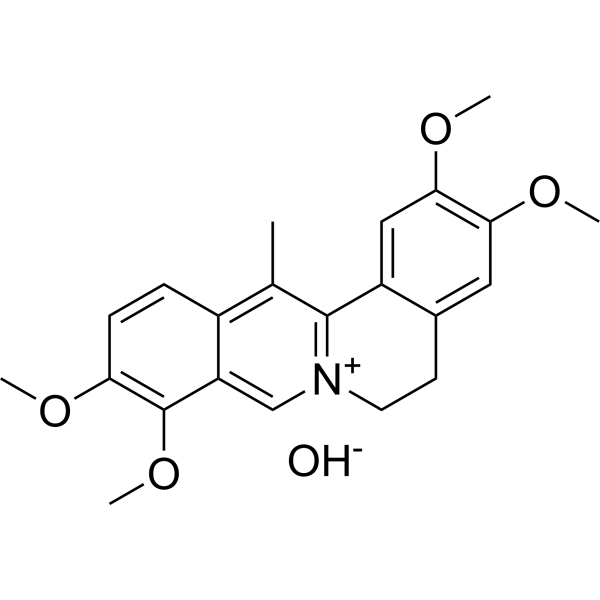 0 ImagesCat. No.: HY-N0674BPurity: 99.52%Synonyms: 13-Methylpalmatine (hydroxyl)Dehydrocorydaline (13-Methylpalmatine) hydroxyl is an alkaloid that regulates protein expression of Bax, Bcl-2; activates caspase-7, caspase-8, and inactivates PARP. Dehydrocorydaline hydroxyl elevates p38 MAPK activation. Anti-inflammatory and anti-cancer activities. Dehydrocorydaline hydroxyl shows strong anti-malarial effects (IC50=38 nM), and low cytotoxicity (cell viability > 90%) using P. falciparum 3D7 strain.
-
Dimebutic acid
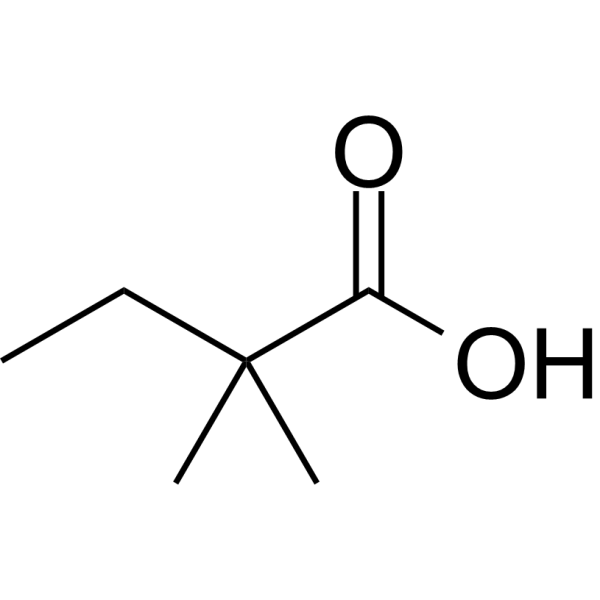 0 ImagesSynonyms: NSC-16045; NSC-741804Dimebutic acid is an orally active short-chain fatty acid. Dimebutic acid stimulates fetal globin production and alters the balance of Bcl family proteins. Dimebutic acid prolongs red blood cell survival. Dimebutic acid exhibits toxicity in rats. Dimebutic acid can be used in the study of β-thalassemia and sickle cell disease.
-
PZ703b
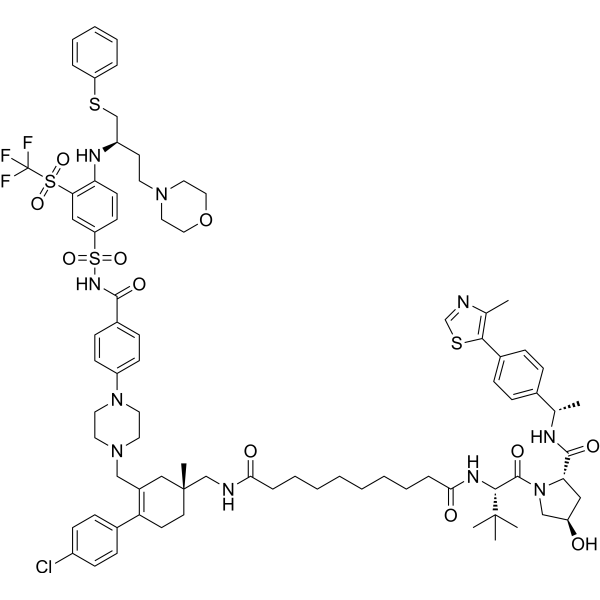 0 ImagesPZ703b is a Bcl-xl PROTAC degrader that induces apoptosis and inhibits cancer cell proliferation. PZ703b can be used for the research of bladder cancer research.
-
DL-erythro-Dihydrosphingosine
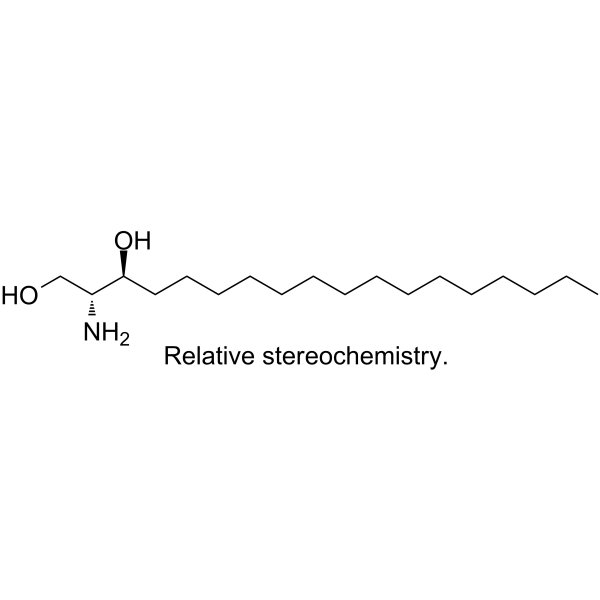 0 ImagesDL-erythro-Dihydrosphingosine is a sphingosine-based PKC inhibitor. DL-erythro-Dihydrosphingosine directly inhibits the enzymatic activity of PLA2. DL-erythro-Dihydrosphingosine inhibits the activity of Bcl-2 protein involved in apoptosis. DL-erythro-Dihydrosphingosine inhibits the activity of matrix metalloproteinases (MMP). DL-erythro-Dihydrosphingosine is applicable for research on cancer and inflammatory diseases.
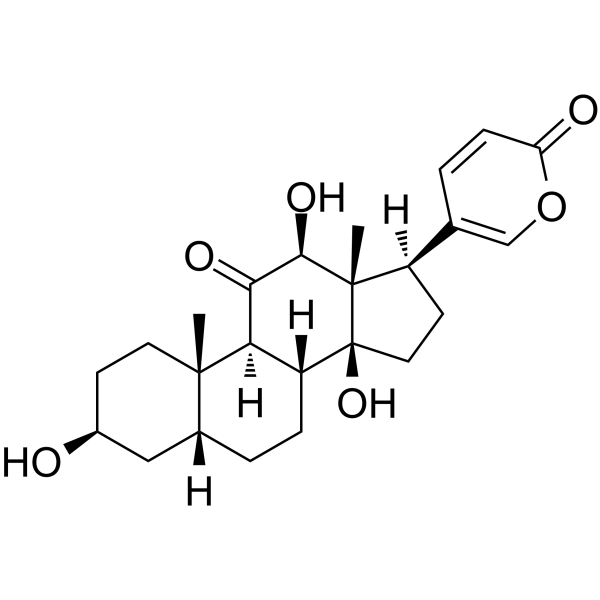
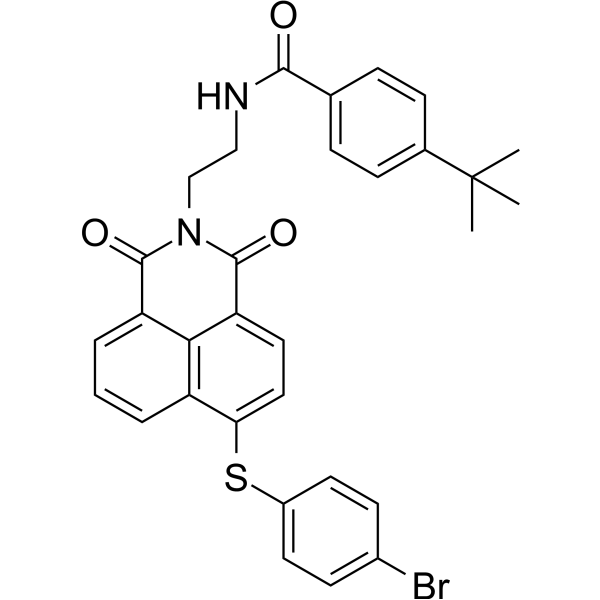
-
BRD-810
 0 ImagesBRD-810 is a potent and selective MCL1 inhibitor with a Kd of 0.3 nM. BRD-810 can specifically block the BH3 binding groove of MCL1, while having little effect on other anti-apoptotic proteins (such as Bcl-2, Bcl-xL). BRD-810 effectively destroys the MCL1-BAK complex (IC50 = 1.2 nM) in cancer cells, rapidly activates Caspase and induces cell apoptosis. BRD-810 can be used in the research of various cancers such as hematological tumors and solid tumors.
-
Semaglutide-FITC
 0 ImagesCat. No.: HY-114118F4Synonyms: Semaglutide-Lys(FITC)Semaglutide-FITC (Semaglutide-Lys(FITC)) is a fluorescent tracer probe (Ex/Em = 495/520 nm) obtained by covalently coupling the green fluorescent dye fluorescein isothiocyanate (FITC) (HY-66019) to the long-acting analogue of GLP-1, Semaglutide (HY-114118). Semaglutide-FITC can be used for studies on Semaglutide receptor binding (GLP-1R), cell uptake and endocytosis, in vivo tissue distribution, and the targeting efficiency of delivery systems.
-
Chamaejasmine
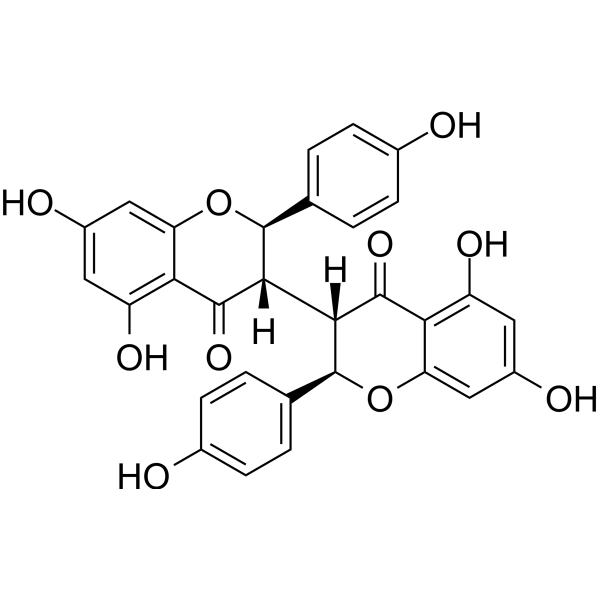 0 ImagesSynonyms: ChamaejasminChamaejasmine (Chamaejasmin) is a natural biflavonoid found in the roots of Stellera chamaejasme, exhibiting antitumor activity. Chamaejasmine inhibits Bcl-2, upregulates Bax, and induces cleavage of caspase-9/-3 and PARP. Chamaejasmine induces ROS production, Δψm loss, cytochrome c release, G2/M arrest, apoptosis, and autophagy. Chamaejasmine induces apoptosis and autophagy through activation of AMPK and inhibition of mTOR, and inhibits microtubule depolymerization by binding to β-tubulin. Chamaejasmine inhibits IL-4, IgE, β-hexosaminidase, and mast cell infiltration, and improves skin barrier function in AD models. Chamaejasmine exhibits cytotoxicity against various cancer cells. Chamaejasmine can be used in research related to various cancers such as lung adenocarcinoma and osteosarcoma, as well as atopic dermatitis.
-
Oblimersen sodium
 0 ImagesCat. No.: HY-118874AOblimersen sodium is a BCL-2 inhibitor targeting BCL-2 RNA. Oblimersen sodium specifically binds to the first six codons of the bcl-2 mRNA sequence, resulting in degradation of bcl-2 mRNA and induces apoptosis by down-regulating expression of Bcl-2. Oblimersen sodium can be used for cancer research.
-
Sericin
 0 ImagesCat. No.: HY-NP192Sericin is an orally active globular protein produced by silkworm cocoons. Sericin inhibits the expression of COX2, iNOS, TLR4, MAPK and NF-κB; reduces the levels of IL-18, IL-1 and CCL2; antagonizes the activity of AChE; and downregulates the expression of Bcl-2. Sericin enhances the PI3K/AKT-mediated insulin signaling pathway. Sericin inhibits the activity of tyrosinase (Tyrosinase), scavenges ROS, chelates metal ions, and increases the levels of antioxidant enzymes. Sericin induces apoptosis and arrests the cell cycle. Sericin exhibits antibacterial, moisturizing, cardioprotective and anticoagulant properties. Sericin can be used in research related to type 2 diabetes, hyperlipidemia, obesity, Alzheimer's disease, colon cancer, peripheral nerve injury and ischemic myocardial infarction.
-
Lometrexol disodium
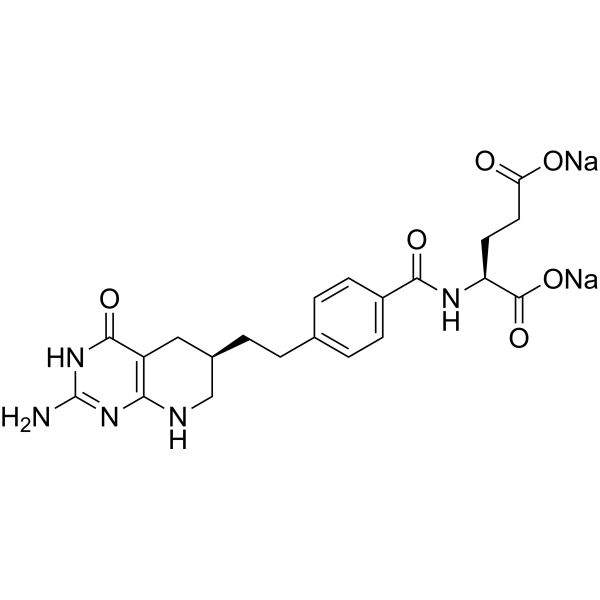 0 ImagesSynonyms: DDATHF disodiumLometrexol (DDATHF) disodium, an antipurine antifolate, can inhibit the activity of glycinamide ribonucleotide formyltransferase (GARFT) but do not induce detectable levels of DNA strand breaks. Lometrexol disodium can further inhibit de novo purine synthesis, causing abnormal cell proliferation and apoptosis, even cell cycle arrest. Lometrexol disodium has anticancer activity. Lometrexol disodium also is a potent human Serine hydroxymethyltransferase1/2 (hSHMT1/2) inhibitor.




