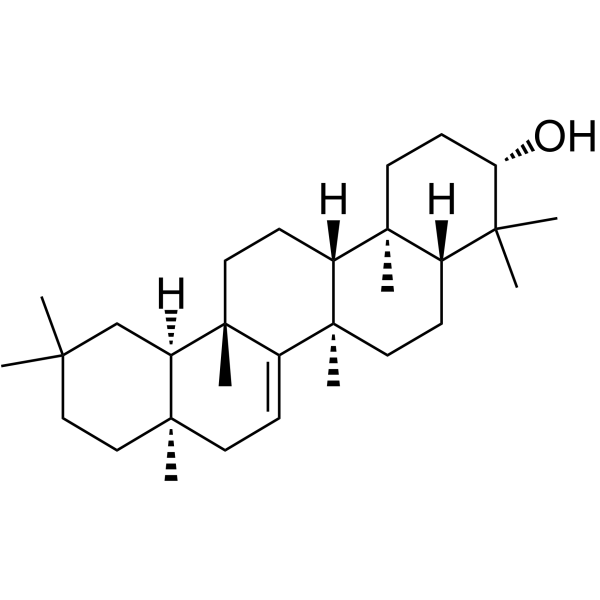
NF-κB
Nuclear factor-κB; Nuclear factor-kappaB
NF-κB (Nuclear factor kappa-light-chain-enhancer of activated B cells) is a protein complex that controls transcription of DNA. NF-κB is found in almost all animal cell types and is involved in cellular responses to stimuli such as stress, cytokines, free radicals, ultraviolet irradiation, oxidized LDL, and bacterial or viral antigens. NF-κB plays a key role in regulating the immune response to infection. Incorrect regulation of NF-κB has been linked to cancer, inflammatory, and autoimmune diseases, septic shock, viral infection, and improper immune development. NF-κB has also been implicated in processes of synaptic plasticity and memory. There are five proteins in the mammalian NF-κB family: NF-κB1, NF-κB2, RelA, RelB, c-Rel.
NF-κB Isoform Specific Products
All Product Categories
-
NF-κB Inhibitors
(1636)
View all products
-
NF-κB Agonists
(6)
View all products
-
NF-κB Antagonist
(1)
View all products
-
NF-κB Activators
(146)
View all products
-
NF-κB Modulators
(34)
View all products
-
NF-κB Inducers
(3)
View all products
-
NF-κB Degraders
(4)
View all products
-
NF-κB Controls
(7)
View all products
-
NF-κB Ligands
(2)
View all products
-
NF-κB Produits associés (1973)
Produits associés (1973)

-
Anticorps (32)
-
Voie de signalisation NF-κB
-
NF-κB Isoform Comparison
-
Bortezomib (Standard)
 0 ImagesSynonyms: PS-341 (Standard); LDP-341 (Standard); NSC 681239 (Standard)Bortezomib (Standard) is the analytical standard of Bortezomib. This product is intended for research and analytical applications. Bortezomib (PS-341) is a reversible and selective proteasome inhibitor, and potently inhibits 20S proteasome (Ki=0.6 nM) by targeting a threonine residue. Bortezomib disrupts the cell cycle, induces apoptosis, and inhibits NF-κB. Bortezomib is the first proteasome inhibitor anticancer agent. Bortezomib can be used for the study of multiple myeloma (MM). Bortezomib effectively inhibits TREM2 expression in tumor-associated macrophages (TAMs).
-
Mesaconic acid
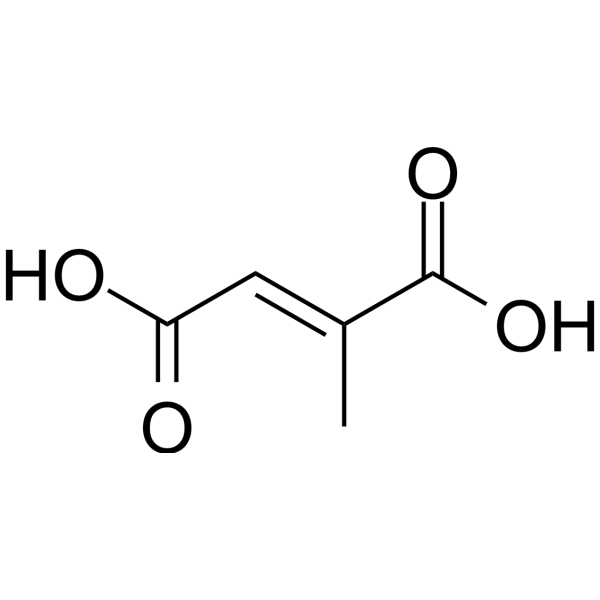 0 ImagesMesaconic acid (Citronic acid; Methylfumaric acid) is an orally active anti-inflammatory and antioxidant agent. Mesaconic acid reduces the level of NF-κB in colon tissues, downregulates the expression of Keap1 and Bax, upregulates the expression of Nrf2 and Bcl2, and decreases the expression of Caspase-1. Mesaconic acid reduces the levels of NLRP3, ASC and Casp-1 in colon, liver and kidney tissues. Mesaconic acid reduces pro-inflammatory cytokine levels, increases the level of the anti-inflammatory cytokine IL-10, elevates NAD+ levels, regulates oxidative stress markers and antioxidant enzyme levels, and upregulates intestinal barrier proteins in colon, liver and kidney tissues. Mesaconic acid increases the abundance of beneficial gut bacteria and reduces the abundance of harmful gut bacteria in rapidly aging mice, and exhibits anti-aging properties. Mesaconic acid acts as a flame retardant and serves as a competitive inhibitor of fumarate reduction. Mesaconic acid can be used in the research of aging-related inflammation.
-
MD2-TLR4-IN-1
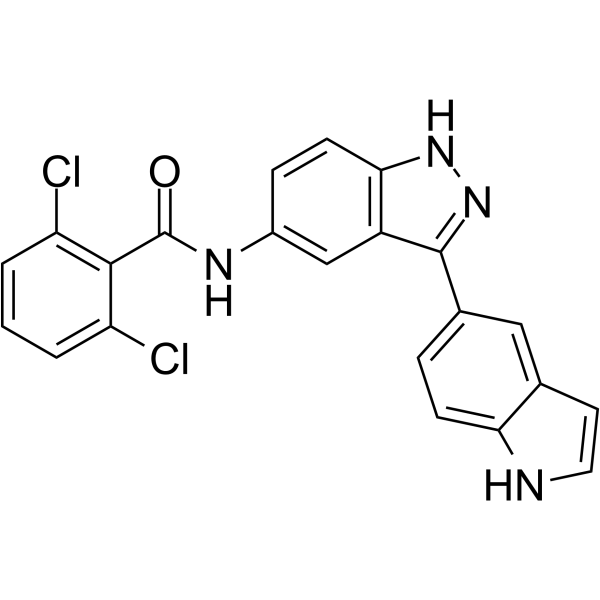 0 ImagesMD2-TLR4-IN-1 is a myeloid differentiation protein 2/toll-like receptor 4 (MD2-TLR4) complex antagonist. MD2-TLR4-IN-1 inhibits Lipopolysaccharides (HY-D1056) (LPS)-induced expression of TNF-α and IL-6 in macrophages with IC50 values of 0.89 μM and 0.53 μM, respectively. MD2-TLR4-IN-1 can be used for the study of acute lung injury (ALI).
-
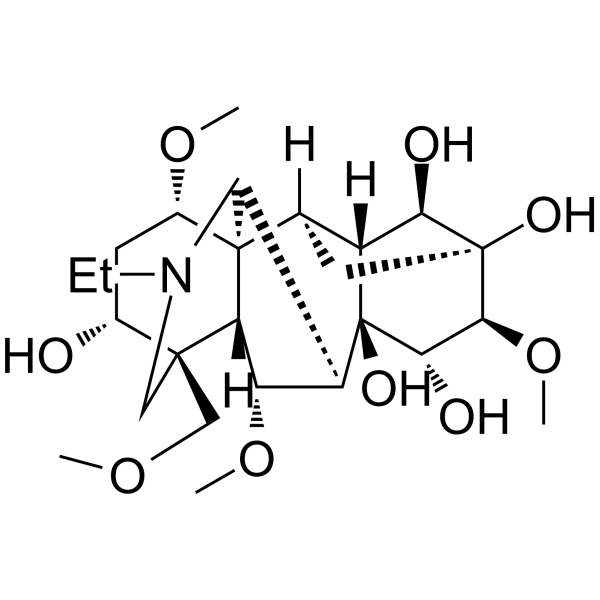
Sipeimine
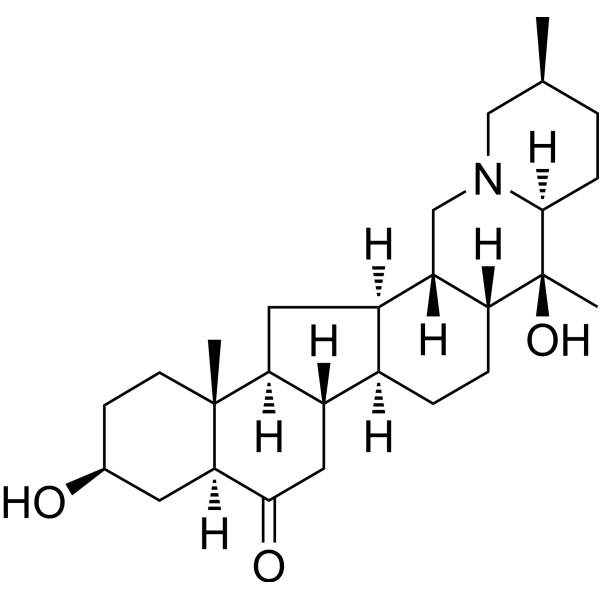 0 ImagesSynonyms: ImperialineSipeimine (Imperialine) is an inhibitor targeting the PI3K/AKT/NF-κB pathway and NLRP3 inflammasome, which can competitively bind to PI3K and p65. Sipeimine inhibits PI3K/AKT phosphorylation, blocks NF-κB nuclear translocation and NLRP3 inflammasome activation. Sipeimine exerts anti-inflammatory activities, inhibits pyroptosis and ferroptosis, and protects the extracellular matrix. Sipeimine can reduce cartilage degradation and synovial inflammation in osteoarthritis and improve PM2.5-induced lung injury. Sipeimine is mainly used in the study of anti-inflammatory and degenerative diseases.
-
Carveol
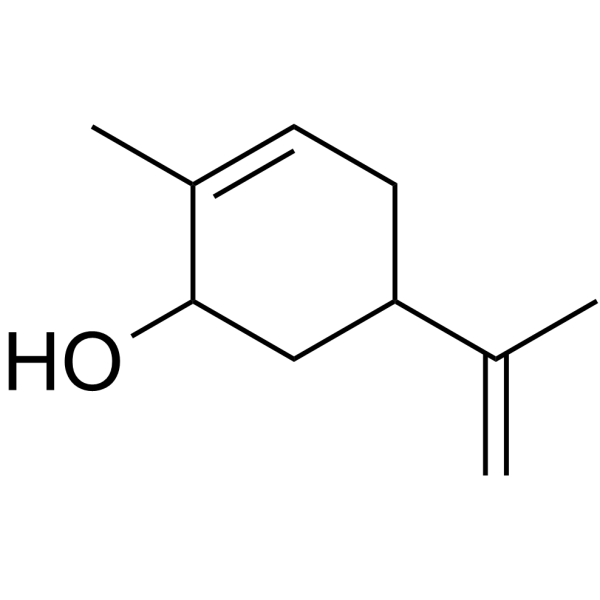 0 ImagesCarveol is an orally active monoterpenoid alcohol with neuroprotective, antioxidant, anti-inflammatory, anticonvulsant, antidiabetic, hypolipidemic and hepatoprotective activities. Carveol upregulates the expression of Bcl2, downregulates the expression of caspase-3, TNF-α, IL1β and IL6, activates the Nrf2/HO-1 antioxidant signaling pathway, inhibits the RAGE/NF-κB signaling pathway, and suppresses neuroinflammation and neuronal apoptosis. Carveol inhibits α-synuclein aggregation, improves cognitive ability, and inhibits α-amylase activity. Carveol exerts neuroprotective effects in a rat model of Parkinson's disease. Carveol exhibits antidiabetic effects in alloxan-induced diabetic rats. Carveol alleviates PTZ-induced seizures in rats. Carveol can be used in research related to Parkinson's disease, epilepsy, diabetes and ischemic stroke.
-
Carboxyamidotriazole
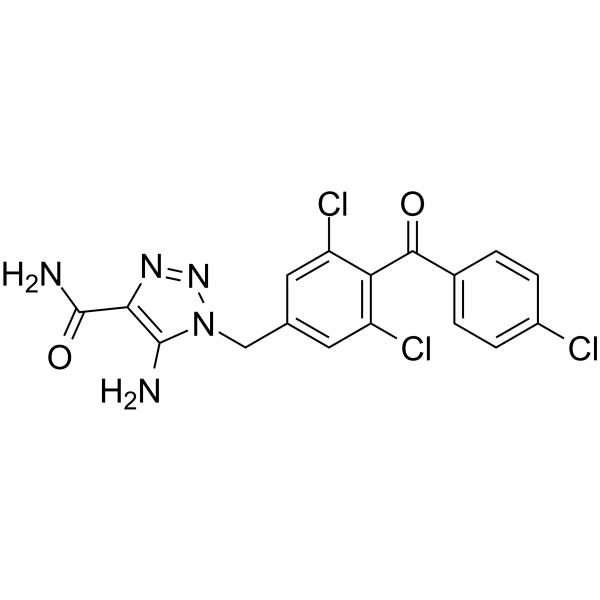 0 ImagesSynonyms: L-651582; CAICarboxyamidotriazole (L-651582) is an orally active cytostatic inhibitor of nonvoltage-operated calcium channels and calcium channel-mediated signaling pathways. Carboxyamidotriazole inhibits NF-κB, MAPK activation and NO production. Carboxyamidotriazole has anti-angiogenic and anti-inflammatory activities. Carboxyamidotriazole has anticancer activity against liver cancer, lung cancer and leukemia.
-
cis-Resveratrol
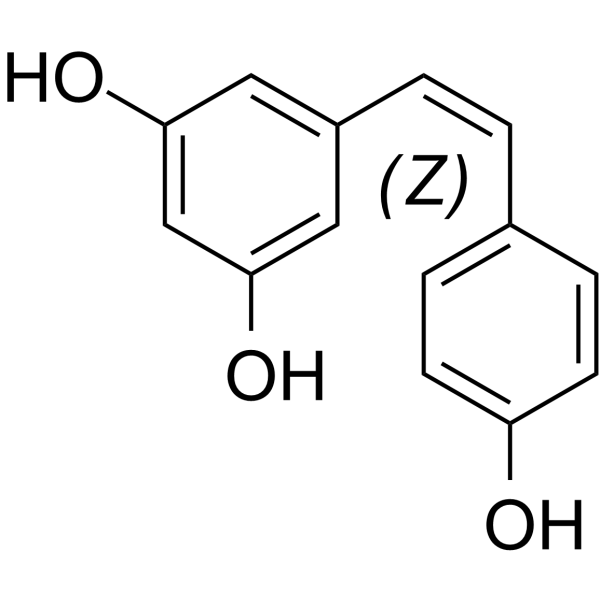 0 Imagescis-Resveratrol exhibits signifcant antiviral activity. cis-Resveratrol inhibits enteroviruses with IC50s of 12.2 µM and 37.6 µM for coxsackievirus B3 (CVB3) and enterovirus 71 (EV71), respectively. cis-Resveratrol is the inhibitor for NF-κB signaling pathway.
-
Parishin C
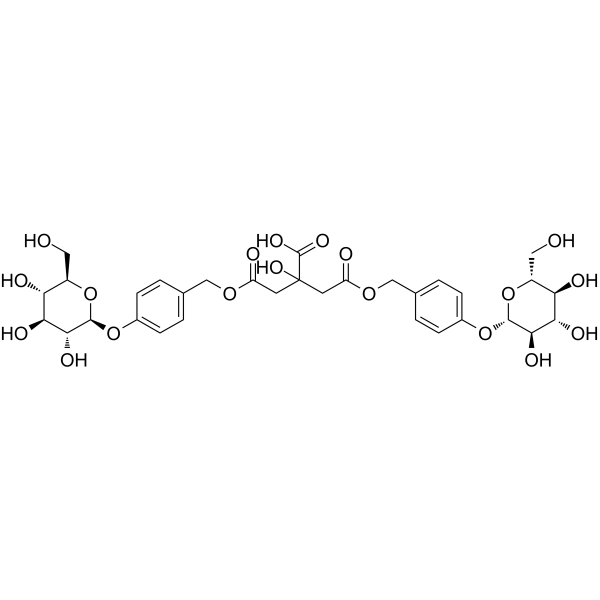 0 ImagesParishin C is a brain-penetrant major bioactive component found in Gastrodia elata Blume. Parishin C is a 5-HT1A receptor agonist with an EC50 of 34 nM. Parishin C has antipsychotic and neuroprotective effects. Parishin C protects against Aβ-induced long-term potentiation damage and NMDA receptor current impairment. Parishin C reduces oxidative stress, pro-inflammatory cytokine levels, caspase activity, brain water content, and cerebral infarct volume; increases antioxidant enzyme activity and BDNF levels; improves nerve function and histopathological brain damage. Parishin C attenuates phencyclidine-induced immobility time increases, sociability deficits, and visual recognition memory impairment. Parishin C can be used for the research of ischemic stroke, Alzheimer's disease, and schizophrenia-like psychosis.
-
Platycodin D3
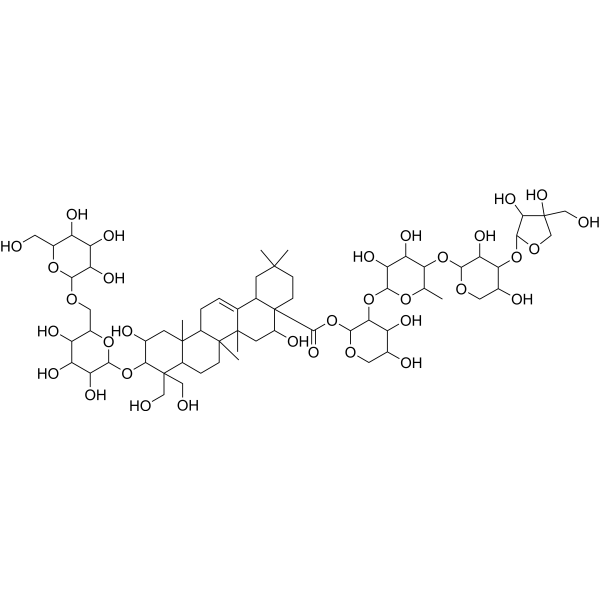 0 ImagesPlatycodin D3 is a triterpenoid saponin that can be found in Platycodon grandiflorum. Platycodin D3 exhibits multiple activities including anti-inflammation, regulation of airway mucus secretion, improvement of asthmatic airway inflammation and remodeling, and inhibition of hepatitis C virus (HCV) replication. The IC50 value of Platycodin D3 against HCV NS5B RNA-dependent RNA polymerase is 8 μg/mL. Platycodin D3 can be used in studies related to asthma, hepatitis C virus infection and inflammatory diseases.
-
Esculentoside A
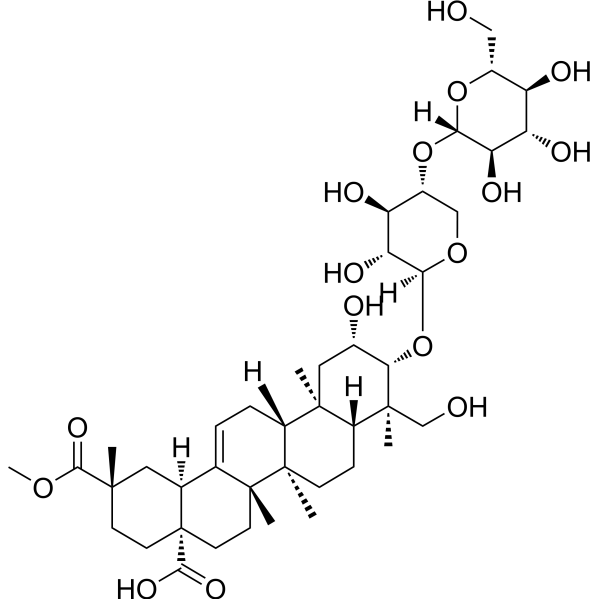 0 ImagesEsculentoside A (EsA), a kind of triterpene saponin isolated from roots of Phytolacca esculenta. Esculentoside A (EsA) possesses anti-inflammatory activity in acute and chronic experimental models, has selective inhibitory activity towards cyclooxygenase-2 (COX-2). Esculentoside A (EsA) suppresses inflammatory responses in LPS-induced acute lung injury (ALI) through inhibition of the nuclear factor kappa B (NF-ΚB) and mitogen activated protein kinase (MAPK) signaling pathways.
-
BMS-195614
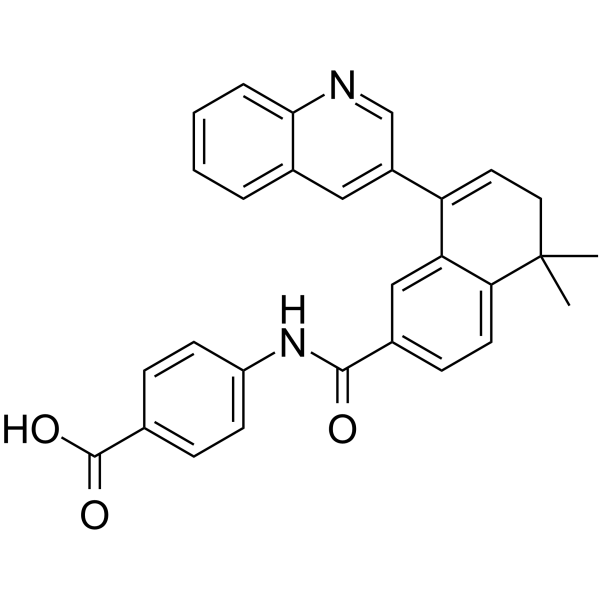 0 ImagesSynonyms: BMS 614BMS-195614 (BMS 614) is an orally active neutral RARα-selective antagonist with a Ki of 2.5 nM. BMS-195614 restores the expression of Bcl2. BMS-195614 inhibits the transactivation of NF-κB, AP-1 and PPAR. BMS-195614 downregulates the expression of IL-6 and VEGF. BMS-195614 reduces blue light-induced phototoxicity and inhibits cell migration. BMS-195614 modulates inflammation and angiogenesis.
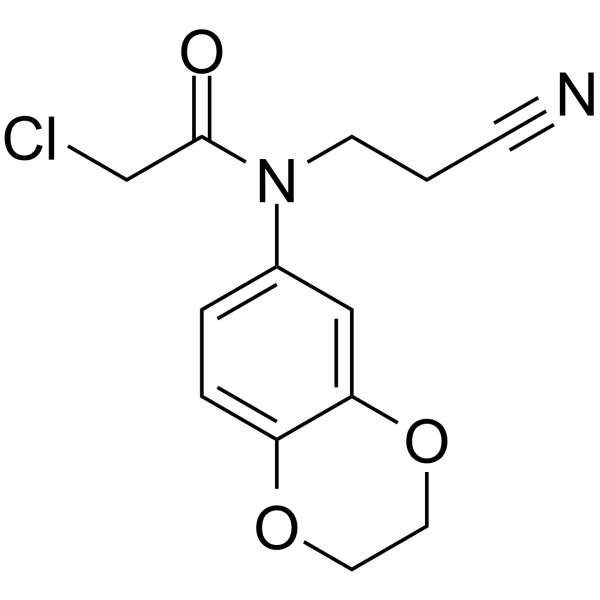
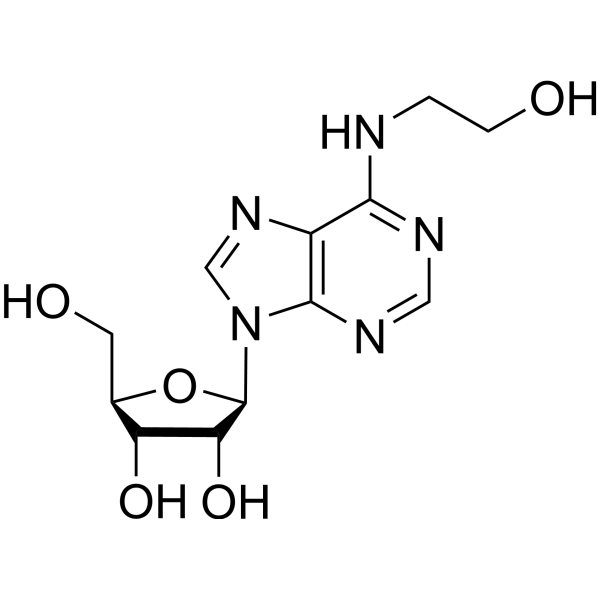
-
γ-Glu-Tyr
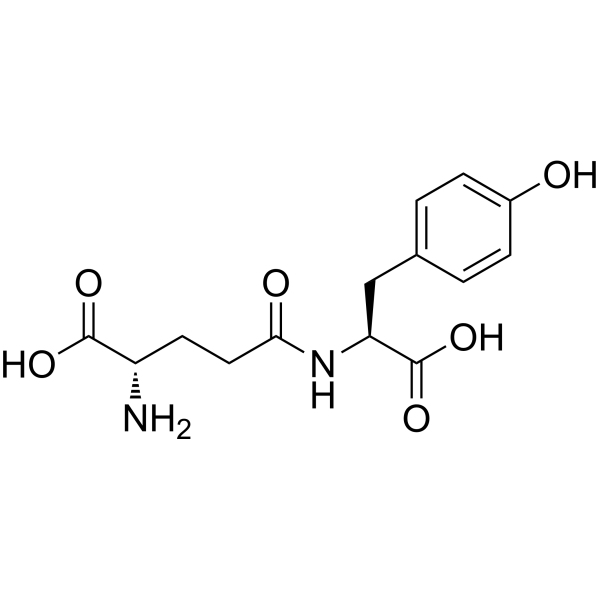 0 Imagesγ-Glu-Tyr is an orally active gut microbiota-derived metabolite and a competitive DPP-IV inhibitor with an IC50 of 6.77 mM against hDPP-IV. γ-Glu-Tyr weakly activates hCaSR. γ-Glu-Tyr decreases colonic pro-inflammatory cytokine (IL-6, IL-1β, TNF-α) levels. γ-Glu-Tyr activates the cAMP/PKA signaling pathway and inhibits NF-κB phosphorylation, thereby reducing inflammatory responses. γ-Glu-Tyr can be used for research on type 2 diabetes and ulcerative colitis.
-
α-Terpineol
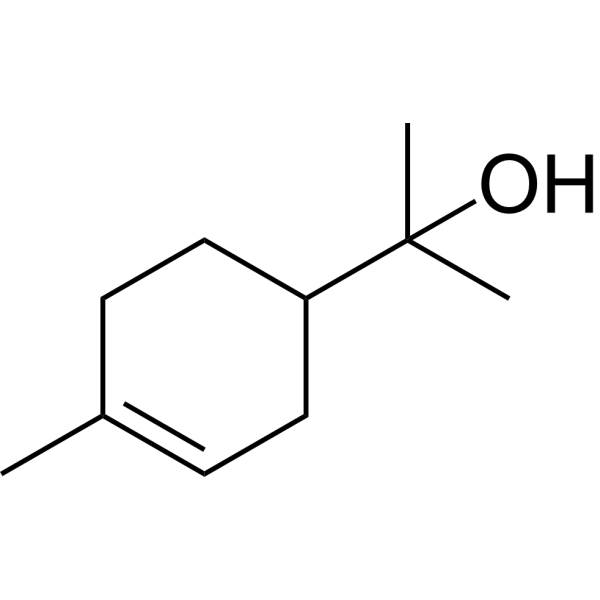 0 Imagesα-Terpineol (with oral activity) can be found in Eucalyptus globulus Labill. α-Terpineol exhibits strong antimicrobial activity against periodontopathic and cariogenic bacteria.α-Terpineol possesses antifungal activity against T. mentagrophytes, and the activity might lead to irreversible cellular disruption. In addition, α-Terpineol exhibits antineuropathic and anti-inflammatory activities. α-Terpineol can be utilized in research related to diarrhea, neuropathic pain, infections, and inflammation.
-
Glaucine
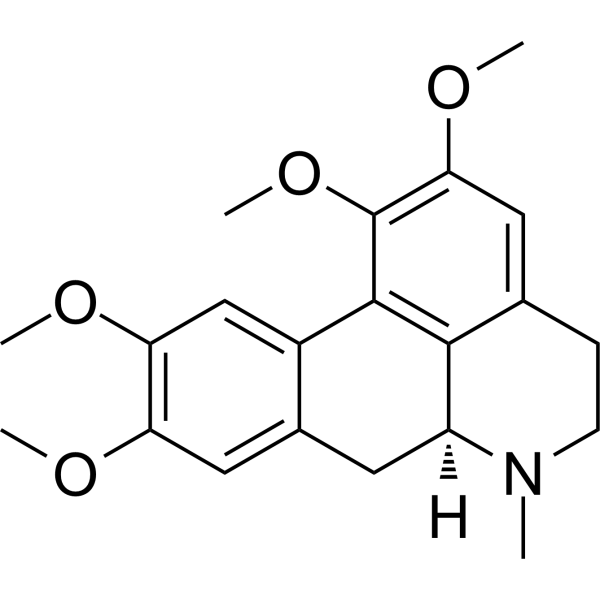 0 ImagesSynonyms: O,O-Dimethylisoboldine; S-(+)-Glaucine; NSC 34396Glaucine (O,O-Dimethylisoboldine) is an alkaloid extracted from Glaucium flavum that possesses various activities, including cough relief, bronchodilation, anti-inflammatory effects, analgesia, antipyretic properties, and anticancer effects. Glaucine acts as a selective and orally active inhibitor of phosphodiesterase 4 (PDE4), with a Ki of 3.4 µM in human bronchial tissues and polymorphonuclear leukocytes. Glaucine induces relaxation of human isolated bronchi by antagonizing calcium channels. Additionally, Glaucine inhibits the activation of NF-κB, leading to a reduction in the expression of the MMP-9 gene, thereby suppressing the migration and invasion of breast cancer cells. Therefore, Glaucine holds potential for research in asthma and breast cancer.

-
L6H21
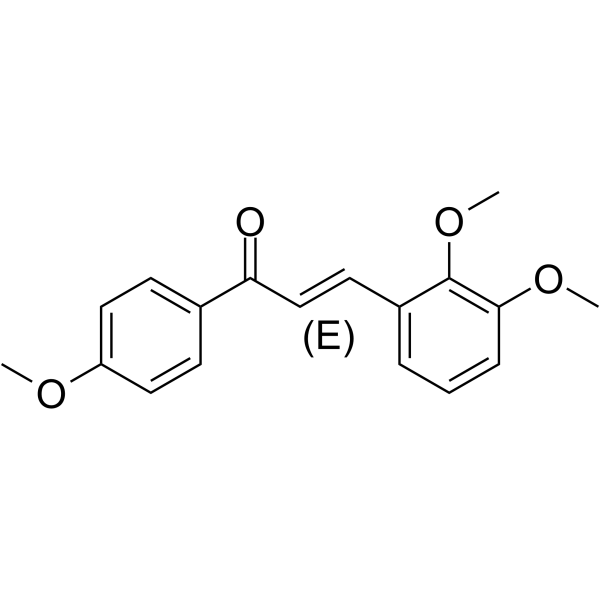 0 ImagesL6H21, a Chalcone (HY-121054) derivative, is an orally active, potent and specific myeloid differentiation 2 (MD-2) inhibitor. L6H21 directly binds to MD-2 protein with a high affinity and low KD value of 33.3 μM, blocking the formation of the LPS-TLR4/MD-2 complex. L6H21 inhibits LPS-induced expression of TNF-α and IL-6 in RAW264.7 macrophages, with IC50 values of 6.58 and 8.59 μM, respectively. L6H21 can be used for alcoholic liver disease, metabolic disturbance and neuroinflammation research.