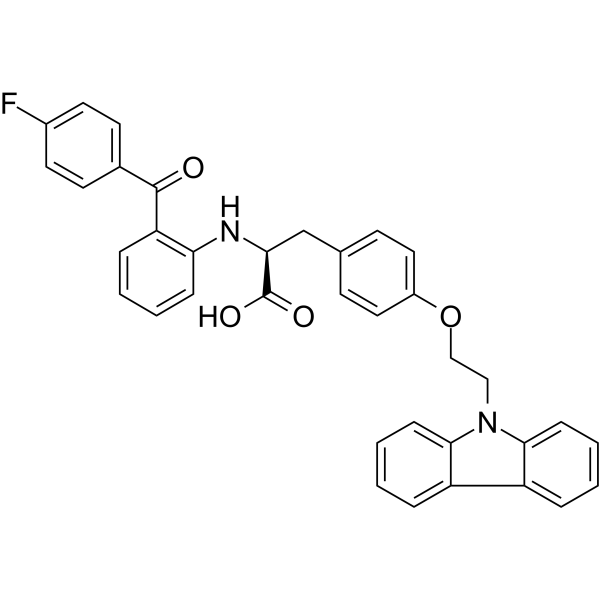
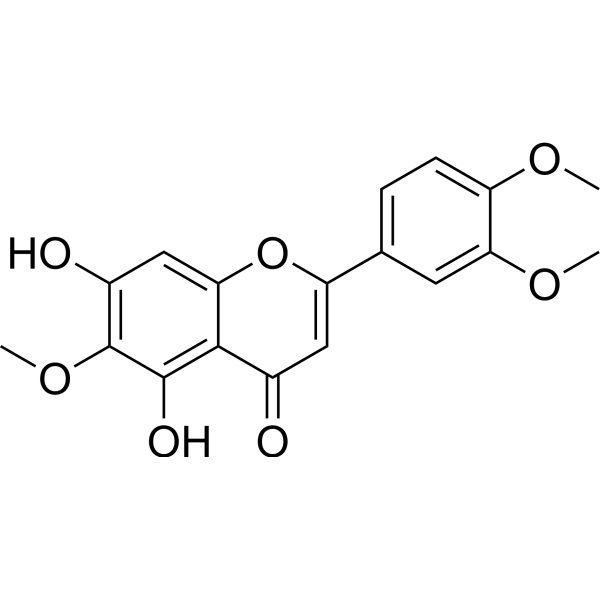
PPAR
Peroxisome proliferator-activated receptors
PPARs (Peroxisome proliferator-activated receptors) are ligand-activated transcription factors of nuclear hormone receptor superfamily comprising of the following three subtypes: PPARα, PPARγ, and PPARβ/δ. PPARs play essential roles in the regulation of cellular differentiation, development, and metabolism (carbohydrate, lipid, protein), and tumorigenesis of higher organisms. All PPARs heterodimerize with the retinoid X receptor (RXR) and bind to specific regions on the DNA of target genes. Activation of PPAR-α reduces triglyceride level and is involved in regulation of energy homeostasis. Activation of PPAR-γ enhances glucose metabolism, whereas activation of PPAR-β/δ enhances fatty acids metabolism.
PPAR Isoform Specific Products
All Product Categories
-
PPAR Inhibitors
(106)
View all products
-
PPAR Agonists
(343)
View all products
-
PPAR Antagonists
(31)
View all products
-
PPAR Activators
(171)
View all products
-
PPAR Modulators
(44)
View all products
-
PPAR Inducers
(6)
View all products
-
PPAR Controls
(3)
View all products
-
PPAR Ligands
(4)
View all products
-
Peroxisome Proliferator-activated Receptor Proteins
(11)
View all products
-
PPAR alpha Proteins
(2)
View all products
-
PPAR gamma Proteins
(7)
View all products
-
PPAR-delta Proteins
(2)
View all products
-
PPAR Related Products (752)
Related Products (752)

-
Recombinant Proteins (11)
-
Antibodies (4)
-
PPAR Isoform Comparison
-
Pentadecanoic acid
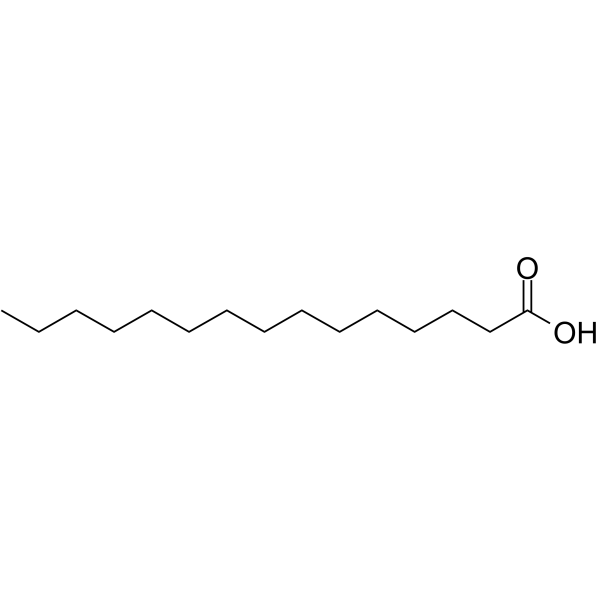 0 ImagesPentadecylic acid is a saturated fatty acid with a 15-carbon backbone.
-
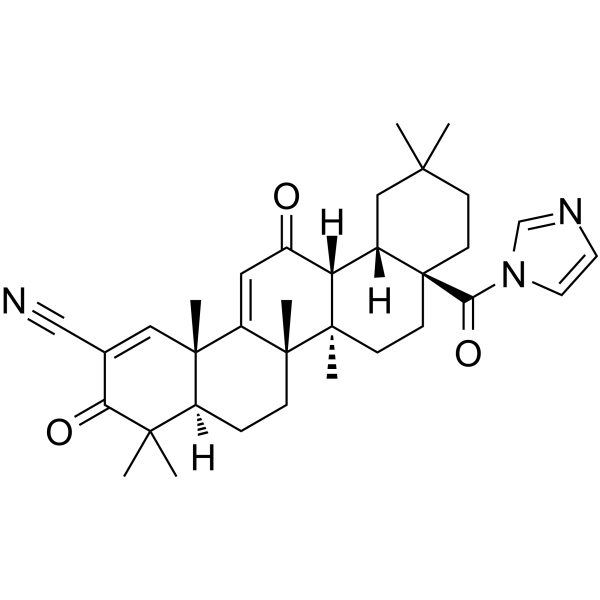
Seladelpar
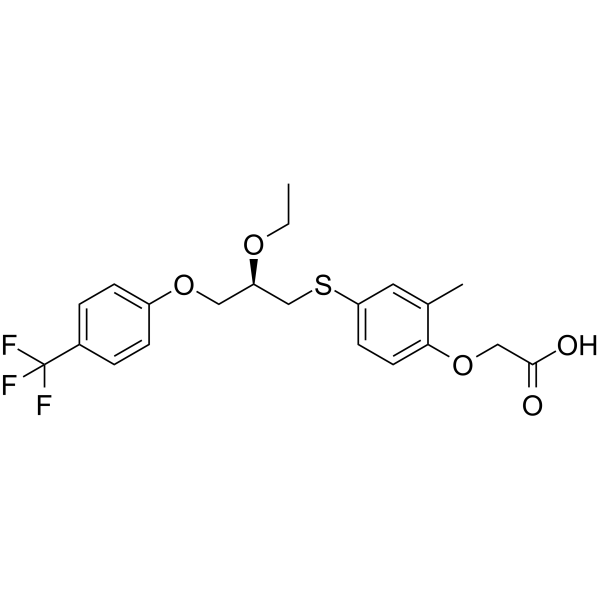 0 ImagesSynonyms: MBX-8025; RWJ-800025
-
Sodium acetate trihydrate, 99.5%
 0 ImagesSodium acetate trihydrate, 99.5% is a carboxylic acid and short-chain fatty acid (SCFAs). Sodium acetate trihydrate activates AMPK, increases ROS, cleaved caspase 9, PPARα, downregulates SREBP-1c, ChREBP expression. Sodium acetate trihydrate exhibits antifungal activity against Saccharomyces cerevisiae W303-1A. Sodium acetate trihydrate regulates energy metabolism. Sodium acetate trihydrate has anticancer activity against gastric cancer. Sodium acetate trihydrate induces writhing reaction and ulcerative colitis. Sodium acetate trihydrate can be used in the researches for gastric cancer, ulcerative colitis, hepatic steatosis, and pain.
-
9''-Methyl salvianolate B
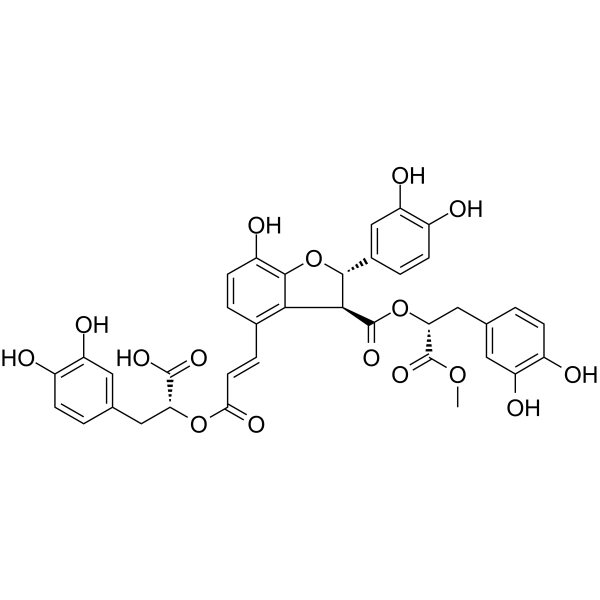 0 ImagesSynonyms: MSB9''-Methyl salvianolate B (MSB) is a blood-brain barrier-permeable inhibitor with high affinity for g5Rp, with a Kd value of 117 nM against African swine fever virus (ASFV) g5Rp. 9''-Methyl salvianolate B also acts as a ZBP1 inhibitor. It exhibits strong binding affinity to key proteins in the PPARγ/NF-κB pathway. 9''-Methyl salvianolate B blocks the interaction between ASFV g5Rp and host proteins eIF5A or RPS15. It restores hypusination modification of eIF5A, promotes autophagy (Autophagy), and inhibits ASFV replication. 9''-Methyl salvianolate B effectively disrupts ZBP1-mediated PANoptosome assembly. It effectively alleviates myocardial ischemia/reperfusion injury. 9''-Methyl salvianolate B can be used in studies related to African swine fever.
-
Candesartan
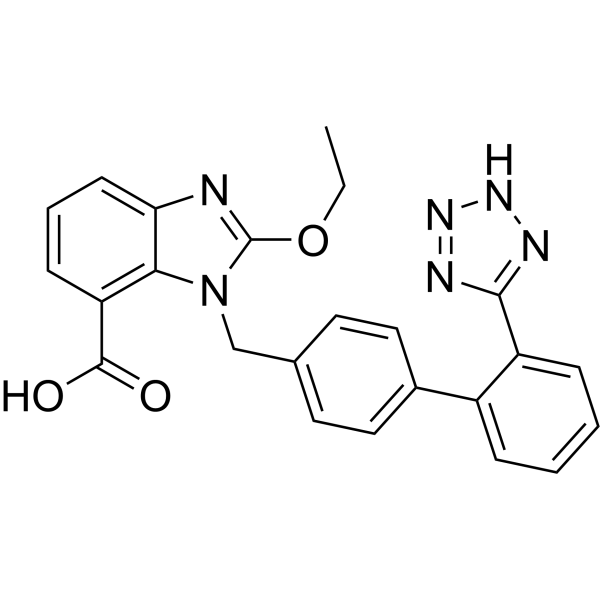 0 ImagesSynonyms: CV 11974Candesartan (CV 11974) is an orally active angiotensin II AT1-Receptor blocker and PPAR-γ agonist. Candesartan has potent and long-lasting antihypertensive effects. Candesartan can be used for the research of hypertension, chronic heart failure (CHF) and Traumatic brain injury (TBI).
-
1-Methyladenosine
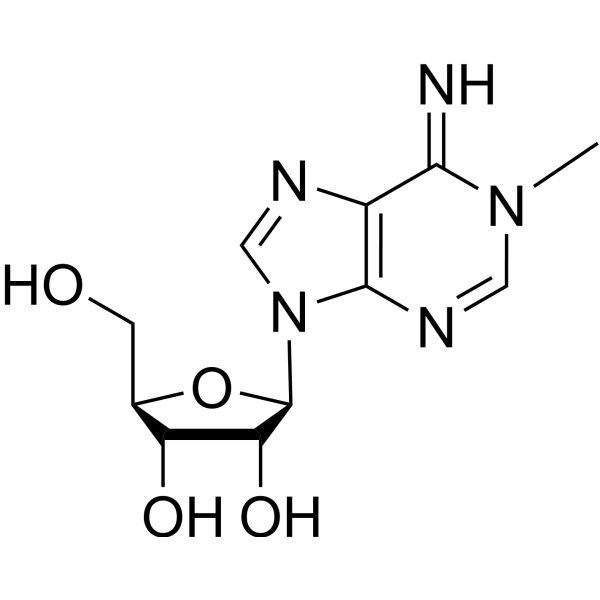 0 Images1-Methyladenosine is an RNA modification that can serve as a tumor marker, with elevated levels in the body associated with cancer development. Following 1-methyladenosine methylation, upregulation of PPARδ expression regulates cholesterol metabolism and activates Hedgehog signaling pathway, driving liver tumorigenesis.
-
Sodium acetate trihydrate, meets analytical specification of Ph. Eur. BP USP FCC E262, ≤0.00002% Al
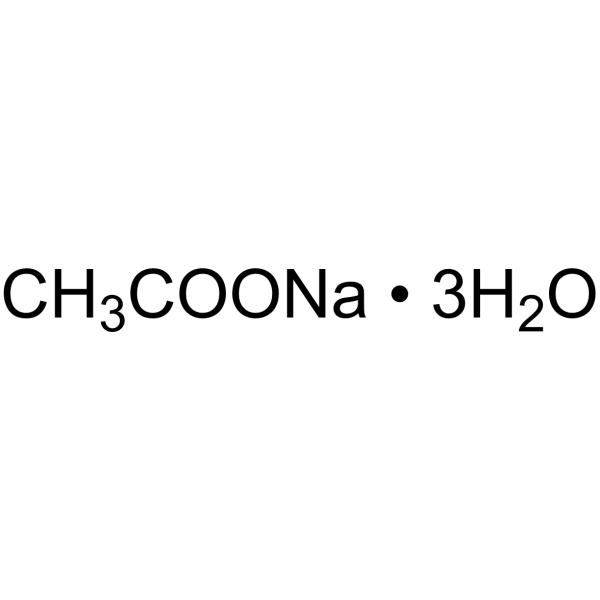 0 ImagesSodium acetate trihydrate, meets analytical specification of Ph. Eur. BP USP FCC E262, ≤0.00002% Al is a carboxylic acid and short-chain fatty acid (SCFAs). Sodium acetate trihydrate activates AMPK, increases ROS, cleaved caspase 9, PPARα, downregulates SREBP-1c, ChREBP expression. Sodium acetate trihydrate exhibits antifungal activity against Saccharomyces cerevisiae W303-1A. Sodium acetate trihydrate regulates energy metabolism. Sodium acetate trihydrate has anticancer activity against gastric cancer. Sodium acetate trihydrate induces writhing reaction and ulcerative colitis. Sodium acetate trihydrate can be used in the researches for gastric cancer, ulcerative colitis, hepatic steatosis, and pain.
-
Palmitelaidic acid
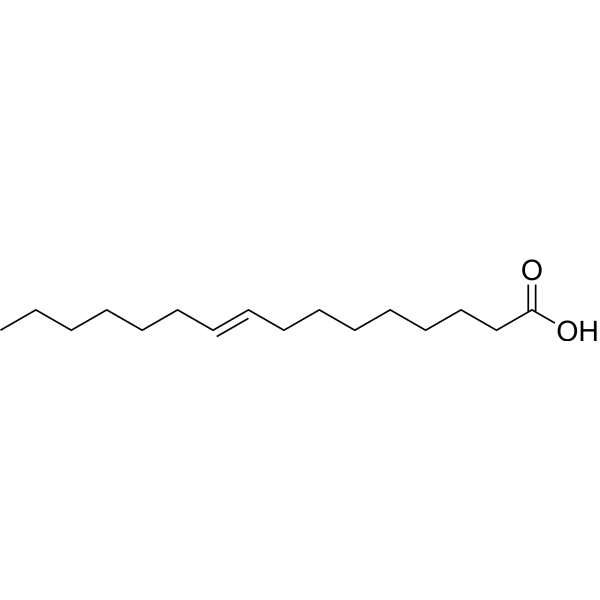 0 ImagesSynonyms: 9-trans-Hexadecenoic acid; trans-Palmitoleic acidPalmitelaidic acid (9-trans-Hexadecenoic acid) is the trans isomer of palmitoleic acid. Palmitoleic acid is one of the most abundant fatty acids in serum and tissue.
-
Dehydroepiandrosterone sulfate sodium
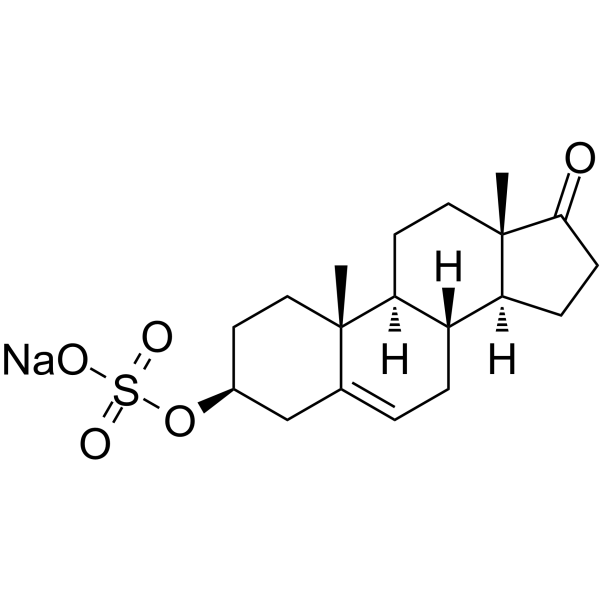 0 ImagesSynonyms: DHEA sulfate sodium; Prasterone sulfate sodiumDehydroepiandrosterone sulfate (DHEA sulfate; Prasterone sulfate) sodium salt is a neurosteroid and the main secretion product of the adrenal gland. Dehydroepiandrosterone sulfate sodium salt has both non-competitive antagonist activity of GABAA receptor and agonist activity of σ1 receptor. Dehydroepiandrosterone sulfate sodium salt can partially penetrate the blood-brain barrier, inhibit GABAA receptor-mediated chloride influx, enhance NMDA receptor activity through σ1 receptors, exert anti-inflammatory, anti-glucocorticoid and antidepressant effects, and increase convulsive sensitivity. Dehydroepiandrosterone sulfate sodium salt participates in neuroprotection, neurite growth regulation and catecholamine secretion regulation, and can be used in the study of depression, post-traumatic stress disorder (PTSD), Alzheimer's disease, etc. Dehydroepiandrosterone sulfate sodium salt may also be a biomarker for cardiovascular disease mortality, and its concentration is independently and negatively correlated with mortality.
-
Zinc Gluconate
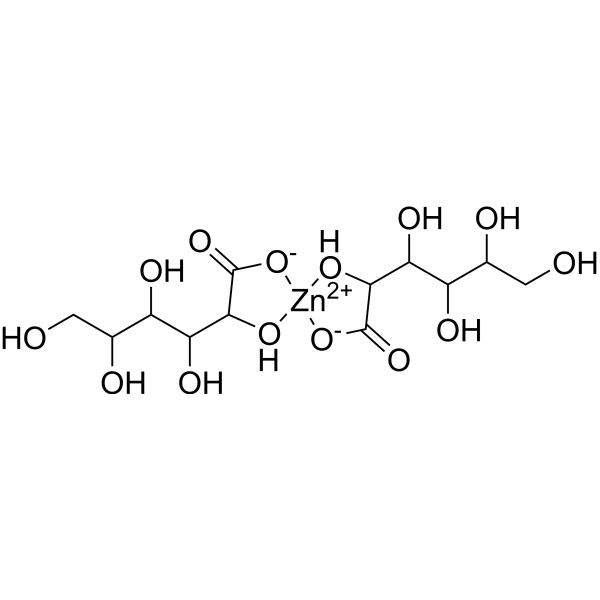 0 ImagesZinc Gluconate is a zinc supplement in the form of a gluconate salt, which plays a role in various physiological processes such as immune function, wound healing, and olfaction. Zinc Gluconate has a LD50 of 39.6 mg/kg in mice (Tail vein injection). Zinc Gluconate can be used in the research of inflammation, zinc deficiency, colds, cancer, and nutritional supplements.
-
1,2-DLPC
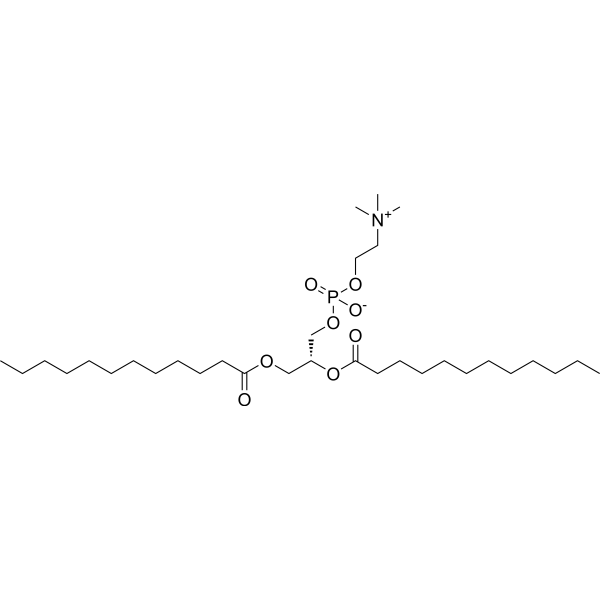 0 ImagesSynonyms: 1,2-Dilauroyl-sn-glycero-3-phosphocholine1,2-DLPC (1,2-Dilauroyl-sn-glycero-3-phosphocholine) is a ligand for LRH-1 agonists. 1,2-DLPC is a phospholipid used in the synthesis of liposomes. 1,2-DLPC enhances fat breakdown and apoptosis in fat cells through a TNFα-dependent pathway, while also inhibiting palmitate-induced insulin resistance through PPARα-mediated inflammation in muscle cells.
-
Bilobetin
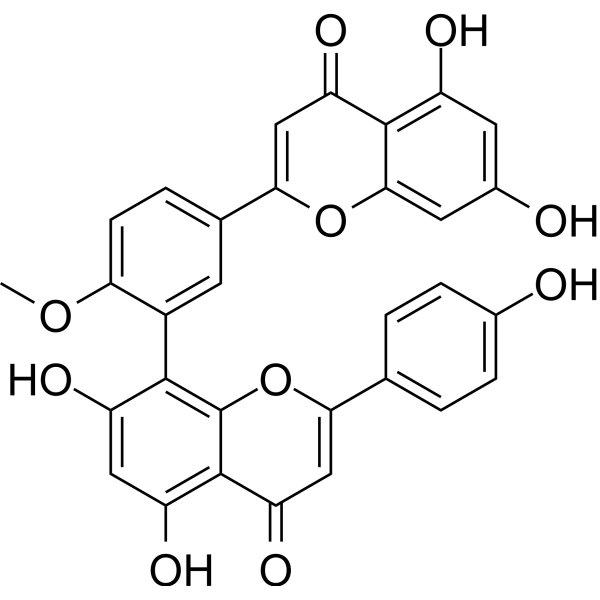 0 ImagesBilobetin, an active component of Ginkgo biloba, can reduce blood lipids and improve the effects of insulin. Bilobetin ameliorated insulin resistance, increased the hepatic uptake and oxidation of lipids, reduced very-low-density lipoprotein triglyceride secretion and blood triglyceride levels, enhanced the expression and activity of enzymes involved in β-oxidation and attenuated the accumulation of triglycerides and their metabolites in tissues. Bilobetin also increased the phosphorylation, nuclear translocation and activity of PPARα accompanied by elevated cAMP level and PKA activity.
-
Hexadecanamide
 0 ImagesHexadecanamide (Palmitamide) is a fatty acid amide that has orally active anti-allergic, antioxidant, and neuroprotective effects. Hexadecanamide exerts protective effects in Staphylococcus aureus- and SARA-induced mastitis. Hexadecanamide suppresses S. aureus-induced activation of the NF-κB pathway and improves blood-milk barrier integrity. Hexadecanamide activates PPARα. Hexadecanamide enhances sperm motility in vitro. Hexadecanamide can be studied in research for mastitis and asthenozoospermia.