



TNF Receptor
Tumor Necrosis Factor Receptor; TNFR
Tumor necrosis factor (TNF) is a major mediator of apoptosis as well as inflammation and immunity, and it has been implicated in the pathogenesis of a wide spectrum of human diseases, including sepsis, diabetes, cancer, osteoporosis, multiple sclerosis, rheumatoid arthritis, and inflammatory bowel diseases.
TNF-α is a 17-kDa protein consisting of 157 amino acids that is a homotrimer in solution. In humans, the gene is mapped to chromosome 6. Its bioactivity is mainly regulated by soluble TNF-α–binding receptors. TNF-α is mainly produced by activated macrophages, T lymphocytes, and natural killer cells. Lower expression is known for a variety of other cells, including fibroblasts, smooth muscle cells, and tumor cells. In cells, TNF-α is synthesized as pro-TNF (26 kDa), which is membrane-bound and is released upon cleavage of its pro domain by TNF-converting enzyme (TACE).
Many of the TNF-induced cellular responses are mediated by either one of the two TNF receptors, TNF-R1 and TNF-R2, both of which belong to the TNF receptor super-family. In response to TNF treatment, the transcription factor NF-κB and MAP kinases, including ERK, p38 and JNK, are activated in most types of cells and, in some cases, apoptosis or necrosis could also be induced. However, induction of apoptosis or necrosis is mainly achieved through TNFR1, which is also known as a death receptor. Activation of the NF-κB and MAPKs plays an important role in the induction of many cytokines and immune-regulatory proteins and is pivotal for many inflammatory responses.
TNF Receptor Isoform Specific Products
-
TNF Receptor
(686)
View all products
-
TNFRSF1A/
CD120a (8)View all products
-
TNFRSF3/
CD18 (1)View all products
-
TNFRSF4
(5)
View all products
-
TNFRSF5/
CD40 (118)View all products
-
TNFRSF6/
Fas/ (2)CD95 View all products
-
TNFRSF7/
CD27 (2)View all products
-
TNFRSF8/
CD30 (3)View all products
-
TNFRSF9/
4-1BB/ (3)CD137 View all products
-
TNFRSF10B/
DR5/ (1)CD262 View all products
-
TNFRSF12A/
TWEAK (5)View all products
-
TNFRSF16/
NGF Receptor/ (1)CD271 View all products
-
TNFRSF18/
GITR/ (6)CD357 View all products
All Product Categories
-
TNF Receptor Inhibitors
(869)
View all products
-
TNF Receptor Agonists
(35)
View all products
-
TNF Receptor Antagonists
(25)
View all products
-
TNF Receptor Activators
(73)
View all products
-
TNF Receptor Modulators
(8)
View all products
-
TNF Receptor Inducers
(10)
View all products
-
TNF Receptor Controls
(4)
View all products
-
TNF Receptor Ligands
(2)
View all products
-
TNF Receptor Superfamily Proteins
(282)
View all products
-
TNF Receptor Related Products (1222)
Related Products (1222)

-
Recombinant Proteins (282)
-
Antibodies (23)
-
TNF Receptor Signaling Pathway
-
TNF Receptor Isoform Comparison
-
RP-832c
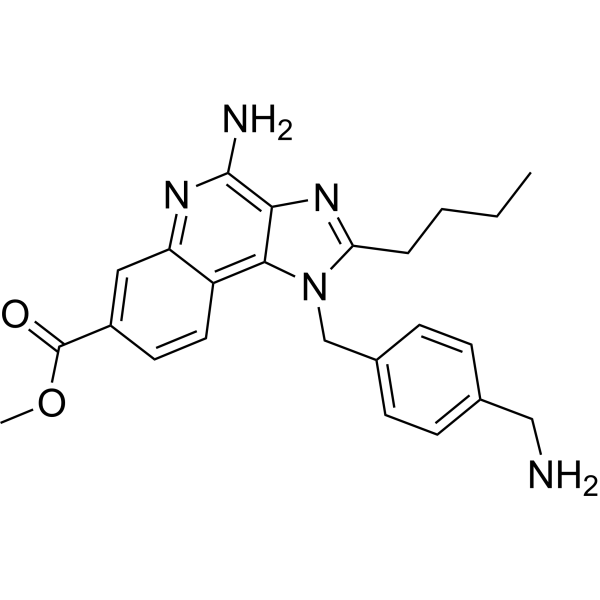
 0 ImagesRP-832c is a synthetic analogue of host defense peptides (HDP), targeting the mannose receptor CD206 on the surface of M2 polarized macrophages (Kd = 3.5 μM). RP-832c binding to CD206 induces a significant conformational change in the receptor, activating signaling pathways that lead to rapid apoptosis and repolarization of CD206-positive M2 macrophages to an M1 phenotype. RP-832c treatment significantly reduces CD206 gene expression in M2 macrophages while transiently increasing expression of TNF-α, a marker for M1 macrophages. RP-832c is used for the studies of T-cell lymphoma (CTCL) and idiopathic pulmonary fibrosis (IPF).
-
Aplitabart
 0 ImagesCat. No.: HY-P990901CAS No.: 2796349-94-3Synonyms: IGM-8444Aplitabart (IGM-8444) is a pentameric IgM death receptor 5 (DR5) agonist antibody with a KD of 85 nM and an apparent affinity of 11 pM. Aplitabart induces DR5 multimerization, thereby triggering cancer cell apoptosis via the extrinsic apoptotic pathway apoptosis. Aplitabart is applicable to cancer-related research such as colorectal cancer and gastric cancer.
-
FIP22
 0 ImagesFIP22 is a potent and selective IRAK4 PROTAC degrader (HEK293T cells: DC50 = 3.2 nM; THP-1 cells: DC50 = 10.6 nM). FIP22 induces the ubiquitin-proteasome system by forming an IRAK4-FIP22-CRBN ternary complex (EC50 = 12.63 nM), thereby potently blocking IRAK4-mediated NF-κB and MAPK signaling pathways. FIP22 can be used for the study of atopic dermatitis.
-
SMAP-29
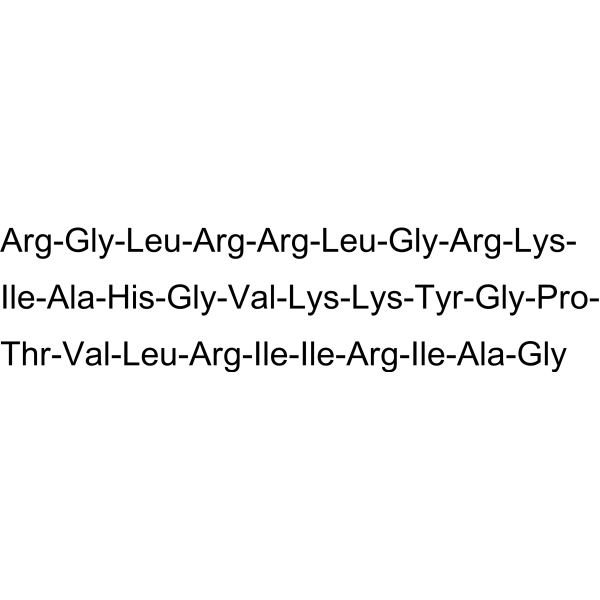 0 ImagesSMAP‑29 is a cathelicidin antimicrobial peptide with LPS‑binding and anti‑inflammatory properties. SMAP‑29 exerts broad‑spectrum antimicrobial activity against bacteria, fungi and multidrug‑resistant isolates. SMAP‑29 kills pathogens by permeabilizing bacterial membranes, inducing depolarization and cell lysis, and also inhibits inflammatory cytokines while reducing lethality in septic shock and pneumonia models. SMAP-29 can be used for research on bacterial infections, drug-resistant infections, septic shock.
-
Madecassic acid (Standard)
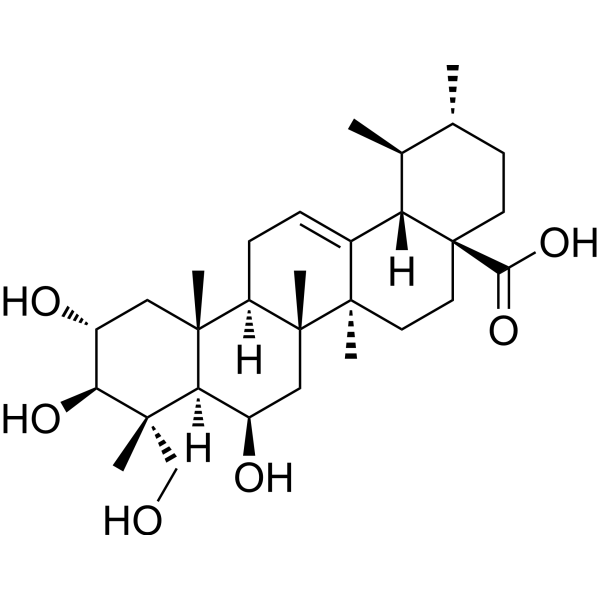 0 ImagesMadecassic acid (Standard) is the analytical standard of Madecassic acid. This product is intended for research and analytical applications. Madecassic acid is isolated from Centella asiatica (Umbelliferae). Madecassic acid has anti-inflammatory properties caused by iNOS, COX-2, TNF-alpha, IL-1beta, and IL-6 inhibition via the downregulation of NF-κB activation in RAW 264.7 macrophage cells.
-
HDMAPP triammonium
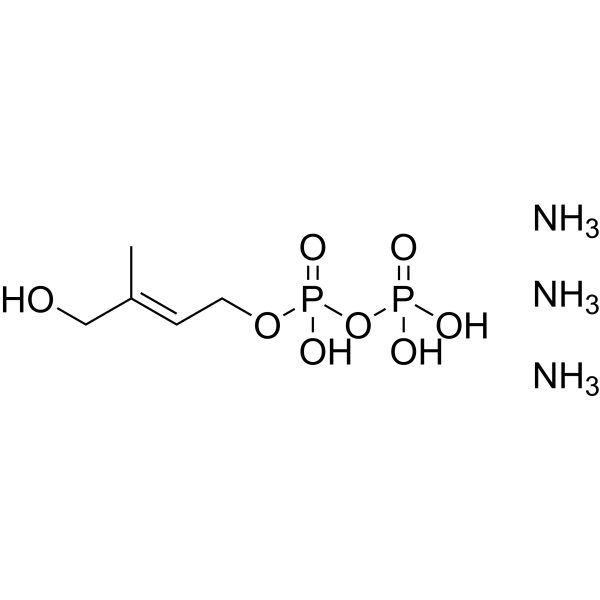 0 ImagesCat. No.: HY-145498CAS No.: 443892-56-6HDMAPP triammonium is a potent phosphoantigen in the ammonium form and the pyrophosphate form of (E)-HDMAPP. HDMAPP is also a potent activator of γδ T cells and can induce T cell stimulation in vitro (EC50=0.39 nM, TNF-α).
-
Kaempferol-3-O-glucorhamnoside
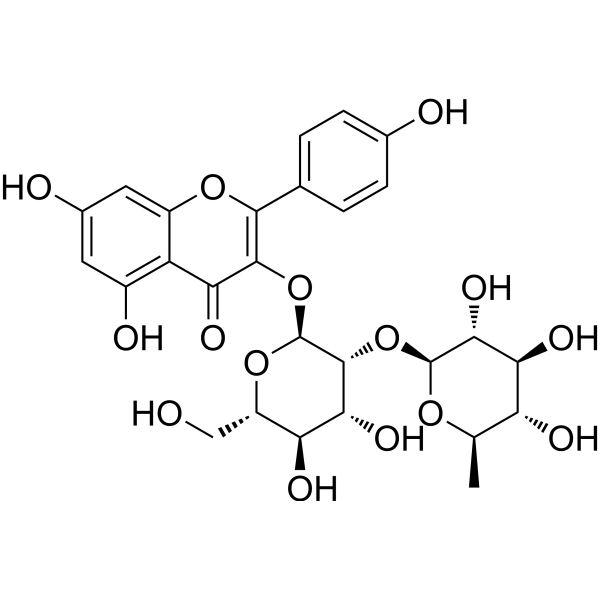 0 ImagesKaempferol-3-O-glucorhamnoside is a flavonoid compound. Kaempferol-3-O-glucorhamnoside can be extracted from T. chinense Turcz. Kaempferol-3-O-glucorhamnoside inhibits the phosphorylation of NF-κB and MAPK kinases. Kaempferol-3-O-glucorhamnoside suppresses the expression of cytokines (TNF-α, IL-6, IL-1β and PGE2) and reduces ROS levels. Kaempferol-3-O-glucorhamnoside ameliorates pulmonary edema and alleviates oxidative stress in the lungs and cells of mice exposed to Klebsiella pneumoniae. Kaempferol-3-O-glucorhamnoside possesses anti-inflammatory properties. Kaempferol-3-O-glucorhamnoside can be used in studies related to Klebsiella pneumoniae infection (pneumonia).
-
ABBV-3373
 0 ImagesCat. No.: HY-164894Purity: 98.78%ABBV-3373 is an anti-TNF antibody-drug conjugate (ADC). ABBV-3373 consists of a fully human TNF antibody Adalimumab (HY-P9908) conjugated to a glucocorticoid receptor agonist (HY-148436). ABBV-3373 can be used for the research of rheumatoid arthritis.
-
TD1092
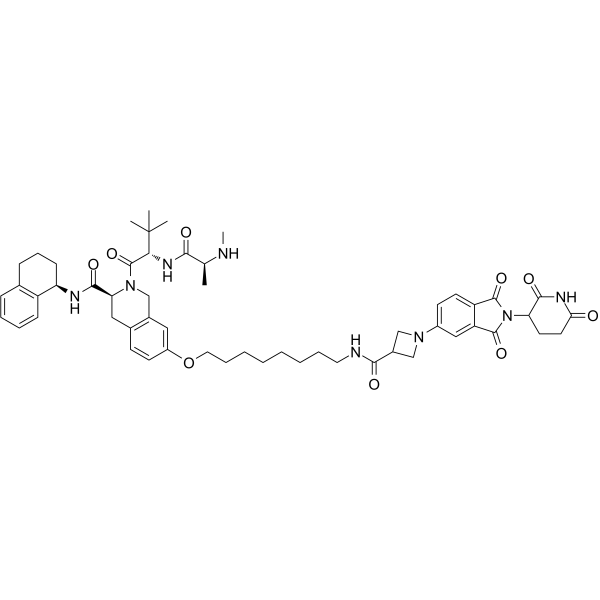 0 ImagesTD1092 is a pan-inhibitor of apoptosis protein (IAP) PROTAC degrader that targets cIAP1, cIAP2, and XIAP for degradation. TD1092 induces cell apoptosis by activating caspase. TD1092 inhibits the NF-κB signaling pathway induced by TNFα. TD1092 suppresses TNFα-induced epithelial-mesenchymal transition, cancer cell migration, and invasion. TD1092 is suitable for research on breast cancer, ovarian cancer, melanoma, and inflammation-related diseases.
-
Omtriptolide
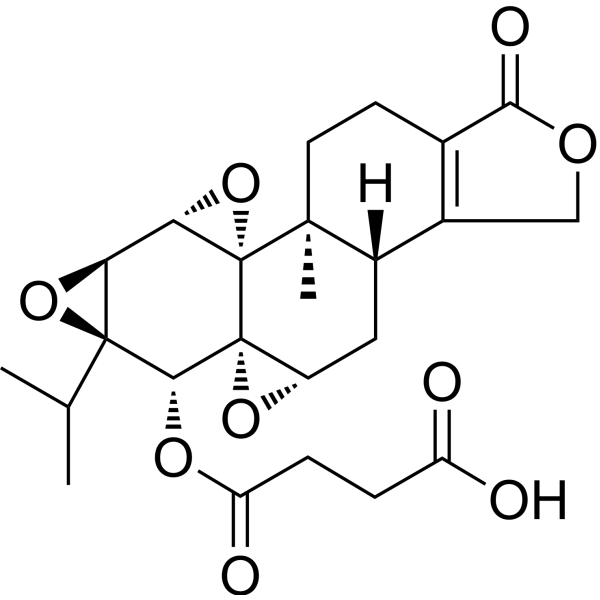 0 ImagesCat. No.: HY-16363CAS No.: 195883-06-8Synonyms: PG 490-88Omtriptolide (PG490-88) is a derivative proagent of triptolide purified from the Chinese herb.
-
PROTAC JAK1/2 degrader-1
 0 ImagesCat. No.: HY-179715Purity: 99.47%PROTAC JAK1/2 degrader-1 is an orally active JAK1/JAK2 PROTAC degrader, with DC50 values of 1.4 μM and 0.92 μM against JAK1 and JAK2, respectively. PROTAC JAK1/2 degrader-1 triggers degradation via a CRBN- and proteasome-dependent pathway. PROTAC JAK1/2 degrader-1 inhibits the secretion of tumor necrosis factor-α (TNF-α) and interleukin-6 (IL-6). PROTAC JAK1/2 degrader-1 alleviates inflammatory responses and colon injury by inhibiting the JAK/STAT3 signaling pathway. PROTAC JAK1/2 degrader-1 can be used for the research of inflammatory bowel disease.
-
Karacoline
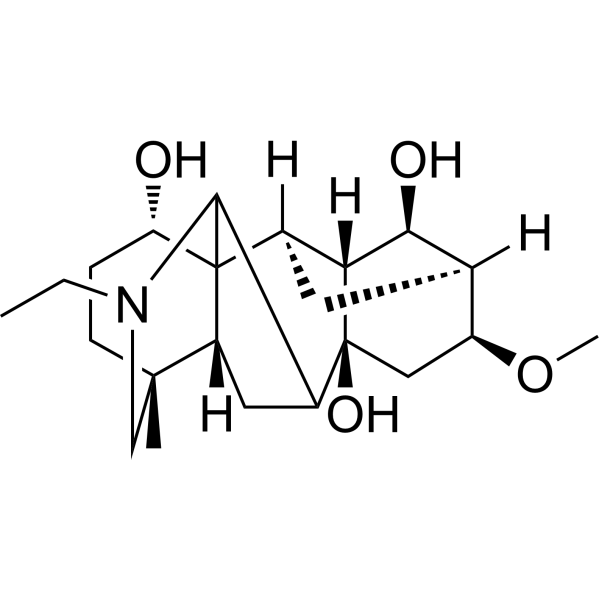 0 ImagesKaracoline is an orally active PPARγ activator and ERK/JNK MAPK inhibitor. Karacoline restricts ROS production, maintains mitochondrial membrane potential, and inhibits pulmonary cell apoptosis. Karacoline inhibits NF-κB pathway activation, reduces acetylation levels of p65 and the expression of MMP14 and MMP9, enhances the expression of type II collagen (collagen II) and aggrecan (aggrecan), and suppresses extracellular matrix degradation. In a mouse model of sepsis-induced acute lung injury, Karacoline alleviates lung injury, inhibits the release of IL-1β, IL-6 and TNF-α, increases the Bcl-2/BAX ratio, and reduces caspase 3 expression. Karacoline can be used in research related to acute lung injury and intervertebral disc degeneration.
-
Sugiol
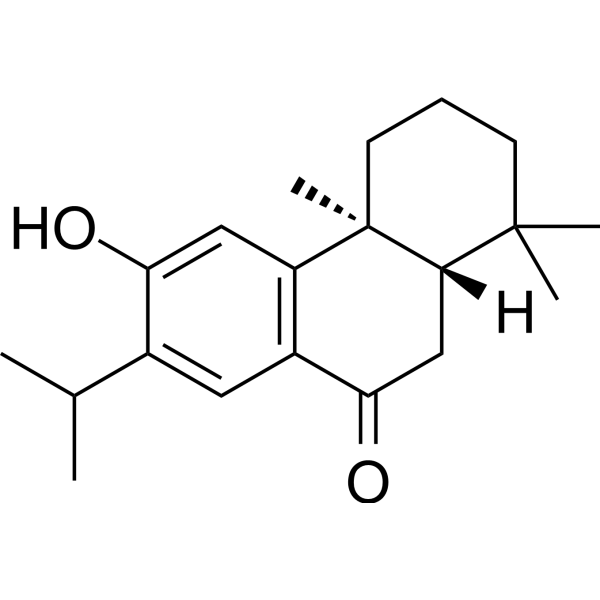 0 ImagesSugiol is an abietane diterpenoid, can be isolated from Calocedrus formosana bark. Sugiol has anti-inflammatory activity, could effectively reduce intracellular reactive oxygen species (ROS) production in lipopolysaccharide (LPS)-stimulated macrophages.
-
Taxifolin (Standard)
 0 ImagesSynonyms: (+)-Dihydroquercetin (Standard); (+)-Taxifolin (Standard)Taxifolin (Standard) is the analytical standard of Taxifolin. This product is intended for research and analytical applications. Taxifolin ((+)-Dihydroquercetin) exhibits important anti-tyrosinase activity. Taxifolin exhibits significant inhibitory activity against collagenase with an IC50 value of 193.3 μM. Taxifolin is an important natural compound with antifibrotic activity. Taxifolin is a free radical scavenger with antioxidant capacity.
-
Emirodatamab
 0 ImagesSynonyms: AMG-427Emirodatamab (AMG-427) is a bispecific T-cell engager (BiTE). Emirodatamab simultaneously binds FLT3 on the surface of acute myeloid leukemia (AML) cells and CD3 on the surface of T cells, thereby precisely recruiting immune effector cells to tumor sites. Emirodatamab potently induces T cell activation, secretion of proinflammatory cytokines (such as IFNγ, TNFα), and specific cytotoxicity, effectively lysing FLT3-positive tumor cells and inhibiting their growth. Emirodatamab not only significantly prolongs survival in mouse xenograft models and eliminates diseased cells in primates, but also exhibits a synergistic enhancement effect when combined with PD-1 blockade therapy. Emirodatamab is used in studies of acute myeloid leukemia, especially relapsed or refractory cases.
-
Tris(2-chloroethyl)phosphate-d12
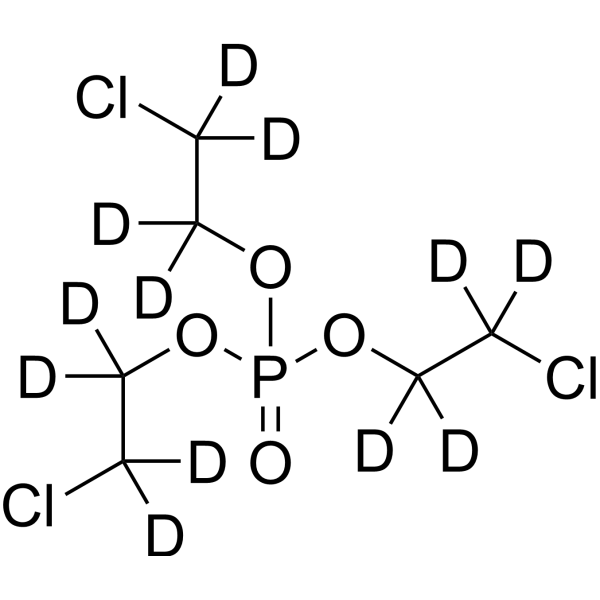 0 ImagesSynonyms: TCEP-d12Tris(2-chloroethyl)phosphate-d12 is the deuterium labeled Tris(β-chloroethyl) phosphate. Tris(2-chloroethyl) phosphate is a widely used organic phosphorus flame retardant, mainly used as a plasticizer. Tris(2-chloroethyl) phosphate has orally active hepatotoxicity, inducing an increase in reactive oxygen species (ROS) and calcium ions (Ca²⁺) influx, a decrease in mitochondrial membrane potential (△Ψm), and causing DNA damage and cell apoptosis. Tris(2-chloroethyl) phosphate directly binds to FXR, inducing obesity and the formation of fatty liver in mice. Chloroethyl) phosphate activates the TLR4/NF-κB pathway, triggering liver inflammation.
-
Undecane
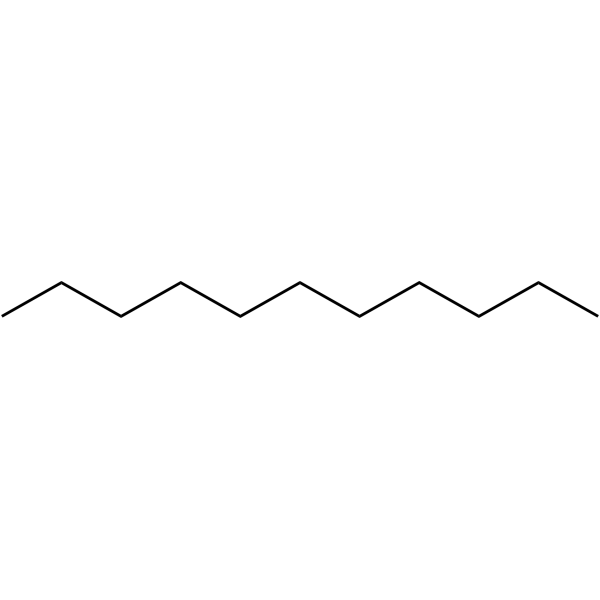 0 ImagesUndecane is a potent cAMP agonist with anti-allergic and anti-inflammatory activities. Undecane inhibits degranulation and the secretion of histamine and TNF-α. Undecane reverses the increased levels of p38 phosphorylation, NF-κB transcriptional activity and target cytokine/chemokine genes, including thymus and activation-regulated chemokine (TARC), macrophage-derived chemokine (MDC) and interleukin-8 (IL-8). Undecane can be used for the study of skin inflammatory disorders, such as atopic dermatitis.
-
DL-Tryptophan-d3
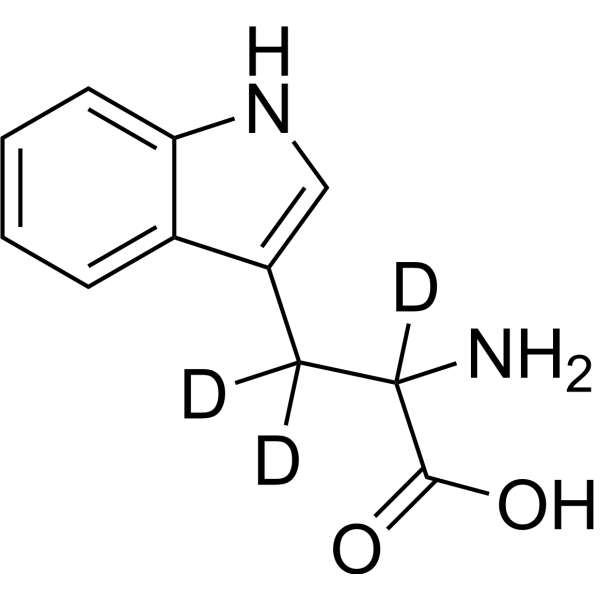 0 ImagesSynonyms: (±)-Tryptophan-d3DL-Tryptophan-d3 is the deuterium labeled DL-Tryptophan. DL-Tryptophan ((±)-Tryptophan) is an orally effective aryl hydrocarbon receptor (AhR) agonist. DL-Tryptophan reduces the expression of pro-inflammatory cytokines IL-6, TNF-α, IL-1β, as well as liver injury markers aspartate aminotransferase and alanine aminotransferase, and alleviates hepatocyte apoptosis (apoptosis) in sepsis induced by cecal ligation and puncture. DL-Tryptophan can be used in the research of sepsis-related acute liver injury.
-
Alisol F
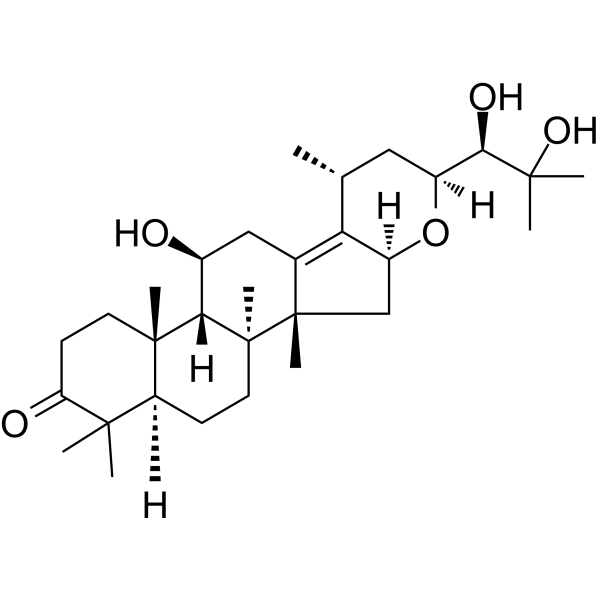 0 ImagesAlisol F is a protostane-type triterpenoid with anti-inflammatory and anti-hepatitis B virus activities. Alisol F inhibits LPS (HY-D1056)-induced phosphorylation of ERK, JNK, p38, STAT3 and NF-κB (p65), suppresses the production of NO, IL-6, TNF-α and IL-1β, and also downregulates the levels of iNOS and COX-2. Alisol F reduces the serum alanine aminotransferase and aspartate aminotransferase levels in mice with acute liver injury and ameliorates their liver pathological damage.




